This Is How To Get Late Summer Perennials Blooming Like Crazy In Ohio
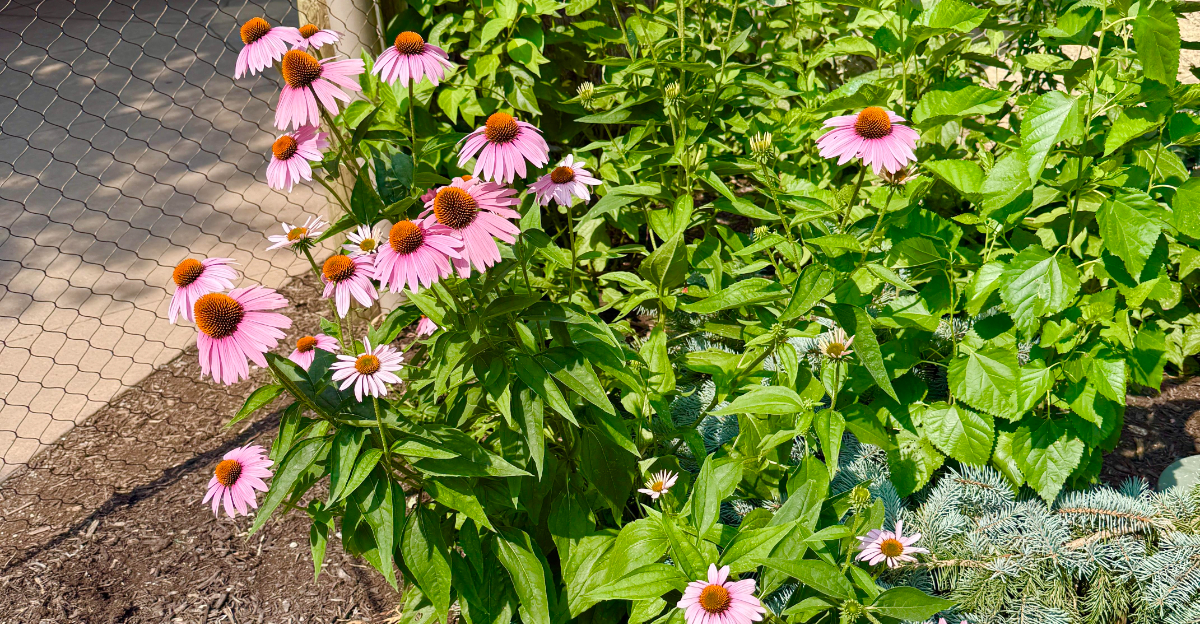
Late summer in Ohio is where perennial gardens either deliver or disappoint. Spring bloomers are long finished.
The garden has gone quiet. Most yards look like they peaked months ago and are just waiting for frost to make it official.
It does not have to go that way. Late summer perennials have more in them than Ohio gardens typically draw out.
The difference between a garden that blooms hard through August and September and one that fades out early comes down to a handful of decisions. Some happened earlier in the season.
Others can still be made right now. The perennials already in the ground have capacity that is going untapped.
A few targeted moves shift that quickly. August does not have to be the month Ohio gardens stop being worth looking at.
The right approach makes it one of the better months instead.
1. Trim Repeat Bloomers Before Seeds Take Over
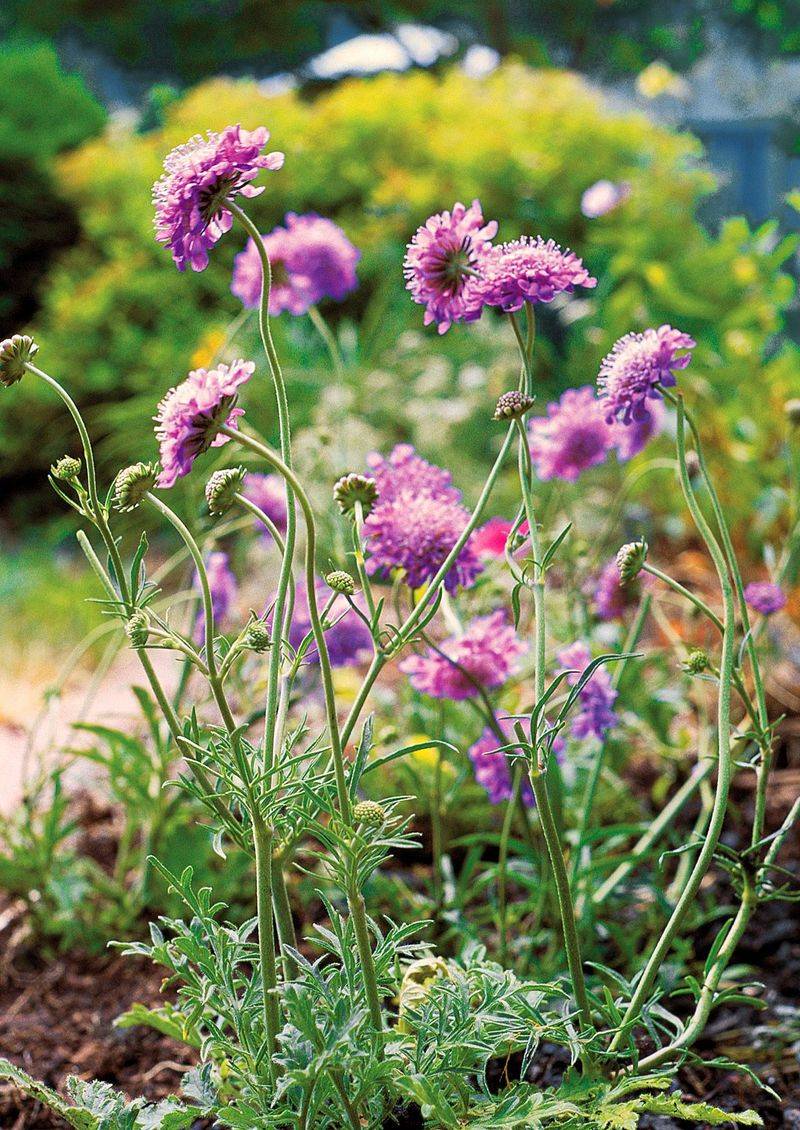
A faded coneflower head left on the stem is not just an eyesore. It is a signal to the plant that its work for the season is mostly done.
Once a repeat-blooming perennial sets seed, it shifts energy away from producing new flowers and toward ripening those seeds.
Removing spent flowers before seed fully forms can redirect that energy back into new bud production on plants that are capable of reblooming.
OSU Extension perennial guidance notes that trimming works best on plants with a genuine repeat-bloom habit.
Good candidates include garden phlox, black-eyed Susan varieties, coreopsis, and salvia, though response varies by cultivar and growing conditions.
The method matters too. Cut back to a healthy lateral bud or leaf node rather than leaving a bare stub.
Clean snips reduce the chance of spreading disease between plants.
Not every Ohio perennial will rebloom no matter how faithfully you trim. Some, like most astilbe or baptisia, bloom once and then hold attractive foliage or seed heads for the rest of the season.
Trimming those plants removes the only real ornamental feature they have left. Know your plants before you start cutting.
A quick check of a reliable plant guide or university extension source can tell you whether a perennial may rebloom. It can also show whether you are better off leaving it alone.
2. Cut Back Tired Plants Only When They Can Rebound
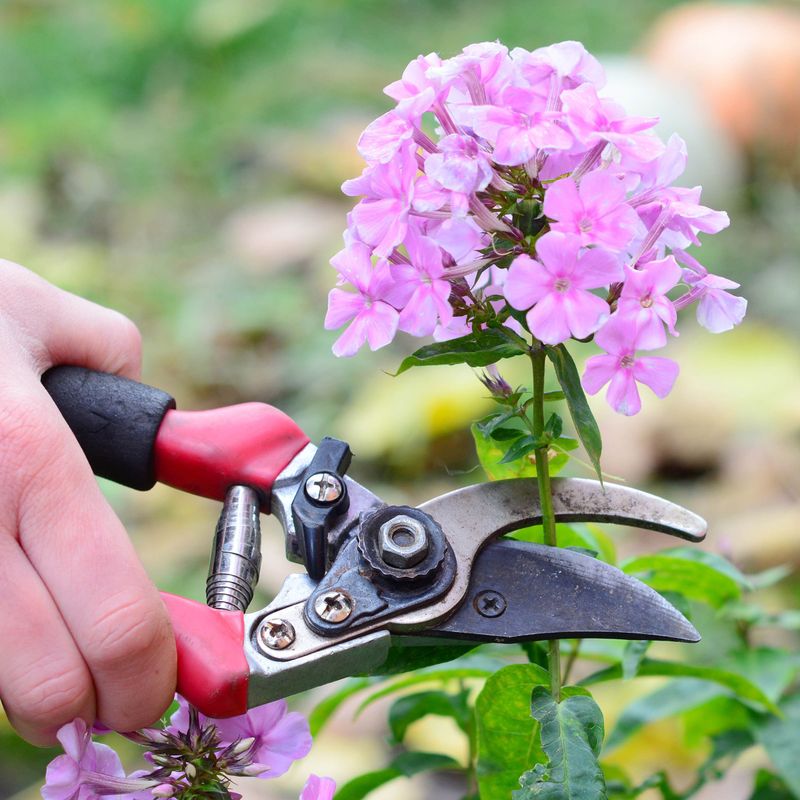
A phlox stem that has flopped after blooming looks like it needs a hard chop, but reaching for the shears without knowing your plant first can do more harm than good. Some perennials respond beautifully to a selective cutback after their first flush.
Catmint, for example, often pushes fresh growth and additional flowers when cut back by about one-third to one-half after its main bloom period ends. Salvia and cranesbill geranium are other commonly cited examples in horticulture guidance.
Other perennials will not rebloom after a cutback and may look ragged or stressed if you remove too much healthy foliage. Cutting back a plant that is already struggling with heat or drought adds more stress on top of existing stress.
Your Ohio Garden Changes Every Week. Your Plan Should Too.
Gardening in Ohio changes quickly throughout the season. Every Friday you’ll receive a simple weekly plan showing exactly what to plant, prune, fertilize, harvest, and protect so you never miss the right timing.
University extension sources in Ohio advise identifying the plant first, then checking whether a cutback is recommended for that specific species before making any cuts.
When a cutback is appropriate, cut lightly rather than scalping the plant to the ground. Leave enough healthy leaves to support the plant while it recovers.
Avoid hard cutbacks during the hottest stretch of summer or during a drought, since plants need their foliage to manage heat and water loss.
If a stem is broken, diseased, or completely spent with no healthy side growth, removing it cleanly is usually the right call.
Selective pruning, done thoughtfully, keeps the border looking tidy without sacrificing plant health.
3. Water Deeply Before Heat Shuts Buds Down
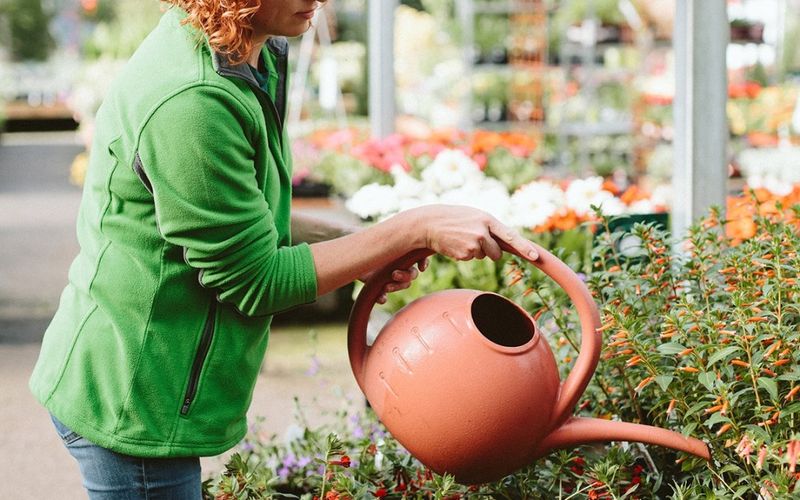
Dry soil in August does not just stress plant roots. It can slow bud development, reduce flower size, and cause plants to drop buds before they even open.
When soil moisture stays consistently low during the hottest weeks of summer, even well-established perennials may pause blooming or decline faster than expected.
Horticulture experts in Ohio note that water stress during bud formation is one of the most common reasons late-summer perennial beds underperform.
Watering deeply and less frequently encourages roots to reach down into cooler, moister soil layers rather than staying shallow. The goal is to wet the root zone thoroughly, typically the top six to eight inches of soil, then allow the soil to partially dry before watering again.
Morning watering is generally preferred because it gives foliage time to dry before evening, which can reduce the risk of fungal issues.
Soil type makes a real difference in how you manage water. Sandy soils drain quickly and may need more frequent attention, while clay soils hold moisture longer but can become waterlogged if overwatered.
Containers dry out faster than garden beds and often need daily checking in peak heat. Check soil moisture by pressing a finger an inch or two into the soil rather than relying on surface appearance alone.
After heavy rain, give beds a few days before resuming irrigation. Consistent, root-zone watering supports bud development and helps flowers open fully even during the toughest August heat.
4. Mulch Roots So Moisture Lasts Longer
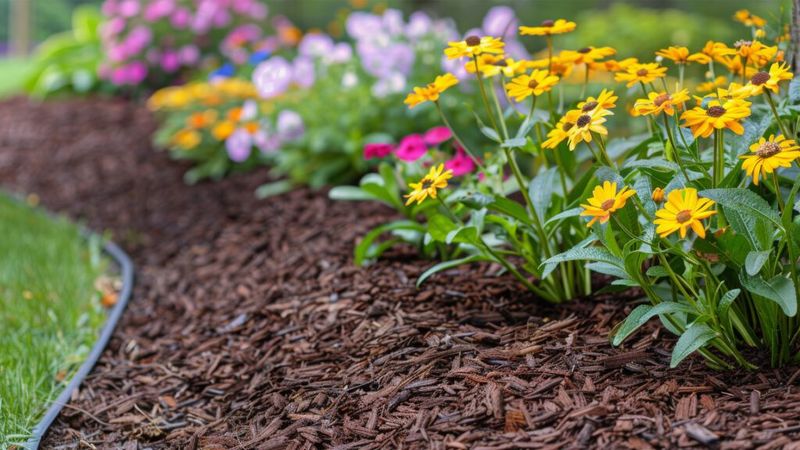
Bare soil in a summer perennial bed loses moisture faster than most gardeners realize. Sun and wind pull water from unprotected ground quickly, and without that buffer, roots heat up and dry out between waterings.
A proper mulch layer insulates the root zone. It slows evaporation and helps soil stay cooler and more consistently moist through the hottest weeks of the season.
Botanical garden guidance recommends refreshing mulch that has thinned out or broken down over the growing season. A layer of two to three inches of organic mulch, such as shredded bark, wood chips, or shredded leaves, works well around most perennials.
Organic mulch also breaks down slowly over time, adding organic matter to the soil as it does. Avoid piling mulch against plant crowns or stems.
Mulch pressed against crowns can trap moisture and encourage rot, especially during humid summer stretches.
Thick, soggy mulch piles cause their own problems by blocking airflow and potentially smothering shallow roots. If the existing mulch layer feels compacted or matted, loosen it gently before adding fresh material on top.
Keep the area immediately around each plant crown clear so air can circulate. Mulch supports your watering routine but does not replace it during dry spells.
During a true drought, even well-mulched beds will need supplemental water. Think of mulch as a partner to good watering habits, not a substitute for them.
5. Feed Lightly Instead Of Forcing Weak Growth
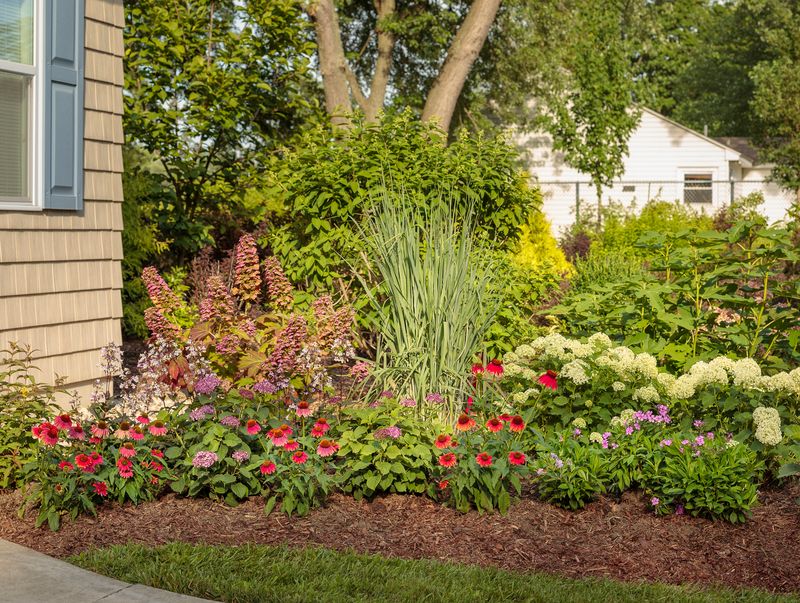
Fertilizer is not a bloom switch you can flip to get instant results. Pouring extra nitrogen onto struggling Ohio perennials in late summer often does the opposite of what gardeners hope for.
Too much nitrogen encourages lush, leafy growth at the expense of flowers, and that tender new growth can be more vulnerable to heat, drought, and pest pressure.
Horticulture experts consistently point to overfeeding as a common mistake in summer perennial care.
OSU Extension guidance recommends starting with a soil test before reaching for any fertilizer product. Soil tests reveal what nutrients are actually present and what is missing, so you are not guessing or adding something the soil already has in abundance.
If a soil test shows a real deficiency, use a balanced, slow-release fertilizer or a top-dressing of compost. Either option can support plant health without pushing excessive leafy growth.
Plants that are already stressed from heat, drought, or disease should be stabilized before any feeding is considered. Watering thoroughly and addressing obvious stress factors first gives a plant the best chance of actually using nutrients productively.
Light compost applications are usually lower-risk than synthetic fertilizers in late summer. They release nutrients slowly and improve soil structure at the same time.
Avoid heavy fertilizer applications in August that might push soft new growth right before cooler fall temperatures arrive. Feed thoughtfully, not aggressively, and your perennials are more likely to respond with flowers rather than extra leaves.
6. Stake Floppy Stems Before Storms Flatten Them
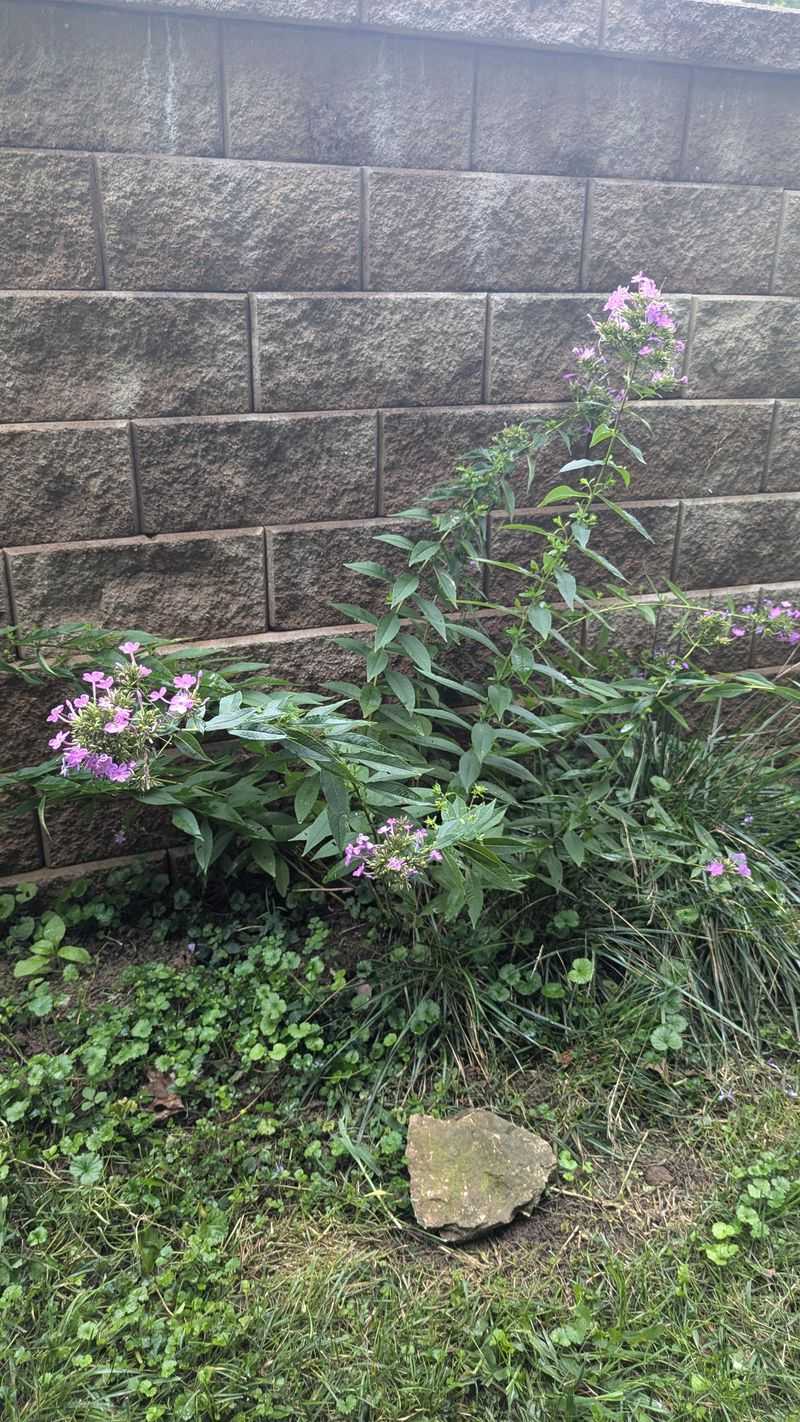
A heavy Ohio rainstorm can flatten a week of garden progress in about ten minutes. Tall perennials like garden phlox, Joe Pye weed, rudbeckia, and helenium are prone to flopping.
Blooms can make stems top-heavy before wind and rain hit. Once stems snap or bend to the ground, the flowers are harder to see and airflow around the plant drops, which can invite disease in humid summer conditions.
Staking works best when it happens early, before plants reach their full height. Grow-through supports are grid-style rings that plants grow through naturally.
Horticulture experts often recommend them because they support stems without compressing them. Ring stakes and single bamboo stakes with loose ties are also practical options.
The key word is loose. Tying stems too tightly can damage tissue, restrict growth, and cause stems to snap at the tie point during wind events.
If stems have already flopped after a storm, assess the damage before cutting anything. Bent but unbroken stems can sometimes be gently guided back upright and tied loosely to a stake.
Cleanly snip any stems that are fully broken at the base, since those will not recover. Staking does not create new flowers on its own.
It keeps existing blooms visible, improves airflow, and helps the plant put energy into flowering instead of structural recovery. A few minutes of support work now can protect weeks of bloom.
7. Leave Seed Heads Where Birds Need Them Later
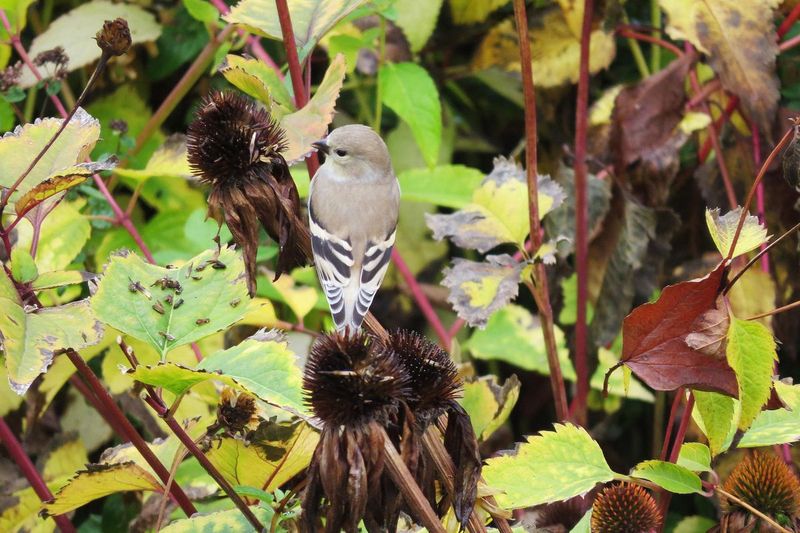
A goldfinch working its way through a patch of coneflower seed heads is one of the best sights a late-summer garden can offer.
Trimming repeat bloomers early in the season makes good sense for extending flower production, but the decision gets more nuanced as summer winds down.
Some spent flowers are worth leaving once the main bloom push has slowed. Their seed heads can feed birds and add texture to the fall garden.
Wildlife gardening resources highlight coneflowers, rudbeckia, asters, and native grasses. Their seed heads attract birds such as goldfinches, chickadees, and sparrows.
Leaving selected seed heads from late summer through fall and into winter gives these birds a reliable food source right in your own yard. The seed heads also add architectural interest to the border long after flowers have faded.
The practical approach is to trim repeat bloomers through midsummer to encourage more flowers, then begin leaving some seed heads in place as late summer arrives. You do not have to choose between blooms and birds across the whole garden.
Trim actively in one section to keep flowers coming, and leave seed heads intact on another grouping for wildlife. Asters and rudbeckia are particularly useful because they bloom late, attract pollinators, and then hold seed heads that birds use well into fall.
Thoughtful timing lets you get the best of both goals without sacrificing one entirely for the other.
8. Plant Late Bloomers For Next August’s Show
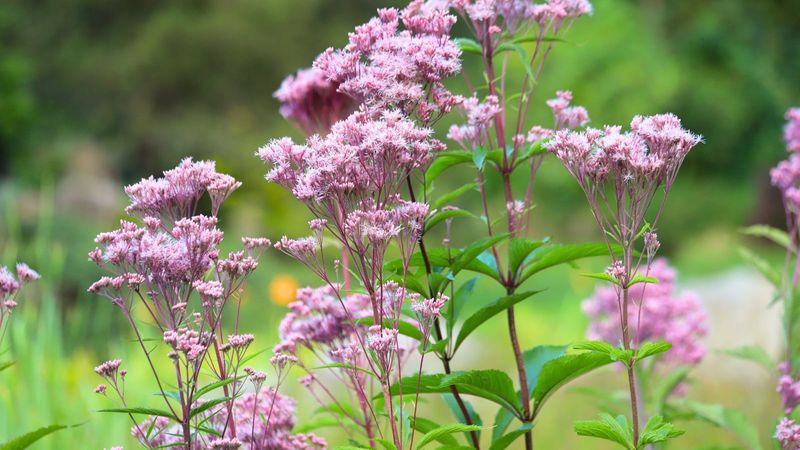
The most reliable way to have strong color in August is to grow plants that are naturally built for it. No amount of trimming or careful cutback can fully compensate for a border that is planted mostly with spring and early summer bloomers.
Gaps that appear in late summer are often a plant-selection problem, not just a care problem, and the fix starts with what you put in the ground.
University extension sources and botanical garden plant lists for this region point to several perennials with proven late-summer to fall bloom timing. Native asters, which typically bloom from late August into October, are among the most valuable.
Goldenrod, often misunderstood, is a pollinator powerhouse that blooms in late summer and supports dozens of native bee species. Garden phlox can carry color deep into August when trimmed and given adequate moisture.
Joe Pye weed, black-eyed Susan, helenium, sedum, and anise hyssop are other options worth researching for your specific site conditions.
Matching plants to your light, soil moisture, and space is essential. A plant that thrives in a sunny, well-drained border may struggle in a shaded, clay-heavy bed.
Note the bare spots in your garden right now and write them down. Fall is an excellent time to plant perennials in the Buckeye State, and spring gives you another window.
Planning a succession of bloom times is the best way to keep perennial beds full and colorful next August. Aim for blooms from early summer through late fall.