The Giant Fall Mushroom Hiding At The Base Of Pennsylvania Oaks
A single clump of a certain wild mushroom can tip the scales at more than 30 pounds. It grows right at the foot of old oak trees, in plain sight, and most hikers stroll past without a second glance.
In Pennsylvania woods, our eyes are trained to scan the leaf litter for copperheads. That caution makes sense. Funny thing, though. The same gray-brown camouflage that hides a snake also hides one of the tastiest treats in the forest.
I used to walk right past these ruffled lumps, until a friend knelt down and showed me the tiny pores underneath. Now I check every big oak I pass in autumn. My walks have never been the same.
The most interesting part? This shy fungus may return to the same tree for years. So how many have you already missed on your favorite trail?
A Ruffled Brown Clump at the Oak Base Fools Almost Everyone
Most of us walk the woods with one eye on the ground, watching for a coiled snake. Copperheads earn that attention, since their hourglass bands melt into fallen leaves. Yet a few feet away, something else is hiding in the same colors.
Picture-perfect camouflage is not just for reptiles. A big, ruffled mushroom often sits tucked against the trunk of an oak, looking like a pile of wet leaves or a forgotten brown hen nesting in the roots.
It does not move, rattle, or warn you, so your brain files it away as background.
I find that funny. We fear the snake that rarely bothers us, yet ignore the fungus that could feed a whole family. Copperhead bites are uncommon and seldom serious with prompt medical care, but the snake still steals the spotlight.
The trick is training your eyes to look for texture instead of color. Overlapping, wavy edges stacked like feathers stand out once you know them. Oak bases deserve a slow, careful look.
Give it a try on your next fall hike. Scan low around large, older oaks, especially on stumps or along root flares. You might be surprised how often that boring brown lump turns out to be something special.
Hen of the Woods Is the Shy Forest Treasure Hiding in Plain Sight
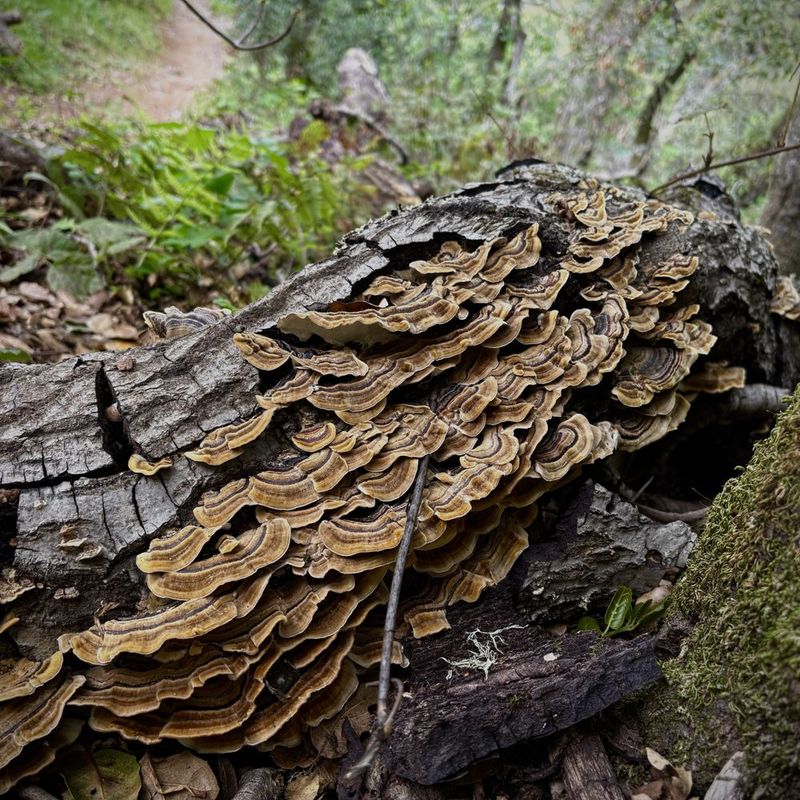
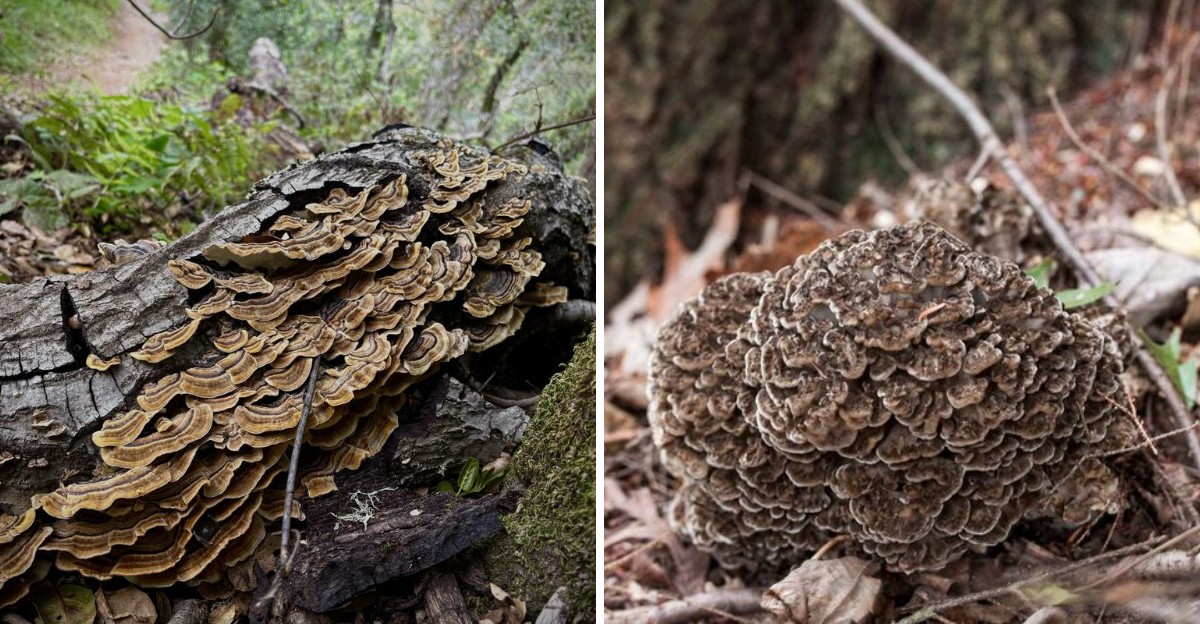
Meet the quiet hero of this story, Grifola frondosa. Folks call it hen of the woods, maitake, or sheepshead, and Pennsylvania foragers treat it like autumn gold.
The name makes sense the moment you see one. Dozens of spoon-shaped caps overlap in a rounded cluster, a lot like the fluffed feathers of a sitting chicken.
Colors range from smoky gray to tan to brown, which explains why it blends so well with leaf litter.
Size is the real showstopper. Many clumps weigh a few pounds, but some reach 10 pounds or more, and rare giants top 30 or even 50 pounds. That is a lot of dinner growing on one tree.
Fun fact for you. Maitake is a Japanese name often translated as dancing mushroom, and one story says people danced with joy after finding it. I believe that, because my first find made me grin like a kid.
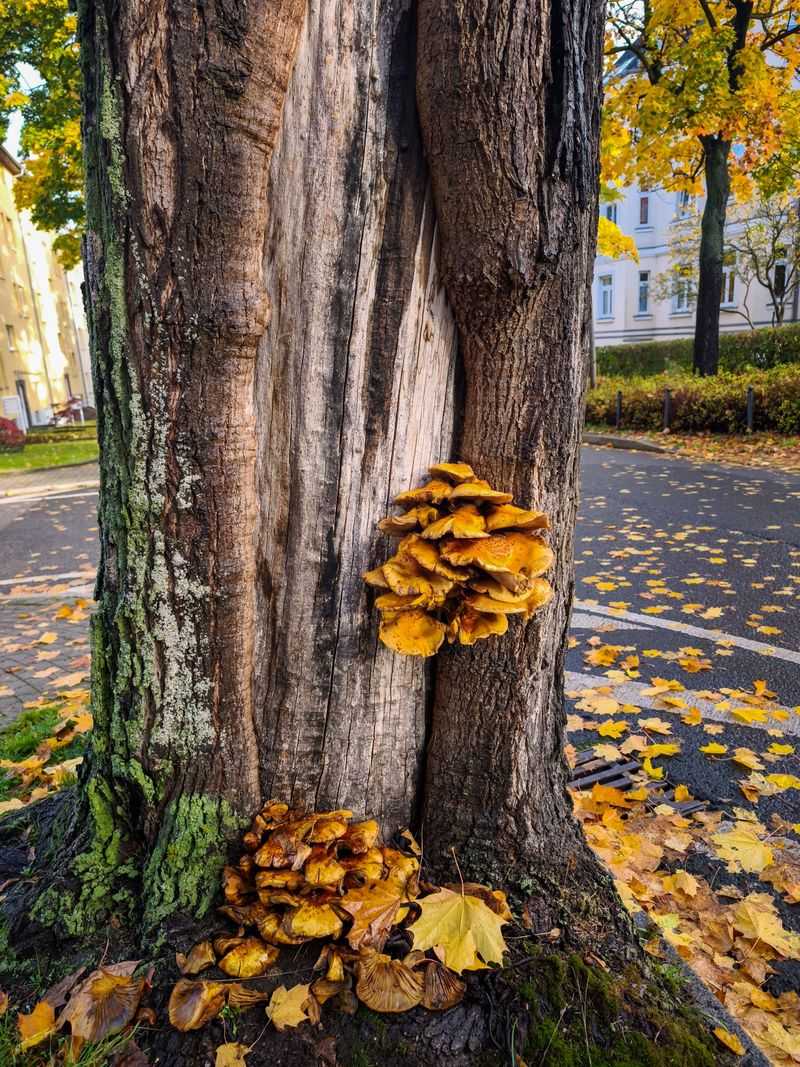
Do not confuse it with chicken of the woods, a bright orange shelf fungus with a similar nickname. Hen of the woods is muted, soft, and rounded. Keep both names straight, and your foraging conversations will go a lot smoother.
Flip a Frond and Check for Tiny White Pores Underneath
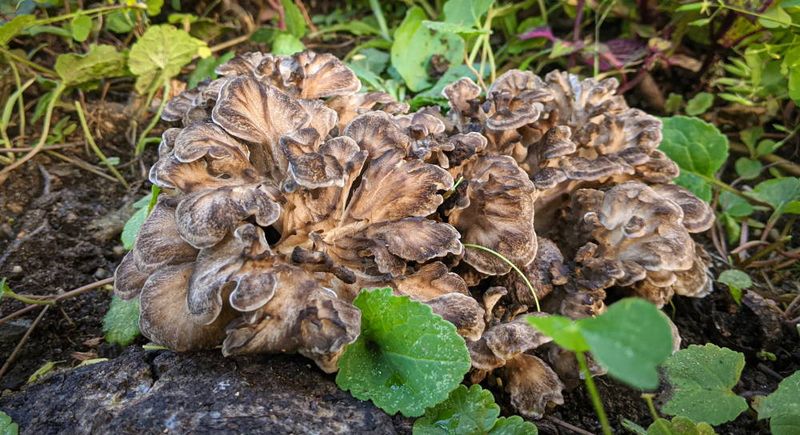
Here is my favorite identification habit. Gently lift one of the fronds and peek underneath. Hen of the woods has a white to cream surface covered in tiny pores, not gills.
That single detail clears up a lot of confusion. Gilled mushrooms have thin, blade-like ridges under the cap. This polypore looks more like a fine sponge or a sheet of pinholes instead.
Next, check the overall shape. Many small, fan-shaped caps branch from a shared, thick base that looks like a cauliflower stem. The caps feel firm and fleshy when fresh, not slimy or mushy.
A few lookalikes exist. Black-staining polypore grows in similar spots, but its pores bruise dark when you handle it, and its caps run larger and tougher. Berkeley’s polypore is huge and pale with thick caps.
Neither is considered seriously harmful, but both are far less pleasant to eat. Bring a field guide, take photos, and ask an expert before you eat any wild mushroom.
Groups like the Western Pennsylvania Mushroom Club offer walks and identification help. Confidence comes from checking every feature, not just one, and a careful forager stays a happy forager.
Old Oak Trees Are the Hen of the Woods Hot Spot
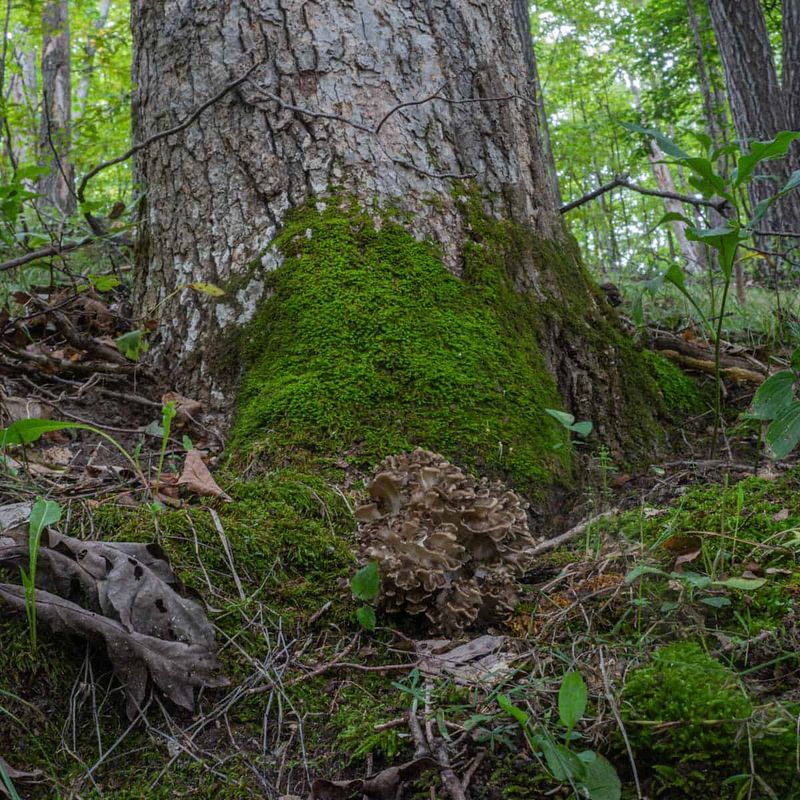
Oaks are the secret map. In Pennsylvania, hen of the woods shows up mostly at the base of mature oak trees, along with living roots, stumps, and buried wood nearby.
The fungus is a weak parasite and a decomposer. It slowly feeds on the heartwood and roots of older trees, often causing a butt rot that may take years to show.
Because the fungus lives inside the tree, it can fruit at the same spot season after season.
That makes good record keeping a real advantage. Experienced foragers jot down locations and check those trees again each fall. Some swear by the same oak for a decade or longer.
Look in parks, older neighborhoods, cemeteries, and woodland edges, not just deep forests. Big shade oaks in yards produce them too. Always ask permission on private land.
A quick word for homeowners. Finding one on your yard oak can hint at root or trunk decay over time.
It is not instant trouble, but a certified arborist can check whether the tree is still sound, especially if it hangs over a house or driveway. Enjoy the mushroom, then keep an eye on that tree’s health.
September and October Rain Wakes Up These Woodland Hens
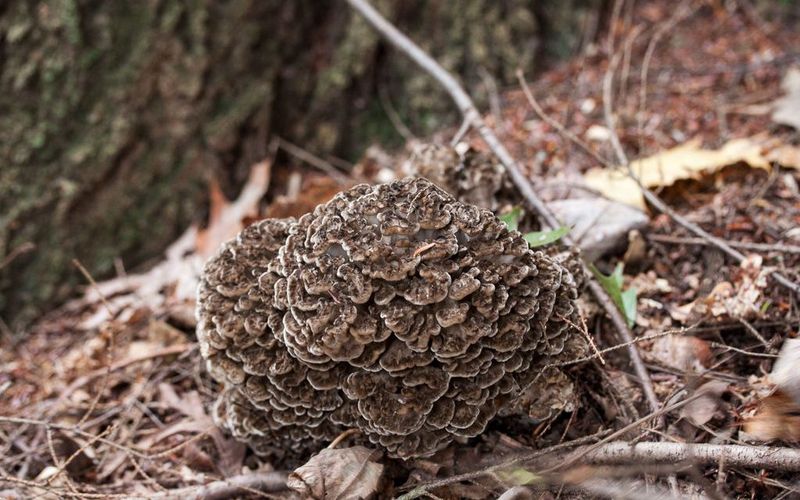
Timing is everything with this fungus. Across Pennsylvania, hen of the woods usually appears from late August into October, with some finds stretching into early November.
Cooler nights and steady rain seem to trigger the best flushes. After a dry summer, the season may start late or produce fewer clumps. After a wet stretch, oaks that looked empty a week ago can suddenly sprout a big ruffled surprise.
Regional differences matter too. Northern counties and higher ridges often see fruiting a little earlier, while southeastern lowlands may stay productive later into fall.
Here is a twist worth knowing. Early autumn also overlaps with active copperhead season, since snakes move toward winter dens and newborns appear in late summer.
Their colors blend beautifully with fallen leaves, so watch where you put your hands and feet.
My simple routine works well. I wear sturdy boots, scan before reaching into leaf piles near rocks or logs, and use a stick to move debris.
Copperheads mostly prefer to stay still and avoid people, so giving them space keeps everyone comfortable. Then I get back to hunting hens with a calm mind and a full basket.
Harvest the Maitake Cluster Carefully With a Sharp Knife
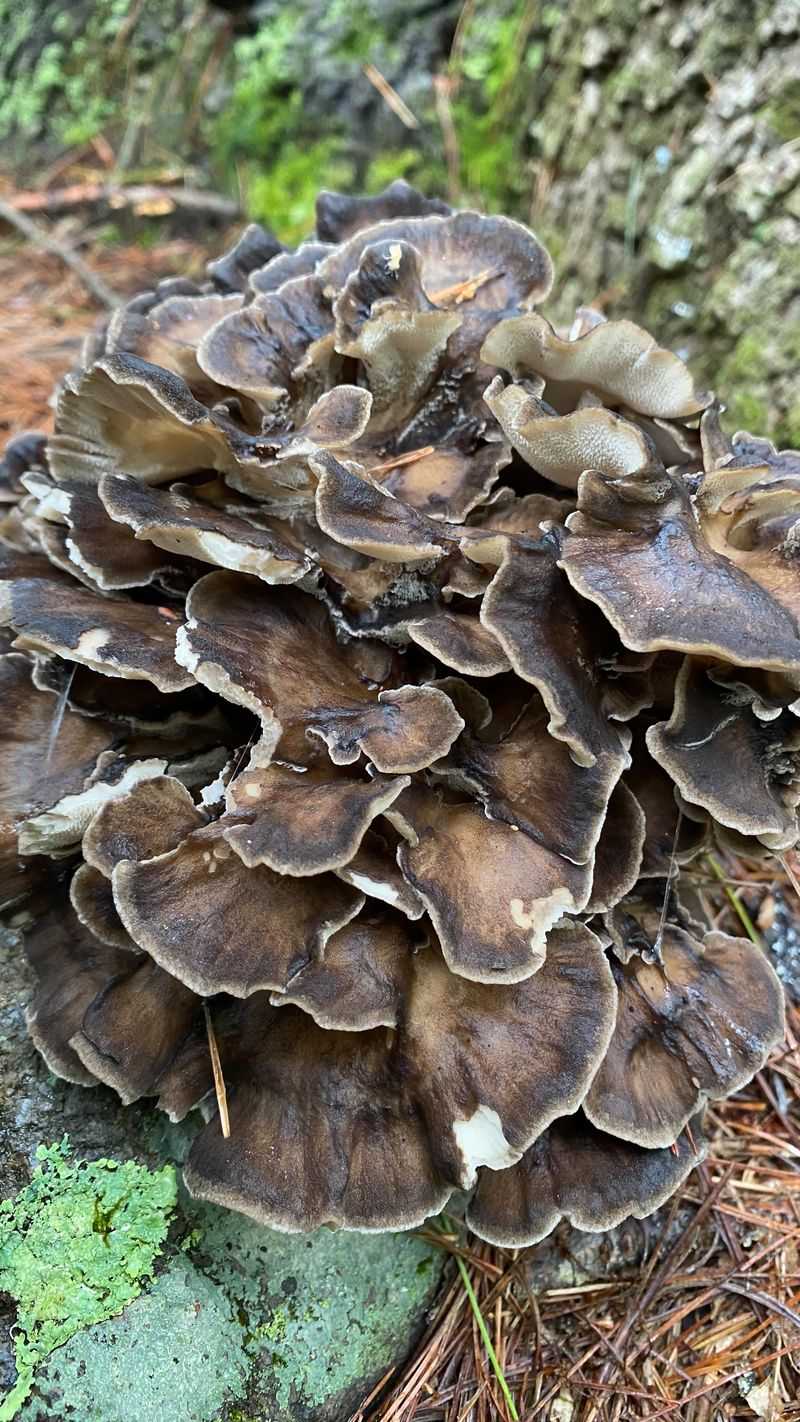
Finding one is thrilling, so slow down before you grab it. A careful harvest gives you cleaner mushrooms and helps the fungus keep fruiting there in future years.
Use a sharp knife and slice the cluster near its base. Leave the root area undisturbed so you do not tear up the soil or the tree’s roots. Brush off leaves and dirt right there in the woods.
Pick younger specimens when you can. Fresh hens have firm, flexible fronds and a mild, earthy smell. Older ones turn tough, buggy, or soggy, and they often smell sour.
Carry your finds in a mesh bag or basket rather than plastic. Plastic traps moisture and speeds spoilage. Mesh also lets spores drift back to the forest as you walk.
Know the rules before you go. Pennsylvania state forests generally allow small amounts of mushroom picking for personal use, but state parks, game lands, and local parks may have different policies. Call the managing office if you are unsure.
Take only what you will eat. Leaving a share for wildlife and other hikers feels good, and a clump left behind may help keep that tree producing.
Crispy Sauteed Hen of the Woods Belongs on Your Dinner Plate
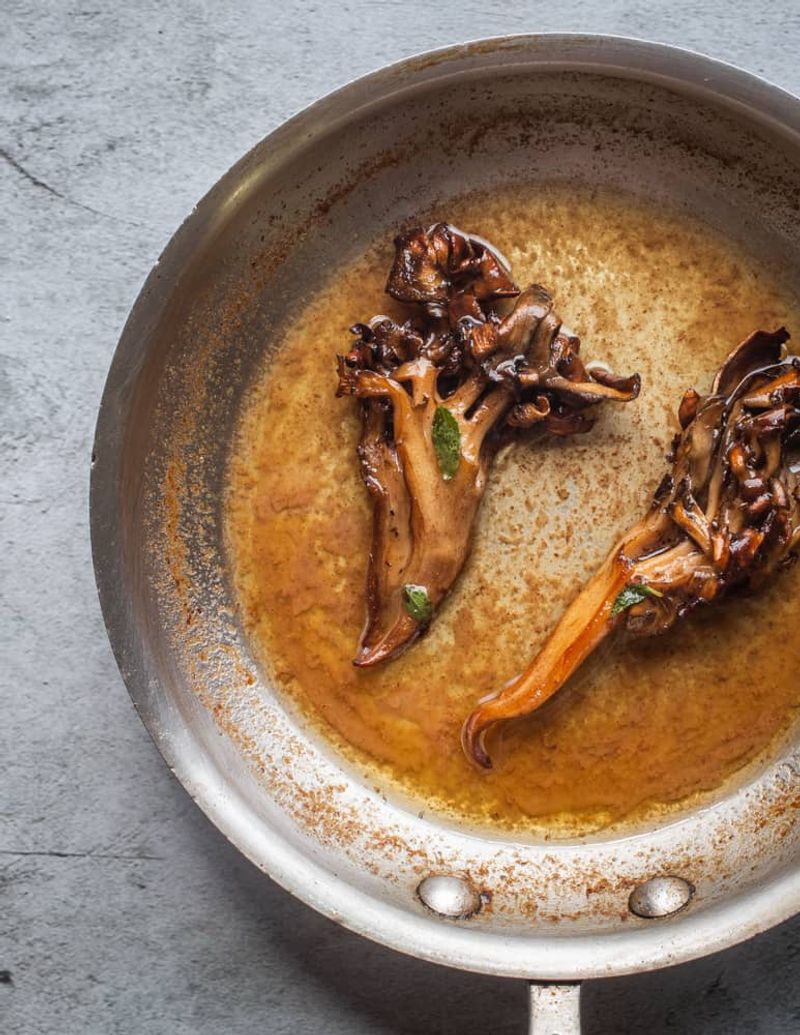
Crispy edges, a meaty bite, and a deep, savory flavor. That is why cooks get so excited about this mushroom.
Start by tearing the cluster into bite-sized pieces. Rinse quickly or brush away grit, then pat dry, since soggy mushrooms struggle to brown. Trim away any tough base parts.
Cook it thoroughly every time. Wild mushrooms should not be eaten raw, and full cooking makes them easier to digest. A hot skillet with butter or oil turns the fronds golden and crunchy in about 8 to 10 minutes.
Many home cooks use it in soups, risotto, pasta, and stir-fries. Roasted pieces make a hearty meat substitute in tacos or sandwiches. You can also add it to chicken dishes for extra earthy flavor.
Got more than you can eat? Saute the pieces first, then freeze them in bags for winter meals. Drying works too, and dried hen makes a rich broth.
Try a small portion the first time, even after expert confirmation. Some people react to mushrooms that others enjoy without trouble. Once you know it agrees with you, this find may become your favorite fall dinner.
Your Next Walk Past a Big Oak Deserves a Closer Look
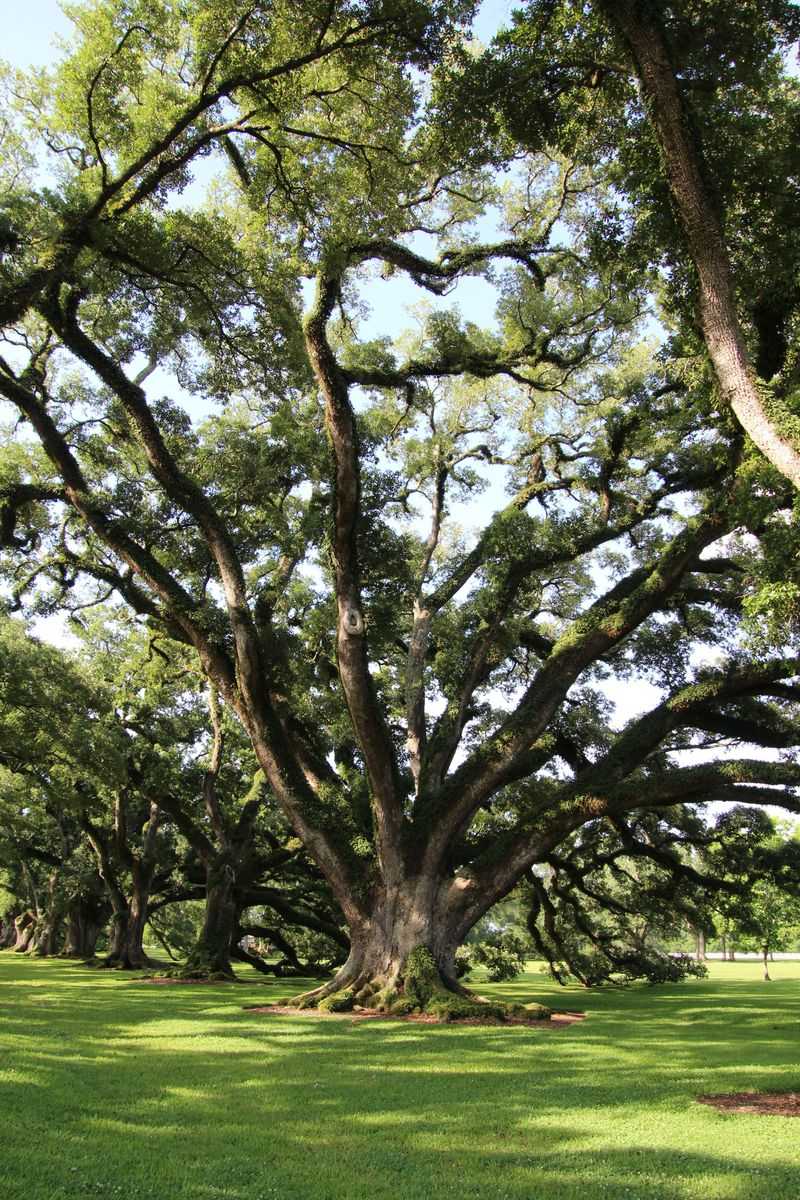
Once you spot your first one, the woods start to look different. Every big oak becomes a possible treasure chest.
Beyond the kitchen, maitake has drawn plenty of scientific interest. Researchers have studied compounds in it, called beta-glucans, for possible immune support.
Results are promising in lab work, but the evidence in people is still limited, so treat it as good food rather than medicine.
Its role in the forest matters too. By breaking down wood, hen of the woods helps return nutrients to the soil and keeps the cycle of growth turning.
Even a quiet fungus pulls real weight. Ready to start? Here are simple next steps.
Join a local mushroom club for guided walks. Pick up a regional field guide focused on the Northeast. Mark promising oaks on a phone map and revisit them every week or two during September and October.
Keep snake safety in mind as you poke around leaf piles. Respect the copperhead, then move along.
Honestly, I think this humble hen deserves at least half the attention that snake gets, and once you find one, I bet you will agree.