This Simple November Project Could Bring Screech Owls To Your New York Yard By Spring
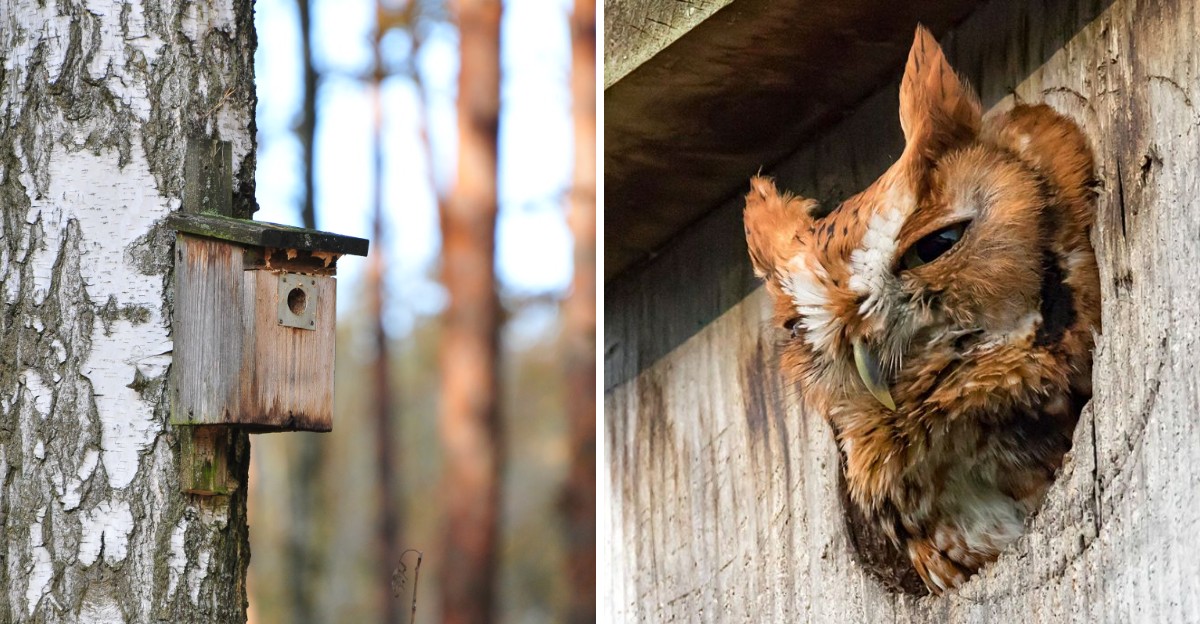
A bird less than a foot tall is hunting moths and mice in your neighborhood tonight. It hides in plain sight all day, dressed in bark-patterned feathers. Most people living near it have no clue it exists.
I first heard one on a cold November evening in upstate New York. The sound was a soft, shaky whinny, like a tiny horse lost in the trees. I stood on my porch and grinned for ten minutes straight.
Turns out this little hunter, the eastern screech-owl, does not dig its own home. It borrows old holes in trees, and many yards across New York have lost those old, hollow trunks. So the birds keep searching, all winter long, for a safe place to sleep.
You can give them one with a weekend, a few boards, and some patience. Could your backyard be the spot they pick before spring arrives?
Those Tiny Tufted Owls Are House Hunting Right Now
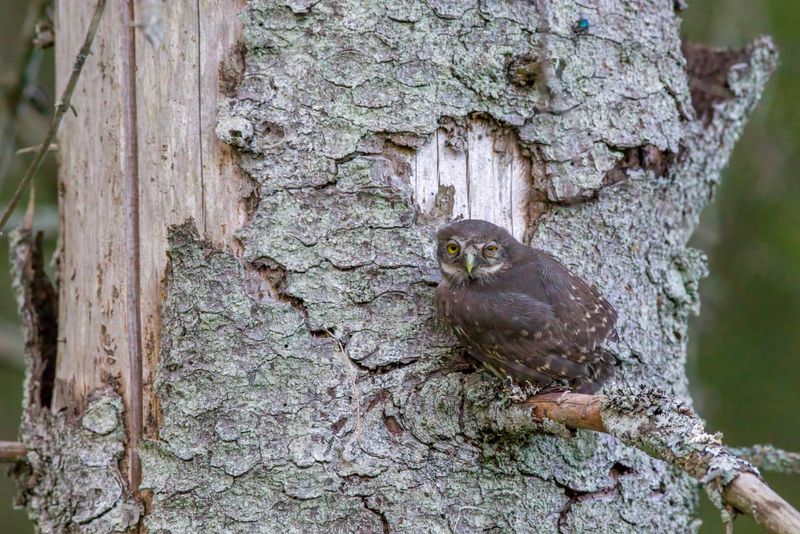
Late fall is prime time for screech owls looking for real estate. Young owls born last spring have left their parents and need their own territory.
Adults are also hunting for snug winter roosts where they can sleep through cold, windy days.
Eastern screech owls are called secondary cavity nesters. That means they move into holes made by woodpeckers or by rot in old trees. They do not carve their own homes, so they depend on what is already out there.
Many suburban yards have lost their hollow trees to storms, tree trimming, or safety removals. That leaves fewer options for these owls.
A wooden nest box fills that gap nicely. Here is the exciting part. Owls that find a box in November often use it as a winter roost.
By the time courtship starts in late winter, that box already feels like home. Pairs commonly lay eggs from March into April in New York.
So the project is simple. Build or buy a properly sized nest box and get it up this month. You are not just hoping for spring babies. You are giving a small hunter a warm bedroom for the long, frosty months ahead.
A Wooden Owl Box Built to the Right Size Makes All the Difference
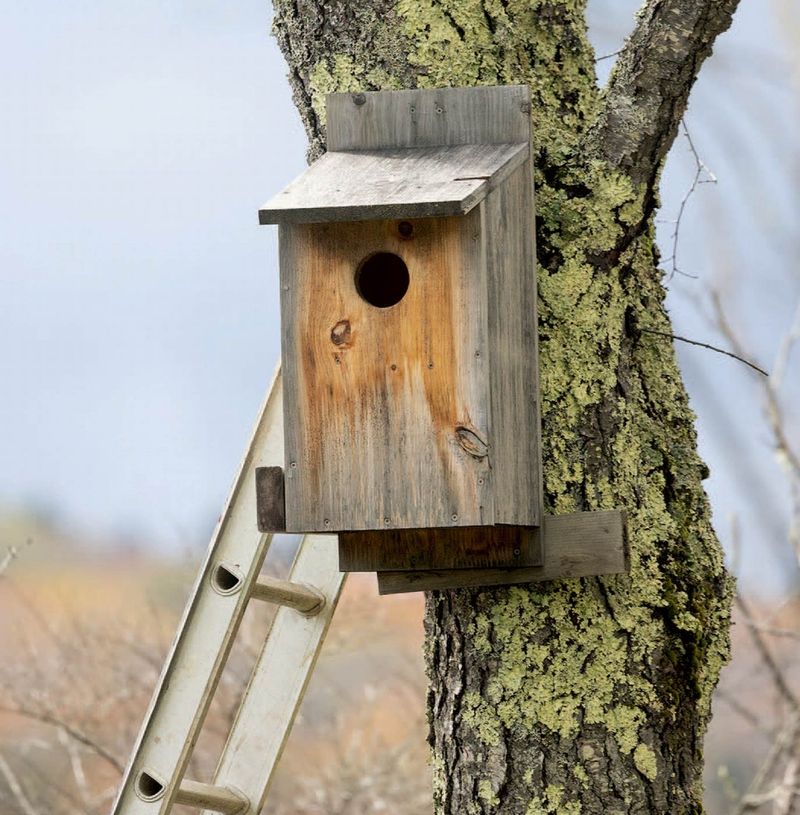
Size matters a lot to a picky owl. Get the measurements close and you have a real shot at a tenant.
Get them wrong and you may end up hosting squirrels instead. Aim for an inside floor of about 8 by 8 inches. The box should be 12 to 15 inches deep. Cut a round entrance hole about 3 inches wide, placed 9 to 12 inches above the floor.
Choose untreated wood at least three-quarters of an inch thick. Cedar is a favorite because it handles weather well and insulates nicely.
Pine works too, but only paint or stain the outside if you finish it at all. Skip the perch on the front. Owls do not need one, and it helps other animals bother the nest.
Drill a few small drainage holes in the floor and add vent gaps near the top. One handy upgrade is a side panel or roof that opens. That makes yearly cleaning far easier.
Rough up the inside wall below the hole with a saw, too, so young owls can climb out when ready.
Plenty of plans are free online from groups like Audubon and NestWatch at Cornell. Many follow these same basic numbers.
Wood Shavings Belong on the Floor of Your Owl House
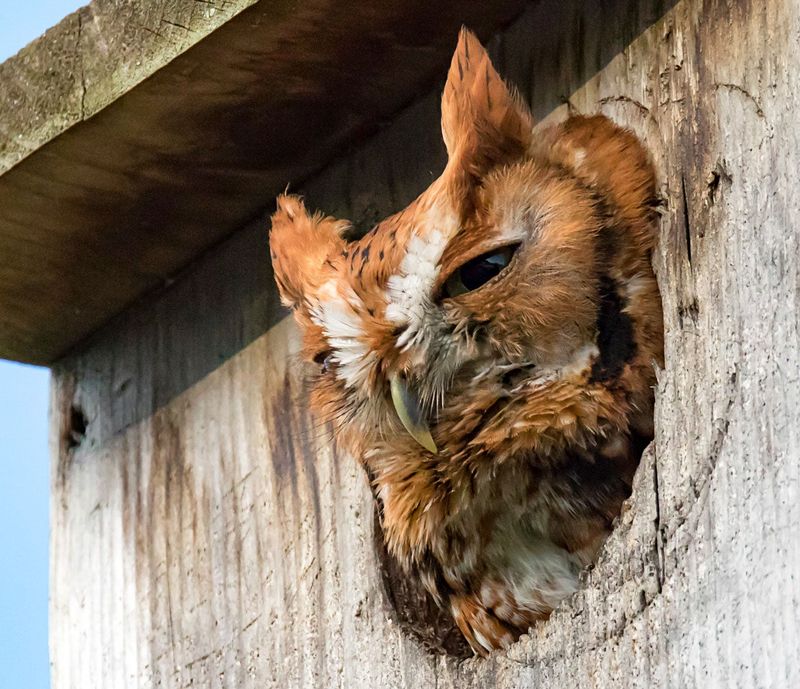
Owls are terrible housekeepers. They bring no twigs, grass, or soft lining to their nests. The eggs simply sit on whatever is already at the bottom of the cavity.
In a hollow tree, that is usually crumbly rotted wood and old debris. Your box needs something similar. Spread 2 to 3 inches of untreated pine or aspen wood shavings across the floor.
The shavings give eggs a cushion and keep them from rolling around. They also soak up moisture and help with drainage.
Without them, eggs sit on hard, bare wood and are more likely to fail. Skip sawdust. It is too fine, it packs down, and it can get damp and moldy. Fine dust may also bother tiny lungs inside the box.
Cedar shavings are best avoided as bedding, even though cedar boards are great for the box itself. The strong oils in loose cedar chips may irritate young birds. Plain pine shavings from a farm or pet store work well.
Fun fact for curious readers: owls swallow prey whole and cough up pellets of fur and bone. Over a season, those pellets mix into the bedding. Cleaning day can turn into a backyard science lesson.
Hang That Nest Box High on a Sturdy Tree Trunk
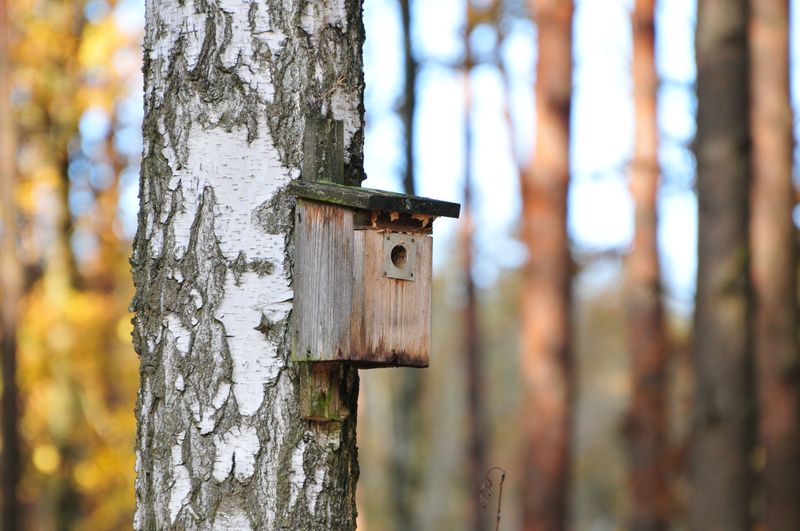
Picking a spot is half the fun. Screech owls like a mix of trees and open ground, so a yard edge near woods or a cluster of big trees is ideal. Even city parks and older suburbs host plenty of these owls.
Mount the box 10 to 30 feet up. Most homeowners find 12 to 15 feet safe to reach with a sturdy ladder. Attach it to a solid tree trunk or a steady pole, not a wobbly branch.
Keep the entrance clear of leafy clutter so the owl can swoop straight in. A few branches nearby are helpful, though. Young owls hop onto them when they first leave the box.
Many experts suggest facing the entrance away from strong prevailing winds. In much of New York, that means avoiding a northwest direction during winter storms. An east or south view often works well.
Spread out multiple boxes if you have a large property. Screech owls defend territory, so keep boxes about 100 feet apart.
A single box in a smaller yard is plenty. Please work safely. Have a buddy steady the ladder, and hire an arborist for anything high or tricky.
Raccoons and Squirrels Will Check Out Your Owl Box Too
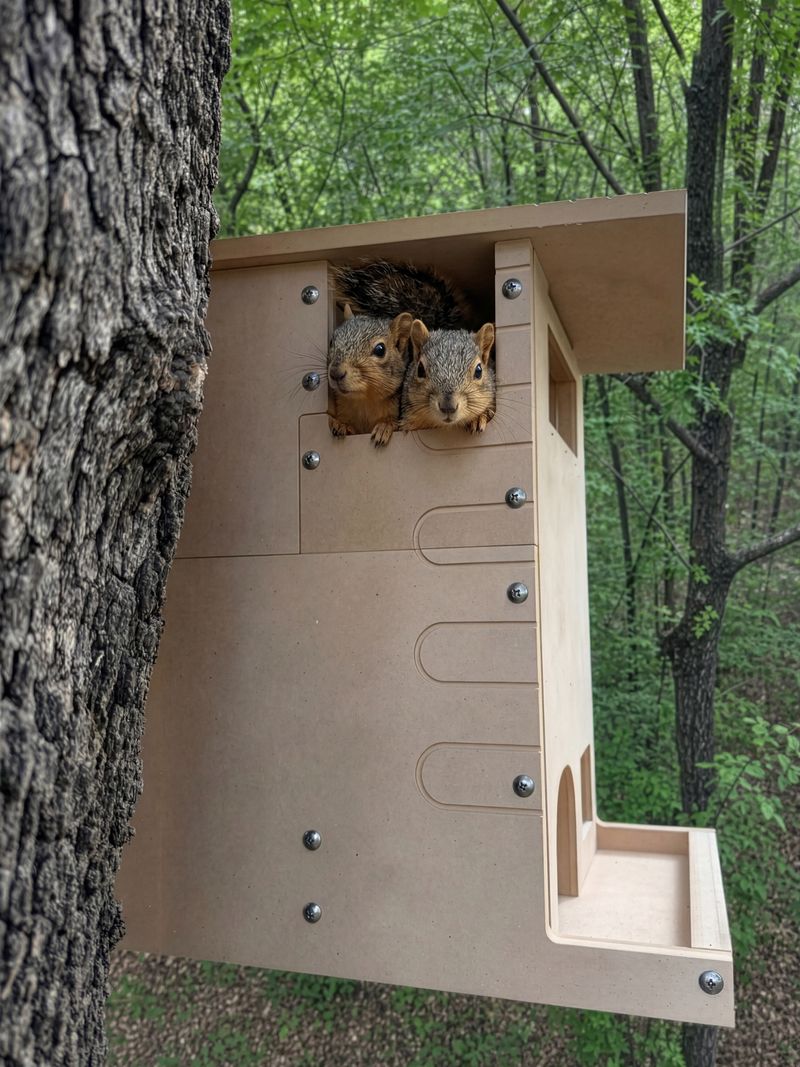
Raccoons are clever climbers with nimble hands. To a hungry raccoon, an owl box full of eggs looks like a snack bar. Snakes and squirrels may come calling, too.
A predator guard is your best defense. A metal cone or wide stovepipe baffle placed below the box makes climbing much harder. Pole-mounted boxes are easiest to protect this way.
On trees, wrap a band of smooth sheet metal around the trunk below the box. Make it about two feet wide, and loosen it each year so the tree can grow. Trim branches that let animals leap across from nearby trees.
Squirrels may also move in and stuff the box with leaves. If that happens before spring, simply clean it out and try again.
Many owl fans see a few false starts before the right tenant arrives. European starlings sometimes claim boxes as well. They are not native, and they are not protected by federal law, so removing their nests is allowed.
Native wildlife like wood ducks, kestrels, or flying squirrels is another story, so leave them alone. A little protection now can save a whole family of owlets later.
Messy Garden Corners Feed Hungry Screech Owls
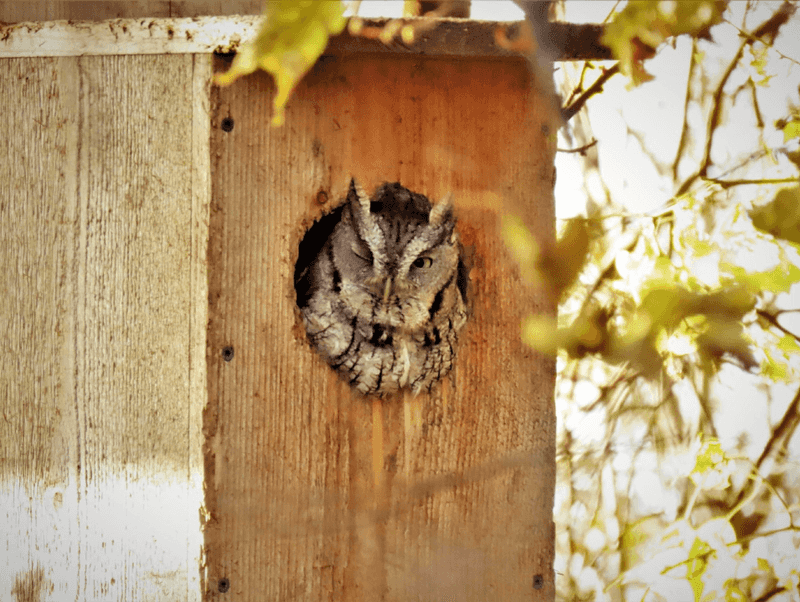
Owls go where the groceries are. A screech owl eats an amazing range of food, from mice and voles to beetles, moths, crickets, frogs, small birds, and even earthworms. A busy yard full of little critters is like a buffet sign.
So let your yard look a bit wild this fall. Leave some fallen leaves under shrubs and in garden beds. Pile up a few branches in a back corner.
That cover shelters insects, mice, and other prey through winter. Native plants also help, since they support many more insects than most imported ornamentals.
Oaks, serviceberry, dogwood, and native asters are solid New York choices. Skip rodent poisons. Owls that eat poisoned mice can get sick, and the chemicals build up in their bodies.
Snap traps used indoors are a safer choice for both owls and pets. Cutting back on insecticides helps too. Fewer sprays mean more moths and beetles for owls to catch on warm nights.
Here is a happy bonus. One screech owl family can catch a surprising number of mice and big bugs over a season. Your garden gets free pest patrol, and you get a great story to tell.
Gray or Red Screech Owls Like Dark, Quiet Backyards
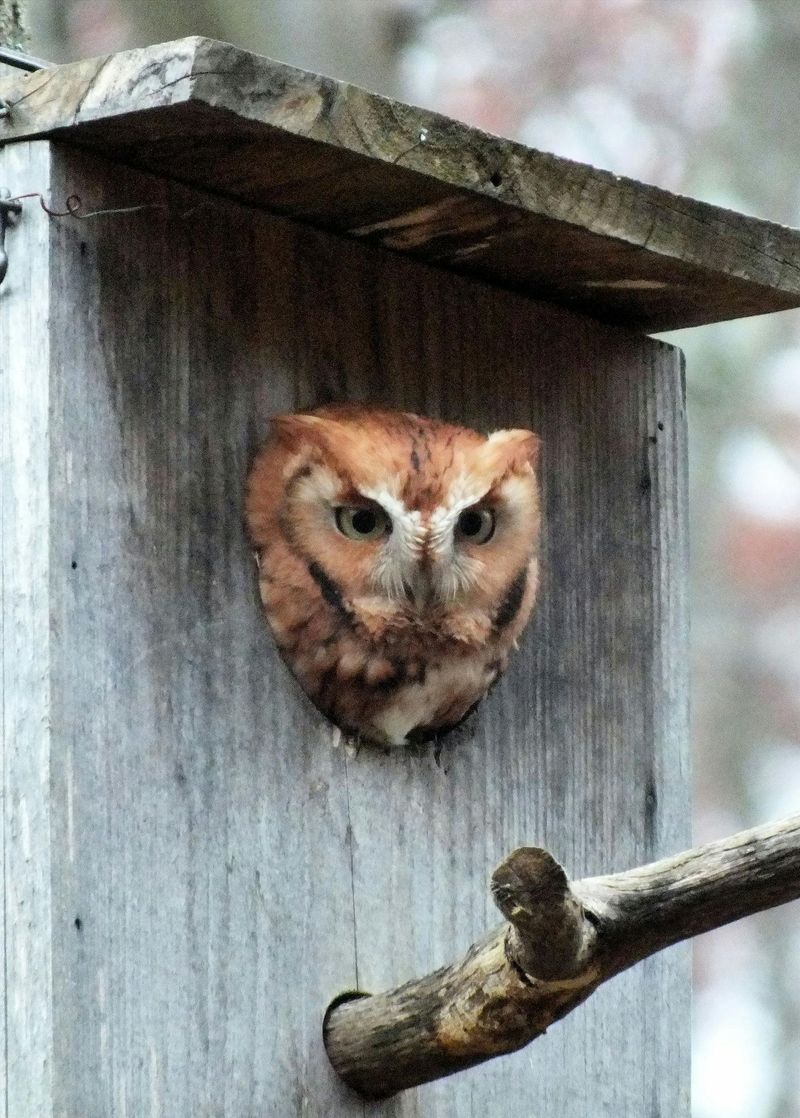
Some screech owls are gray, and some are a rusty red. These color types are called morphs, and both show up in New York. Gray birds blend into bark, while red birds match oak leaves and pine needles.
Whatever their color, these owls hunt at night and rest by day. Bright floodlights can make your yard less appealing. Try motion-sensor lights or warm, shielded bulbs that point down instead of out.
Outdoor cats are another concern. Cats hunt the same small animals owls need, and they can also bother nesting birds. Keeping cats indoors, especially after dark, protects wildlife and keeps pets safer too.
Once an owl moves in, give it space. Peeking inside the box during nesting season can stress the adults. Watch from a window or a distant chair instead.
Many owl fans set up a camera on a nearby post to spy without disturbing. Others simply listen at dusk for that whinny or a steady, single-pitch trill. Both calls are signs your plan is working.
A shallow birdbath near shrubs is a nice extra. Screech owls sometimes bathe, and clean water helps lots of other backyard visitors too.
Patience and a Yearly Box Cleanout Keep Owls Coming Back
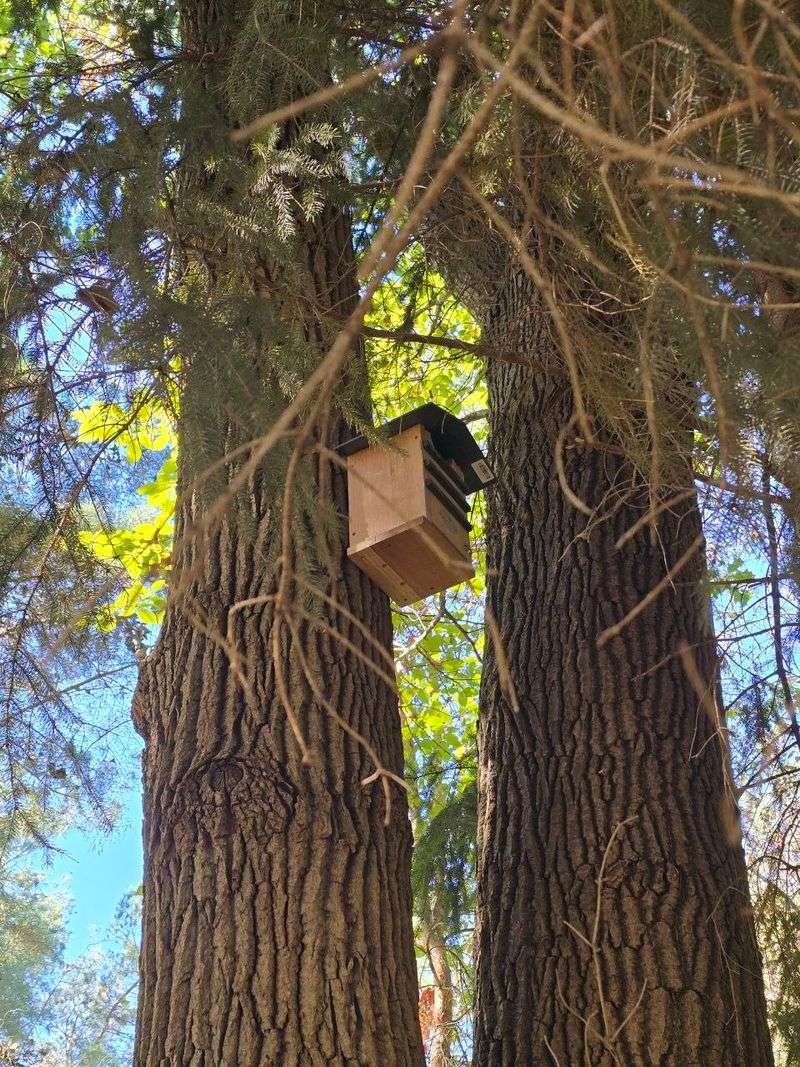
Owls do not read our calendars. Some boxes get a tenant within weeks, while others sit empty for a year or two. I like to think of it as a slow-growing garden, where the payoff rewards waiting.
Check your box quickly in late winter for signs of use. Look for owl pellets on the ground below, a gray face at the hole on sunny afternoons, or feathers inside. Keep visits short and stop once nesting season begins.
Each fall, after young owls have left, clean the box out. Wear gloves and a dust mask, scoop out the old bedding, and add fresh shavings. Early autumn works well, before birds start roosting for winter.
Screech owls are protected under the Migratory Bird Treaty Act. Watching and helping them is wonderful, but handling the birds, eggs, or young is not allowed. If you find an owl that seems hurt, contact a licensed wildlife rehabilitator in New York.
Your next step is easy. Gather supplies this weekend, hang the box before the first big snow, and start listening at dusk. That soft trill drifting through bare trees could be your reward come spring.