Which Survive Michigan Winters, Hardy Geraniums Or Annual Geraniums?
Those red geraniums spilling out of every porch pot in town are not true geraniums at all. Botanists moved them into a different genus way back in 1789, and most of us still have not caught up.
I learned the hard way that a name on a plant tag can fool you. One October, I tucked a pot of scarlet blooms against my garage and covered it with an old towel. By Thanksgiving, all I had left was a mushy brown stem and a lesson.
Here’s what gets me. A plant sharing nearly the same common name can sleep through a Michigan January under a foot of snow and pop up in May looking better than ever. Same nickname, totally different survival skills.
Only one of these two plants earns a permanent spot in your beds, while the other belongs on your windowsill come fall.
Those Porch Pot Geraniums Have A Secret Family Tree
Grab the plant tag from that red geranium on your porch and flip it over. Chances are the fine print says Pelargonium, not Geranium. That one word explains almost everything about winter survival.
The classic bedding geraniums sold at every Michigan garden center in May come from South Africa. Their ancestors grew in warm, dry places where a hard freeze rarely happens. Breeders turned them into the zonal, ivy, and Martha Washington types we love, but the cold tolerance never came along for the ride.
Botanists split Pelargonium off from Geranium in 1789, yet the old common name stuck around for more than two centuries. So you have two very different plant groups wearing the same nickname. Gardeners mix them up constantly, and honestly, who could blame them?
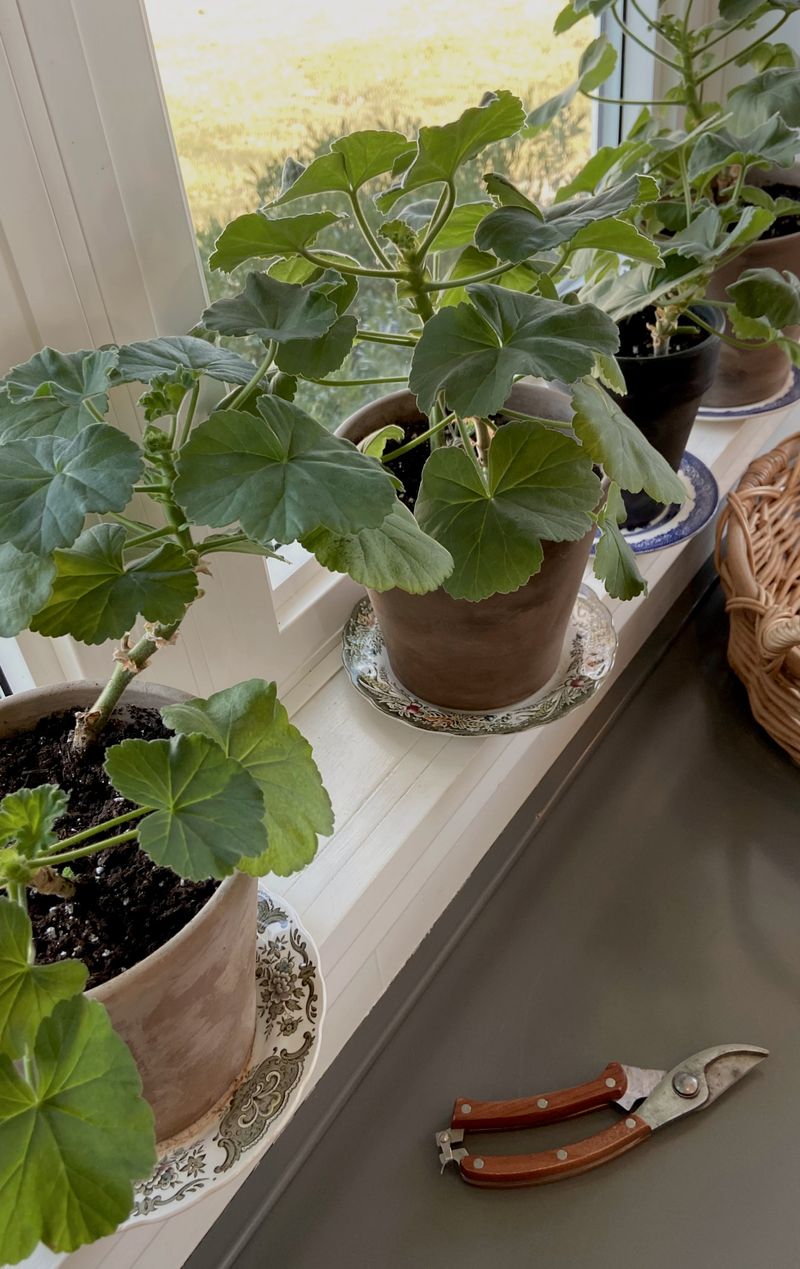
You can spot a Pelargonium pretty easily. Look for thick, slightly fuzzy stems, rounded leaves that often carry a darker horseshoe band, and big clusters of blooms on tall stalks. Crush a leaf and many give off a strong, spicy scent.
Knowing which plant you have matters before the first frost arrives. One needs rescuing in fall, while the other just needs you to leave it alone.
Cranesbill Geraniums Are The Ones That Come Back Every Spring
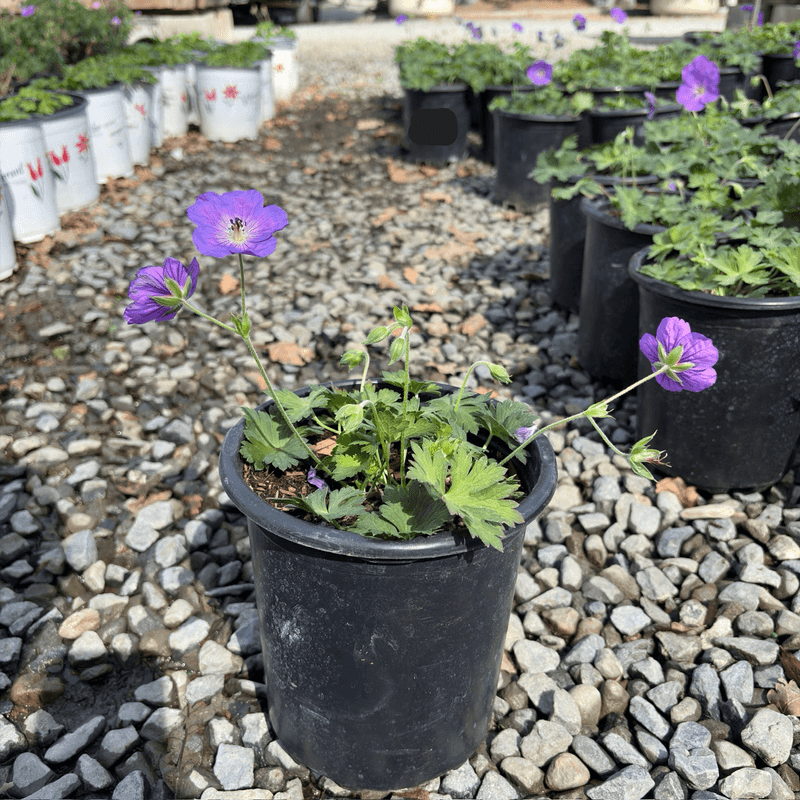
Straight answer time. Hardy geraniums, also called cranesbills, are the ones that survive Michigan winters outdoors. Annual geraniums do not, at least not without your help indoors.
Cranesbills belong to the true Geranium genus. Many popular types are rated for USDA Zones 3 or 4 through 8, and Michigan runs from about Zone 4a in the Upper Peninsula to 6b in the warmest southern spots. That puts most cranesbills comfortably within range across the state.
The common name comes from the seed pods. After the flowers fade, each one forms a long, pointed beak that looks a lot like a crane’s bill. When ripe, the pod snaps and flings seeds away from the parent plant, which is a fun thing to show curious kids.
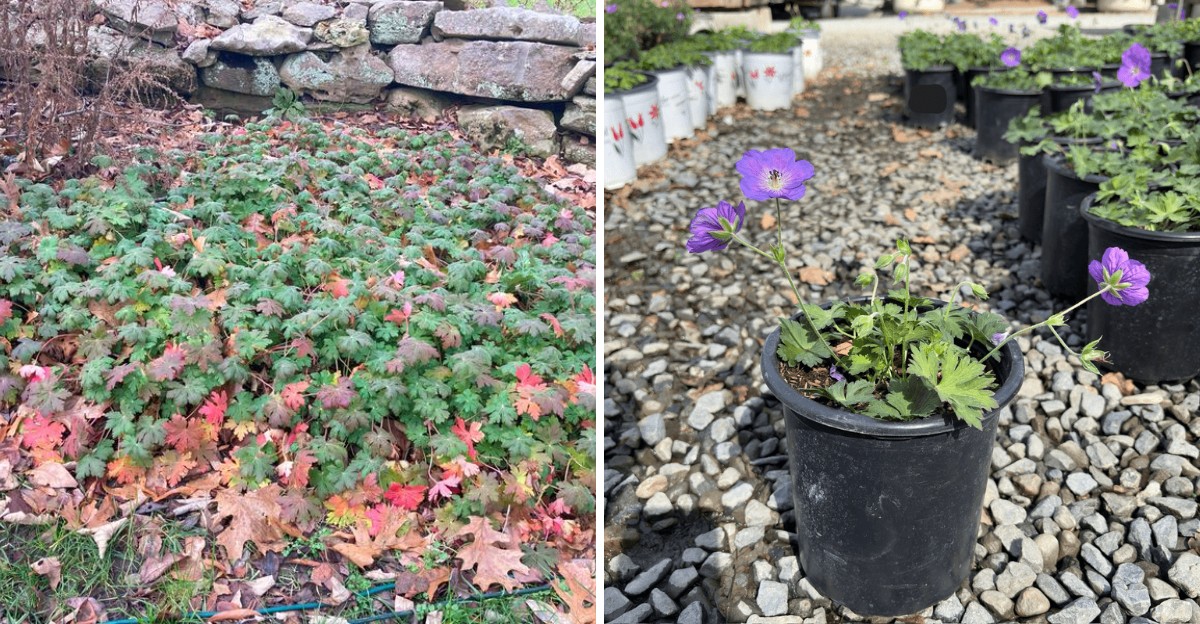
Telling them apart from Pelargoniums gets easy once you know what to look for. Cranesbill flowers have five evenly shaped petals, often in blue, violet, pink, magenta, or white. The leaves are usually deeply cut, almost like a hand with spread fingers.
Plant one of these in a sunny or partly shaded spot with decent drainage. Give it a season to settle in, and it will reward you for many years.
Frozen Ground Is Where Cranesbill Roots Wait Out The Cold
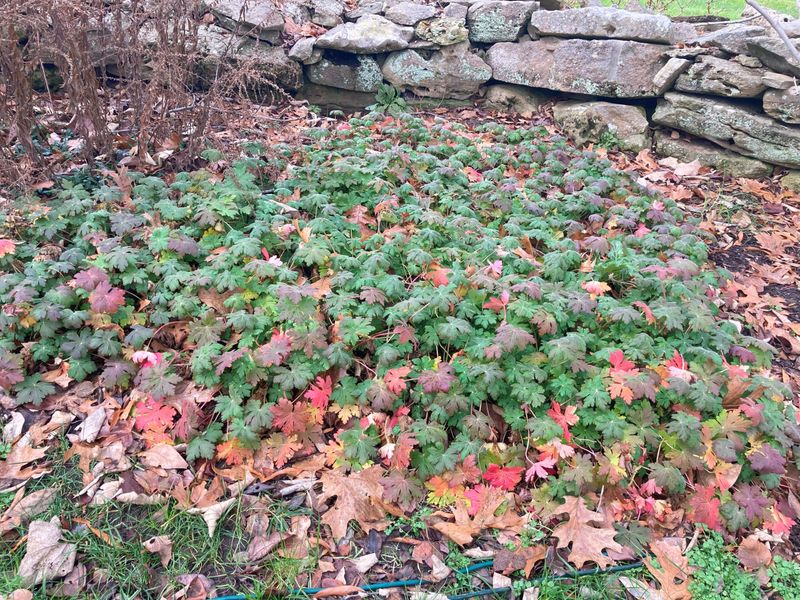
Every November, my cranesbills look like they gave up. The leaves flop, turn brown or reddish, and collapse into a messy heap. Then April rolls around and tiny green fans push right back up through the soil.
Hardy geraniums are herbaceous perennials. Their top growth fades with hard frost, but the crown and roots stay alive underground. Soil holds steadier temperatures than open air, and a blanket of snow acts like insulation.
Pelargoniums lack that survival trick. Their soft stems and leaves hold lots of water, and ice crystals form inside the plant tissue once temperatures drop well below freezing. A light frost might only scorch the edges, but a hard freeze leaves them limp and beyond saving.
Snow cover helps a lot in places like the Upper Peninsula and the snowbelt along Lake Michigan. Gardeners in southeast Michigan often get bare, frozen ground with freeze-thaw swings instead. Those cycles can heave young plants out of the soil.
A loose layer of shredded leaves or straw after the ground freezes helps newly planted cranesbills. Established clumps rarely need any fuss at all. Just leave them be and let winter do its thing.
Bring Your Favorite Pelargonium Indoors Before The First Frost
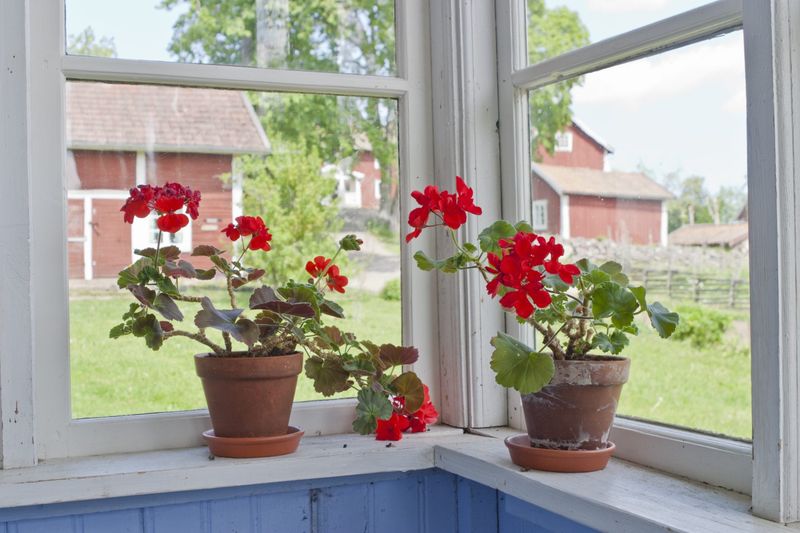
Not going to lie, I get attached to a good red geranium. If you feel the same way, you can keep yours going for years by moving it inside each fall.
Timing matters. Most of Michigan sees its first frost from mid-September up north to mid-October in the south, so watch the forecast closely. Dig up garden plants or grab your containers before nights dip near freezing.
Cut the stems back by about one-third to one-half. Check carefully for aphids, whiteflies, and spider mites, since bugs love a warm house. Pot the plant in fresh potting mix with good drainage.
Set it in your sunniest window, ideally facing south. Cool rooms around 55 to 65 degrees work better than a toasty living room. Water only when the soil feels dry an inch down, because soggy roots lead to rot fast.
Expect some leggy growth by February, since winter light is weak. Pinch the tips to keep the plant bushy. Once frost danger passes in late May, ease it back outside over a week or so.
That same plant can bloom again next summer. It also saves you a little cash at the garden center.
Bare Root Geraniums In A Paper Bag Actually Work
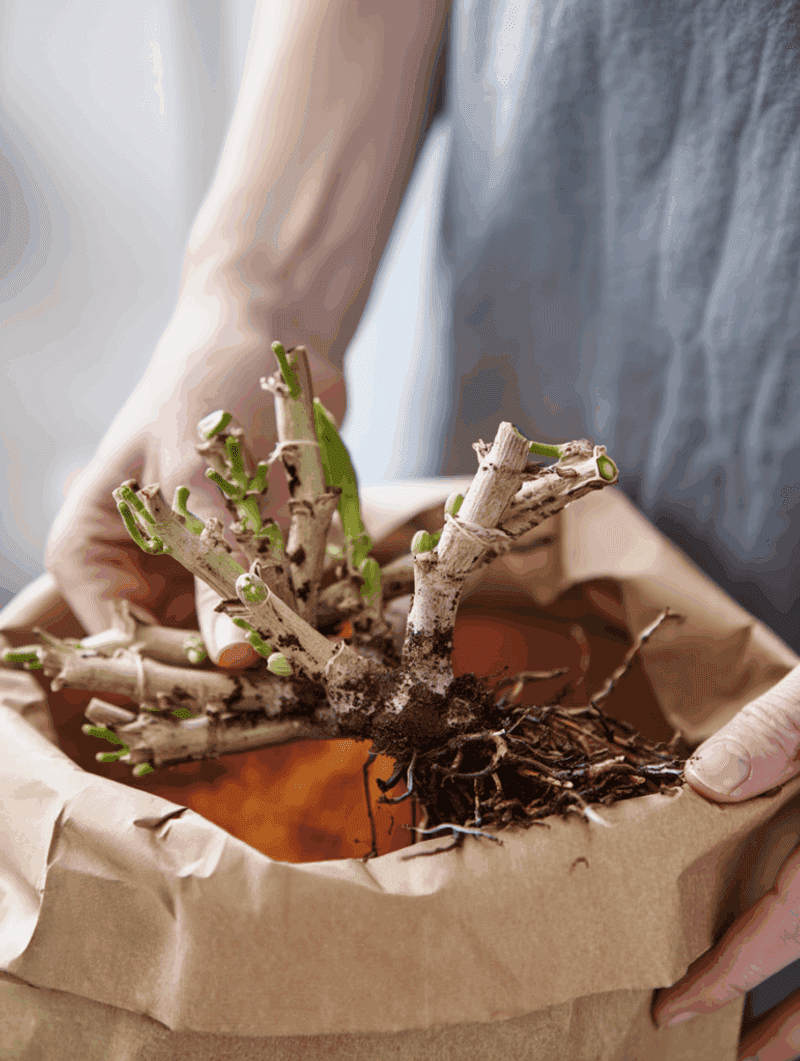
Grandma probably knew this trick. Plenty of old-time Midwest gardeners stored their geraniums bare-root in the basement all winter, and the method still works today.
Before frost, dig up each Pelargonium and gently shake off most of the soil. Let the plants sit somewhere dry for a day or two. Then tuck them upside down into paper bags or hang them from basement rafters.
The goal is dormancy. A cool, dark spot around 45 to 50 degrees keeps the plant resting without freezing. An unheated garage usually gets too cold in a Michigan winter, so a basement tends to be safer.
Check them once a month. If the stems look shriveled, soak the roots in water for an hour or two, then let them dry before bagging them again. Some leaves will drop, and that is perfectly normal.
In March, pull them out and trim off any soft or shriveled stems. Pot them up, water well, and set them in bright light. New green shoots usually show up within a few weeks.
Success rates vary, so store a few extra plants. Even a handful of survivors makes the effort worthwhile.
Cuttings From Your Geranium Fit On One Sunny Windowsill
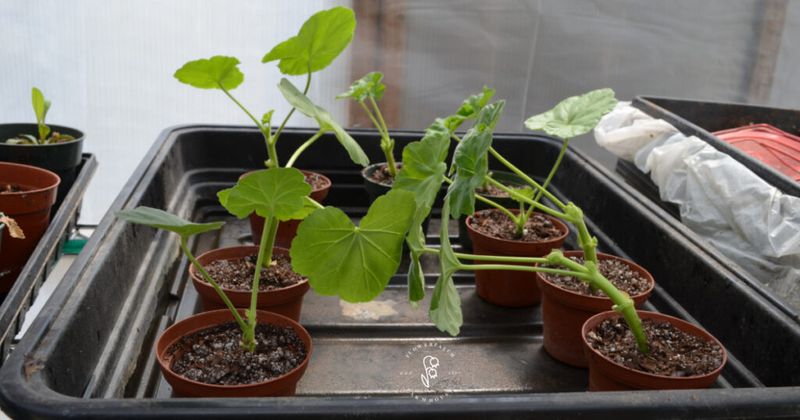
Short on space? Cuttings might be your best friend. A dozen small pots take up far less room than a few big, sprawling plants.
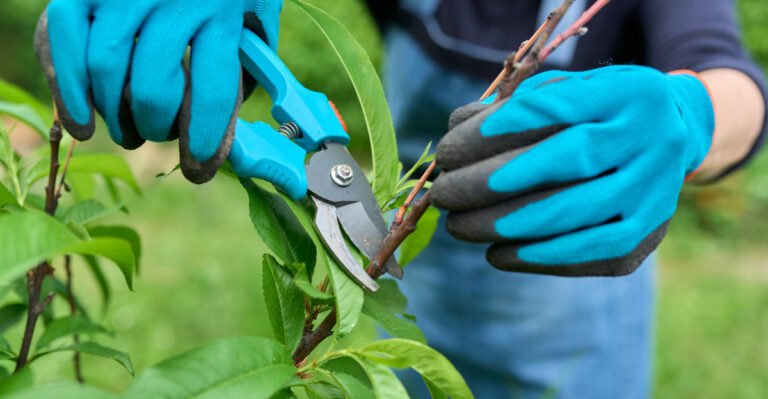
Snip 4 to 6 inch pieces from healthy, non-flowering stems in late summer or early fall. Remove the lower leaves and any buds. Let the cut ends dry for a few hours so they seal slightly.
Stick each cutting into moist potting mix or a mix of perlite and peat. Rooting hormone can speed things up, but zonal geraniums often root just fine without it. Skip the plastic bag cover, since Pelargoniums rot easily in humid air.
Keep the pots in bright, indirect light and water lightly. Roots usually form in about three to four weeks. A gentle tug that meets resistance means you have success.
Fun fact. Many fancy geranium varieties are propagated this way commercially because seeds do not always grow true to the parent. Your cutting will be an exact copy of the plant you loved.
Once roots fill the pot, move each new plant into a slightly bigger container. By May, you will have a crop of sturdy young geraniums ready for summer.
Wild Geranium And Rozanne Earn Their Place In Michigan Beds
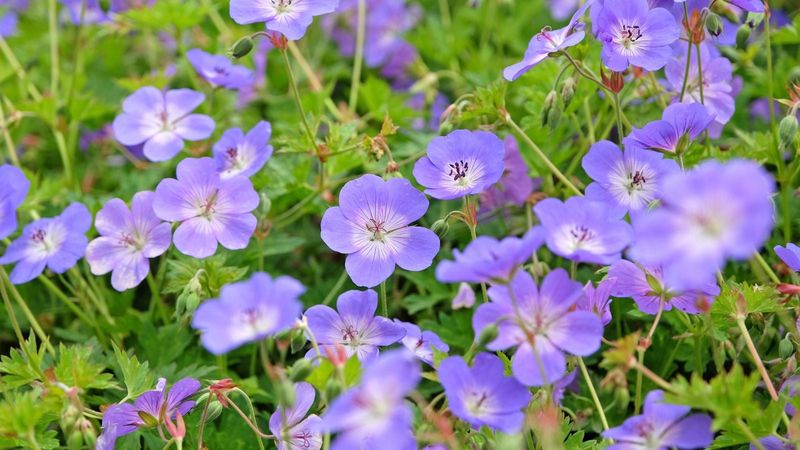
Some cranesbills practically beg to be planted. My two favorites could not be more different, and both handle Michigan weather like champs.
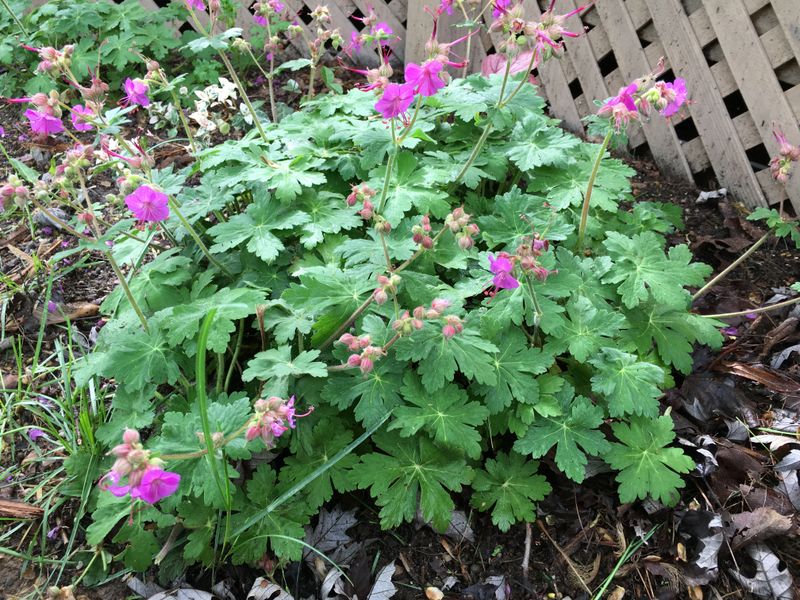
Wild geranium, Geranium maculatum, is native to Michigan woods. It blooms in late spring with soft pink to lavender flowers that bees, especially native bees, visit often. It grows happily in partial shade and fits beautifully in woodland or pollinator gardens.
Rozanne is the flashy cousin. This hybrid won the Perennial Plant Association’s Plant of the Year award in 2008, and it earned the honor with violet-blue blooms that keep coming from early summer into fall. It is generally rated hardy to Zone 5, so northern gardeners may want to pick a tougher type.
Bigroot geranium, Geranium macrorrhizum, makes another solid choice for tough spots. It handles dry shade, smells spicy when brushed, and is often hardy to Zone 3 or 4. Bloody cranesbill, Geranium sanguineum, also shrugs off cold and sun.
Deer and rabbits tend to leave most cranesbills alone, though hungry animals can surprise you. Most types need little more than an occasional trim after blooming. That low-maintenance streak is a big part of their charm.
Check The Tag Before Buying Any Geranium This Spring
Here is the simplest habit that will save you money. Read the plant tag every single time you shop.
If the botanical name says Pelargonium, treat it as a summer plant in Michigan. Enjoy the blooms, then decide in fall whether to bring it inside, store it bare-root, or take cuttings. Some gardeners just compost theirs and buy fresh ones in May, and that is fine too.
If the tag says Geranium followed by a species name, you are likely holding a perennial. Check the hardiness zone listed. Choose plants rated for at least Zone 4 if you garden up north, and Zone 5 works for much of the southern Lower Peninsula.
Garden center displays can be confusing. Perennial cranesbills often sit in a separate section from the annual flats, so look in both areas. Ask staff if anything seems unclear.
My advice is to grow both. Pelargoniums bring bold, nonstop color to pots and window boxes. Cranesbills fill your beds with reliable blooms year after year.
Together they cover every season you care about. You just need to know which one to tuck in and which one to leave outside.