How To Cut Back Raspberries In California This Winter For A Bigger Harvest
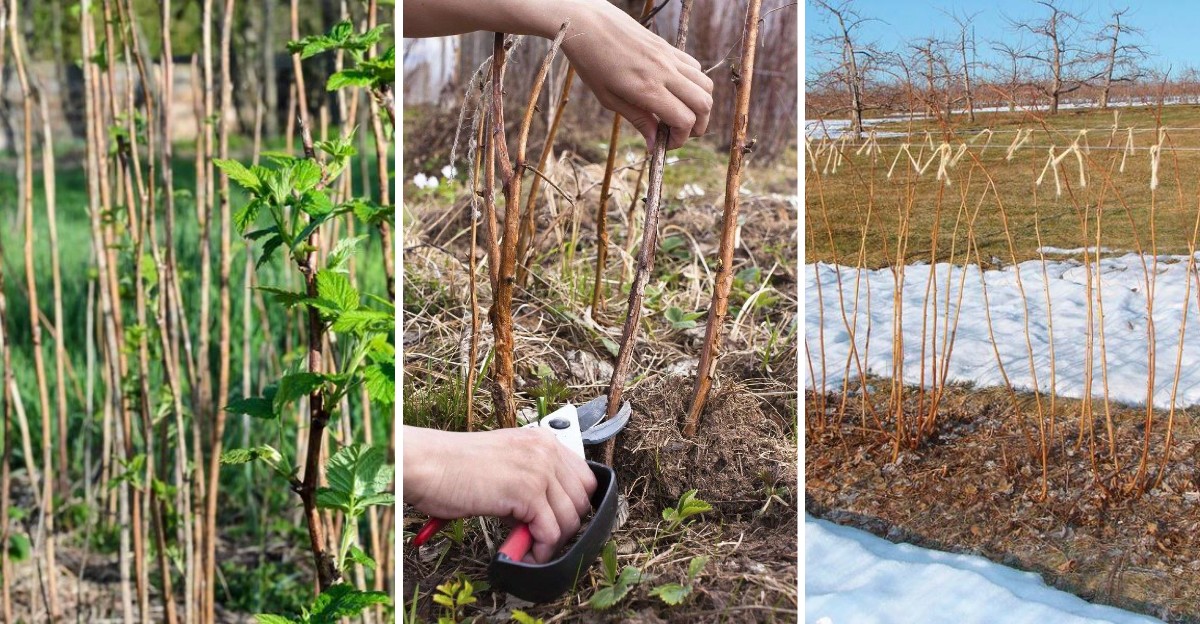
A raspberry cane that produced a basket of berries last summer will not give you another crop next year. These plants follow a two-year fruiting cycle, and recognizing which stems have already finished their turn is the secret to winter pruning.
By January, a tangled berry patch can look like a jumble of brown sticks and thorny branches. That bare winter appearance is actually helpful, because you can finally see the older canes, fresh growth, and crowded spots that need attention.
I used to find raspberry pruning more intimidating than it deserved. Once you understand the difference between summer-bearing and fall-bearing varieties, the decisions become much easier.
California’s mild winter weather gives gardeners a useful window to thin, trim, and prepare their plants for spring. Make the wrong cuts, though, and you could remove next season’s berries before they ever have a chance to grow.
Add A Quick Variety Decision GuideMake The Pruning Steps Easier To Scan
Those Raspberry Canes Are Running On A Two-Year Clock
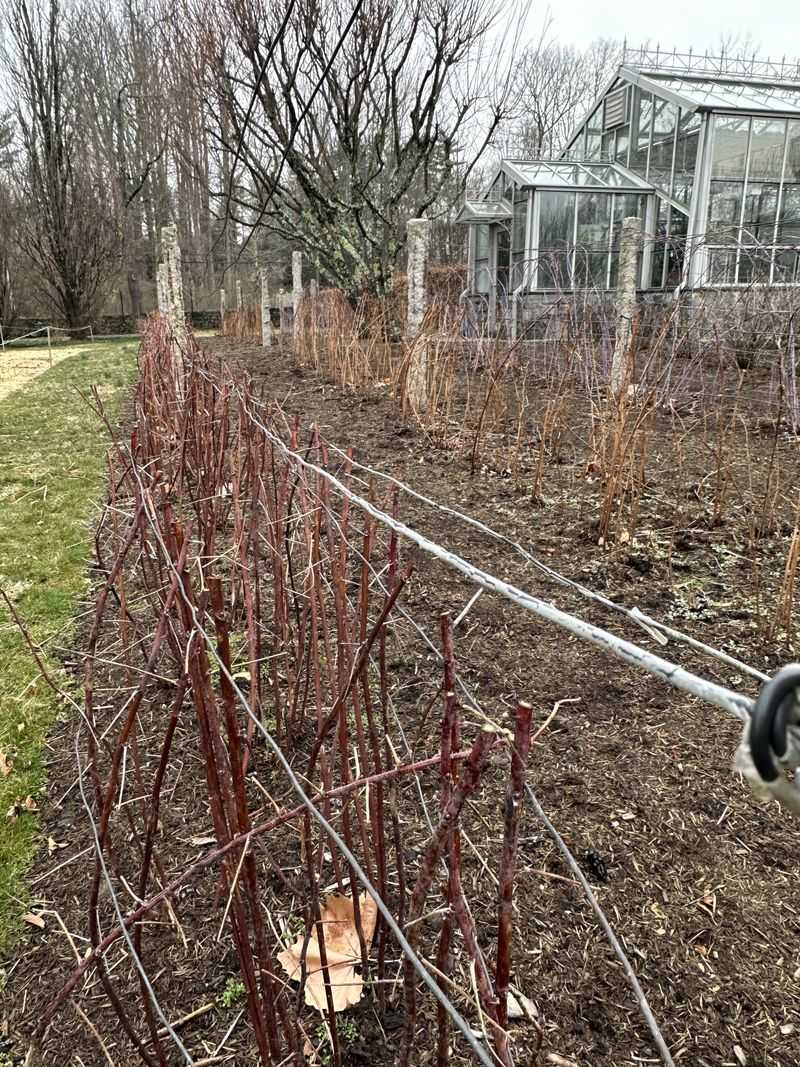
Raspberry roots stick around for years, but each cane has a short career. First-year canes are called primocanes. They grow tall and leafy, soaking up sunshine and storing energy.
The next year, the same cane becomes a floricane. It flowers, makes berries, and then slowly fades out. After that, it will not fruit again, no matter how much you water or feed it.
You can usually spot the difference with your eyes. Older floricanes look gray or brown, with peeling bark and leftover fruit stems. Younger canes tend to be smoother and greener, sometimes with a reddish blush.
Knowing this cycle is the key to every cut you make this winter. Your plan also depends on which type you grow. Summer-bearing raspberries fruit mainly on floricanes in late spring or early summer.
Fall-bearing types, often called everbearing or primocane-fruiting, can fruit on the tops of new canes the very first year. Popular California picks like Heritage, Caroline, and Autumn Bliss fall into this group. Many low-chill types sold for warm areas, such as Bababerry, also lean this way.
Check your plant tag or nursery receipt if you are unsure. Watching when your berries ripen next season also gives a strong clue.
Bare Winter Raspberry Stems Make Pruning So Much Easier
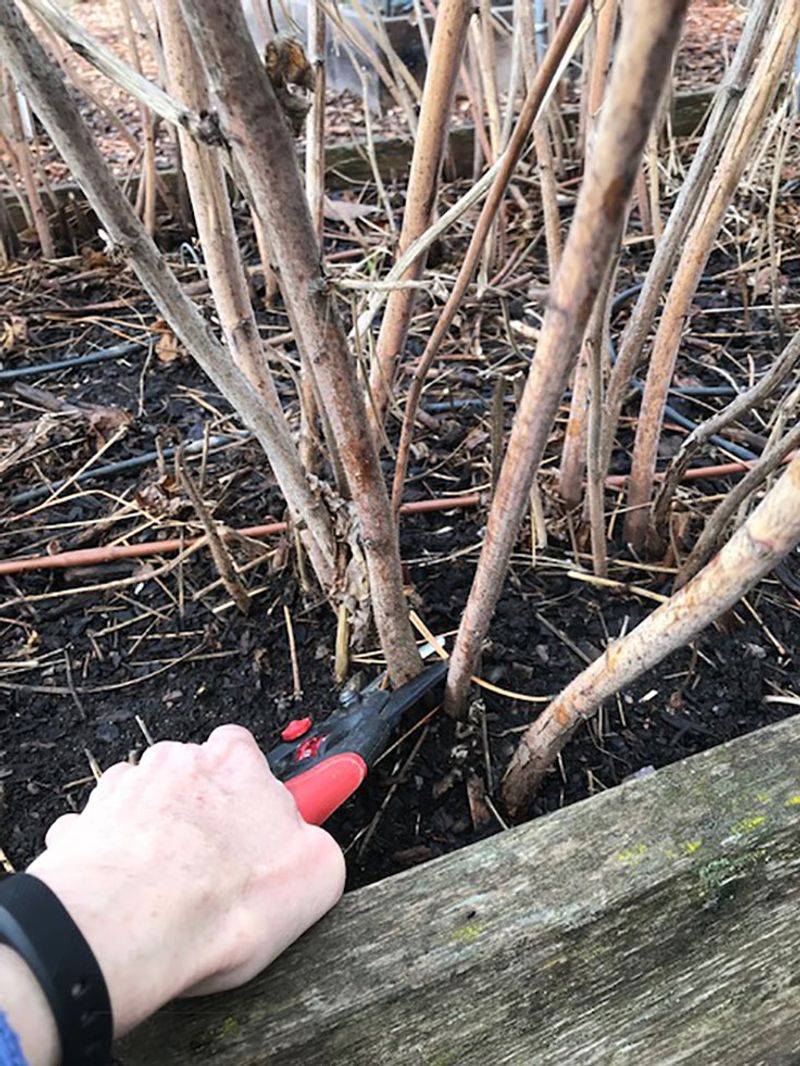
Leafless stems are a gift. Once the leaves drop, you can finally see every cane, every crossing branch, and every weak little twig hiding in the crowd.
In most of California, the sweet spot for major raspberry pruning runs from about late December through February. Plants are dormant then, so cuts cause less stress. Waiting also lets canes move stored energy back down into the crown before you start snipping.
Regional timing matters, though. Coastal and Southern California gardens may barely go dormant, so aim for the coolest stretch of the year, often January. In the Sierra foothills or far north, finish closer to late winter after the hardest freezes pass.
Try to prune on a dry day. Wet canes spread fungal spores more easily, and damp soil gets packed down under your boots. A string of sunny winter days is perfect.
I like to pick a calm afternoon and treat it as a mini project. Bring gloves with long cuffs, sharp bypass pruners, and a bucket for clippings. Wipe your blades with a household disinfectant between plants, especially if any canes looked sickly last year.
Summer-Bearing Raspberries Need A Gentle Thinning, Not A Buzz Cut
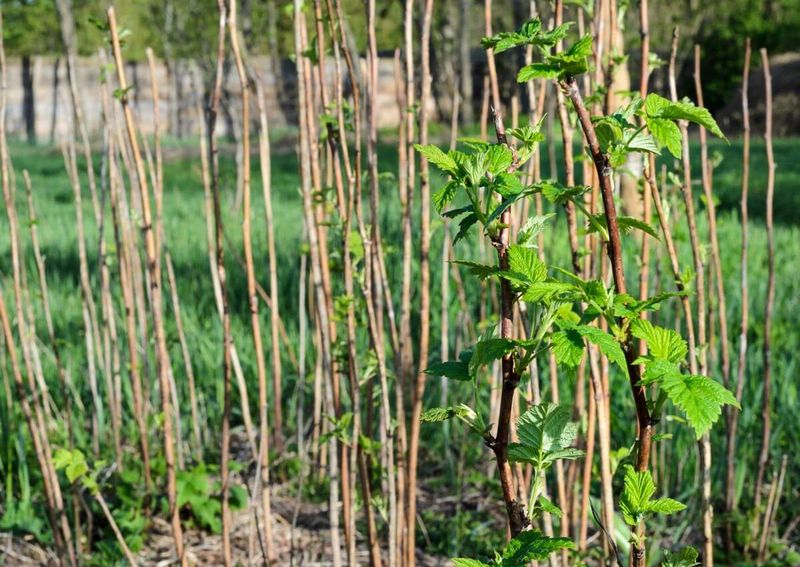
Patience pays off with summer-bearing plants. Their best canes this winter are last year’s new growth, and those are next summer’s berry makers.
Start by removing any old floricanes that already fruited. Ideally, you cut those right after harvest, but winter cleanup works too. Snip them at ground level so no stubs are left behind.
Next, look at the remaining canes. Keep the thickest, healthiest ones and remove skinny, broken, or wandering stems. Many extension guides suggest leaving roughly four to six strong canes per foot of row.
Height comes last. If canes tower over your head, tip them back to about five or six feet. That keeps berries within reach and encourages sturdy side branches where fruit forms.
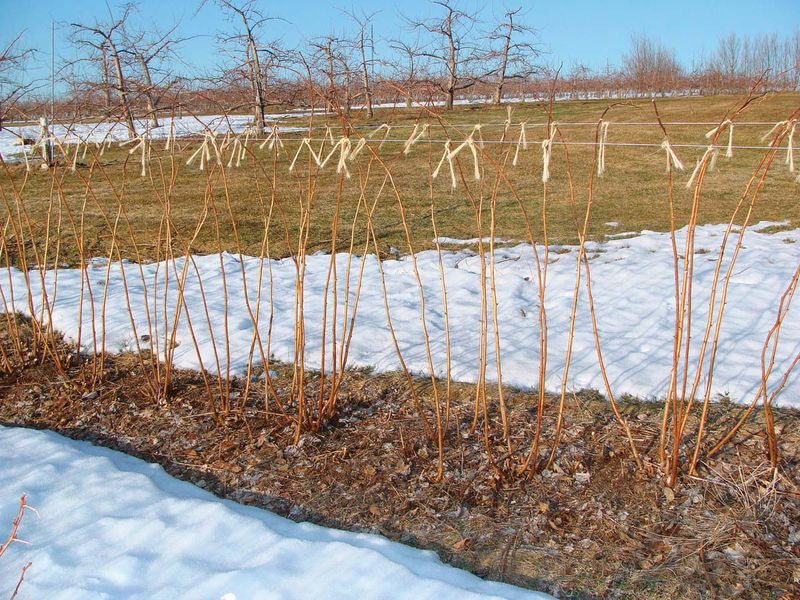
Here is my favorite trick. Tie the kept canes loosely to a wire trellis as you go. They stay upright through winter winds, and you can see right away if a section still looks crowded.
The goal is a hedge you can see through. Sunlight should reach the lower buds, and a breeze should be able to slip between canes. A patch like that rewards you with fewer moldy berries and an easier picking season.
Everbearing Raspberry Canes Can Go All The Way To The Ground
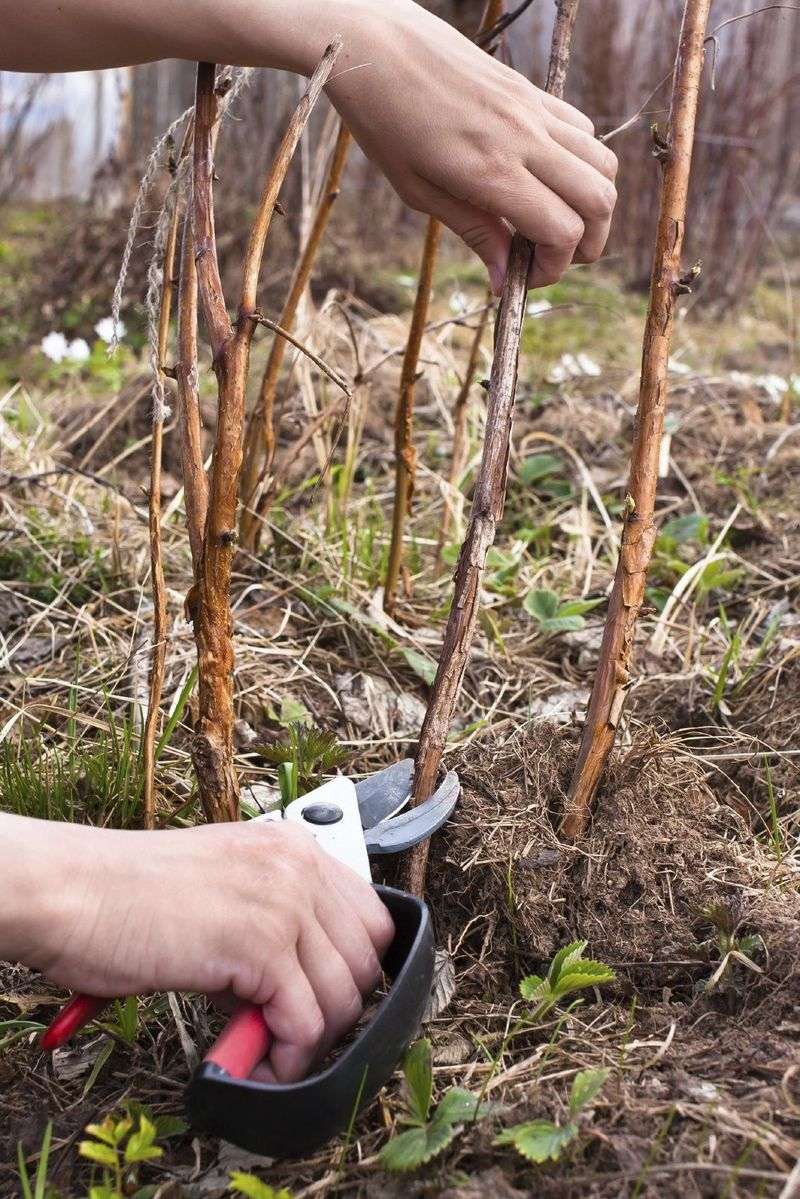
Brave gardeners, this one is for you. Fall-bearing raspberries offer the easiest pruning job in the berry world.
With the one-crop method, you cut every single cane down to about one or two inches above the soil in late winter. Yes, every one. It looks shocking for a few weeks, like a freshly mowed lawn.
In spring, fresh primocanes push up from the roots. They grow all summer and start fruiting at their tips from late summer into fall. In much of California, that harvest can stretch until cool weather slows things down.
Why skip the small summer crop? The plant puts all its energy into one strong fall flush. Many growers find the berries end up larger and the season more predictable.
This method also helps with pests and disease. Old canes leave the garden each year, along with any overwintering trouble hiding in them. Cleanup becomes fast and simple.
Toss healthy clippings in the compost, but send any spotted or cracked canes out with yard waste. After cutting, spread a fresh layer of mulch over the bed. It holds moisture and keeps weeds from stealing the spotlight when new shoots appear.
Want Two Raspberry Harvests A Year? Trim The Tops Instead
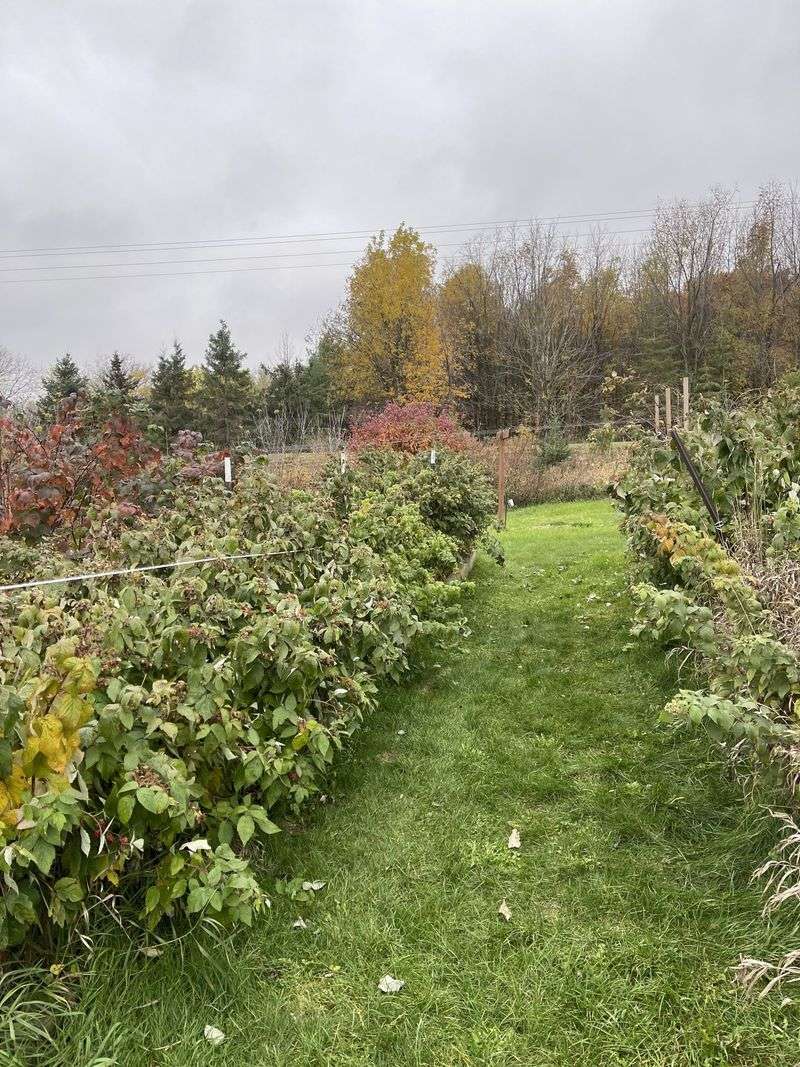
Greedy for berries twice a year? I get it, and everbearing plants can make that happen with a different cut.
This is called the two-crop method. Instead of mowing everything down, you leave last year’s canes standing through winter. Look closely and you will see the top section where fall berries grew.
Trim off just that spent upper portion, often around the top third. The lower part of the cane still has buds ready to fruit. Those buds give you a smaller early summer crop.
Once that summer harvest wraps up, cut those canes out at ground level. Meanwhile, new primocanes are already climbing up beside them. They will carry your fall crop later in the year.
There is a trade-off. Total yield is often similar, but the fall crop may be smaller since the plant splits its energy. Some California gardeners love having fresh berries in June and again in September anyway.
Keep the same thinning rules here too. Remove weak and broken canes, and keep the row narrow. Mark the overwintered canes with a bit of garden tape, so you remember which ones to remove after the summer berries are gone.
Mowing Down Summer Raspberry Canes Is A Costly Slip
Oops moments happen to all of us. The most painful raspberry mistake is cutting summer-bearing canes to the ground in winter.
Remember, those plants fruit on second-year canes. Chop them all, and you erase next summer’s crop in a single afternoon. The roots will survive, but you will wait a full year for berries.
Another common slip is leaving old floricanes in place. They will not fruit again, yet they shade new growth and can harbor diseases like cane blight and spur blight. Removing them gives younger canes room to shine.
Crowding is sneaky, too. A thick patch looks productive, but tight spaces trap humidity. That moisture invites gray mold, which often turns ripening berries fuzzy and soft.
Watch your cutting style. Ragged tears from dull blades heal slowly and invite trouble. Cut cleanly, just above the soil or a healthy bud, and keep your tools sharp.
Finally, skip big cuts during active growth in spring or early fall. Heavy pruning then can stress plants and reduce flowering. If you are unsure about a cane, leave it for now and check it again once the patch starts leafing out.
A Little Compost Around Raspberry Roots Goes A Long Way
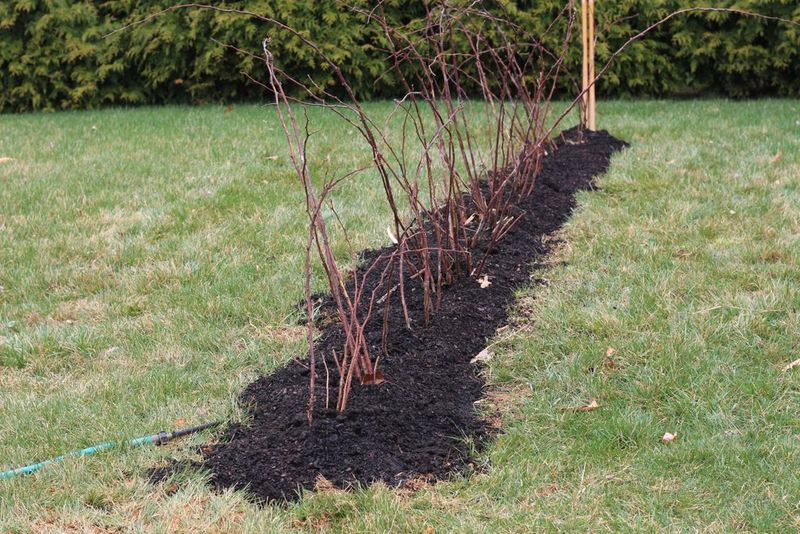
Pruning is only half the winter job. Once the canes are trimmed, your plants will appreciate a little care at the roots.
Raspberries like rich, well-drained soil with plenty of organic matter. Spread an inch or two of compost around the base, then top it with wood chips or straw. Keep mulch a few inches away from the canes to avoid rot.
Drainage deserves attention during California’s rainy months. Raspberry roots are prone to root rot in soggy ground, especially heavy clay. Raised beds or mounded rows help a lot.
Hold off on heavy fertilizer until growth begins in early spring. A balanced feeding then supports new canes and leaves. Too much nitrogen can give you lush stems and fewer berries.
Winter is also a smart time to check irrigation. Look for clogged drip emitters, cracked lines, and leaks. You will thank yourself when the first warm spell arrives.
One more thing to watch is suckers wandering into paths. Raspberries spread by underground runners, so pull or dig shoots popping up outside the row. Keeping the bed about one to two feet wide makes picking much easier later.