The Louisiana Winter Pest That’s Already Moving Into Your Home (And It’s Not Roaches)
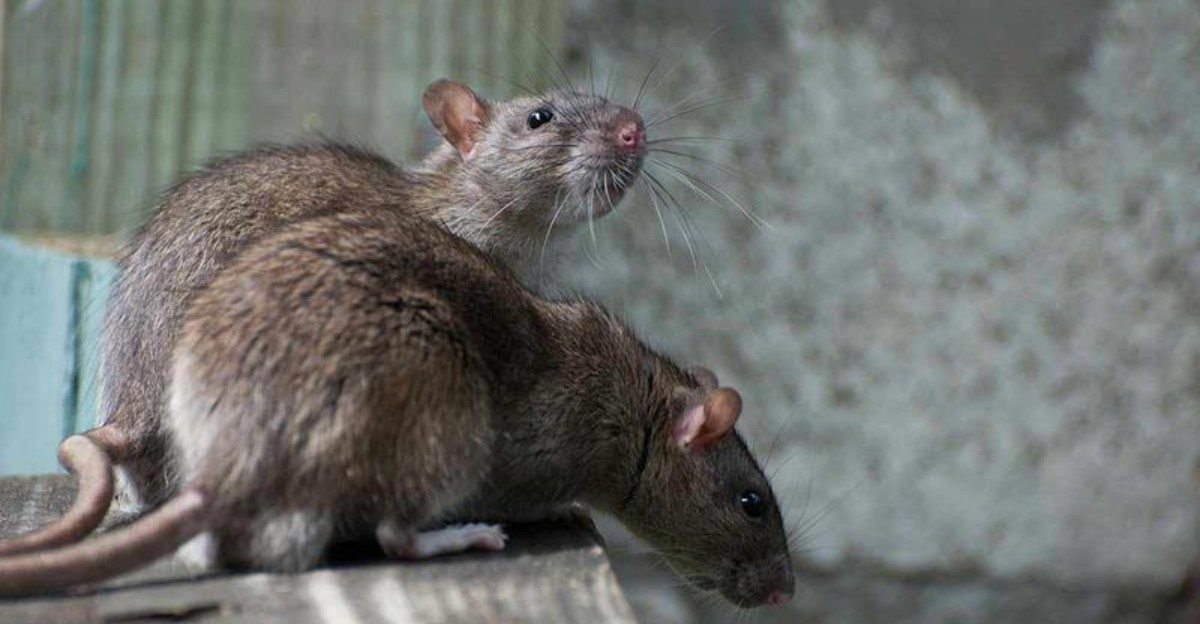
Some of the best climbers in your Louisiana neighborhood can run along a power line like a circus act. They can slip through a gap about half an inch wide. Many of them nest high, closer to your ceiling than to the ground.
I first noticed the sound on a chilly night in late fall. It was a quick patter above the bedroom, then silence, then a soft gnawing. My first guess was a squirrel, but squirrels sleep at night.
You might notice the same thing as Louisiana nights turn cool. Pecans drop, citrus ripens, and outdoor shelter feels less cozy. Your warm attic starts to look like a five-star hotel to a hungry visitor.
I learned a lot after a few weeks of tracking clues, and some of them hide in plain sight. Meet the night shift raiders living above your head.
That Nighttime Scratching in Your Attic Has a Furry Source

Most folks blame squirrels first. That guess makes sense, but the timing tells a different story.
Squirrels are active during the day, while the noises in many Louisiana attics start after sunset.
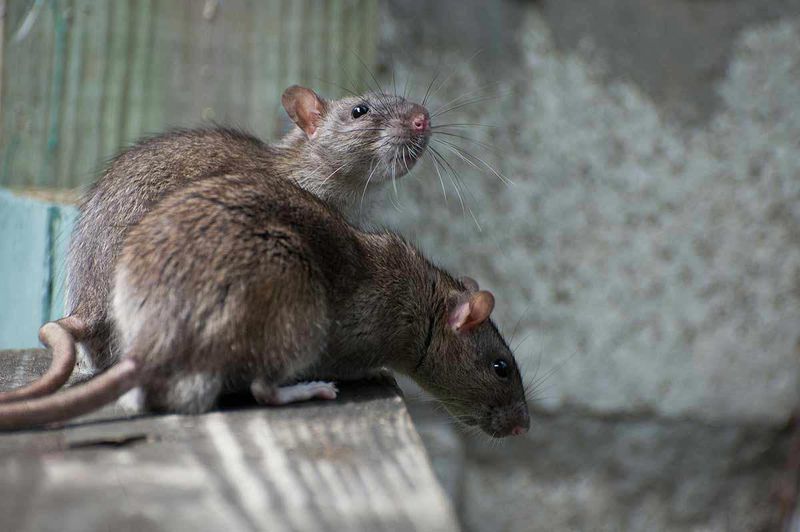
The likely culprit is the roof rat, also called the black rat or ship rat. Its scientific name is Rattus rattus.
It is slimmer than the common Norway rat, with large ears, a pointed nose, and a tail longer than its head and body combined.
Roof rats are nocturnal, so most of their action happens between dusk and dawn. You may hear quick running, light scratching, or steady chewing. The sounds often repeat in the same spot night after night.
That pattern matters. A repeated noise in one area often means a nest or a favorite travel route is close by.
Write down when and where you hear it, because those notes help you or a pro find the problem faster.
Fun fact for history fans. Roof rats likely arrived in North America on ships centuries ago, which explains the ship rat nickname.
They do especially well in warm, humid places along the Gulf Coast, where they now thrive in neighborhoods with plenty of trees and fruit.
Roof Rats Love Gulf Coast Trees, Fruit, and Warm Attics

Think of your yard from a rat’s point of view for a second. Pecans on the ground, satsumas on the tree, birdseed under the feeder, and a big oak hugging the roof. That is a full buffet with a private staircase.
Roof rats eat mostly fruits, nuts, seeds, and plant material. They also happily grab pet food and kitchen scraps. In fall and winter, many Louisiana yards are loaded with exactly those foods.
As nights cool, the rats look for dry, protected nesting spots. Attics, wall voids, and ceiling spaces stay warmer and calmer than the outdoors. Your home also keeps owls, snakes, and cats from reaching them.
Unlike Norway rats, which dig burrows near foundations, roof rats prefer to live up high. Outdoors they nest in thick vines, palm trees, and dense shrubs. When colder weather arrives, the step from a tree to your roof is a short one.
I noticed the pattern in my own yard. The spots with the heaviest fruit drop and the thickest canopy were the same spots where I later found droppings near the roofline. Food and cover together make a strong invitation.
Overhanging Branches and Power Lines Work Like Rat Bridges

Here is the sneaky part. Roof rats rarely need your front door, because they can come in from above. A tree limb resting on your shingles is basically a footbridge.
These rats balance on utility lines, cable wires, fence tops, and vine-covered walls with ease. Once they reach the roof, they search for weak spots.
Gaps in soffits, loose fascia boards, roof vents, and openings around pipes are common entry points on Louisiana homes.
A roof rat can squeeze through an opening of about half an inch wide. That is smaller than most people expect. A gap you could barely slide a finger into may be wide enough.
Walk around your Louisiana house during the day and look up. Check where the roof meets the walls, around attic vents, and where wires and pipes enter the house. Use binoculars if you have them, since many gaps sit high under the eaves.
Also watch the corners of the roofline after rain. Water stains and chewed edges often mark the same weak areas rats use.
In humid Louisiana weather, moisture damage can make those spots even easier to spot. Spotting a bridge and an open door together tells you where your trouble likely started.
Spindle-Shaped Droppings and Greasy Smudges Give Them Away
A flashlight and a little patience turned me into a part-time detective. Rats leave clues everywhere they travel. You just need to know what you are looking at.
Roof rat droppings are dark and spindle-shaped, with pointed ends. They are about a half inch long, a bit smaller than Norway rat droppings. Look for them in attics, along baseboards, inside cabinets, and near pet food.
Next, check beams, pipes, and wall edges for dark, greasy smudges. These rub marks come from oily fur brushing the same surfaces again and again. They often line up along a clear travel route.
Gnaw marks are another big hint. Rat teeth grow all their lives, so they chew wood, plastic, and even wiring to keep them worn down. Fresh marks look light in color, while older ones look darker.
Nests usually show up as messy piles of shredded insulation, paper, or fabric. You might also notice a musky smell in closed spaces.
Wear gloves and a mask when checking, and avoid sweeping dry droppings, since that can stir up dust. Spraying them with a disinfectant first is a safer approach.
Chewed Wires in the Attic Are No Small Matter
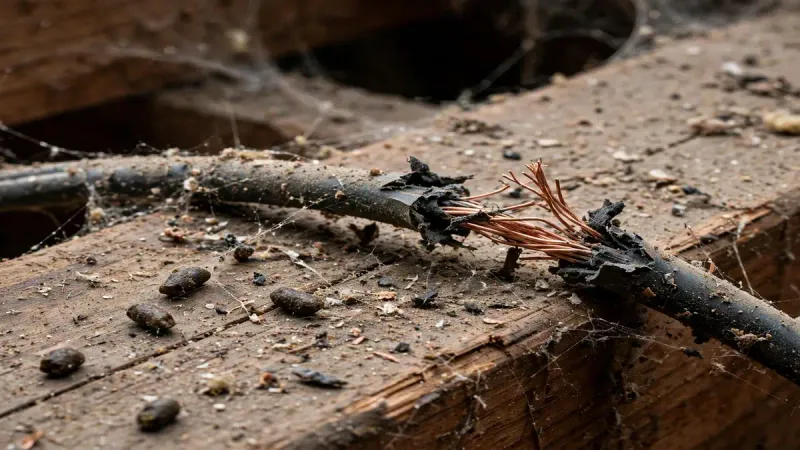
Let me be honest about the scariest part. Rats chewing on attic wiring can strip away insulation and expose bare copper.
Damaged wiring is a known fire risk, and many homeowners do not know it is happening until something fails.
Rats also chew on wood, drywall, plastic pipes, and air ducts. Small holes add up over time. A tiny leak or a torn duct can quietly raise your repair bill.
Insulation takes a beating too. Rats flatten it, tunnel through it, and soil it with urine and droppings.
Dirty, packed insulation does a poorer job of keeping your home warm in winter and cool in summer.
Health is another concern. Rodents can spread germs that cause illnesses such as leptospirosis and salmonellosis, according to the CDC. They can also contaminate stored food and pet bowls.
If you find chewed wires, have a licensed electrician check them. Do not try to patch damaged wiring yourself if you are unsure.
For cleanup, the CDC recommends wetting droppings and nesting material with a disinfectant or bleach solution before wiping them up. That simple step keeps dust and germs out of the air you breathe.
Trim Those Branches and Seal Gaps With Steel Mesh

Exclusion is the real long-term fix. Traps help, but they cannot stop new rats from walking right back in. Blocking the doorways is where your effort pays off most.
Start with the trees. Trim branches so they sit several feet away from your roof, with many experts suggesting at least three to six feet. Pull dense vines like ivy off walls and fences, since they give rats both cover and a ladder.
Next, seal any opening about half an inch or larger. Rats can chew through wood, foam, rubber, and plain caulk.
Use materials they struggle to gnaw, such as hardware cloth, sheet metal, steel wool, or copper mesh.
For small gaps around pipes, stuff in steel wool or copper mesh and seal over it with caulk. For vents and larger holes, attach metal screening securely.
Check that your roof vents have sturdy covers. Timing matters. If rats are already inside, sealing every gap at once can trap them in your walls.
Many pros seal most openings first, trap the rats that remain, and close the final entry last. Fall and early winter are a smart time to tackle this work before nests grow.
Pick Up Fallen Pecans and Lock Away the Pet Food
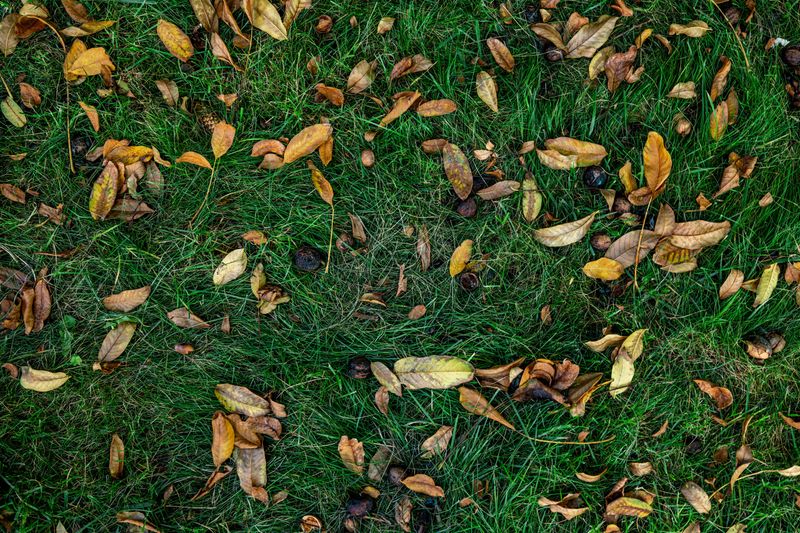
Food is the magnet, so take away the magnet. Fewer snacks mean fewer reasons for rats to hang around your home. This step costs almost nothing.
Outdoors, rake up fallen pecans, acorns, and citrus often during harvest season. Pick ripe fruit promptly instead of letting it hang. Clean up spilled birdseed, or move feeders well away from the house.
Keep garbage cans tightly closed, and do not leave pet food outside overnight. Store firewood off the ground and away from the house. Clear piles of lumber and junk where rats can hide.
Inside, store dry food, pet food, and birdseed in sealed glass, metal, or thick plastic containers. Rats chew through paper and cardboard quickly. Wipe counters, sweep crumbs, and avoid leaving dirty dishes out overnight.
Compost piles can also draw rats. Avoid adding meat, dairy, or greasy scraps, and turn the pile regularly. A closed bin with a solid bottom helps too.
Gardeners have an edge here. We already watch our trees and beds closely, so adding a quick cleanup after each harvest is easy. Treat it like part of your normal fall garden routine, and the rats lose their easy meals.
Snap Traps Along Attic Rafters Often Beat Poison Baits
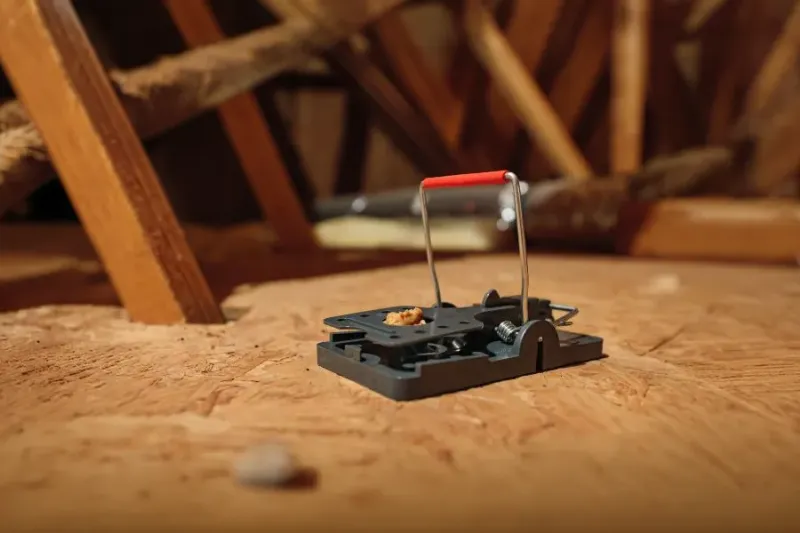
Once you know rats are inside, snap traps are a solid choice. They work fast and let you confirm what you caught. Many experts prefer them over glue boards, which can cause extra distress.
Bait traps with peanut butter, a bit of nut, or dried fruit. Place them along walls, rafters, and travel routes, with the trigger end facing the wall.
Roof rats can be cautious of new objects, so try leaving traps unset for a few days at first. Use several traps rather than just one or two. Check them daily while wearing gloves. Dispose of catches in a sealed bag in an outdoor trash can.
Poison baits inside the home can cause trouble. Rats may hide in walls after eating bait, leading to bad smells. Baits can also harm pets, children, owls, and other wildlife if not handled correctly.
Call a licensed pest professional if activity keeps going after a couple of weeks, or if you find wire damage. Pros can find hidden entry points, set tamper-resistant stations, and clean soiled insulation.
Your best takeaway is simple. Trim, seal, clean, and trap together, and your attic can be quiet again this winter.