8 Protected Animals Maryland Homeowners Can’t Legally Remove From Their Yards
Sealing up an attic in July can break Maryland wildlife rules if the wrong tiny tenants are raising babies upstairs. I learned that the hard way when a contractor stopped mid-job and pointed at a shadowy vent corner.
Our yards shelter more legally protected creatures than most people realize, including some that make folks squeal and grab brooms. Federal bird laws and state nongame protections overlap in ways that surprise even longtime gardeners with decades of experience.
Truth is, I used to think anything uninvited in my garden was mine to evict however I pleased. Then I discovered how many of those visitors quietly eat the mice and mosquitoes that I chase off all summer.
Some of the creatures sharing your Maryland yard are off-limits to evict, even when they turn up in the most inconvenient spots. Learning that changed how I handle fall garden cleanup and attic repairs.
1. Shy Black Rat Snakes Patrol Your Garden Beds
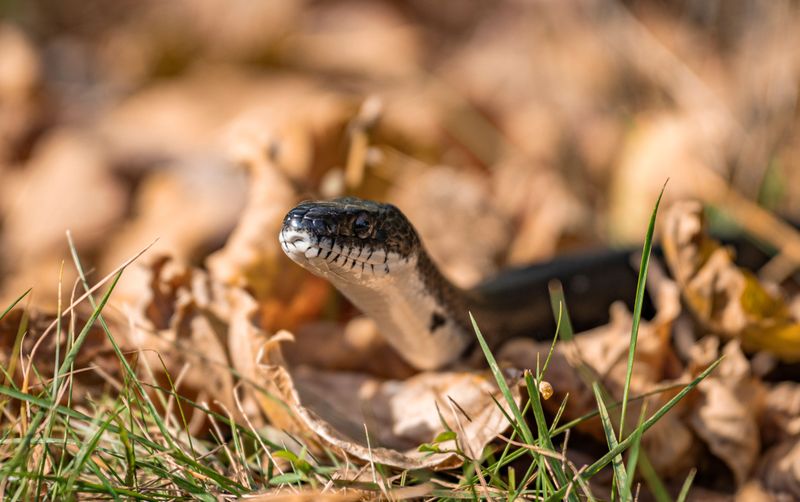
A black rat snake once draped itself over my tomato cage, and I nearly flung my watering can. That startled moment taught me something big, because Maryland limits how many native snakes can be collected from the wild and has proposed banning collection of most native species.
Current state rules limit the collection and possession of native snakes, and regulators have proposed banning wild collection of most of them, so it is best to leave them alone. Even copperheads are best left alone and given plenty of space, which surprises plenty of folks who grew up hearing that any snake deserved a shovel.
Truth is, rat snakes earn their keep by gobbling mice and voles that chew through bulbs and young roots. I will happily trade a few heart-stopping surprises for fewer tunnels running under my carefully planted tulip beds each spring.
If one is sunning on your patio, give it several feet of space and let it slither away calmly. Most snakes want nothing to do with people and will vanish under a shrub within a few quiet minutes.
For a snake indoors, keep kids and pets in another room and call a licensed wildlife control operator. These pros can remove the visitor alive and release it legally, which saves you stress and possible fines.
To reduce surprise encounters, move brush piles and stacked firewood well away from your foundation and porch steps. Mow tall grass regularly and sweep up spilled birdseed, since seed draws rodents and rodents draw hungry snakes.
Snakes are not villains in our gardens, just quiet neighbors with a big appetite for rodent pests. Learning to identify common local species makes every encounter less scary and a lot more interesting for the whole family.
2. Little Brown Bats Roosting In Your Attic Need A Gentle Exit
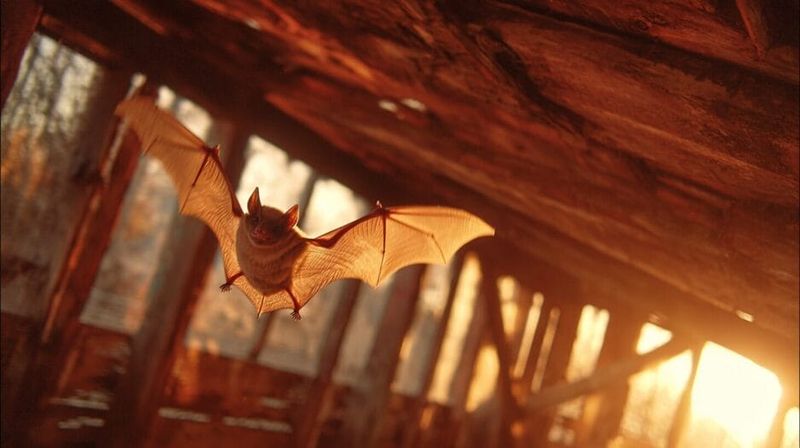
Dusk in my backyard means tiny dark shapes zigzagging over the vegetable patch, snapping up bugs right above my head. I used to flinch at them, but now I stand there grinning like a kid at a fireworks show.
All bat species here are protected, and several carry state or federal endangered or threatened listings. Harming them on purpose is illegal, so swatting one with a broom is off the table for good reason.
A colony in the attic needs exclusion, which means sealing gaps and installing one-way doors so bats leave unharmed. Timing matters a lot, because summer pups cannot fly yet and would be trapped inside without their mothers.
State guidance restricts exclusion from early spring through late summer unless wildlife officials grant a special exemption letter. Fall is a better window, once young bats can fly and before cold weather pushes them toward hibernation.
A single bat flapping around the living room is a different story, and you can usually handle it yourself. Wear thick leather gloves, cover it gently with a box, and slide cardboard underneath before releasing it outdoors.
If anyone may have been bitten or a bat was found near a sleeping person, contact your local health department. Rabies is rare in bats, but officials need to test any animal involved in possible contact with people.
Fair warning, once you learn how many insects one bat can eat, you may start building them houses yourself. Mount a bat box on a sunny pole or wall at least twelve feet high to welcome them outside instead.
3. Eastern Box Turtles Wandering Through Your Tomato Patch
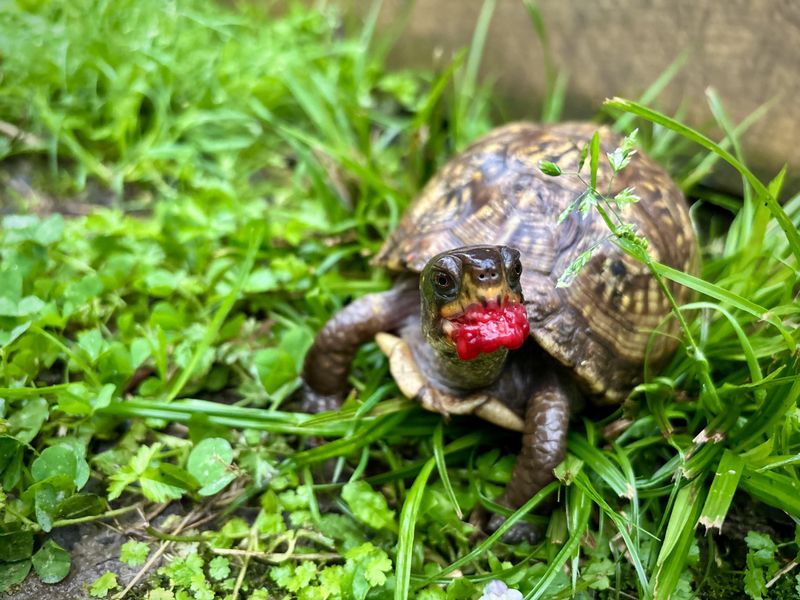
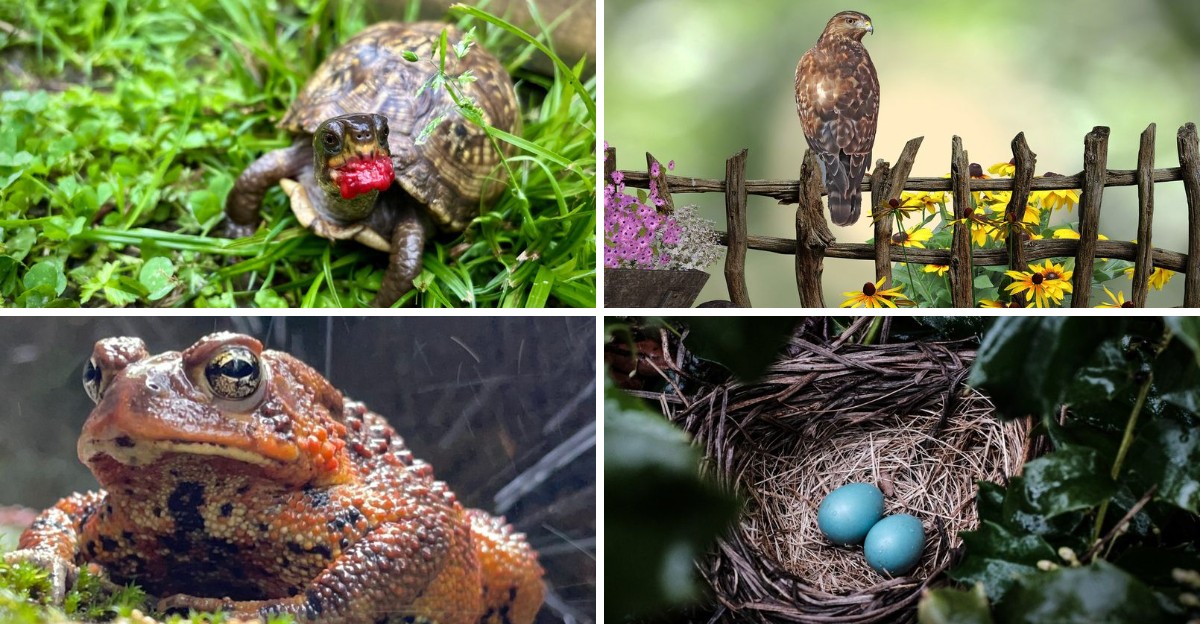
Last July a box turtle sat beneath my tomato plants with red juice on its beak, looking guilty and pleased. I could not even be annoyed, because these slow wanderers may spend decades inside the same small patch of land.
Eastern box turtles have declined across their range, and the IUCN lists the species as vulnerable to extinction. State rules already limit possession, and regulators have proposed banning wild collection altogether in the near future.
Under current rules, a person may possess only one box turtle, and collection from the wild is limited. Proposed changes would end wild collection, so the smartest move is to admire your visitor and let it keep walking.
Moving a box turtle to a nicer park seems kind, but it usually causes more harm than help. Relocated turtles often wander for miles searching for their old home and frequently end up crossing busy roads.
If you see one crossing a street, carry it to the side it was already heading toward. Hold it gently by the sides of the shell and set it down in brush, not in the open sun.
Before mowing tall grass, walk the area first, since turtles often rest in thick cover during hot afternoons. Raising your mower deck a few inches can prevent painful shell injuries and gives other small creatures an escape too.
Leave a shallow dish of water and a pile of leaf litter in a shady corner for these armored guests. They will reward you by eating slugs and beetles, along with fallen berries that would otherwise rot on the ground.
4. Spotted Turtles And Wood Turtles Hiding Near Backyard Wetlands
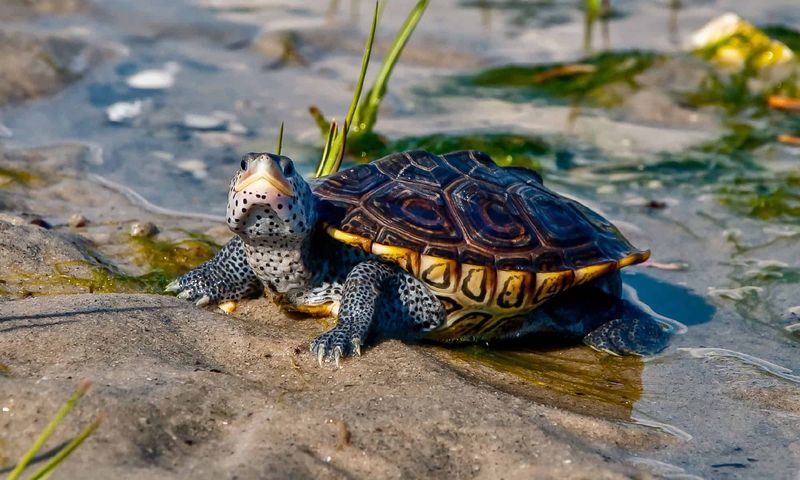
Tiny yellow polka dots on a black shell stopped me cold the first time I visited a friend’s marshy property. That spotted turtle looked like someone had painted the night sky on its back, and I could hardly stop staring.
Spotted turtles and wood turtles are both declining, and taking either from the wild is unlawful here. That protection covers their eggs too, so digging up a nest in your garden bed is strictly prohibited.
Wood turtles prefer clear streams bordered by fields and woods, mostly in the northern and western parts of the state. Spotted turtles favor shallow wetlands and slow, mucky ditches that many people would happily fill with dirt.
If your property backs up to a stream or soggy low spot, you might host one of these rare reptiles. Keep that wet corner wild rather than draining it, because filling wetlands can also trigger permit requirements and inspections.
Pet collectors are a major threat, since illegal trade sends these turtles overseas for surprisingly high prices. If someone asks about turtles on your land, keep locations private and report suspicious activity to Natural Resources Police.
Use fertilizers and pesticides sparingly near water, since runoff harms the insects and tadpoles these turtles depend on. A buffer of native sedges and shrubs along the edge filters runoff and gives basking turtles safe cover.
I am a sucker for any creature that lives quietly in plain sight, and these two turtles fit perfectly. Spotting one is a rare gift, so snap a photo, share it with DNR, and step back.
5. Diamondback Terrapins Nesting In Sandy Waterfront Yards
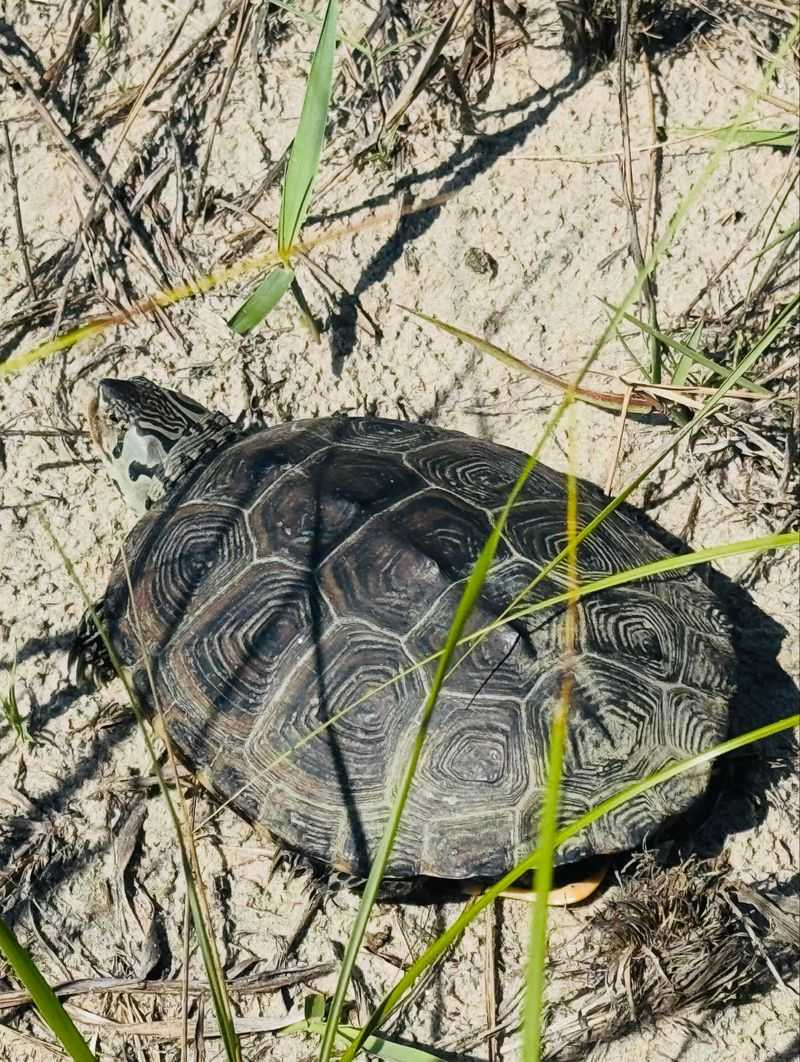
Our state reptile shows up every June on sandy waterfront lawns, digging nests with surprising determination for such a small turtle. Bayside homeowners sometimes find a female plowing through their flower bed, and the sight is pure Chesapeake magic.
Diamondback terrapins live in brackish water, and taking them or their eggs from the wild is unlawful under state rules. Commercial harvest was halted years ago after populations dropped, partly from heavy collecting for soup during earlier eras.
If a terrapin is digging in your yard, keep your distance so she does not abandon the nest halfway. Leash dogs and keep curious kids back, because a frightened female may head straight back into the water.
Once she leaves, the eggs need roughly two to three months to hatch, depending on soil temperature and weather. Hatchlings often emerge in late summer or fall, and some even overwinter inside the nest until the following spring.
Raccoons dig up many nests, so a simple wire mesh cover over the spot can improve the odds dramatically. Ask a local terrapin group or DNR for guidance before placing anything, so you protect the nest correctly.
Living shorelines with marsh grass and sandy patches help terrapins far more than bulkheads and solid stone walls. Crab pots also pose a risk, so use bycatch reduction devices on recreational pots in shallow tidal creeks.
Guilty as charged, I once mistook terrapin tracks for a raccoon trail across the beach near my cousin’s house. Now I check every curving line in the sand, hoping to spot those distinctive diamond patterned shells again.
6. American Toads And Garden Frogs Hopping Through Damp Flower Beds
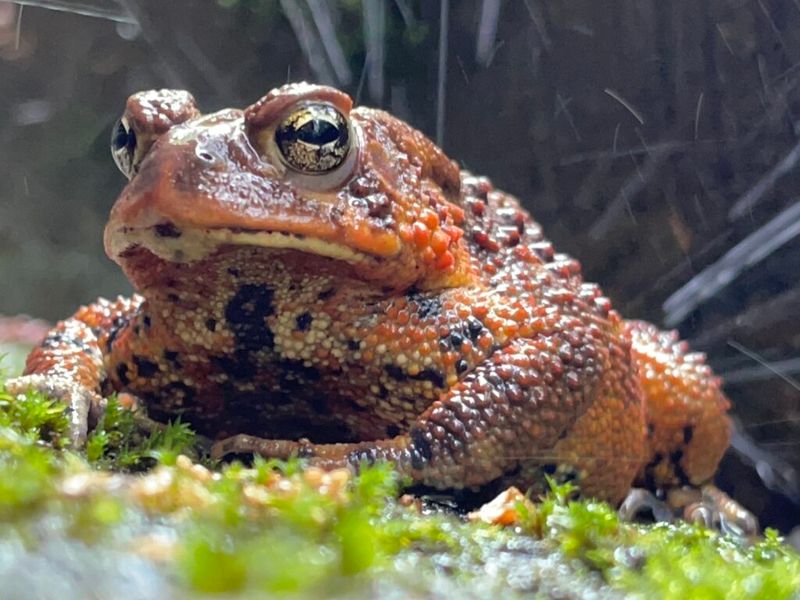
One fat American toad lives under my overturned flowerpot, and I swear he gets grumpier every time I water. He also eats an astonishing number of slugs, so I forgive the dirty looks and leave his doorway alone.
Native frogs and toads already face limits on how many can be collected from the wild without a permit. State regulators have proposed stronger rules that would stop most wild collection of native amphibians in the coming years.
Amphibians breathe partly through their skin, so they absorb lawn chemicals and pesticides much faster than you might expect. Cutting back on sprays near ponds and flower beds helps them stay healthy and keeps them working on your pests.
A shallow saucer of rainwater tucked into shade gives toads a place to soak on muggy summer days. Clay pots tipped on their sides make cozy toad houses, especially when half buried in moist, loose soil.
Avoid moving tadpoles or eggs from one pond to another, since that can spread diseases between amphibian populations. Chytrid fungus and ranavirus travel easily on muddy boots and nets, so rinse and dry your gear before visiting another wetland.
Spring peepers and gray treefrogs might serenade you from nearby trees on warm, rainy nights during breeding season. I did not expect such tiny frogs to sound so loud, but their chorus now feels like part of spring.
Kids love catching frogs, and a quick look with wet hands is fine if you release them right away. Just skip taking them home, because a backyard jar rarely matches the care that wild habitat provides.
7. Red-Tailed Hawks Watching Over Your Backyard Bird Feeder
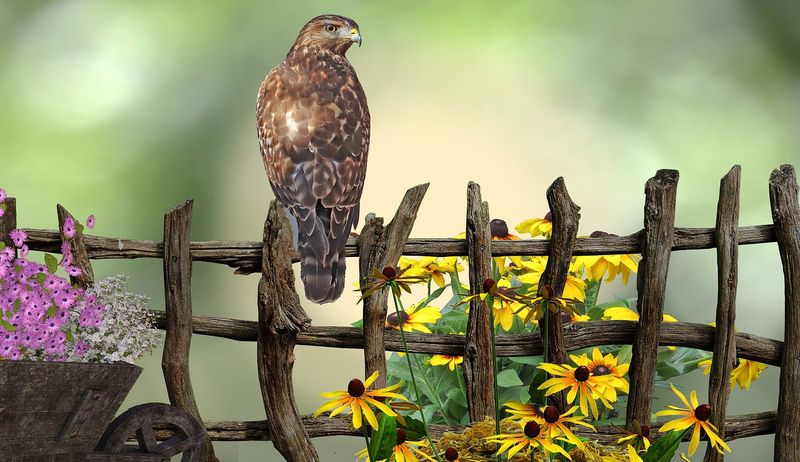
A red-tailed hawk once landed on my fence post, glared at my bird feeder, and left me speechless. Every songbird vanished in seconds, and honestly I could not decide whether to cheer the hawk or the chickadees.
Hawks and owls are protected under the federal Migratory Bird Treaty Act, plus additional state wildlife laws. Harming or keeping one without proper permits can bring serious fines, even when it raids your backyard chicken flock.
Some older state rules mention landowners protecting poultry, but federal law takes priority and requires permits for raptor control. Contact USDA Wildlife Services or the U.S. Fish and Wildlife Service before considering anything beyond simple scare tactics.
Covered runs with sturdy wire or netting overhead keep hens safe from hawks swooping in during the day. Locking birds inside a secure coop at night also protects them from great horned owls hunting after dark.
If a hawk keeps raiding your feeder, take it down for a week or two and let things settle. Songbirds scatter to other yards, and the hawk usually moves on to a more productive hunting spot nearby.
Barred owls and screech owls also help gardeners by eating mice, voles, and large insects throughout the night. Mounting an owl nest box on a sturdy tree can invite these quiet hunters to patrol your property naturally.
Skip rodent poisons, since owls and hawks that eat poisoned mice can suffer serious harm themselves. Snap traps placed inside covered boxes are a safer choice that protects both your pets and these winged hunters.
8. Robin Nests Tucked Into Porch Lights And Hanging Baskets
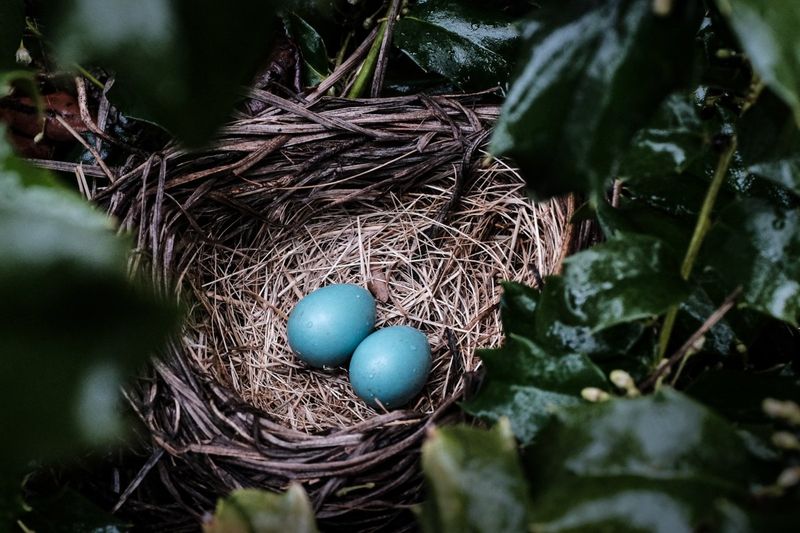
A robin built a mud-lined nest inside my hanging fern last spring, and watering it became a delicate tiptoe operation. I ended up using a squeeze bottle along the edges, while she glared at me from the nearby gutter.
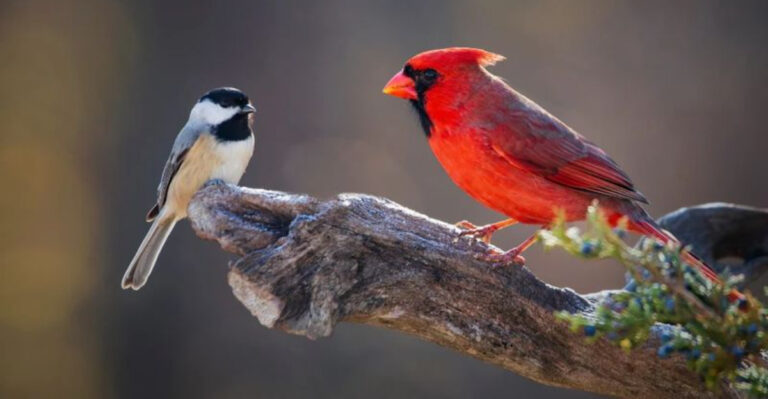
Most native songbirds, including robins and cardinals, are protected by the federal Migratory Bird Treaty Act. That law makes it illegal to remove or disturb an active nest holding eggs or chicks without a federal permit.
Empty nests can usually be cleared away, but keeping feathers or eggs as souvenirs is still prohibited. Non-native house sparrows and European starlings are exceptions, since federal protection does not cover those introduced species.
Robins nest in spring and summer, and each brood fledges roughly two weeks after the eggs hatch. Waiting a few weeks is usually easier than any workaround, and the show outside your window is wonderful.
If a nest blocks a door or porch light, use another entrance for a while and let the family finish. Turning off a porch light near the nest also reduces stress for parents feeding hungry chicks at dusk.
Fledglings hopping around the lawn are usually fine, since parents keep feeding them from nearby branches and shrubs. Keep cats indoors during this stage, because those clumsy first days on the ground are the riskiest time.
To prevent future nests in awkward spots, block ledges before birds arrive in early spring each year. Then offer a sheltered nesting shelf nearby, so robins choose a spot that works for both of you.