These Everyday Things Could Be Drawing Black Bears to Your North Carolina Home
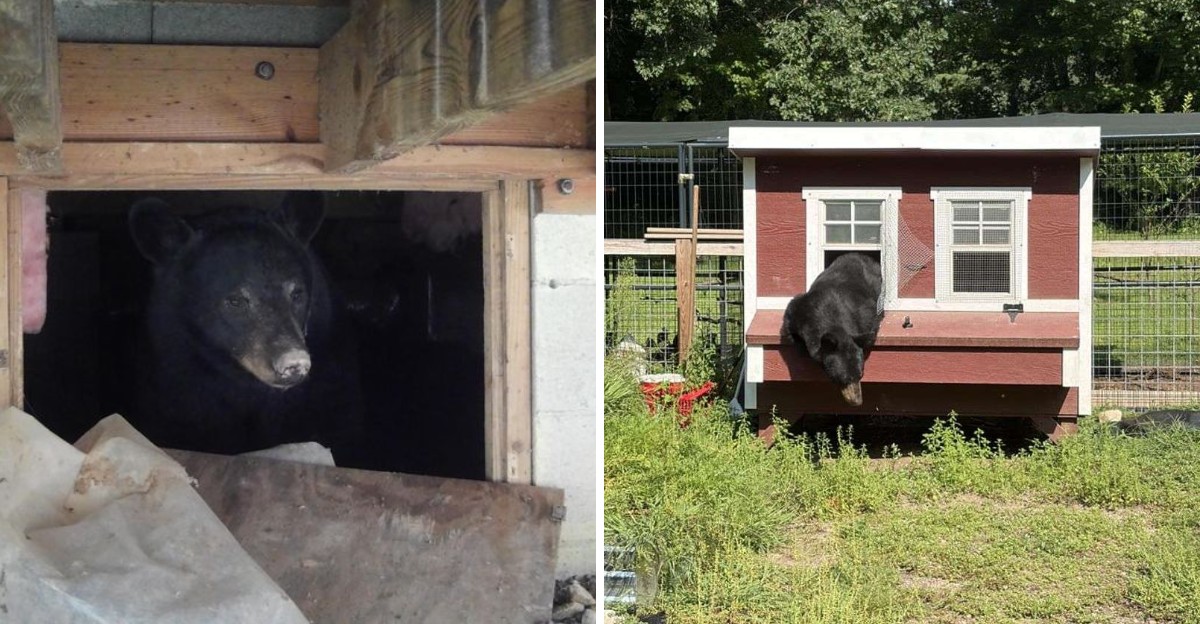
A backyard visitor in fall can chase roughly 20,000 calories a day, and your porch might look like a menu. That appetite comes from a seasonal eating stretch that pushes these animals to forage for most of their waking hours.
North Carolina now has one of the largest populations of these furry neighbors in the eastern United States. Sightings pop up well beyond the mountains, including coastal swamps and leafy neighborhoods near bigger cities.
I love sitting on my back steps at dusk, smelling tomato vines and hearing the last birds settle down. You may be surprised how many ordinary chores in our yards quietly send out a dinner bell.
Most of those habits are easy to fix once you know what a curious nose is searching for.
1. Overflowing Trash Cans Left By The Curb
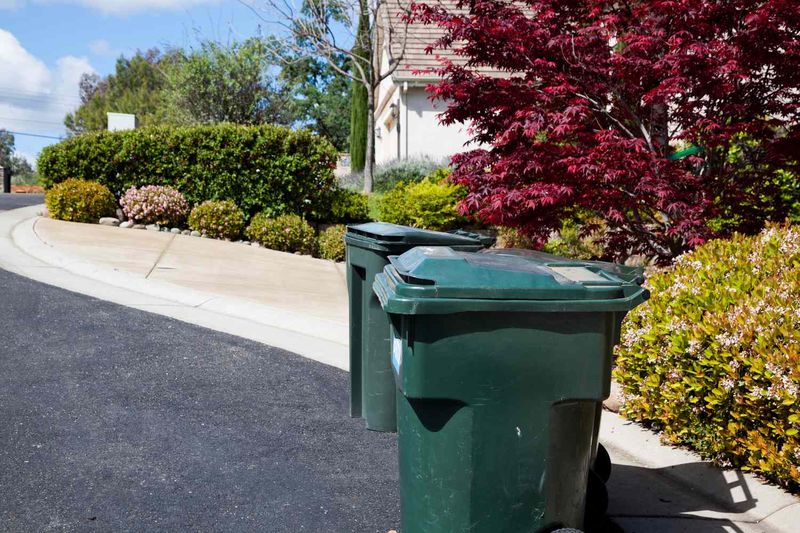
Garbage is the number one reason bears wander into neighborhoods, according to wildlife biologists who track these conflicts closely.
A bear’s nose is roughly seven times stronger than a bloodhound’s, so last night’s chicken bones practically shout across the street.
I used to roll my bin out the evening before pickup, thinking it saved me a groggy morning chore. Then a neighbor found her whole recycling haul scattered across the lawn, licked clean by a very satisfied visitor.
Bears that score easy meals from trash often return night after night, and they lose their healthy caution around people. That pattern is how a harmless passerby slowly turns into a nuisance animal that wildlife officers must manage.
The simplest fix is keeping cans inside a garage or sturdy shed until the morning of collection day. If indoor storage is not possible, a certified bear-resistant container with locking latches makes a huge difference.
Rinsing food containers before tossing them cuts down on lingering smells that drift through the evening air. A splash of diluted bleach or ammonia inside the bin also helps mask odors that might pull in a hungry nose.
Many towns in bear country, including Asheville, now encourage or require bear-resistant carts in certain areas. Check with your local trash service, since some offer upgraded containers for a small monthly fee.
Freezing smelly scraps like fish skins until trash day is another trick I picked up from a seasoned mountain gardener. It feels a little odd at first, but my can stays boring and my mornings stay peaceful.
2. Bird Feeders Packed With Sunflower Seed
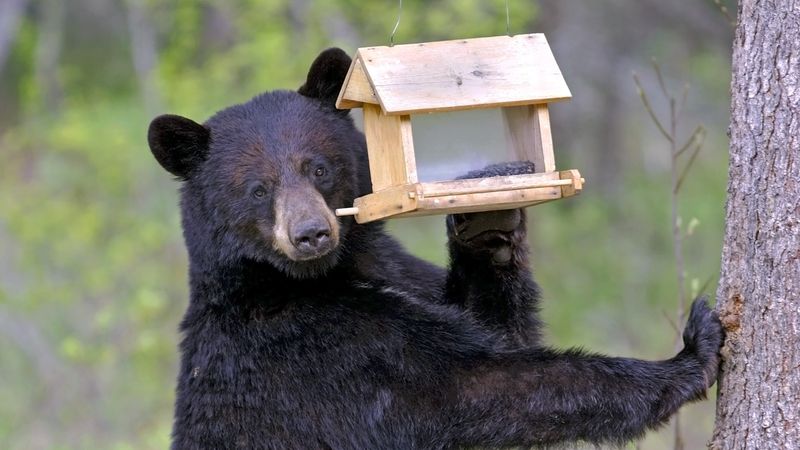
One full tube feeder of black oil sunflower seed holds thousands of calories, which makes it a jackpot for a bear. From a bear’s point of view, that hanging cylinder is basically a free energy bar dangling on a stick.
I adore watching chickadees and cardinals squabble over seeds outside my kitchen window every single morning. Still, I learned the hard way that a bent pole and an empty feeder usually mean a much larger guest stopped by.
The North Carolina Wildlife Resources Commission and the BearWise program both recommend taking feeders down when bears are active.
That advice includes hummingbird feeders too, since sweet sugar water smells wonderful to a hungry bear’s sensitive nose.
Many folks in bear country store feeders indoors from spring through late fall, then rehang them during the coldest months. Even then, a mild winter can keep some bears moving, so watch for tracks or bent poles in your yard.
Spilled seed under the feeder counts as an attractant, so rake it up or place a tray to catch drops. Squirrel-proof feeders rarely stop a bear, because claws and determination beat clever little hinges almost every time.
Native plants offer a lovely alternative for feeding birds without inviting heavier company to the party. Coneflowers, black-eyed Susans, and serviceberries feed songbirds naturally while looking gorgeous in your flower beds all season.
A shallow birdbath also draws plenty of feathered visitors without filling the air with tempting food smells. My yard still sings each morning, and I sleep better knowing nobody is snacking on my porch.
3. Pet Food Bowls Sitting On The Back Porch
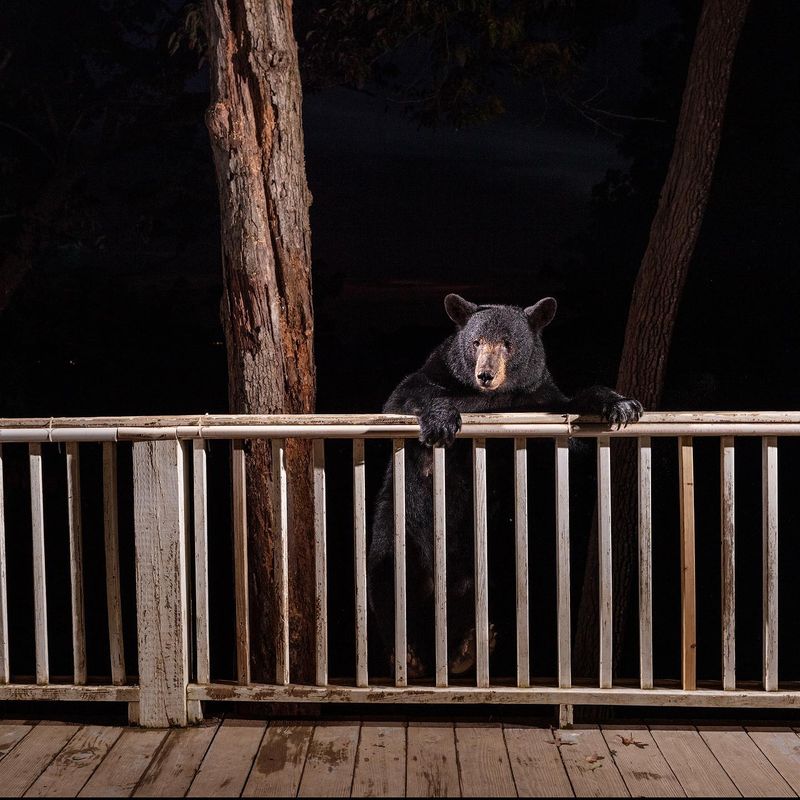
A forgotten bowl of kibble might look small to us, but to a bear it smells like a rich restaurant special. Dog and cat food is packed with fat and protein, two things bears crave while building up their winter reserves.
My old hound used to graze slowly, leaving half his breakfast on the deck for later in the day. Once I realized bears were cruising our ridge, that lazy routine changed fast, and he adjusted without complaint.
Feed outdoor pets indoors whenever possible, or offer only what they finish in one quick sitting. Pick up the bowl right afterward, and give it a fast rinse so leftover smells do not linger overnight.
Bulk bags of food deserve careful storage as well, since a paper sack is no match for curious claws. A sealed metal can inside a locked garage or pantry keeps that tempting aroma tucked safely out of reach.
Bears that find pet food on porches start linking houses with dinner, which puts your animals at risk too. A startled dog confronting a bear on the steps can lead to scary injuries for everyone involved.
Water bowls are mostly fine, though I bring those in at night simply to keep the porch less interesting. Clean decks with nothing edible lying around give wandering bears very little reason to linger near your door.
These small changes take maybe two minutes a day, yet they protect pets and wildlife at the same time. Honestly, it is one of the easiest bear-smart habits any household can adopt this season.
4. Greasy Grills And Smoker Drip Trays
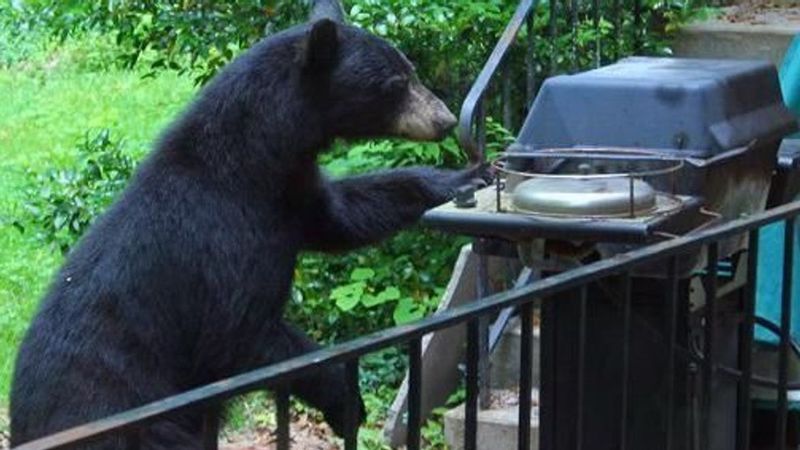
That smoky perfume of barbecue ribs does not fade when the party ends, at least not for a bear’s nose. Grease soaks into grates and drip trays, leaving a lingering scent that can travel surprisingly far on a breeze.
Summer cookouts are one of my favorite parts of the year, especially with fresh corn straight from the garden. Yet I have heard more than one story of bears licking grills clean while the hosts slept upstairs.
Burn off leftover residue by running the grill on high for several minutes after you finish cooking. Then scrub the grates with a wire brush, and empty the drip pan into a sealed bag headed indoors.
Smokers deserve extra attention because they hold fat and drippings for hours during long, slow cooking sessions. Clean out the water pan and grease cup each time, even when you feel tired after a busy evening.
If you have space, roll the grill into a garage or shed once it cools down completely enough to handle. A grill cover alone hides the look, though it does very little to block strong smells from escaping.
Wipe down nearby picnic tables and patio furniture too, since dropped sauce and crumbs attract plenty of attention. A quick spray of soapy water tidies the area and helps reduce scent trails leading toward your back door.
None of this means giving up your weekend burgers or summer chicken wings with friends and family. It just means finishing the night with a short cleanup routine that keeps uninvited guests from crashing the leftovers.
5. Kitchen Scraps In An Open Compost Pile

Compost is black gold for gardeners, but an open heap of melon rinds can read like a buffet sign. Bears happily dig through piles for sweet peels, eggshells, and anything with a whiff of fat or sugar.
I treasure my compost bins because they turn kitchen leftovers into rich, crumbly soil for next season’s tomatoes. Even so, I have changed what goes inside them since learning how keen a bear’s sense of smell really is.
Keep meat, fish, dairy, and greasy foods out of the pile, since those items create the strongest odors. Cooked pasta and oily leftovers belong in sealed trash instead, where they will not tempt a wandering visitor.
Balance every layer of food scraps with plenty of brown material, like dry leaves, straw, or shredded cardboard. That covering helps the pile break down faster and keeps smells from drifting across the yard on warm evenings.
Turning compost regularly adds air, which speeds decomposition and reduces that sour, fermenting odor bears seem to enjoy. A hot, active pile usually smells earthy rather than sweet, which makes it far less exciting to investigate.
Enclosed tumblers or sturdy bins offer an extra layer of protection compared with a loose heap. In areas with frequent bear activity, wildlife experts often suggest surrounding compost with a properly installed electric fence.
Fruit scraps from canning season are especially tempting, so bury them deep or freeze them until cooler weather arrives. A little extra planning keeps the soil happy while your compost stays far off the local bear menu.
6. Snack Wrappers Left Inside Parked Cars
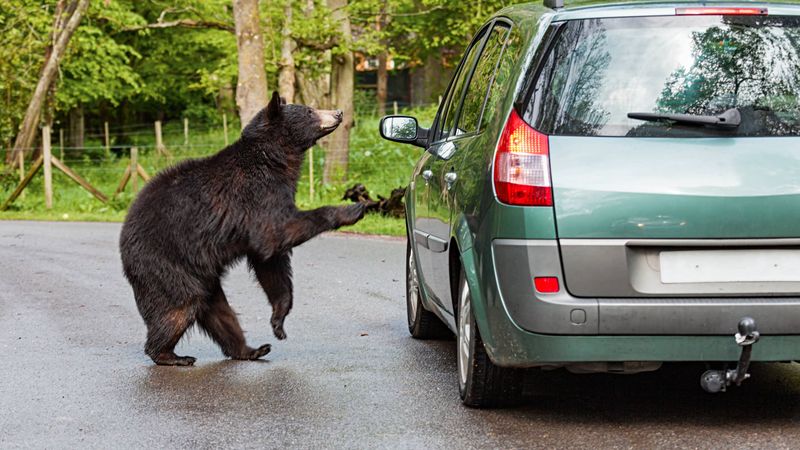
Bears in mountain towns have learned to pull open unlocked car doors using their claws on the handles. Officials in places like Gatlinburg and Asheville have documented scratched interiors and shredded seats after these surprisingly clever break-ins.
A single granola bar wrapper wedged under the seat can be enough to spark a bear’s curiosity. My kids once left a half bag of pretzels in the back, and I still shudder thinking about that close call.
Clean food, wrappers, and empty drink cups out of your car each evening before heading inside for the night. Even crumbs in the cupholders or a fast food bag on the floor can carry a scent bears notice.
Lock every door and roll windows up tight, especially when parking outside overnight near wooded areas. Bears are strong, but locked doors slow them down and usually convince them to move along to easier targets.
Grocery runs deserve extra care, since bags of fruit, bread, and meat sitting in the trunk smell amazing. Unload everything right away rather than letting supplies wait in a hot vehicle while you handle other errands.
Scented air fresheners shaped like fruit or candy might also draw interest, so consider choosing unscented options instead. It is a small swap that removes one more tempting smell from the driveway on warm summer nights.
A bear trapped inside a car can tear things apart trying to escape, and repairs often cost a small fortune. Tidy vehicles help protect your wallet and keep local bears from learning yet another bad habit.
7. Ripe Apple Trees And Berry Patches
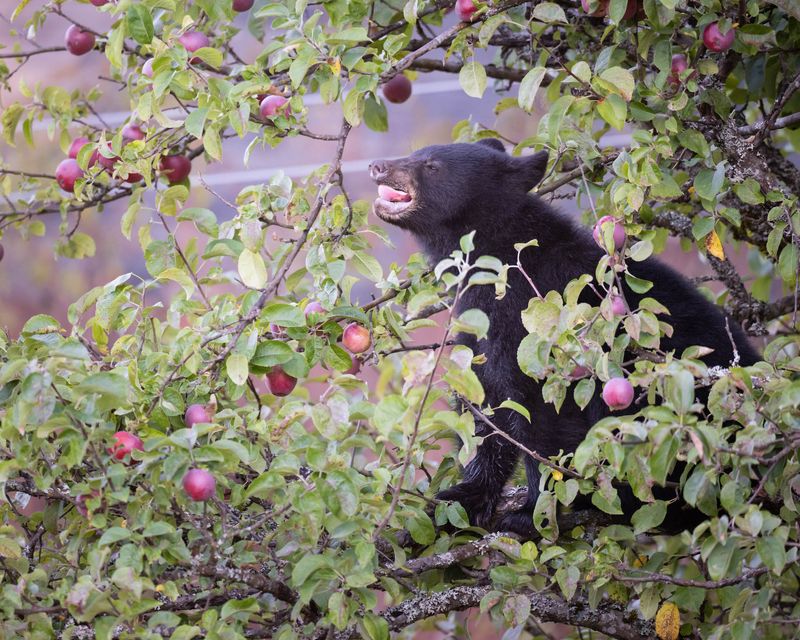
Bears are natural fruit lovers, and a backyard apple tree heavy with ripe fruit can draw them like magnets. In the wild they feast on blackberries, blueberries, acorns, and persimmons, so our orchards feel wonderfully familiar to them.
My blueberry bushes are my pride and joy, and I guard them like treasure every July. One year, broken branches and purple droppings told me someone else had enjoyed the harvest before me.
Pick fruit as soon as it ripens rather than letting it soften and fall to the ground below. Fallen apples and pears ferment quickly, creating a sweet smell that carries across the yard on a warm evening.
Rake up dropped fruit every day or two during harvest season, and toss it in sealed trash or bury it deeply. Leaving a carpet of rotting fruit under trees practically guarantees nighttime visits from curious wildlife.
Vegetable gardens can attract bears too, especially sweet corn, melons, and squash growing close to wooded edges. Planting these favorites nearer the house and away from tree lines can reduce how often they get noticed.
Electric fencing is the tool wildlife experts recommend most for protecting orchards and gardens in active bear areas. A properly installed fence delivers a startling but harmless jolt that teaches bears to stay out quickly.
Sharing a little fruit with nature feels lovely in theory, but bears fed by gardens return year after year. Prompt harvests and good fencing let you enjoy your bounty without training a hungry neighbor to expect dessert.
8. Backyard Chicken Coops And Livestock Feed
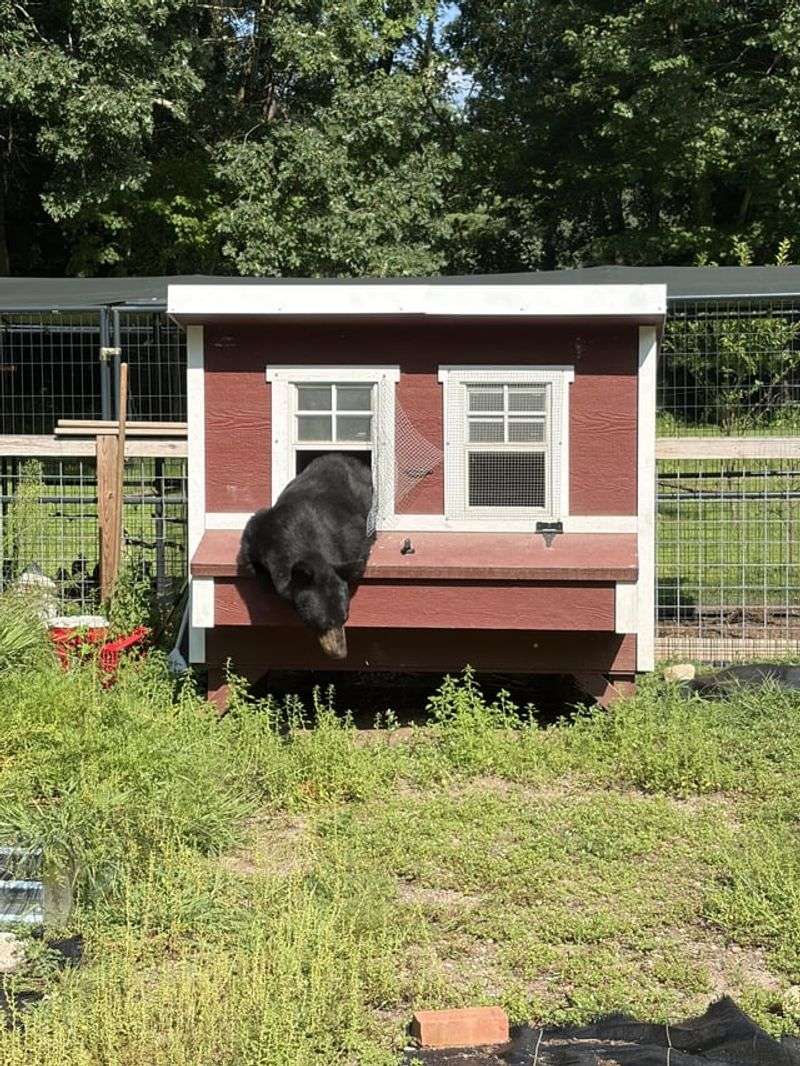
Backyard chickens are wildly popular, and bears have definitely noticed the trend along with the rest of us. Coops offer both feed and birds, which adds up to a rich, protein-packed meal for an opportunistic forager.
I kept a small flock for years and loved collecting warm eggs each morning in a wire basket. The only time I lost a hen to a large predator was when I forgot to close the coop at night.
Feed is often the bigger attraction, since bears can smell bags of grain and pellets from impressive distances. Store feed inside a locked building or in heavy metal containers with tight lids that resist determined claws.
Lock your birds inside a sturdy coop every evening, because most bear activity happens around dusk and dawn. Solid walls and strong latches work far better than flimsy chicken wire, which bears tear through rather easily.
Wildlife agencies widely recommend electric fencing around coops, pens, and small livestock areas in bear country. A few strands of hot wire set at the right heights can discourage bears before they ever reach the birds.
Goats, pigs, and rabbits face similar risks, so the same storage and fencing advice applies to them as well. Clean up spilled grain around feeders and troughs daily, since scattered pellets keep scent trails strong overnight.
Raising animals brings so much joy, and a few protective steps help that joy last for many seasons. Your flock stays safer, and local bears avoid becoming problem animals that wildlife officers later need to relocate.
9. Honey Bee Hives Near The Garden
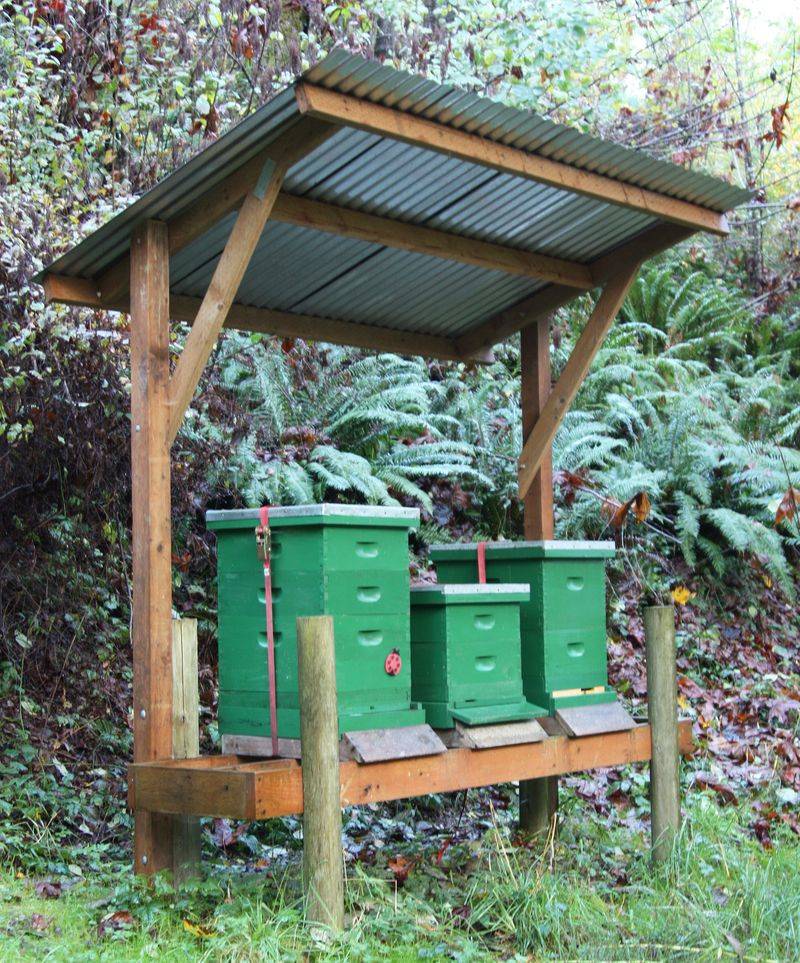
Cartoon bears hugging honey pots are rooted in real behavior, since bears truly love raiding beehives. They are after the honey, but they also eat the protein-rich brood tucked inside the wax comb.
Beekeeping is one of my favorite hobbies, and I enjoy watching pollinators work my squash blossoms each morning. Still, nothing breaks a beekeeper’s heart like finding hive boxes knocked over and scattered across the grass.
Electric fencing is the most widely recommended protection for apiaries in bear country, according to extension specialists. Many beekeepers bait the wire with a little peanut butter so curious bears get a memorable zap on the nose.
Keep fences charged throughout the season, and check them often for weeds or fallen branches that drain power. A weak fence offers little defense against a determined bear that has already tasted sweet honey once.
Place hives away from dense woods if possible, since bears often travel along forest edges and creek corridors. A sunny, open spot also helps bees stay active, which keeps colonies healthy and productive through the summer.
Store extra hive equipment, sticky frames, and honey supers indoors once harvest wraps up for the season. Wax and leftover honey carry strong smells that can draw bears even when no bees are around.
Bees remain wonderful partners for any garden, and you do not need to give them up in bear territory. With solid fencing and tidy storage, your hives can thrive while hungry neighbors look elsewhere for treats.
10. Scented Candles And Sunscreen Left Outdoors
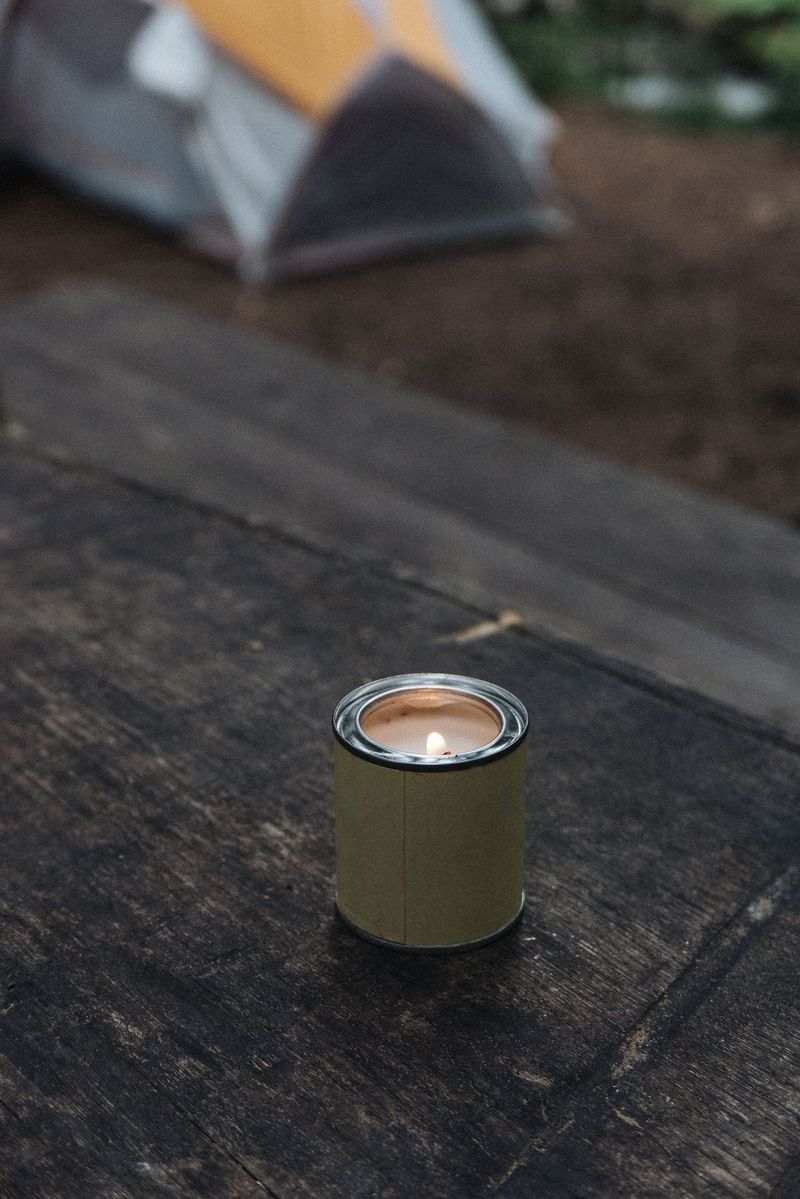
Bears investigate unusual smells with remarkable enthusiasm, and that curiosity extends well beyond food. Sweet lotions, citronella candles, and fruity sunscreens can all prompt a bear to sniff around and sometimes chew.
I keep a basket of bug spray and sunscreen by the back door for quick garden trips on hot afternoons. After reading BearWise tips, I started bringing that basket inside each evening instead of leaving it on the deck.
Campers in bear country already know to store toiletries alongside food, and the same logic works at home. Anything with a strong fragrance belongs indoors or locked away, especially on porches near wooded edges.
Citronella candles deserve special attention because many contain oils that some bears find surprisingly interesting. Let them cool after use, then tuck them into a cabinet rather than leaving them on outdoor tables.
Bears may not actually eat these products, but chewing and pawing at them can still make an unpleasant mess. Broken containers spill sticky residue that keeps the area smelling tempting for days afterward.
Outdoor trash bins in bathrooms or pool houses should be emptied often, since tossed wrappers and lotion bottles linger. Even scented garbage bags can attract attention, so plain bags might be the better choice in bear country.
This item surprises many people, yet it makes sense once you appreciate how powerful a bear’s nose is. Tidying up scented goods takes seconds and removes one more reason for a curious visitor to linger nearby.
11. Open Crawlspaces And Gaps Under Decks
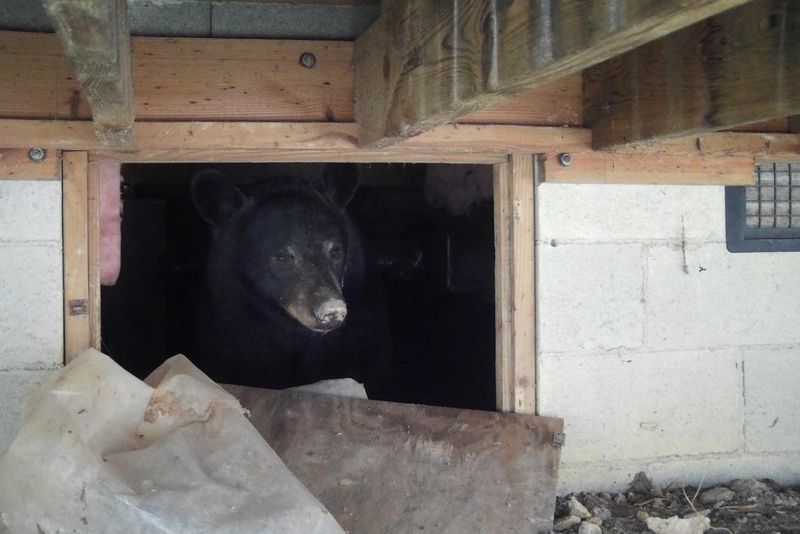
Food is not the only thing drawing bears close to homes, since some are also shopping for a cozy winter den. Wildlife officials in North Carolina have reported bears denning under decks, in crawlspaces, and inside quiet outbuildings.
A friend near Boone once heard soft rustling beneath her porch all winter and assumed raccoons had moved in. Come spring, a mother bear and two cubs strolled out, leaving her both delighted and slightly rattled.
Pregnant females den in winter and give birth to tiny cubs there, usually in January or February. Sheltered spots near people feel safe to them because they stay dry, dark, and relatively undisturbed.
Fall is the right time to check your property for openings before bears settle in for the colder months. Close crawlspace doors, repair broken vents, and cover gaps under decks with heavy materials rather than thin lattice.
Wildlife experts suggest sturdy plywood or welded wire for sealing spaces, since decorative lattice is easy to push aside. Make sure no animals are already inside before sealing anything, because trapping wildlife creates a bigger problem.
Sheds and barns should stay locked, and pet doors deserve a quick latch check before heading to bed. Brush piles close to the house can also become denning spots, so move them farther toward the woods.
If you discover a bear already denning under your home, contact the NC Wildlife Helpline for guidance. Staying calm and giving the animal space is usually the safest approach until experts offer advice.