How to Refresh Tired Arizona Raised Bed Soil After a Long Hot Summer
To refresh tired raised bed soil in Arizona, start by looking closely at the bed, test if you need to, and then add only what the bed is missing. Summer heat can speed up the breakdown of organic matter, and dry air and irrigation water can leave salts behind.
That does not mean every bed needs new soil or a big pile of compost. A little detective work now helps you pick the right fix, whether you garden in the low desert or higher up.
Inspect the bed before adding anything
Before you buy a single bag of anything, take a slow walk around your bed. Look at how far the soil sits below the top of the boards, because a lower level simply means you have less soil volume than you started with.
Next, pour a little water on and watch where it goes. Does it soak in steadily, or does it pool and crawl?
Slow drainage points to a different problem than low soil level, so jot down what you see.
Also check the surface for a white crust. A crust can hint at salts, but University of Arizona Extension notes that salinity affects how plants take up water, so leaf scorch or slow growth alone does not prove it.
UC IPM advises testing soil and irrigation water to confirm a suspected salt problem.
Think of these observations as clues. Tossing in compost or fertilizer too soon can mean treating the wrong problem, and that costs you time and money.
Arizona conditions can change soil over summer
Arizona summers are tough on garden soil in a few specific ways. University of Arizona Extension explains that organic matter breaks down quickly in the state’s alkaline soils and summer heat, so replenishing it each year may be useful.
Dry air and irrigation add another twist. As water evaporates from the bed, it can leave dissolved salts behind, which is covered in this UA Extension guide to desert soil.
Neither process means your bed is ruined. Plenty of beds come through summer in decent shape, and heat alone does not prove you need fertilizer, replacement soil, or a thick layer of compost.
What it does mean is that these two changes are worth checking. Once you know whether organic matter, salts, or something else is the issue, you can pick a fix that fits.
Use a soil test to guide nutrient decisions
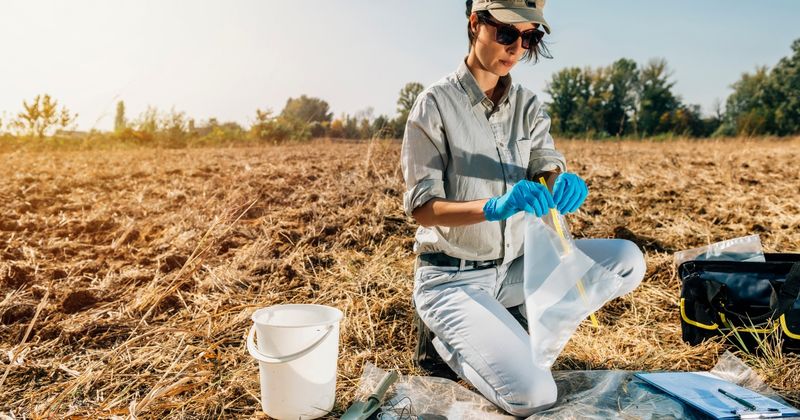
A soil test turns guesses into evidence. According to UA Extension’s soil sampling guide, testing helps assess fertility and chemical properties, which is exactly what you need when plants look off.
Choose a lab from the UA directory of testing laboratories. Call or check the website to learn which analyses they offer and how they want the sample collected and submitted.
Ask whether the package covers pH, nutrients, and electrical conductivity, which is a measure of salinity. Those readings answer different questions, so pick the ones that match what you saw during your inspection.
If you suspect salts, ask whether the lab can also test your irrigation water. Sometimes the water, not the soil, is the source of the trouble.
Choose organic matter to fit the bed
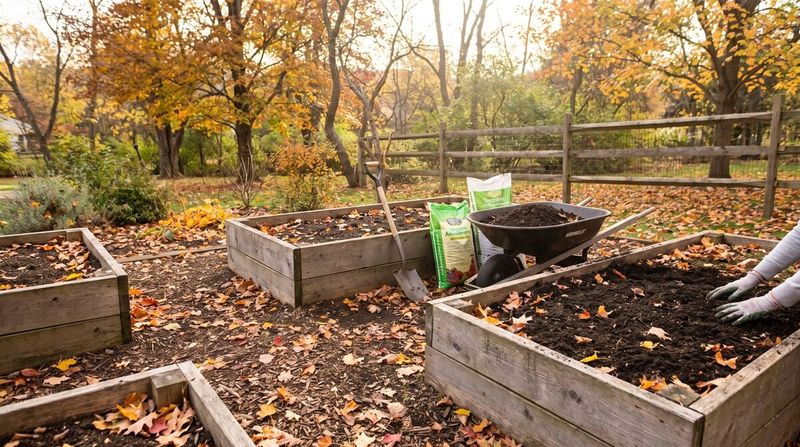
If your bed has lost volume or the soil feels lifeless and tight, adding organic matter may be just what it needs. UA Extension lists compost, composted manure, and green manures as good sources.
How much you add depends on your bed’s condition and on what the material is made of. There is no single magic depth, and this amendment guide recommends lower rates for manure-based products than for low-salt plant compost.
Start modest, especially if your soil is alkaline or your water is salty. You can always add more later, but you cannot easily take it back out.
One practical tip: wait until the soil is not soaking wet before you turn it. Working soggy soil can leave it cloddy and compacted.
Handle manure-based amendments carefully
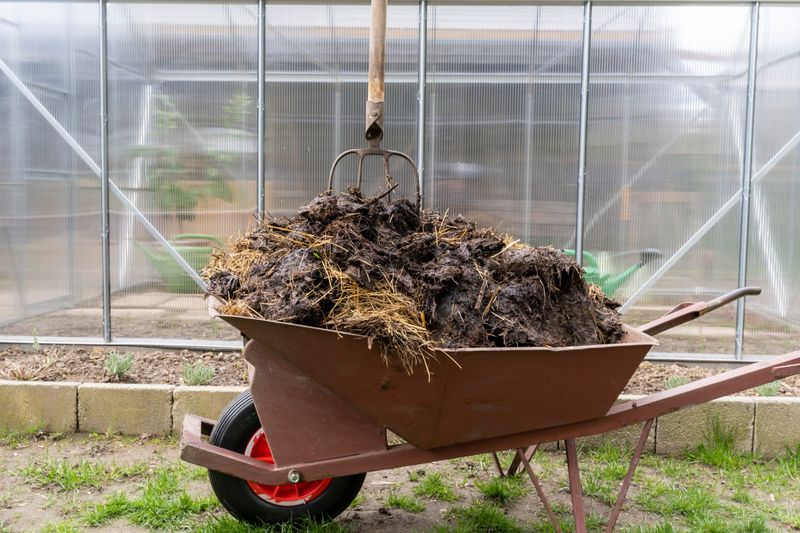
Manure can look like a bargain fertilizer, but products vary a lot. According to UA Extension’s manure publication, nutrient and salt content differ from one source to the next, and some products can raise soil salinity.
Manure can also carry pathogens, weed seeds, and persistent herbicide residues. That is why a known source matters, so ask the seller what the animals ate and how the material was composted.
Favor properly composted material, and follow the product directions or your test-based rates. Skip fresh manure on any vegetable bed you plan to harvest from soon.
If you are unsure, plant-based compost is usually the simpler choice. It gives your bed organic matter without the extra questions.
Manage confirmed salts only when conditions allow
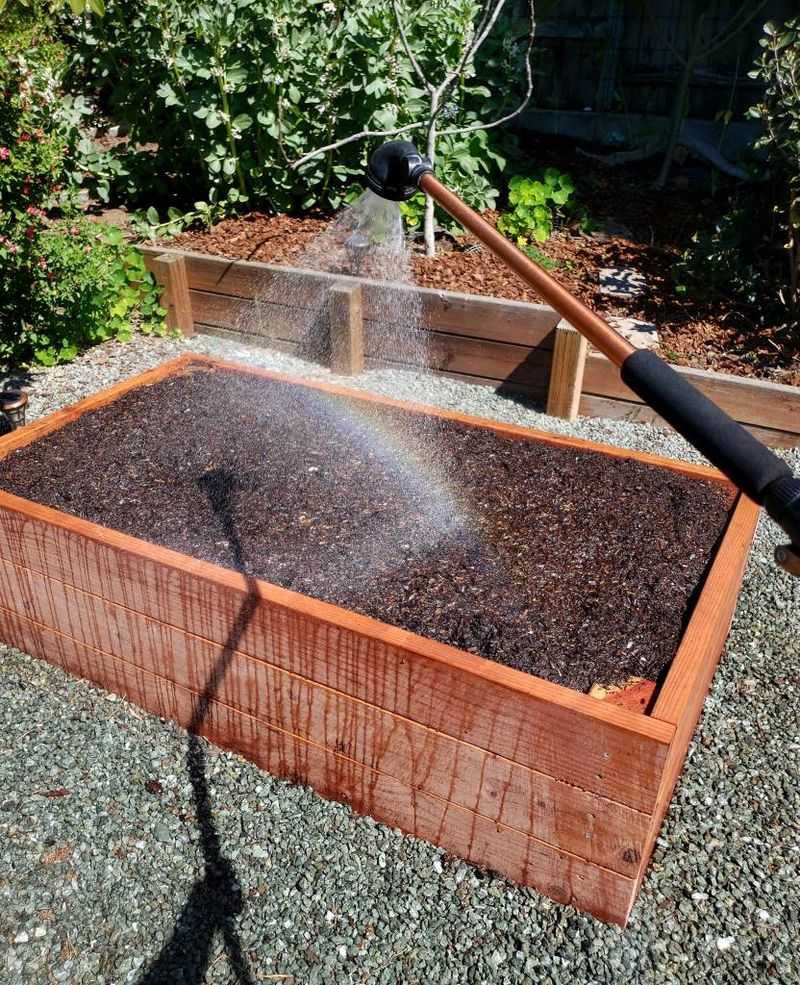
Salt management starts with a test, not a hunch. A white crust or scorched leaf edges are only clues, so confirm the problem first using a soil test and, if needed, a water test, as UC IPM recommends.
If salts are confirmed, deep irrigation with good-quality water may help flush them down. UA’s home garden fertilizing guide suggests this approach, but it only works where the bed drains well and the water itself is suitable.
Gypsum does not reduce soil salinity, so skip it for this job. Extra water is not a general refresh step either.
Since salinity affects water uptake, a slow-draining bed or salty water calls for a different plan, so talk with your local Extension office.
Give mineral soil and potting mix different plans
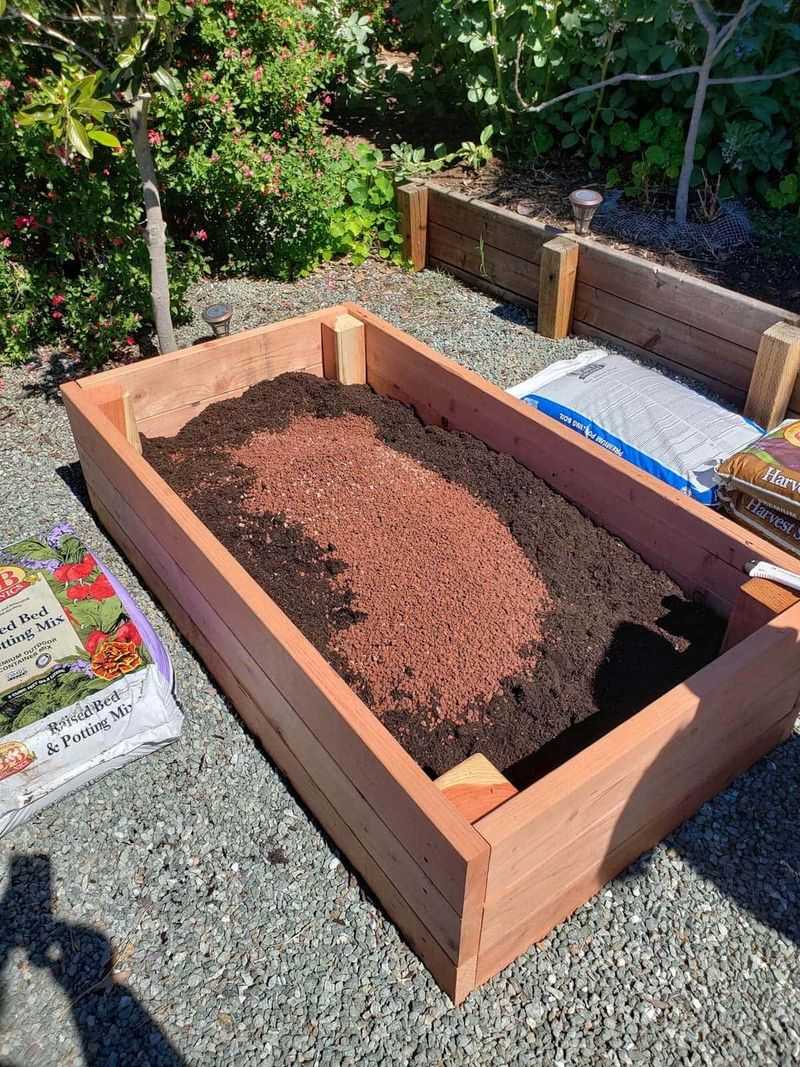
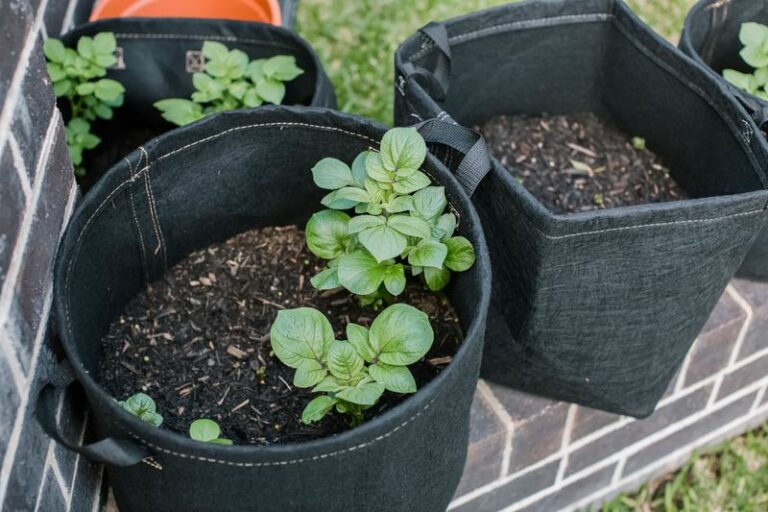
Not every raised bed holds the same stuff. Mineral soil is made of real sand, silt, and clay, while bagged soilless mix is a light blend built from materials like peat or coir and perlite.
According to UA’s fall vegetable gardening handout, mineral soil can stay productive with crop rotation and additions of compost or cover crops.
Soilless mixes are different, because they may not perform well over multiple years. In that case, replacing them with mineral soil and amending it each year can make sense.
Neither plan is universal. A two-year-old potting mix bed that still drains and grows well may not need changing, while a struggling one might.
Soil solarization, which means wetting soil and covering it with clear plastic, is only for managing certain weeds or soilborne diseases. It is not a routine fall step.
Plan fall planting for your region
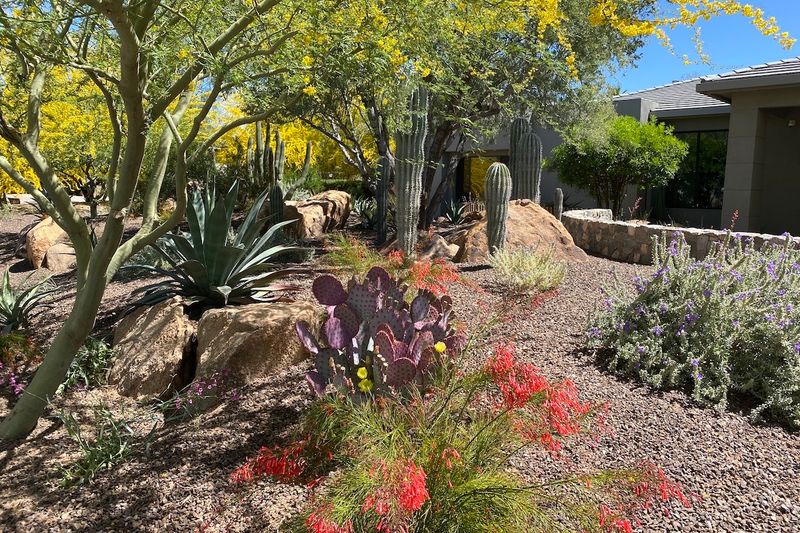
Once your bed is ready, it is tempting to plant right away. Hold on a moment, because Arizona varies a lot by elevation and region.
For the low desert, the Maricopa County calendar describes fall as one of two optimal growing seasons, though heat still stresses young plants.
Gardeners at central or higher elevations face different timing and earlier cold. Look for a calendar that matches your county and elevation, and check UA’s fall gardening handout for more context.
Do not borrow someone else’s dates from another part of the state. Your local Extension office can point you to the right planting window.
Match the refresh to what you find
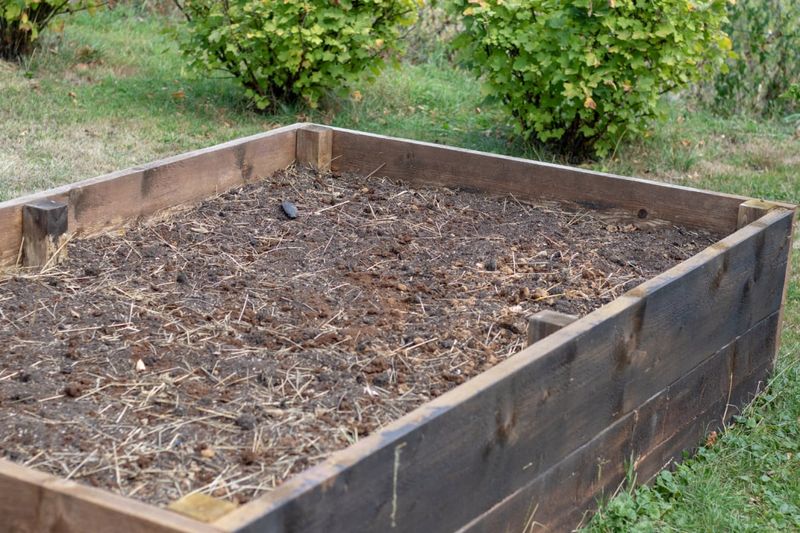
Start with a good look, test when the clues are unclear, and then choose a response that fits both your findings and your soil type. UA’s garden soil guidance and its soil sampling guide can help.
A blanket routine is no substitute for knowing what your bed needs. Some beds just need a little organic matter, and some need nothing at all.