Rosemary Can Do So Much More Than Season Dinner, and Michigan Gardeners Are Catching On
In 2012, researchers in England filled a testing room with the scent of a common kitchen herb. People who breathed it in did better on certain memory tasks. That same herb might be sitting in your spice rack right now.
One thing I love about gardening is learning that a familiar plant has a secret life. This one has needle-like leaves, tiny blue flowers, and a piney scent that clings to your fingers for hours. Bees adore it, and old folklore tied it to remembrance and loyalty.
Here in Michigan, more gardeners are growing it for reasons that go way beyond roast chicken. Plenty of folks tuck it beside the patio, and a growing number keep it thriving indoors all winter.
I can’t help but wonder how many of us have been underusing it for years. Your next pot of herbs could turn out to be the hardest-working plant you own.
1. That Piney Herb in Your Spice Rack Has a Whole Second Career
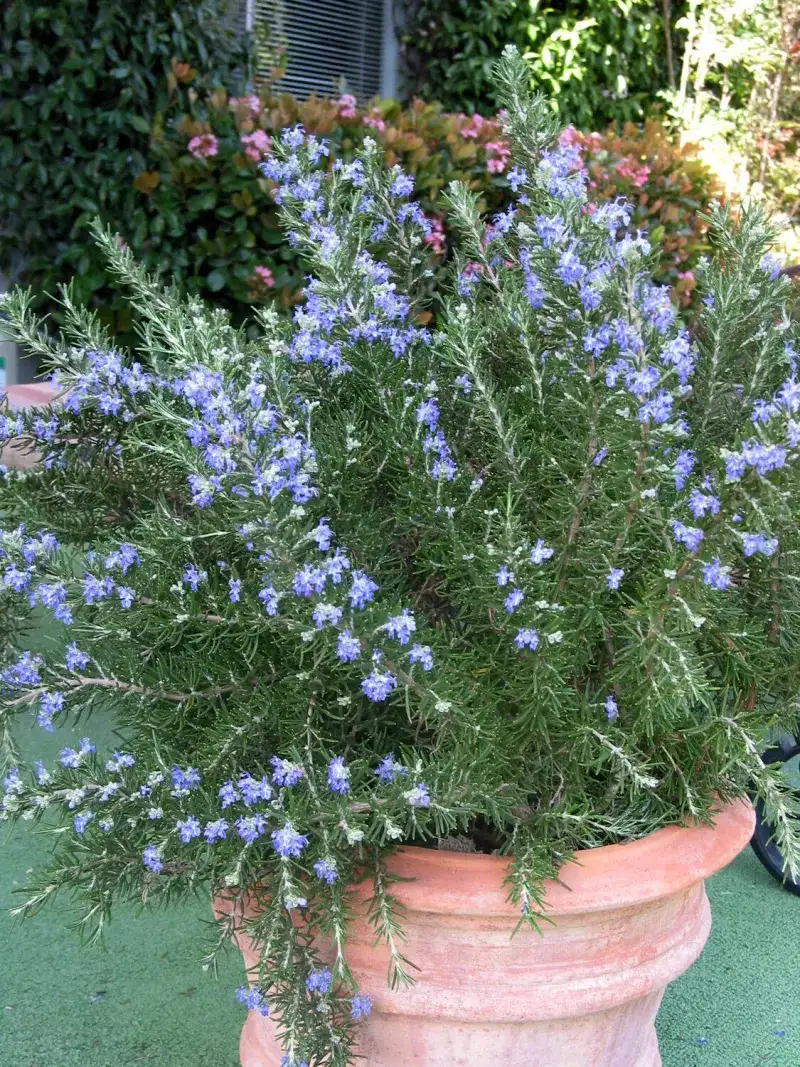
Most of us meet rosemary as a dried pinch in a jar. Grow a living plant, though, and you quickly notice it does a lot more than flavor potatoes.
Rosemary is a woody shrub from the Mediterranean coast, where it grows on dry, rocky hillsides. Botanists even moved it into the sage genus, Salvia, in 2017, so its official name is now Salvia rosmarinus.
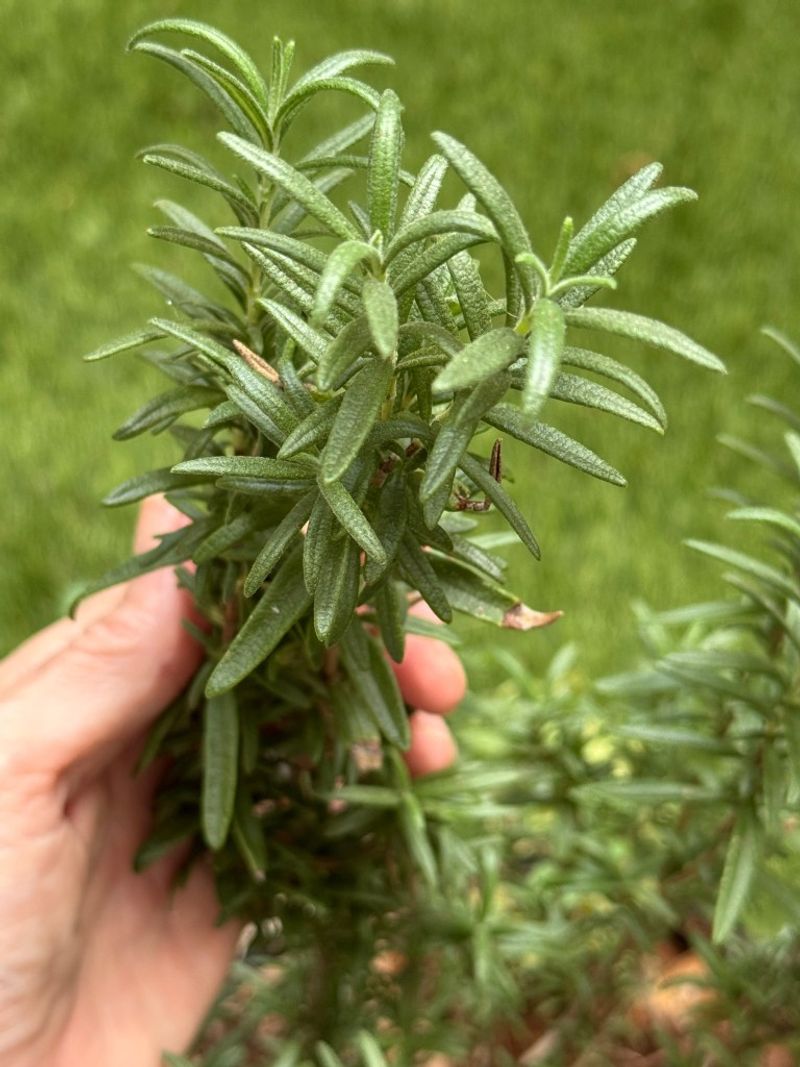
That family connection explains a lot about its tough, aromatic personality. Those narrow leaves are packed with natural oils, including compounds called 1,8-cineole, camphor, and rosmarinic acid.
They give the plant its sharp scent and help it handle heat and drought. They also make it interesting to scientists, crafters, and pollinators alike.
So what can one modest herb pot offer? It can feed bees, perfume your patio, fill a kitchen with homemade gifts, and brighten a gloomy winter windowsill. It may even give your focus a small nudge. Plenty of Michigan gardeners are figuring this out by accident.
They buy one plant for a recipe, brush past it every morning, and slowly realize it has become a favorite. The sections ahead show how to get the most from yours, along with a few honest reality checks.
2. Tiny Blue Rosemary Blossoms Bring Bees Right to Your Patio Pots

Watch a flowering rosemary for five minutes and you will likely spot a bee. The little two-lipped blossoms come in shades of pale blue, violet, pink, or white, and they hold easy-to-reach nectar.
Honeybees and many native bees visit them happily. Hummingbirds occasionally stop by too, though they tend to prefer bigger tubular flowers.
Rosemary is not native to North America, but it is not considered invasive here, so it is a safe and friendly addition to a pollinator patio.
Blooming can be a bit unpredictable in colder states. Potted plants often flower indoors in late winter or early spring, and some bloom again outside in summer. Plants that get plenty of sun and are not overfed with nitrogen tend to flower best.
Want more buzz? Group your rosemary with native bloomers like bee balm, anise hyssop, and purple coneflower. That mix gives pollinators something to visit for most of the season.
Skip insecticide sprays on flowering herbs, since bees land right where the chemicals settle. A quick blast of water handles most aphids. I like setting a rosemary pot near my coffee chair, because the bee traffic is more entertaining than the morning news.
3. Rosemary Planted Near Cabbage and Carrots Gets a Lot of Pest-Fighting Credit
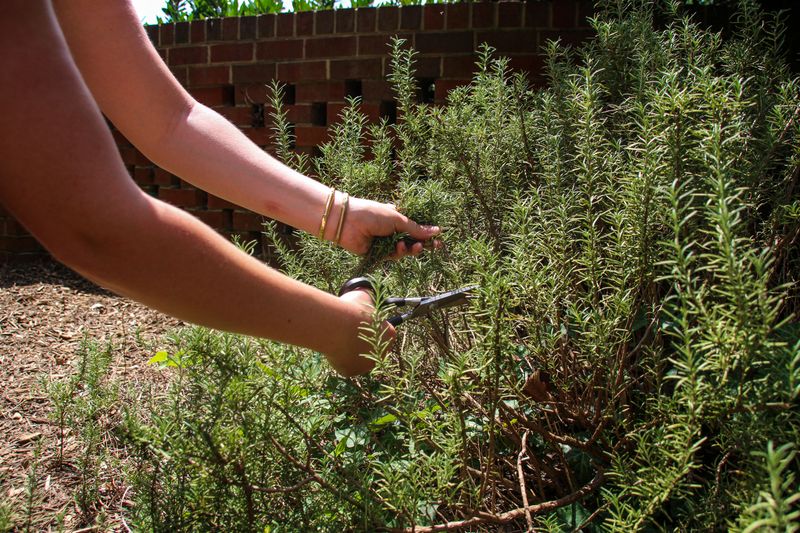
Garden folklore says rosemary chases off cabbage moths, carrot flies, bean beetles, and mosquitoes. I wanted that to be true so badly. The real story is more modest, but still useful.
Lab studies show rosemary essential oil can repel or disrupt some insects at high concentrations. A growing plant releases only a small amount of scent, mostly when leaves get brushed or crushed.
Research on companion planting gives mixed results, and university extension experts generally call the pest-repelling effect unproven in real gardens.
Mosquitoes are a good example. A rosemary pot on the deck is unlikely to stop them from finding you. For real protection, health agencies recommend EPA-registered repellents and dumping standing water every week.
That said, interplanting herbs among vegetables still has perks. Mixed plantings can make it harder for pests to locate a big block of one crop.
Flowering herbs also support helpful insects, like small parasitic wasps and hover flies, that prey on caterpillars and aphids.
So go ahead and tuck rosemary beside the broccoli. Just keep checking leaves for cabbage worms and hand-pick them when you see them. Think of the herb as a friendly teammate, not a force field.
4. A Whiff of Fresh Rosemary Might Give Your Focus a Small Boost
Shakespeare’s Ophelia said it best: there’s rosemary, that’s for remembrance. Ancient Greek students reportedly wore sprigs in their hair while studying. Modern scientists decided to test the idea.
Researchers at Northumbria University in England ran small studies in 2012 and 2013. Volunteers in rooms scented with rosemary oil did somewhat better on certain memory tasks.
Higher blood levels of 1,8-cineole, a compound in the oil, were linked with better scores. Those findings are intriguing, but the studies were small. They do not prove rosemary treats memory loss or any medical condition.
Lab research also suggests the plant has antioxidant and antibacterial compounds, yet test tube results rarely translate directly to people.
A gentle way to enjoy it is simple. Rub a fresh sprig between your fingers before a work session, or keep a small pot on your desk. Cooking with rosemary is considered safe for nearly everyone.
Concentrated essential oil is a different matter. Do not swallow it, and dilute it before using it on skin.
People who are pregnant, have epilepsy, or take blood thinners should check with a doctor before using large medicinal amounts. A sniff from the garden, though, carries very little risk.
5. Homemade Rosemary Salt, Sugar, and Bundles Make Wonderful Kitchen Gifts
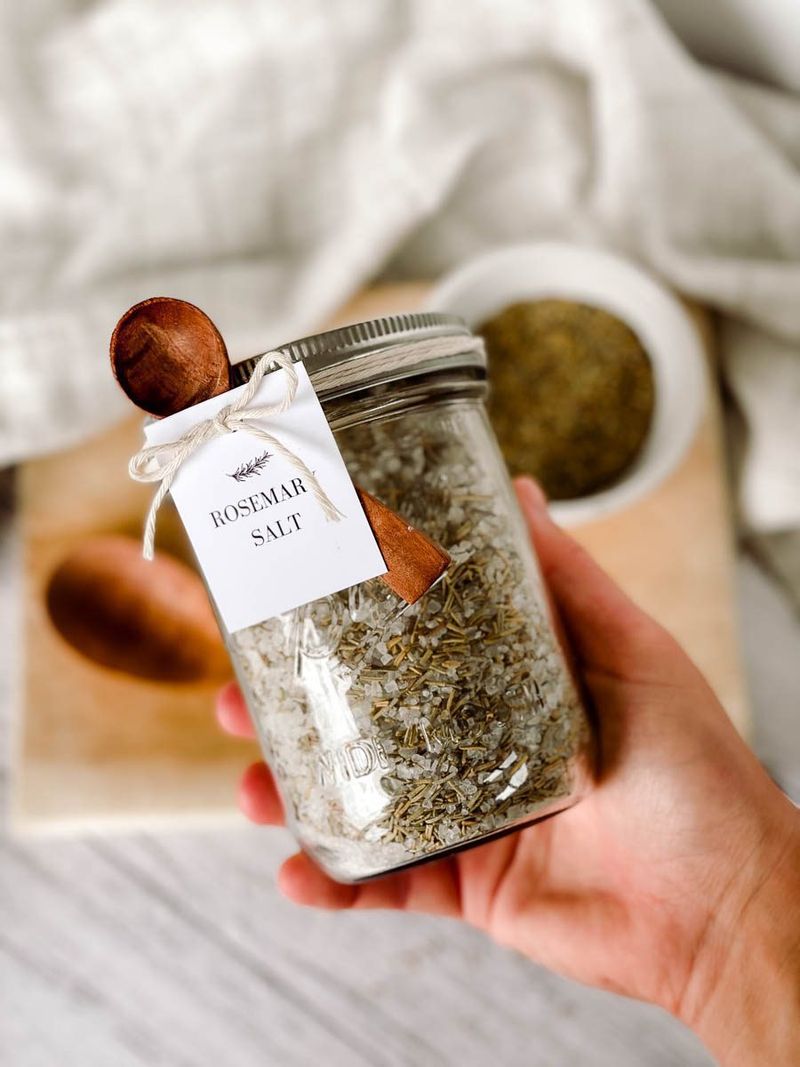
My favorite holiday gift costs about three dollars to make. It is a small jar of rosemary salt, and people keep asking for refills.
To make it, strip fresh leaves, chop them finely, and blend them with coarse sea salt. Spread the mix on a baking sheet to dry for a day or two, then jar it. Lemon zest or garlic powder makes a fun variation.
Rosemary sugar works the same way and tastes great on shortbread or lemonade rims. You can also warm honey gently with a few clean sprigs, then strain them out. Bundles of dried stems make fragrant fire starters, closet sachets, or wreath accents.
Infused oil needs extra care. Garlic and fresh herbs in oil can create conditions for botulism bacteria, so keep homemade herb oil in the refrigerator and use it within about four days, as food safety experts advise. Dried rosemary in oil is a lower-risk choice.
Harvesting for crafts actually helps the plant. Snip stem tips regularly, taking no more than about a third at once, and the shrub responds with bushier growth. Late summer is a great time to stock up before fall chores arrive.
6. A Big Clay Pot Is Rosemary’s Ticket Through a Michigan Winter
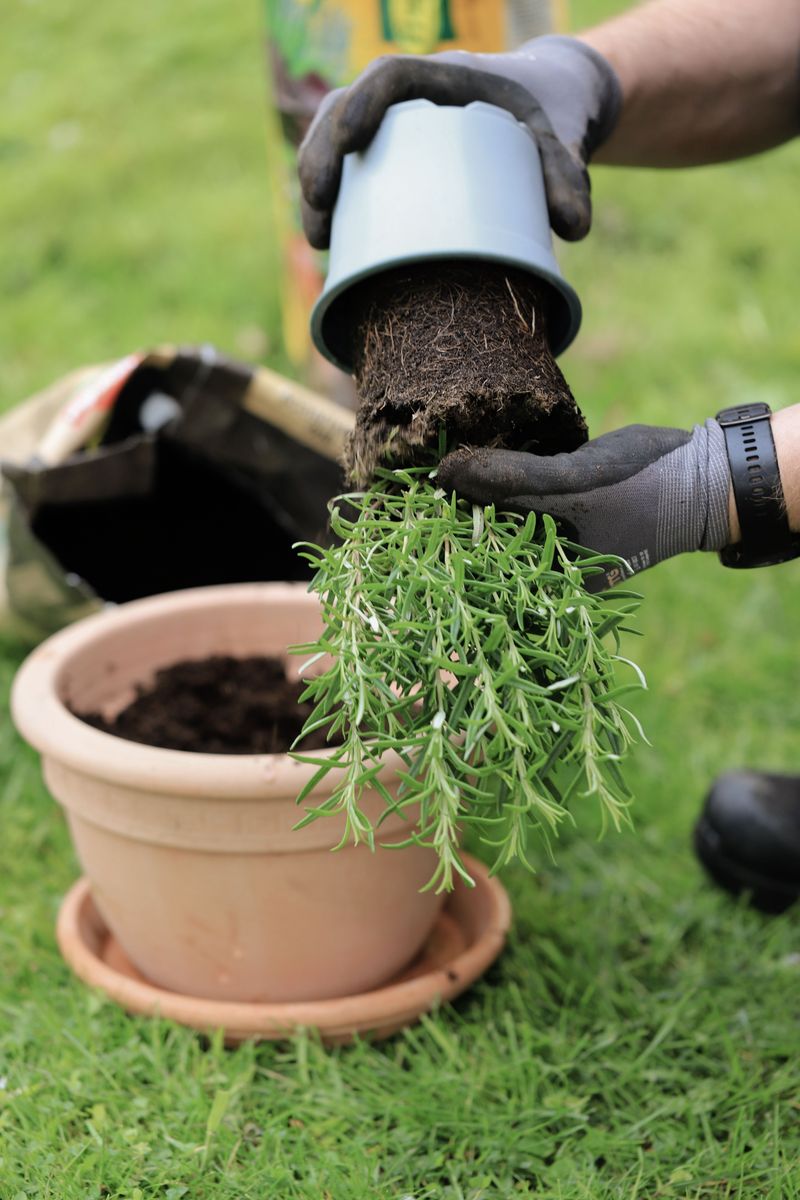
I know how frustrating it can be to watch a gorgeous rosemary shrub turn brown after its first cold snap. Most common varieties are reliably hardy only to about USDA Zone 7 or 8.
Michigan falls mostly in Zones 4 through 6, with the warmest pockets near Lake Michigan and in the southeast. Winter lows here often dip well below zero. That is far too cold for typical rosemary planted in the ground.
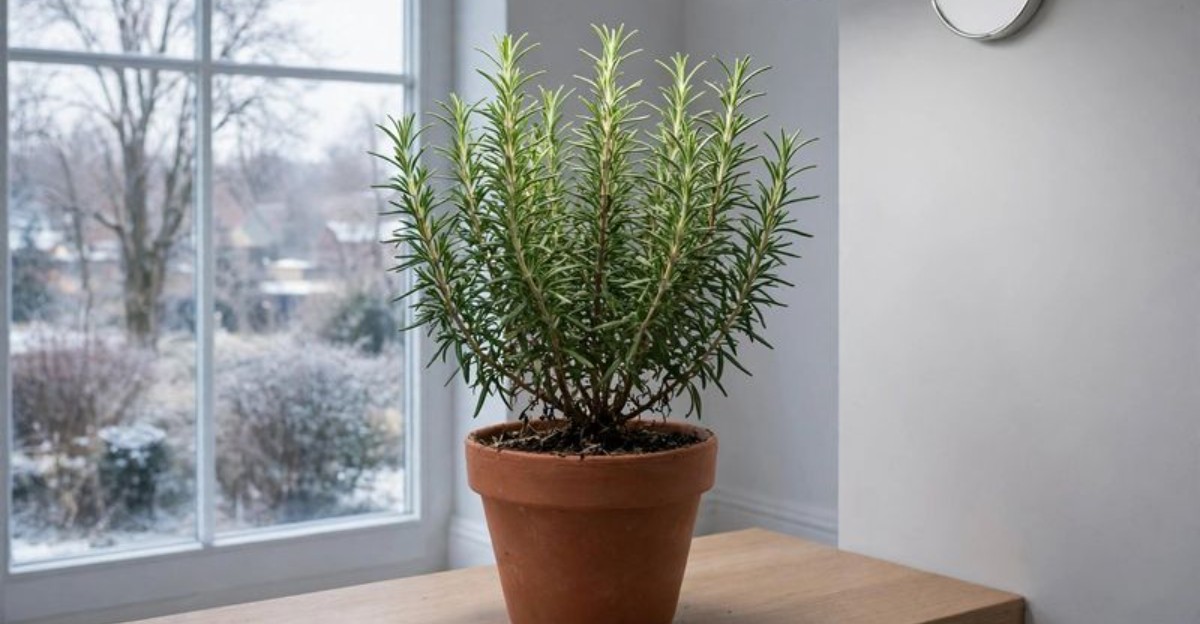
The workaround is easy. Grow your plant in a container from day one, since rosemary often sulks after being dug up and moved. Choose a pot at least 10 to 12 inches wide with a drainage hole, and fill it with a gritty potting mix.
Terra-cotta is a smart pick because it breathes and dries out faster than plastic. Rosemary hates soggy roots far more than it hates a little thirst.
Timing matters in fall. Rosemary can handle a light frost, but plan to bring it inside before nights drop into the low 20s. Before moving it, rinse the foliage and inspect stems for aphids, spider mites, or mealybugs.
Hitchhiking bugs can spread quickly once they reach your warm living room.
7. Your Indoor Rosemary Wants a Cool, Bright Window and a Light Hand With Water
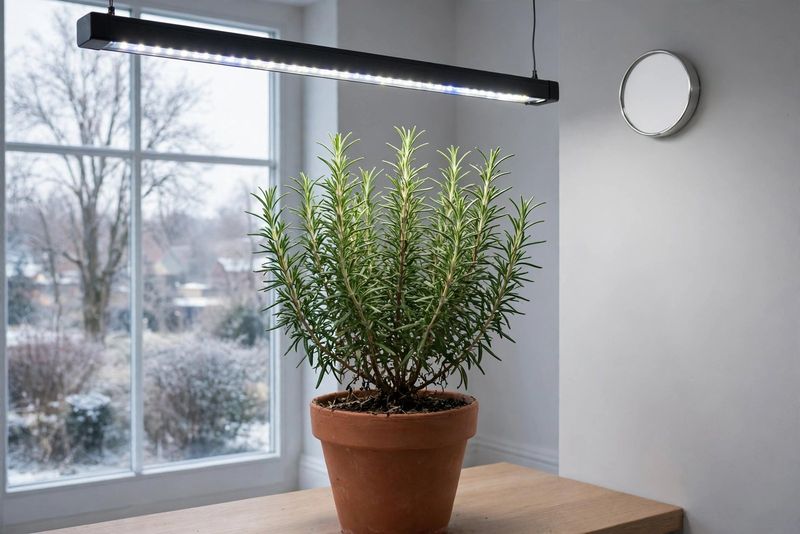
Indoor rosemary has a reputation for being fussy. Honestly, most trouble comes from three things: low light, warm stuffy air, and too much water.
Start with light. A south-facing window is ideal, and a simple LED grow light running 12 to 14 hours a day helps a lot during cloudy Great Lakes winters. Leggy, pale growth usually means the plant wants more brightness.
Cool temperatures keep it happiest. Daytime readings in the low to mid 60s and nights in the 40s or 50s suit it well, so an unheated sunroom or chilly window works beautifully. Keep it away from heat vents.
Watering is where many plants go wrong. Let the top inch of soil dry before watering, then soak it until water drains out the bottom. Never leave the pot sitting in a saucer of water. If needles brown from the base up, soggy roots are a likely cause.
Powdery mildew shows up as white dusty patches on leaves. A small fan running nearby improves airflow and helps prevent it. Trim affected stems and avoid misting the foliage. Fertilize lightly, if at all, until spring growth begins.
8. Hardy Rosemary Varieties Like Arp Are Worth a Try Along a Warm Wall

Feeling adventurous? A few rosemary cultivars were bred or selected for extra cold tolerance, and they make a fun experiment.
‘Arp’ is the best known, discovered in Arp, Texas, and often listed as hardy to around minus 10 degrees. ‘Madalene Hill’, also sold as ‘Hill Hardy’, and ‘Athens Blue Spire’ have similar reputations.
Real-world results vary, and many growers find these plants struggle below about 0 degrees. Your best odds in Michigan come in Zone 6 areas, like parts of the southwest and the Detroit region.
Plant against a south-facing brick or stone wall, where stored heat softens cold nights. Sharp drainage matters even more outside, because wet winter soil causes more losses than cold alone.
After the ground freezes, add a loose straw or evergreen-bough mulch around the base. A burlap screen can block drying winter wind.
My honest advice? Grow two plants. Keep one in a pot that comes inside each fall, and let the hardy one test your microclimate outdoors.
Either way, start in spring once frost danger passes, and snip from your plant often. Within a season, rosemary tends to earn a permanent spot in both your garden and your daily routine.