Why Michigan Lawns Turn From Green To Straw In Just Two Weeks In July
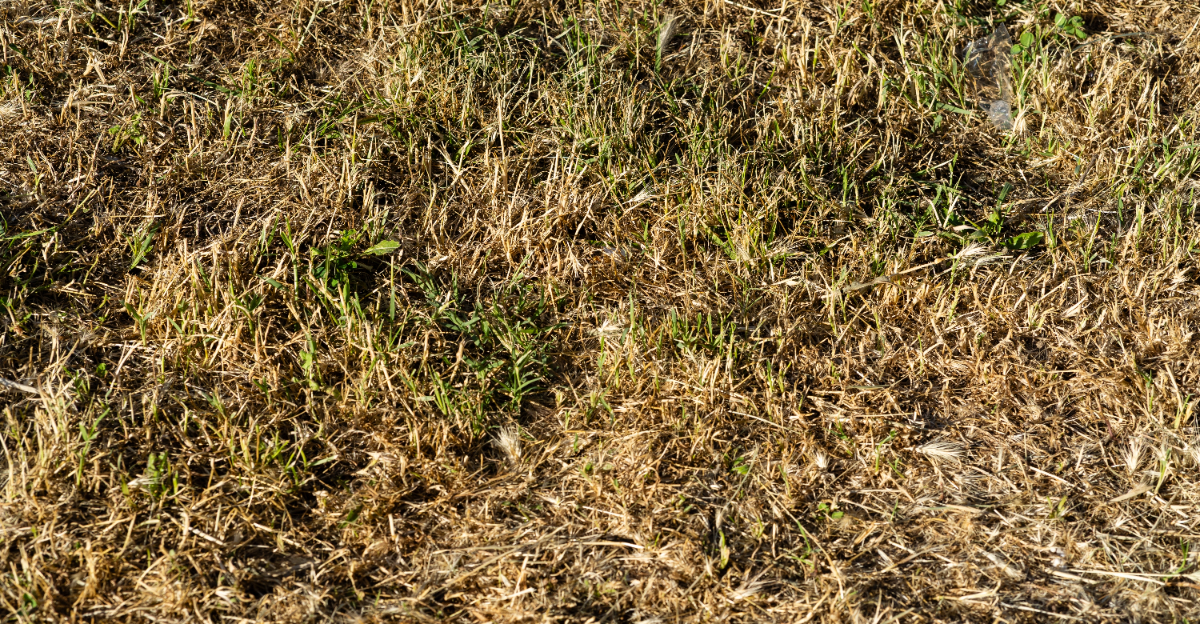
A lawn that looks healthy and green through June and then burns to straw almost overnight in July is one of the most common and frustrating experiences Michigan homeowners have with their outdoor spaces every summer.
The speed of this change feels alarming, but it follows a completely predictable pattern. It is driven by soil temperature thresholds, cool-season grass biology, and the sudden intensity of Michigan summers.
Understanding why this happens reveals what is actually occurring inside the grass plants during this transition. Knowing which lawn care habits accelerate or slow the process gives homeowners realistic options for managing it before next July.
1. July Heat Pushes Cool-Season Grass Into Dormancy
Most Michigan lawns are made up of cool-season grasses like Kentucky bluegrass, tall fescue, or perennial ryegrass.
These grasses grow best when temperatures stay between 60 and 75 degrees Fahrenheit. Once July rolls in and temperatures climb into the upper 80s or 90s, those same grasses hit a wall.
When heat gets intense, cool-season turf shifts into a natural survival mode called summer dormancy.
The grass slows down all its active growth and pulls moisture and energy inward to protect the crown, which is the base of the plant sitting just above the soil.
The blades above ground lose their green color and turn tan or straw-colored, which is completely normal.
Many homeowners panic when they see this happen, assuming something went terribly wrong.
But this color change is actually the grass doing exactly what it was designed to do under stress.
Think of it like a bear going into hibernation. The lawn is not failing. It is resting and conserving what it has.
Michigan State University Extension notes that cool-season grasses commonly go dormant during hot and dry stretches, and they can bounce back once temperatures cool and moisture returns.
Knowing this ahead of time takes a lot of the stress out of watching your yard change color in July.
2. Two Dry Weeks Can Be Enough To Change The Color
Two weeks without rain sounds manageable, but for a Michigan lawn in July, that short window can be enough to trigger a full color change.
The speed of that shift surprises a lot of homeowners, especially when the grass looked perfectly fine just days before.
Several factors work together to drain moisture from the root zone faster than most people expect.
Shallow summer roots, high sun angles, warm and dry winds, and heated soil all pull moisture away from the grass at the same time.
On open, exposed lots or yards with light sandy soil, the root zone can dry out in just a few days after the last rainfall.
South-facing slopes or lawns near pavement face even faster drying because those surfaces soak up extra heat and release it into the surrounding soil.
The exact timing depends heavily on the specific yard. A lawn in a shaded, sheltered location with heavy clay soil might hold on to green color for a week or two longer than a sunny open lot with sandy soil.
Your Michigan Garden Changes Every Week. Your Plan Should Too.
Gardening in Michigan changes quickly throughout the season. Every Friday you’ll receive a simple weekly plan showing exactly what to plant, prune, fertilize, harvest, and protect so you never miss the right timing.
So when neighbors compare notes and notice different timelines, it makes total sense.
Watching local rainfall totals and using a simple rain gauge in the yard gives a much clearer picture of what the grass is actually receiving.
Guessing based on how the sky looks rarely works here during July.
3. Summer Roots Are Shorter Than Spring Roots
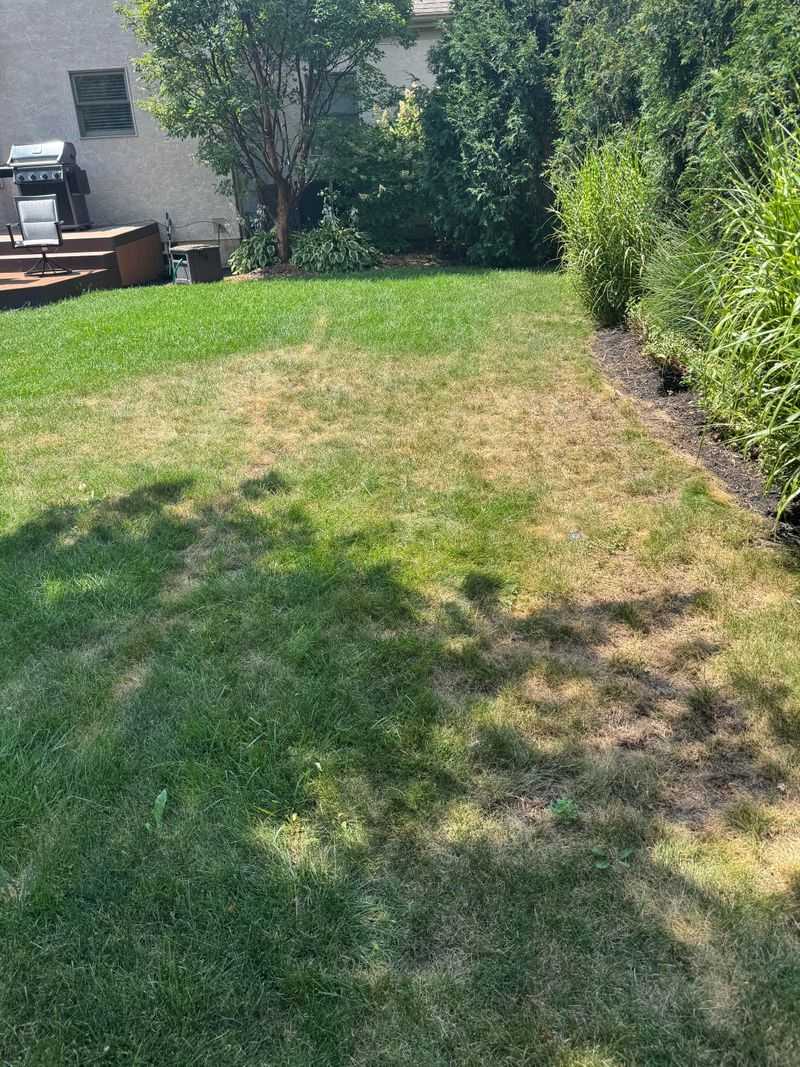
Spring is when lawn roots really stretch out. Cool temperatures and consistent rainfall encourage deep root growth, sometimes reaching six inches or more below the surface.
That depth gives the grass access to moisture stored further down in the soil, which helps it stay green even during short dry spells.
Summer changes everything. As heat builds through June and into July, root systems naturally become shallower.
Michigan State University research indicates that cool-season lawn roots during summer often measure only around three to four inches deep.
That is a significant reduction compared to what the same lawn had just a few months earlier. Shorter roots mean the grass depends almost entirely on moisture near the top of the soil.
When that surface layer dries out quickly under July heat, the roots have nowhere else to reach.
The grass responds by conserving whatever moisture remains and shutting down active growth, which shows up as that familiar straw color across the lawn.
Understanding this seasonal root behavior changes how you think about lawn care in summer.
Watering deeply and less frequently in spring encourages roots to grow deeper before the heat arrives, giving the lawn a better starting point.
Once July hits and roots have already pulled back, watering strategies need to shift to match the reality of what is actually happening underground.
4. One Inch Of Weekly Water Is Often Missing
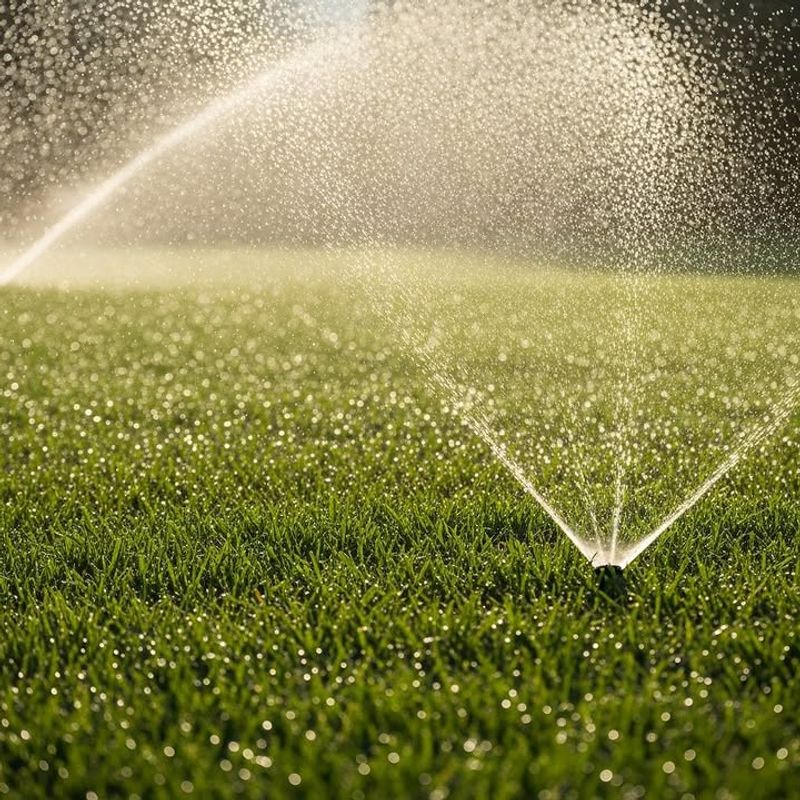
Michigan lawns running on cool-season grass typically need about one inch of water per week to stay actively green during summer.
During stretches of intense heat or wind, that number can creep slightly higher. When the sky delivers that inch consistently through rainfall, the lawn holds its color well.
But July in Michigan does not always cooperate. Thunderstorms are common during our summers, but they are also unpredictable and uneven.
One neighborhood might receive a solid inch of rain from a storm while a yard just a mile away stays completely dry.
That kind of patchwork rainfall means some lawns lose color fast while others nearby still look green, which can be confusing for homeowners trying to figure out what went wrong.
If a yard misses meaningful rainfall for just one to two weeks during peak summer heat, the grass can shift from green to straw surprisingly fast.
The combination of high temperatures, shallow roots, and dry soil creates conditions where color loss accelerates quickly.
Irrigation can help fill the gap, but only if the homeowner knows the lawn actually needs it. A simple rain gauge placed in the yard removes all the guesswork.
They cost just a few dollars and give an honest reading of how much water the lawn actually received.
Checking it weekly makes it much easier to decide when to run the sprinklers and when to hold off.
5. Sandy Soil Turns Straw Faster
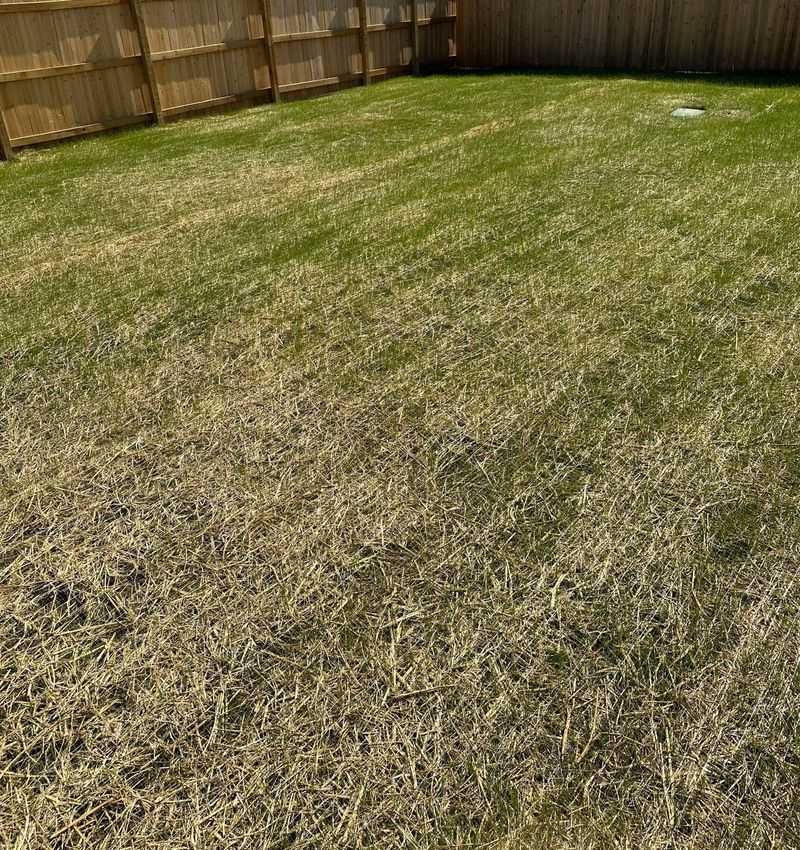
Not every lawn sits on the same type of soil, and that difference matters a lot in July.
Sandy soils, which are common across many parts of Michigan especially near the Great Lakes and in the northern lower peninsula, drain water quickly.
Rain passes through them fast, and stored moisture near the surface disappears within a day or two of a rainfall event.
Lawns growing on sandy soil face a tougher challenge during dry spells than lawns growing in heavier clay or loam.
Water moves through sandy particles with very little resistance, which means the shallow summer root zone dries out sooner and more completely.
A lawn on sandy soil might turn straw-colored several days before a nearby lawn growing in clay soil, even under the exact same weather conditions. Slopes make this even more dramatic.
Sandy soil on a slope loses moisture from both drainage and runoff, leaving the root zone almost completely dry in a short window.
Yards near lake areas often have highly sandy soil that drains exceptionally fast, which is worth knowing if you live near one of Michigan’s many inland lakes or along the shoreline.
Adjusting expectations based on soil type is a smart move.
Sandy-soil lawns may need more frequent watering during July or may simply go dormant sooner. Adding organic matter over time can slowly improve sandy soil’s ability to hold moisture.
6. Compacted Soil Makes Water Less Useful
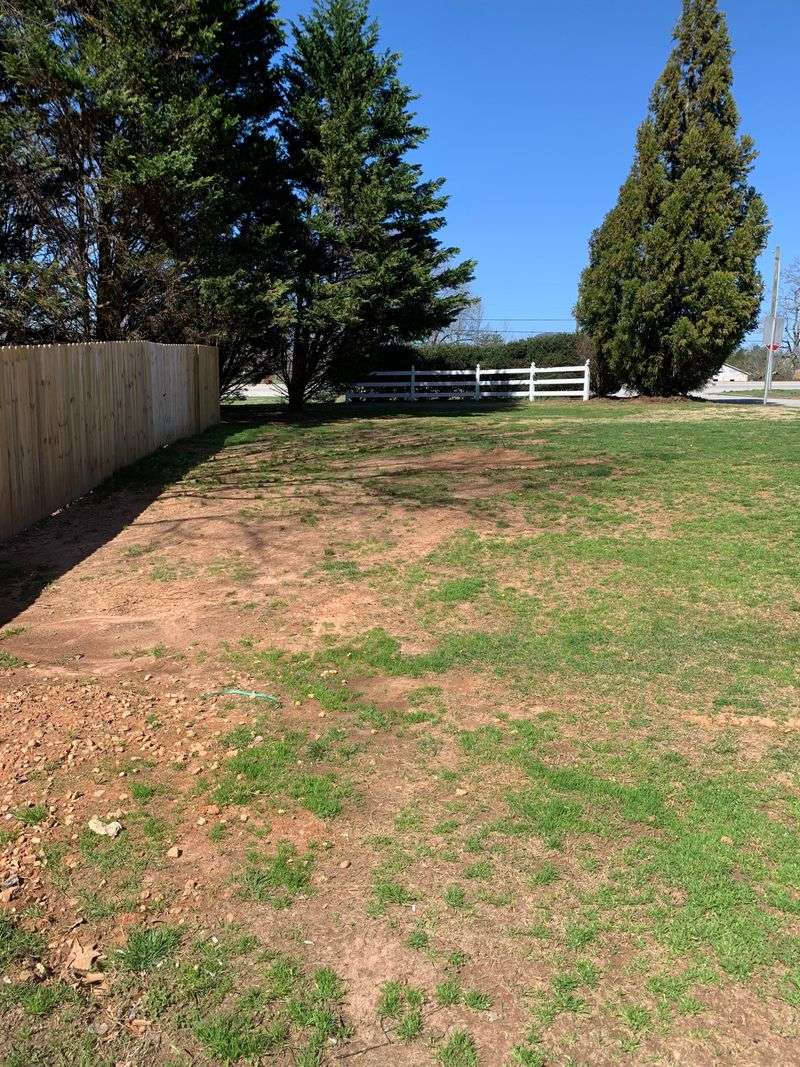
Compacted soil is one of the sneakier reasons a Michigan lawn turns tan in July. From the outside, the lawn looks like it just needs water.
But even when the homeowner runs the sprinklers, the grass keeps looking worse. The real problem is that water cannot get where the roots actually are.
When soil particles are pressed tightly together from foot traffic, parked equipment, construction activity, or repeated mowing in the same direction, water struggles to soak in.
Instead of moving down through the soil profile to reach the root zone, it either pools on the surface or runs off the lawn entirely.
The roots stay dry even when the surface looks wet, and the grass responds with that familiar straw color.
Compacted areas often show summer color change before the rest of the lawn does.
Spots near driveways, play areas, paths across the yard, or anywhere equipment sat during the previous year are common culprits.
These zones essentially become mini heat islands where the soil holds heat and repels moisture at the same time.
Core aeration is the most effective fix for compacted soil, and fall is the best time to do it for Michigan lawns.
Punching small holes through the soil surface breaks up compaction and allows water, air, and nutrients to reach the root zone more effectively.
One aeration session can make a noticeable difference the following summer.
7. Short Mowing Makes July Color Change Worse
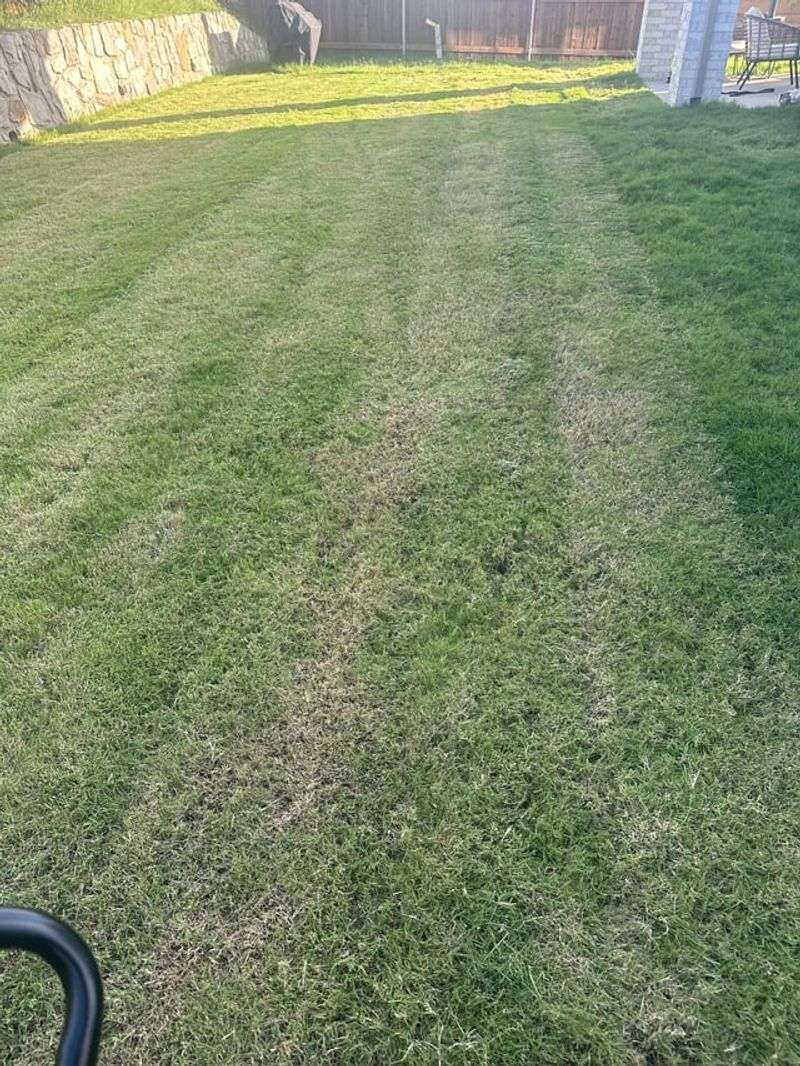
Mowing height might seem like a minor detail, but it plays a big role in how fast a Michigan lawn loses its green color in July.
Cutting grass too short removes too much of the blade at once, exposing the soil directly to intense summer sun.
Bare soil heats up faster, loses moisture faster, and gives the root zone almost no protection from the elements.
Taller grass blades shade the soil beneath them, which keeps the surface cooler and slows evaporation.
They also protect the crown of the grass plant, which is the critical growing point at the base of each blade.
When the crown stays shaded and relatively cool, the plant handles summer stress much better than when it is exposed to direct heat and sunlight all day.
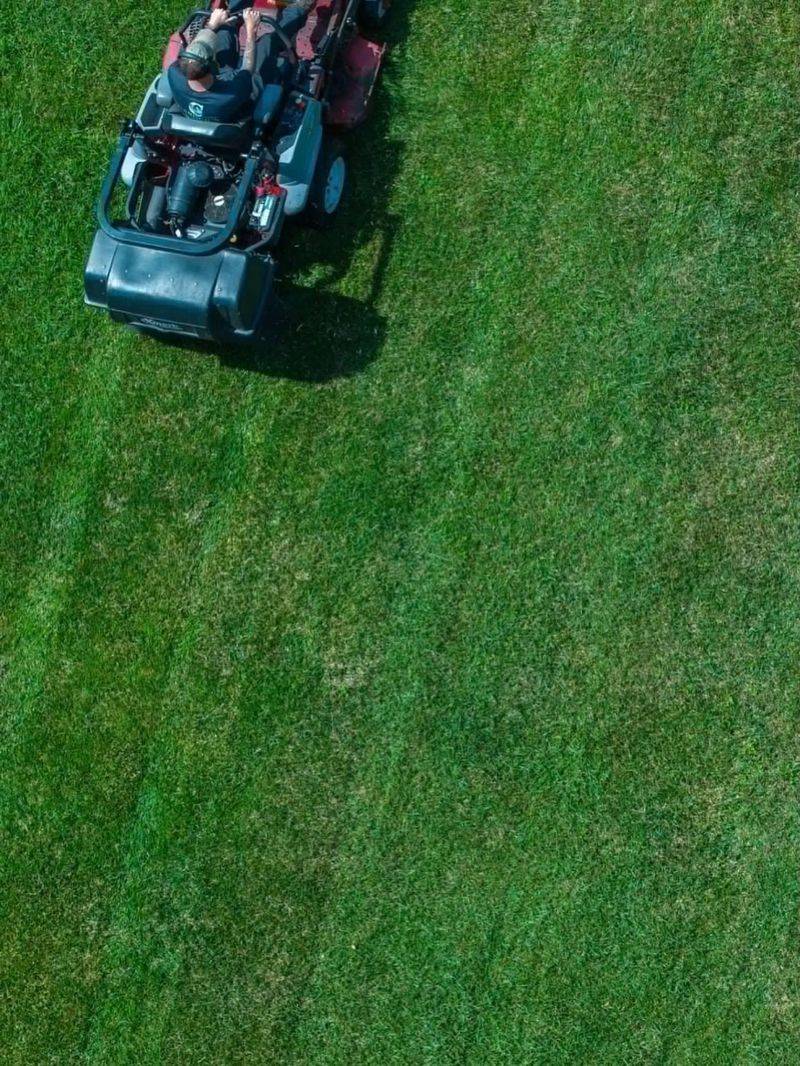
A good rule to follow during summer is the one-third rule: never remove more than one-third of the blade height in a single mowing.
For most cool-season lawns, setting the mower to cut at three and a half to four inches during July is a smart move.
Taller grass simply holds up better under heat and dry conditions. Avoid mowing during the hottest part of the day when the lawn is already under stress.
Early morning or evening mowing puts less strain on the grass and reduces the chance of accelerating color loss.
A small change in mowing height can make a real difference in how the lawn holds up through the rest of summer.
8. Pavement Edges Heat Up First
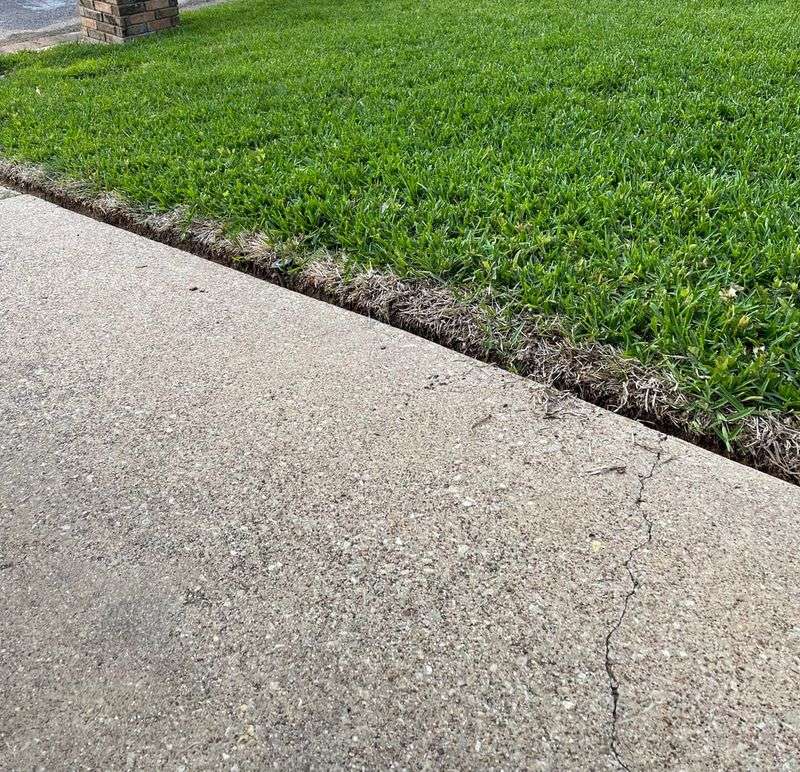
Walk around any Michigan neighborhood in mid-July and you will notice a pattern.
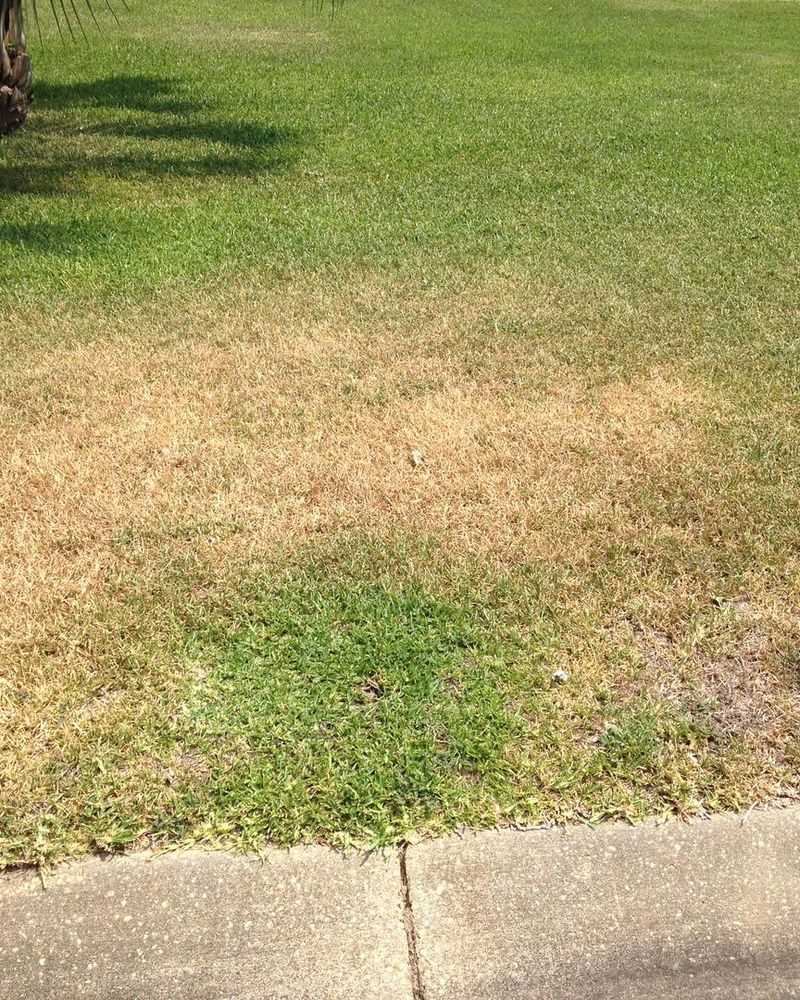
The grass along driveways, sidewalks, curbs, and patios turns straw-colored well before the rest of the lawn does.
This is not a coincidence, and it is not a pest problem. It is physics. Pavement absorbs heat from the sun throughout the day and holds onto it long after the sun goes down.
Concrete and asphalt surfaces can reach surface temperatures well above 100 degrees on a hot July afternoon.
That stored heat radiates outward into the soil directly next to the pavement, raising ground temperature and pulling moisture out of the root zone faster than in the open lawn.
Grass growing within a foot or two of a paved surface deals with a combination of reflected heat, radiated heat from the ground, and reduced airflow. It is a tough spot for any plant.
These edge areas essentially experience more extreme conditions than the center of the lawn, which is why they show stress first and most visibly.
Before assuming there is a pest or disease problem along a driveway or sidewalk edge, consider whether July heat and pavement proximity could explain the color.
Extra attention to watering these edges during dry spells can help them hold on a bit longer.
Observing these spots separately from the main lawn gives a more accurate picture of what is actually going on.
9. Summer Fertilizer Can Backfire On A Dormant Lawn
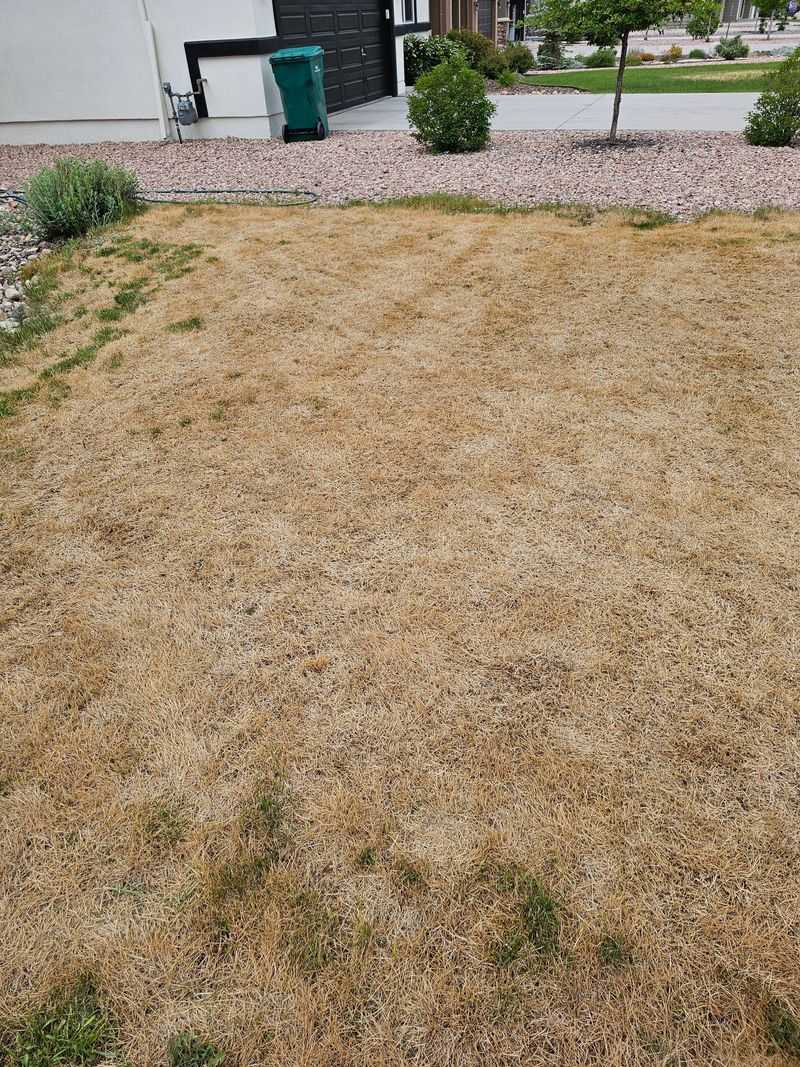
When a lawn turns straw-colored, the instinct for many homeowners is to feed it. More fertilizer feels like it should help.
But applying fertilizer to a dormant Michigan lawn in July can actually make things worse rather than better, and understanding why matters before reaching for that bag. A dormant lawn is not actively growing.
The grass has slowed down its internal processes to conserve energy and moisture during heat and dryness.
Applying nitrogen fertilizer to a dormant lawn essentially pushes the plant to start growing again at a time when it does not have the water or energy resources to support that growth.
This forces stress rather than relieving it. Michigan State University Extension recommends skipping summer fertilizer applications on lawns that have gone dormant.
The better approach is to wait until the lawn naturally comes out of dormancy when cooler temperatures and reliable moisture return in late summer or early fall.
A fall fertilization program does far more good for a cool-season lawn than anything applied during a hot July dry spell.
While the lawn is dormant, focus on the things that actually help: watering wisely if you choose to maintain green color or keep the crown hydrated, raising the mower height, reducing foot traffic across the yard, and simply giving the grass time.
Patience and smart timing beat aggressive intervention every time when it comes to summer lawn care.
10. Straw Color Does Not Always Mean The Lawn Is Gone
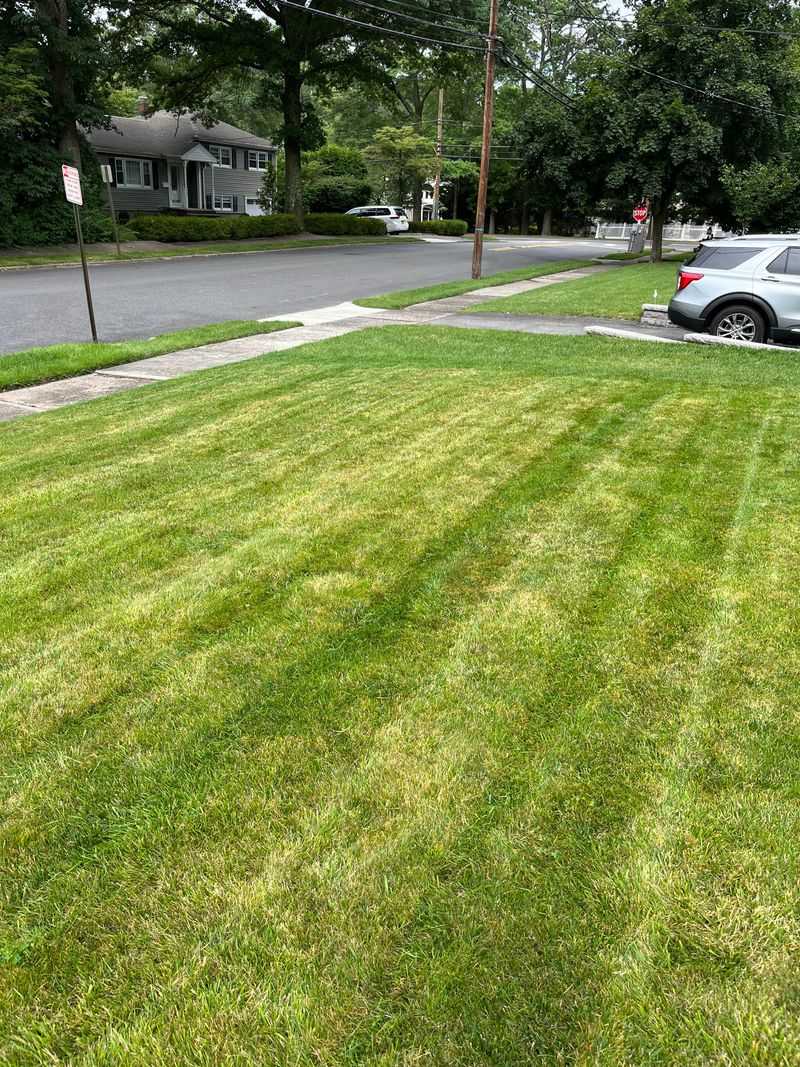
Seeing a yard full of straw-colored grass can feel discouraging, especially after all the work that went into getting it looking good in spring.
But here is something worth holding onto: a straw-colored Michigan lawn in July is usually just resting, not gone for good. Cool-season turf has a remarkable ability to recover once conditions improve.
As long as the crown of the grass plant stays intact and receives at least some moisture during dormancy, the lawn can return to green when temperatures drop and rain comes back.
Late August and September in Michigan typically bring cooler nights, more reliable rainfall, and ideal conditions for cool-season grass to wake back up.
Many lawns that looked completely straw-colored in mid-July come back looking surprisingly full by early fall. A few habits make a real difference in helping the lawn recover well.
Water wisely during dormancy, aiming to keep the crown area hydrated without pushing active growth.
Use a rain gauge to track what the yard is actually receiving. Mow higher to protect the crown and reduce soil heating. Skip fertilizer until the lawn shows signs of active growth again.
And reduce foot traffic across dormant areas as much as possible to avoid unnecessary stress on the crowns.
Give the lawn time to respond before assuming the worst. Michigan summers are tough, but cool-season grass is tougher than it looks.
A little patience and smart care through July goes a long way toward a great-looking lawn come fall.