What Colorado Blue Spruce In Ohio Needs To Get Through Winter
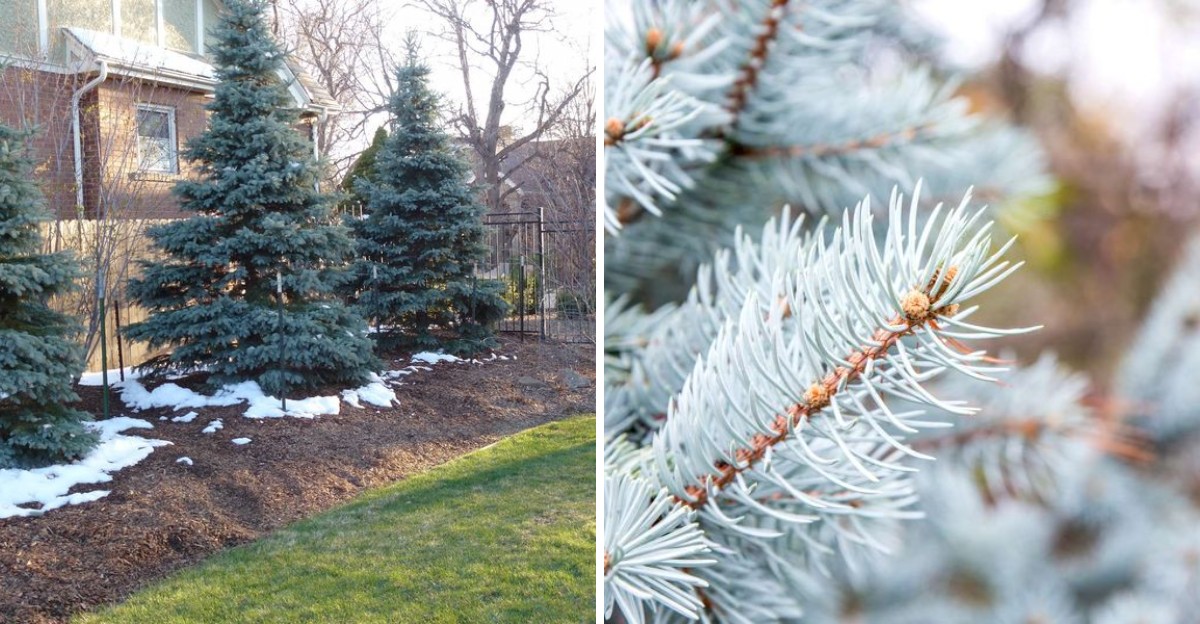
Evergreen needles keep losing water all winter long, even when the ground is frozen as hard as a sidewalk.
That surprised me the first time I learned it. A tree covered in snow can be thirsty at the same moment, and the roots cannot drink from icy soil.
This particular tree comes from the dry, high mountains of the West. Here in Ohio, it deals with gray skies, damp springs, salty roads, and wind that sneaks through every gap in the yard.
I can’t imagine a bigger change of scenery for a tree.
You may have one standing proudly by your driveway right now, looking calm and silvery.
A few smart moves before and during the cold months can decide whether it greets spring looking fresh or patchy and brown. You’re going to love how little that frosty blue beauty actually asks of you this season.
Those Blue Spruce Needles Are Quietly Losing Water All Winter
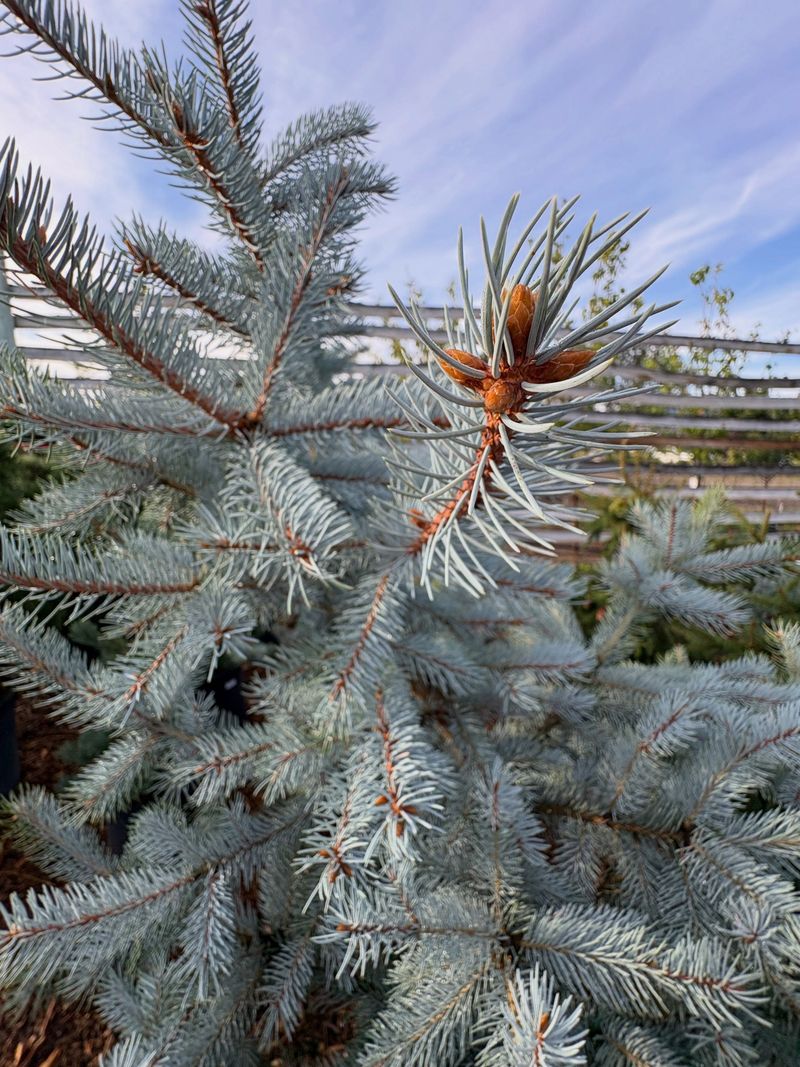
Snow on a spruce looks peaceful, but the needles are still working. On sunny or windy days, they release water vapor through tiny pores, a process called transpiration.
In summer, roots replace that lost water easily. In winter, frozen soil locks moisture away, so the tree cannot refill its supply.
Experts call the result winter burn or winter desiccation.
You will usually spot it in late winter or early spring. Needles turn tan, reddish, or brown, often on the side facing the wind or the afternoon sun.
Sunlight bouncing off snow can make it worse. So can a warm, bright day followed by a sharp cold snap, which stresses the needles quickly.
Young trees and ones planted in the last two or three years are most at risk. Their roots have not spread far enough to gather much water before the freeze.
Knowing this changes how you care for the tree. Instead of worrying mostly about the cold itself, you focus on moisture, wind, and sun.
Every step that follows comes back to one big idea. Keep your spruce well supplied with water and shielded from the forces that pull it away.
A Deep Fall Soak Gives Spruce Roots a Winter Water Bank
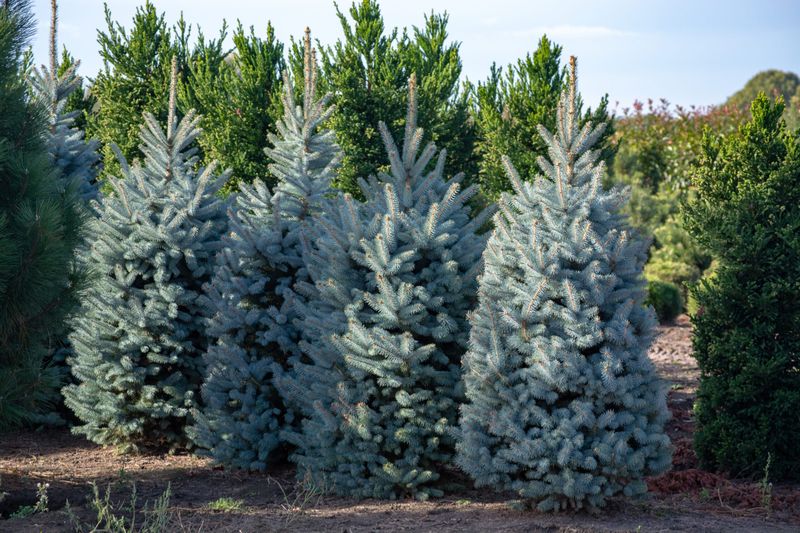
My favorite winter prep job happens before winter even shows up. A slow, deep watering in late fall loads the soil around your spruce with moisture it can use for months.
Aim for the weeks before the ground freezes, often from October into November across much of the state. Northern counties and snow-belt areas near Lake Erie may freeze earlier than southern ones.
Let a hose trickle slowly near the drip line, where the outer branches end. That is where many feeder roots sit, not right against the trunk.
A soaker hose works well too. The goal is moist soil several inches down, not a puddle sitting on top.
If fall turns dry, keep watering about once a week until freeze-up. A rain gauge helps you tell whether nature is doing the job for you.
Watch out for soggy ground, though. Blue spruce prefers well-drained soil, and waterlogged roots can struggle with rot.
Push a screwdriver or your finger into the soil to check. If it feels damp a few inches down, you can skip watering that day.
Thirsty Spruce Trees Appreciate a Midwinter Drink on Mild Days
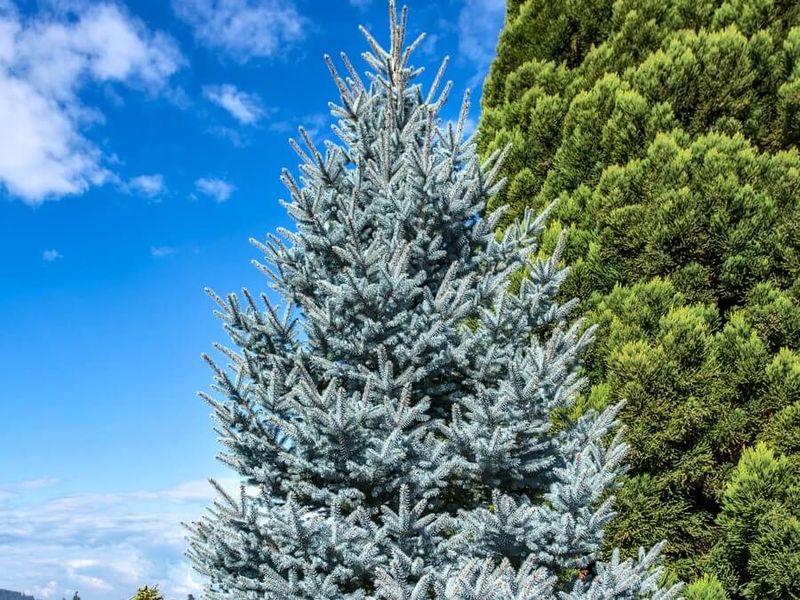
Ohio winters love to flip-flop. One week brings deep snow, and the next feels almost like March with bare, dry lawns.
Those mild stretches give you a handy window. When temperatures climb above about 40 degrees and the soil is thawed and dry, a winter watering can help your spruce.
Water in the late morning or early afternoon. That gives moisture time to soak in before temperatures drop again at night and the surface refreezes.
Snow cover changes the picture. A blanket of snow slowly melts into the soil and helps protect roots, so you rarely need to water then.
Personally, I keep a short hose coiled in the garage during winter. Leaving it outside can crack it, and it is easier to grab when a warm day pops up.
Disconnect the hose after each use. Outdoor faucets can freeze and split if water sits inside them overnight.
Focus extra attention on newly planted trees. A spruce in its first few winters benefits the most, while large, established trees usually handle normal winters with less help.
A Ring of Wood Chip Mulch Keeps Spruce Roots Snug

Mulch is like a cozy blanket for the soil under your tree. A layer of shredded bark, wood chips, or pine needles helps keep root temperatures steadier through the season.
Steadier soil matters a lot in Ohio. Repeated freezing and thawing can push young roots upward, a problem called frost heaving.
Spread mulch about 2 to 4 inches deep. Cover as wide an area as you reasonably can, ideally out toward the drip line.
Leave a gap of a few inches around the trunk. Piling mulch against the bark, sometimes called a mulch volcano, traps moisture and invites rot, insects, and rodents.
Mulch also slows evaporation. That means the water you gave the tree in fall stays in the soil longer.
Another bonus is fewer weeds and less grass competing with roots. Lawn mowers and string trimmers stay farther from the trunk too, which prevents bark wounds.
Refresh the layer each fall as old mulch breaks down. Over time, it feeds the soil with organic matter, which helps roots grow strong and spread farther each year.
Burlap Screens Help Blue Spruces Stand Up to Wind and Road Salt

Salt trucks keep Ohio roads safe, but evergreens near the curb pay a price. Salty spray and slushy runoff can brown needles and damage roots.
Burlap screens offer simple protection. Set wooden stakes a short distance from the tree and staple burlap between them on the windward or road-facing side.
Avoid wrapping burlap tightly around the branches. A loose screen allows air to move and sunlight to reach the needles while still blocking harsh wind and spray.
Plastic sheeting is a poor choice. It can trap heat and moisture against the tree.
Around your own driveway and walks, try sand, gravel, or calcium magnesium acetate near plantings. Try not to shovel salty snow onto the root zone either.
Some gardeners use anti-desiccant sprays, which coat needles with a thin waxy film. Research results are mixed, and blue spruce is often listed as sensitive because the coating can dull its powdery blue color.
Read the label carefully before spraying. In many yards, good watering, mulch, and a burlap screen give your tree solid protection without that risk.
Heavy Snow on Spruce Branches Deserves a Gentle Brush
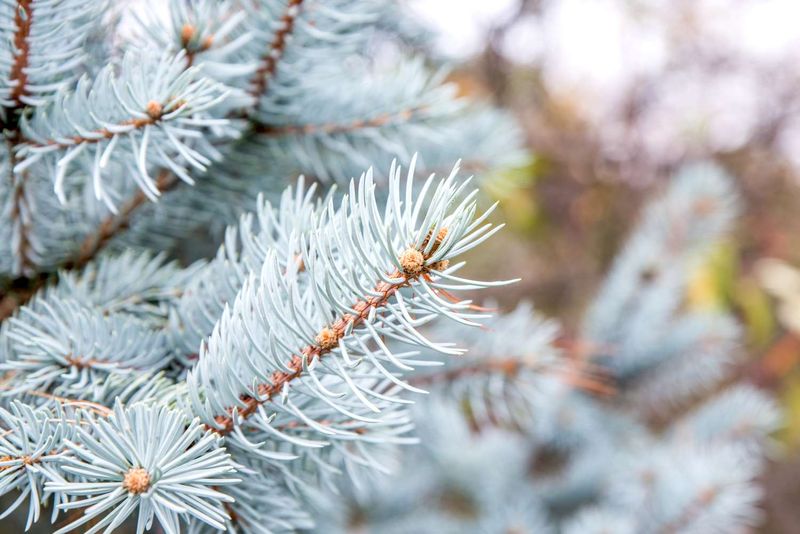
Wet, heavy snow is the kind that makes great snowmen. It also loads spruce branches until they droop toward the ground.
After a big storm, grab a soft broom. Sweep upward from underneath, lifting the snow off instead of pushing down on already stressed limbs.
Ice is a different story. When branches are coated in a glaze of ice, leave them alone and let it melt naturally, because frozen limbs snap easily.
Blue spruce wood is fairly sturdy, and its pyramid shape helps shed snow. Even so, young trees and ones with multiple leaders can split under extra weight.
For small trees, you can loosely tie upright stems together with soft cloth strips in late fall. Remove the ties in spring so they do not rub or girdle the bark.
Watch where snow from your roof slides off. A spruce planted under the eaves can get crushed by sudden avalanches.
Hold off on pruning broken branches until late winter or spring. Clean cuts made at that time heal better, and you can see the full damage more clearly.
Browning Lower Spruce Branches Often Point to Fungal Trouble
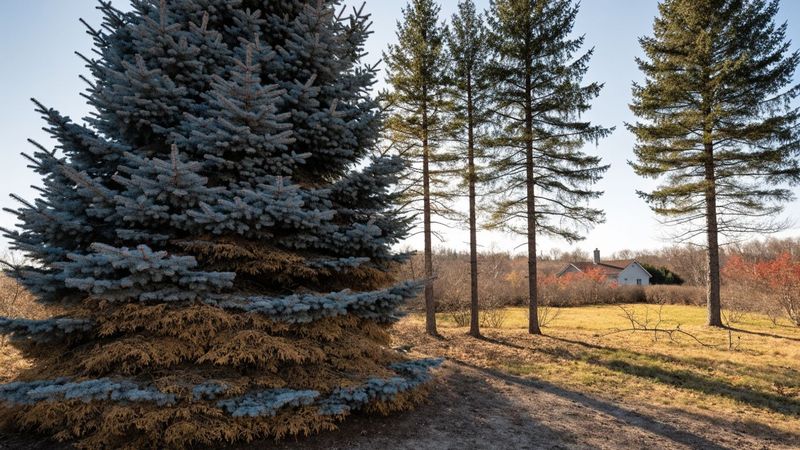
Winter gets blamed for plenty of spruce problems it did not cause. Colorado blue spruce comes from the dry Rocky Mountains, and humid Ohio weather often invites disease.
Ohio State University Extension points to several common culprits. Rhizosphaera needlecast turns older needles purple or brown, while Stigmina needlecast causes similar symptoms.
Cytospora canker shows up as browning, failing branches, often on lower limbs, with white, sticky resin on the bark. These problems usually start low and work upward over several years.
Look closely at affected needles with a magnifying glass. Tiny black dots in neat rows often signal needlecast fungi.
Winter is a good time to plan rather than treat. Fungicide sprays for needlecast are timed in spring as new needles expand, and diagnosis matters first.
You can help by improving airflow. Avoid crowding the tree, and keep sprinklers from soaking the foliage.
For valuable trees, call a certified arborist or your county extension office. They can confirm the problem, since sudden browning after a hard winter may simply be winter burn rather than disease.
A Springtime Checkup Sets Your Blue Spruce Up for Next Winter
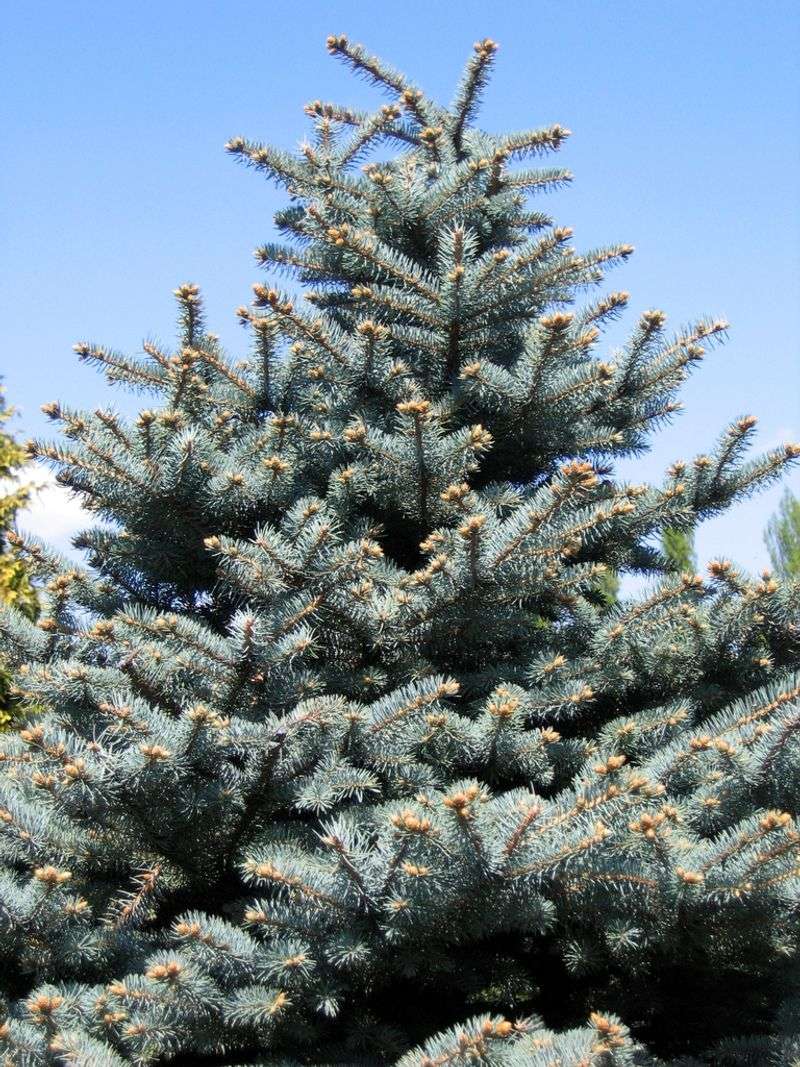
Spring is when your winter care pays off, or shows its gaps. Wait until new growth starts before judging brown areas, because buds on burned branches often still push fresh needles.
Scratch a twig gently with your thumbnail. Green tissue underneath means it is still alive, while brittle, brown wood can be pruned back to healthy growth.
Give salty soil a good flush with several deep waterings once the ground thaws. That moves accumulated salt below the root zone.
Fertilizer is optional. Many established spruces need little, so a soil test through your county extension office is smarter than guessing.
Take notes on which side of the tree suffered most. That tells you where to place next year’s burlap screen.
If you are shopping for a new evergreen, consider options that handle Ohio humidity better. Norway spruce, concolor fir (also called white fir), and native eastern white pine are often suggested by local experts.
Your current spruce still deserves good care. With steady moisture, sensible protection, and early disease checks, that silvery tree can keep brightening your yard for many winters ahead.