The Big Black Birds Gathering On Maryland Roofs Are Protected By Federal Law
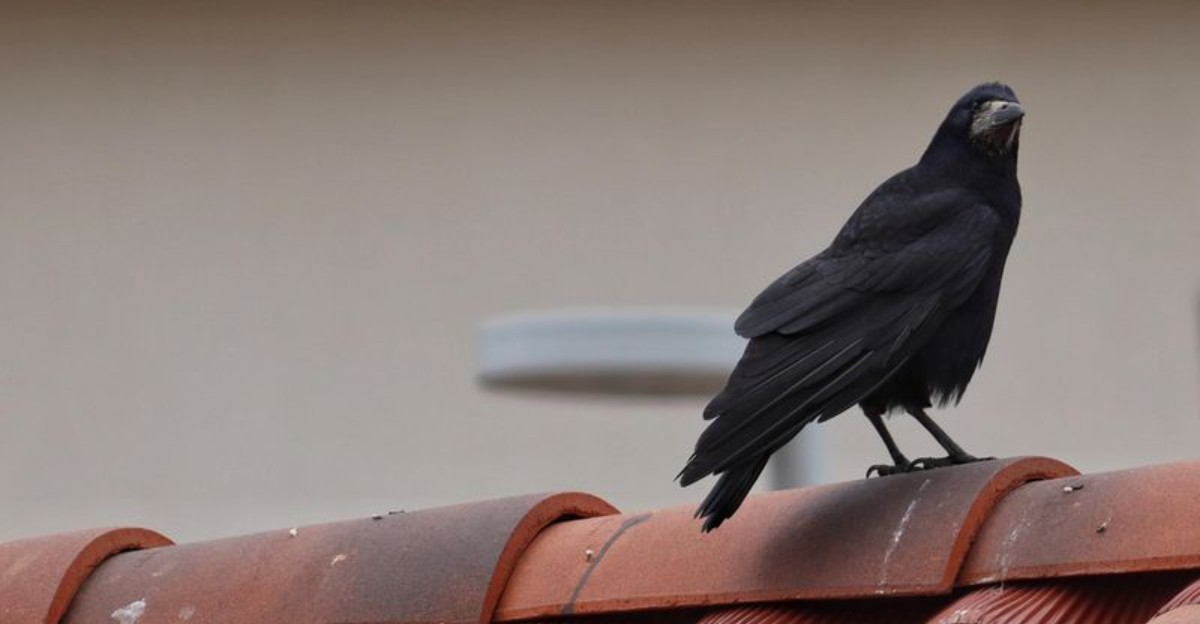
Keeping one feather from the wrong bird can break a federal law signed in 1918. I laughed when I first read that. Then I learned the fine can reach $15,000.
Every winter, dark shapes line the ridges and chimneys of houses across Maryland. Some hunch with wings spread wide in the morning sun. Others chatter, squabble, and leave a mess on the porch railing below.
I get it. When forty big birds stare down at your car, your first thought is to grab a hose or a broom. Not going to lie, I have stood in the driveway clapping like a frustrated coach.
Funny thing is, some ways of chasing them off are perfectly fine, and some can land you in real trouble. The difference comes down to a few simple rules, and the reason these birds picked your roof is easier to spot than you’d think.
Those Spread Wings On Your Chimney Mean More Than You’d Guess
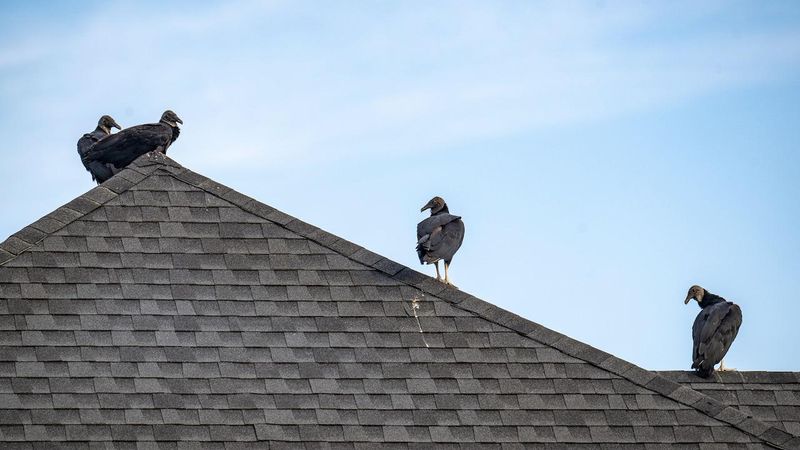
Spotting a vulture sunbathing on a chimney the first time gives you a jolt. The bird stands tall, wings stretched out like a cape, and just holds that pose for minutes.
Scientists call it the horaltic pose. Vultures do it to warm up after chilly nights, dry damp feathers, and let sunlight bake away bacteria. Your dark, sun-soaked roof makes a fine spot for it.
Most big black birds on Maryland homes fall into a short list. Black vultures and turkey vultures are the giants. American crows and fish crows are the clever middle-sized ones. Common grackles are the shiny, long-tailed blackbirds that travel in loud gangs.
I used to lump them all together as one gloomy crowd. It took me a while to notice how different they look and act once you slow down and watch.
Every one of those birds shares something important, though. They are native species, and the federal government treats them as protected wildlife. That changes how you can respond when they move in.
So before you plan anything, grab binoculars and figure out who is visiting. Knowing the species is the first step toward handling the situation legally and calmly.
A 1918 Bird Law Still Covers Crows, Vultures, And Grackles
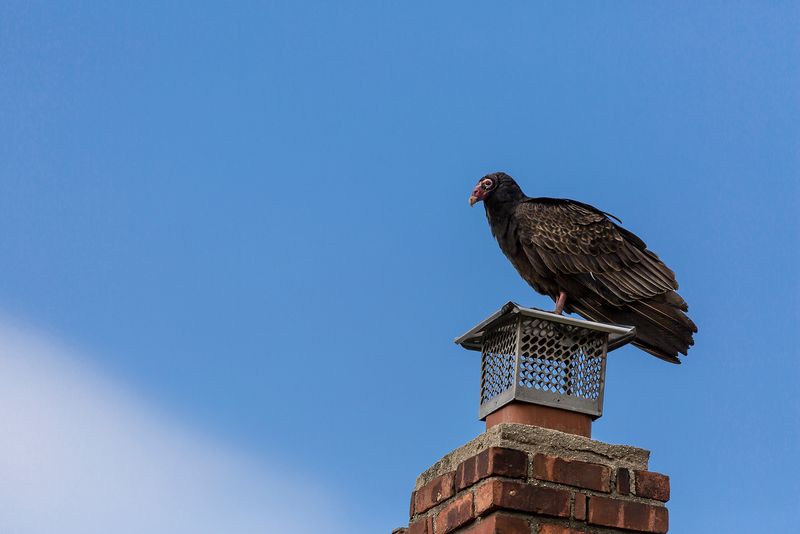
Back in 1918, Congress passed the Migratory Bird Treaty Act to stop the market hunting that was wrecking bird populations. More than a century later, it still covers over 1,000 native species.
Crows joined the protected list in 1972, when a treaty update with Mexico added them. Vultures and grackles are covered too. The law is enforced by the U.S. Fish and Wildlife Service.
Under the act, you cannot take, capture, harm, or possess these birds without permission. That includes their nests, eggs, and even loose feathers. A single violation can bring fines up to $15,000 and possible jail time.
Trust me, that feather rule surprises almost everyone. Picking up a pretty crow feather on a walk is technically off-limits, even with good intentions.
The law does not mean you have to accept a flock forever. Scaring birds away without hurting them is generally allowed, as long as you leave active nests alone.
Maryland adds its own rules through the Department of Natural Resources. For example, the state sets a regulated crow hunting season for licensed hunters. Outside those specific situations, treat every big black bird on your roof as off-limits to harm.
Spotting The Difference Between A Black Vulture And A Turkey Vulture
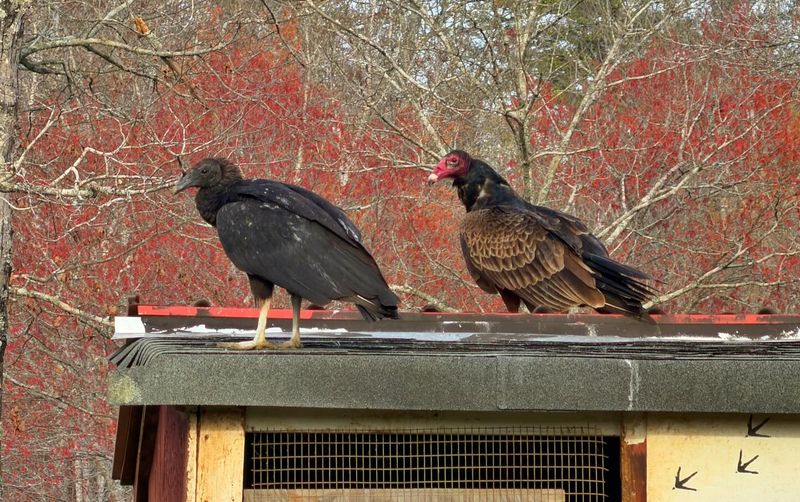
Red head or gray head? That one detail settles most rooftop arguments in my house.
Turkey vultures wear a bare red head that looks almost sunburned. In flight, their wings show a two-toned look, dark in front and silvery behind. They wobble in the air, holding their wings in a shallow V.
Black vultures are a bit smaller, with a wrinkled gray head and short, square tail. Look for white patches near the wingtips when they soar. They flap more often and tend to stick together in tight groups.
Behavior matters too. Turkey vultures find food with an amazing sense of smell, one of the best among birds. Black vultures often follow them to meals and rely more on eyesight.
On roofs, black vultures are the bigger troublemakers. They are curious and sometimes peck at rubber roof seals, window caulking, pool covers, and windshield wipers. Homeowners across the Mid-Atlantic have reported torn shingles from large groups.
Crows are easy to separate from both. They are much smaller, fully feathered on the head, and noisy with that classic caw. Fish crows sound nasal, almost like a tired kid saying uh-uh.
Winter Roosts Turn Rooftops Into Big Bird Hotels
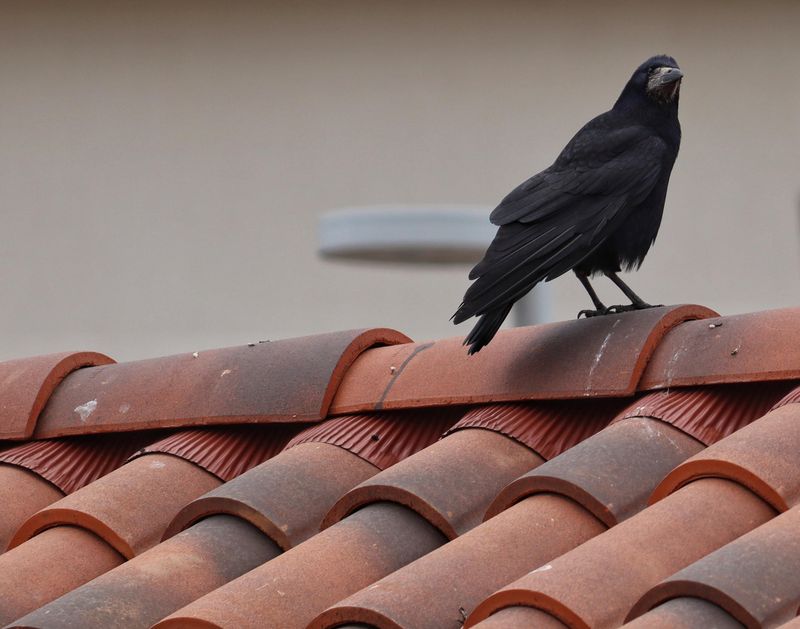
Fall and winter are when the crowds really swell. Many of these birds spend summer in pairs or small families, then join larger groups once nesting season ends.
Crows are famous for this. In winter, they gather at dusk in communal roosts that can hold hundreds or even thousands of birds. Vultures and grackles roost in groups too, often returning to the same spots year after year.
Why your roof? Height gives a clear view of hawks, owls, and other threats. Chimneys and dark shingles hold daytime heat. Nearby trees, streetlights, and open lawns add shelter and easy landing zones.
Food plays a part as well. Spilled birdseed, open trash, compost piles, and pet bowls make a neighborhood look like a buffet. Vultures may also be drawn by roadside carcasses on busy nearby roads.
Fair warning, once a roost forms, the birds get attached. They learn the spot is safe and invite friends.
That loyalty explains why early action works best. Gently discouraging a few scouts is far easier than moving a giant flock that has settled in for the whole season.
Noise, Water Sprays, And Waving Arms Are Fair Game For Rooftop Crows
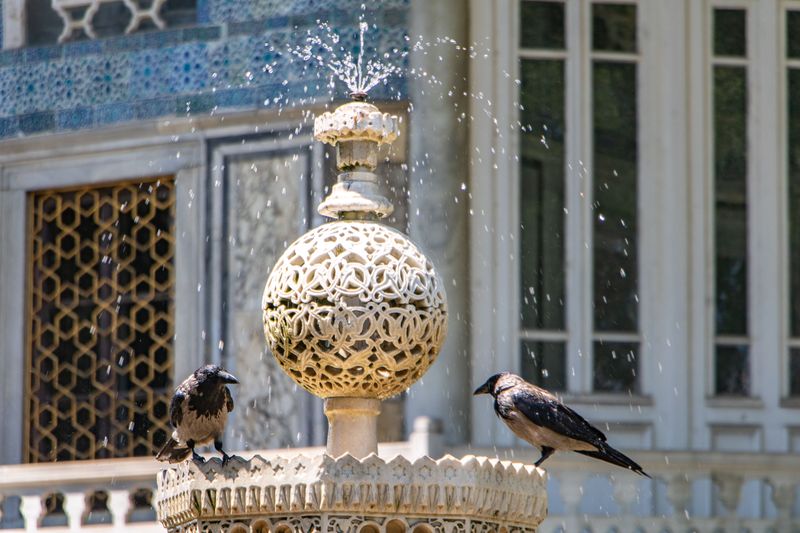
Clapping, shouting, and banging a pot lid might feel silly, but it works surprisingly well. Wildlife agencies call this hazing, and it is legal for protected birds as long as you do not harm them or disturb active nests.
Start the moment birds land, especially in late afternoon when roosts form. Consistency is the secret. A few evenings of steady pressure can convince a flock to try somewhere else.
Try a mix of tools so the birds stay uneasy:
A garden hose spray aimed near, not at, the birds. Shiny reflective tape or scare balloons with big eye shapes. Air horns or noisemakers, used with kindness toward your neighbors.
For vultures, the USDA has found that hanging a vulture effigy can push roosts away. An effigy can be a taxidermic mount or an artificial device built to look like a dead vulture, and a federal permit is needed only for a real carcass or mount, not for an artificial replica, so ask USDA Wildlife Services about it first.
Guilty as charged, I once got lazy after two nights and the birds came right back. Birds notice when the scary stuff stops moving.
Rotate your methods every few days. Move reflective items around, change sounds, and keep at it until the roost breaks up for good.
Some Exceptions Exist For Crows, Grackles, And Problem Vultures
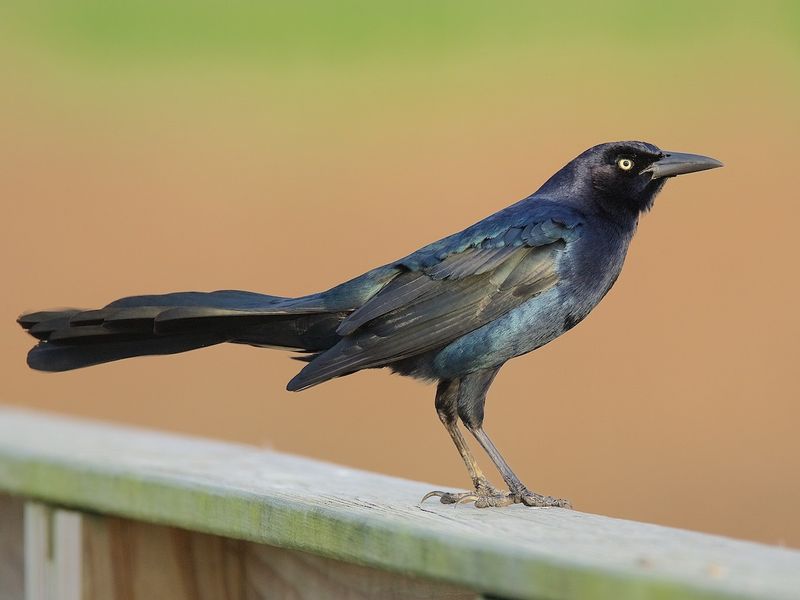
Federal law does carve out a few narrow exceptions, and they come with fine print. A federal depredation order lets people control certain blackbirds, grackles, cowbirds, crows, and magpies without a federal permit in specific cases.
Those cases include damage to crops, ornamental or shade trees, or livestock, or when birds gather in numbers that create a health hazard or nuisance. Even then, state and local laws still apply, and there are reporting and handling requirements.
Many Maryland towns ban firearms in residential areas. That alone rules out a lot of options for suburban homeowners.
Vultures get no such shortcut. Removing a black or turkey vulture requires a federal permit, usually tied to proven harm like livestock losses. The permit process expects you to try nonharmful methods first.
Don’t laugh, but starlings often get mistaken for grackles in winter flocks. European starlings are non-native and not protected by the federal act, so correct identification really matters.
When in doubt, call before acting. The Maryland Department of Natural Resources and USDA Wildlife Services both offer guidance for bird conflicts, and a quick phone call beats a hefty fine.
Clean Up Food Scraps And Gutters Before The Flock Returns
Prevention beats any chase across the driveway. I learned that after spending a whole winter outsmarting birds that kept coming back for my sloppy feeder.
Start with food. Use trash cans with locking lids, bring pet bowls inside, and clean up spilled birdseed under feeders. Compost should go in a closed bin instead of an open pile.
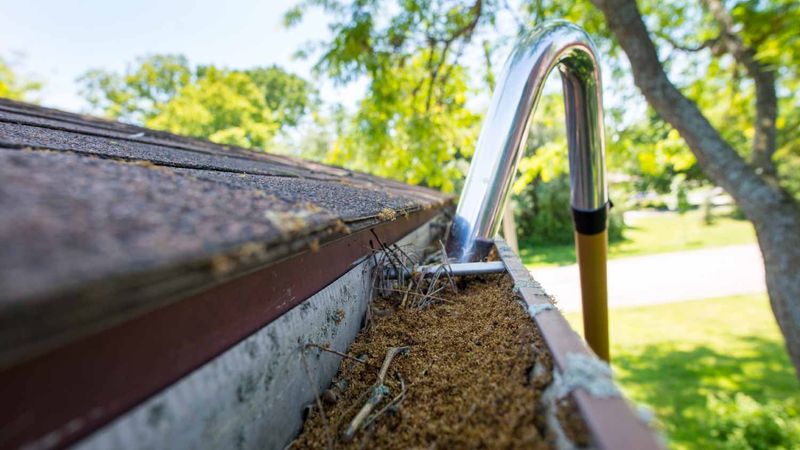
Next, look at the roof itself. Clean gutters so they hold less water and fewer insects. Trim large tree limbs hanging over the house, since they give birds easy access and shelter.
For long-term fixes, bird spikes, sloped ledge covers, or netting can make favorite perches less comfy. Install these in late summer or fall, after nesting season, and confirm no active nests are present. Disturbing a nest with eggs or chicks breaks federal law.
Black vulture damage to roofs might be worth a call to your homeowners insurance. Snap photos of torn seals or shingles for your records.
Here is my honest takeaway. These birds clean up carcasses, eat pests, and keep ecosystems humming. With a little patience, you can protect your home and still share the neighborhood with them.