The Houseplant That Handles The Darkest Corner Of An Ohio Home
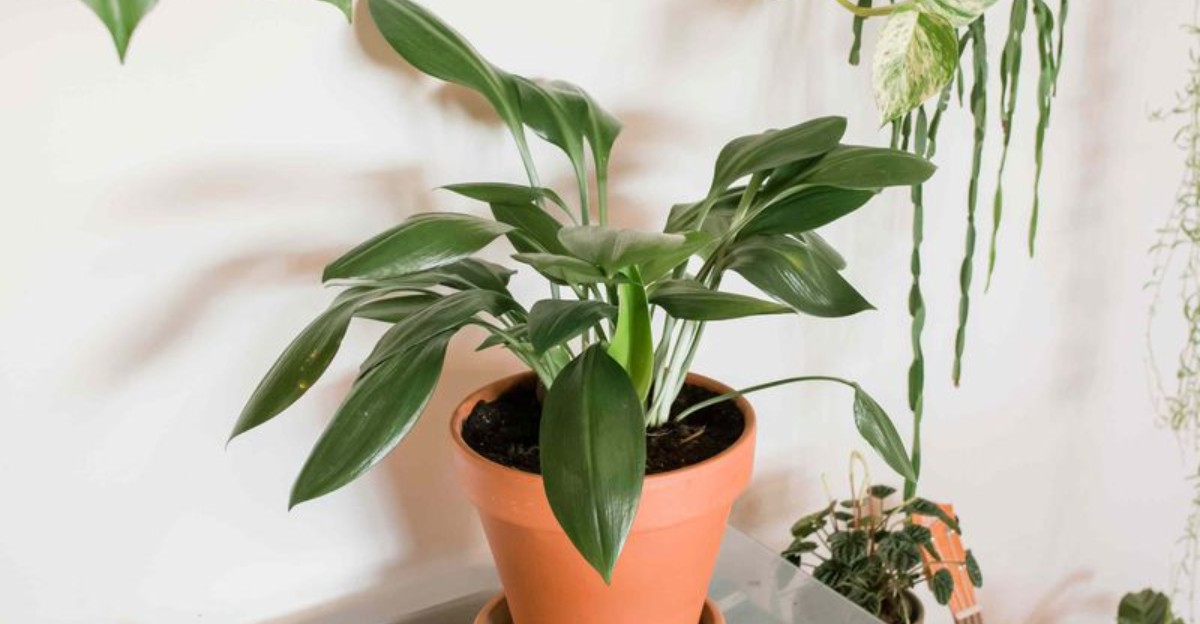
Victorian families once kept a certain leafy plant alive in parlors filled with gas lamp fumes, coal smoke, and gloomy curtains. Most other houseplants of that era gave up.
This one kept pushing out glossy green leaves like nothing was wrong.
That stubborn streak earned it a nickname tied to one of the toughest metals around. I love that a plant got famous mostly for refusing to quit.
Now think about your own home in Ohio during a cloudy January. You probably have a hallway, stair landing, or north-facing corner where pothos sulk and ferns turn crispy.
I believe every house has one of those spots.
You’re in for a big surprise, because that dim corner might be the perfect address for this old-fashioned survivor. Which plant shrugged off smoky Victorian rooms and still looks elegant today?
1. Those Broad Dark Green Leaves Have a Victorian Secret
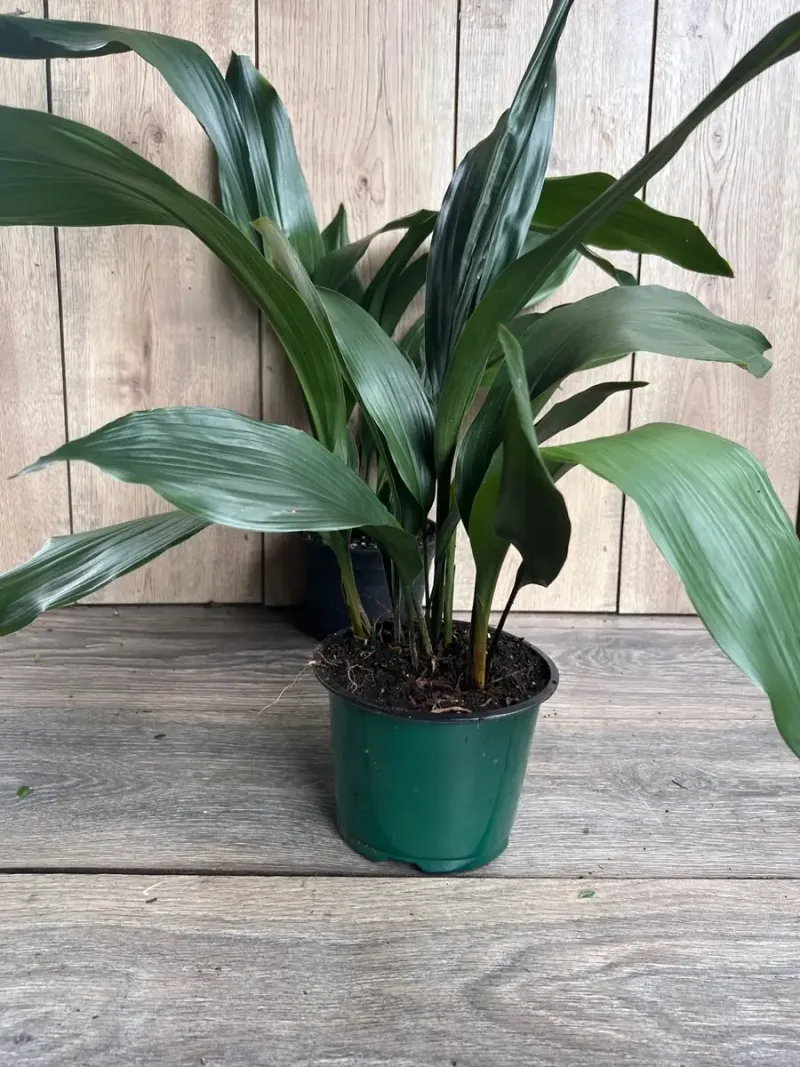
Gas lamps hissed and coal fires smoked in Victorian parlors, yet one plant kept its leaves green the whole time. Meet the champion of your dim corner, the cast iron plant, known to botanists as Aspidistra elatior.
The name fits like a glove. Back in the 1800s, homes were dark, drafty, and full of fumes that made most houseplants decline fast.
Aspidistra shrugged it off and became a fixture in parlors across England and America.
So why can it handle so little light? In the wild, it grows on shady forest floors in southern Japan and nearby islands.
Tall trees block most of the sun, so the plant evolved to work with scraps of filtered light.
Each leaf rises on its own stalk and can reach about two feet long. The leaves are thick, leathery, and a rich deep green.
That dark color comes from plenty of chlorophyll, which helps the plant use the little light it gets.
Personally, I find it charming that a plant from a quiet forest floor ended up as a symbol of stubborn home life. Fun fact: British writer George Orwell even named a novel after it, Keep the Aspidistra Flying.
2. Gray Ohio Winters Suit the Cast Iron Plant Just Fine
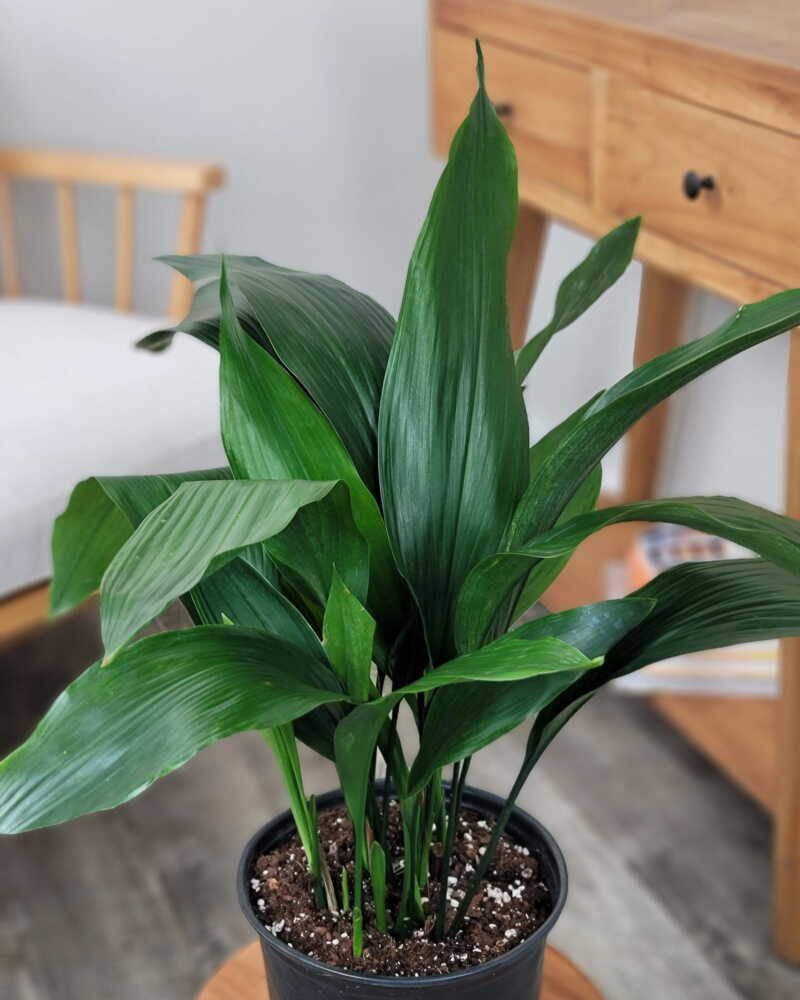
Ohio winters can feel like one long cloudy afternoon. Cities like Cleveland and Columbus get some of the grayest skies in the country from November through February, and indoor light drops sharply.
Many houseplants react badly to that change. Fiddle leaf figs drop leaves, and herbs stretch toward the glass looking skinny and pale.
The cast iron plant barely notices.
Since it grows slowly, it needs very little energy to stay healthy. A north-facing room, an interior hallway, or a corner several feet from a window can work well.
You won’t see long, floppy stems reaching for the sun.
Temperature matters too, and Ohio homes usually match its comfort zone nicely. It’s happy in typical indoor temperatures between about 50 and 85 degrees.
Drafty entryways and cool spare bedrooms are fine, as long as the plant avoids freezing air.
One tip I’ve learned the hard way is to keep it away from heating vents. Blasts of hot, dry air can brown the leaf tips over a winter.
Shift the pot a few feet away, and it will happily ride out the gloom.
Come spring, you may spot a fresh leaf poking up from the soil, a small win worth celebrating.
3. Your Watering Can Gets a Long Break With Aspidistra
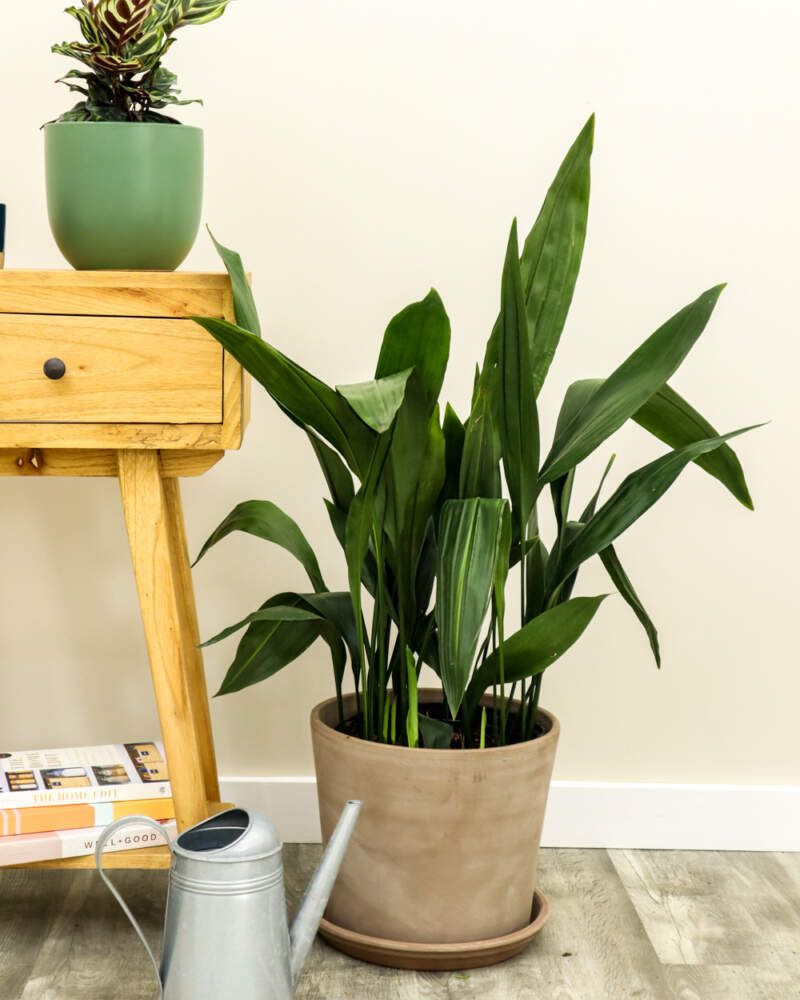
Forgetful plant parents, rejoice. Aspidistra handles a missed watering much better than a soggy pot.
In a dim corner, the plant uses water slowly. Let the top half or more of the soil dry out before you water again.
For many Ohio homes, that means watering about every two to three weeks, and even less often in winter.
The easiest test is your finger. Push it a couple of inches into the soil.
If it feels damp, walk away and check again in a few days.
When you do water, soak the soil until water runs out the drainage holes. Then empty the saucer so roots aren’t sitting in a puddle.
Standing water is the biggest threat to this tough plant, since it can lead to root rot.
Watch for warning signs. Yellowing leaves and mushy stems often point to too much water, while brown, crispy tips can mean the soil stayed bone dry for too long or the air is very dry.
Tap water is usually fine. If your water is heavily softened, though, try filtered or rain water now and then.
I like to set a phone reminder, because it’s easy to forget a plant this quiet.
4. Dusty Cast Iron Plant Leaves Deserve a Quick Wipe
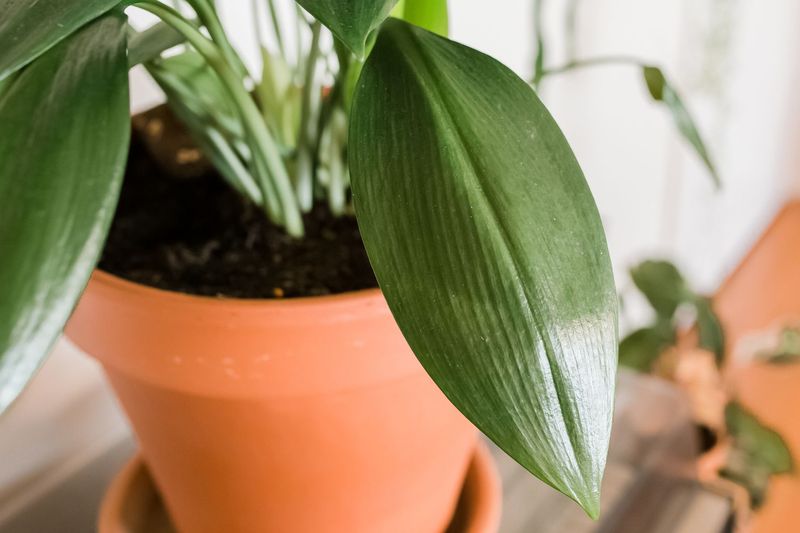
Big leaves collect dust like a bookshelf nobody touches. In a dark corner, that dusty film is a bigger deal than you might expect.
Dust blocks light from reaching the leaf surface. When light is already scarce, every little bit counts.
A clean leaf can soak up more of what’s available and keep growing steadily.
The fix is easy and oddly relaxing. Every month or so, wipe each leaf with a soft, damp cloth.
Support the leaf from underneath with your other hand so it doesn’t crease or tear.
Skip the leaf shine sprays. Many of them can clog the tiny pores on leaves, and plain water gives a natural sheen anyway.
If the plant is very dusty, you can rinse it in a lukewarm shower.
While you’re cleaning, trim any brown or tattered leaves. Cut them at the base near the soil with clean scissors.
The plant looks tidier, and you’ll spot problems early.
Variegated types, with cream stripes or speckles, give you a clue about light. If the patterns fade into plain green, your spot may be too dark.
Move it a little closer to a window, and the markings often return on new growth.
5. Repotting a Slow-Growing Aspidistra Can Wait Years
Patience is the secret word with this plant. Aspidistra grows slowly, often adding only a few new leaves each year.
That slow pace is a gift. You won’t be hauling it to a bigger pot every spring.
Most cast iron plants only need repotting every three to four years, or when roots crowd the container.
Spring is the best time in Ohio, when longer days help roots settle in. Choose a pot just one or two inches wider than the old one.
A pot that’s too big holds extra wet soil, which raises the risk of rot.
Drainage holes are a must. Use a quality indoor potting mix and stir in some perlite or orchid bark for airflow.
The roots like loose, crumbly soil rather than heavy, packed dirt.
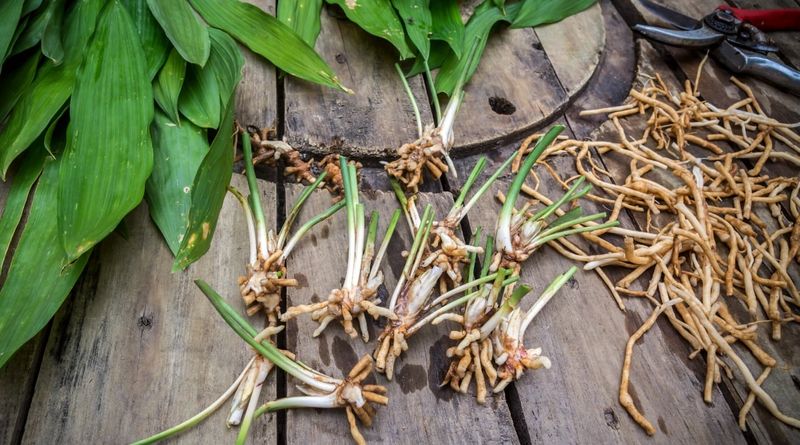
Want more plants? You can divide a crowded clump while repotting.
Gently pull the root mass apart so each section has a few leaves and healthy rhizomes, then pot them separately.
Go easy on fertilizer afterward. A diluted houseplant food once a month in spring and summer is plenty.
Skip feeding in fall and winter, when the plant mostly rests.
6. Curious Cats and Dogs Can Share Space With a Cast Iron Plant
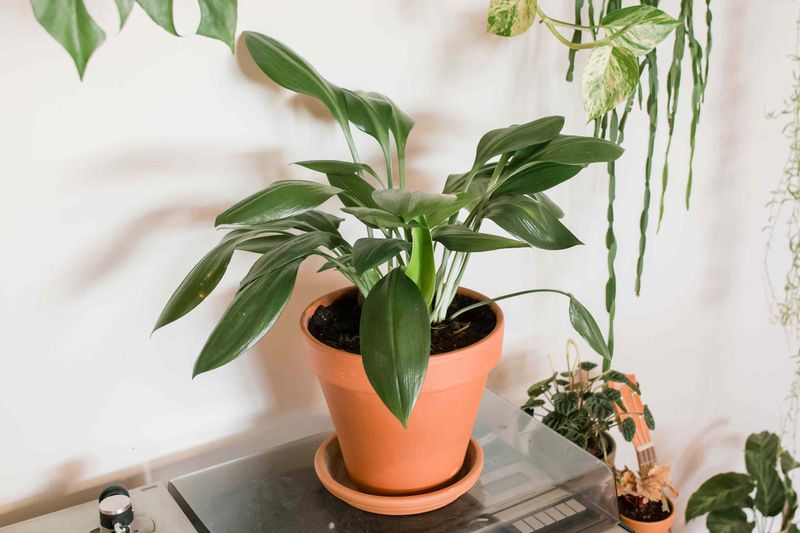
My cat treats every new plant like a salad bar. That’s why I’m such a fan of this one.
The ASPCA lists Aspidistra elatior as non-toxic to cats, dogs, and horses. That’s a welcome relief compared with popular low-light picks like pothos, peace lilies, and dieffenbachia, which can irritate a pet’s mouth and stomach.
Non-toxic doesn’t mean chew-proof, though. A pet that munches lots of leaves may still get a mild upset stomach.
And the leaves will look ragged if your dog decides they’re toys.
A heavy pot helps a lot. Ceramic or stone containers are harder for a playful pup to knock over.
Placing the plant on a low stand can also keep it out of reach of tail wags.
Pests rarely bother this plant much either. Still, check under the leaves now and then for spider mites or scale, especially in dry winter air.
A wipe with soapy water usually handles small problems.
For families in Ohio with kids and pets, this plant checks a lot of boxes. It’s sturdy, safe, and calm-looking.
You can relax and let it sit there being green.
7. A Small Grow Light Rescues a Windowless Corner
Low light and no light are two different things. Even the toughest plant needs some light to make food.
A quick test helps. Stand in the corner at midday.
If you can comfortably read a book without a lamp, your cast iron plant should do fine there.
If the spot is truly windowless, like a basement bathroom or an inner hallway, you have two easy options. First, move the plant to a location where it receives consistent indirect light.
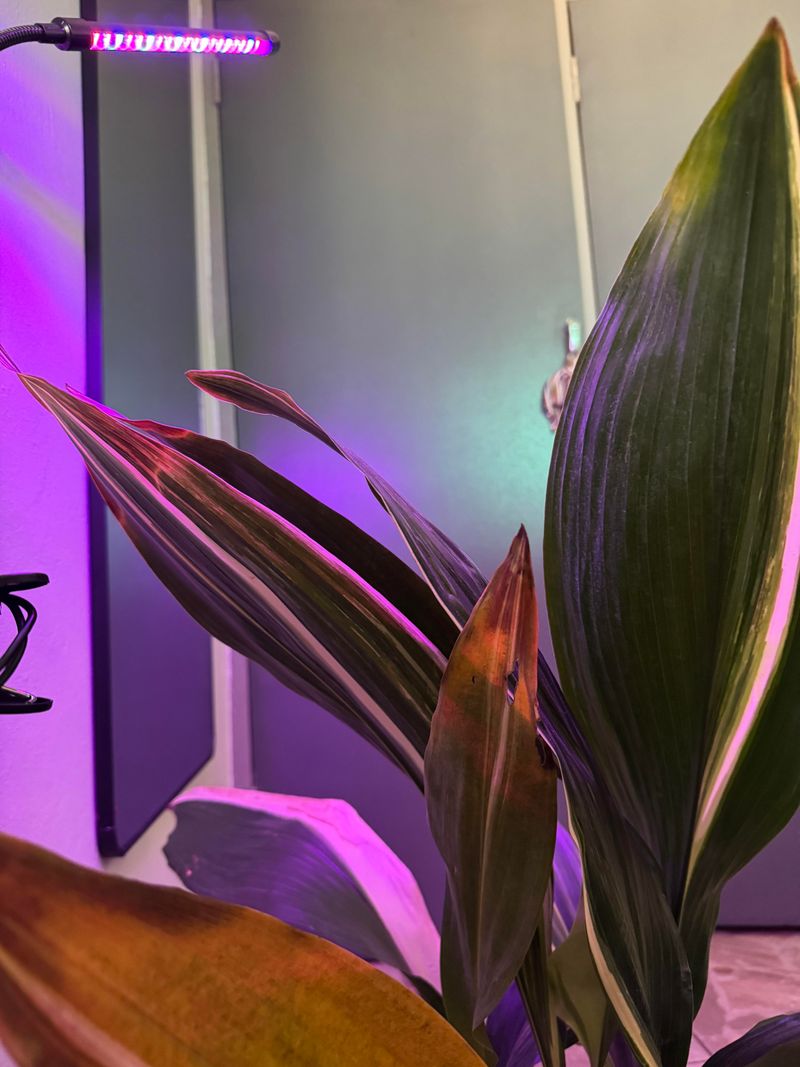
Second, add a small LED grow light.
Clip-on and bulb-style grow lights are affordable and simple to use. Set one on a timer for about eight to twelve hours a day.
Keep it a foot or two above the leaves so they don’t scorch.
Watch the plant for signs. New leaves that come in small, pale, or weak tell you it wants more light.
Dark, sturdy leaves mean your setup is working.
My takeaway is simple. Start with a cast iron plant, give it just enough light, water sparingly, and let it be.
That forgotten Ohio corner can finally hold something green for years.