Something Keeps Circling Your Nebraska Property, And What It’s Looking For May Surprise You
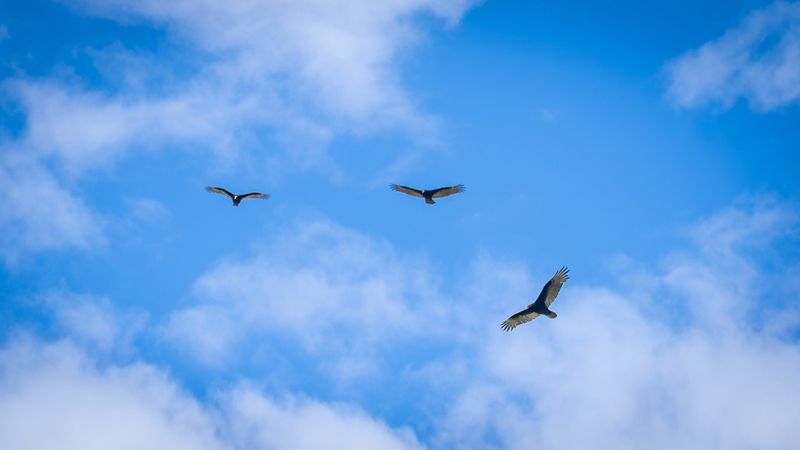
A turkey vulture can smell a meal from high above the treetops, a rare talent among birds. That nose explains a lot about the dark shapes drifting over Nebraska fields and backyards.
I used to assume the worst when I saw them looping over my garden. Turns out the circling usually has more to do with warm air than with anything on the ground. A little reading gave me a whole new respect for those lazy spirals across Nebraska skies.
You might notice the wings tilt like a wobbly kite, or the birds stack up in a slow spinning column. Sometimes a different flier joins them, with a red tail flashing in the sun. Each one is hunting for something different.
Forget the omens: what keeps them returning to your yard is far more practical, and far less spooky, than you’d ever guess.
Those Tilting Turkey Vultures Overhead Are Riding Something Invisible
Warm air is the secret fuel behind most of that circling. On sunny days, plowed fields, rooftops, and gravel roads heat up faster than grass, and that warm air rises in columns called thermals.
Turkey vultures barely flap their wings. They hold them in a shallow V, tilt from side to side, and ride those rising bubbles of air in slow loops.
Circling keeps them inside the thermal, like a kid staying on the fast part of a merry-go-round.
I noticed they rarely show up early in the morning. Later in the day, once the ground warms, they appear like clockwork. That timing is a big clue that the circling is about lift, not about you or your pets.
Turkey vultures return to Nebraska in spring, usually around March and April, and most head south by October. During those months, you may see them almost daily over open country and river valleys.
A circling bird is often just traveling cheaply. Climbing a thermal, then gliding to the next one, lets a vulture cover many miles while burning very little energy. So the first answer to the mystery is surprisingly simple: the bird is saving its strength.
A Turkey Vulture Is Sniffing For Leftovers, Not Your Livestock
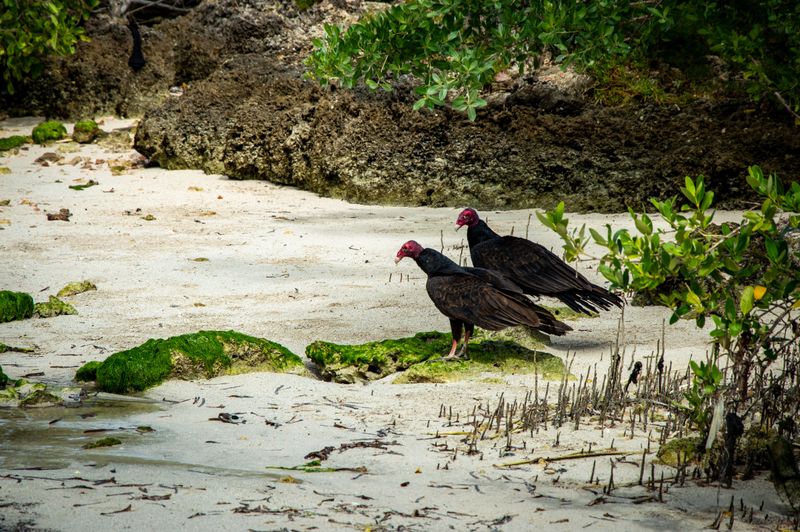
Smell is the real superpower here. Turkey vultures are one of the few North American birds with a strong sense of smell, and they can detect gases released by carcasses from the air.
That keen nose is why they keep checking the same area. A fallen deer in the ditch, a raccoon under the shed, or a fish on the pond bank can pull them in. They prefer fairly fresh remains and usually skip anything too old.
Healthy pets and livestock are not on the menu. Turkey vultures have weak, chicken-like feet that are poor at grabbing or carrying anything. Their beaks are built for tearing soft tissue, not catching prey.
I find it comforting to know they act like a free cleanup crew. Their stomach acid is strong enough to neutralize many germs, which helps reduce the spread of disease around farms and roads.
If they keep circling low in one spot, take a walk around your property. You may find a small animal hidden in tall grass or under a deck.
Removing it with gloves and bagging it usually sends the vultures on their way within a day or two.
That Red-Tailed Hawk Has Its Eye On Your Mice And Voles
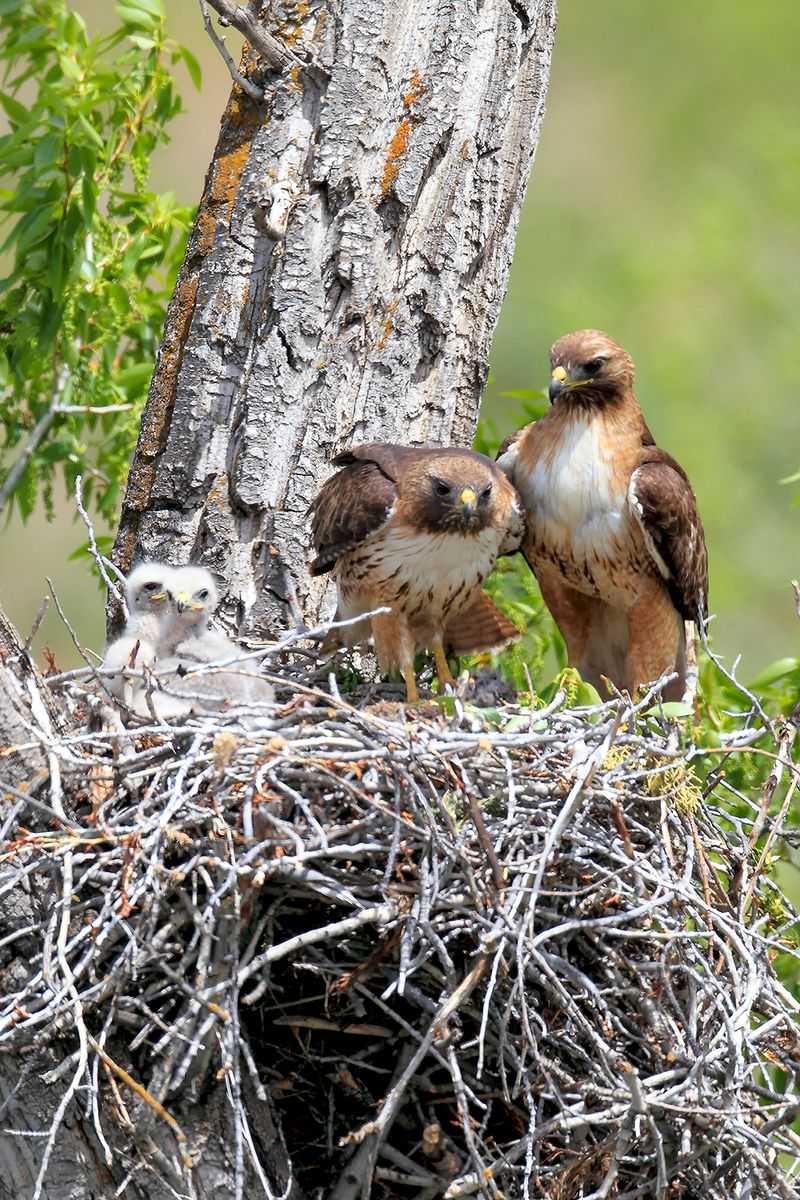
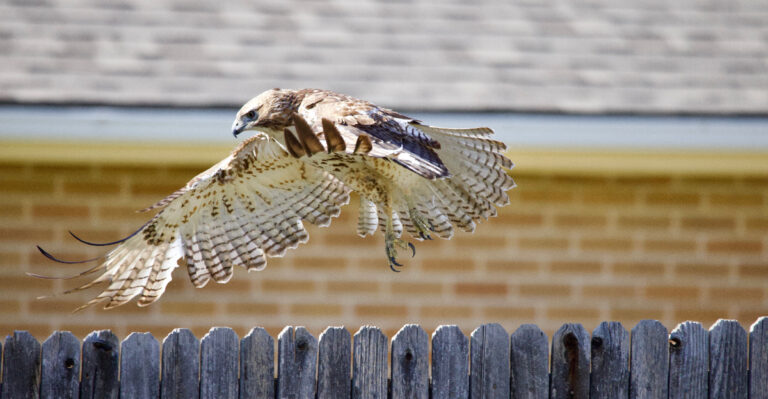
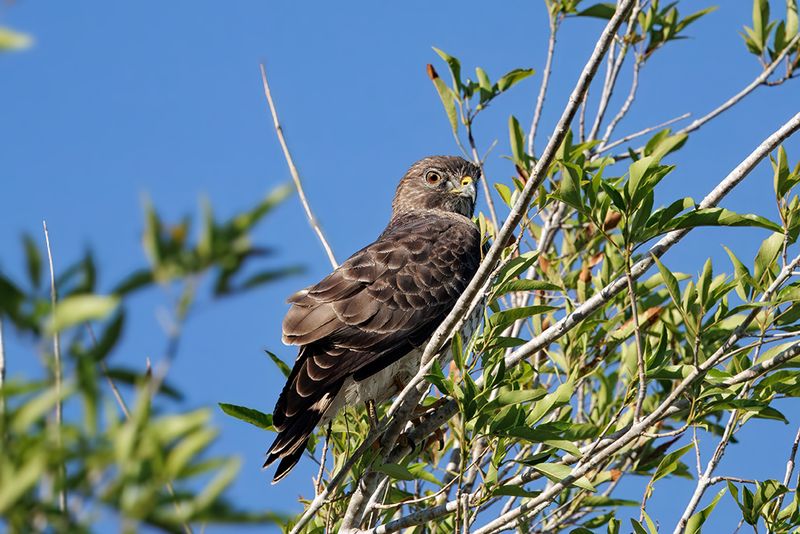
Not every circling bird is a scavenger. If you spot a broad, chunky bird with a rusty red tail glowing in the sun, you are likely watching a red-tailed hawk, the most common hawk in Nebraska.
Red-tails circle for two reasons. They ride thermals like vultures do, and they scan the ground for movement below. Mice, voles, rabbits, and ground squirrels top their shopping list.
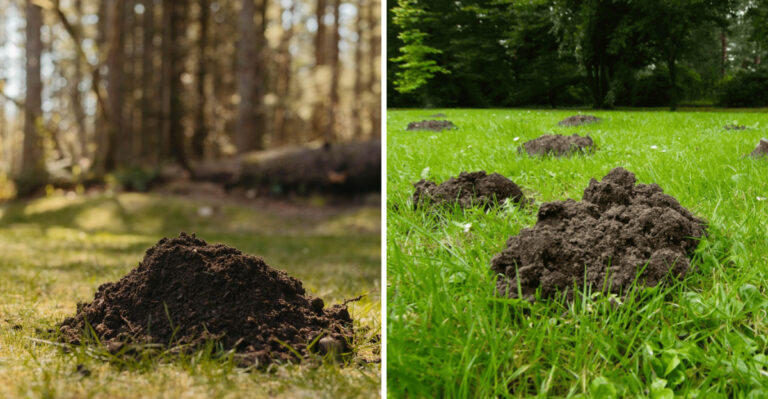
Gardeners, this is welcome help. A single hawk can eat many rodents in a season, and those rodents are the same critters that chew bulbs, tunnel through beds, and nibble tree bark in winter.
You may also hear the classic scratchy scream that movies often use for eagles. That raspy call belongs to the red-tail, and hearing it overhead is a fun way to confirm who is visiting. Hawks often perch on fence posts, utility poles, and tall trees along field edges.
If your property borders pasture or a ditch full of grass, you have great rodent habitat, which makes your yard a natural hunting ground. Leaving a tall, bare-looking snag standing gives them a handy lookout perch too.
Hawks Around The Backyard Bird Feeder Have A Different Target
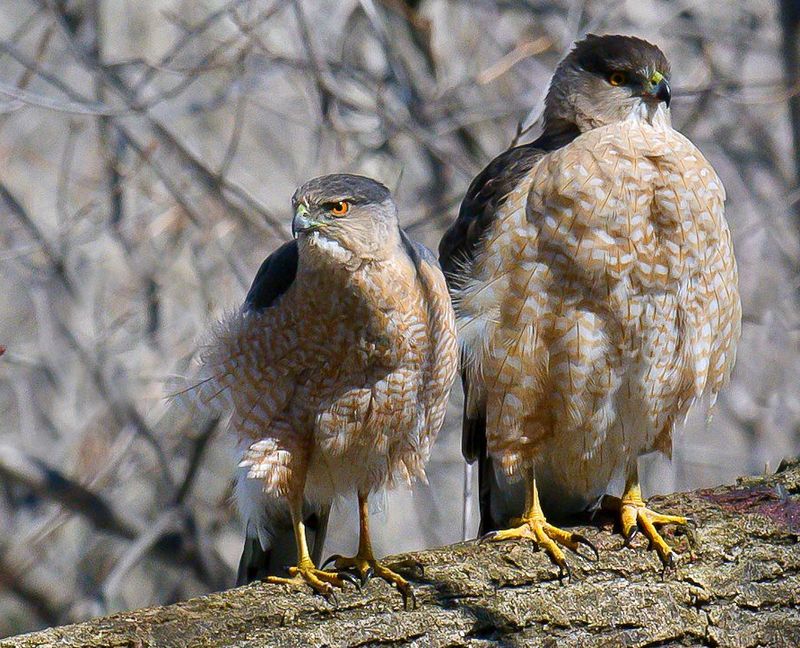
Feeders draw a crowd, and not just finches. Cooper’s hawks and sharp-shinned hawks have learned that busy bird feeders are reliable places to catch songbirds.
These hawks hunt differently than red-tails. They tend to dart through trees and around houses with quick flaps and glides, though they also circle high on warm days. Their long, banded tails help them steer through tight spaces.
Seeing one snatch a sparrow can feel upsetting. Still, it is a natural part of the food web, and a hawk visit usually means your yard supports healthy bird life.
You can give small birds a better chance with a few simple changes. Place feeders near dense shrubs, about 10 feet away, so birds have quick cover without hiding spots for ambush.
Native shrubs like American plum or chokecherry work well in many parts of the state. If a hawk becomes a daily regular, take feeders down for a week or two.
The hawk often moves on, and your songbirds return once you refill. All hawks are protected under federal law, so harming or trapping them is illegal.
Vultures Roosting In Your Tall Trees Are Looking For A Bedroom
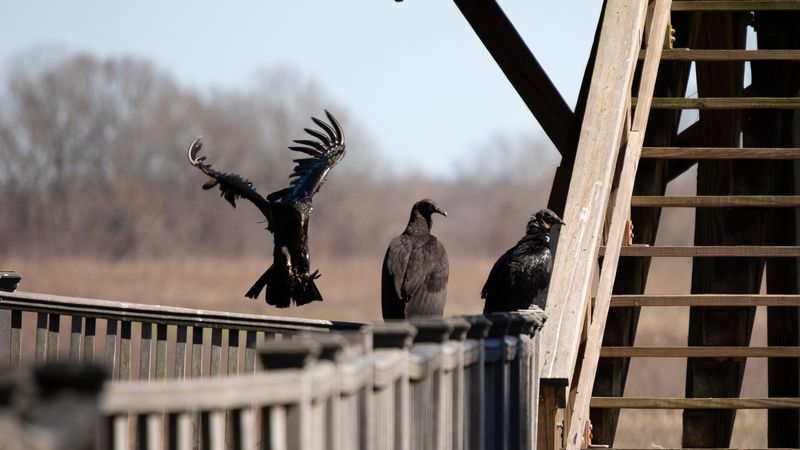
Sometimes the circling ends in your treetops. Turkey vultures roost together at night, often in groups, and they love tall cottonwoods, bare branches, water towers, and old barns.
A good roost offers height, easy takeoff, and a view. Around sunset, you may see them circle lower and lower before settling in. In the morning, they often spread their wings in the sun to warm up and dry off.
Roosts near rivers like the Platte and the Missouri are common, since those corridors offer big trees and steady air currents. Some roost sites get used year after year.
A few birds overhead are harmless, but a large roost can leave a mess. Droppings can stain roofs and decks, and the smell can get strong in hot weather.
Gentle harassment early in the season often encourages them to choose somewhere else. Shiny streamers, motion-activated sprinklers, or simply being active outdoors near dusk can help.
Turkey vultures are protected by the Migratory Bird Treaty Act, so check with the U.S. Fish and Wildlife Service before trying anything stronger. Patience usually works, since they leave for warmer regions each fall anyway.
Spring And Fall Hawk Migration Can Fill Your Sky With Kettles
Ever seen dozens of birds spinning together like leaves in a slow tornado? Birders call that a kettle, and it shows up most often during migration.
Swainson’s hawks are famous for it. These slim hawks spend summers on Great Plains grasslands, including Nebraska, then travel all the way to Argentina for winter. In late summer and early fall, groups gather and ride thermals south together.
Turkey vultures also move in loose flocks during spring and fall. A sudden spike in circling birds over a few days is usually travel season, not a sign that something is wrong nearby.
Swainson’s hawks have a fun habit worth watching for. They often follow tractors and mowers during harvest, snapping up grasshoppers and rodents flushed out of the fields. Grasshoppers make up a big part of their summer diet.
My favorite tip is to grab binoculars on a warm, sunny afternoon in September. Find an open spot with a wide view of the sky and look up for ten minutes.
You may be surprised how many birds are passing over your property without you ever noticing.
Bald Eagles Circling Near Rivers Have Fish On Their Minds
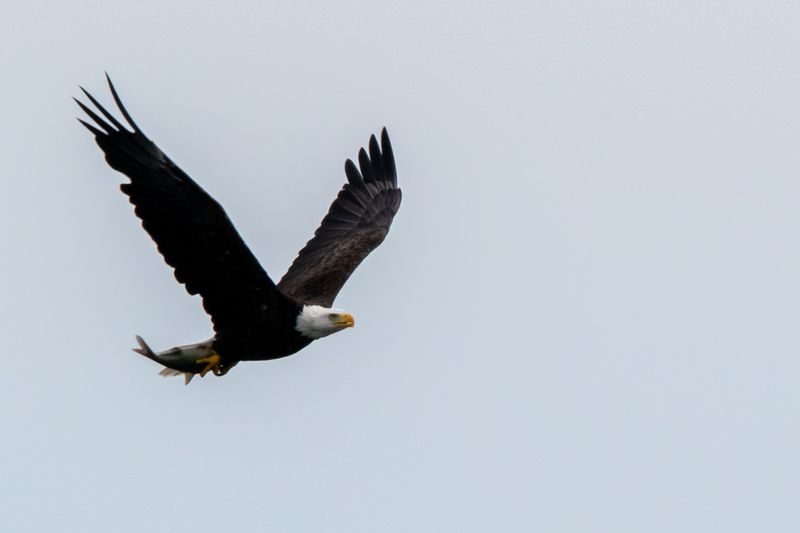
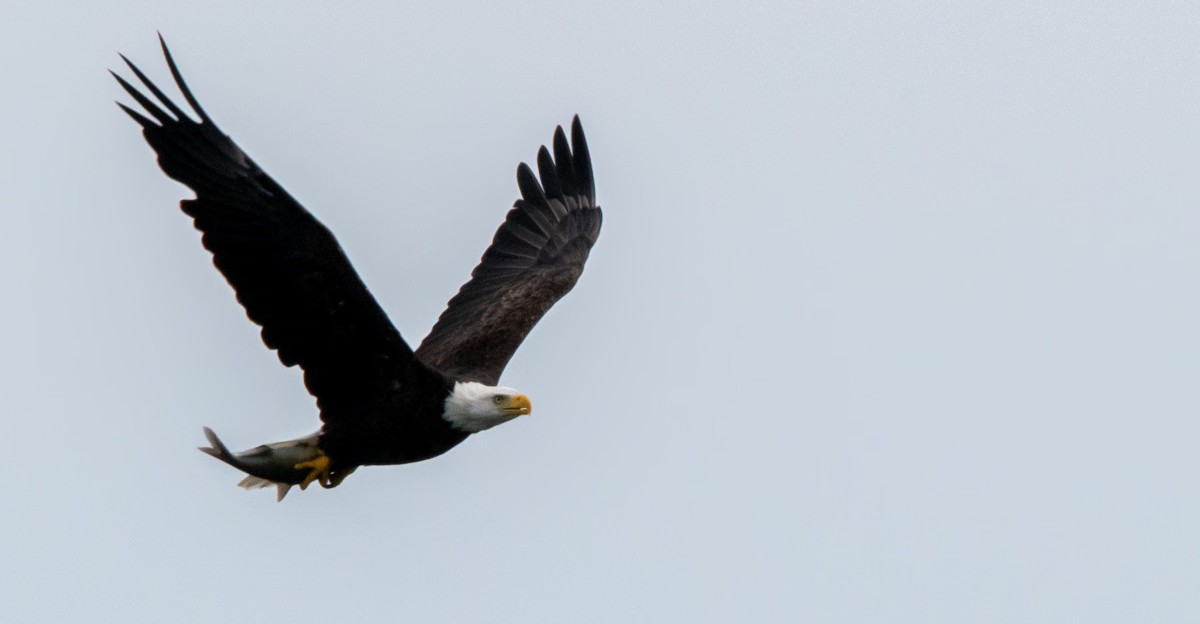
Winter brings a bigger visitor. Bald eagles gather along open water in Nebraska from roughly December through February, especially below dams and along the Platte and Missouri rivers.
Fish are their main target. Eagles circle above open water looking for shad and other fish near the surface, and they will also eat waterfowl and carrion. If you live near a lake, river, or reservoir, eagles may be part of your winter skyline.
Adults are easy to spot thanks to their white heads and tails. Young eagles look mostly brown and blotchy, and people often mistake them for hawks or vultures. Their huge wingspan, often over six feet, helps tell them apart.
Eagles are not a threat to typical pets, though small animals left alone near water could tempt one in rare cases. Keeping tiny dogs and cats supervised outdoors is a smart habit around any raptor.
Several spots in the state host eagle viewing days in winter, including areas near Lake McConaughy and the Kingsley Dam. A warm coat and a thermos of cocoa make it a fun family outing.
A Few Yard Habits Decide Whether Circling Birds Stick Around
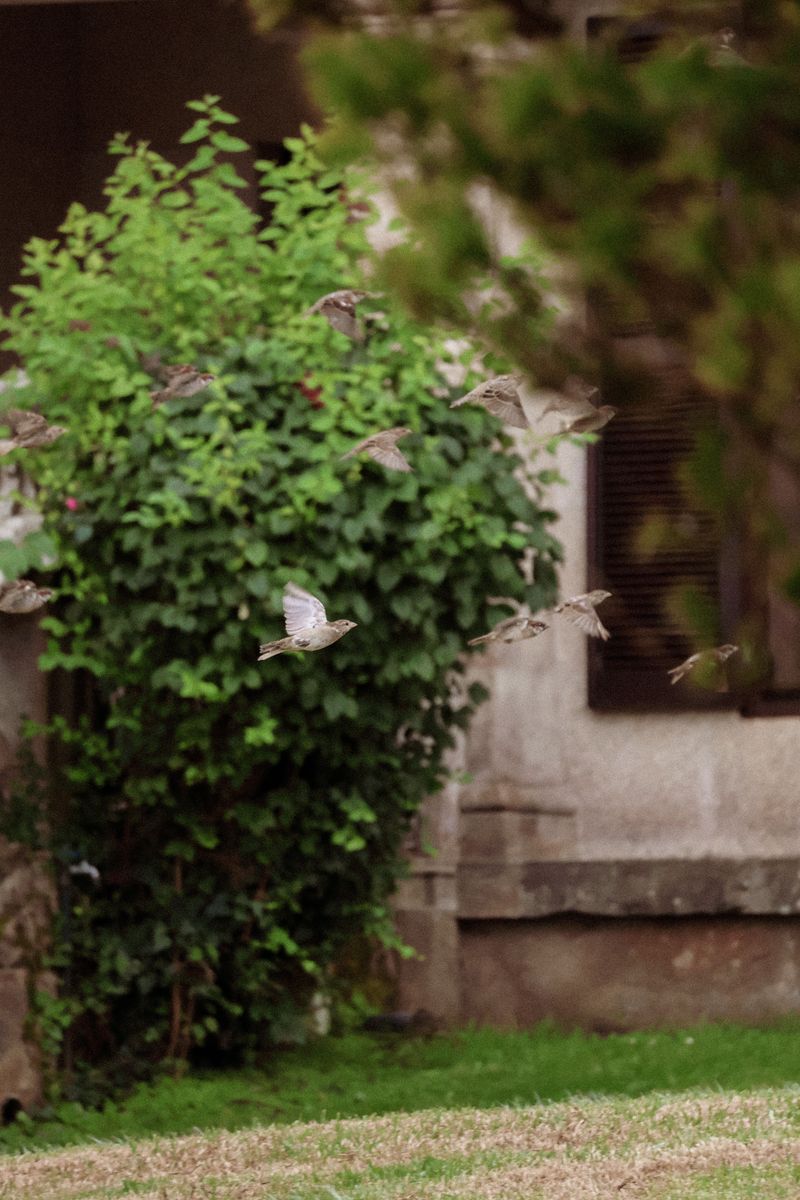
Your property sends signals to every bird in the sky. Food, water, perches, and shelter all influence who drops in and who just passes through.
To discourage vultures, keep trash cans tightly closed and store pet food indoors. Bury or bag livestock afterbirth and remove animal remains quickly. Compost piles should hold plant scraps only, with no meat or bones.
To welcome helpful hawks, leave some open grassy areas where they can spot rodents. A tall perch near a field edge gives them a hunting post. Skip rodent poisons, since hawks and owls can be harmed after eating poisoned prey.
For songbird safety, provide dense native shrubs and evergreens near feeders. Eastern red cedar is native and offers great cover, though it spreads quickly in pastures, so keep it managed.
Most of all, enjoy the show. Circling birds rarely mean danger, and they often signal a healthy, busy landscape.
Keep a simple notebook of what you see and when, and you will start spotting patterns by season. Before long, a dark shape overhead will feel less like a mystery and more like a familiar neighbor.