The Nebraska Coneflower That Blooms All Summer And Gets Showier Every Year
Some perennials show up, do their thing for three weeks, and disappear. This one clocks in around June and simply refuses to leave until frost shuts everything down.
It gets bigger every season. Each bloom cycle feels bolder than the last. And somehow, it manages all of that without you lifting a finger.
Nebraska gardeners have been quietly planting it along fences, in meadow beds, and at the back of borders for decades.
Once you see a mature clump in full summer bloom, you’ll understand why it asks for almost nothing in return. Dividing is rarely on the agenda, and the care routine stays simple year after year.
Just a tough, prairie-born perennial that rewards patience with one of the longest bloom seasons in the garden. If you’ve been searching for something that earns its space and then some, keep reading.
Nebraska’s Favorite Coneflower
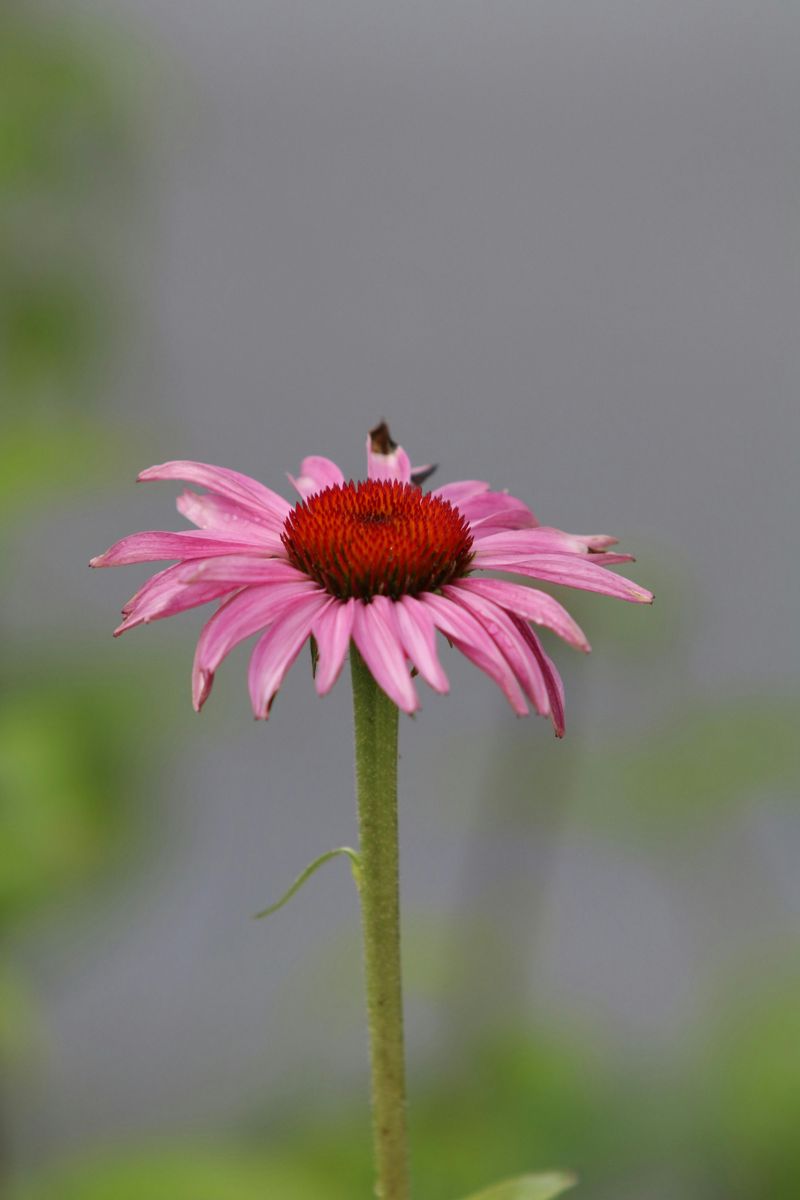
Walk past any thriving Nebraska garden in July, and chances are good you will spot a cluster of bold, rosy-purple blooms nodding in the breeze. That is Echinacea purpurea, the purple coneflower, and it has earned its place as a plains-garden legend.
At home in open meadows and sunny borders across the central United States, it settles into Nebraska soil like it belongs there.
It has been thriving in plains gardens long enough that most gardeners simply think of it as a Nebraska staple.
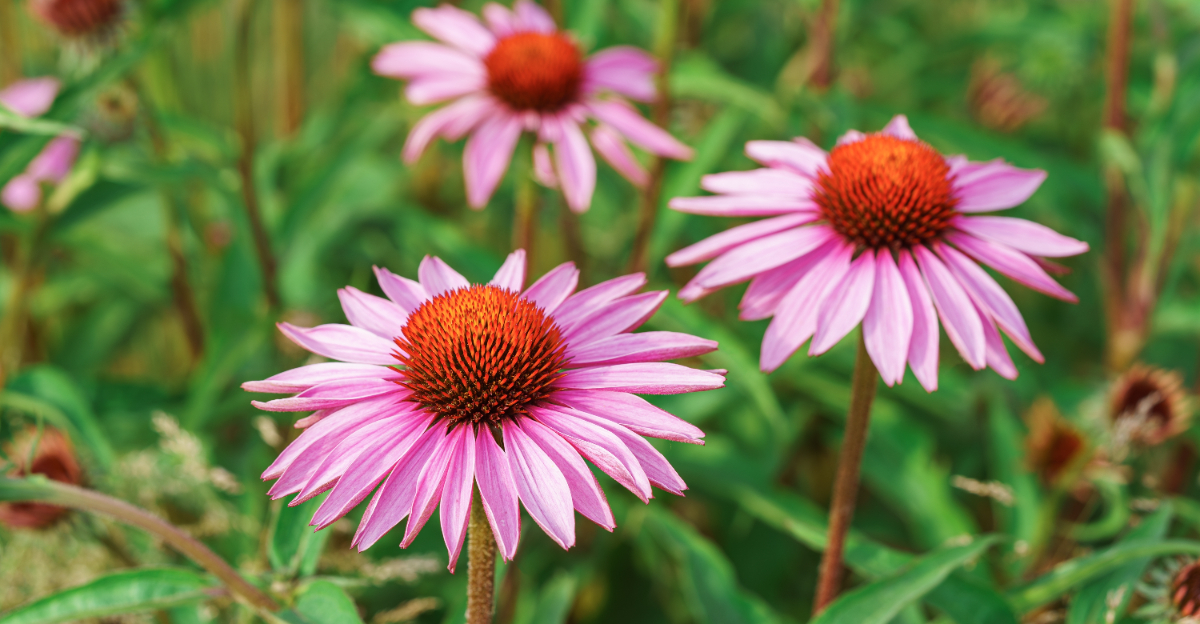
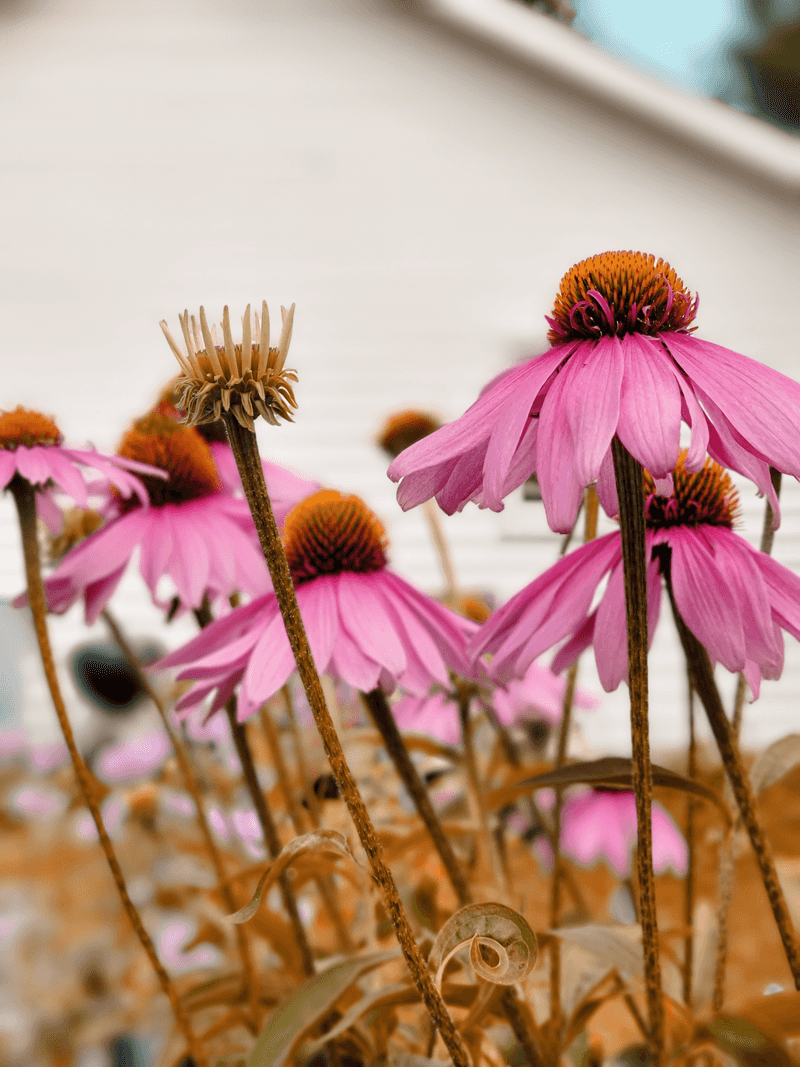
The blooms are distinctive: spiky orange-brown centers surrounded by swept-back purple petals that almost look windblown. Bees land on them like they are tiny landing pads, and butterflies agree completely.
What makes this coneflower special beyond its looks is its stamina. A single plant can push out new blooms from early June well into September, with waves of color returning throughout the season.
Gardeners who have grown it for years describe a satisfying pattern: the plant gets fuller, bolder, and more floriferous with each passing season. That kind of reliable beauty is rare in any garden, let alone one dealing with Nebraska summers.
Whether you are a seasoned grower or just starting your first perennial bed, Echinacea purpurea meets you where you are. It rewards attention but forgives neglect, making it one of the most beginner-friendly plants available for this region.
The Secret Behind Its Long Bloom Season
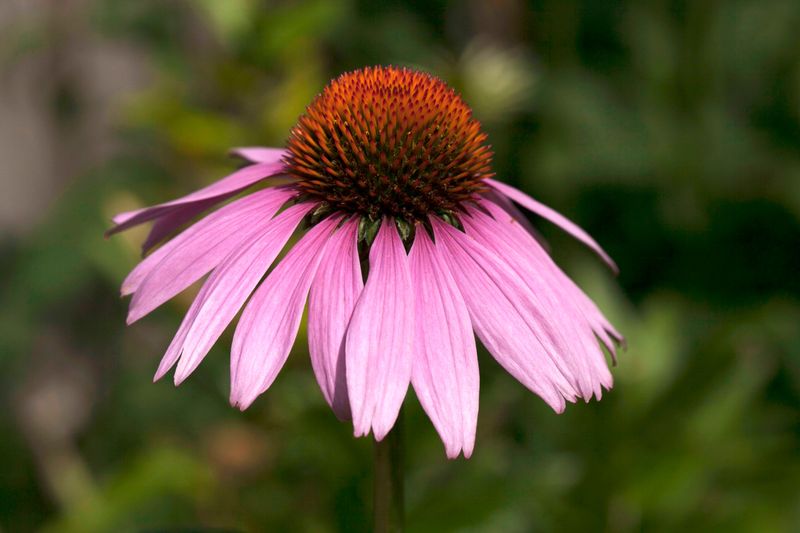
Most perennials give you two weeks of glory, then check out for the rest of the season. Echinacea purpurea laughs at that schedule and keeps going strong for months.
The secret lies in how the plant produces blooms in waves rather than all at once. New buds form continuously at the tips of branching stems, so as one flower fades, another opens nearby.
Removing spent flowers encourages even more buds to form lower on the stem. Snipping off the old blooms sends a signal to the plant that its job is not finished yet.
However, here is a tip many gardeners miss: leave some spent flowers in place as summer winds down. Those spiky seed heads feed goldfinches and other birds well into autumn and even winter.
Your Nebraska Garden Changes Every Week. Your Plan Should Too.
Gardening in Nebraska changes quickly throughout the season. Every Friday you’ll receive a simple weekly plan showing exactly what to plant, prune, fertilize, harvest, and protect so you never miss the right timing.
The plant also benefits from its deep, drought-tolerant root system. During Nebraska’s notoriously hot and dry July stretches, while other perennials wilt dramatically, coneflower keeps right on producing.
Soil drainage plays a big role in bloom longevity too. Plants grown in well-draining soil tend to bloom longer and more vigorously than those sitting in soggy ground.
Understanding this bloom cycle helps you get the absolute most from your coneflower. Good drainage turns a good bloomer into an extraordinary one.
Planting It For The Best Results
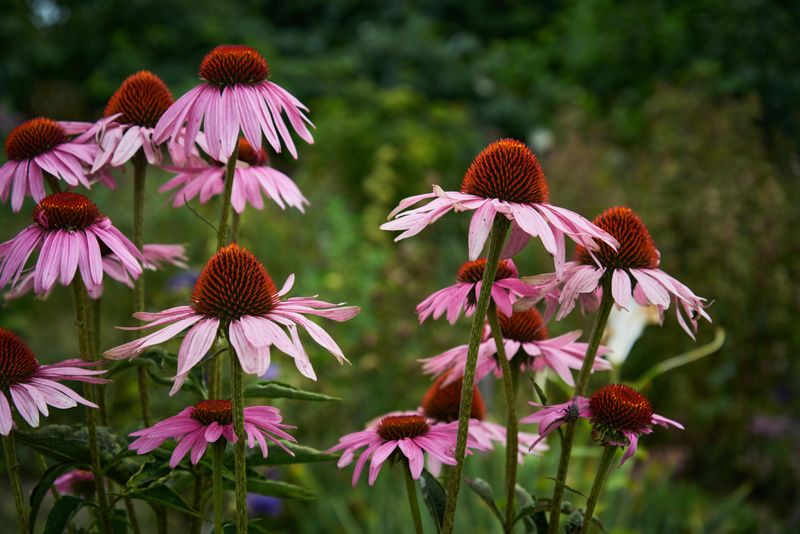
Choosing the right spot makes all the difference when it comes to getting the most from your coneflower. Full sun is the top priority, meaning at least six hours of direct sunlight per day.
Echinacea purpurea tolerates partial shade but tends to get leggy and produce fewer blooms when light is limited. A south-facing or west-facing bed is usually the sweet spot in most yards.
Soil preparation does not need to be elaborate. These plants actually prefer average to lean soil over rich, heavily amended beds, which can cause floppy, oversized growth.
When planting from a nursery pot, dig a hole just slightly larger than the root ball. Set the crown at soil level rather than burying it too deep, which can lead to crown rot in wet springs.
Water new transplants consistently for the first few weeks while roots establish. After that initial period, you can step back and let the plant handle dry spells on its own.
Spacing matters more than people expect. Give each plant about eighteen to twenty-four inches of breathing room to allow good air circulation, which reduces the chance of powdery mildew on leaves.
Planting in groups of three or five creates a more natural, impactful display than a single isolated specimen. A well-placed cluster of coneflowers can anchor an entire garden bed and carry the visual weight of the space effortlessly.
Showier With Every Passing Year
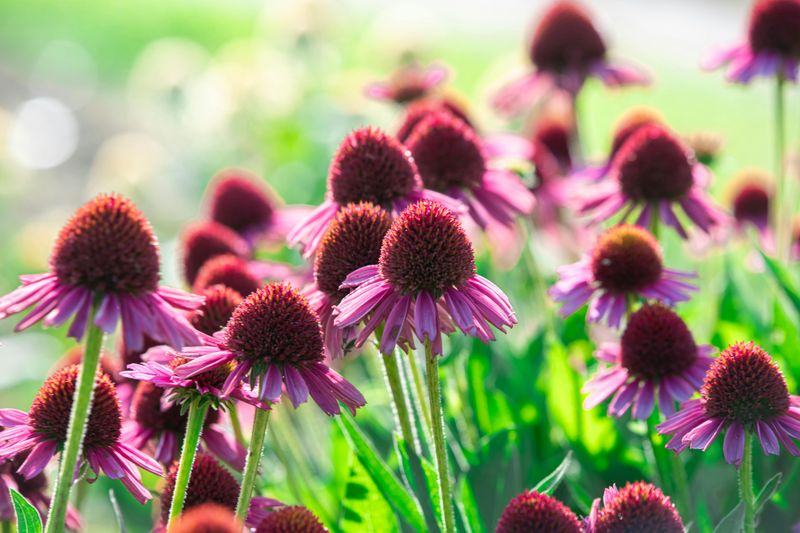
Year one of growing coneflower is pleasant but modest. You get a handful of blooms, some sturdy stems, and a general sense of promise.
Year two is where things start getting interesting. The root system has settled in deeply, and the plant responds with noticeably more stems and a fuller, rounder shape overall.
By year three, you have something genuinely impressive on your hands. A mature Echinacea purpurea clump can produce dozens of blooms simultaneously, creating a bold, eye-catching display that stops people mid-stride.
This increasing showiness is partly due to the plant’s natural growth habit. Each year, the crown expands slightly outward, producing more growing points and therefore more flowering stems.
Unlike many perennials that exhaust themselves after a few seasons, coneflower keeps building momentum. Gardeners often report their best displays coming in years four and five, with no special intervention required.
Feeding is minimal. A light application of balanced slow-release fertilizer in early spring gives the plant a small boost without pushing it into overly lush, floppy growth.
Watching a coneflower mature over several seasons is one of those genuinely satisfying gardening experiences. You put in modest effort early on, and the plant rewards you with something increasingly spectacular year after year.
Does It Actually Need Dividing
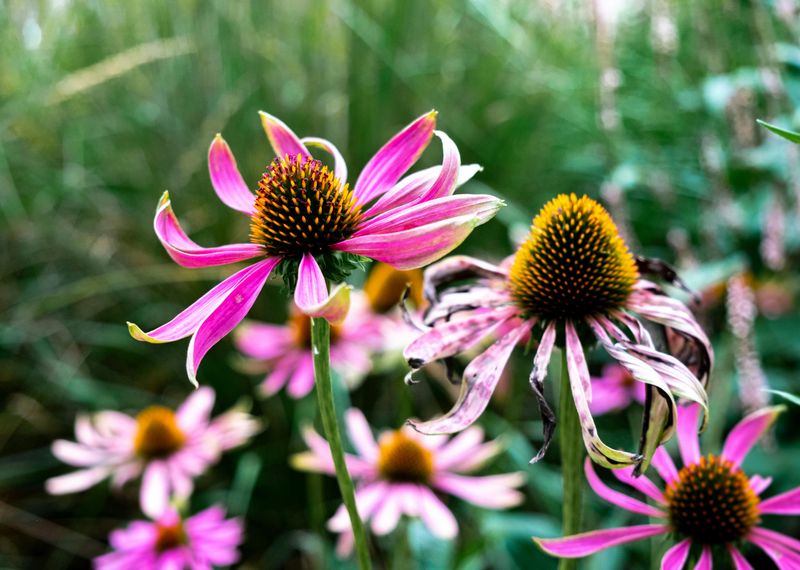
One of the most common questions about coneflower is whether it needs to be divided regularly like hostas or daylilies. The short answer is: not really, and not often.
Echinacea purpurea is genuinely one of those perennials that thrives with minimal interference. Unlike plants that become congested and decline without frequent division, coneflower tends to get better when left alone.
That said, after seven to ten years, the center of a very large clump can occasionally become woody and less productive. At that point, dividing is a helpful option rather than a strict requirement.
If you do decide to divide, early spring is the best time, just as new growth emerges from the soil. Use a sharp spade to cut through the crown cleanly, and replant divisions promptly with good soil contact.
Divisions taken from the outer edges of an established clump tend to establish faster and bloom sooner than those taken from the woody center. Toss the old center section if it looks spent and focus on the vigorous outer portions.
One practical reason to divide is simply to create more plants for other areas of the yard or to share with neighbors. A single mature clump can yield four to six new divisions without any real loss to the original display.
The beauty of coneflower is that dividing is a choice, not a chore. You get to decide when and whether to do it, and the plant handles both options gracefully.
The Best Spots In Your Nebraska Yard
Placement is everything when it comes to getting coneflower to perform at its best. Fortunately, this plant is adaptable enough to work in several different garden settings.
A sunny mixed perennial border is the classic choice. Pair coneflower with black-eyed Susans, ornamental grasses, and salvia for a prairie-inspired combination that looks intentional and effortless at the same time.
Rain gardens with good drainage and occasional saturation can work, but avoid spots where water pools for more than a day or two.
Foundation plantings along the sunny south or west side of a house work beautifully too. The extra warmth along a south or west-facing wall suits this heat-tolerant plant well.
Cottage garden styles suit coneflower naturally. The loose, relaxed shape of a mature clump fits right in alongside roses, catmint, and coreopsis without looking forced or overly structured.
Pollinator gardens are arguably where coneflower shines brightest of all. The blooms attract swallowtail butterflies, bumblebees, and native bees in impressive numbers throughout the entire summer season.
Even a container garden on a large sunny patio can support a coneflower or two. Use a deep pot with drainage holes, and you bring all that prairie energy right up to your back door where you can enjoy it up close every single day.