A Ghostly White Plant With No Green In It Is Rising From New Jersey’s Forest Floors Right Now
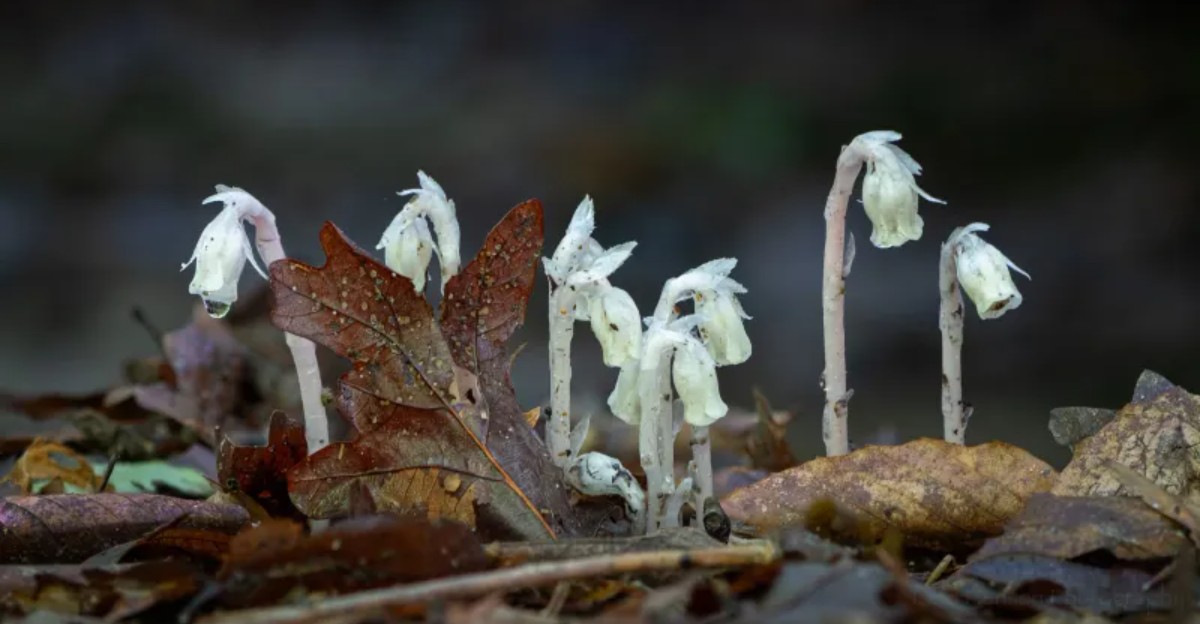
You almost step on it before you realize it’s alive. New Jersey woods put on this show through the fall.
Rain and cold soil push it upward while you watch. Pale wax seems to drip from a candle you didn’t light.
Lean closer, because your eyes might deceive you. No green pigment hides inside the stem you’re studying.
Underground fungi, linked to the roots of nearby trees, quietly feed the pale guest you found. Botanists argued for centuries over what you’re seeing.
Squirrels ignore it, though you can’t stop staring. Hikers stop mid-step, sure you found a melted candle. Trails across New Jersey hide this secret past the ferns you pass.
Handled or broken stems darken within hours. Curiosity pulls you in while questions multiply fast. This eerie plant refuses to let you look away.
Ghost Pipe, The Plant That Quit Sunlight
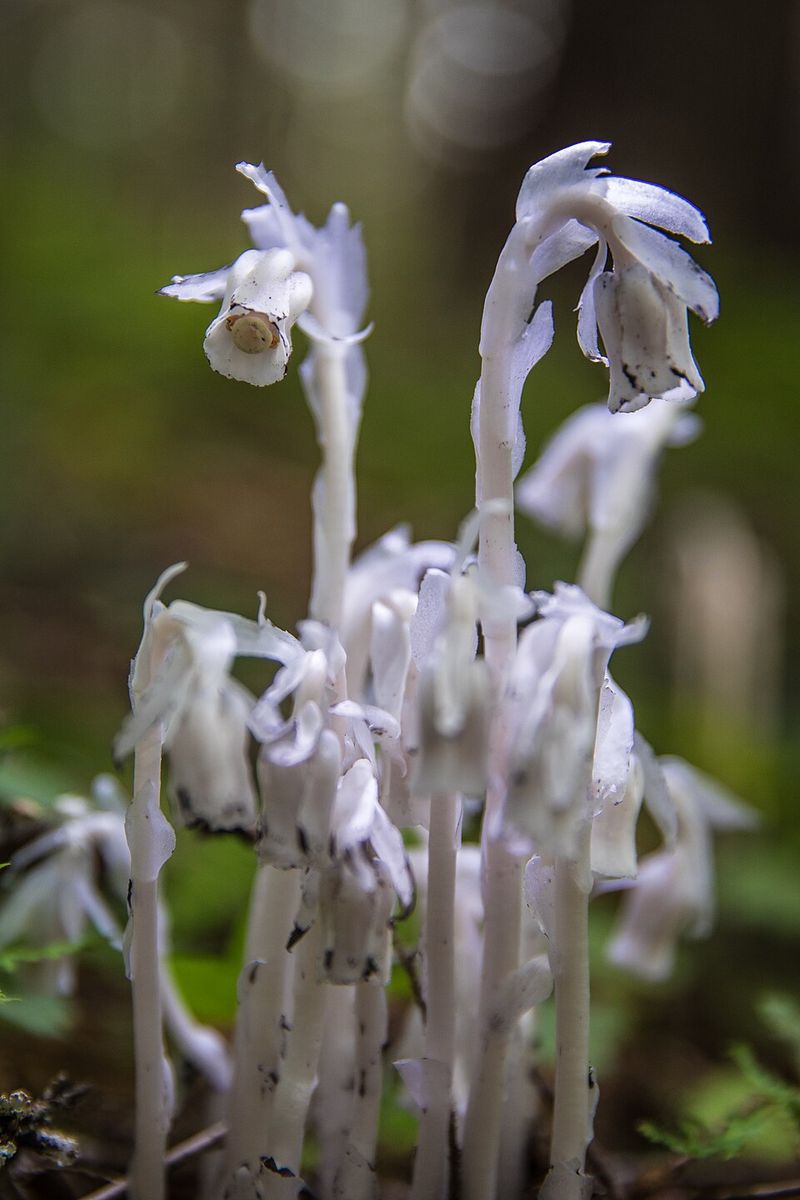
Most plants build their own food from sunshine, but this pale stem skipped that lesson years ago. Ghost Pipe, known to scientists as Monotropa uniflora, carries no chlorophyll and no green tissue anywhere.
The stalk pushes up looking like carved candle wax, topped by one nodding, bell-shaped flower. Height rarely passes eight inches, so you often spot a cluster only after nearly stepping on it.
Older field guides called it Indian pipe, a nod to the shape of the drooping bloom. Modern botanists shifted it into the blueberry family, which surprises nearly everyone who hears it.
Despite the pale look, Ghost Pipe is a true flowering plant with petals, pollen, and seeds. Bumblebees visit the hanging blossoms, crawling inside to reach pollen tucked within the waxy hood.
Color varies more than people expect, from milky white to soft pink and rare salmon shades. Look closely at each patch, since pinkish stems can turn up among the white ones.
Because it holds no green, it can grow in deep shade where most seedlings struggle. Dark ravines, hemlock slopes, and thick oak stands suit it far better than a sunny clearing.
Once you learn the shape, your eyes start catching it everywhere along familiar trails. That first sighting tends to stick with people for years, a small woodland surprise.
Photographs rarely capture the glow properly, since the stems reflect light like polished porcelain. Seeing it in person, low in the leaf litter, is a different experience altogether.
A Secret Deal With Underground Fungi
Without chlorophyll, Ghost Pipe needs another way to eat, and its solution is wonderfully sneaky. Its roots tap into fungal threads that already trade nutrients with nearby trees underground.
Scientists call the strategy mycoheterotrophy, a process where the plant draws nutrients from a shared fungal network. The fungi, often russula and lactarius species, pull sugars from tree roots through a partnership.
Ghost Pipe cuts into that partnership and siphons off sugar without offering much in return. Beech, oak, and pine trees essentially feed the pale stalk through a helpful fungal middleman.
The arrangement explains the odd habitat rules that puzzle gardeners who want it in their yard. No mature host trees and no established fungal network mean no Ghost Pipe at all.
Your New Jersey Garden Changes Every Week. Your Plan Should Too.
Gardening in New Jersey changes quickly throughout the season. Every Friday you’ll receive a simple weekly plan showing exactly what to plant, prune, fertilize, harvest, and protect so you never miss the right timing.
Transplanting the plant fails almost every time, because the hidden network cannot move with it. Nurseries do not sell it, and seeds scattered in a flower bed accomplish nothing.
Rich, moist, undisturbed soil full of decaying leaves supports the fungi that support the flower. Old woods with deep duff layers hold the best chance of a strong yearly showing.
Root systems can sit underground for years, quietly gathering resources before a single stem appears. What you see above the leaves is a brief chapter of a much longer story.
Understanding that hidden plumbing changes the way most hikers treat the patch they find. It is less a simple wildflower and more the visible tip of a forest-wide bargain.
Damp Fall Weather And The Timing Of The Bloom
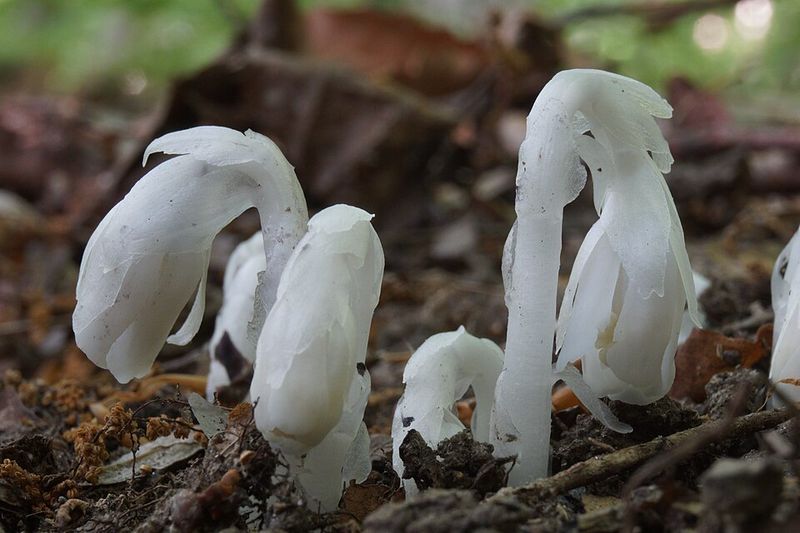
Summer usually gets credit for Ghost Pipe, but in New Jersey stems can appear from midsummer into fall, and damp autumn weather can stretch the season. Warm soil, steady rain, and cooling nights keep new stems coming into the fall.
Thunderstorms in late summer can start it, and fall fog and drizzle keep the show running. Look during the week after a soaking rain, when leaf litter stays damp all day.
Each stalk lasts only a week or two before it darkens and stiffens into a seed capsule. Timing matters, so a favorite spot can look empty one weekend and crowded the next.
Morning hours give the best viewing, since low light makes the white stems seem to glow. Bring a small flashlight for shaded ravines, where the clusters hide under fern fronds.
Colder nights toward Halloween slow everything down, and frost finally ends the season above ground. By early November, most stems have turned brown-black and stand upright like tiny pipes.
Seasons vary, and a dry spell can push the display later or thin it out. Wet years produce clusters of twenty or more stems crowded together in a single patch.
Trail journals help more than any calendar, because local conditions drive the whole schedule. Jot down the date and the weather, then check that same slope next October.
Patience pays off here, and the hunt itself makes a fine excuse for a fall walk. Half the fun is scanning the ground while everyone else stares at colorful leaves.
Prime Habitat Across New Jersey Woodlands
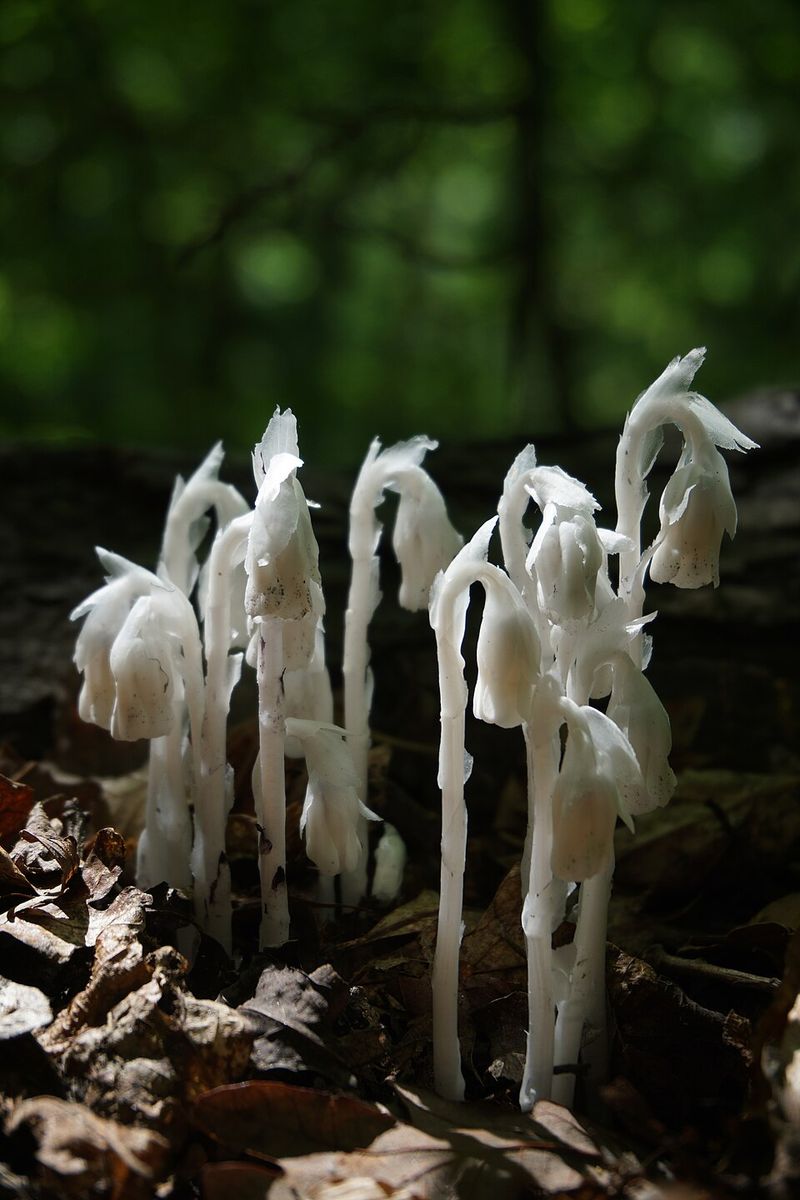
From the Kittatinny Ridge down to the Pine Barrens, Ghost Pipe finds quiet corners all statewide. Shade, moisture, and old undisturbed trees form the short checklist that matters most here.
Northern New Jersey offers hemlock ravines and mature beech stands. Central Jersey hikers do well in older oak woods. Look on north-facing slopes, where the soil stays cool and damp long after heavy rain.
Southern pinelands surprise people, since Ghost Pipe grows near pitch pine and oak in damp hollows. Patient walkers have reported sightings in damp hollows in past years.
Leaf litter depth gives the best clue, so skip thin, hard-packed ground near busy trailheads. Undisturbed pockets of deep leaf litter often hold colonies, and many can be spotted from the trail edge with a slow, careful look.
Mossy logs, fallen limbs, and thick humus often sit within arm’s reach of a colony. Neighbors in shade, like Indian cucumber root and partridgeberry, hint at suitable growing ground.
Stay on established trails, especially inside state parks and nature preserves. Rules on collecting plants differ by park and preserve, so check the regulations for the specific site you visit.
County parks and land trust preserves count too, and they often get less foot traffic. A neighborhood woodlot with big old trees can hold a surprising number of pale stems.
The Picking Mistake That Strains A Colony
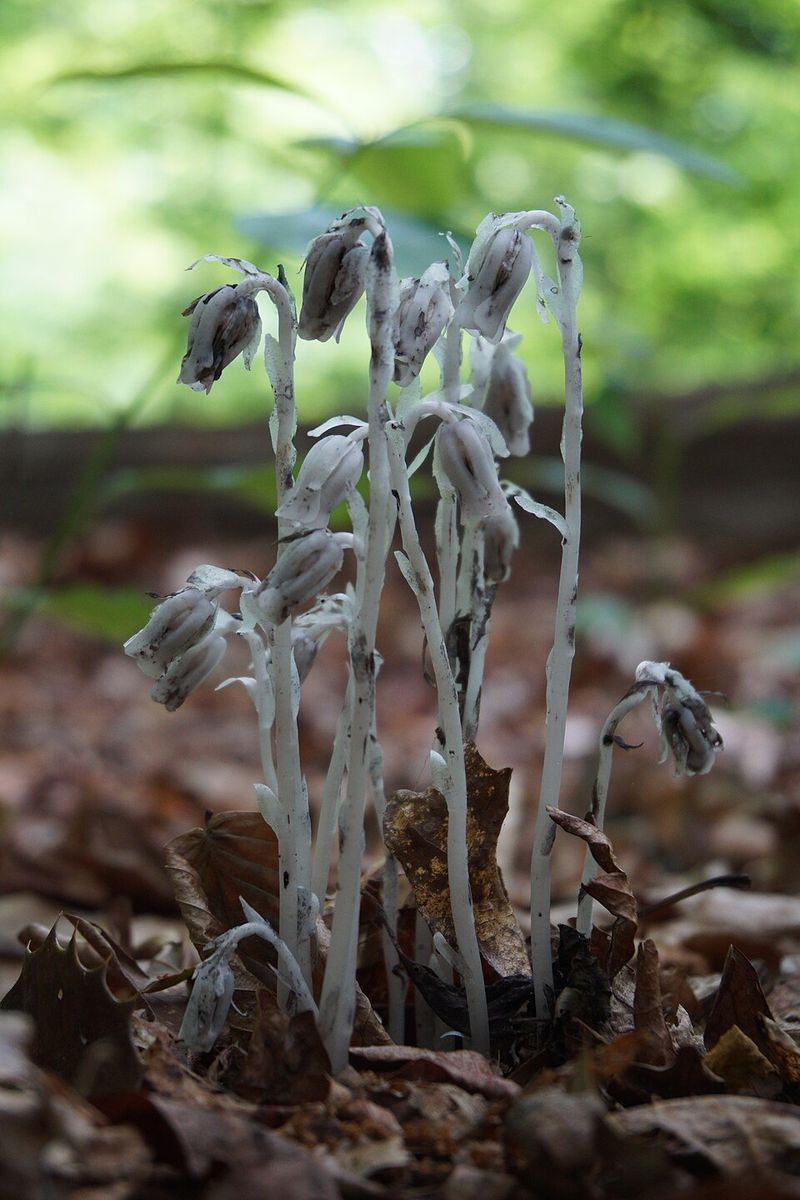
Somebody spots the glowing stems, reaches down, and snaps one off for a quick photo prop. Within hours, the stalk begins turning black, and the darkening can’t be undone.
Ghost Pipe is hard to press, dry, or display, because the tissue darkens once it is disturbed. That is one reason old collectors found it so frustrating.
Picking also removes the flower before it sets seed, which cuts off the next generation. A colony may take several years to rebuild after repeated visits from souvenir hunters.
Some conservationists worry that growing interest in herbal remedies is increasing harvest pressure on wild populations.
Herbal products made from the plant are sold, but its fungal partnership makes it very hard to cultivate, so supply is generally thought to come from wild harvest.
Trampling causes quiet damage too, compacting the soil and crushing the delicate fungal threads below. A tripod planted in the middle of a patch does far more harm than one footprint.
Dogs off leash, rolling logs, and raking leaves aside for a shot all add up. Each small disturbance chips away at conditions that took decades to develop in the soil.
Leaving stems alone costs nothing and keeps the display available for the next curious hiker. Popular spots can fade when too many visitors disturb them.
Simple Habits That Protect A Ghost Pipe Patch
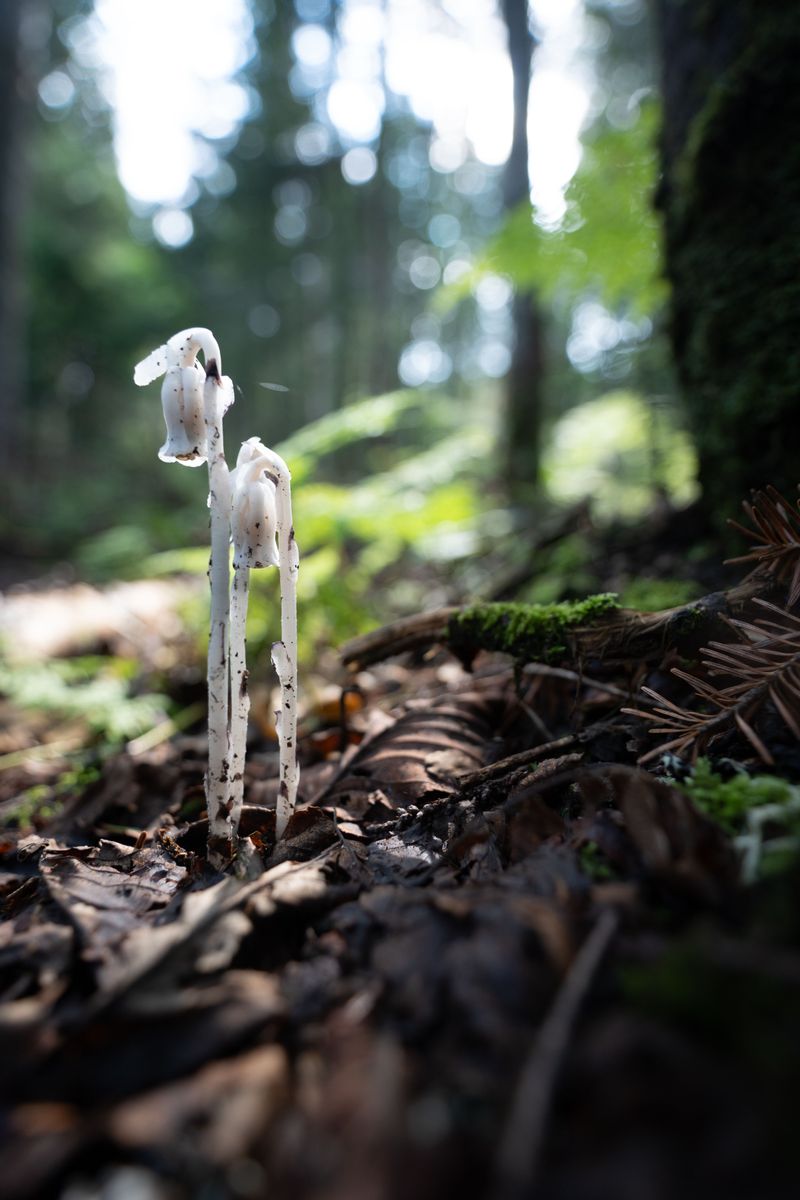
Good news arrives here, because protecting Ghost Pipe asks very little from anyone who visits. Look with your eyes, keep your boots on the trail, and let the pale stems stand.
Photographers get sharp results by kneeling on the path and using a longer lens instead. A phone held low, with the flash turned off, captures the waxy glow surprisingly well.
Skip the urge to clear leaves or twigs from around the flower for a tidier frame. Those fallen leaves feed the fungi, and the fungi feed the plant you came to admire.
Share locations carefully, since a geotagged post can bring crowds into a fragile hollow. Describing the park generally, without pinpoint coordinates, protects the patch and still tells the story.
Consider logging unusual sightings on platforms like iNaturalist or sharing them with a local land trust. Citizen observations can help researchers track shifts in bloom timing and range.
Supporting groups that preserve mature forest does more for Ghost Pipe than any single rule. Old trees, deep leaf litter, and undisturbed soil form the whole recipe for long survival.
Teach kids the look-only habit early, and they tend to carry it into adulthood. A story about a plant that feeds through hidden fungi beats any lecture about rules.
Come back next October and the patch may greet you again, slightly wider than before. Few forest sights reward a little restraint so clearly, or so quietly, year after year.