What It Means When You See These Funnel Webs Creeping Across Your New Jersey Lawn
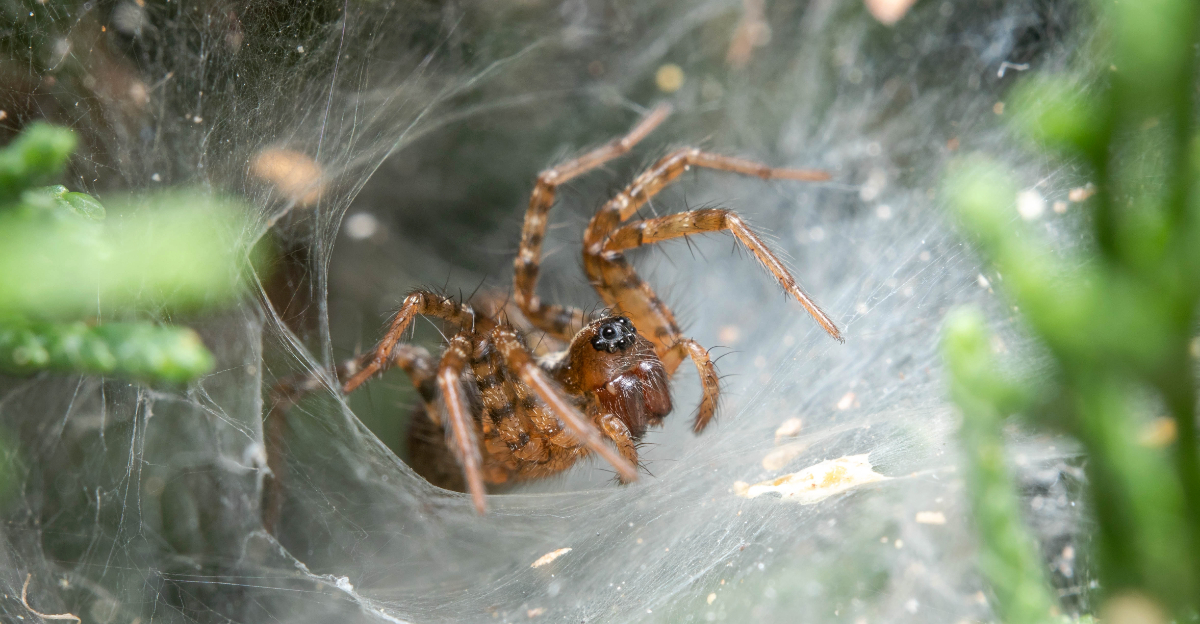
Your grass looks like it hosted a secret overnight gathering. Silver threads stretch between blades, catching the morning light in ways that feel almost staged.
Walk closer and the pattern gets stranger. These aren’t random strands tossed by wind or rain. They’re tunnel-shaped, deliberate, and scattered across your yard like a miniature map.
New Jersey lawns see this more than most people realize, and the shapes hold real clues. What’s living in your grass, how healthy your soil ecosystem might be, even what season shift triggered the sudden show.
Before you grab a hose or panic about pests, there’s context worth having. The story behind those glistening tunnels changes how you’ll want to handle your lawn this week.
The Spider Species Behind This Common Lawn Sighting
Spotting a funnel web for the first time can stop you cold. The good news? The culprit is almost always a funnel weaver spider, not something sinister.
Funnel weavers belong to the family Agelenidae. They are incredibly common across the northeastern United States, including throughout New Jersey.
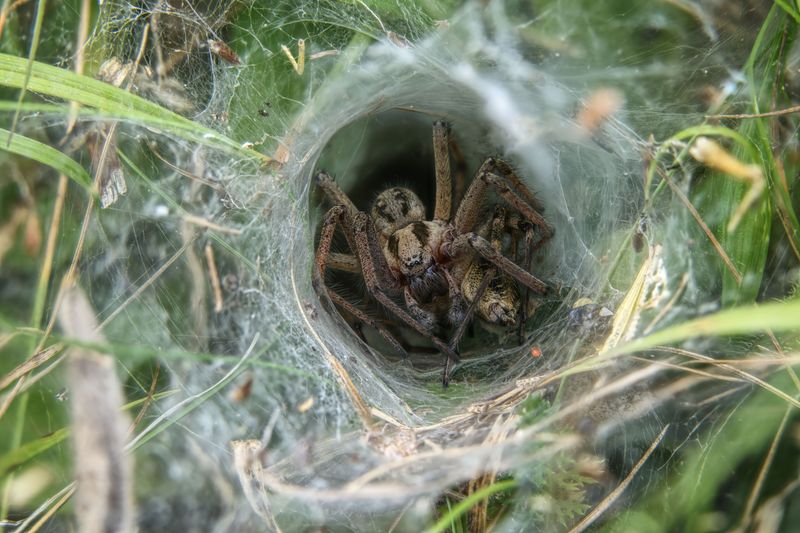
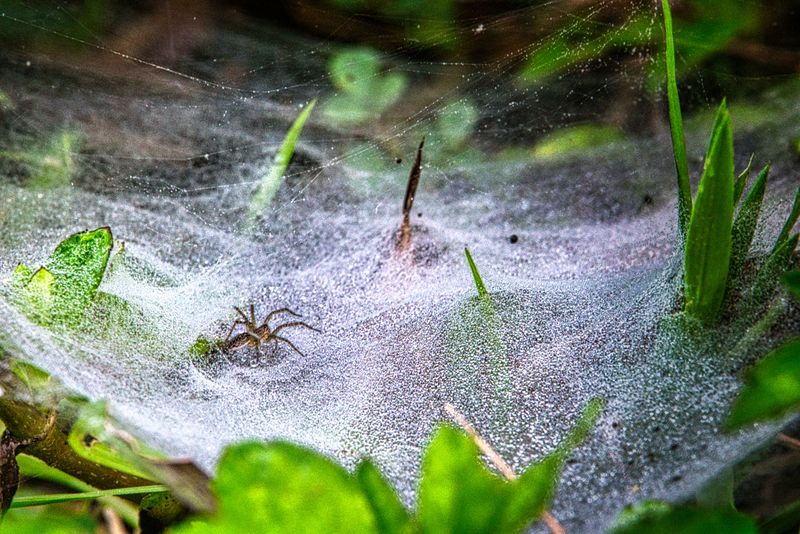
These spiders spin flat, sheet-like webs with a narrow tube at one end. That tube is their home base, where they wait patiently for prey to stumble onto the flat surface above.
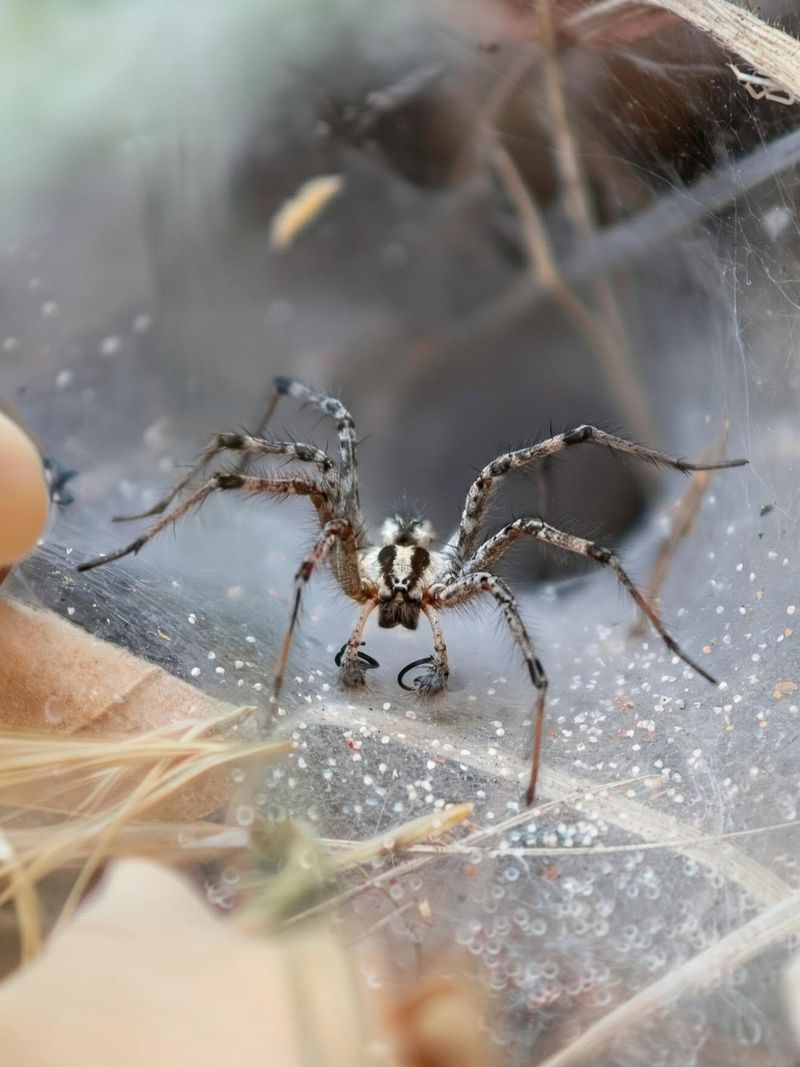
The most common species you will spot locally include Agelenopsis emertoni and Agelenopsis pennsylvanica. Both are brown, small, and fast-moving when disturbed.
Funnel weavers are not the same as the infamous Sydney funnel-web spider found in Australia. That species is venomous and aggressive, while our local varieties are shy and mostly harmless.
Most homeowners never even see the spider itself. The web is usually the only visible sign of their presence in your yard.
These spiders are actually beneficial predators. They catch and consume gnats, flies, and other small insects that might otherwise bother you during a backyard barbecue.
Knowing exactly which spider is behind those funnel webs creeping across your New Jersey lawn helps you make smarter decisions. Panic is not necessary, but awareness absolutely is.
Conditions That Attract Funnel-Weaving Spiders To Lawns
Your lawn is basically a five-star hotel for funnel weavers right now. Certain yard conditions make your grass irresistible to these web-spinning tenants.
Tall, dense grass is the number one attractant. Funnel weavers need anchoring points to stretch their flat webs, and thick turf gives them plenty of support.
Moisture plays a huge role too. Dewy mornings and consistently damp grass create the perfect habitat for these spiders to thrive and reproduce.
Heavy mulch beds, leaf piles, and ground cover plants near your lawn edges also invite them in. These areas provide shelter, warmth, and a steady supply of smaller insects to hunt.
Lawns with abundant insect activity are especially attractive. Where the prey goes, the predators follow, and funnel weavers are no exception to that rule.
Overwatering your lawn can actually make the problem worse. Soggy soil encourages the kind of insect population that funnel weavers find very attractive.
Your New Jersey Garden Changes Every Week. Your Plan Should Too.
Gardening in New Jersey changes quickly throughout the season. Every Friday you’ll receive a simple weekly plan showing exactly what to plant, prune, fertilize, harvest, and protect so you never miss the right timing.
Clutter near the lawn perimeter, like stacked wood or old garden pots, creates extra hiding spots. Spiders love dark, protected areas where they feel safe building their retreats.
Late summer through early fall is peak season for funnel web activity in the Garden State. That timing lines up with spider mating season, which pushes populations to their highest point of the year.
Cleaning up your yard conditions now can reduce how many webs appear next season.
The Real Risk These Spiders Pose To Homeowners
Let’s get straight to the question everyone is actually asking. Are funnel weavers going to hurt you or your family?
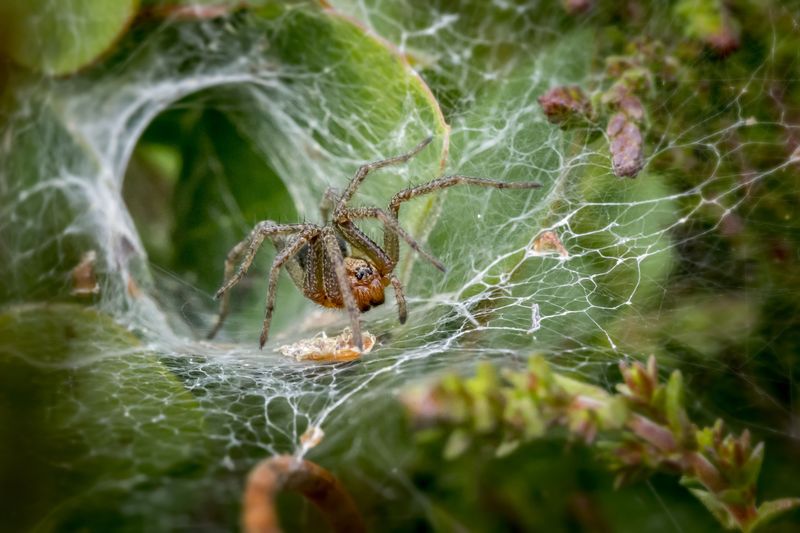
The short answer is almost certainly not. Funnel weaver spiders found in New Jersey are not considered medically significant to humans.
Their venom is designed for immobilizing tiny insects, not harming people or pets. A bite from one of these spiders would feel similar to a mild bee sting at most.
Bites are also extremely rare. Funnel weavers are shy, fast-moving creatures that would much rather retreat than confront a large mammal like a human.
Children playing on the lawn face minimal risk. These spiders flee from vibration and movement, so an active kid running through the grass is more likely to scatter them than provoke one.
Pets are similarly safe. Dogs and cats may occasionally paw at a web out of curiosity, but funnel weavers are not known to cause harm to household animals in this region.
People with insect or spider allergies should still exercise basic caution. Any bite, even from a harmless species, can cause a stronger reaction in sensitive individuals.
If you or someone in your household gets bitten and experiences swelling, difficulty breathing, or spreading redness, seek medical attention promptly. Those symptoms are not typical of a funnel weaver bite, but it is always smart to check.
Staying informed keeps your whole family calm and protected.
Distinguishing This Webbing From Other Lawn Pests
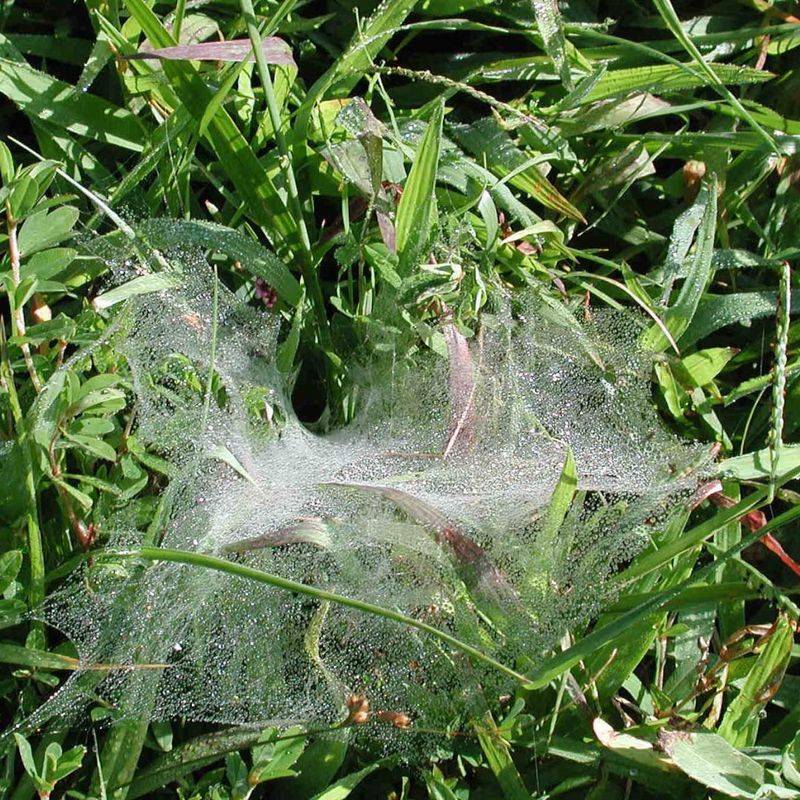
Not every strange thing on your lawn is a spider web. Knowing what you are actually looking at can save you a lot of time and worry.
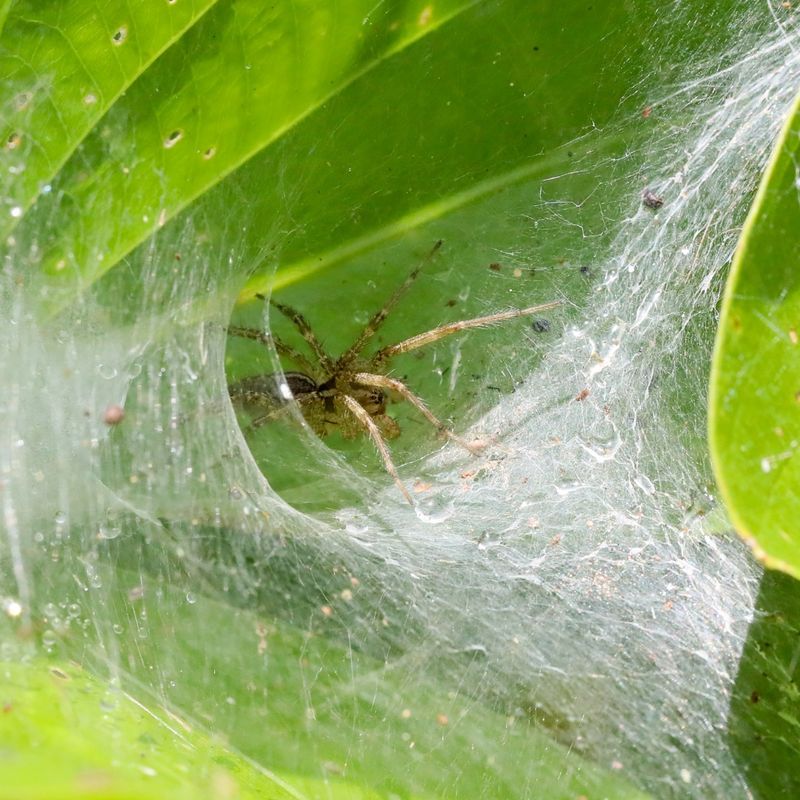
Funnel webs are flat, horizontal sheets with a distinct tube-shaped retreat at one end. That tubular funnel is the clearest identifying feature you can look for.
Dollar spot fungus is a common lawn disease that also creates white, silky patches in the grass. However, fungal growth tends to be more irregular and lacks the structured funnel shape entirely.
Sod webworm damage looks different too. These caterpillars create silk tunnels close to the soil surface, but you will also notice brown patches and chewed grass blades nearby.
Cobwebs from cellar spiders or house spiders are three-dimensional and tangled. Funnel weaver webs, by contrast, are flat and organized, almost like a tiny trampoline stretched across your grass.
Morning dew makes funnel webs especially visible and dramatic. The same dew can make other lawn surfaces glisten, but only funnel webs will show that signature horizontal sheet with a retreat hole.
Grub activity beneath the soil can cause surface disruption that looks alarming. Grub damage shows up as spongy, lifting turf rather than surface-level webbing.
Taking a photo and zooming in on your phone is often the fastest way to confirm what you are seeing. Those funnel webs creeping across your New Jersey lawn have a very specific look that is hard to confuse once you know it.
Natural Ways To Discourage Funnel Web Spiders
You do not need harsh chemicals to reduce funnel weaver activity on your property. A few smart yard habits go a long way toward making your lawn less appealing to these eight-legged guests.
Mowing your lawn regularly is the single most effective natural step. Short grass gives funnel weavers fewer anchor points and less shelter, making your yard far less attractive to them.
Reducing irrigation frequency also helps. Letting your lawn dry out between watering sessions discourages the moist conditions these spiders prefer for building their retreats.
Raking up leaf litter and clearing debris from lawn edges removes critical hiding spots. Fewer hiding places means fewer spiders setting up shop near your grass.
Planting lavender, mint, or eucalyptus near your lawn perimeter can act as a natural repellent. Spiders tend to avoid strong aromatic plants, making these a pleasant and functional landscaping choice.
Cedar mulch is another smart option for garden borders. The natural oils in cedar wood are known to repel a wide range of insects and arachnids without harming your plants.
Encouraging natural predators is a surprisingly effective strategy. Birds like robins and wrens eat spiders regularly, so adding a bird feeder or birdbath nearby can bring in helpful allies.
Diatomaceous earth sprinkled along lawn edges creates a physical barrier that deters many crawling creatures. It is non-toxic, pet-safe, and easy to apply with a basic garden duster on a calm day.
When Professional Pest Control Becomes Necessary
Most funnel weaver situations are totally manageable on your own. But sometimes the population on your lawn reaches a level that calls for professional backup.
If you are seeing webs covering large sections of your yard every single morning, that suggests an unusually high spider population. Dense, widespread webbing that persists despite your cleanup efforts is a clear signal to call in help.
Homeowners with young children or family members who have spider bite sensitivities may prefer a professional assessment. Peace of mind has real value, especially when small kids are playing on the grass daily.
A licensed pest control technician can identify the species present and check for other lawn pests contributing to the issue. Funnel weavers often follow insect populations, so treating the prey source can work better than targeting the spiders directly.
Professionals also have access to barrier treatments that create long-lasting protection around your lawn perimeter. These targeted applications are far more precise than broad chemical sprays you might find at a hardware store.
Ask any pest control company about integrated pest management options. This approach focuses on long-term prevention rather than repeated chemical treatments, which is better for your lawn, your family, and local wildlife.
Seasonal timing matters a lot for treatment effectiveness. Late summer applications, timed around peak spider activity, tend to produce the best results for reducing those funnel webs creeping across your New Jersey lawn next season.