A Jelly-Like Fungus Is Covering Mulch Beds in Texas — What It Means For Your Soil
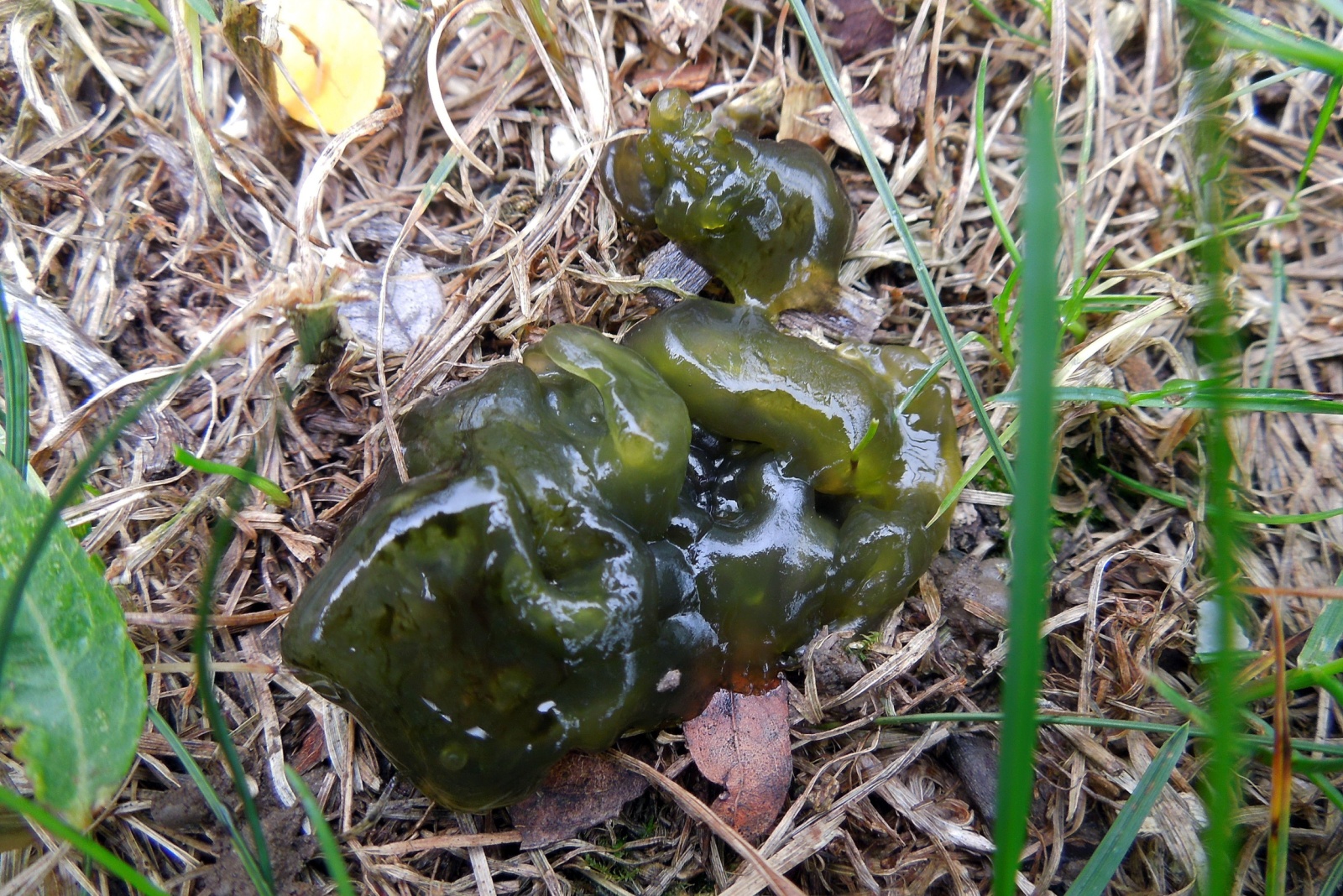
Have you noticed strange, jelly-like blobs appearing on your mulch beds recently, especially if you live in Texas or nearby states?
This mysterious organism is called Nostoc, and while it looks like a fungus, it’s actually a type of cyanobacteria that thrives in moist conditions.
Homeowners across Texas are finding these gelatinous masses covering their garden mulch, and many wonder if they should be worried about their soil health.
Understanding what Nostoc is and how it affects your garden can help you make informed decisions about managing your outdoor spaces effectively.
Nostoc Is Not Actually A Fungus Despite Its Appearance
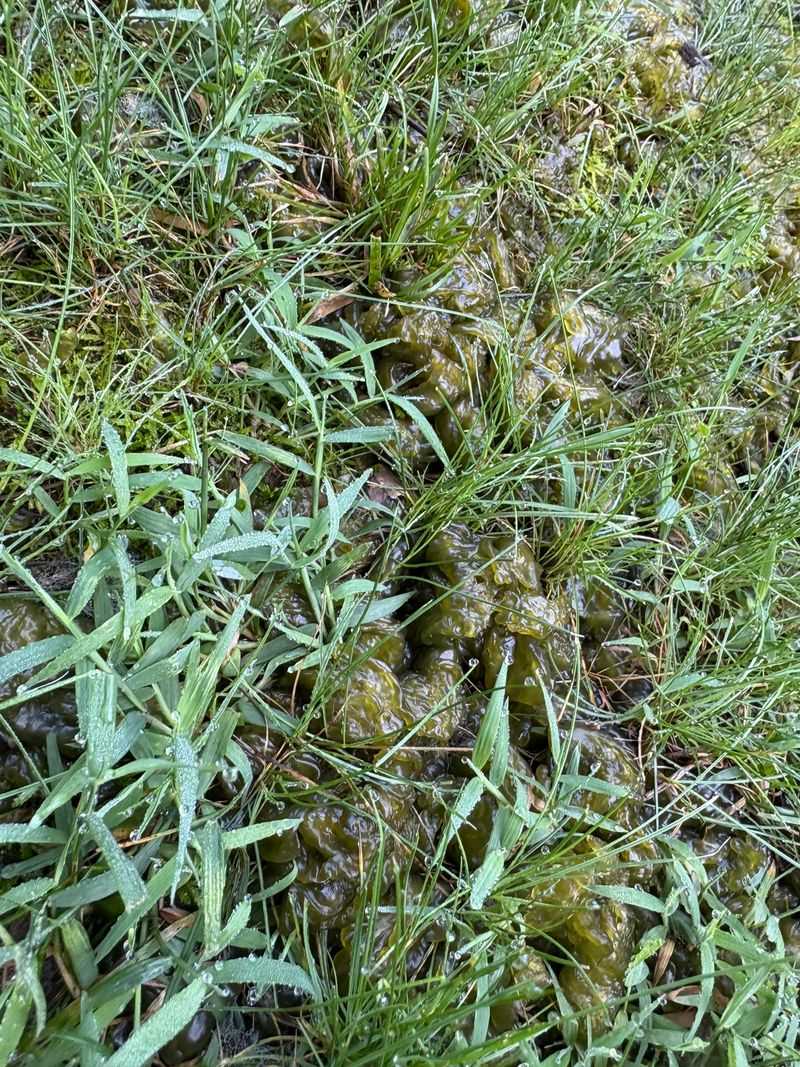
Many people mistake Nostoc for a fungus because of its strange, jelly-like texture and the way it suddenly appears after rainstorms or heavy watering sessions.
However, Nostoc belongs to a group of organisms called cyanobacteria, which are ancient life forms that have existed on Earth for billions of years now.
Cyanobacteria are photosynthetic, meaning they make their own food using sunlight, just like plants do, which makes them quite different from typical fungi organisms.
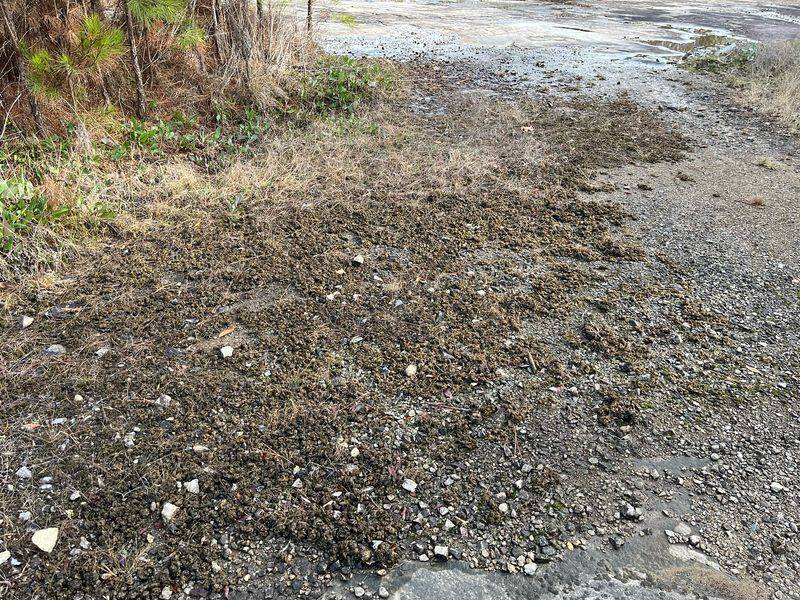
When conditions are dry, Nostoc appears as dark, crusty patches that are easy to overlook or mistake for dried leaves or dirt on surfaces.
Once moisture returns to the environment, these crusty patches absorb water and swell dramatically, transforming into the distinctive gelatinous blobs that alarm many homeowners today.
The transformation happens quickly, sometimes overnight, which is why people often think the substance appeared out of nowhere in their gardens or mulch beds surprisingly.
Understanding this basic biology helps explain why Nostoc behaves the way it does and why it shows up so suddenly after rain or irrigation events.
This Organism Thrives In Wet Conditions And Poor Drainage Areas
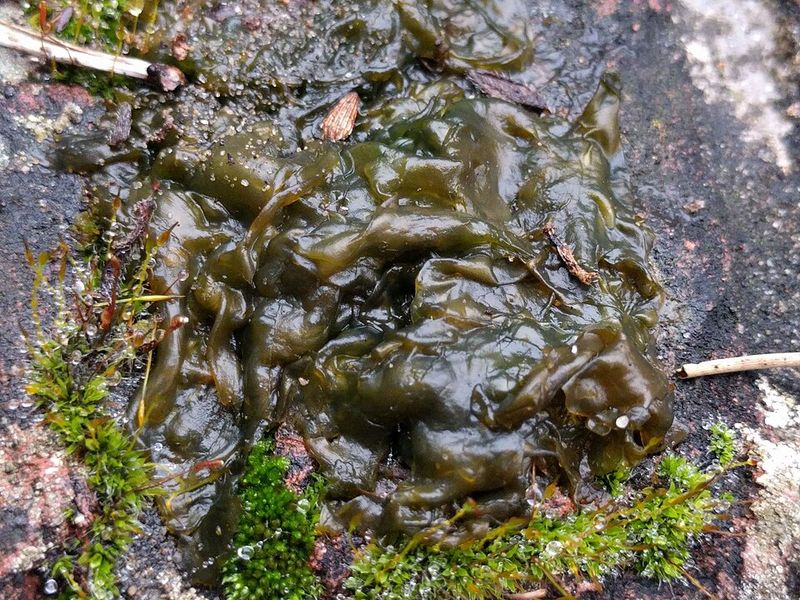
Nostoc colonies flourish in areas where water tends to collect and linger for extended periods, making poorly drained mulch beds particularly vulnerable to infestations.
Gardens with compacted soil beneath the mulch layer often experience drainage problems, creating the perfect moist environment that Nostoc needs to grow and expand rapidly.
Overwatering your plants or having sprinkler systems that spray too frequently can also create ideal conditions for this cyanobacteria to establish itself in beds.
Texas has experienced periods of heavy rainfall followed by hot, humid weather, which creates a cycle that encourages Nostoc growth in residential landscaping areas.
Low-lying areas of your yard where rainwater naturally pools are especially prone to developing these gelatinous colonies that spread across mulch and bare soil.
Shaded spots that don’t receive much direct sunlight also tend to retain moisture longer, giving Nostoc more time to absorb water and expand significantly.
Recognizing these conditions in your landscape helps you identify why Nostoc has appeared and where it’s most likely to return after you remove it.
Nostoc Actually Adds Nitrogen To Your Soil Naturally
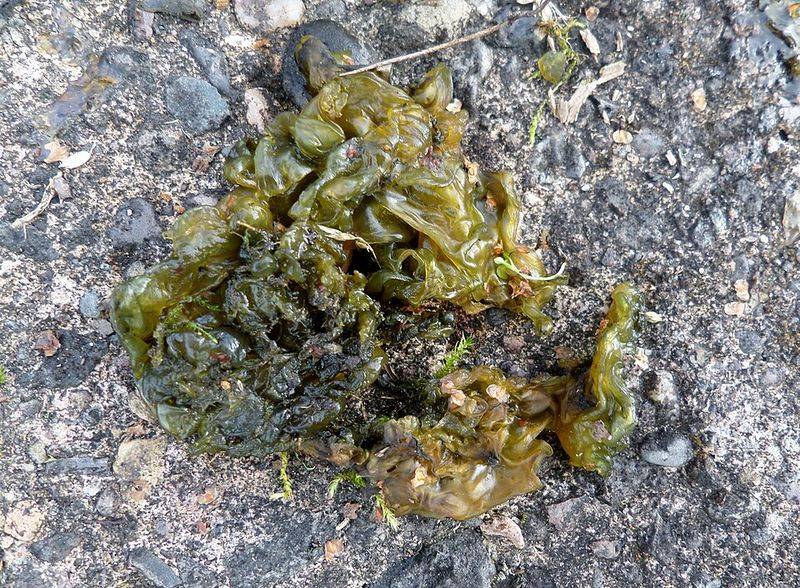
One surprising benefit of having Nostoc in your Texas garden is that it can actually improve soil fertility through a process called nitrogen fixation naturally.
Cyanobacteria like Nostoc have specialized cells that convert atmospheric nitrogen gas into forms that plants can absorb and use for growth and development processes.
This nitrogen-fixing ability means that Nostoc is essentially acting as a natural fertilizer, enriching your soil with nutrients that support healthy plant growth over time.
Farmers and gardeners in some parts of the world actually encourage cyanobacteria growth in rice paddies and agricultural fields to boost soil nitrogen levels affordably.
While Nostoc may look unappealing on your mulch beds, it’s not harming your plants and might even be helping them access essential nutrients they need.
The nitrogen that Nostoc adds to your soil remains available even after the organism dries up and breaks down into organic matter eventually.
Understanding this benefit might change your perspective on whether you need to remove Nostoc immediately or can tolerate its presence in certain Texas garden areas.
The Gelatinous Substance Is Harmless To Plants And People
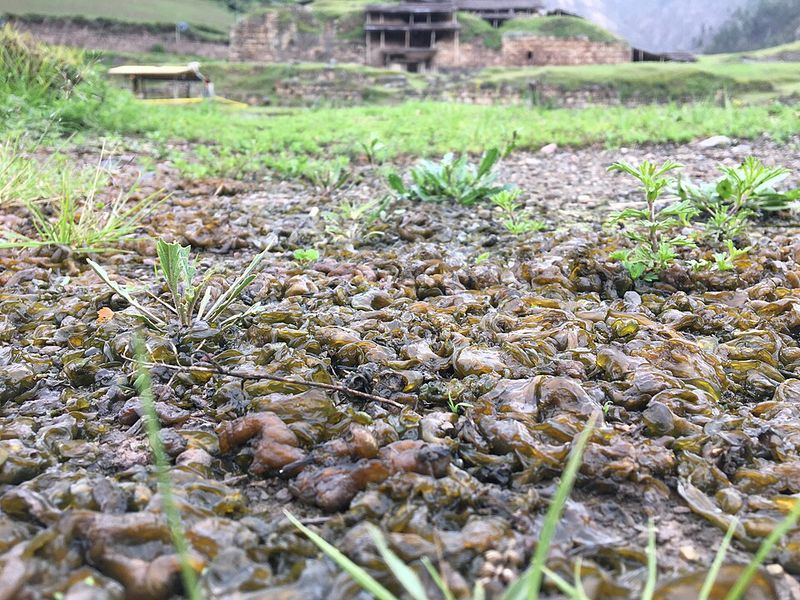
Despite its alien appearance, Nostoc poses no direct threat to your garden plants, your family members, or your pets who might encounter it outdoors.
The jelly-like coating is simply a protective layer that helps the cyanobacteria retain moisture and survive in varying Texas environmental conditions throughout different seasons.
Some people worry that Nostoc might smother their plants or prevent water from reaching the soil, but the colonies are typically too thin to cause problems.
Nostoc doesn’t produce toxins in the same way that some other cyanobacteria species found in ponds and lakes can, making it relatively safe to handle.
Children and pets who accidentally touch or even ingest small amounts of Nostoc are unlikely to experience any serious health problems from the contact.
However, it’s still a good idea to wash hands after handling it and to discourage pets from eating large quantities of any unfamiliar substance.
Knowing that Nostoc is harmless can reduce anxiety about its presence and help you make practical decisions about whether removal is truly necessary for you.
Improving Drainage Is The Best Long-Term Solution
Addressing the underlying moisture problems in your Texas landscape is far more effective than repeatedly removing Nostoc colonies that will just keep coming back again.
Start by examining your mulch beds to see if the soil underneath has become compacted, which prevents water from draining properly through the layers.
Aerating the soil beneath your mulch using a garden fork or aerator tool can significantly improve drainage and reduce the standing water that Nostoc needs.
You might also consider regrading low spots in your yard where water naturally collects, creating slopes that direct runoff away from planting beds effectively.
Installing French drains or other drainage solutions in particularly problematic areas can help manage excess water and prevent it from pooling on mulch surfaces.
Adjusting your irrigation schedule to water less frequently but more deeply encourages plant roots to grow downward while keeping the surface layer drier overall.
These drainage improvements not only reduce Nostoc growth but also create healthier conditions for your Texas plants and prevent other moisture-related problems from developing later.
Physical Removal Is Simple But Only Temporary
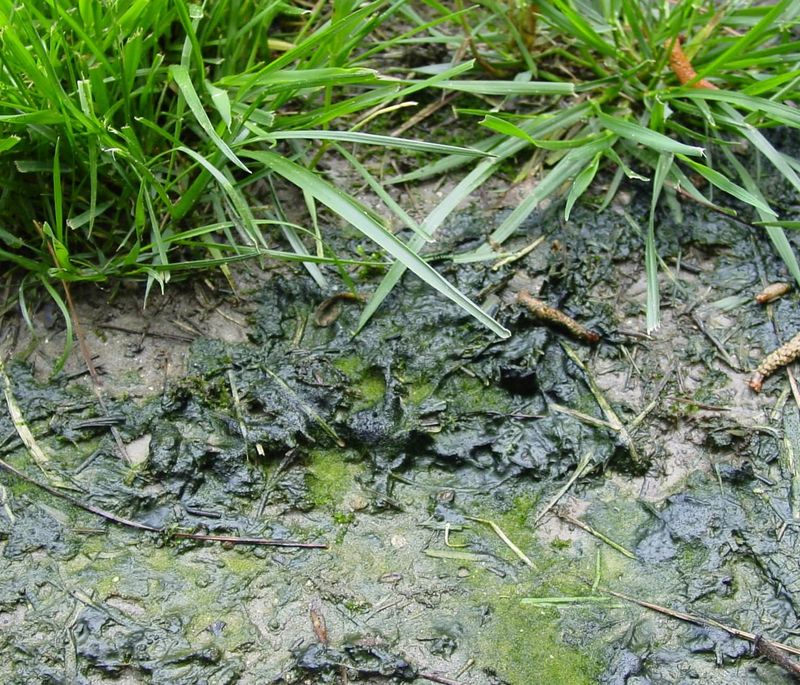
If you find the appearance of Nostoc unacceptable in your Texas landscape, you can easily rake it up or scoop it away using basic garden tools.
When dry, the crusty colonies can be swept away with a broom, while the gelatinous form is best removed with a shovel or rake when wet.
Some homeowners find that hosing off the Nostoc with a strong stream of water can temporarily clear it from mulch surfaces and push it elsewhere.
However, simply removing the visible colonies doesn’t address the underlying conditions that allowed Nostoc to grow in the first place, so it will likely return.
The spores or dormant cells of Nostoc can remain in your soil and mulch for long periods, waiting for the right moisture conditions to reactivate.
You can dispose of removed Nostoc by composting it, adding it to garden beds as organic matter, or simply discarding it with yard waste.
Remember that physical removal is just a cosmetic fix and won’t prevent future outbreaks unless you also address the drainage and moisture issues present.
Reducing Mulch Depth Can Help Prevent Future Growth
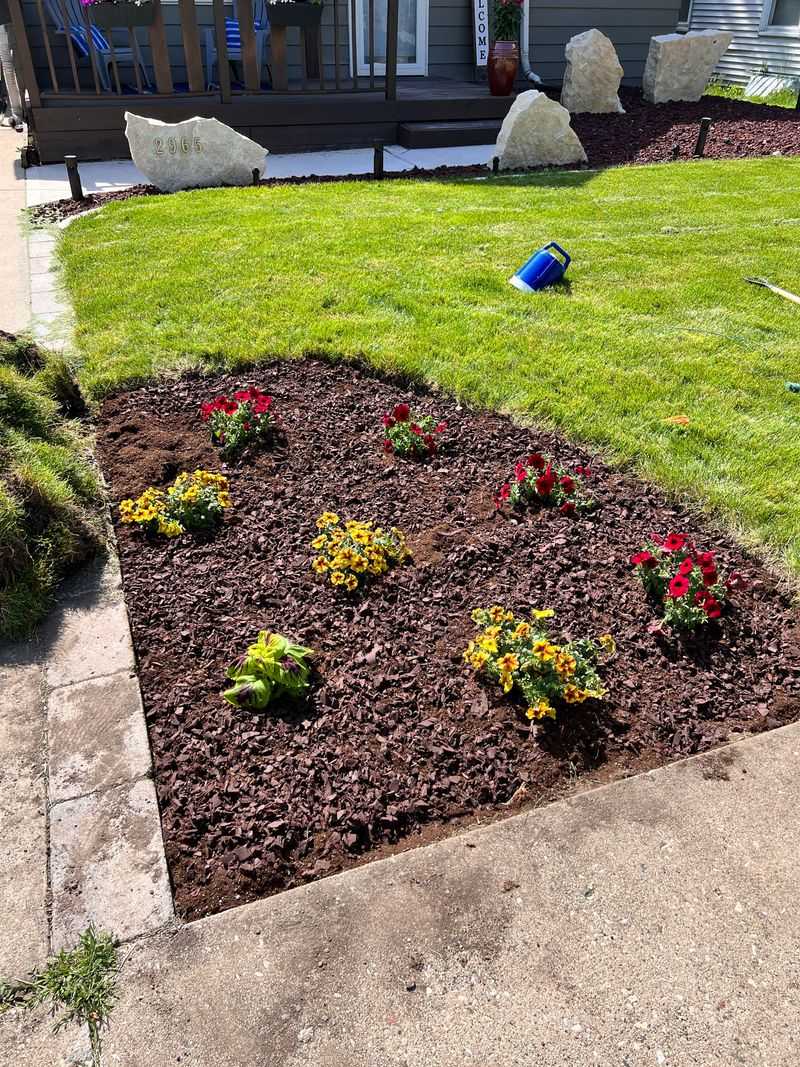
Excessively thick layers of mulch can trap moisture against the soil surface, creating the consistently damp environment that Nostoc loves to colonize and spread.
Garden experts generally recommend maintaining mulch at a depth of two to three inches, which provides benefits without holding too much moisture against soil.
If your mulch beds are deeper than four inches, consider removing some of the excess material to allow better air circulation and faster drying.
Thinner mulch layers dry out more quickly after rain or irrigation, making the environment less hospitable for cyanobacteria colonies to establish and thrive successfully.
When applying new mulch, avoid piling it directly against plant stems or tree trunks, which can create extra-moist pockets where Nostoc flourishes easily.
Organic mulches like wood chips and bark naturally decompose over time, so you may need to periodically remove old material before adding fresh layers.
Proper mulch management not only helps control Nostoc but also prevents other problems like root rot, fungal diseases, and pest infestations in your Texas landscape beds.
Sunlight Exposure Helps Keep Mulch Surfaces Drier
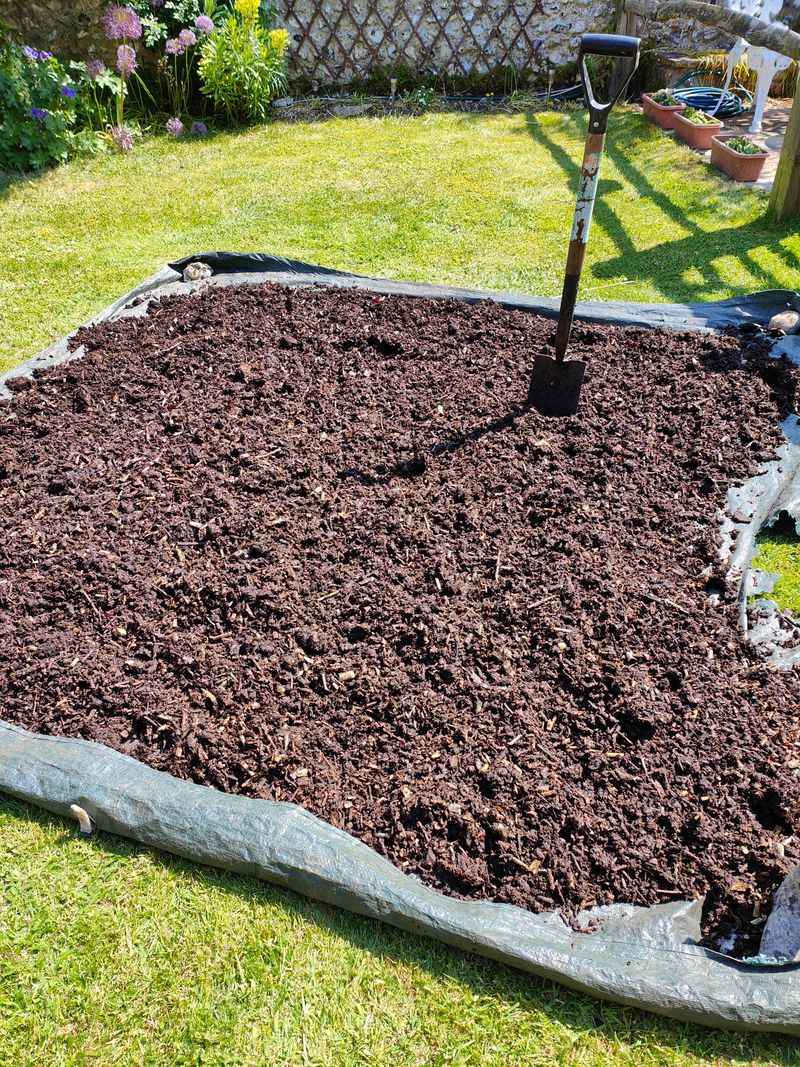
Nostoc colonies are less likely to develop in mulch beds that receive several hours of direct sunlight each day, which helps dry surfaces quickly.
Shaded areas beneath trees, along fences, or on the north side of buildings tend to stay moist longer and are more prone to infestations.
If possible, trim back overhanging branches or remove vegetation that’s creating excessive shade over your mulch beds and preventing sunlight from reaching surfaces.
Increased sun exposure not only discourages Nostoc but also benefits many Texas garden plants that need adequate light for photosynthesis and healthy growth patterns overall.
Some homeowners choose to plant shade-tolerant groundcovers in persistently shady areas instead of using mulch, which can reduce moisture problems and Nostoc issues.
You might also consider using lighter-colored mulch materials in shaded spots, as they reflect more light and tend to dry faster than dark mulches.
Balancing your landscape design to maximize appropriate sunlight exposure creates healthier growing conditions and naturally reduces the likelihood of recurring cyanobacteria problems in beds.
Nostoc Signals That Your Soil Ecosystem Is Active
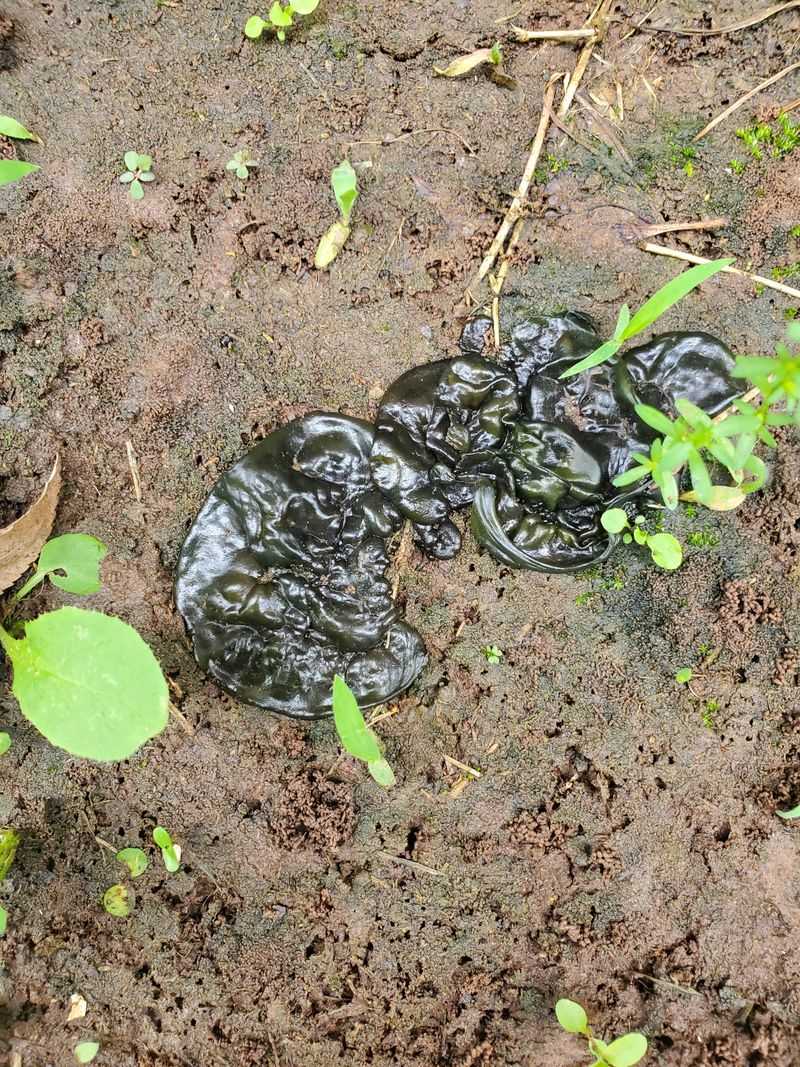
Rather than viewing Nostoc as purely a nuisance, consider it an indicator that your soil has the biological activity necessary to support diverse organisms.
Healthy soil contains countless microorganisms, including bacteria, fungi, and other life forms that work together to break down organic matter and cycle nutrients efficiently.
The presence of cyanobacteria like Nostoc shows that your soil environment can support these beneficial organisms, even if the particular species is visually unappealing.
Many Texas gardeners who practice organic and regenerative methods actually welcome signs of soil life, understanding that diverse microbial communities support stronger, more resilient plants.
While you may want to manage Nostoc for aesthetic reasons, its appearance confirms that your soil isn’t sterile or completely depleted of biological activity.
Focusing on building overall soil health through compost additions, reduced chemical use, and proper watering creates conditions where beneficial organisms outnumber problematic ones naturally.
Embracing a more balanced perspective on soil organisms helps you appreciate the complex ecosystem working beneath your feet, supporting your garden’s long-term health and productivity.