A Mysterious Gathering Is Taking Shape On The Walls Of Iowa Homes This Fall
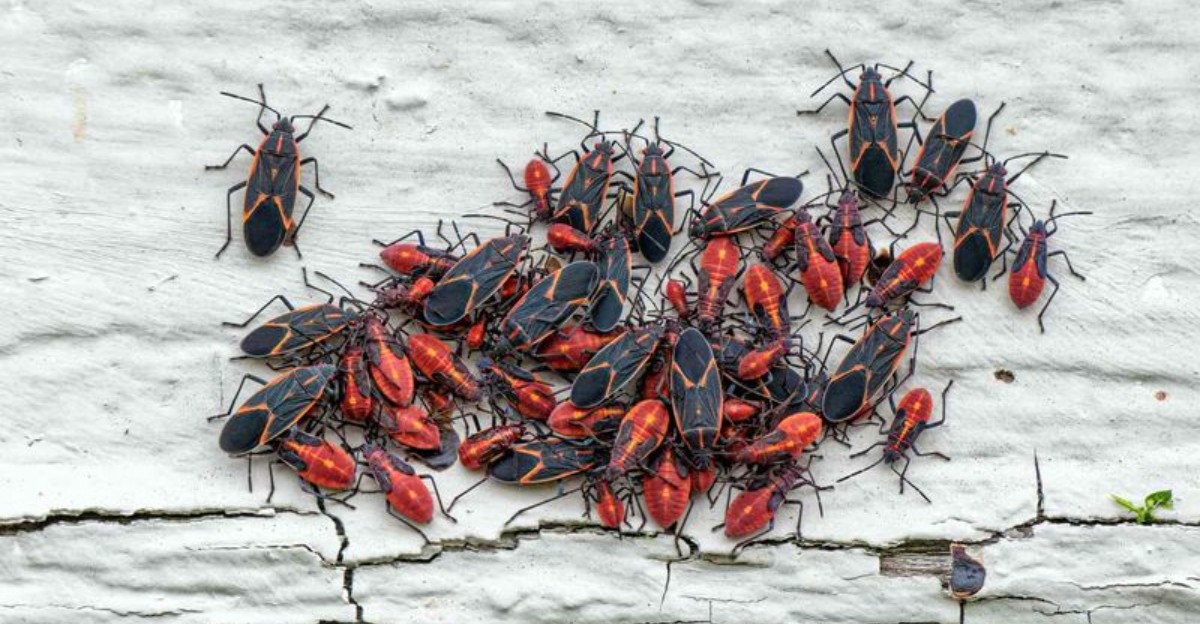
Your siding is quietly moving, and it is not wind. Countless tiny dark bodies gather near your sunniest windows now. This happens across Iowa right when the nights turn crisp.
Sunlight pulls them straight toward your warm painted siding boards. Insects move fast once afternoon temperatures begin dropping outside quickly. Cracks near your window trim become quiet highways inside walls.
Autumn signals a shift outside, so your house becomes shelter. That structure looks like the safest option for many miles. Instinct sends you reaching quickly for brooms and heavy sprays.
Neither move actually solves the real problem behind your walls. Farmers throughout Iowa recognize this exact pattern almost instantly today. Females inside your walls quietly plan their spring return trip.
Understanding their strange behavior changes how you respond right now. A simple fix stops this cycle before your walls fill. You need to see what happens inside your walls now.
Meet The Red-Striped Visitors Sunning Themselves On Your Siding
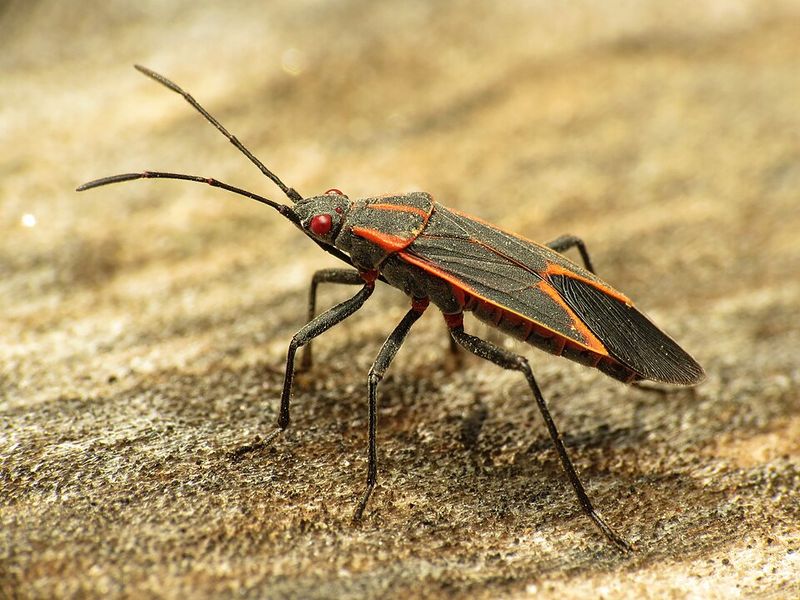
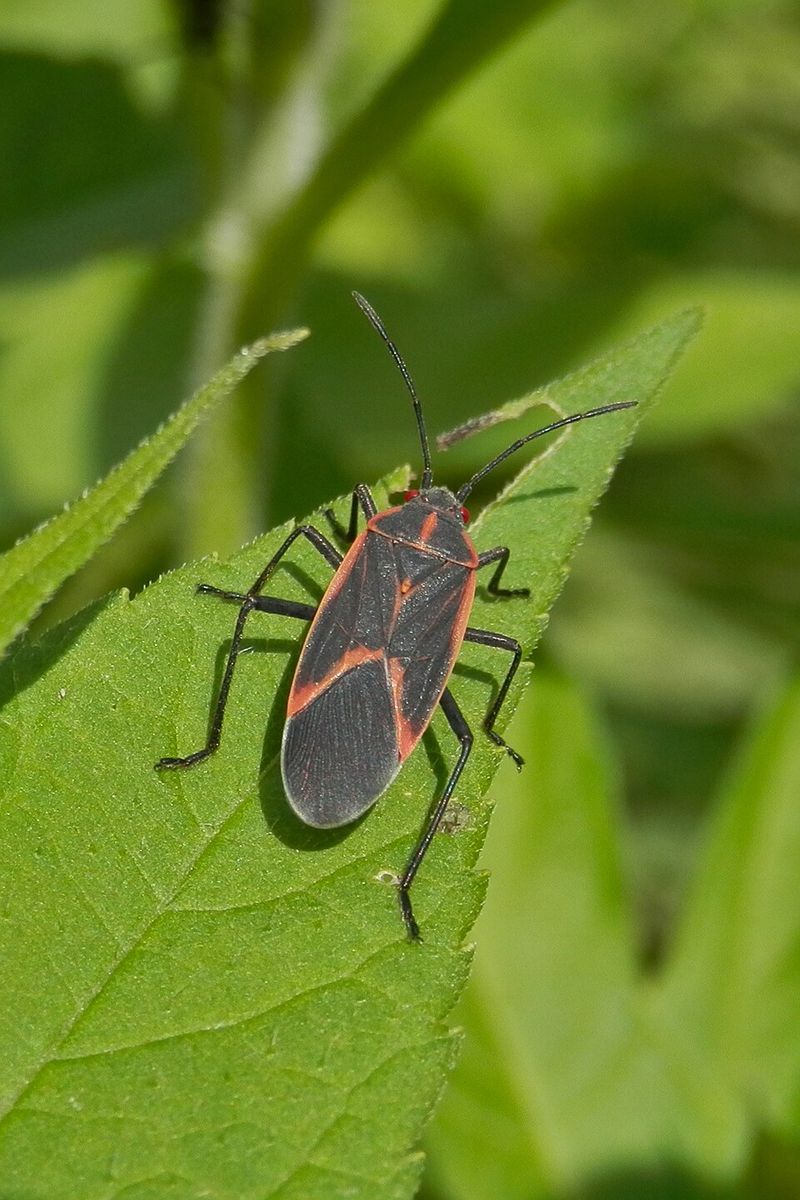
Half an inch long, coal black, and marked with thin red-orange lines that look hand-drawn, the boxelder bug is fairly easy to recognize. Flip one over and you will spot a bright reddish belly hiding under those folded wings.
Young ones look different enough to confuse people. Nymphs are round, bright red, and wingless, so a mixed group on a wall can look like two separate insects entirely.
Their name comes from their favorite tree, the boxelder, which is a type of maple common along Iowa creek beds, fence lines, and older neighborhoods.
Female boxelder trees produce winged seeds, and those seeds are the main food source for these insects all summer long.
Silver maple and ash trees serve as backup dining spots when boxelders are scarce. The bugs use a slender mouthpart, a bit like a drinking straw, to sip juices from seeds and tender leaves.
Here is a detail that surprises homeowners: they are not biters. No stingers, no chewing damage to your walls, no interest in your pantry or your pets.
What they do have is a talent for showing up in crowds. A single sunny wall can host hundreds during the first cool snap of the season.
Learning to recognize them matters because the right response looks very different from what you would do for termites or wasps. Correct identification saves you money, worry, and a wasted trip to the hardware store.
Why September Sunshine Turns Your South Wall Into A Hot Spot

Sunlight is the biggest factor here. As Iowa nights slide into the forties during September, boxelder bugs start hunting for warmth, and the warmest surface around is the south or west side of a heated house.
Light-colored siding reflects and holds heat especially well, which is why beige, cream, and white homes seem to attract the biggest crowds. Brick and stone hold warmth too, radiating it back long after the sun drops behind the treeline.
Your Iowa Garden Changes Every Week. Your Plan Should Too.
Gardening in Iowa changes quickly throughout the season. Every Friday you’ll receive a simple weekly plan showing exactly what to plant, prune, fertilize, harvest, and protect so you never miss the right timing.
The gathering usually peaks on mild afternoons that follow a chilly morning. Insects that were scattered across a neighborhood tree all summer suddenly pile onto one sunny surface at the same hour.
They are not targeting the house. They are basking, the same way a cat sprawls in a window square.
Once warmed up, they begin exploring cracks and seams, looking for a sheltered spot to spend the cold months. Any gap that leads into a wall void, attic, or soffit becomes a candidate.
Timing gives you an advantage. If you notice the first small clusters in early September, you still have several weeks before the serious pile-ups arrive with the first hard frost.
Walk the sunny sides of your home during that window and note where they congregate most heavily. Those exact spots almost certainly sit near an opening you cannot see from the ground, and marking them now makes your fall repairs far more effective.
Sealing The Sneaky Gaps Before The First Frost Arrives
Ask any pest technician what actually works and you will hear the same answer: close the doors. Boxelder bugs squeeze through openings about the width of a pencil, so the fix is physical, not chemical.
Grab a tube of exterior-grade silicone or polyurethane caulk and start with window and door frames. Pay attention to the top corners of trim, where old caulk shrinks and pulls away over the years.
Next, look where utilities enter the house. Cable lines, dryer vents, outdoor faucets, and gas pipes all leave collars of open space that steel wool plus caulk can shut down in minutes.
Soffit and fascia joints deserve a careful look from a ladder or with binoculars. Gaps up there feed straight into attics, which is exactly where these insects prefer to wait out winter.
Damaged window screens are another common entry route, and a small patch kit costs a couple of dollars. Add door sweeps to any exterior door where you can see daylight along the bottom edge.
Attic and crawlspace vents should wear fine metal mesh, generally an eighth of an inch or smaller, depending on local pest-control guidance. Do this work on a cool morning, when the bugs are sluggish and clustered low.
You will get more done with less swatting. Sealing pays off beyond insects, trimming your heating bill and blocking mice at the same time.
Soapy Water, An Inexpensive Fix From The Iowa Homeowner Playbook

Grandma was right about this one. A squirt of dish soap in a spray bottle of water handles boxelder bugs on contact, and it costs almost nothing.
Mix roughly two tablespoons of liquid dish soap into a quart of water and shake it gently. Spray directly onto the clusters until they are wet, then rinse the siding afterward so the soap film does not dull your paint.
The soap works by breaking down the waxy coating on their outer shell, which is why plain water alone does very little. It leaves no lingering residue, so pets and kids can use the yard again once the surface dries.
Repeat visits are part of the deal. Fresh arrivals fly in from nearby trees on warm days, so treat every few afternoons through late September rather than expecting one round to finish the job.
A garden hose with a strong jet also knocks large groups off walls and buys you time while you finish sealing gaps. Neither method reaches insects already tucked inside a wall, which is why exclusion still comes first.
Indoors, skip the spray entirely and reach for the vacuum. A shop vac with a bit of soapy water in the canister handles wanderers on windowsills without staining curtains or carpet.
Squashing them is the one move to avoid, since crushed bodies leave an orange-red stain and a musty odor that lingers on light-colored surfaces.
What To Do About That Boxelder Tree In The Backyard
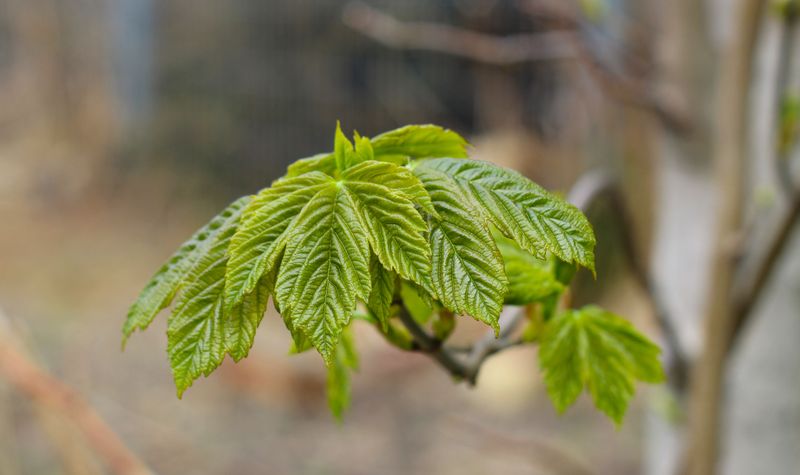
Every neighborhood seems to have one: the scruffy, fast-growing tree along the alley that nobody planted on purpose. Boxelder maples spread easily, sprout in fence rows, and produce the seeds these insects depend on.
Before you reach for a chainsaw, consider a few things. Female trees are the seed producers, and male boxelders draw far less insect attention, so identifying which one you have changes the calculation.
Removing a mature shade tree is expensive and permanent, and boxelder bugs can travel a couple of blocks from a neighbor’s tree anyway. Cutting yours down might reduce numbers without removing them completely.
Raking up fallen seeds during autumn helps more than people expect. Fewer seeds on the ground means fewer feeding spots close to your foundation.
Keeping grass and leaf litter cleared within a few feet of the house removes staging areas too. Bare mulch or gravel along that strip gives insects less cover as they work toward the wall.
If you are planting new trees this fall, choose something else entirely. Serviceberry, hackberry, Kentucky coffeetree, and swamp white oak all thrive in Iowa soil and skip the seed buffet.
Here is an odd bit of trivia: boxelder is the only maple in North America with compound leaves, which is why so many folks mistake it for young ash or poison ivy on a vine. Managing the landscape is a slow lever, but it works quietly year after year.
Why They Reappear On Warm Winter Afternoons
February can bring a strange moment. Snow sits on the lawn, the furnace hums, and suddenly a boxelder bug is strolling across your living room curtain.
Insects that slipped into wall voids and attics back in October settle into a sluggish, low-energy state for the season. A stretch of mild weather, or heat rising from your furnace, nudges a few of them awake.
Confused and searching for the outdoors, they head toward light and end up on window ledges and ceiling corners. Sunny south-facing rooms usually see the most traffic.
Releasing them outside during a cold snap rarely helps them, and there is no benefit to fussing over it. A vacuum, a tissue, or a piece of tape handles the situation quietly.
Resist the urge to fog or bomb the attic. Insect remains left inside walls can sometimes attract carpet beetles later, potentially trading one nuisance for another.
Good news for your belongings: these bugs do not chew fabric, gnaw wood, or lay eggs indoors. Their winter appearances are annoying rather than harmful.
Keep a small vacuum in the closet from November through March and the issue becomes a quick, manageable task. Emptying the canister outdoors keeps any odor out of the house.
Come spring, survivors head back to the trees to mate and start the cycle again, which makes next September’s sealing project a reliable long-term strategy.