10 Iowa Farming Habits Every Suburban Yard Needs
You grew up watching fields shift with the seasons. Out there, you learned to read soil before you could read a clock.
In Iowa, nobody checks a calendar to know the season. You check the color of dirt under your boot. You notice the way stalks lean. You catch the smell of rain still an hour off.
That habit stays with you, even after gravel roads turn into a paved cul-de-sac. Your suburban yard looks nothing like Iowa farmland.
But the same quiet logic still works here. Feed the ground instead of pushing against it. Let water do less work than you think it needs to.
The small habits you picked up back home, compost timing, mulch placement, knowing when grass wants rest instead of another round with the sprinkler, can make lawn care feel more manageable.
Stay with me. What worked on those Iowa fields scales down well, and soon your weekends get easier too.
1. Test Soil Before Adding Any Fertilizer
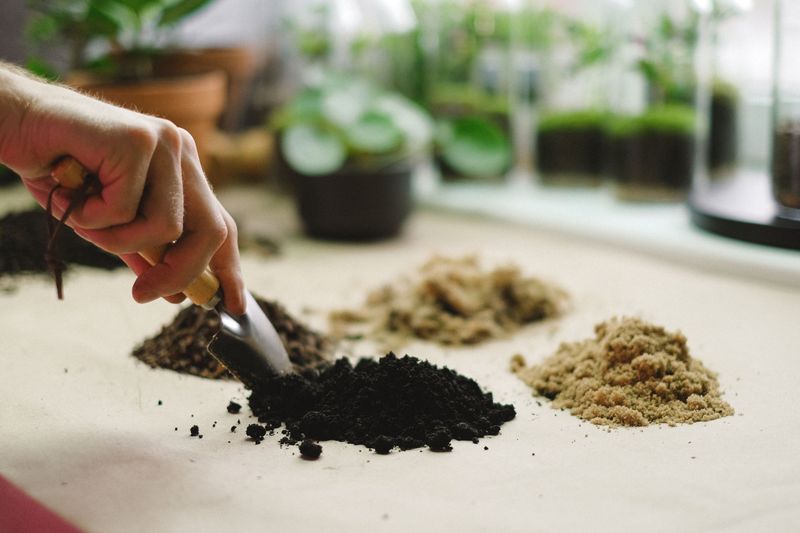
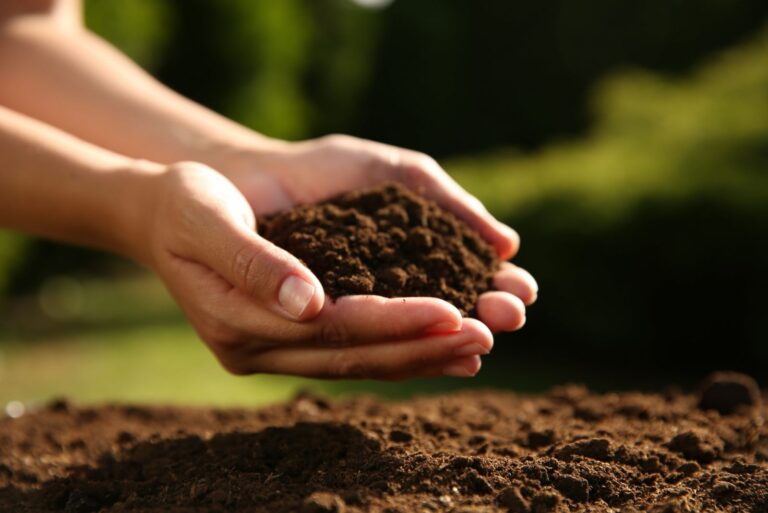
I learned to test soil before adding anything to it. This one habit saved me from wasting time and money on the wrong products.
A quick test reveals pH, texture, and nutrient gaps. Those results tell you exactly what your yard needs, nothing more and nothing less.
When I first checked my soil, I found compacted clay hiding under a stretch of nice looking grass. Organic matter was low, even though the surface looked healthy.
That single test changed how I approached feeding, aeration, and plant choice for every bed I managed after that.
Using a simple probe or an at home kit gives you fast answers you can actually use. No guesswork, no wasted trips to the garden center.
You read the results, then choose amendments that target the specific issue you found. Generic mixes often address fewer specific issues than targeted amendments.
Testing once each season kept small problems from turning into expensive repairs in my yard. It also stopped me from overfertilizing near the sidewalks, something I did more than once early on.
When treatment follows real data from your own soil, you get healthier plants while doing noticeably less work.
2. Rotate What Grows In Each Bed
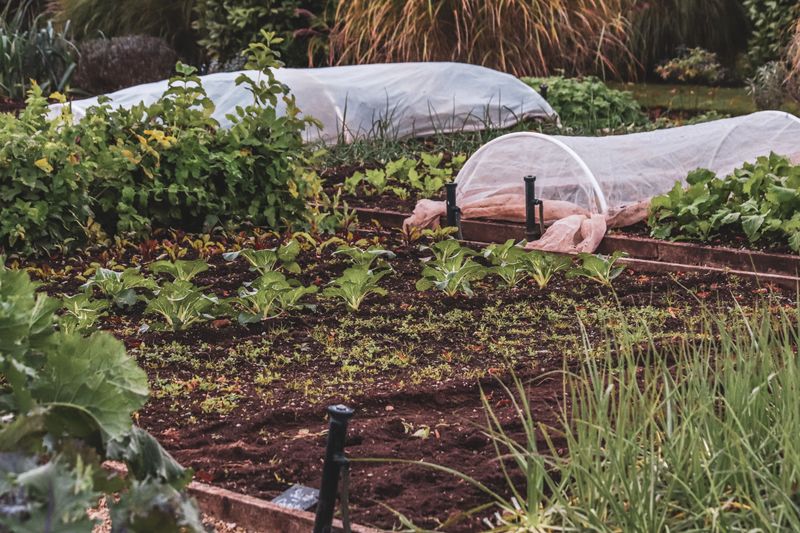
Rotating crops taught you how to avoid pest buildup and nutrient depletion. It’s a simple idea once you see it in action.
Moving families of plants between beds breaks insect life cycles. It also spreads nutrient demand across the soil instead of draining one spot.
You started alternating heavy feeders with legumes and deep rooted plants. Over the years this balanced each bed naturally.
The system reduced pests. It boosted yields too, all without extra pesticides or synthetic inputs.
When you track what grew where, planning gets easier. You can build a rotation that fits your space and your appetite.
A rotation chart on your phone works well. So does a small notebook kept in a kitchen drawer. Either one makes planning fast and dependable, even when the season gets busy.
Your Iowa Garden Changes Every Week. Your Plan Should Too.
Gardening in Iowa changes quickly throughout the season. Every Friday you’ll receive a simple weekly plan showing exactly what to plant, prune, fertilize, harvest, and protect so you never miss the right timing.
Rotating also adds variety to what you grow and eat. Your garden stays lively through the season instead of repeating the same few crops.
That small habit created a healthier soil rhythm. You still repeat it every year, because it simply works, quietly, in the background of your yard.
3. Plant Cover Crops To Protect Bare Soil
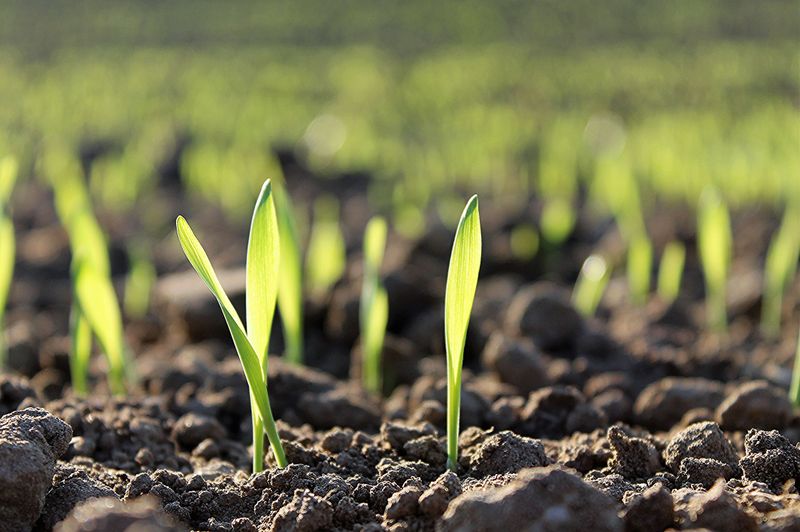
Planting cover crops in fall or between seasons keeps soil covered and steady against erosion. Instead of leaving bare dirt exposed to wind and rain, a living blanket prevents runoff.
It also feeds the soil with organic matter as it breaks down over time. You saw compaction and erosion reverse after planting a mix of clover and oats where grass had failed. The cover crop stopped muddy ruts from forming near the fence line.
It added nitrogen back into the soil once it was turned under or simply mowed flat. Choose mixes that fit your climate and your timing. Avoid aggressive species that turn into weeds later, since some spread faster than expected.
A well chosen cover crop fits into tight suburban schedules without much fuss. It composts into the bed easily by spring, saving you a separate cleanup step.
Cover crops also invite beneficial insects into the yard. They improve soil structure ahead of future plantings, loosening compacted patches naturally.
That small winter step made every spring healthier for your soil. It also made the season less stressful for your yard work, since less repair work waited for you when the weather warmed.
4. Compost Yard Waste Instead Of Tossing It
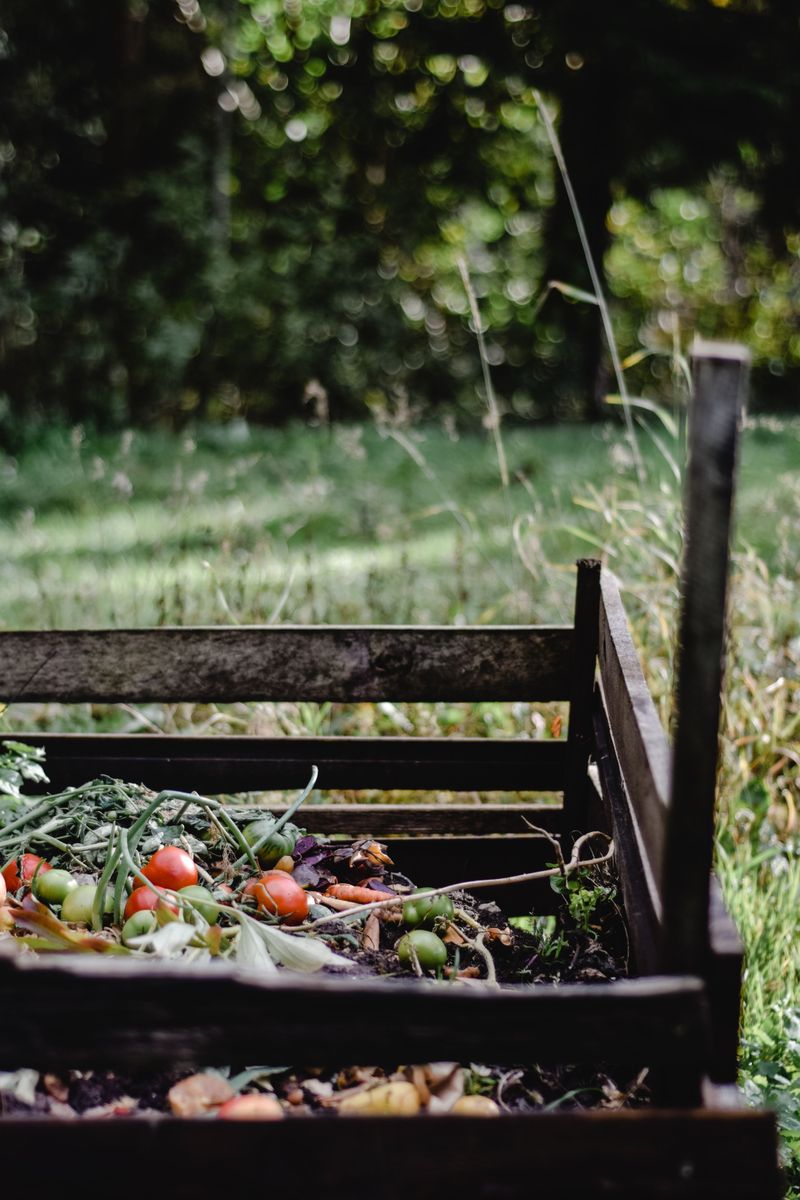
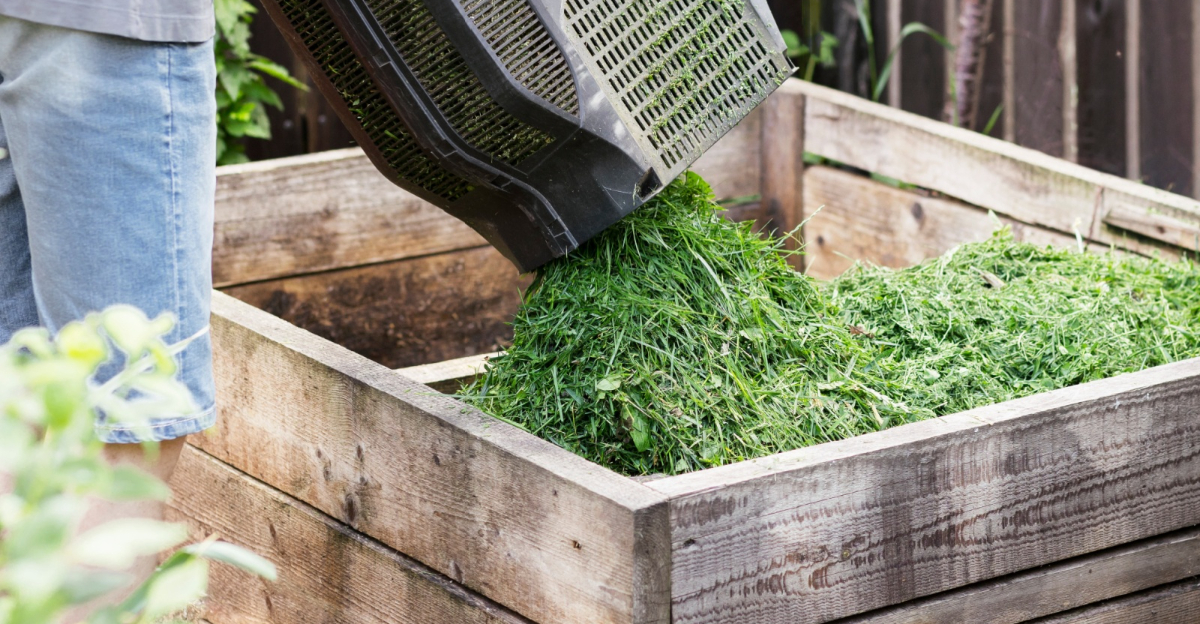
Composting transformed yard waste from trash into a valuable soil amendment in your yard. Instead of bagging clippings and leaves for pickup, you layered them into a bin.
Over months, that simple habit produced dark, crumbly compost more valuable than bagged clippings would have been.
Starting was straightforward. You collected kitchen scraps and alternated green and brown layers inside the bin.
Turning the pile every so often sped up decomposition. Keeping it moist, not soggy, kept odors away and kept the neighbors from noticing anything at all.
Finished compost fed your beds directly. It reduced how often you reached for store bought soil mixes and fertilizers.
A little regular effort managing the pile returned rich humus in exchange. That humus improved drainage in heavy spots and boosted nutrient retention exactly where your plants needed it most.
Composting also cut down on household waste heading to the curb. It gave you a quiet satisfaction, knowing nothing useful was thrown away.
That habit closed the loop between your kitchen and your garden. It became a small, practical routine that made both spaces work a little better together.
5. Water At The Roots, Not The Leaves
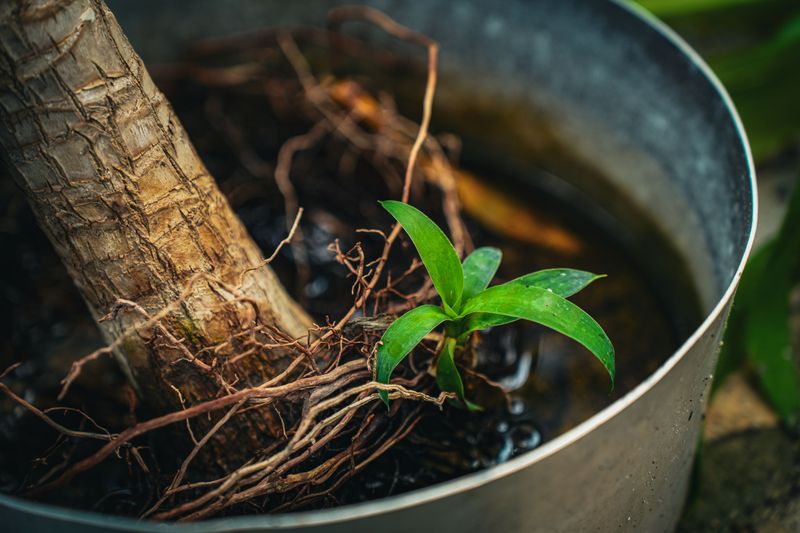
Watering at the roots keeps plants healthy. It also conserves water compared with overhead spraying.
Delivering water straight to the soil reduces evaporation before it reaches the roots. It keeps foliage dry too, which lowers disease pressure across the bed.
You switched to soaker hoses and short drip lines placed near the roots. Almost right away, you saw greener plants with fewer fungal spots on the leaves.
The change cut your water use noticeably. It also saved time you used to spend chasing puddles after every sprinkling session.
Set timers if that fits your schedule, or water by hand when you have a few minutes. Focus at the base of each plant, early in the morning, for best results.
Morning watering gives roots time to absorb moisture before the heat arrives. You get deeper root systems this way, and less surface moisture inviting problems like mildew.
Root focused watering helps lawns and beds get through heat stretches without constant shallow watering. Shallow watering keeps roots near the surface, making plants fragile during dry spells.
That adjustment made your summer chores lighter. Results became more reliable in your yard too, season after season.
6. Group Plants By Their Water Needs
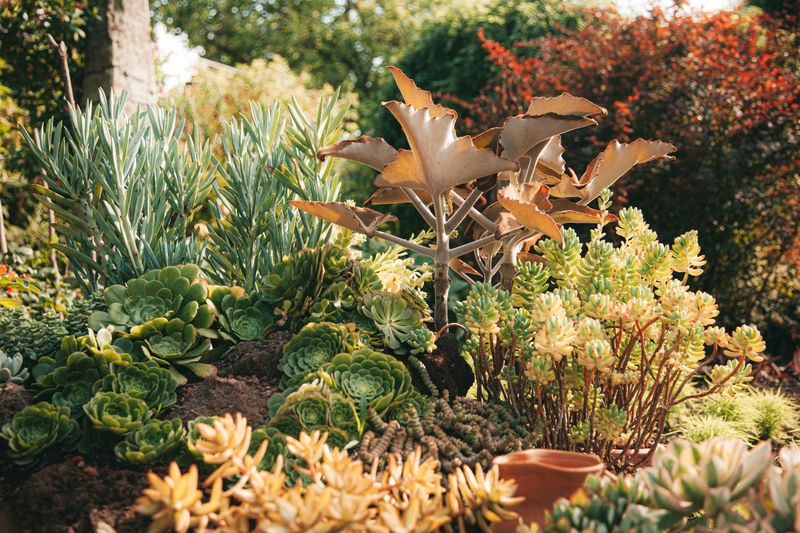
Grouping plants with similar water needs simplified irrigation and reduced waste in your landscape design. Instead of one size fits all watering, zones let each plant get exactly what it needs, without stress and without overwatering nearby beds.
You redrew your beds to place drought tolerant species together in one section. Water loving plants went near the drip lines in another.
That single grouping cut your water bills. It also made maintenance easier during busy weeks when time was already tight.
Labeling zones during planting helped keep the plan intact as seasons changed. New plants arrived over time, and the labels kept everything organized instead of guessed at.
Labels also guided where to add mulch and where to leave soil more exposed, letting quick drying beds actually dry out the way they needed to.
This approach made your yard more resilient during hot spells and during rainy stretches alike. Plants stopped competing for water they didn’t need to share.
Grouping by need created a landscape that felt intentional instead of scattered. It became effortless to care for, since each zone already matched the plants living inside it.
7. Leave Buffer Strips Near Fences And Edges
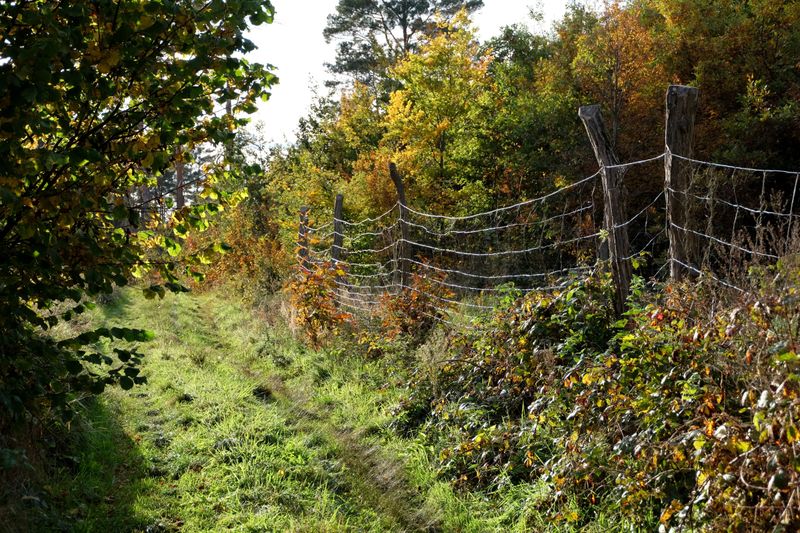
Leaving buffer strips along fences and property edges created habitat and reduced soil runoff in your yard.
These no mow bands trapped leaves and slowed water down, helping protect your yard and easing runoff toward storm drains further down the street.
You planted native grasses and wildflowers in these margins. You let them grow a bit taller than the rest of the lawn instead of trimming them flat.
The strip softened the edge of your property. It attracted beneficial insects too, working as a low effort pollinator corridor without any real upkeep.
Buffer strips also shielded nearby beds from mower throw during regular lawn care. They offered a place to stash clippings, or even run a small compost row along the fence line.
They provided a tidy transition between cultivated spaces and the boundaries that needed less attention overall.
Giving up a small strip of turf added ecological value without sacrificing the lawn you actually use. That small boundary decision made the whole yard easier to manage.
It also became more interesting to watch through the seasons, as the strip changed with the weather and the wildlife passing through.
8. Mulch Heavily To Cut Down Weeds
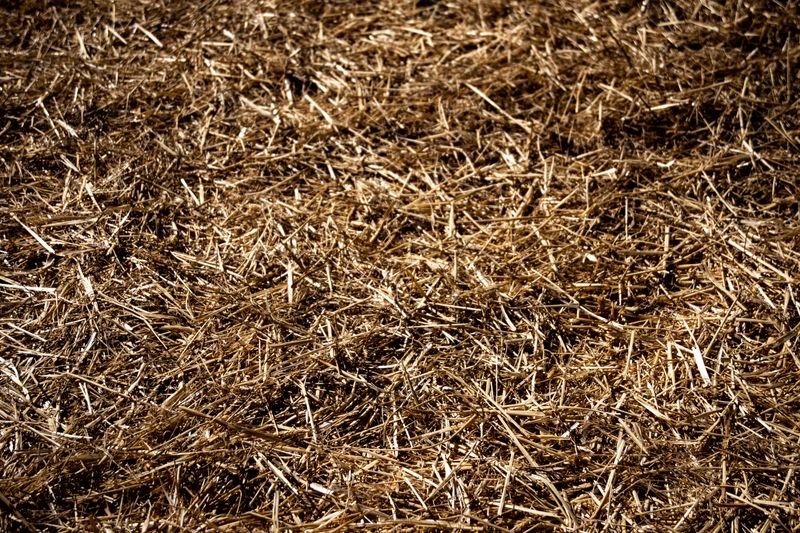
Mulching heavily suppressed weeds and kept moisture steady in beds where you wanted low maintenance. Back on the Iowa farm, mulch was never optional.
A generous layer of organic mulch cuts down on hand pulling. It also shields roots from temperature swings, keeping soil more stable through hot or cold stretches.
You spread three to four inches of shredded bark and straw across the beds, the same ratio you first learned watching fields get covered before an Iowa winter. Summer weeding dropped fast once the mulch settled in.
Over time, mulch breaks down and feeds the soil beneath it, improving structure across several growing seasons.
You replace mulch as it decomposes, and you keep it away from plant stems to avoid pests or rot. Picking the right material for each bed matters.
Certain mulch types, like pine bark, can acidify soil gradually. Others compact if piled too thick, smothering roots instead of protecting them.
Mulch kept your bed edges clean and gave everything a finished look without constant upkeep. That one choice freed up time you used to spend pulling weeds.
It left you with healthier plants through heat and rain alike, an Iowa habit that never really left you.
9. Time Mowing Around Growth, Not Habit
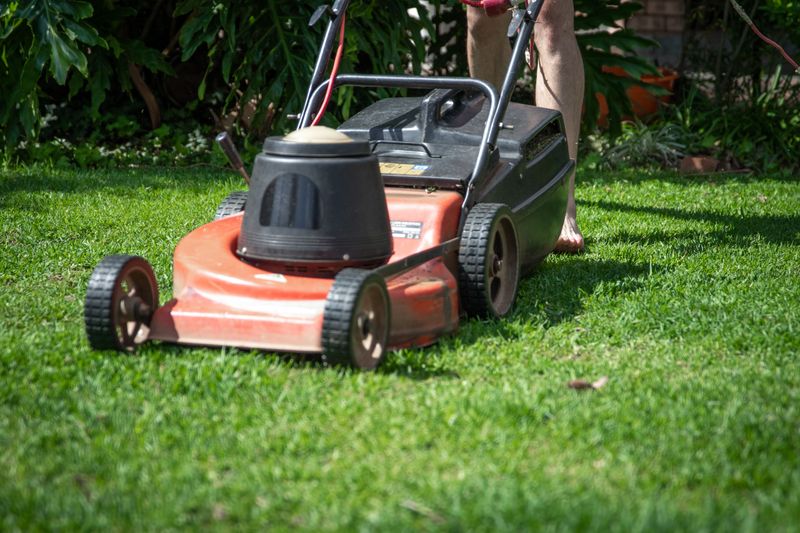
You changed mowing habits to match grass growth instead of sticking to a fixed schedule. You noticed healthier turf fast.
Cutting at the right height, and timing when clippings fell, helped roots stay strong through dry spells later in the season.
You raised the mower height during summer. You let grass grow a bit longer between cuts, which shaded the soil and suppressed weeds trying to take hold.
The change reduced stress on the lawn overall. It also noticeably reduced watering needs during the hottest months.
Leaving clippings behind as mulch returned nutrients straight back into the soil. It saved you time you used to spend bagging and hauling.
A simple calendar tied to growth spurts, rather than a fixed weekday, made the whole chore quieter and more effective.
Adjusting your mowing gave the yard a fuller look. It became more resilient too, without needing extra fertilizer or other inputs.
That small behavior shift made weekends quieter around your house. It left the lawn greener with far less fuss, since the grass was finally growing on its own terms instead of yours.
10. Watch Weather Patterns Before Big Yard Work
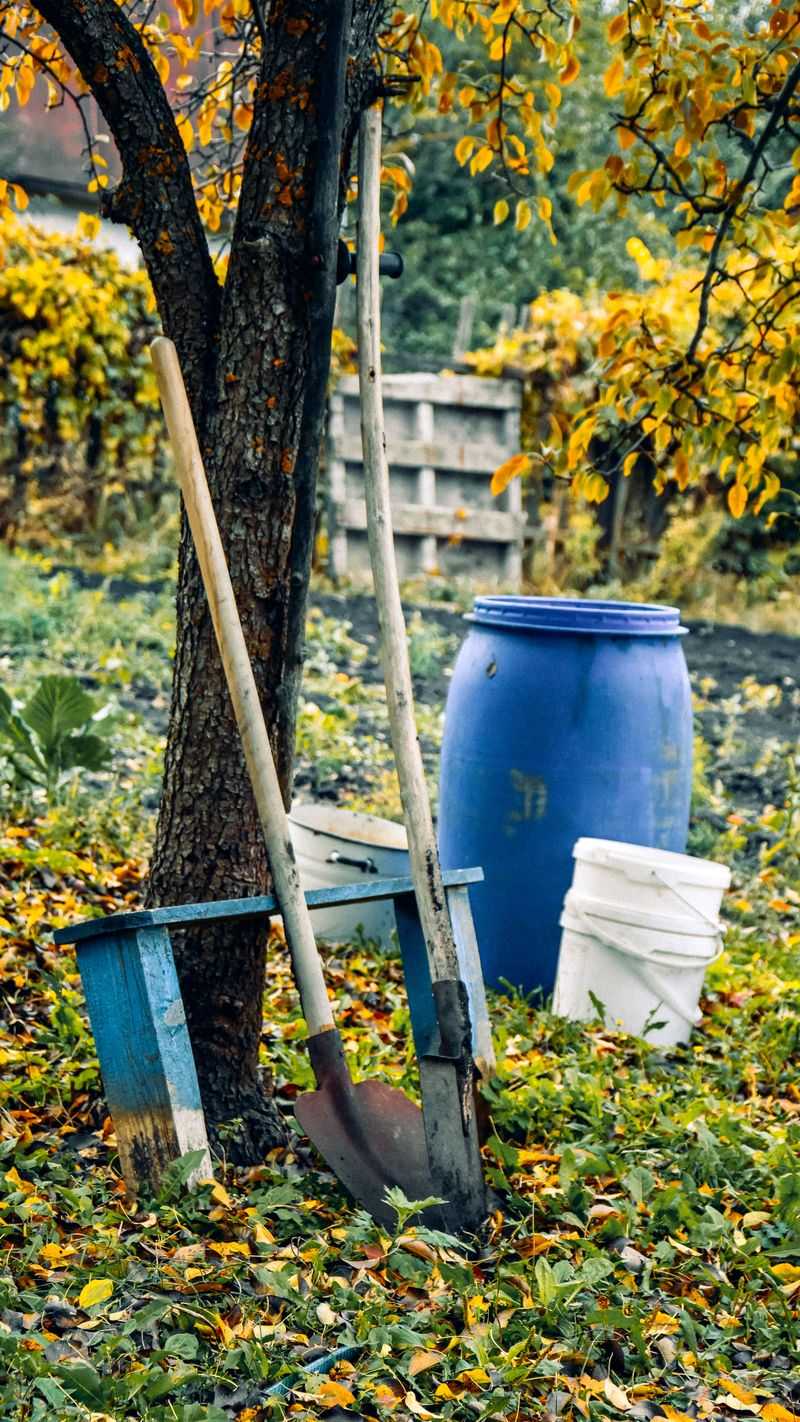
You started checking weather patterns before scheduling major yard projects. That habit alone helped you avoid wasted effort.
Timing tasks around rain and heat made soil work and planting succeed far more often than not.
You use short term forecasts along with simple seasonal patterns to pick storm free windows for digging and planting. Moving a big job away from an incoming storm saved plants from getting washed away or compacted by heavy rain hitting freshly turned soil.
Watching these trends also guided when to aerate and when to hold off until drier conditions returned. A small weather habit prevented plenty of re-dos over the years.
It kept plants healthier too, since you avoided extremes at exactly the moments they were most vulnerable.
Planning yard work around weather reduced frustration across the season. It increased your success rate on nearly every project you took on, from planting to bed prep.
That awareness turned ordinary chores into smart, well timed moves. Each one respected the land you were working with, and it respected your schedule too, since fewer redone jobs meant fewer lost weekends.