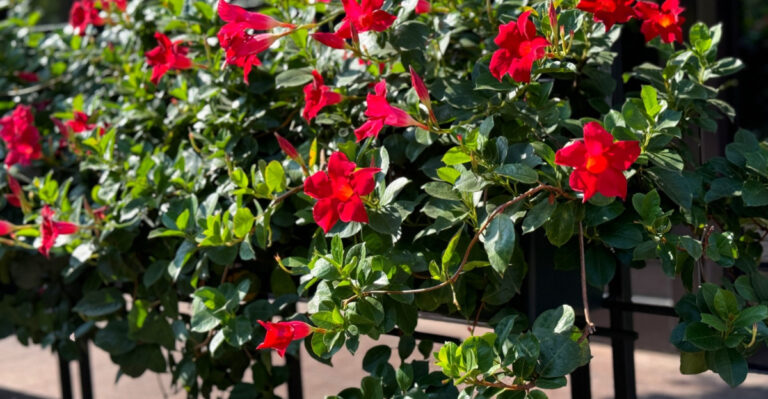
A Rapid Surge In Scale Insects Is Worrying Florida Homeowners, Here’s What You Need To Know
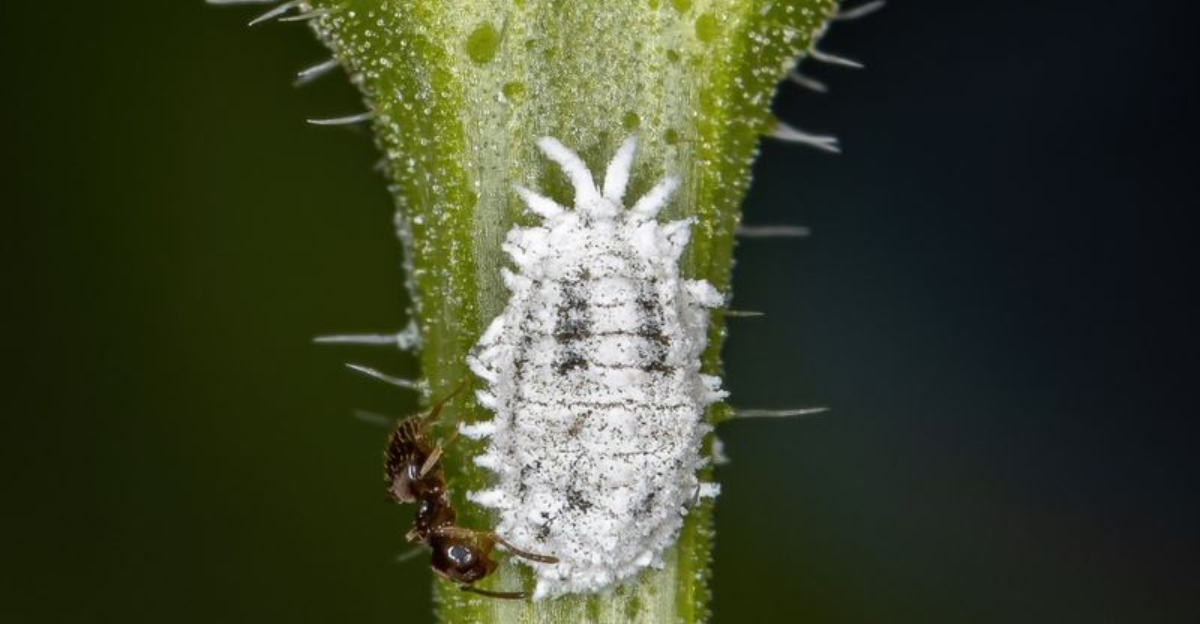
Florida homeowners are noticing something alarming in their yards: tiny, shell-like pests clinging to leaves, stems, and branches of beloved plants.
Scale insects, once a minor nuisance, have suddenly surged across the state, causing widespread concern among gardeners and landscape enthusiasts.
These sneaky pests can weaken plants, stunt growth, and create sticky messes that attract other problems.
Understanding what’s happening and how to respond can help protect your outdoor spaces from serious damage.
Warmer Winters Are Fueling The Population Boom
Florida’s increasingly mild winters have created perfect conditions for scale insects to thrive year-round.
Traditionally, cold snaps would reduce pest populations naturally, giving plants a break during cooler months.
However, recent years have seen fewer freezing temperatures, allowing these insects to reproduce continuously without seasonal interruption.
When temperatures stay consistently warm, scale insects can complete multiple life cycles in a single year.
This rapid reproduction leads to exponentially larger populations that overwhelm gardens and landscapes.
Climate patterns have shifted enough that many areas of Florida no longer experience the cold stress that once kept pest numbers manageable.
Homeowners who never dealt with scale problems before are now facing infestations for the first time.
Understanding this connection between weather and pest activity helps explain why the problem seems so sudden.
Warmer conditions don’t just support scale insects—they accelerate their spread.
Monitoring weather patterns and adjusting your pest management strategies accordingly can make a real difference.
Being proactive during mild winters can prevent small populations from becoming major outbreaks when spring arrives.
Recognizing The Early Warning Signs
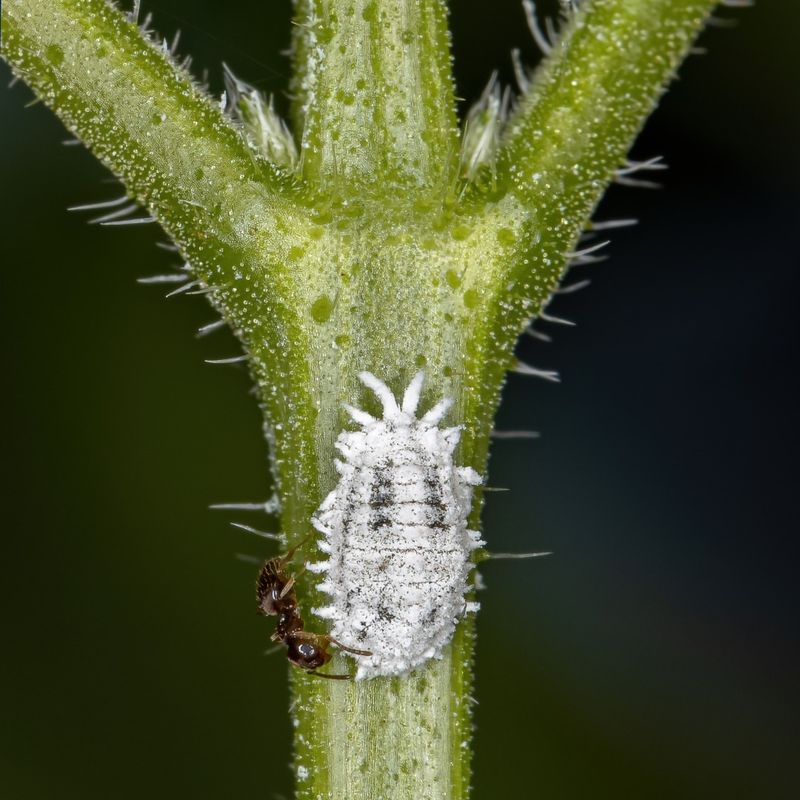
Spotting scale insects early can save your plants from serious harm, but these pests are masters of disguise.
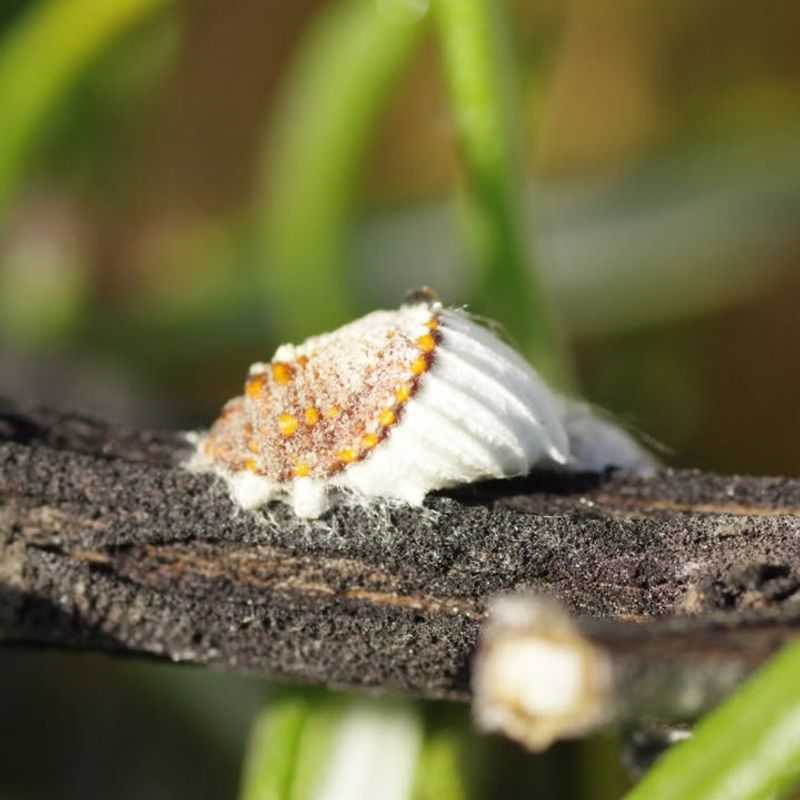
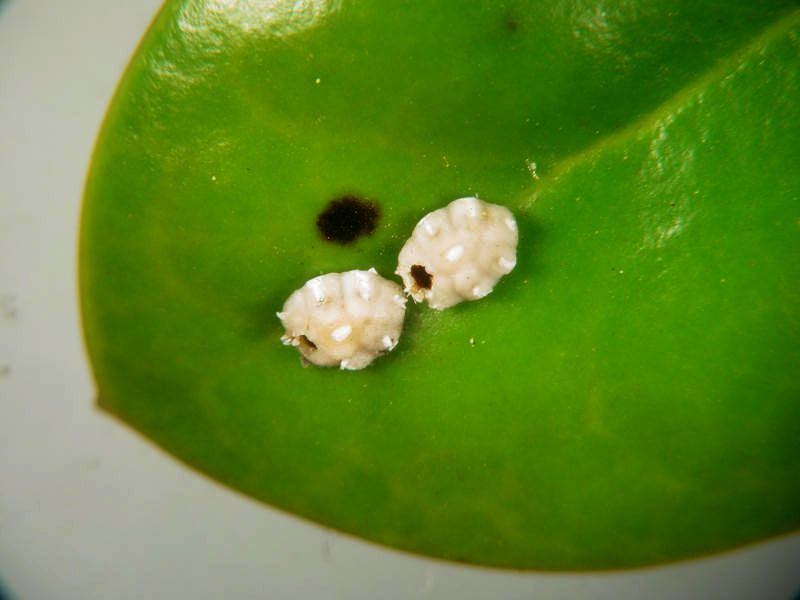
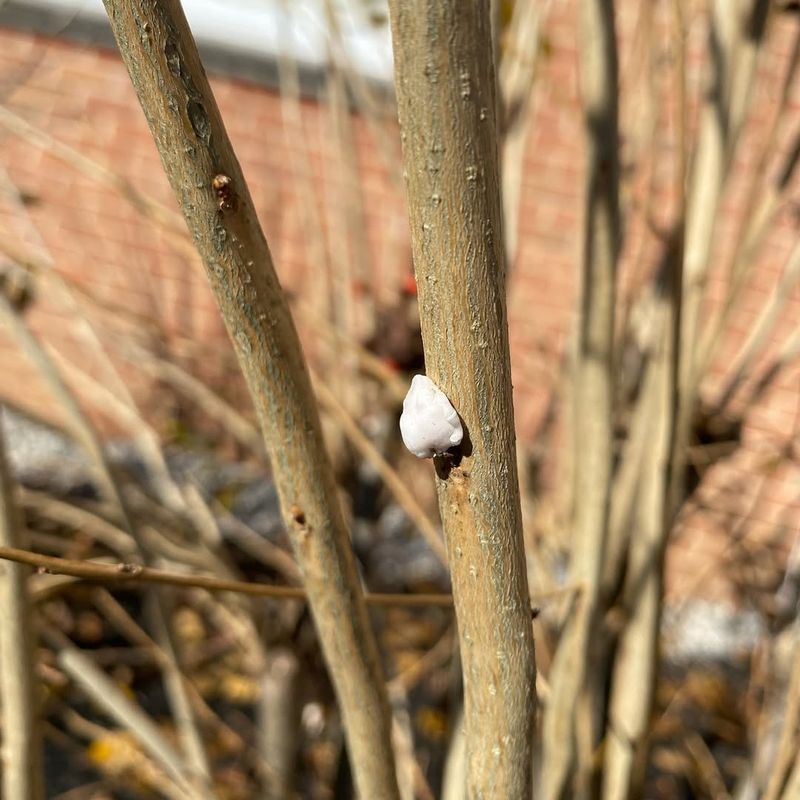
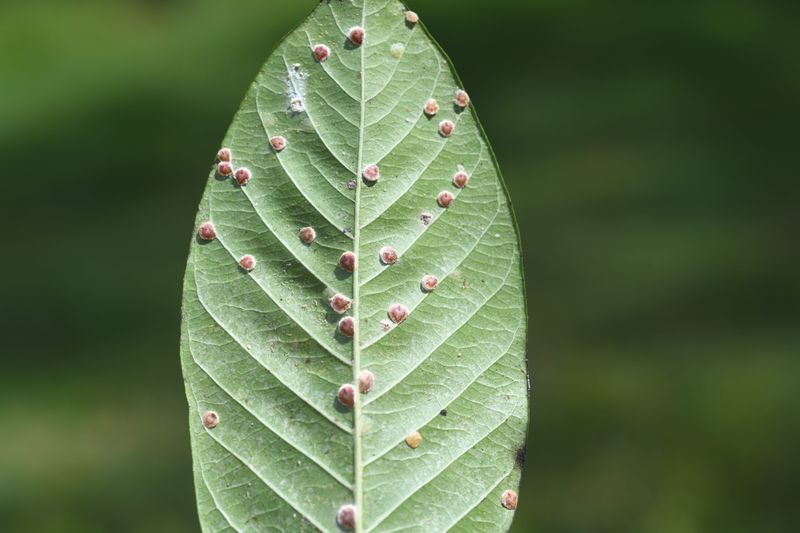
They often look like small bumps, waxy shells, or discolored spots on stems and leaves, easily mistaken for part of the plant itself.
Many people don’t realize they have an infestation until damage becomes obvious.
One telltale sign is sticky honeydew coating leaves and surfaces below affected plants.
This sugary substance is a waste product from scale insects feeding on plant sap.
You might also notice black sooty mold growing on the honeydew, which blocks sunlight and interferes with photosynthesis.
Leaves may turn yellow, curl, or drop prematurely as the plant weakens.
Check the undersides of leaves and along stems where scales like to hide.
They prefer sheltered spots away from direct sunlight.
Using a magnifying glass can help you identify these tiny pests before they multiply.
Regular inspections, especially during warm months, give you the best chance of catching infestations early.
Once you know what to look for, monitoring becomes second nature and keeps your landscape healthier overall.
Which Plants Are Most Vulnerable
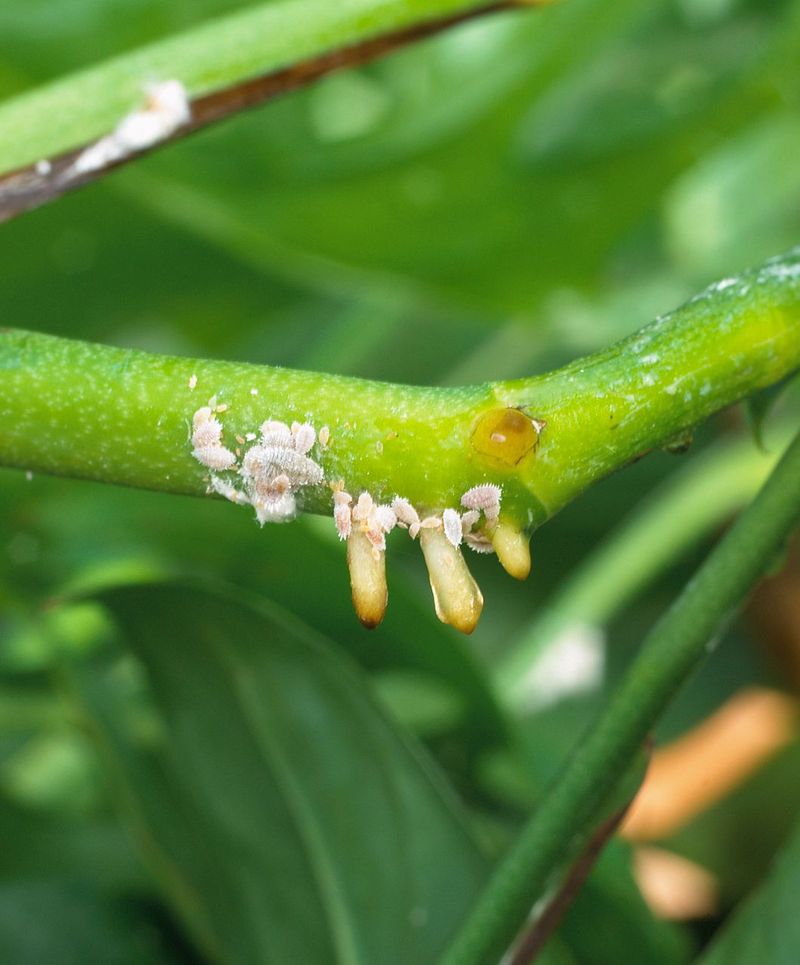
Not all plants face equal risk when it comes to scale insect infestations, and knowing which ones are most vulnerable helps you focus your efforts.
Citrus trees are prime targets, with species like oranges, lemons, and grapefruits frequently attacked by various scale types.
These valuable fruit trees can suffer reduced yields and weakened health when infested.
Palm trees, iconic to Florida landscapes, also attract scale insects that feed on fronds and trunks.
Sago palms are particularly susceptible and can decline rapidly without intervention.
Ornamental plants like hibiscus, ixora, and ficus are commonly affected, often showing symptoms before other plants in the yard.
Magnolias, camellias, and gardenias also make appealing hosts for these pests.
Even indoor plants brought outside during warm months can become infested and carry scales back inside.
Houseplants like orchids and ferns need careful inspection before returning indoors.
Understanding which plants in your landscape are most at risk allows you to monitor them more closely.
Prioritizing inspections and treatments for vulnerable species can prevent widespread problems.
Diversifying your plantings and choosing more resistant varieties when possible also reduces overall vulnerability.
How Scale Insects Spread So Quickly
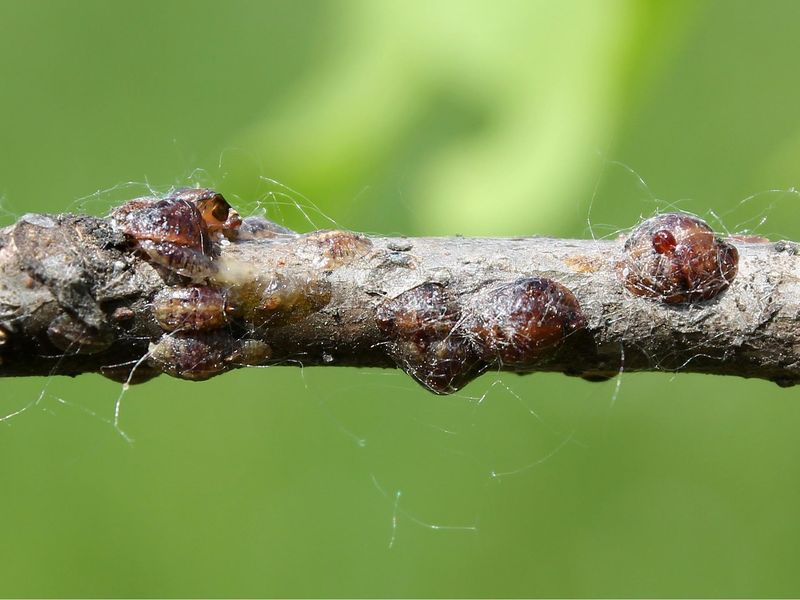
Once scale insects establish themselves in one location, they can spread through neighborhoods with surprising speed.
Young scale insects, called crawlers, are mobile and can walk from plant to plant when branches touch or overlap.
They’re also light enough to be carried by wind currents to nearby yards.
Birds, beneficial insects, and other wildlife can inadvertently transport scales on their bodies as they move through gardens.
Even gardening tools, clothing, and equipment can carry these pests from one location to another.
Purchasing infested plants from nurseries or garden centers is another common way scales enter new landscapes.
Always inspect new plants carefully before bringing them home.
Sharing cuttings or plant divisions with neighbors and friends can also spread infestations if you’re not careful.
What seems like a generous gift might introduce a serious problem.
Understanding these pathways helps you take preventive measures.
Keeping plants properly spaced reduces direct contact between foliage.
Cleaning tools between uses and quarantining new plants for a few weeks can interrupt the spread.
Community awareness and coordinated efforts make neighborhood-wide control much more effective.
Common Scale Species Causing Problems
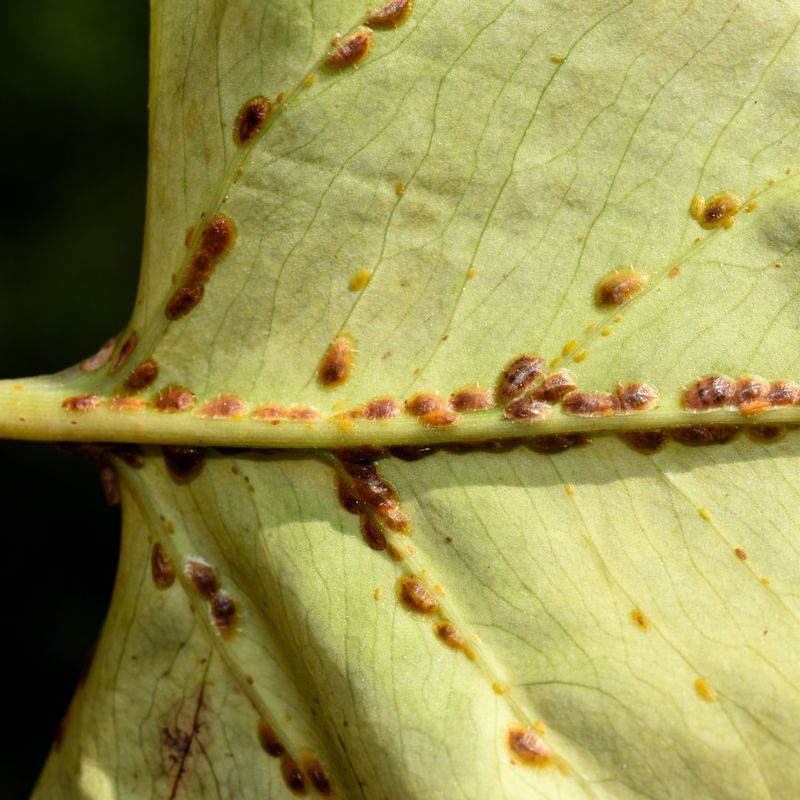
Florida hosts numerous scale insect species, each with distinct characteristics and preferred host plants.
Soft scales, like the Florida wax scale and brown soft scale, produce abundant honeydew and are often found on citrus, ficus, and ornamentals.
Their soft, waxy covering makes them somewhat easier to control with certain treatments.
Armored scales, including the Asian cycad scale and white peach scale, have hard protective shells that make them more challenging to manage.
They don’t produce honeydew but cause direct damage by feeding on plant tissues.
The Asian cycad scale has been particularly devastating to sago palms and cycads across the state.
This invasive species arrived in Florida relatively recently but has spread rapidly.
Cottony cushion scale is another problematic species that produces distinctive white egg sacs.
This species affects citrus trees and many ornamental plants throughout Florida.
Identifying which species you’re dealing with helps determine the most effective treatment approach.
Some scales have natural predators that can be encouraged, while others require more direct intervention.
Local extension offices can help with identification if you’re unsure.
Knowing your enemy is the first step toward effective control.
Natural Control Methods That Actually Work
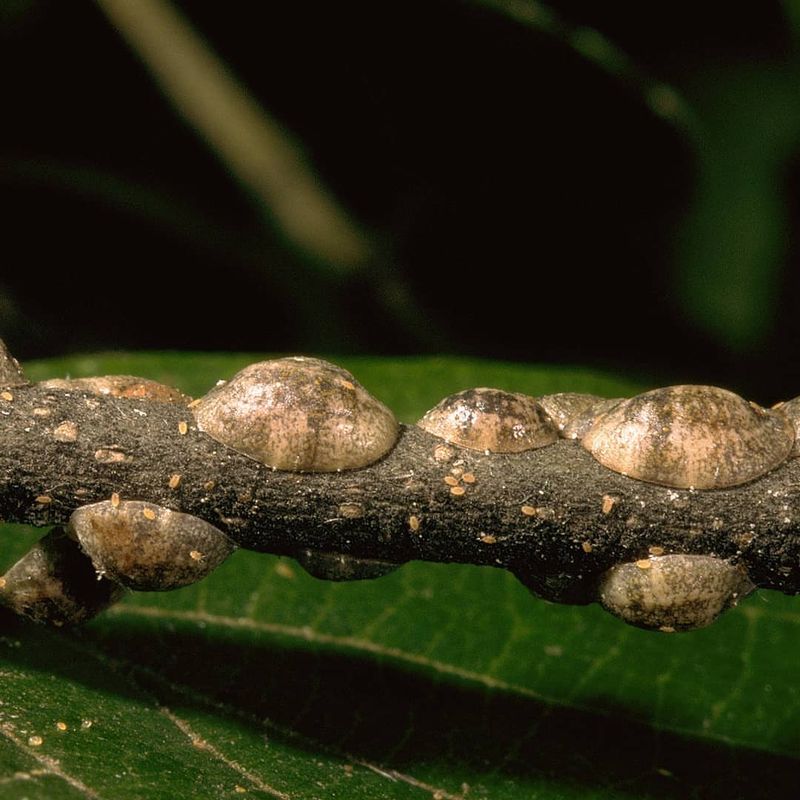
Many homeowners prefer starting with natural approaches before resorting to stronger chemical treatments.
Horticultural oils are highly effective against scale insects when applied correctly.
These oils smother the pests by coating their bodies and blocking their breathing pores.
Neem oil offers another plant-based option that disrupts scale reproduction and feeding behaviors.
It works best on young crawlers before they develop protective coverings.
Encouraging beneficial insects like ladybugs, lacewings, and parasitic wasps provides ongoing biological control.
These natural predators feed on scale insects and help keep populations in check.
Insecticidal soaps can effectively control soft scales, especially when sprayed directly on the pests.
Multiple applications are usually necessary for complete control.
Physically removing scales by hand or with a soft brush works well for small infestations.
Wiping affected stems and leaves with rubbing alcohol on a cotton swab can also eliminate individual pests.
Maintaining plant health through proper watering, fertilizing, and pruning makes plants more resistant to scale damage.
Healthy plants can tolerate minor infestations that might overwhelm stressed specimens.
Combining multiple natural methods often yields better results than relying on a single approach.
Chemical Treatment Options For Severe Infestations
When natural methods aren’t enough, chemical treatments can provide more powerful control for severe scale infestations.
Systemic insecticides work by being absorbed into plant tissues, making the entire plant toxic to feeding insects.
These products can provide long-lasting protection, sometimes for several months.
Contact insecticides target scales directly and work quickly, but they require thorough coverage and multiple applications.
They’re most effective against crawler stages before protective coverings develop fully.
Timing applications correctly is crucial for chemical treatments to work effectively.
Applying products when crawlers are active gives the best results.
Always read and follow label instructions carefully, paying attention to which plants can be treated safely.
Some products aren’t suitable for edible crops or specific ornamental species.
Consider the impact on beneficial insects when choosing chemical treatments.
Some products are less harmful to natural predators than others.
Rotating between different chemical classes helps prevent resistance from developing in scale populations.
Using the same product repeatedly can make it less effective over time.
Professional pest control services can provide expertise and access to products not available to homeowners.
Sometimes calling in experts is the most efficient solution for serious problems.
Prevention Strategies To Protect Your Landscape
Preventing scale infestations is far easier than treating established populations, and good cultural practices make all the difference.
Start by purchasing plants only from reputable nurseries that maintain good pest management programs.
Inspect every plant carefully before bringing it home.
Quarantine new plants for a few weeks in a separate area where you can monitor them for any pest problems.
This simple step can save you from introducing scales to your entire landscape.
Maintain proper spacing between plants to improve air circulation and reduce opportunities for scales to spread.
Overcrowded plantings create ideal conditions for pest problems.
Prune out heavily infested branches promptly and dispose of them properly.
Don’t compost infested material, as this can spread pests back into your garden.
Keep plants healthy through appropriate watering, fertilizing, and soil management.
Stressed plants are more susceptible to pest attacks and less able to recover from damage.
Monitor your landscape regularly throughout the year, not just during peak growing season.
Early detection allows for easier, less intensive control measures.
Building these practices into your routine creates a healthier, more resilient landscape that can better withstand pest pressures.
What Experts Recommend For Florida Homeowners
Florida’s university extension services and horticulture experts have developed specific recommendations for managing the current scale surge.
They emphasize the importance of accurate identification before starting any treatment program.
Misidentifying the problem can lead to ineffective treatments and wasted time.
Experts recommend integrated pest management approaches that combine multiple control strategies rather than relying on a single method.
This holistic approach tends to be more sustainable and effective long-term.
Timing treatments to target vulnerable crawler stages is repeatedly stressed by specialists.
This is when scales are most susceptible to control measures.
Professionals also encourage homeowners to preserve beneficial insect populations whenever possible.
These natural allies provide free, ongoing pest control if given the chance.
Regular monitoring and record-keeping help you track what works in your specific landscape.
What succeeds in one yard might not be ideal for another.
Extension offices offer free or low-cost plant diagnostics and can provide customized advice for your situation.
Taking advantage of these resources saves guesswork and money.
Many experts also recommend joining local gardening groups or master gardener programs.
Sharing experiences and solutions with other homeowners facing similar challenges can be invaluable.
Long-Term Impact On Florida’s Urban Forests
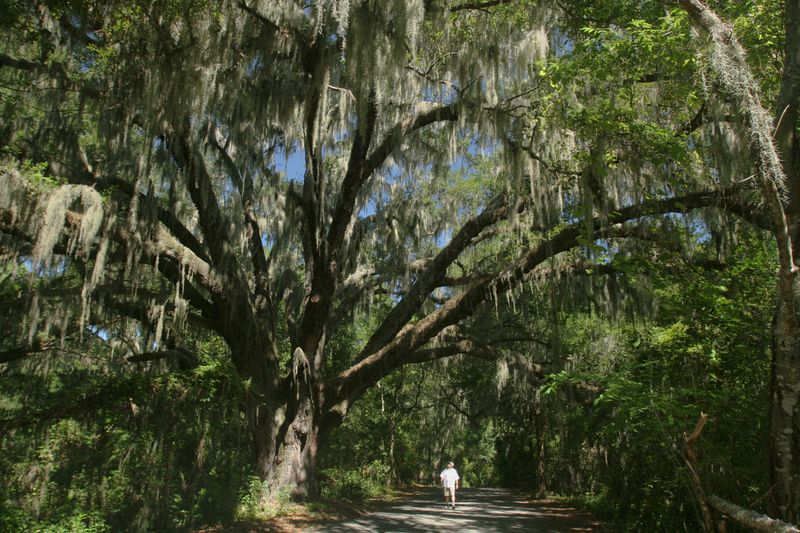
The current scale insect surge has implications beyond individual yards, potentially affecting Florida’s entire urban forest ecosystem.
Repeated infestations can weaken trees and shrubs over time, making them more vulnerable to other stresses like drought, disease, and storm damage.
This cumulative effect can shorten the lifespan of valuable landscape plants.
Property values can be impacted when neighborhoods experience widespread plant decline and loss.
Mature trees and established landscapes contribute significantly to home values and community appeal.
The environmental services provided by urban vegetation—including air quality improvement, temperature moderation, and stormwater management—can be compromised.
Losing substantial tree canopy affects entire communities.
Native plant populations and wildlife that depend on them may face additional pressures if scale insects continue spreading unchecked.
Disrupting these ecological relationships can have ripple effects.
Economic impacts include increased costs for homeowners, municipalities, and landscaping businesses dealing with infestations.
Resources spent on pest control could otherwise support community improvements.
Taking action now, both individually and collectively, helps protect Florida’s green infrastructure for future generations.
Community-wide awareness and coordinated management efforts make the biggest difference in preserving our shared landscape heritage.