Alabama’s Official State Flower Is Blooming Weeks Before Most People Expect It To
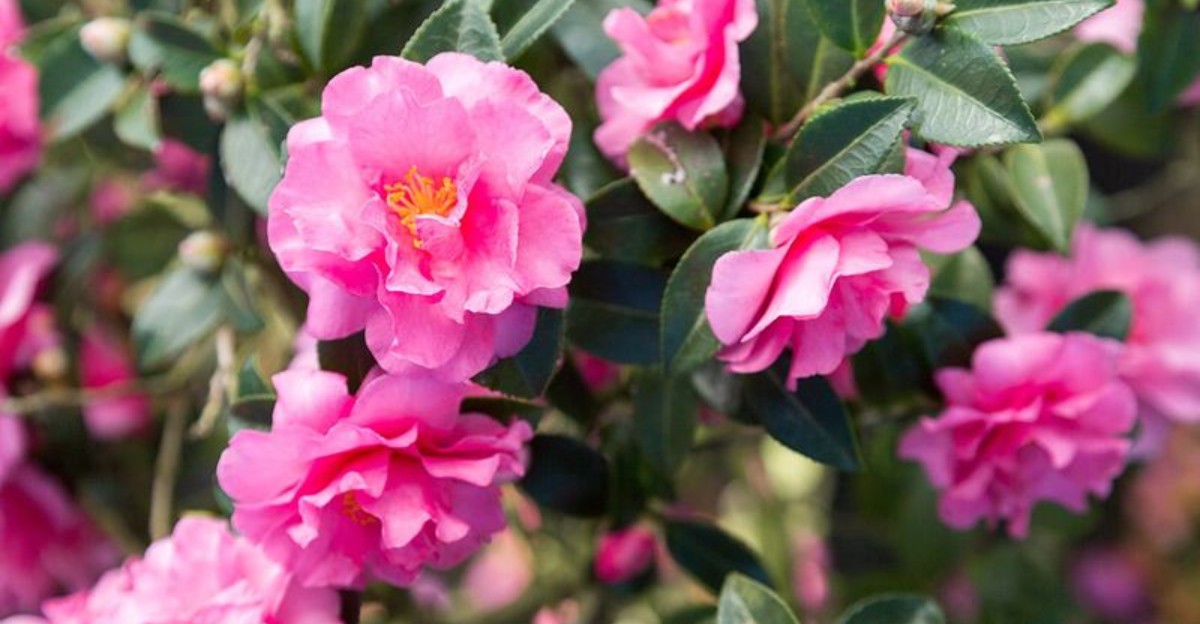
Most Alabamians think of camellias as a winter flower. So when pink blossoms appear on a neighbor’s hedge in October, it can look like the calendar got scrambled.
It didn’t. Alabama’s state flower is the camellia, and one early branch of the family is built to bloom in the fall, weeks ahead of the winter-flowering types that most people picture.
Cooler nights and shorter days across Alabama tell the buds it’s time to open. Pumpkins may still be sitting on your porch, but your camellias are right on schedule.
Here’s what’s behind the early color, and how to care for it. You’ll learn how to tell which camellia you own and when its buds are set.
Then see how bloom dates shift from the Gulf Coast to North Alabama. Late pruning mistakes can cost you plenty of flowers each year.
The Fall-Flowering Side Of The Camellia Family
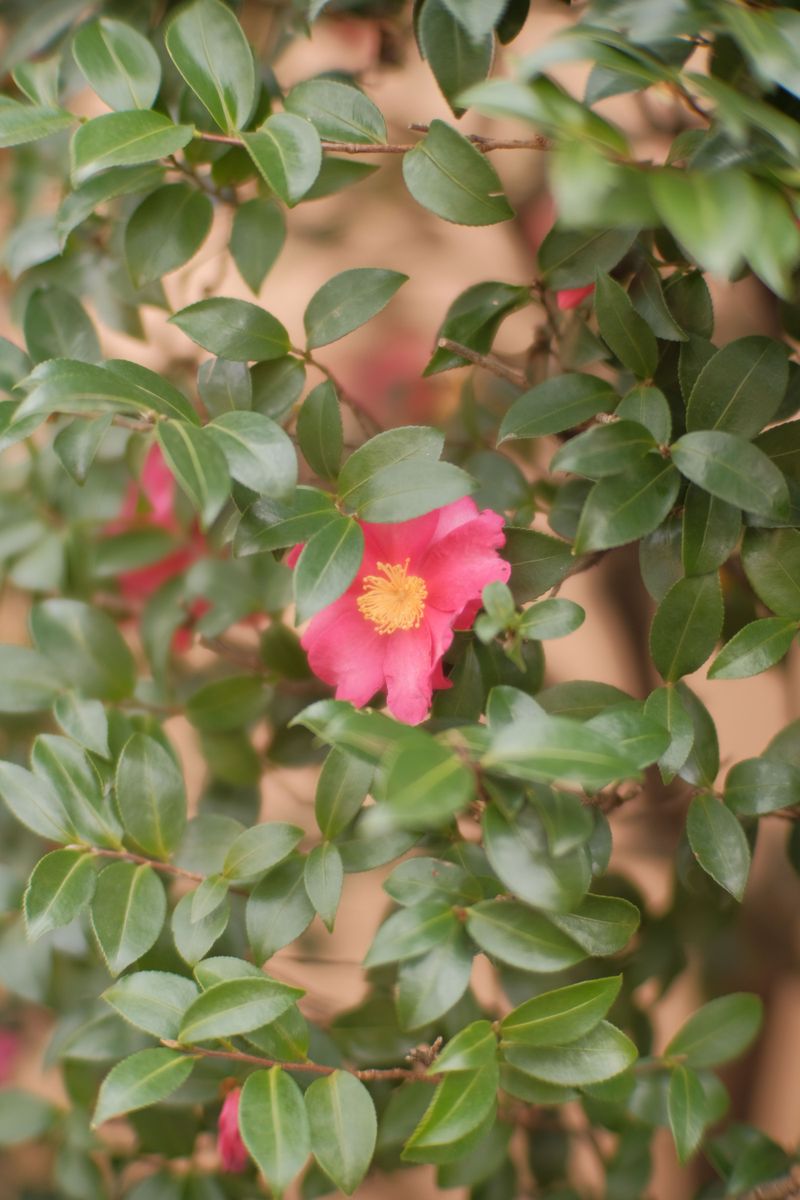
Camellia sasanqua carries the quiet secret that surprises so many gardeners each autumn. Its flowers open in October, long before the famous winter bloomers get their turn.
Alabama named the camellia its official state flower in 1959, replacing the goldenrod. Lawmakers didn’t specify one species in 1959, letting the whole genus qualify.
In 1999, legislators narrowed it officially to Camellia japonica L. Its cousin sasanqua is still a camellia, though, and it’s the one stealing the show in October.
Sasanqua types tend to be smaller-leaved, faster growing, and far more tolerant of direct sun. Japonica types, the ones most people picture, hold their buds until December or January.
So a hedge covered in pink blossoms during Halloween week is not broken or confused. It is simply the early branch of the family doing exactly what it evolved to do.
Growers in Mobile and Montgomery have leaned on these autumn bloomers for generations. Old homesteads still carry shrubs planted in the 1920s that flower most falls.
Petals drop quickly, often within a matter of days. The ground beneath a mature plant turns into a soft pink carpet by November.
If your shrub blooms early, check the leaf size before assuming something went wrong. Narrow, glossy leaves under three inches usually point straight toward the sasanqua group.
Knowing which type you own changes everything about pruning, feeding, and expectations. Gardeners who learn that difference stop worrying and start enjoying two separate flower seasons.
Ask any longtime Alabama nursery worker and they will confirm the autumn rush is normal. Their busiest camellia sales week often lands somewhere between mid-October and Thanksgiving.
Cool Nights And The Hidden Bud Trigger
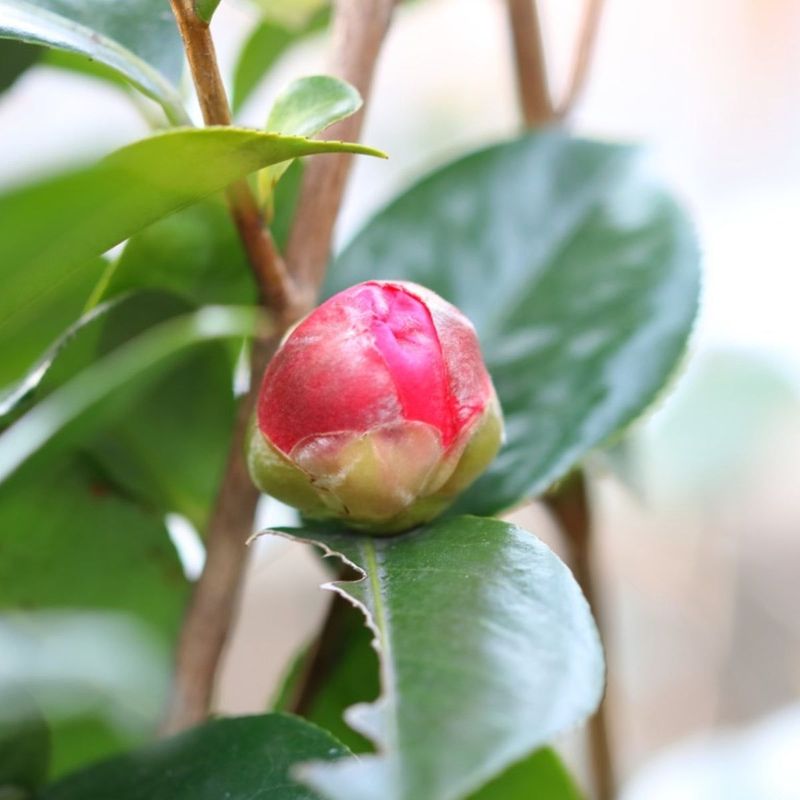
Flower buds on these shrubs form back in late spring, right after the previous blooms fade. They sit tight through the summer, waiting for a signal that the season has shifted.
That signal arrives as nights cool and daylight hours shrink through early autumn. Once evening temperatures settle into the cool range, the early types begin swelling their buds.
Rain plays a role too, since steady autumn rain pushes buds open faster. A dry stretch can delay the show by two or three weeks without harming the plant.
Your Alabama Garden Changes Every Week. Your Plan Should Too.
Gardening in Alabama changes quickly throughout the season. Every Friday you’ll receive a simple weekly plan showing exactly what to plant, prune, fertilize, harvest, and protect so you never miss the right timing.
Gardeners often blame fertilizer or strange weather for the surprise timing. The truth is much simpler, because the plant has been counting daylight all along.
Heat stress in August can cause a few buds to drop before they ever open. Deep watering during that dry stretch protects the flower count you will see in October.
Container-grown plants respond even faster since their roots feel temperature changes sooner. A potted shrub on a shaded patio may bloom a full week ahead of garden plants.
Young shrubs sometimes skip their first autumn entirely while they build root systems. Patience usually pays off by the second or third season with a heavy flush.
Understanding the trigger helps you plan, rather than panic, when color shows up early. Mark the date each year and you will notice a pattern within three seasons.
Gardeners see the same pattern across the Gulf Coast and central counties alike. Warm Octobers push blooms later, while early cold snaps pull the whole schedule forward.
Bloom Windows From The Gulf Coast To North Alabama
Geography shapes the calendar more than most people realize in a state this tall. Coastal counties like Baldwin often see the first open flowers in early October.
Move north toward Birmingham and that same variety waits until late October. Up around Huntsville, the first blooms frequently hold off until early November arrives.
Elevation and wind exposure shift things further, sometimes by ten days on one property. A shrub against a warm brick wall opens sooner than one in an open yard.
Mid-season varieties bridge the gap, flowering from December through the middle of January. Late types carry the color into March, which keeps something blooming for six straight months.
Planting a mix of early, mid, and late selections is the trick old Southern gardens used. Visitors assumed one magical shrub bloomed forever, when really three different plants shared the job.
Coastal gardeners get longer displays because hard freezes rarely interrupt the parade. Northern counties trade length for intensity, since cold weather sharpens petal color considerably.
Keep a simple notebook listing which plants opened when across your own property. Three years of notes will tell you more than any generic planting guide ever could.
Local extension offices publish bloom charts tailored to specific Alabama regions. Those charts help you fill gaps instead of buying five shrubs that flower the same week.
Garden clubs along the coast often hold their shows earlier in the season, while inland clubs wait until deeper winter. The scheduling difference tells you everything about how much latitude matters here.
The Late Pruning Mistake That Removes The Blooms
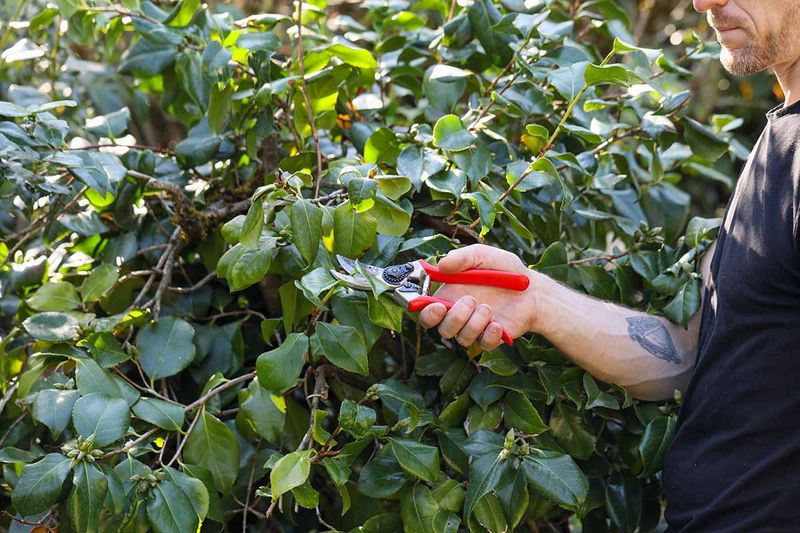
Here’s a common mistake that catches new owners off guard. Someone trims a shaggy shrub in August and wonders why October brings nothing but leaves.
Those buds formed months earlier, so late summer cuts remove the entire flower supply. The plant stays healthy, so the season passes with foliage but no flowers.
Prune right after your shrub finishes flowering, and no later than early summer. For sasanqua, that’s usually January or February. Japonica and late bloomers flower into March, so wait until spring for those.
Light shaping is fine any time, as long as you avoid removing branch tips. Buds cluster near those tips, which is exactly where hedge trimmers do the most damage.
Hedge shears cause more disappointment than any pest or fungus in Southern yards. Hand pruners let you remove one branch at a time while sparing the flower buds.
Damaged or crossing branches can come out whenever you spot them, no calendar required. Thinning the interior also improves air movement, which reduces trouble later in the season.
If you already trimmed too late, skip the guilt and simply wait a year. The plant will set fresh buds next spring and return to schedule the following fall.
Mark your pruning window on a phone calendar the week your shrub finishes blooming. That single reminder saves more flowers than any fertilizer you could possibly buy.
Professional landscapers in Alabama often schedule sasanqua pruning for February, right after the blooms fade.
Water, Mulch, And Filtered Light For Fuller Flowers
Three inches of pine straw does more for these shrubs than most expensive products. Roots sit shallow and shaded soil keeps them cool through the last hot weeks.
Pine bark works equally well and slowly feeds the acidic conditions camellias prefer. Keep the mulch a few inches away from the trunk to discourage rot problems.
Watering matters most from August through early October while buds are swelling fast. One deep soaking each week beats daily sprinkles that barely reach the lower roots.
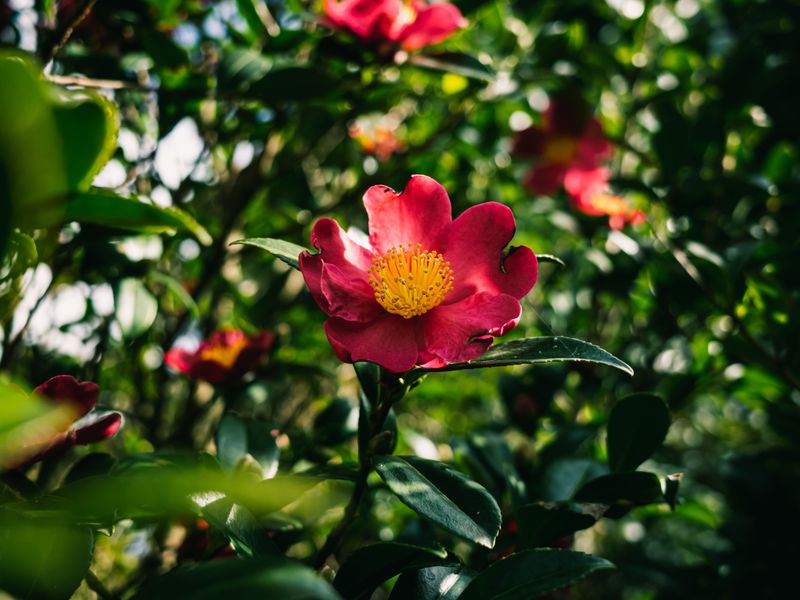
Morning sun paired with afternoon shade produces the heaviest flower counts in Alabama yards. Full southern exposure scorches leaves and can bleach delicate pink petals to pale cream.
Sasanqua types handle brighter spots than their winter-blooming cousins, which opens more planting options. They still appreciate protection from harsh western light during late summer afternoons.
Feeding should happen in spring, not autumn, since late nitrogen pushes tender growth. That soft growth gets nipped by the first frost and wastes the plant’s energy.
A soil test costs very little and tells you whether acidity is drifting too high. Camellias thrive between pH five and six, which most Alabama soils already provide naturally.
Simple care generally beats complicated routines with these shrubs. Water deeply, mulch generously, and let the plant handle the rest of the schedule.
Neighbors often ask what secret product creates such heavy blooming along a fence line. The honest answer is usually pine straw, a hose, and a bit of shade.
Frost Nights, Petal Blight, And Season-Long Protection
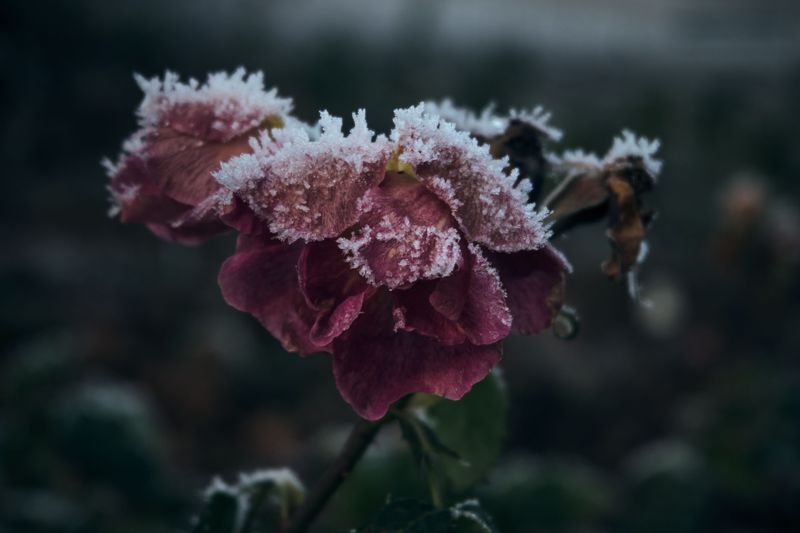
An early bloom season carries one obvious risk in the form of surprise cold snaps. Open flowers turn brown after a hard freeze, though the plant itself shrugs it off.
Buds still closed usually survive fine and open once milder weather returns. Alabama gardeners often see three separate waves of flowers because of this pattern.
Petal blight is the bigger nuisance, showing up as brown spots that spread quickly. The fungus lives in fallen petals and old mulch, waiting for the next season.
Raking up spent blossoms weekly is the single most effective defense available. Bag them rather than composting, since the spores survive ordinary backyard compost piles.
Fresh mulch each autumn buries leftover spores and lowers the chance of reinfection. Top up with about an inch, keeping the total layer at two to three inches.
Scale insects sometimes appear on leaf undersides, leaving sticky residue and sooty film. Horticultural oil applied on a mild winter day handles them without harming pollinators.
Covering a small shrub with an old sheet can protect open flowers on a night that dips to freezing, though it won’t save them in a hard freeze. Remove the cover the next morning so trapped heat does not cook tender buds.
Damaged flowers look rough, yet the shrub reliably returns the following year. These plants have thrived in Alabama gardens for generations.
Treat the cleanup as part of the enjoyment rather than an extra chore. Ten minutes with a rake buys you brighter flowers through the entire following season.