The Arizona Plants That Keep Scorpions Out of Your Garage and Away From the Door Seal
Few things ruin a summer night in Phoenix or Tucson faster than spotting a bark scorpion near the garage door. These sneaky critters hunt bugs, hide in shady spots, and squeeze through gaps thinner than a credit card.
The good news is that the plants you grow near your entry points can make your home a lot less inviting to them. Here are eight smart, desert-ready picks, plus where to put them so they help instead of hurt.
1. Lavender
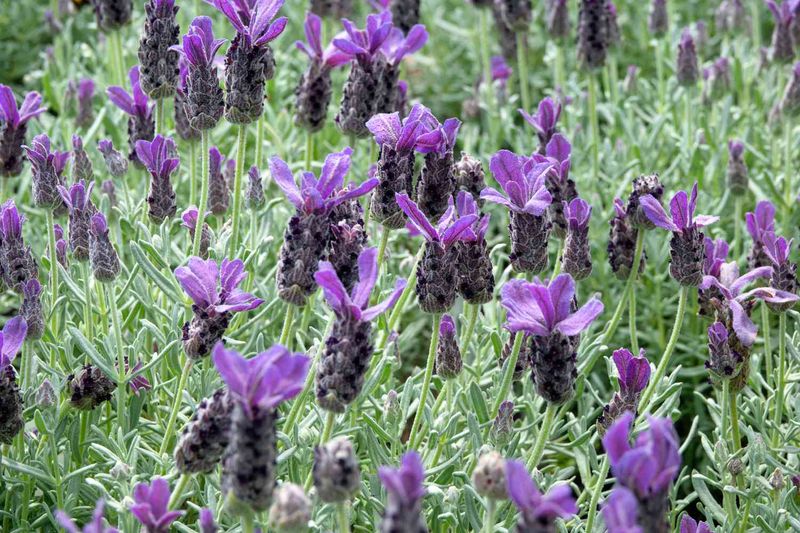
Walk past a lavender bed on a warm evening and the scent hits you right away. People love it, but many crawling pests seem far less impressed.
That strong, oily fragrance is why lavender shows up again and again on lists of plants that may help deter scorpions.
Part of the benefit is indirect. Fewer moths, fleas, and small insects hanging around means less food for scorpions, and a hungry hunter tends to move on.
Lavender also stays fairly open at the base, so it does not create the dark, cozy tangle scorpions look for during the day.
In the low desert, Spanish lavender and lavandin handle the heat better than English types. Give them afternoon shade if you can, fast-draining soil, and very little water once they settle in.
Soggy roots are their biggest enemy, especially in heavy caliche.
Plant a row about two feet out from the garage wall, not pressed against it. That gap keeps leaves from acting as a bridge to the door seal.
Set them in during October or November so roots get growing before June hits 110 degrees. Trim lightly after blooming to keep the plants airy and neat.
2. Desert Marigold
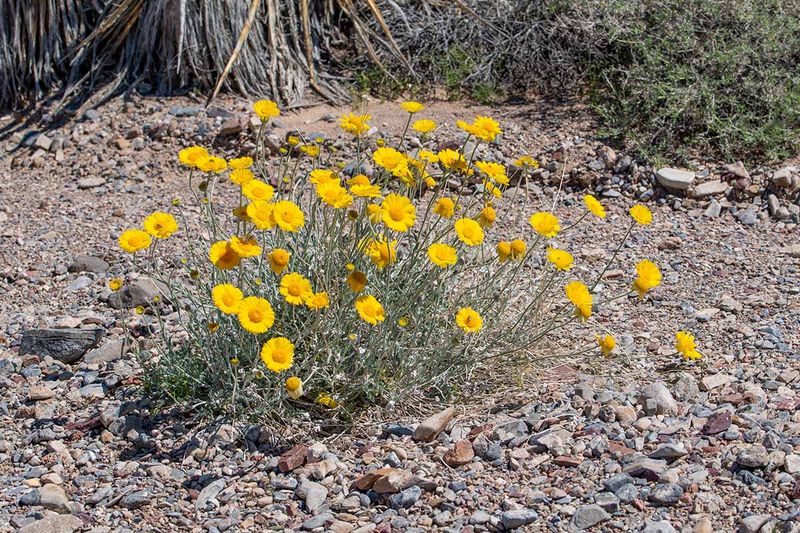
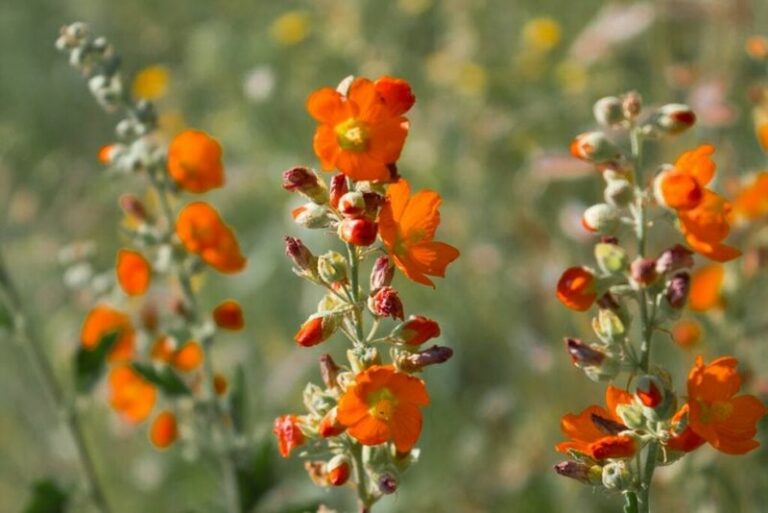
Bright yellow and tough as nails, desert marigold looks cheerful even when your thermometer reads 108. Baileya multiradiata is an Arizona native, so it already knows how to handle poor soil, brutal sun, and long dry spells.
So why does it belong on a scorpion list? The foliage carries a strong scent that can discourage aphids, whiteflies, and other small pests.
Those insects feed bigger bugs, and those bigger bugs feed scorpions. Breaking that food chain near your garage is one quiet way to make the area less appealing.
The plant also stays low and loose. Its fuzzy silver leaves sit in a small mound, leaving plenty of light and air underneath.
Scorpions prefer dark, damp cover, and a marigold patch gives them almost none.
Fun fact: desert marigold can bloom from spring well into fall, and it reseeds on its own in gravel beds. Scatter seed or set out transplants in fall, water a few times to get them going, then mostly leave them be.
Keep them along the driveway edge or walkway, a short step away from the door seal, and enjoy months of color for nearly zero effort.
3. Palo Verde
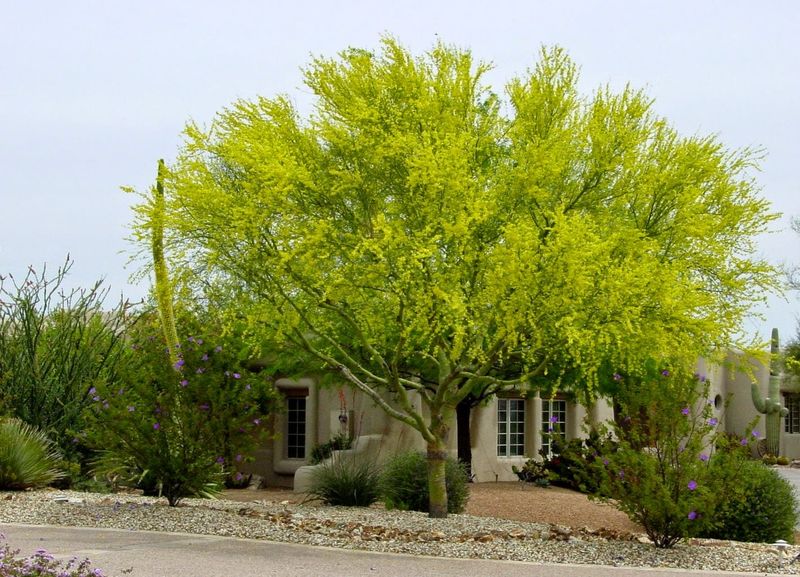
Arizona picked the palo verde as its state tree, and homeowners have plenty of reasons to agree. Green bark, a burst of yellow flowers in spring, and filtered shade on scorching afternoons make it a desert favorite.
Your Arizona Garden Changes Every Week. Your Plan Should Too.
Gardening in Arizona changes quickly throughout the season. Every Friday you’ll receive a simple weekly plan showing exactly what to plant, prune, fertilize, harvest, and protect so you never miss the right timing.
For scorpion control, the big win is structure. Unlike palms with shaggy trunks or citrus with dense, moist canopies, palo verde has smooth bark and thin, airy branches.
There are few cracks and crevices for scorpions to tuck into, so the tree itself is less inviting as a daytime hideout.
It also sips water. Once established, blue palo verde or a hybrid like Desert Museum needs only deep, occasional soaking.
Less irrigation means drier ground near your home, and dry ground is something scorpions and their cricket snacks tend to avoid.
Placement matters. Plant at least 10 to 15 feet from the garage so branches never touch the roofline or walls, since scorpions happily use limbs as highways.
Rake up fallen flowers and pods instead of letting them pile up. Fall planting gives roots a full cool season to dig in.
Bonus: the shade can cool a west-facing garage wall and help your summer power bill.
4. Brittlebush
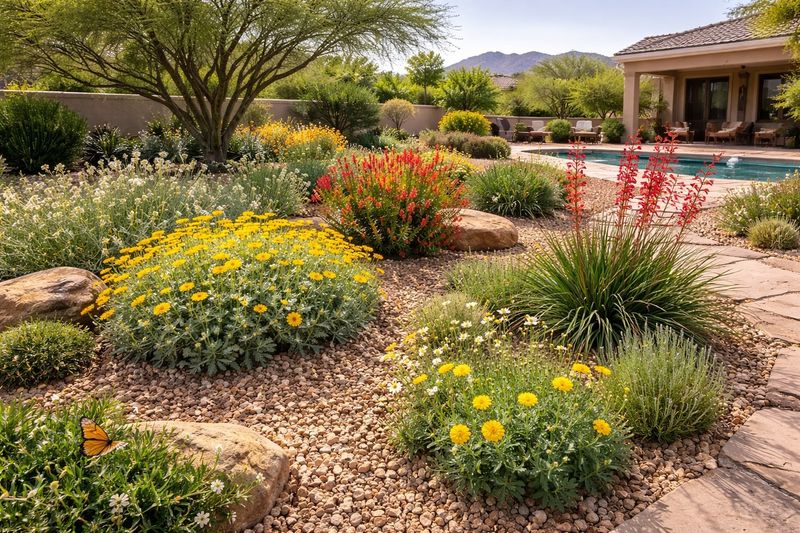
Hike almost any trail around Phoenix in March and you will see hillsides glowing with brittlebush. That same wild toughness makes it a smart choice for the side yard next to your garage.
Brittlebush grows as a rounded shrub with silvery leaves and small yellow daisies held high on stems. The base stays fairly open instead of turning into a thick mat.
Scorpions spend daylight hours hunting for tight, shaded cover, and a well-kept brittlebush just does not offer much.
Water needs are tiny. After the first summer, rain alone often carries it, with an occasional deep drink during long dry stretches.
That keeps the soil around your foundation dry, which helps cut down on crickets, roaches, and the scorpions that chase them.
A little history: early Spanish missionaries reportedly burned the resin from brittlebush stems as incense, which explains its old name, incienso. Today it mostly earns its keep as a pollinator magnet and low-fuss filler.
Cut it back by about a third after spring bloom so it stays tidy and does not get woody. Keep plants a couple feet from the wall, and pair them with rock mulch rather than wood chips that hold moisture.
5. Yucca
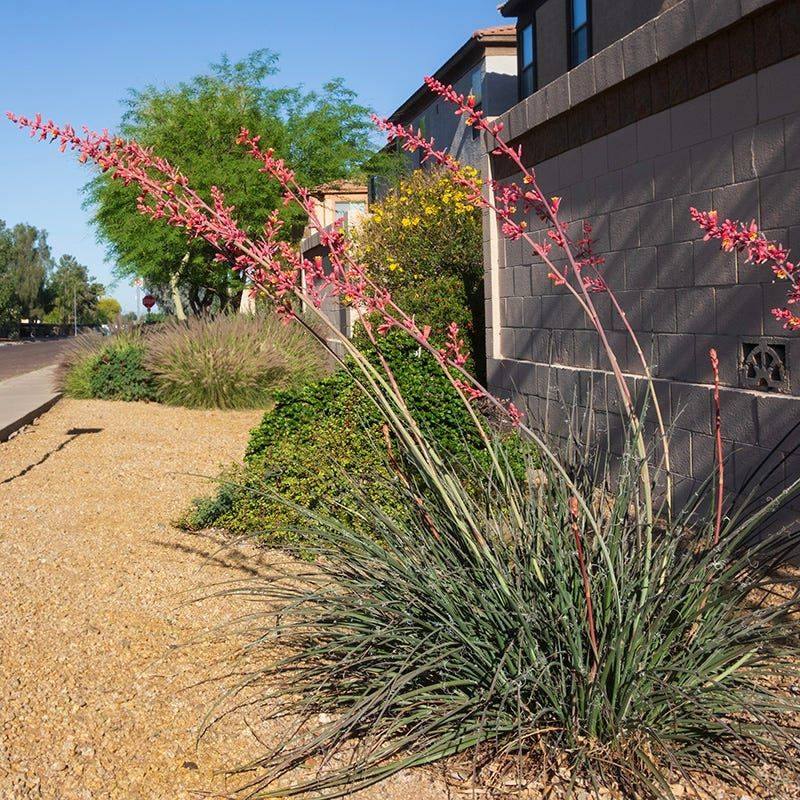
Sharp, sculptural, and totally unbothered by heat, yucca is the low-drama friend of desert landscaping. It barely needs water and tends to attract fewer pests than leafy, thirsty plants.
Here is the scorpion angle. A yucca with clean ground around its base leaves little leaf litter, little dampness, and little reason for bugs to gather.
Fewer insects nearby means fewer meals for scorpions roaming near your door seal.
The trick is upkeep. Older yuccas can collect dried leaves at the bottom, and that skirt can become shelter.
Prune off the lower brown leaves every year or two and sweep away debris. A tidy trunk is the goal.
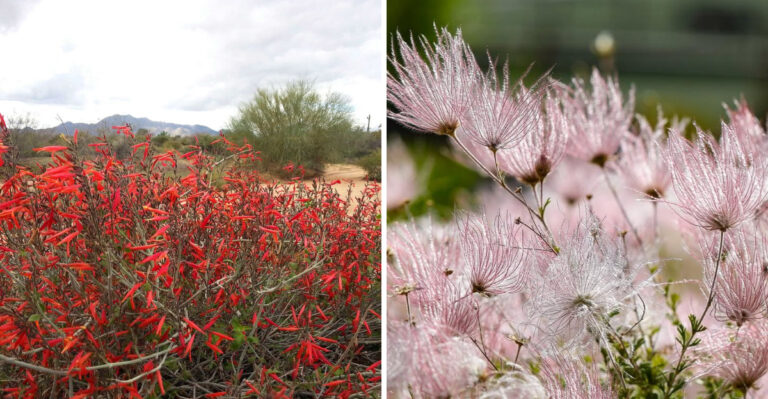
Good choices for Valley yards include soft-leaf yucca, banana yucca, and red yucca, which is technically a Hesperaloe but grows in the same easygoing way. Red yucca sends up coral flower spikes that hummingbirds adore, so you get a wildlife bonus along with the clean look.
Plant in fall or early spring in full sun with gravel around the base. Keep spiny types away from walkways where kids or pets play.
A few feet back from the garage edge, a yucca adds structure without giving pests a free hotel.
6. Artemisia
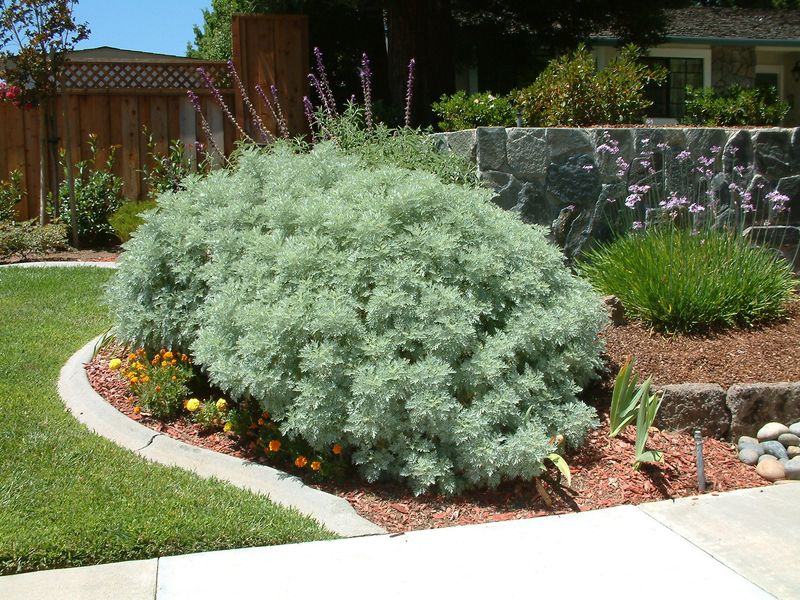
Crush a leaf of artemisia between your fingers and you get a sharp, sagey smell that lingers. That pungent aroma is the reason gardeners have long used it to help keep bugs at bay, and it often lands on lists of plants that may discourage scorpions.
Artemisia includes a whole family of silvery plants, from sand sagebrush to the popular Powis Castle hybrid. Their feathery foliage reflects sunlight, which helps them survive Arizona summers without wilting into a sad heap.
Think of artemisia as a scented border. Plant it along the path from the driveway to the garage service door, or tuck one into a large pot beside the entry.
The smell may help mask the area as a less pleasant place for insects to linger, cutting down on scorpion prey.
Keep an eye on growth, though. Some types spread wide and get dense if never trimmed.
Shear them back in late winter to keep the base open and airy. Water deeply but rarely, and let the soil dry between drinks.
Pair artemisia with yellow outdoor bulbs near the door. Those lights pull in fewer night bugs, so your plants and lighting work together.
7. Peppermint in Containers
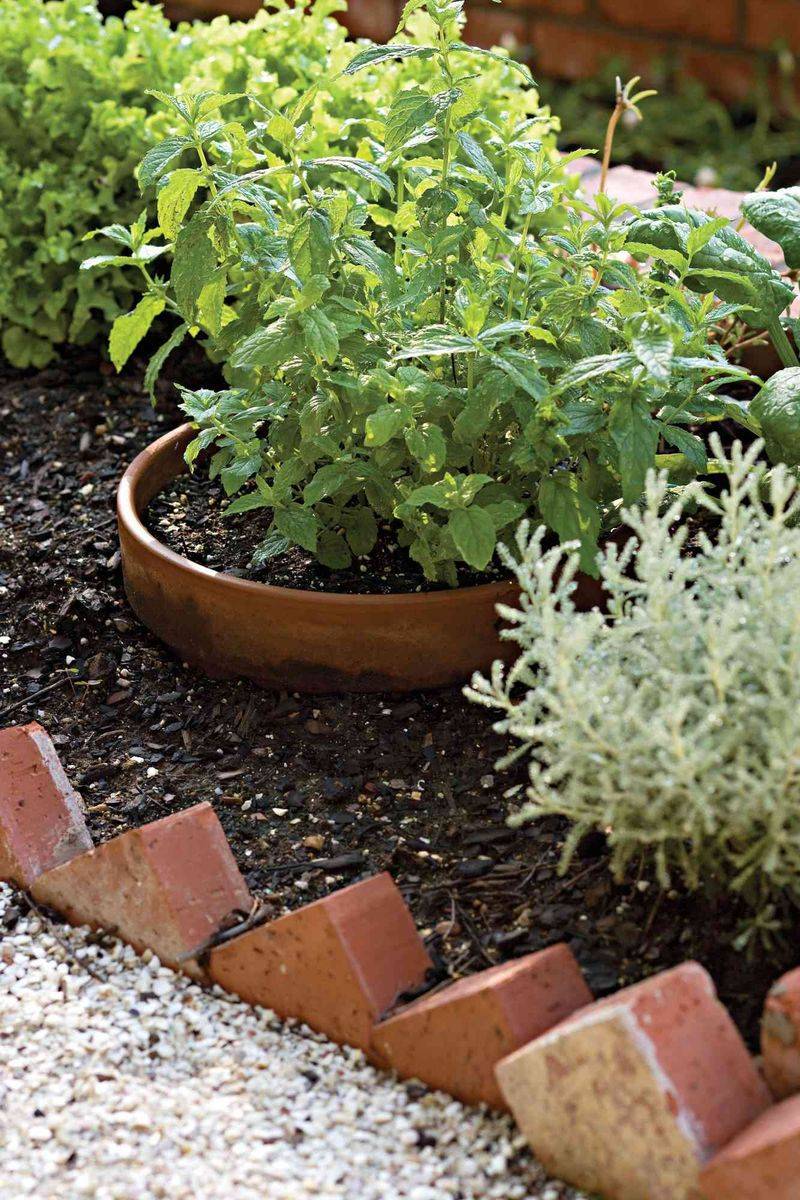
Mint has a reputation as a garden bully, and honestly, it earned it. Planted in the ground, it spreads like gossip.
Grown in a pot, though, peppermint turns into a handy little guard by the garage door.
The crisp scent may help discourage ants, fleas, and spider mites. Ants and other small insects are part of the food web scorpions depend on, so trimming that buffet can make the area less attractive.
Many homeowners also list peppermint as a natural scorpion deterrent on its own.
Now the honest part. Mint is not a desert native, and it does need regular water.
That is exactly why the container matters. Keep the pot raised on a stand or feet rather than sitting flat on the ground, so you are not creating a damp, shady pocket underneath where scorpions could rest.
Morning sun and afternoon shade suit it best in the low desert. Water in the morning so any spills dry out by night, since evening moisture invites bugs.
Snip stems often for tea or lemonade; harvesting keeps the plant bushy and fresh.
Move the pot to brighter light in winter, when growth slows and frost is rare but possible.
8. Verbena
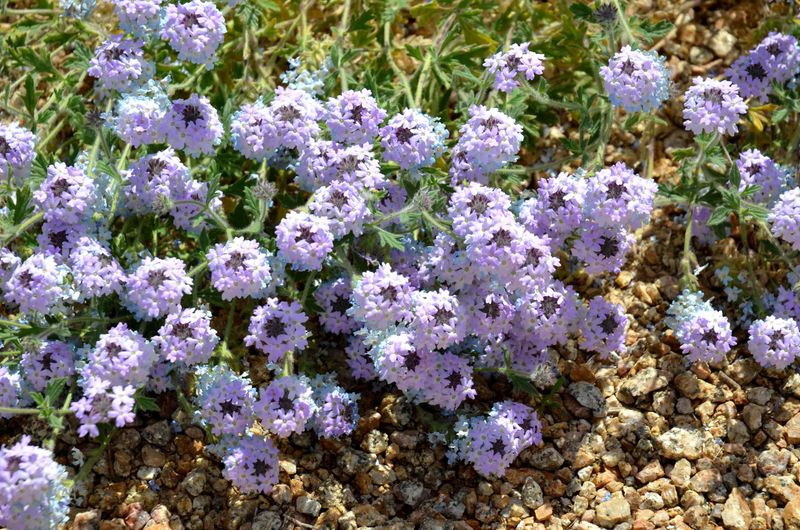
Picture a carpet of purple flowers with butterflies drifting over it. Native verbena delivers that scene, and it is often praised for pest-repelling qualities too.
Goodding’s verbena and desert verbena are tough Southwest natives that bloom heavily in spring and again after monsoon rains. They attract butterflies and native bees, which fits right in with a yard built for wildlife rather than looks alone.
As a ground cover, verbena works best a few feet out from your foundation. Use it to fill the space between the driveway and a gravel strip that runs right along the garage wall.
That bare gravel buffer is key. It keeps any growth from pressing against the door seal and gives scorpions no shaded path straight to the gap.
Verbena prefers lean soil, full sun, and light watering. Overwatering makes it floppy and dense, which defeats the purpose.
Trim it back after each bloom cycle to refresh the plant and keep it from forming a thick mat.
Here is a quick takeaway for the whole list: plants help most when combined with smart habits. Seal door gaps, water in the morning, skip wood mulch, and keep branches off walls.
Your scorpion-smart garden will thank you.