An Overlooked Alabama Backyard Fruit Is Ripening Now, And One Heavy Rain Can Split It
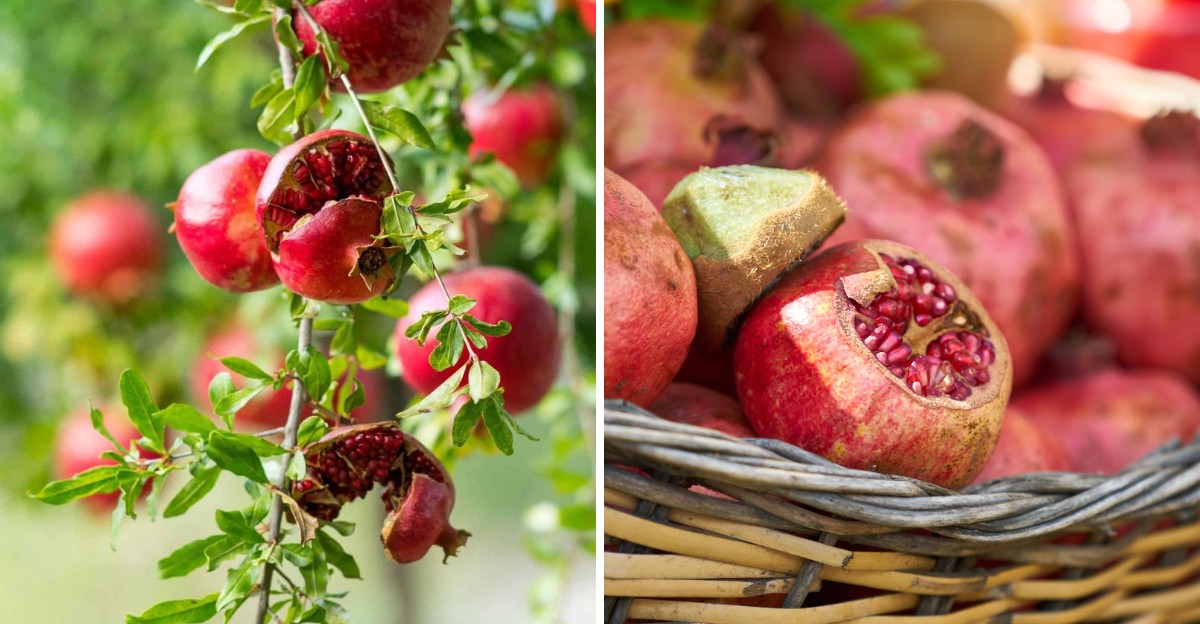
Why do you walk past a glossy red globe sagging from a scraggly shrub? Pomegranates hide in plenty of Alabama landscapes, and you probably overlooked them.
Spring brings bright orange blooms, then the shrub goes quiet. Split a fruit and glossy ruby seeds burst with sweet, tart juice.
Today those hard round fruits are deepening in color and bending branches with their weight. Watch the forecast after this long, dusty summer.
Heavy rain swells the seeds faster than the rind can stretch. Then the skin splits like an overstuffed suitcase.
Birds, wasps, and rot move in within days. You can harvest fruits as soon as color deepens and a tap sounds metallic.
Beat the clouds by clipping ripe fruits ahead of the storm. Snip stems close to fruit. Picture yourself in Alabama, glaring at a cloud that borrowed your truck.
The Pomegranate Is Alabama’s Quiet Backyard Treasure
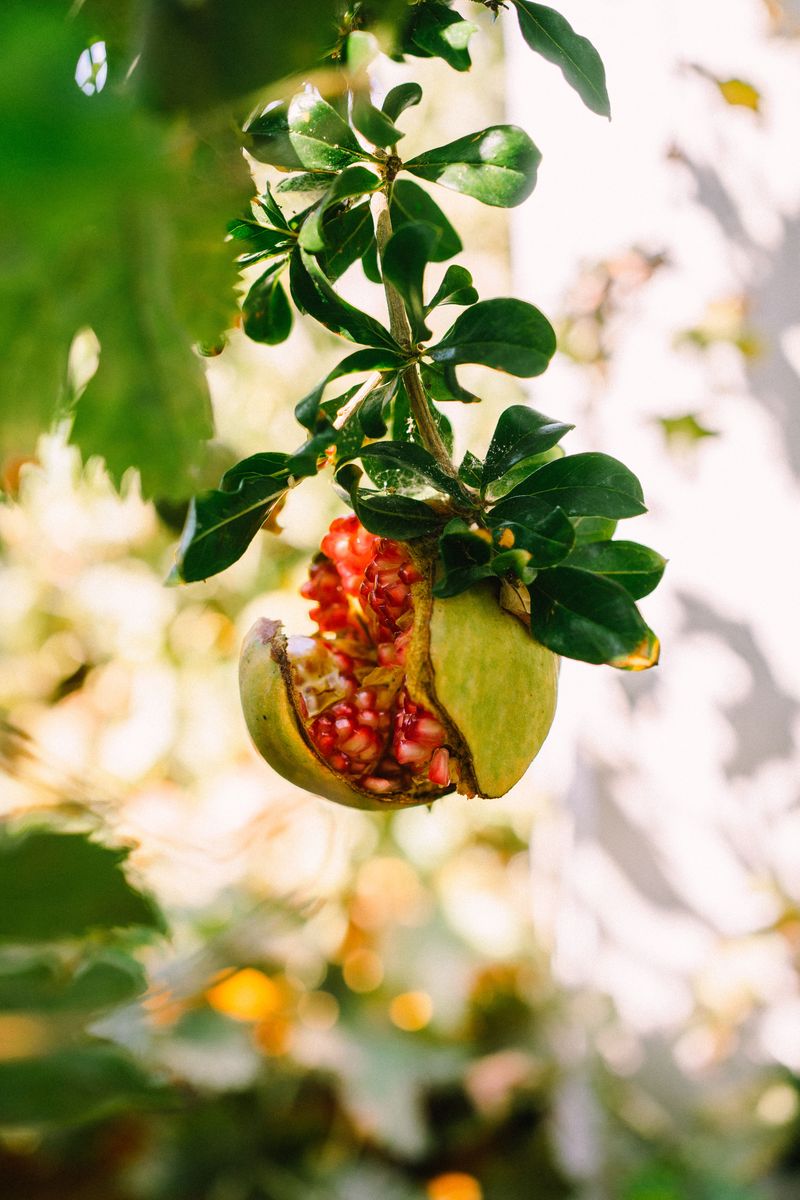
Alabama gardeners often mention figs, pecans, or muscadines when talking about fall fruit. The pomegranate comes up less often, even though it grows well across central and south Alabama.
In north Alabama, harsh winters can damage young plants, so choose a sheltered spot. The shrub handles heat and poor soil better than many fussy fruit trees, though humidity can encourage fruit rot.
Some old homesteads still have pomegranates planted generations ago, quietly fruiting beside crumbling chimneys.
Deer often leave established plants alone, which makes them a good pick for rural yards. Bees love the flowers too, so pollinators get a treat every spring.
Varieties like Wonderful and Salavatski, a Russian type, do well in Alabama yards. Most grow into bushy plants about six to fifteen feet tall if left unpruned.
The fruit starts as a bright orange, ruffled flower in late spring. By early fall, those blooms have turned into leathery globes packed with juicy seeds called arils.
People in ancient Persia and the Mediterranean prized pomegranates for thousands of years. Spanish and English settlers carried them to the American South, where they took root.
So the fruit in your neighbor’s yard has a long history. It also has a common vulnerability that shows up at harvest time.
That weakness is splitting, and it happens when dry weather suddenly flips to heavy rain. Steady moisture is the key to protecting your crop this season.
If you own a pomegranate, keep a close eye on it during the next few weeks. A little attention now can mean bowls of ruby seeds by Thanksgiving.
A Thirsty Rind And A Sudden Soaking
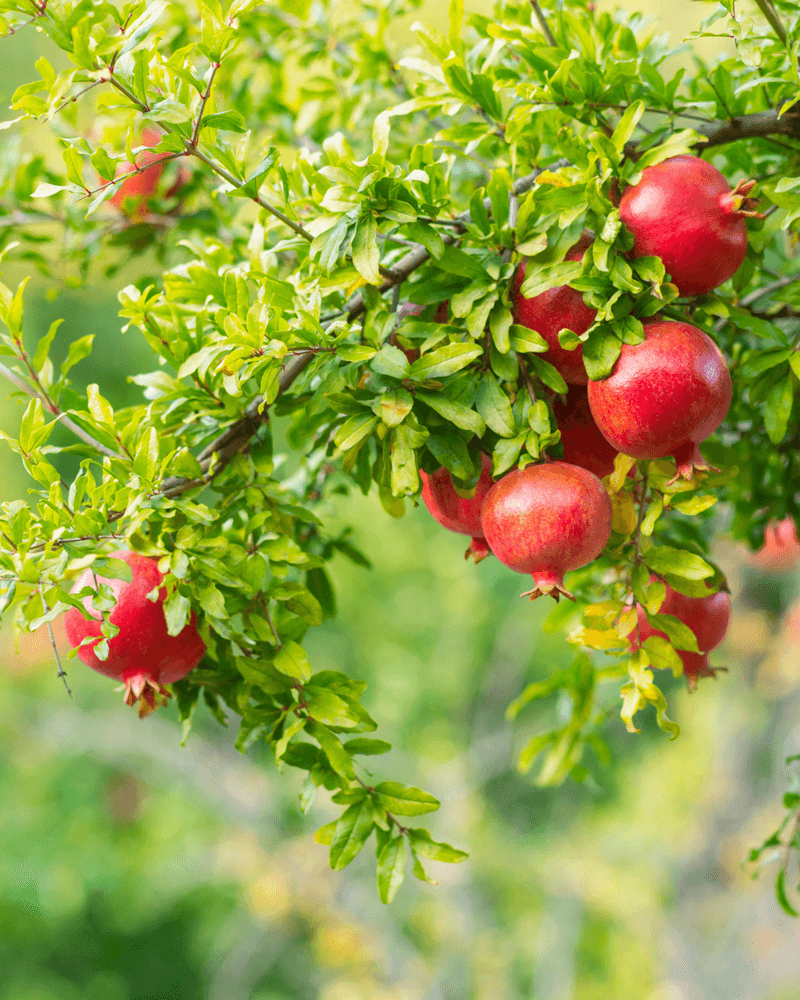
Think of a pomegranate rind like a leather jacket left out in the summer sun. During a drought, that skin dries, toughens, and stops stretching much at all.
Meanwhile, the seeds inside keep growing slowly, using whatever moisture the roots can find. Conditions stay more stable as long as the water supply stays low and steady.
Then a big thunderstorm or tropical system rolls through Alabama and brings several inches of rain. The roots slurp up that water fast and send it straight into the fruit.
Your Alabama Garden Changes Every Week. Your Plan Should Too.
Gardening in Alabama changes quickly throughout the season. Every Friday you’ll receive a simple weekly plan showing exactly what to plant, prune, fertilize, harvest, and protect so you never miss the right timing.
The arils swell like tiny water balloons, pushing hard against the inside of the rind. Since the stiff skin cannot stretch fast enough, it splits as pressure builds.
Sometimes the split is a thin line, and sometimes the fruit opens wide. Either way, the inside is now exposed to bugs, birds, and mold.
Rain landing on the fruit adds to the trouble, but water taken up by the roots is the main driver. Humid nights after a storm can also slow drying and encourage rot.
Ripe fruit is often at higher risk because its skin has already thinned and hardened. Unripe pomegranates can split too.
Gardeners in the Black Belt and Wiregrass regions can see this after late-summer dry spells. Clay soils crack when dry and hold water after storms, while sandy soils drain fast, so moisture can swing widely.
Knowing the science helps you understand the cracked fruit on your counter. Weather and watering both play a part, and you have ways to reduce the risk.
Late September Into October Harvest Timing
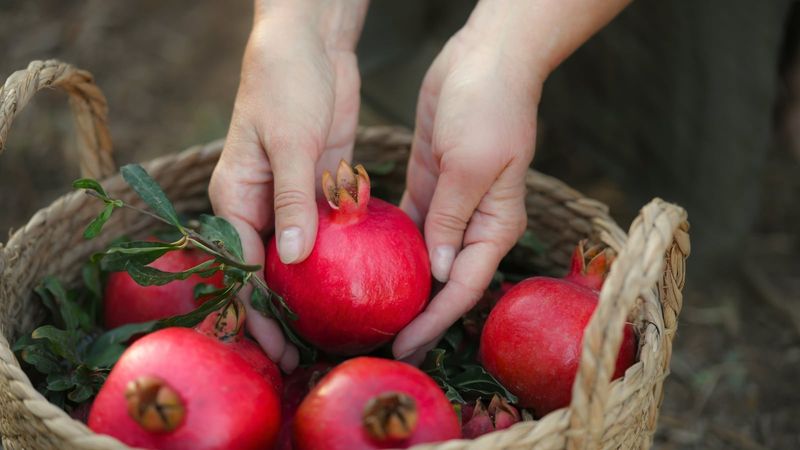
Experienced growers judge pomegranates by sound, tapping each one like they are knocking on a door. A ripe fruit gives a hollow, metallic ring you can hear from a few steps away.
In most of Alabama, pomegranates ripen from late September through October. Fruit in South Alabama may color up earlier than fruit near Huntsville.
Color alone can fool you, since some varieties turn red long before the inside is sweet. Look for a deep, even shade and a skin that feels firm and slightly leathery.
Ripe pomegranates also lose their round shape and develop flatter sides, almost like they have corners. The crown at the end, shaped like a tiny ruffled cup, should look dry.
Unlike peaches, pomegranates do not keep ripening after you pick them. That means patience pays off, but waiting too long during stormy weeks can backfire.
Timing gets tricky for Alabama growers each fall. Peak ripeness lines up with hurricane season, when a tropical storm can bring heavy rain to large parts of the state.
Watch the forecast closely once your fruit shows good color and that hollow ring. If heavy rain is coming in the next few days, pick the ripest ones first.
Use pruning shears to snip the stem close to the fruit instead of yanking it off. Pulling can tear the branch and bark, which stresses the plant.
Whole pomegranates keep for weeks in the refrigerator, so picking fully ripe fruit ahead of a storm costs you very little. A crisper drawer keeps them in good shape well into the holidays.
Watering Habits That Can Split Fruit After A Dry Spell
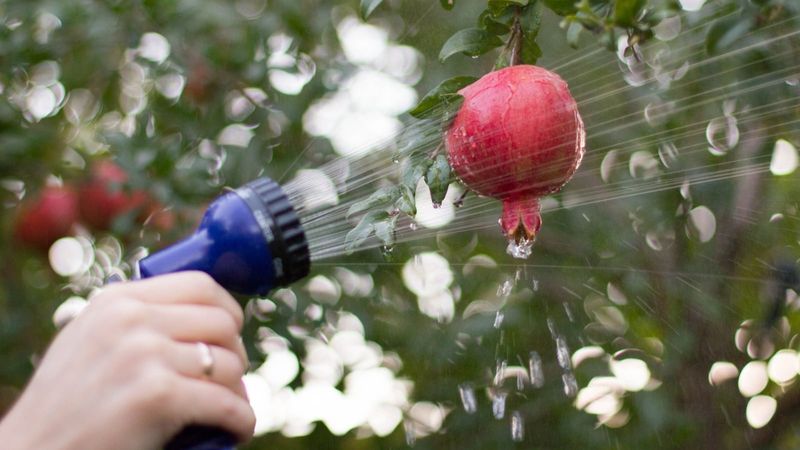
Picture this scene after weeks without rain: crunchy grass, droopy leaves, and a gardener with a hose. Out of kindness, that gardener waters the pomegranate heavily for an hour.
A sudden soak can cause the same splitting as a summer storm. The fruit swells too fast, the rind gives way, and cracks appear within days.
Many people make this mistake because a thirsty plant looks like it needs rescuing. Pomegranates are tough, though, and they handle dry spells far better than sudden heavy watering.
Another common slip is ignoring the plant all summer, then remembering it right before harvest. Uneven care creates the exact boom and bust cycle that splits fruit.
Sprinklers that hit the fruit every evening cause trouble too. Wet skin stays damp overnight, which invites fungus and softens the rind in weird spots.
Heavy fertilizer in late summer is another misstep worth skipping. Extra nitrogen pushes fast, soft growth right when the plant should be focusing on ripening fruit.
If you have already soaked a drought-stressed shrub, hold off on more water for several days and let the soil dry out gradually.
You might lose a few fruits, but most of the crop can still hold together. Learning from one rough season beats repeating the same mistake next year.
Often the best move is to leave the hose coiled. A thirsty pomegranate can wait longer than many gardeners expect.
Steady Mulch And Deep Soaks Help Reduce Splitting
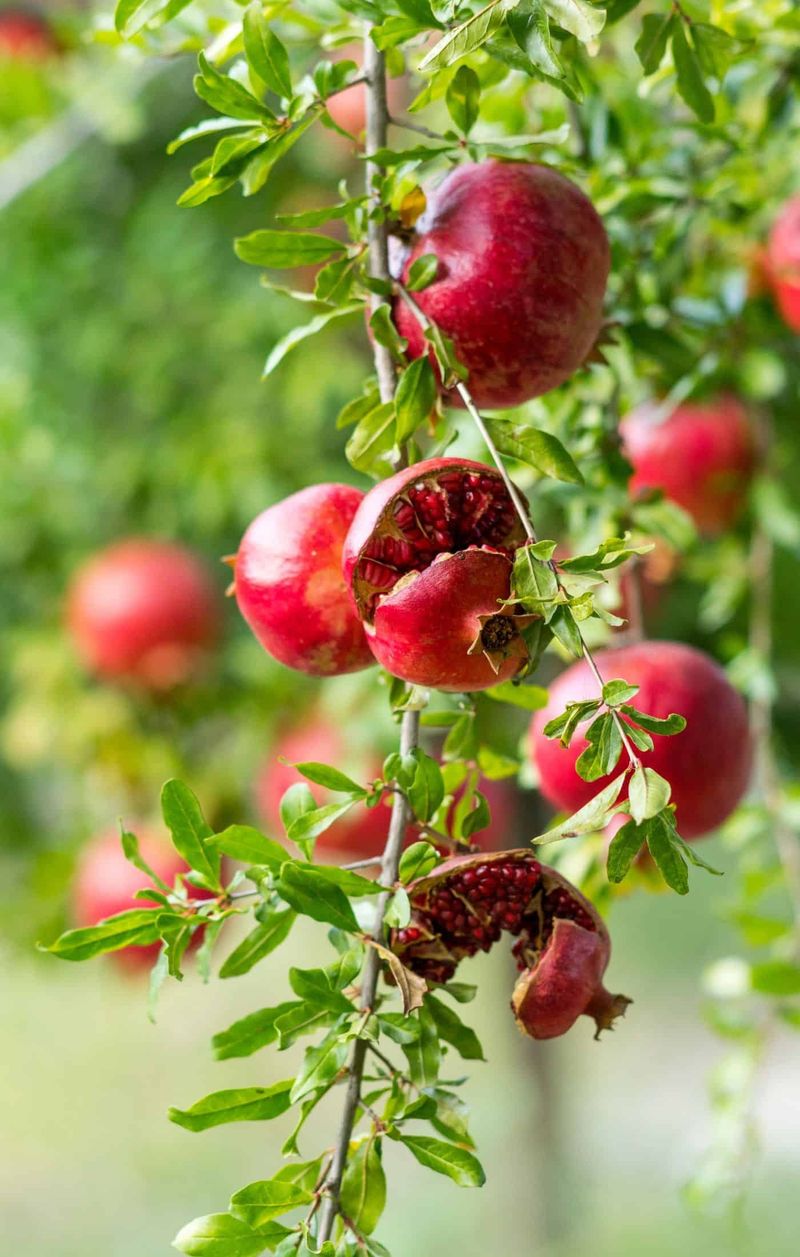
A three-inch layer of mulch is an inexpensive safeguard for your crop. Pine straw, shredded bark, or wood chips all work well under Alabama pomegranates.
Mulch acts like a sponge that soaks up heavy rain and releases it slowly. It also keeps the soil from drying into a hard crust during hot spells.
Spread it in a wide ring out to the edge of the branches. Keep it a few inches away from the trunk so the bark stays dry.
Next comes steady watering, which matters most from midsummer until harvest. Aim for a deep soak about once a week when rain does not show up.
Soaker hoses and drip lines deliver water right to the roots without splashing the fruit. Run one long enough to moisten the soil about a foot deep, which varies with soil type and flow rate.
Already deep into a dry spell with cracked ground around your shrub? Start with small drinks and increase the amount slowly over a week or so.
That gentle approach lets the rind adjust before the fruit takes in a big gulp. A simple rain gauge helps you track how much water the sky already provided.
Some growers also pick fully ripe fruit early when a major storm sits in the forecast. Fruit indoors on the counter is protected from rain splitting, even during heavy storms. Together, these habits help keep moisture levels even, which reduces the risk of splitting.
Split Fruit Salvage And Next Year’s Prevention Plan
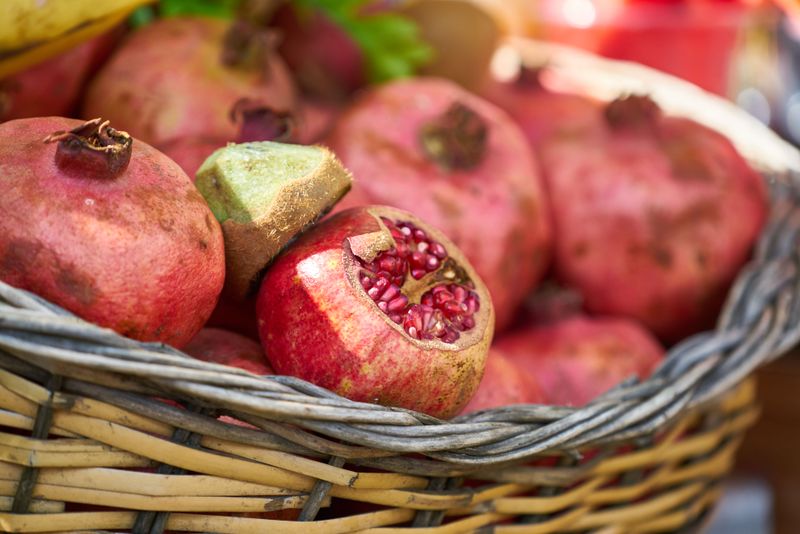
A cracked pomegranate looks ruined, but it is often still usable. Fresh splits from the past day or two often leave the seeds in good shape if they look and smell clean.
Pick split fruit right away before ants, wasps, and birds find the exposed seeds. Check the inside for mold, sour smells, or brown, mushy arils.
Toss anything fuzzy or fermented into the compost pile instead of your mouth. Clean, bright red seeds can be eaten fresh, frozen, or pressed into juice.
Freezing works great because split fruit will not keep long on the counter. Spread the arils on a tray, freeze them, then store them in a bag.
Looking ahead, prevention starts in late winter with a light pruning. Opening up the center lets air flow, so fruit dries quickly after summer showers.
Choosing varieties suited to your area may also help with new plantings. Ask Alabama Extension or a local nursery which ones handle weather swings best.
Planting in well-drained soil keeps roots from sitting in soggy ground after storms. A raised bed or gentle slope can make a big difference in heavy clay.
Some gardeners even add a calcium-rich soil amendment based on a soil test from Alabama Extension. Balanced soil supports healthy fruit development, though research on calcium and splitting is mixed.
Keep a simple garden journal noting rain, watering, and which fruits cracked each fall. After a season or two, patterns pop out and your harvest gets easier to protect.