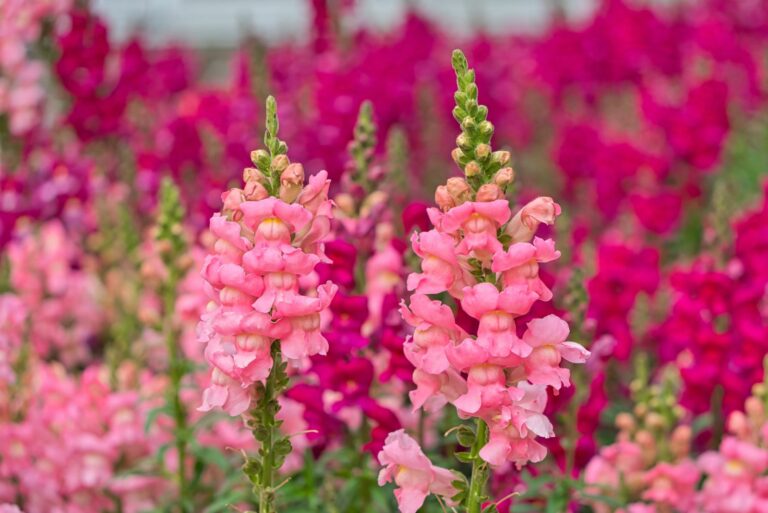
8 Ancient Flower Species Texans Can Still Grow Today
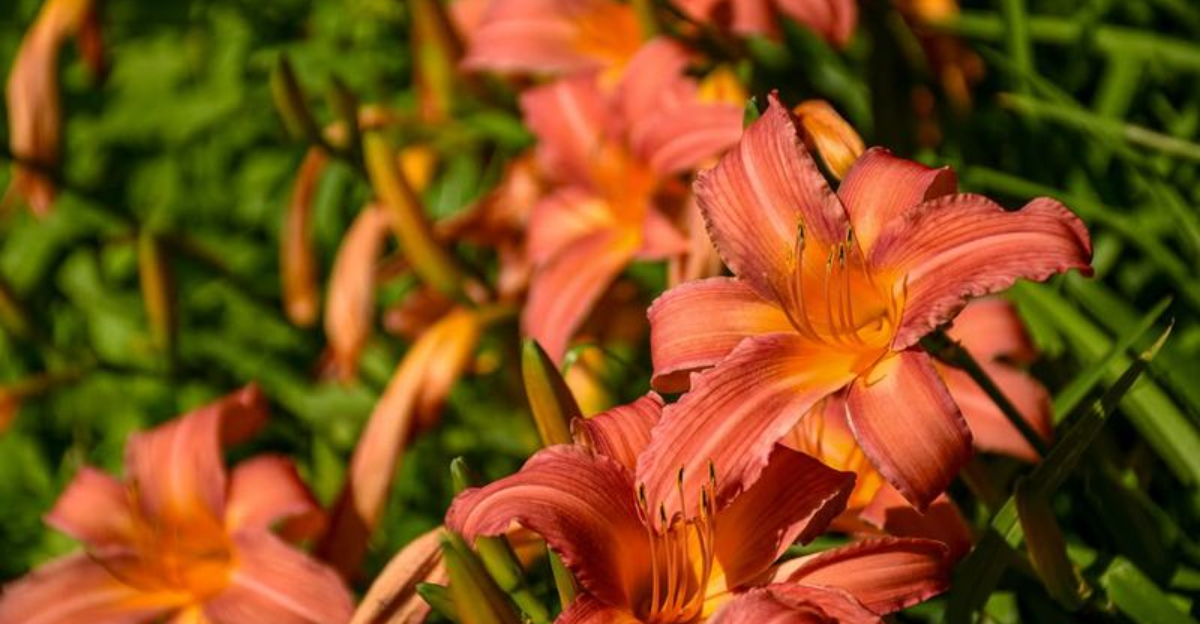
Amazingly, some of the flowers blooming in modern Texas gardens have roots that stretch back thousands of years. If you think ancient plants only belong in dusty history books or faraway ruins, think again.
Many of these time-tested bloomers not only survived centuries of climate shifts and cultural changes – they’re still thriving today, right here in Texas soil.
These ancient flower species aren’t just beautiful, they’re also hardy, often drought-tolerant, and deeply connected to global traditions and heritage.
Whether passed down through indigenous knowledge, brought by early settlers, or cultivated by civilizations long gone, these flowers tell stories that go far beyond the garden bed.
If you’re looking to add a touch of history, resilience, and natural beauty to your yard, these ancient blooms are a perfect place to start.
Ready to dig into the past and grow something truly timeless in your Texas garden? Let’s take a look.
1. Roses Have Survived Millions Of Years
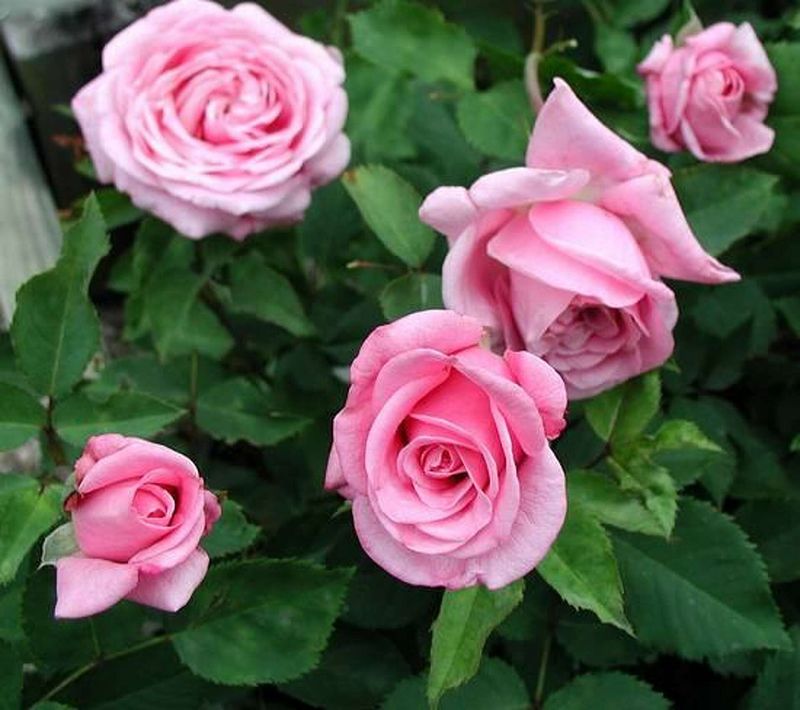
Fossil evidence shows roses existed over 35 million years ago, making them one of the oldest flowering plants still grown today. Ancient Romans used rose petals in celebrations and medicines, while Chinese gardeners cultivated them over 5,000 years ago.
Texas gardeners can grow many rose varieties that handle heat and occasional cold snaps with minimal fuss.
Old garden roses work particularly well across Texas because they developed natural toughness over centuries.
Unlike modern hybrid tea roses that need weekly spraying and constant feeding, these heritage varieties resist diseases like black spot and powdery mildew on their own. They bloom repeatedly from spring through fall without demanding perfect conditions.
Plant your roses in spots that get at least six hours of sunlight daily. Texas soil often needs amendment with compost to improve drainage and add nutrients.
Water deeply once or twice weekly rather than shallow watering every day, which encourages stronger root systems that handle drought better.
Antique roses like the Duchess de Brabant and Old Blush thrive in San Antonio, Dallas, and Houston gardens because they were specifically bred to tolerate Southern heat.
Their fragrance often surpasses modern varieties, filling your yard with sweet scents on warm evenings.
Pruning requirements are lighter too, usually just removing damaged canes in late winter. These timeless beauties prove that older does not mean harder to grow in the Lone Star State.
2. Poppies Decorated Ancient Egyptian Tombs
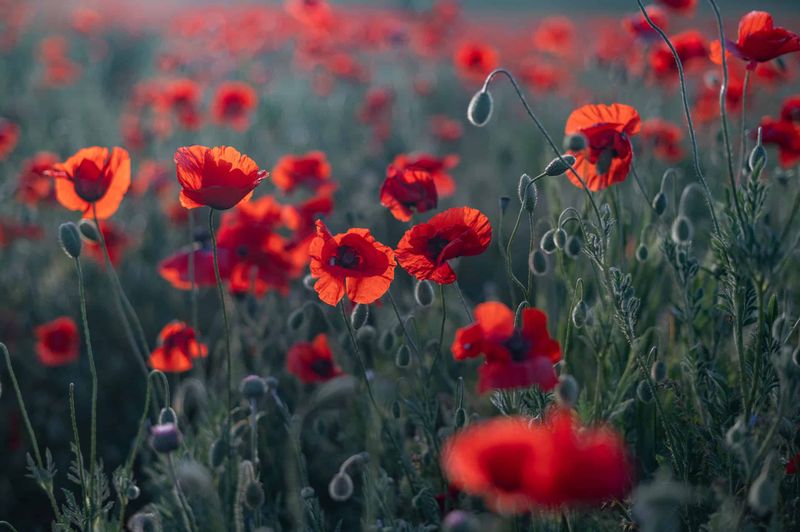
Archaeologists discovered poppy seeds and dried flowers in Egyptian tombs dating back over 3,000 years. Ancient civilizations valued poppies for their brilliant colors and medicinal properties, growing them in gardens across the Mediterranean region.
Texas gardeners find success with California poppies and corn poppies, which handle our variable spring weather beautifully.
Poppies prefer cooler temperatures for germination, so fall planting works best in most Texas regions. Scatter seeds directly on prepared soil in October or November, then barely cover them with a thin layer of sand or fine soil.
They need light to sprout, so burying them too deep prevents germination. Winter rains usually provide enough moisture for young plants to establish.
These flowers bloom in spring, creating carpets of orange, red, yellow, or pink across your garden beds. They reseed themselves readily, returning year after year without replanting.
Poppies actually perform better in average soil rather than heavily fertilized beds, making them perfect for neglected corners of your yard.
Central Texas gardeners enjoy particularly good results because the climate matches their native Mediterranean habitat. The delicate, papery petals look fragile but the plants themselves tolerate light freezes and bounces back quickly after cold snaps.
Poppies finish blooming before summer heat arrives, then go dormant until cooler weather returns. Their ancient lineage shows in their ability to thrive with minimal human intervention.
3. Irises Appeared In Greek Mythology
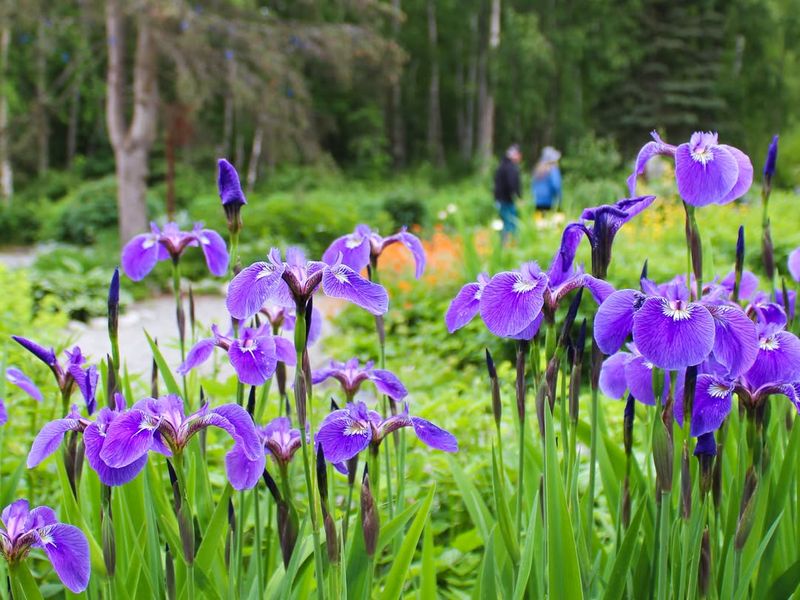
Greek myths named irises after the goddess of the rainbow because of their incredible color range. Ancient Greeks planted them on women’s graves as tributes, believing the flowers would guide spirits to the afterlife.
These perennials have grown in gardens for at least 4,000 years, with images appearing in Egyptian palace paintings and Minoan frescoes.
Bearded irises perform exceptionally well throughout Texas because they tolerate both heat and cold. Their thick rhizomes store water and nutrients, allowing them to survive dry spells that would stress other flowers.
Plant rhizomes in late summer with the top third exposed to sunlight, spacing them about 12 to 18 inches apart for good air circulation.
Texas soil drainage matters more than fertility for irises. They rot quickly in soggy ground but flourish in raised beds or naturally well-drained areas.
Adding coarse sand or perlite to heavy clay improves growing conditions dramatically. Established plants need little supplemental watering except during extreme drought.
Irises bloom in spring across Texas, with colors ranging from deep purple and bright yellow to soft pink and pure white. Some varieties produce a light, sweet fragrance that attracts butterflies and hummingbirds.
After flowering finishes, the sword-shaped foliage remains attractive through summer. Divide crowded clumps every three to four years to maintain vigor.
Their ancient heritage means they have already adapted to survive challenging conditions similar to what Texas gardens offer.
4. Marigolds Were Sacred To Aztec Cultures
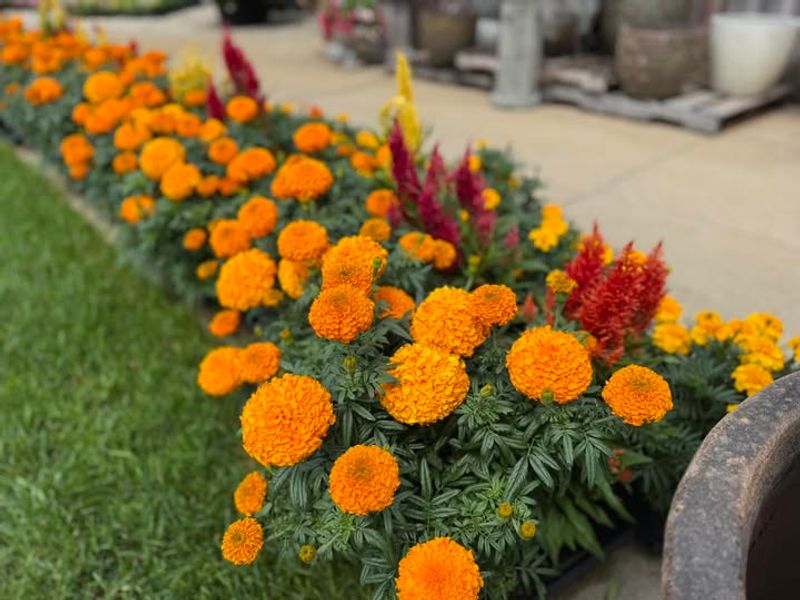
Aztec priests used marigolds in religious ceremonies over 500 years before European explorers arrived in the Americas. These bright flowers decorated temples and were believed to guide spirits during important festivals.
Spanish conquistadors brought marigold seeds back to Europe in the 1500s, where they quickly spread to gardens across the continent.
Modern Texas gardeners appreciate marigolds for their heat tolerance and pest-repelling properties. They bloom continuously from late spring until the first freeze, providing months of golden, orange, and rusty red flowers.
Plant them after the last frost date in your area, spacing them according to variety size since some grow only six inches tall while others reach three feet.
Marigolds thrive in full sun and actually prefer Texas heat to cooler climates. They need regular watering when young but become quite drought-tolerant once established.
Removing spent blooms encourages more flowers, though even neglected plants continue producing color throughout summer.
Their pungent scent naturally repels aphids, whiteflies, and some beetles, making them excellent companion plants for vegetable gardens.
French marigolds and African marigolds both perform well across Texas, from the Panhandle to the Rio Grande Valley. They tolerate poor soil better than most annuals and rarely need fertilizer beyond what is already in the ground.
Their ancient connection to Texas through indigenous cultures makes them particularly meaningful additions to Lone Star State landscapes, linking modern gardens to pre-Columbian traditions.
5. Lilies Grew In Ancient Chinese Gardens
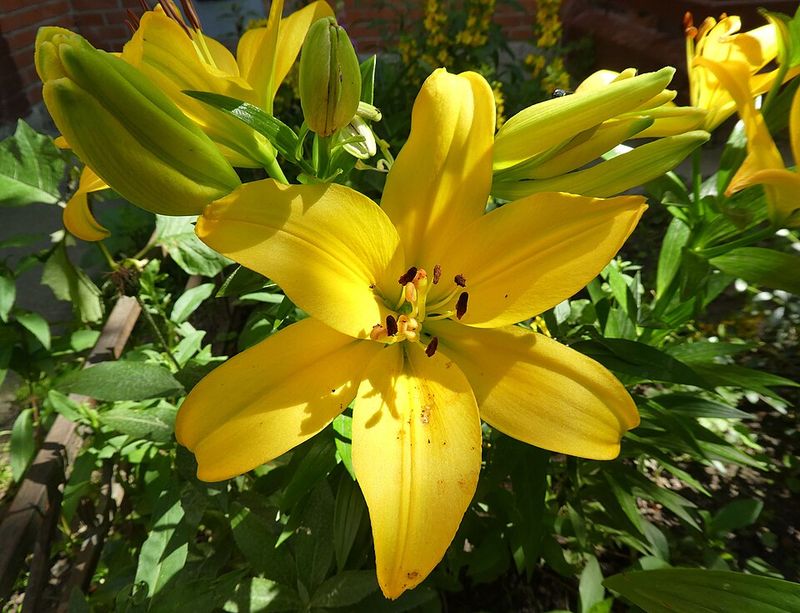
Chinese gardeners cultivated lilies over 3,000 years ago, valuing them for beauty and medicinal uses. Ancient texts describe lily bulbs as food sources during famines and ingredients in healing remedies.
These elegant flowers spread westward along trade routes, eventually reaching European gardens during the Crusades.
Asiatic and Oriental lilies grow successfully in Texas gardens when planted in locations with good drainage. Their bulbs rot quickly in waterlogged soil, so raised beds or slopes work better than flat, clay-heavy areas.
Plant bulbs in fall about six to eight inches deep, with the pointed end facing upward. Mulch helps insulate them during occasional hard freezes.
Texas gardeners should choose early and mid-season lily varieties that bloom before extreme summer heat arrives. Asiatic lilies flower first, usually in May or early June, followed by Oriental types in June and July.
Both types need consistent moisture during their growing season but tolerate dryness after foliage yellows and goes dormant.
Partial shade benefits lilies in the hottest parts of Texas, particularly in southern regions where afternoon sun can be intense. Morning sun with afternoon protection gives them enough light for good flowering without stressing the plants.
Their tall stems may need staking in windy areas to prevent breaking. Lilies naturalize over time, forming larger clumps that produce more blooms each year.
Their ancient Asian heritage prepared them for hot summers and variable conditions similar to what Texas offers gardeners today.
6. Hollyhocks Lined Medieval Cottage Gardens
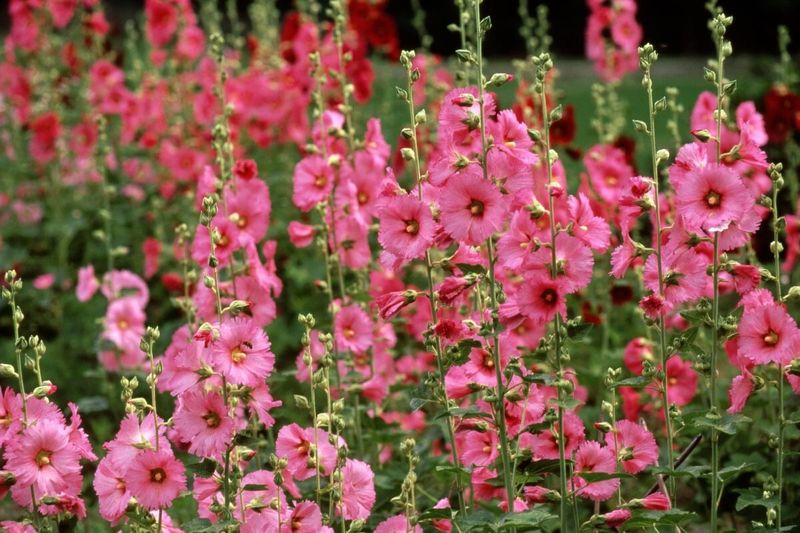
European peasants grew hollyhocks outside their homes during the Middle Ages, creating living fences that provided privacy and beauty. These towering plants originated in Asia but spread throughout Europe by the 1300s.
Crusaders may have brought seeds back from the Holy Land, where the flowers grew wild along roadsides.
Hollyhocks reach five to eight feet tall, producing flowers along sturdy stalks from bottom to top. Colors include pink, red, white, yellow, purple, and nearly black, with both single and double-petaled forms available.
They grow as biennials in most of Texas, forming leafy rosettes the first year then flowering and setting seed the second summer.
Plant hollyhock seeds in fall for blooms the following summer. They prefer full sun but tolerate partial shade, especially in the hottest parts of Texas where afternoon protection prevents wilting.
These old-fashioned flowers handle poor soil and drought once their deep taproots establish. Water regularly during their first season, then reduce irrigation as plants mature.
Rust disease sometimes affects hollyhock leaves, causing orange spots, but this rarely impacts flowering or plant survival. Removing affected leaves and ensuring good air circulation helps minimize problems.
Texas gardeners love using hollyhocks along fences, against walls, or as background plants in mixed borders. They self-seed freely, creating naturalized colonies that return yearly.
Their medieval heritage and cottage garden charm add historical character to modern Texas landscapes while requiring little maintenance beyond occasional watering.
7. Daylilies Survived For Thousands Of Years
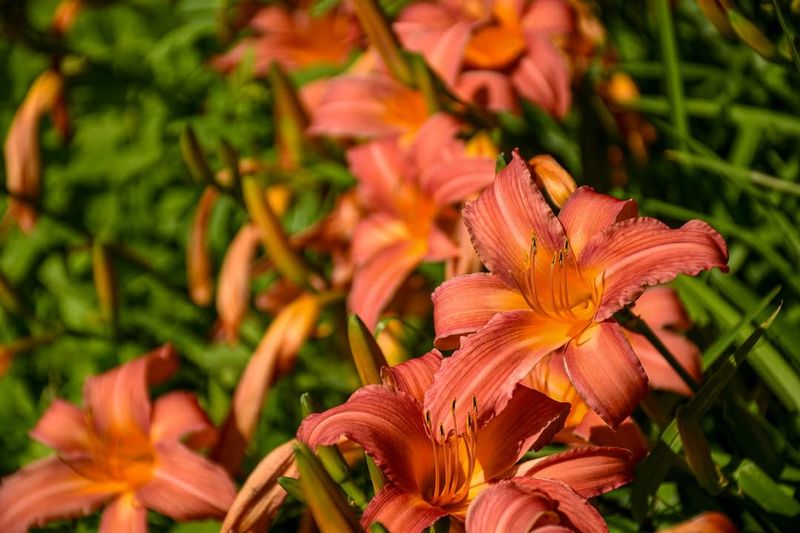
Wild daylilies grew across Asia for millennia before humans began cultivating them. Chinese records from 2,500 years ago mention daylilies as both ornamental and edible plants.
Their incredible toughness allowed them to spread naturally across vast territories, adapting to mountains, valleys, and coastal regions.
Each daylily flower lasts only one day, but established clumps produce dozens of buds that open sequentially for weeks. This extended bloom period makes them valuable in Texas gardens where other perennials struggle with heat.
They tolerate virtually any soil type, from sandy loam to heavy clay, and grow in full sun or partial shade.
Plant daylilies in spring or fall, spacing them 18 to 24 inches apart. They multiply quickly, forming dense clumps that suppress weeds and require no special care.
Water during establishment, then rely on rainfall except during severe drought. Their thick, tuberous roots store moisture and nutrients, allowing them to survive neglect that would harm less resilient plants.
Thousands of daylily varieties exist today, but older cultivars and species types perform best in Texas. Stella de Oro remains popular for its continuous blooming habit and compact size.
Taller varieties like Hyperion produce fragrant yellow flowers on four-foot stems. Daylilies naturalize beautifully along driveways, in meadow gardens, or as groundcovers on slopes.
Their ancient lineage proves their ability to thrive without pampering, making them perfect for busy Texas gardeners who want reliable color without constant maintenance.
8. Sunflowers Fed Native American Communities
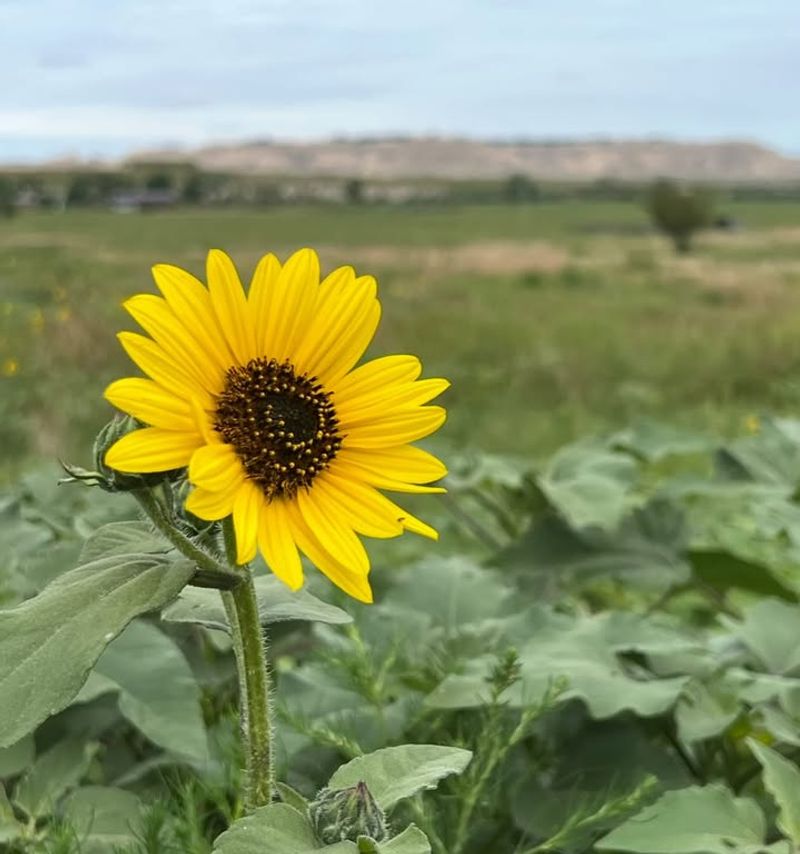
Archaeological evidence shows Native Americans domesticated sunflowers over 4,500 years ago, making them one of the few crops originating in North America. Indigenous people across the continent grew sunflowers for seeds, which provided nutritious food and oil.
Spanish explorers introduced them to Europe in the 1500s, where they became popular ornamental and agricultural plants.
Giant sunflowers can reach 12 feet tall in Texas gardens when planted in rich soil with full sun exposure. Smaller varieties stay under four feet, making them suitable for containers or front-of-border plantings.
All types need direct sunlight for at least six to eight hours daily to develop strong stems and large flower heads.
Plant sunflower seeds directly in the ground after the last frost date. They germinate quickly in warm soil, often sprouting within a week.
Space seeds according to variety, giving giant types at least two feet between plants. Sunflowers develop deep taproots that make transplanting difficult, so starting them where they will grow works best.
Texas heat rarely bothers sunflowers since they evolved in hot climates. Water regularly during flowering to encourage larger blooms, but mature plants tolerate dry spells well.
Birds, especially goldfinches, love the seeds, so you can leave spent flower heads in place for wildlife or harvest them for roasting. Their towering presence and bright yellow petals create dramatic focal points in Texas gardens.
Growing sunflowers connects you to thousands of years of agricultural history right in your own backyard.