Annual or Perennial Chrysanthemums? A Simple Way to Know What You Have
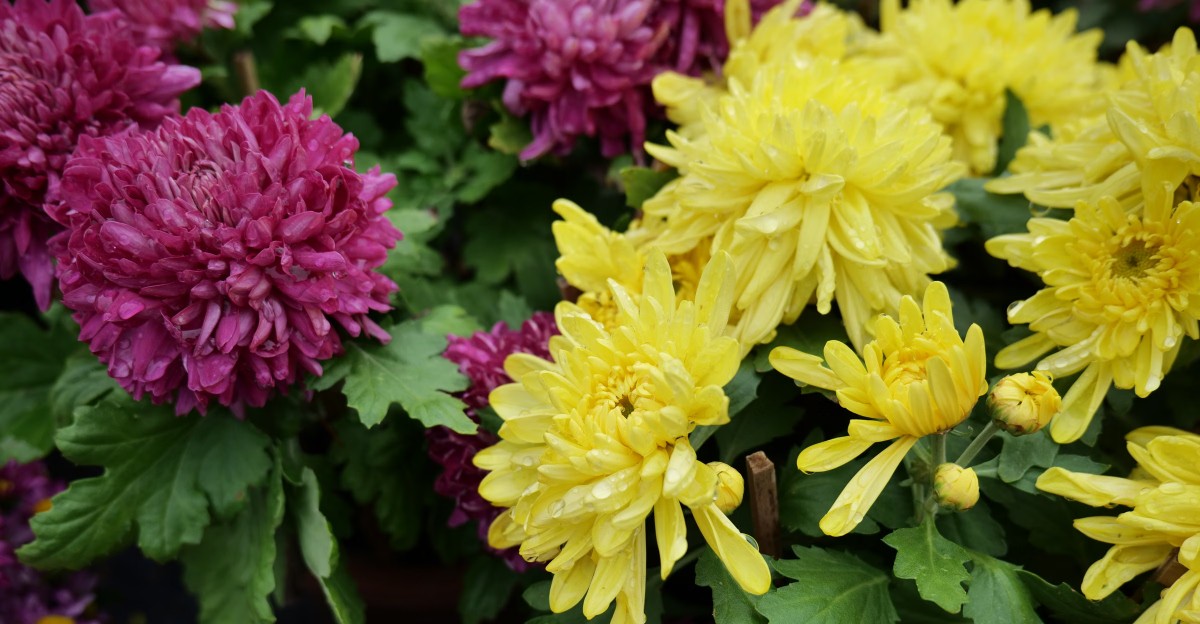
Those bargain pots at the grocery store and the pricier ones at the nursery can be the exact same species, yet only one is likely to see next spring. I find that wild. Plant breeders shaped them for very different jobs.
One group was bred for indoor beauty and shipping trucks. The other was bred to spread underground runners and shrug off cold soil. Both get stacked side by side every fall, often with no clear label at all.
I used to toss mine on the compost pile each November without a second thought. Then a forgotten pot by my Ohio garage bed sprouted fresh green shoots in April, and I had questions.
You can learn to read the clues yourself. The roots, leaves, flowers, and even the tag hold the answer. So which kind is sitting on your porch right now?
Two Kinds Of Fall Mums Hide In The Same Garden Center Display

Botanically speaking, almost every chrysanthemum you buy is a perennial. The plant itself wants to come back. The real question is whether your particular mum was bred to handle a winter outdoors.
Growers sort mums into two broad groups. Garden mums, often called hardy mums, were developed to survive cold soil and return in spring. Florist mums were developed for greenhouses, gift shops, and kitchen tables, where big flowers matter more than toughness.
Both types are Chrysanthemum x morifolium, so they look a lot alike in a fall display. I have stood in a store aisle comparing two pots and struggled to see much difference at first. Prices, pot sizes, and colors overlap too.
Many university extension services point out that florist mums can survive outdoors in mild climates. In colder regions, though, they rarely make it through winter. Garden mums have a much better shot almost everywhere from USDA Zones 5 through 9.
So the word annual describes how we use the plant, not what the plant truly is. Once you know which group your pot belongs to, you can decide whether to plant it, protect it, or simply enjoy it for one bright season.
Peek Under The Soil For Those Telltale Mum Runners
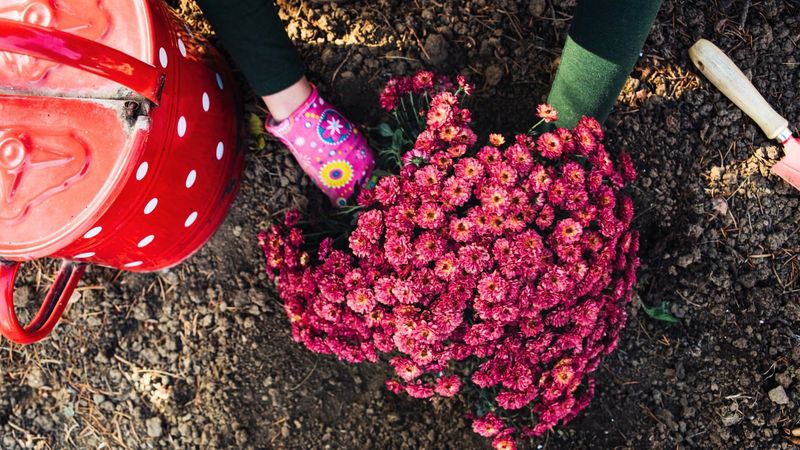
Roots tell the truest story, and checking them takes about one minute. Gently tip your mum out of its pot and look around the base of the stems. You are hunting for stolons.
Stolons are short underground runners that grow sideways from the crown. They often have tiny leaves or pale buds near their tips. On hardy garden mums, these runners are the plant’s plan for next spring, since new shoots rise from them after winter.
Florist mums usually have few or no stolons. Their roots tend to be shallower and tightly packed, bred to feed big blooms rather than store energy for cold months. You might see a dense white mat of roots with nothing reaching outward.
Here is a tip I learned the hard way. Late in fall, some garden mums have not pushed out many runners yet, especially if they were stressed in the store. A lack of stolons in October is only a hint, not a guaranteed verdict.
Slide the plant back into its pot when you finish. Water it well so the roots settle again. If you spotted those little runners, you likely have a keeper worth planting.
Leaves And Blooms Drop Some Big Chrysanthemum Hints
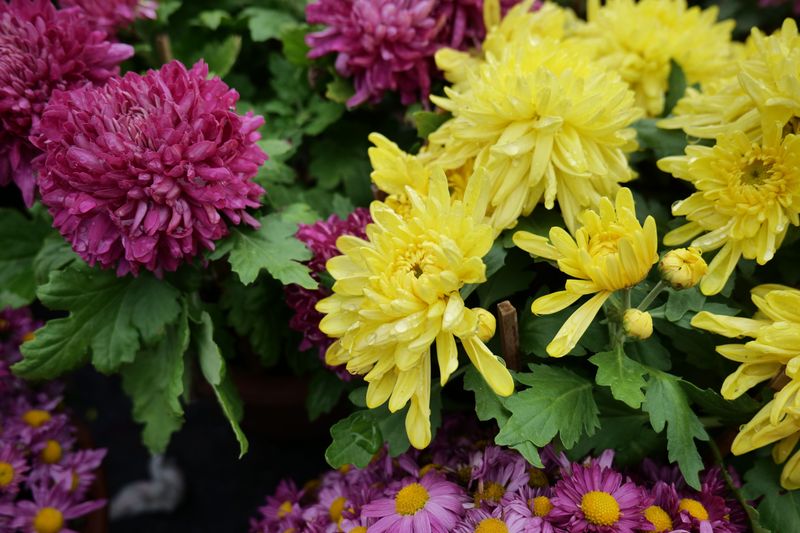
Flowers grab your eye first, and they offer a handy clue. Garden mums usually form a tidy mound covered in dozens of smaller blooms, often one to three inches wide. Daisy, button, and pompon shapes are common.
Florist mums are the showoffs. Expect fewer but larger flowers, sometimes four inches or more across, with dramatic spider, quill, or giant incurved petals. If your plant looks like it belongs in a wedding bouquet, it probably came from the florist side of the family.
Leaves can help too, though they are less reliable. Many gardeners notice that hardy types carry deeply lobed, toothed leaves, while some florist types have broader, smoother foliage. Variety differences make this clue a little fuzzy.
Plant shape matters as well. A low, dense dome of stems points toward a garden mum. A taller plant with a few thick stems, sometimes staked or wrapped in foil, leans florist.
Personally, I use these visual hints as a first sorting step. Then I double check with the roots and the tag. Combining two or three clues gives you a much clearer answer than any single one alone.
That Little Plastic Mum Tag Knows More Than You Think
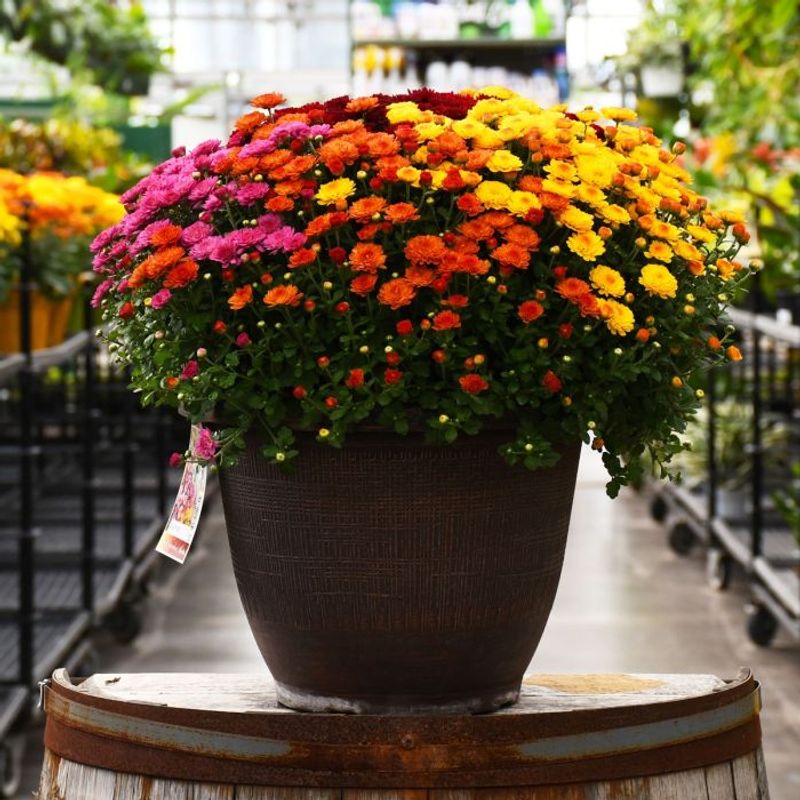
Sometimes the answer is printed right there in tiny letters. Before you toss that plastic tag, read every line. Words like hardy, garden mum, or perennial are strong signs your plant was bred for outdoor life.
Look for a USDA zone range too. A tag listing Zones 5 to 9 tells you the grower expects the plant to survive winters in those regions. If your zone falls inside that range, planting it in the ground makes sense.
Florist mums often arrive with no tag at all, or with labels that say indoor plant, gift plant, or florist mum. Foil wrapping and a decorative sleeve usually signal the same thing. Those pots were meant for tables, not flower beds.
Some well-known hardy mums, such as the Minnruffles series, came from the University of Minnesota breeding program. Those plants were developed specifically to handle tough northern winters, which is pretty impressive.
No tag? You can still ask. Garden center staff often know which grower supplied each batch. I like snapping a photo of the label for my records, so next spring I remember exactly what I planted and where.
Spring Planting Gives Hardy Mums A Real Head Start
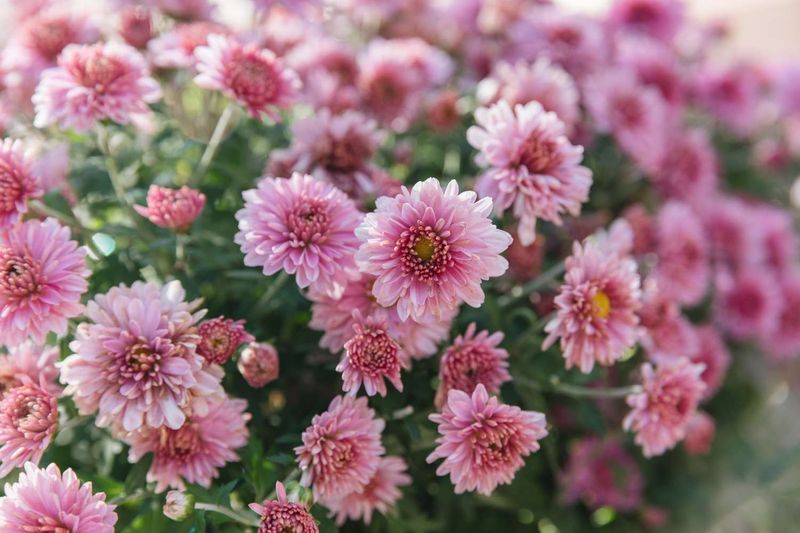
Timing can matter as much as the type of mum you own. A hardy mum planted in spring has months to grow deep roots before winter. One planted in October has only a few weeks.
That is why many fall-bought garden mums fail to return, even though they had the right genetics. The plant spent its energy on flowers instead of roots. Extension experts commonly suggest planting garden mums in spring or early summer for the best results.
Fall planting can still work. Aim to get pots in the ground at least six weeks before your first hard freeze. In the Midwest, that often means September, while warmer southern areas have more wiggle room.
Pick a spot with six or more hours of sun and soil that drains well. Mums struggle in soggy ground, especially during winter thaws. Mixing compost into heavy clay helps a lot.
Water deeply after planting and keep the soil lightly moist while roots settle. I like buying small spring starts because they cost less, grow fast, and fill out beautifully by fall. You also get to watch the whole season unfold.
Straw Mulch Helps Garden Mums Ride Out Cold Winters
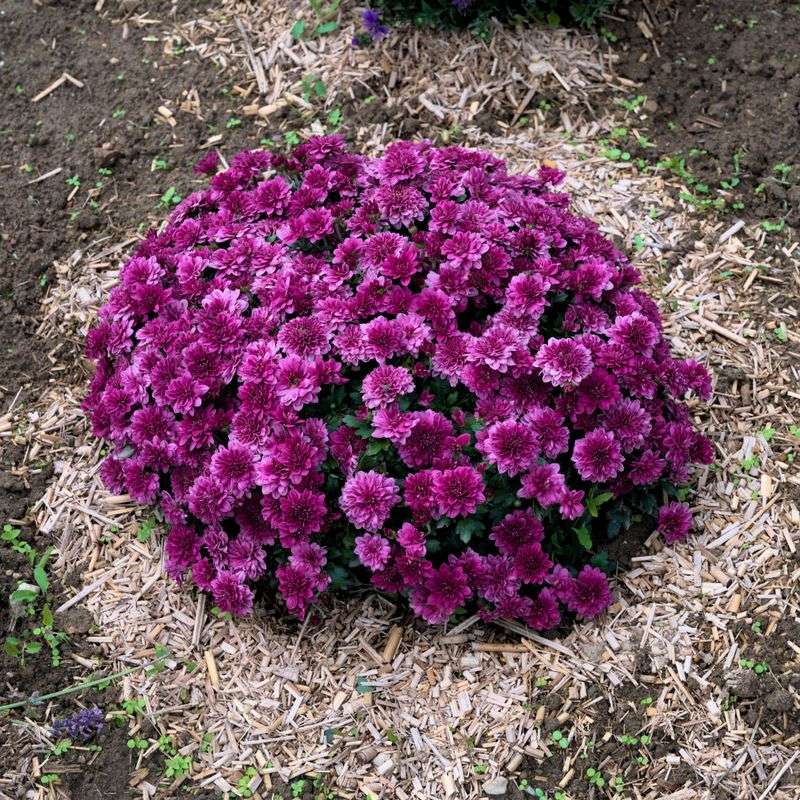
Winter is the true test for any mum. A few simple steps can raise your odds, especially in colder spots like Zones 5 and 6. Most of the work happens after the first hard frost.
Leave the old stems standing through winter. Research and guidance from places like the University of Minnesota suggest that uncut stems help trap snow and insulate the crown. You can trim them back in early spring once new growth appears.
Spread three to four inches of straw, shredded leaves, or evergreen boughs around the plant after the ground starts to chill. That blanket evens out soil temperatures and reduces heaving from freeze and thaw cycles. Keep the mulch from packing tightly against the crown.
Drainage plays a quiet role here. Wet, cold soil often harms mums more than cold alone. A slightly raised bed can make a real difference.
When spring warms up, pull most of the mulch away so fresh shoots can breathe. I get a little thrill each year when those green tips pop up through the straw. It feels like the garden is saying thank you.
Florist Mums Still Make A Lovely One Season Porch Pot
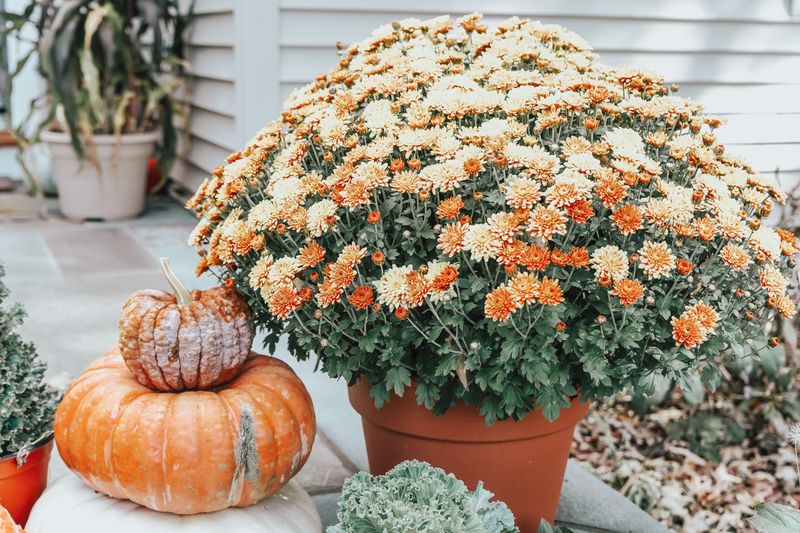
Not every mum needs a second act, and that is perfectly fine. Florist mums deliver weeks of bold color for the price of a nice lunch. Treating them as seasonal decor is a smart choice.
To keep them looking fresh longer, place pots where they get morning sun and some afternoon shade. Check soil daily, since root-bound mums dry out fast. Watering at the base keeps leaves dry and helps reduce disease.
Snip off faded flowers as you go. The plant stays tidy, and any remaining buds get more attention. Most potted florist mums bloom for about four to six weeks outdoors.
Gardeners in warm regions such as parts of Texas, Florida, or California can experiment by planting florist mums in the ground. Mild winters sometimes let them return. Results vary, so think of it as a fun trial.
Once the show ends, add the plant to your compost pile. Next spring, look for hardy garden mums with stolons and a zone-rated tag. Mixing both kinds gives you instant fall color now and dependable returning blooms for years ahead.