April Is The Best Time To Propagate Hydrangea Cuttings In North Carolina
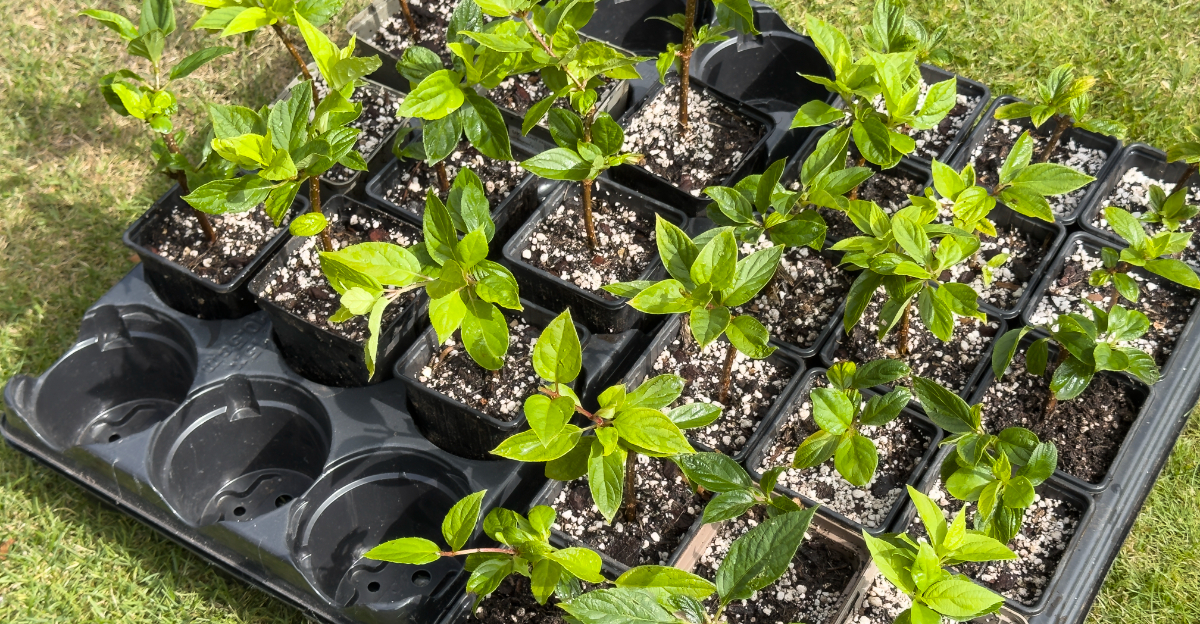
April is one of the best times for North Carolina gardeners to propagate hydrangea cuttings, and the timing can make the process much easier. As plants wake up and begin putting out soft new growth, they are in an ideal stage for cuttings to root successfully.
The combination of mild temperatures, longer days, and steady moisture creates conditions that help young cuttings settle in without too much stress. Many gardeners miss this window and try later in the season when heat and humidity make things more difficult.
Starting in April gives your cuttings a better chance to establish strong roots before summer arrives. It is also a simple way to multiply your favorite hydrangeas without buying new plants.
With just a few healthy stems and the right care, you can grow a fuller, more colorful garden over time.
1. New Softwood Growth Is Ready In April
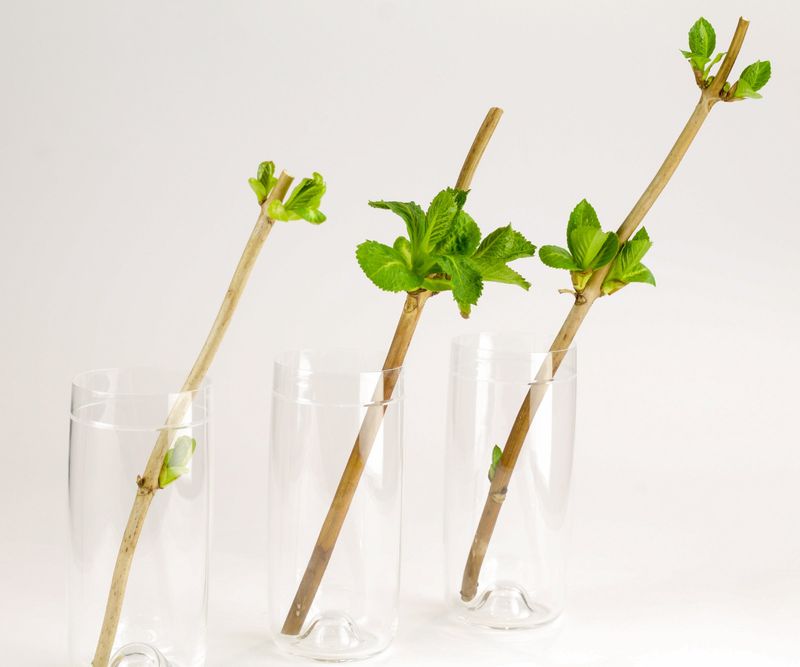
Something exciting happens in North Carolina gardens every April. Hydrangeas begin pushing out soft, flexible new stems that are perfectly suited for taking cuttings that root with surprising speed.
This fresh growth, called softwood, is tender and green, bending easily without snapping. It is the sweet spot between brand-new growth and fully hardened wood.
Softwood cuttings taken during this stage carry a natural ability to form roots quickly because the plant tissue is still actively dividing.
Gardeners who try to take cuttings too late in the season often find that the stems have become woody and stubborn, making rooting much harder. April sidesteps that problem entirely.
In North Carolina, the timing lines up beautifully with the state’s warming spring climate. By mid-April, most hydrangea shrubs have produced several inches of new growth that is just right for a 4-to-6-inch cutting.
Snip just below a leaf node, remove the lower leaves, and you are already halfway there. The plant’s own biology is working in your favor during this incredible spring window, making the whole process feel almost effortless for gardeners at any skill level.
2. Cuttings Root Faster From Non-Flowering Stems
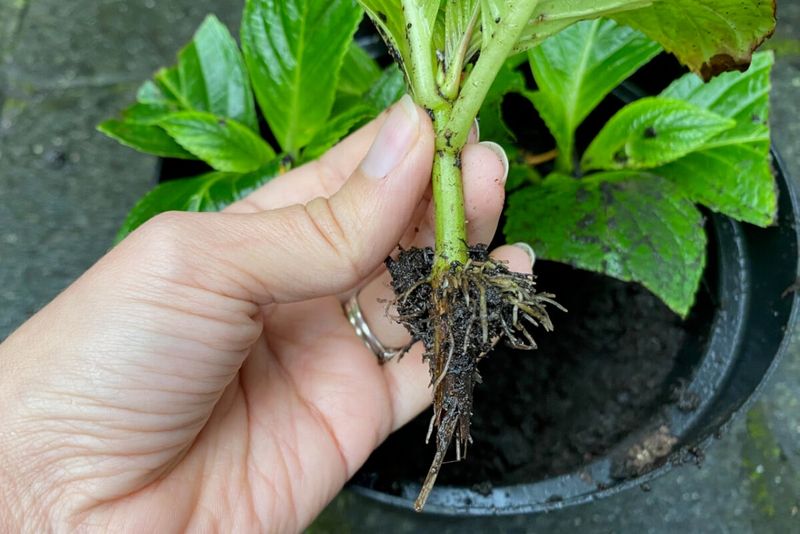
One of the smartest things about propagating in April is that most hydrangeas in North Carolina have not yet set their flower buds. That might sound like a small detail, but it makes a huge difference when you are trying to root a cutting.
When a stem is focused on producing flowers, it diverts energy away from root development, which slows everything down.
Vegetative stems, meaning stems without buds or blooms, channel their energy directly into forming roots. Choosing these non-flowering shoots in April gives your cuttings the best possible foundation for strong, healthy root systems.
You want stems that look lush and leafy rather than ones that are starting to develop flower clusters at the tips.
Across North Carolina, April is that ideal in-between moment before the big bloom rush begins. Bigleaf hydrangeas, smooth hydrangeas, and panicle hydrangeas all tend to stay in a vegetative state through most of April, offering plenty of suitable material.
Pick stems that are firm but not brittle, with at least two sets of healthy leaves. Trim the cutting cleanly with sharp, sanitized scissors, and you will be setting yourself up for propagation success that would be much harder to achieve once summer flowering kicks into full gear.
Your North Carolina Garden Changes Every Week. Your Plan Should Too.
Gardening in North Carolina changes quickly throughout the season. Every Friday you’ll receive a simple weekly plan showing exactly what to plant, prune, fertilize, harvest, and protect so you never miss the right timing.
3. Warm Soil Temperatures Encourage Rooting
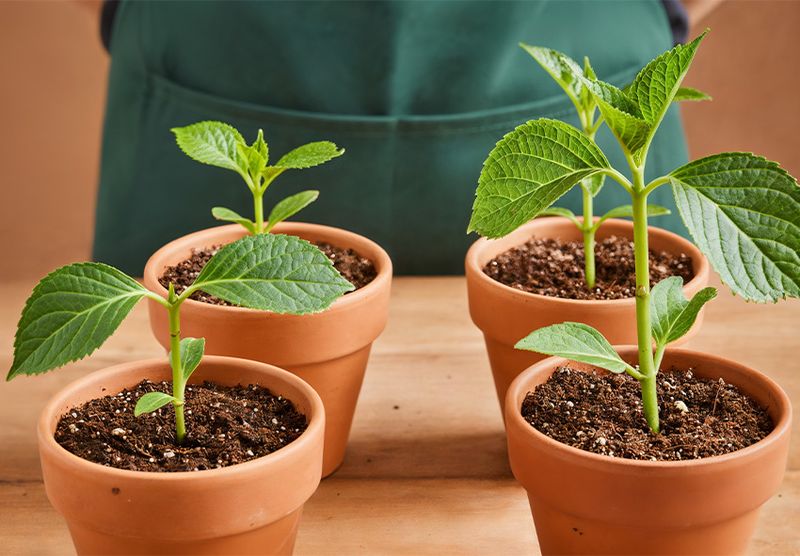
Soil temperature plays a bigger role in rooting success than most gardeners realize. In North Carolina, April brings a steady climb in ground temperatures that creates the perfect underground environment for new roots to develop.
Cold soil slows root formation dramatically, while overly hot soil stresses cuttings before they ever get a chance to establish.
During April across much of North Carolina, soil temperatures typically settle between 60 and 70 degrees Fahrenheit. That range is considered the sweet spot for hydrangea root development.
The warmth encourages the cutting’s base to form callus tissue, which is the first step before actual roots emerge. Without that gentle warmth, the process stalls.
Gardeners in the Piedmont and coastal plain regions of North Carolina benefit especially from this warming trend. If you are propagating indoors, placing your pots on a seedling heat mat set to around 68 degrees can replicate these ideal conditions.
For outdoor propagation, a cold frame or sheltered garden bed works well. The key takeaway is that April’s naturally warming soil in North Carolina removes one of the biggest barriers to successful rooting.
You are not fighting the environment, you are working with it, and that makes all the difference when growing new hydrangea plants from cuttings.
4. High Spring Humidity Reduces Wilting In Cuttings
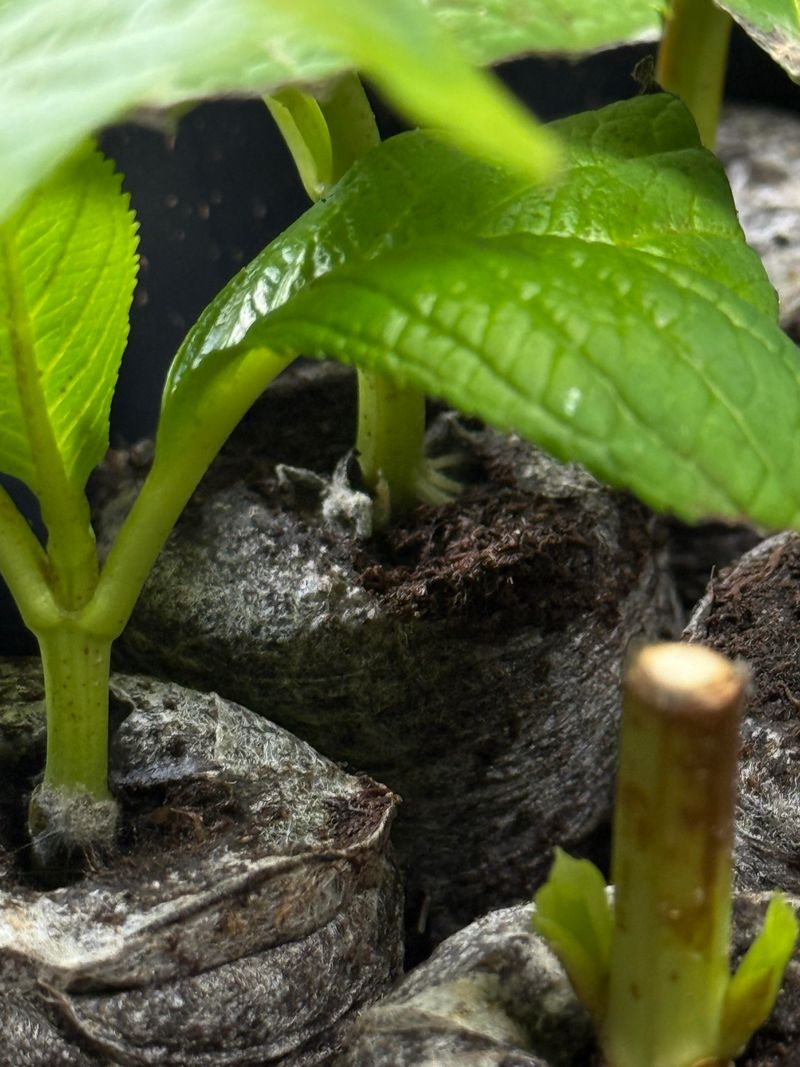
Wilting is one of the biggest threats to freshly taken cuttings, and April in North Carolina has a natural solution built right in.
The state’s spring humidity levels are noticeably higher than during the dry stretches of late summer, and that moisture in the air helps cuttings hold onto the water they need while roots are still forming.
Without roots, a cutting cannot pull water from the soil, so ambient humidity becomes its lifeline.
North Carolina’s April air often hovers between 55 and 70 percent relative humidity, which is genuinely helpful for propagating hydrangeas. Cuttings placed under a clear plastic dome or inside a humidity tent benefit from an even more concentrated moisture environment.
You will notice the leaves staying perky and green rather than drooping within hours of being cut.
Keeping humidity consistent is simple with a few tricks. Misting the leaves lightly once or twice a day, or placing a plastic bag loosely over the pot, traps moisture around the cutting without smothering it.
Make sure to vent the covering briefly each day to prevent mold. North Carolina’s naturally humid April climate gives outdoor propagators a genuine head start that gardeners in drier states simply do not enjoy.
Take advantage of that regional benefit and watch your cuttings thrive through the season.
5. Plants Are Bursting With Energy After Dormancy
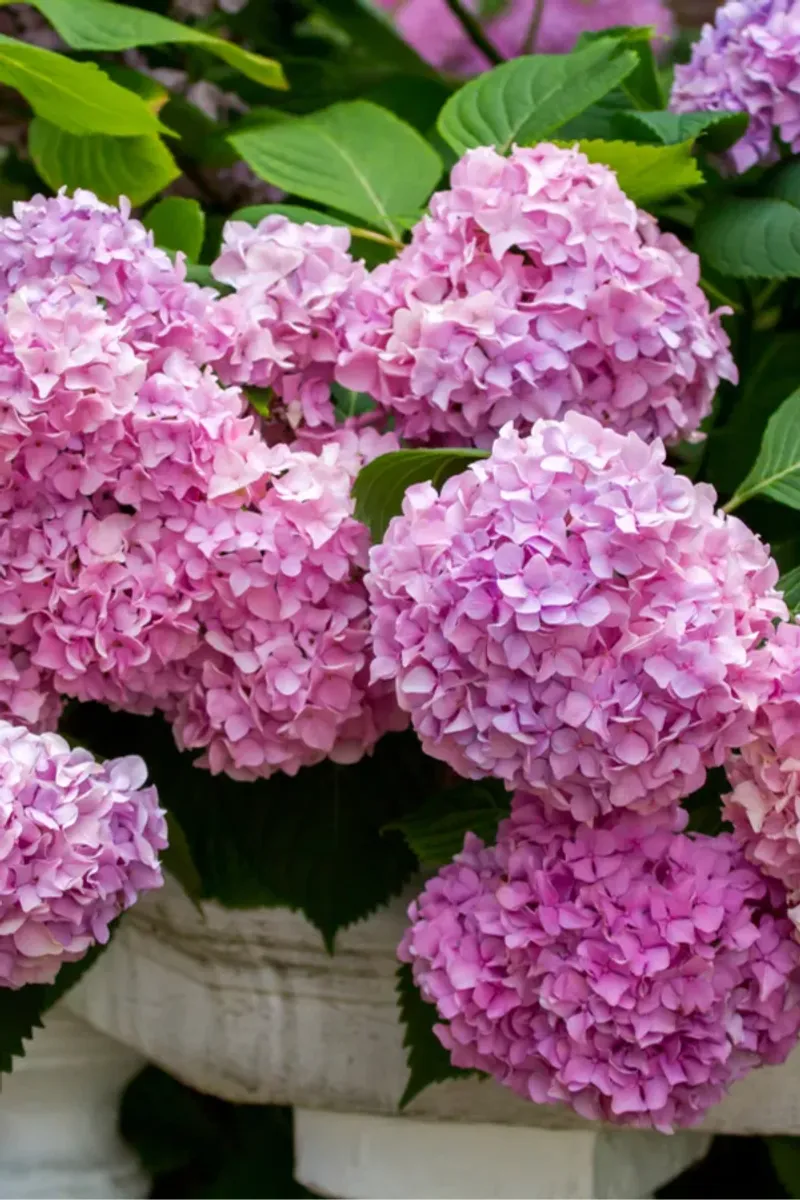
There is something almost electric about a hydrangea waking up after winter. By April in North Carolina, these shrubs have fully broken dormancy and are channeling months of stored energy into vigorous new growth.
That surge of biological activity is exactly what makes cuttings taken during this period so much more likely to succeed than those taken later in the year.
During dormancy, hydrangeas store carbohydrates in their roots and stems. When spring arrives and temperatures rise, those reserves fuel explosive new growth.
A cutting taken in April carries a share of those reserves with it, giving it the energy to form roots before it runs out of resources. It is like starting a long hike with a full backpack instead of an empty one.
Gardeners in North Carolina who have tried propagating in both spring and late summer often report noticeably better results from their April cuttings. The plants simply have more to give early in the season.
Healthy parent plants with abundant new growth are your best source material. Look for shrubs that have multiple strong shoots coming from the base, and select the most vigorous ones for cutting.
Giving your new plants that energy-rich head start in April is one of the smartest moves any North Carolina gardener can make this season.
6. Far Less Heat Stress Than Summer Propagation
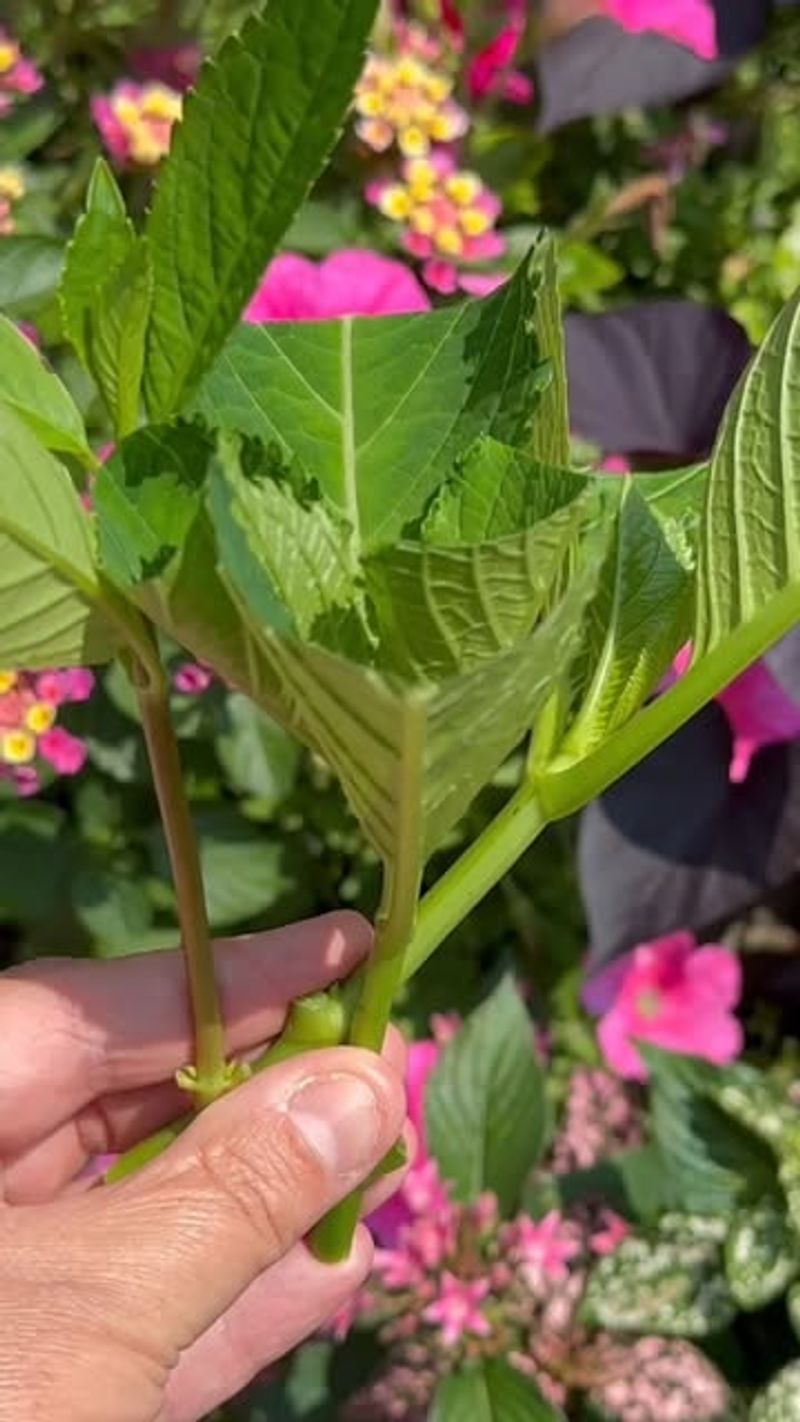
Summer propagation in North Carolina can feel like a race against the heat. Temperatures regularly climb above 90 degrees Fahrenheit by July and August, and that kind of heat puts enormous stress on unrooted cuttings that have no way to replace the moisture they lose.
April changes that story completely by offering mild, forgiving conditions that give cuttings room to breathe and root at their own pace.
When temperatures stay in the comfortable 65 to 78 degree range typical of April in North Carolina, cuttings do not have to work overtime just to survive. They can focus their energy on root development rather than trying to cope with extreme heat.
Leaves stay intact longer, soil moisture stays more consistent, and the whole process feels more manageable for the gardener too.
Gardeners who have lost batches of cuttings to summer heat know exactly how frustrating that experience can be. Switching your propagation timing to April eliminates most of that frustration.
You get a wide window of comfortable weather across North Carolina, whether you are gardening in the mountains near Asheville or down in the coastal plain near Wilmington.
The cooler, steadier temperatures of spring create a propagation environment that is genuinely hard to beat, and your hydrangeas will show their appreciation with faster, stronger root growth.
7. A Longer Growing Season Means Stronger Plants
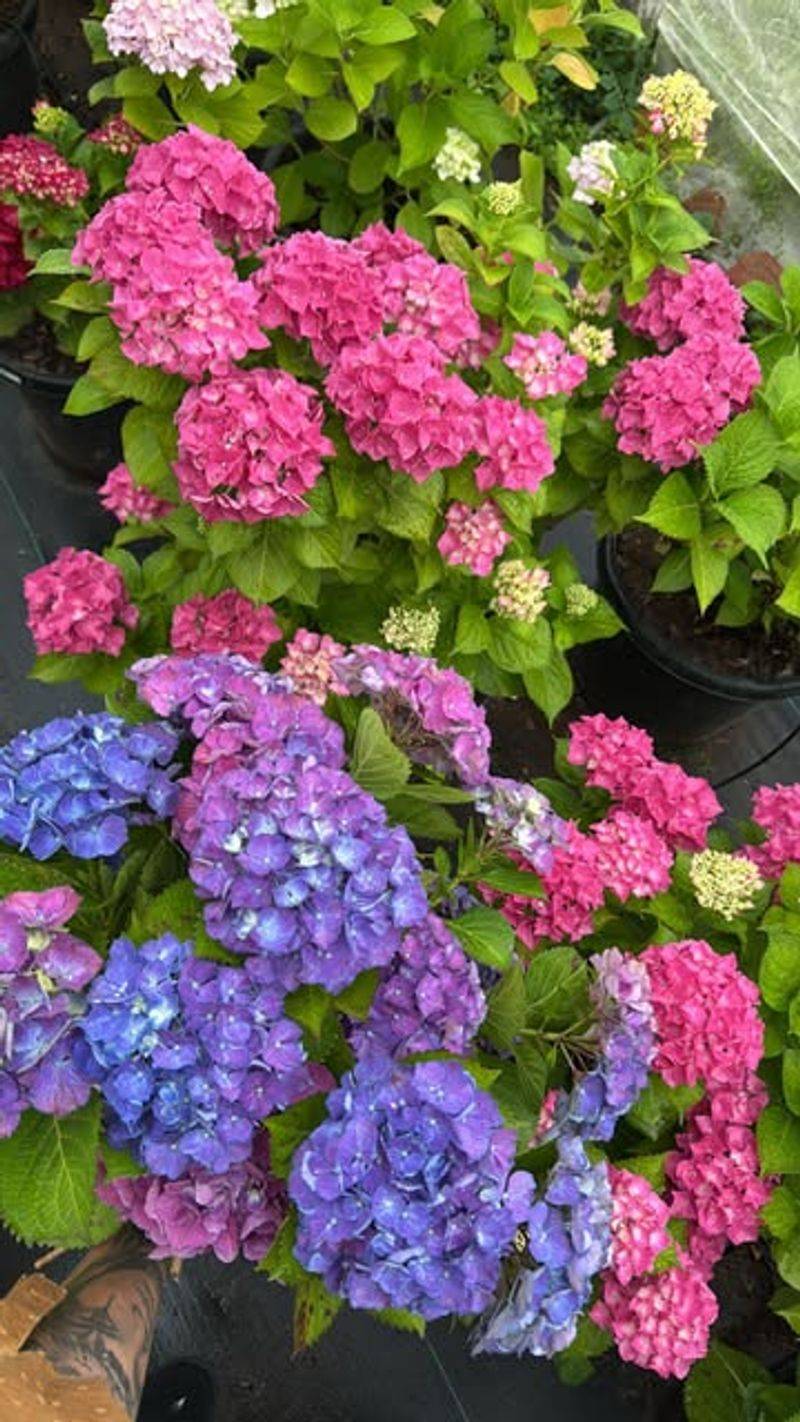
Starting hydrangea cuttings in April is like giving your plants a head start in a long race. Cuttings that root successfully in April have the entire spring and summer ahead of them to grow, strengthen, and establish their root systems before the cooler months arrive.
That extra time translates directly into healthier, more resilient plants by the time fall rolls around in North Carolina.
A cutting started in April can realistically grow into a small but well-established shrub by September or October. One started in July or August, by contrast, barely has time to root before the growing season slows down.
That difference in establishment time is enormous when you consider how it affects the plant’s ability to handle its first winter outdoors.
Across North Carolina, the growing season stretches from spring well into fall, giving April-started cuttings a genuinely long runway.
Gardeners in the warmer coastal plain regions near Raleigh or Fayetteville may even see their cuttings put on impressive size before the first frost.
Potted cuttings can be moved into the garden by midsummer once their root systems are solid. Giving your hydrangeas that full season of growth is one of the most practical reasons to propagate in April, and the results speak for themselves come the following spring bloom season.
8. Rooted Cuttings Transition Outdoors With Ease
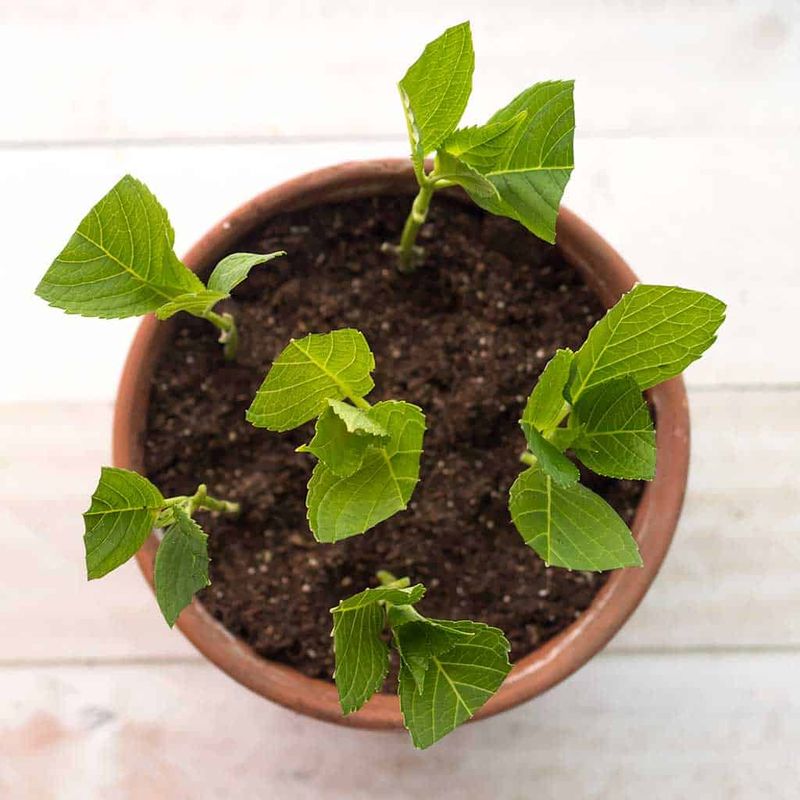
Moving a freshly rooted cutting from indoors to the outside world can be tricky if the timing is wrong.
April and late spring in North Carolina offer one of the smoothest possible transitions because outdoor temperatures are stable, frost risk is dropping, and the weather is genuinely pleasant for young plants.
The process of hardening off, which means gradually introducing plants to outdoor conditions, becomes far less stressful during this window.
Hardening off typically takes one to two weeks. You start by placing rooted cuttings in a sheltered, shaded outdoor spot for a few hours each day, then gradually increase their outdoor time and sun exposure.
North Carolina’s mild late-spring weather makes this process straightforward because you are not dealing with sudden cold snaps or scorching heat during most of April and May.
Young hydrangeas that spend their first outdoor days in dappled shade do best during this transition. Avoid placing them in full afternoon sun right away, as their leaves can scorch before the roots are fully prepared to handle rapid water loss.
A spot under a tree or along the shaded side of a fence works perfectly. Gardeners in North Carolina who follow this gradual approach almost always end up with strong, well-adjusted plants that settle into the garden without skipping a beat, ready to grow beautifully through the rest of the season.
9. April Works Beautifully For Multiple Hydrangea Types
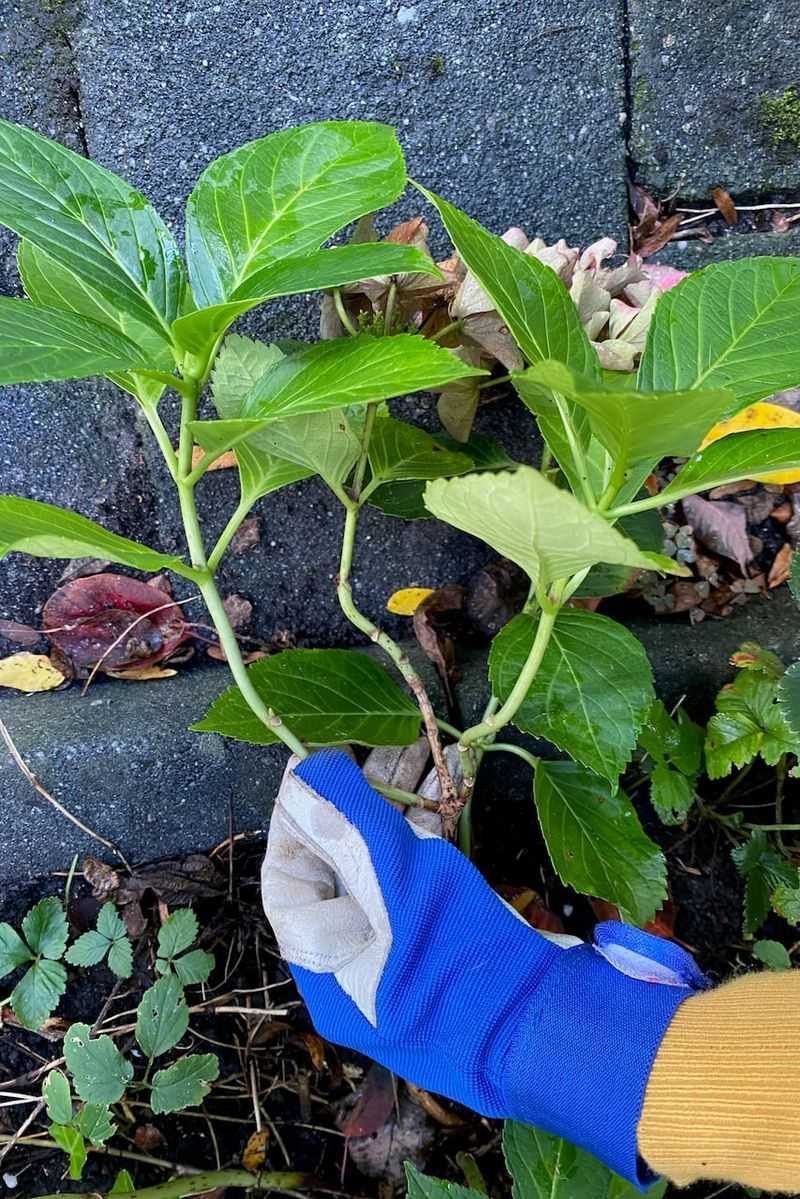
One of the most exciting things about April propagation in North Carolina is that it works across several popular hydrangea species, not just one. Hydrangea macrophylla, commonly known as bigleaf hydrangea, produces fresh softwood growth in April that roots reliably.
Hydrangea arborescens, the smooth hydrangea, behaves similarly, offering plenty of suitable stems during the same window.
Panicle hydrangeas, or Hydrangea paniculata, are particularly well-suited to April propagation because they bloom on new wood produced during the current season.
Taking cuttings early gives these varieties maximum time to develop before their blooming cycle begins.
Oakleaf hydrangeas, Hydrangea quercifolia, also produce workable softwood in April, though they may be slightly later to push new growth depending on their location within North Carolina.
Having multiple species available for propagation in the same month is a real advantage for gardeners who want to grow a diverse collection.
You can take cuttings from several different varieties in a single afternoon, pot them all up using the same method, and end up with a beautiful mixed batch of new plants.
North Carolina’s climate accommodates all of these species with remarkable consistency in April. Whether you prefer the classic mophead blooms of macrophylla or the cone-shaped flowers of paniculata, April gives every type a strong and productive start in the garden.
10. Success Rates Are Higher Than Late-Season Cuttings
Ask any experienced hydrangea grower in North Carolina, and they will tell you the same thing: April cuttings simply root better.
The combination of ideal growth stage, comfortable temperatures, and natural humidity creates conditions where success rates climb noticeably compared to attempts made in July or August.
It is not luck, it is timing backed by plant biology and regional climate working together. Studies and practical gardening experience both confirm that softwood cuttings taken during active spring growth tend to form roots faster and more consistently than semi-hardwood or hardwood cuttings taken later.
When you add North Carolina’s favorable April conditions to the equation, you get a propagation environment that is genuinely stacked in your favor.
More cuttings root, more plants survive, and more of your effort pays off. For gardeners who have felt discouraged by failed propagation attempts in the past, switching to April could be the turning point that changes everything.
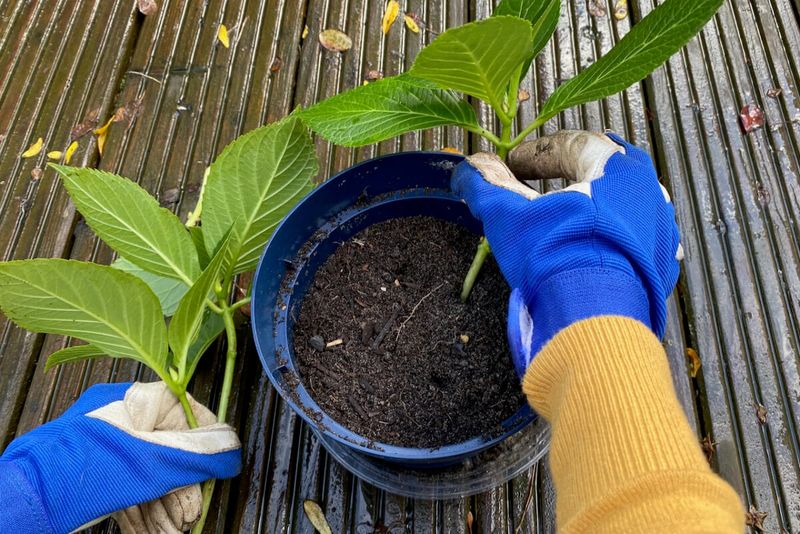
Start with a clean, sharp cutting tool, use a rooting hormone powder or gel for extra support, and plant your cuttings in a well-draining mix of perlite and peat moss.
Keep the soil moist and the humidity high. Within three to five weeks, most April cuttings in North Carolina will show signs of rooting, rewarding your patience with healthy new hydrangea plants ready to brighten your garden for years ahead.