Are You Allowed To Cut A Neighbor’s Shrubs That Cross Your Yard In Texas

Shrubs crossing a property line in Texas often seem like a minor nuisance at first, until they start crowding fences, blocking light, or pushing so far into your yard that ignoring them no longer feels reasonable.
That’s usually when a simple landscaping question turns into something much more uncomfortable.
Many homeowners assume that once a neighbor’s shrubs cross into their space, they automatically gain full control over what happens next.
Texas property and boundary laws are far more specific than most people expect, and trimming without understanding those limits can create problems that go well beyond the plants themselves.
What feels like basic upkeep can quickly raise legal or financial issues if it affects the shrub’s health or ownership rights. Disputes between neighbors often begin with actions that seemed practical in the moment.
The rules draw a clear but often misunderstood boundary between what you may trim and what you should leave alone.
Understanding those limits ahead of time can save Texas homeowners from escalating conflicts that are far harder to fix than an overgrown shrub.
1. Property Boundaries Still Control What You Can Touch
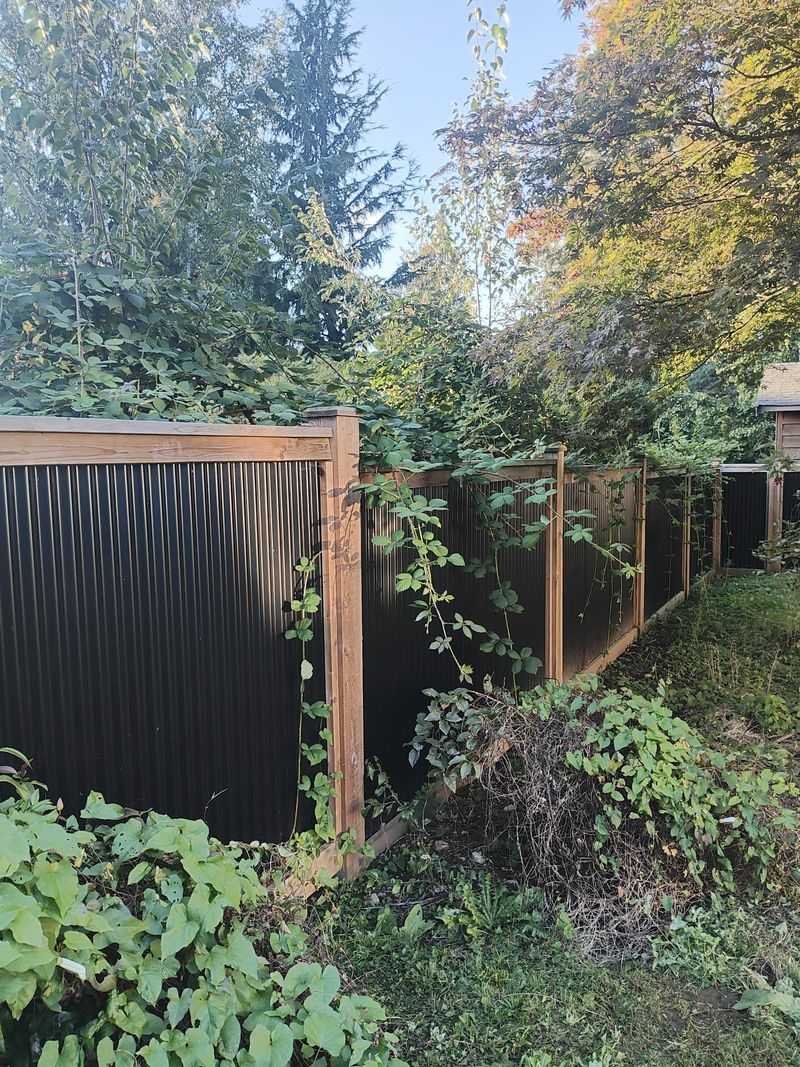
Understanding where your property ends and your neighbor’s begins makes all the difference when dealing with encroaching plants. Texas law respects ownership lines strictly, meaning you generally can’t cross onto someone else’s land to trim their vegetation without permission.
Even if branches hang over into your yard, the root system and trunk location determine who owns the plant.
Many homeowners assume that because branches invade their space, they gain some ownership rights over the entire shrub. That’s not how it works in Texas.
The plant belongs to whoever owns the land where its main stem or trunk is rooted, regardless of how far the branches spread.
Before you grab your pruning shears, take a moment to confirm exactly where the property line sits. Old surveys can be inaccurate, and eyeballing it rarely gives you the precision you need.
Once you know the boundary, you’ll have a clearer picture of what you’re legally allowed to trim. Texas gives you the right to cut back anything that crosses into your airspace, but only up to the property line.
Going beyond that line, even by a few inches, could open you up to liability.
Respecting boundaries also helps maintain good neighborly relations. Nobody wants to start a feud over a few branches, but stepping onto someone else’s property without asking can escalate tensions quickly.
Keeping things civil often starts with knowing and honoring those invisible lines that separate yards.
2. Crossing Shrubs Don’t Automatically Become Yours
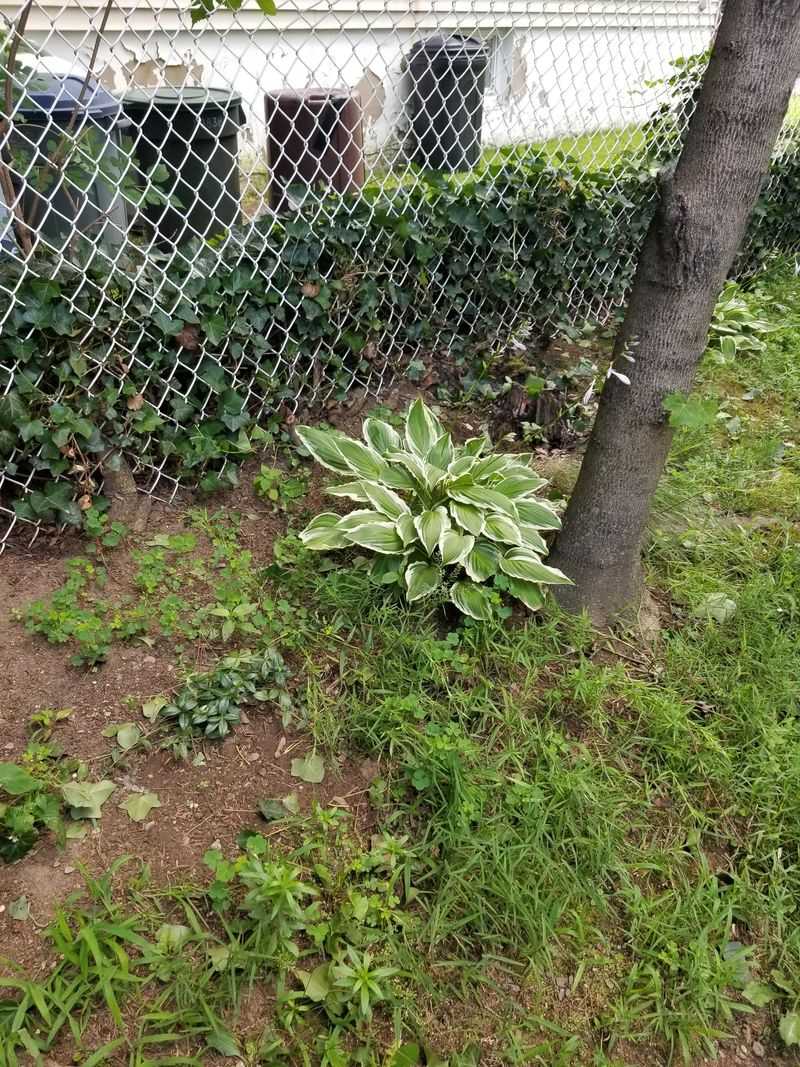
Just because a shrub’s branches dangle over your fence doesn’t mean you suddenly own that plant. Texas property law is clear that ownership stays with the person whose land holds the roots and trunk.
This principle applies to trees, bushes, and any other vegetation that might stretch across boundary lines.
Some folks think that if they’ve been trimming back branches for years, they might gain some claim to the plant itself. That’s a misconception.
No amount of maintenance on your side of the line transfers ownership of the shrub to you. The neighbor retains full legal ownership no matter how much work you put into keeping it tidy.
This rule protects both parties in the long run. Imagine if every time a branch crossed a line, ownership shifted—property rights would become a confusing mess.
Texas law keeps things simple by tying ownership to the land where the plant originates.
If you’ve been caring for parts of a neighbor’s shrub, you might feel entitled to make decisions about it. Legally, though, you’re only managing the portions that intrude into your space.
The neighbor still has the final say over the health and appearance of the entire plant.
Misunderstanding this can lead to disputes, especially if you decide to remove a shrub thinking it’s partly yours. Always remember that the roots anchor ownership, and in Texas, that’s the rule that courts will uphold if disagreements arise.
3. Trimming Is Usually Limited To What Enters Your Yard
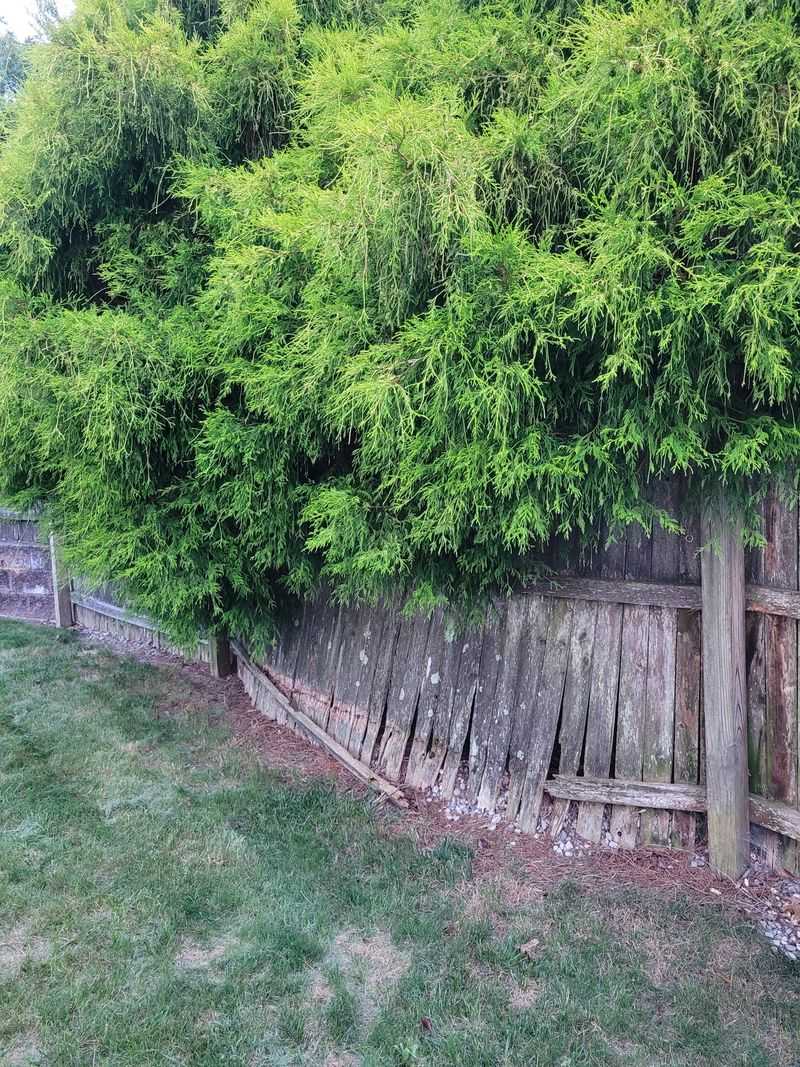
Texas law generally allows you to trim back branches, leaves, and roots that cross onto your property. This right comes from the idea that you should be able to enjoy your land without interference from a neighbor’s vegetation.
However, this privilege has limits and responsibilities attached to it.
You can only cut what actually intrudes into your space. Reaching over the fence to shape a shrub on your neighbor’s side is off-limits, even if you think it would look better or prevent future growth issues.
Stick to trimming only what hangs or grows into your yard.
When you do trim, you’re expected to do so carefully. Hacking away recklessly or cutting so aggressively that you harm the plant could expose you to legal claims.
Texas courts have held homeowners responsible for damage caused by careless trimming, even when the trimming itself was legally allowed.
Another thing to keep in mind is that you can’t toss the cuttings back onto your neighbor’s property. Once you’ve trimmed branches or roots, disposing of them becomes your responsibility.
Throwing them over the fence might seem convenient, but it’s considered improper and could add fuel to any dispute.
If you’re unsure how much to cut, err on the side of caution. Taking a conservative approach protects you legally and keeps the peace.
In Texas, being a good neighbor often means balancing your rights with common courtesy and respect for someone else’s property.
4. Causing Harm To A Neighbor’s Shrubs Can Create Problems

Trimming back branches is one thing, but damaging or destroying a neighbor’s shrub is another matter entirely. Texas law allows you to remove intrusions, but it doesn’t give you a free pass to harm the plant in the process.
If your trimming leads to the shrub’s decline or affects its health, you could be held liable.
Courts in Texas have ruled that property owners can seek damages if a neighbor’s actions result in harm to their vegetation. This includes situations where overzealous trimming weakens a plant or makes it more vulnerable to disease.
Even if you had the right to trim, doing so carelessly can land you in legal trouble.
Think about the timing and method of your cuts. Pruning during the wrong season or cutting too close to the trunk can stress a shrub and cause lasting damage.
In Texas, where heat and drought already challenge many plants, poor trimming practices can push a shrub past the point of recovery.
If a neighbor claims you’ve harmed their shrub, they might ask you to pay for treatment, replacement, or even loss of property value. These costs can add up quickly, especially if the plant was mature or rare.
Protecting yourself means trimming thoughtfully and considering the plant’s overall health.
When in doubt, consult an arborist or landscaping professional before making major cuts. Their expertise can help you trim safely and legally, reducing the risk of unintended harm.
In Texas, a little caution goes a long way toward avoiding disputes and potential liability.
5. Shared Responsibility Can Apply In Certain Situations
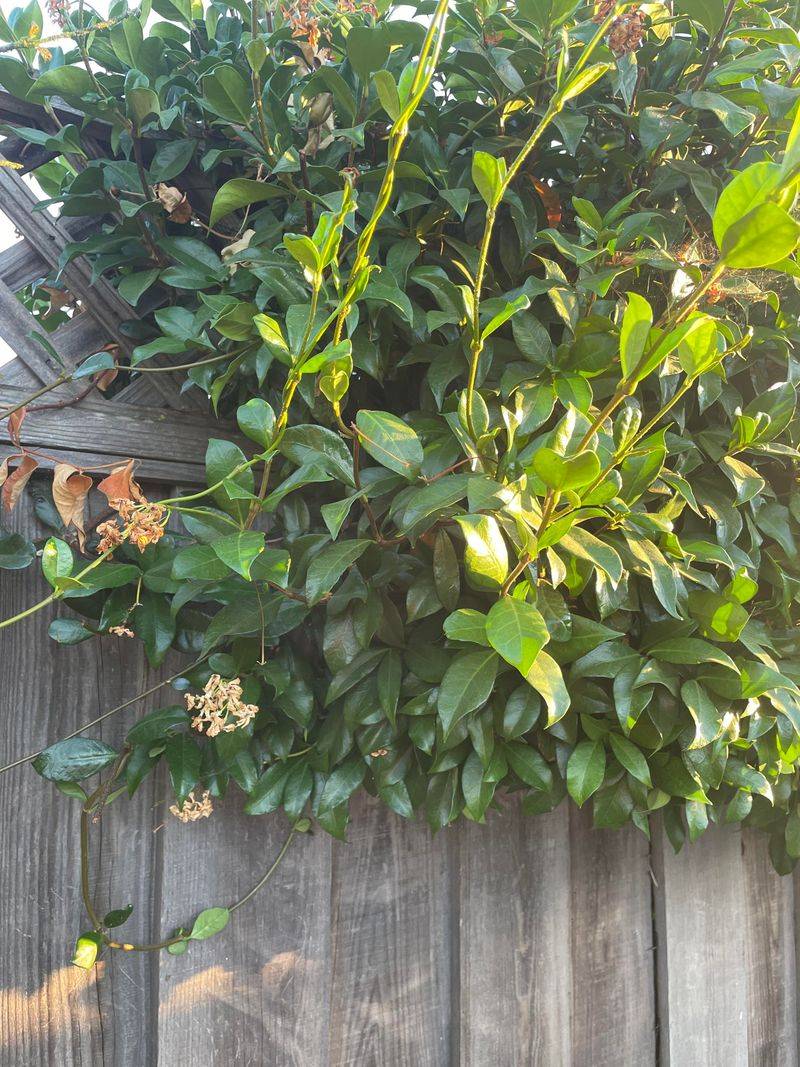
Sometimes a shrub sits directly on a property line, which can create shared responsibility between neighbors.
In Texas, this creates a shared responsibility for care and maintenance. Neither party can remove or drastically alter the plant without the other’s consent, even if branches spread unevenly.
Shared ownership means both neighbors have equal rights and obligations. If the shrub needs trimming, watering, or treatment for pests, ideally both parties should cooperate and split the costs.
This arrangement works best when communication stays open and both sides respect each other’s input.
Disputes often arise when one neighbor wants to remove a shared shrub and the other wants to keep it. Texas law requires mutual agreement for any major changes.
If you can’t reach a consensus, you might need mediation or even legal intervention to resolve the issue.
Even when a shrub isn’t directly on the line, shared fences or landscaping can complicate matters. For example, if a hedge runs along a fence that both neighbors use, deciding who trims what can get tricky.
Clear communication and written agreements can prevent misunderstandings.
In Texas, being proactive about shared plants saves time and stress. Talk to your neighbor early, establish expectations, and document any agreements you make.
This approach keeps everyone on the same page and reduces the chance of conflict down the road.
6. City And County Rules May Still Affect Trimming
Beyond state law, many Texas cities and counties have ordinances that regulate vegetation and property maintenance. These local rules can add extra layers of restrictions or requirements, depending on where you live.
Ignoring them could result in fines or orders to restore plants you’ve trimmed.
Some municipalities have height limits for hedges, especially near streets or sidewalks. If a neighbor’s shrub blocks visibility or violates a local code, you might have grounds to request that they trim it.
However, taking matters into your own hands without checking local rules could backfire.
Certain areas in Texas also protect specific types of plants, especially native species or those with historical significance. Cutting a protected shrub, even if it crosses your property line, might violate local conservation ordinances.
Always research what’s allowed in your area before you start trimming.
Homeowners associations add another layer of regulation. If you live in an HOA community, there might be strict guidelines about landscaping and boundary disputes.
Violating these rules could lead to fines or restrictions, even if your actions were technically legal under state law.
Checking with your city or county before trimming can save you a lot of trouble. A quick call to the code enforcement office or a visit to the local government website can clarify what’s permitted.
In Texas, staying informed about local rules is just as important as understanding state law.
7. Getting Permission Can Prevent Escalation
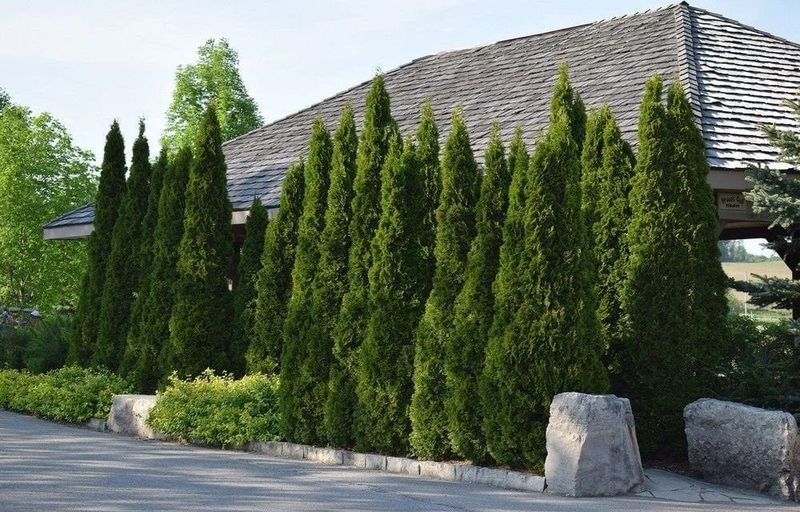
Even though Texas law might give you the right to trim, asking your neighbor first can prevent a lot of headaches. A simple conversation shows respect and often leads to a cooperative solution that benefits both parties.
Most people appreciate being asked rather than coming home to find their shrubs chopped without warning.
When you approach your neighbor, be polite and clear about what you’d like to do. Explain how the shrub affects your property and suggest a reasonable trimming plan.
Many neighbors will agree, especially if you offer to do the work yourself or split the cost of hiring a professional.
If your neighbor says no or seems hesitant, try to understand their perspective. They might have concerns about the plant’s health, appearance, or sentimental value.
Finding a compromise, like trimming less aggressively or waiting for a better season, can keep the relationship intact.
Getting permission in writing is a smart move, especially for significant trimming projects. A simple note or email confirming what you discussed protects both of you if questions arise later.
In Texas, having documentation can be invaluable if a dispute ends up in court.
Sometimes neighbors won’t cooperate, and you’ll need to proceed with your legal rights. Even in those cases, having tried to communicate shows good faith and can work in your favor if things escalate.
Courtesy and respect go a long way, even when the law is on your side.
8. Some Situations Are More Likely To Turn Into Disputes
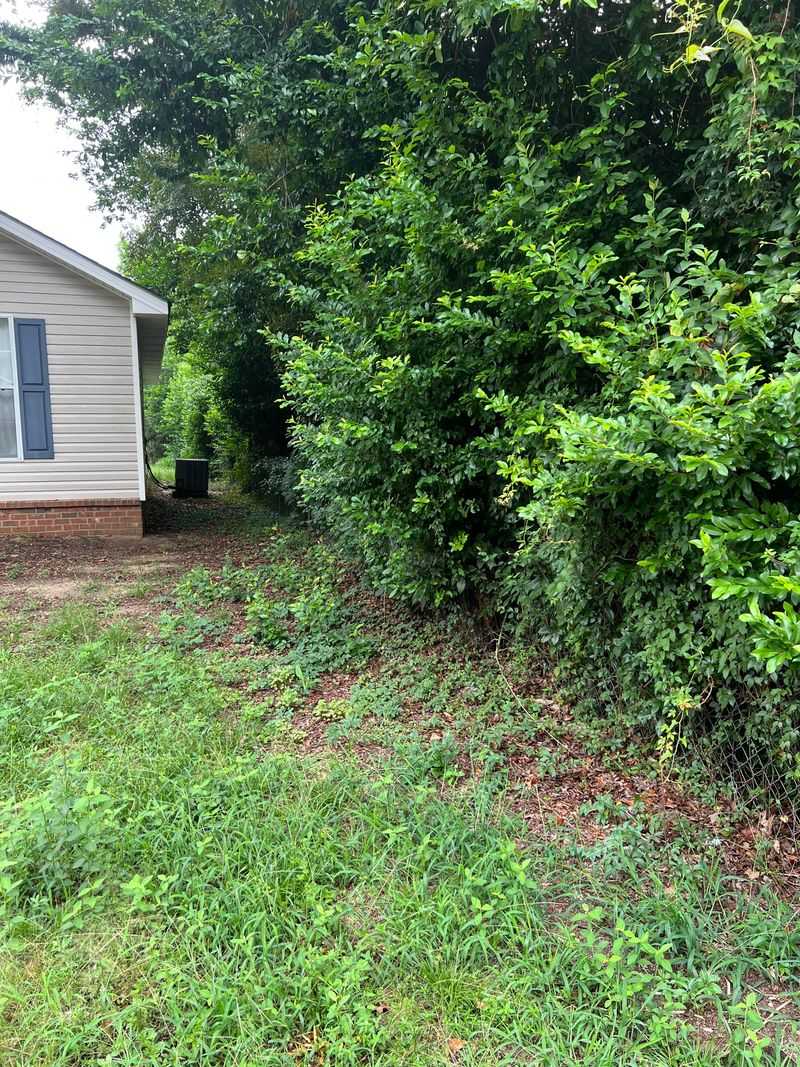
Certain scenarios have a higher risk of turning into full-blown disputes, especially in Texas where property rights are taken seriously. Recognizing these situations early can help you take preventive steps and avoid costly legal battles or damaged relationships.
One common flashpoint is when a shrub blocks sunlight, views, or access. If a neighbor’s overgrown plants interfere with your enjoyment of your property, tensions can rise quickly.
Addressing the issue calmly and early often prevents it from escalating into a formal complaint or lawsuit.
Another risky situation involves property lines that aren’t clearly marked. When both neighbors have different ideas about where the boundary sits, disagreements over trimming rights can get heated.
Investing in a professional survey can settle the question and provide a solid foundation for resolving the issue.
Mature or valuable plants also tend to spark disputes. If a shrub has been growing for decades or is a rare variety, the owner might be particularly protective.
Trimming or damaging such a plant without permission can lead to significant financial claims and hard feelings.
In Texas, disputes sometimes end up in small claims court or require mediation. Knowing when to seek legal advice or a neutral third party can save you time, money, and stress.
Being proactive and respectful from the start reduces the chances that you’ll need to go that route.