Are You Allowed To Remove A Nest From Your Tree In Florida
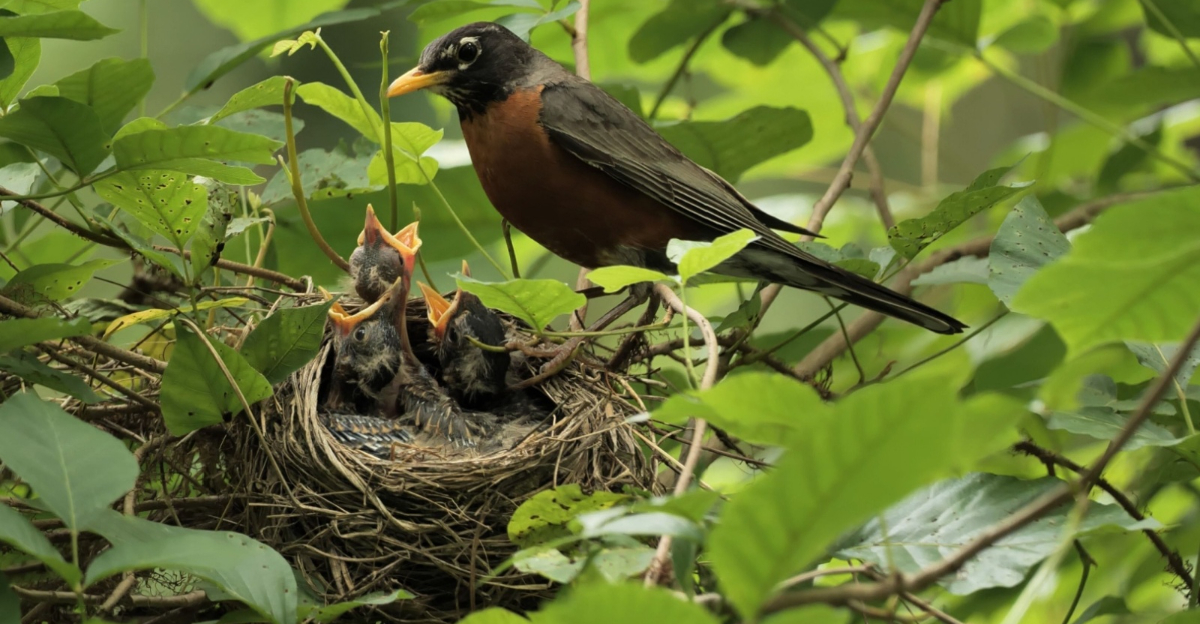
You spot a nest tucked in your oak or pine and wonder what to do. The birds inside are noisy, sometimes messy, and occasionally aggressive when protecting their young.
The first instinct might be to remove it and reclaim your yard. In Florida, that simple act can carry serious consequences.
Not all nests are legal to disturb, and touching some can put you on the wrong side of the law. Certain species enjoy full protection, and even empty nests may fall under regulations.
Knowing what is allowed protects the birds, your property, and yourself. In many cases, patience and careful observation work best, while in other situations, removal is permitted but only under specific conditions.
The question is not just “Can I remove it?” It is “How can I act safely and legally while following the rules?”
1. Federal Law Protects Most Active Bird Nests
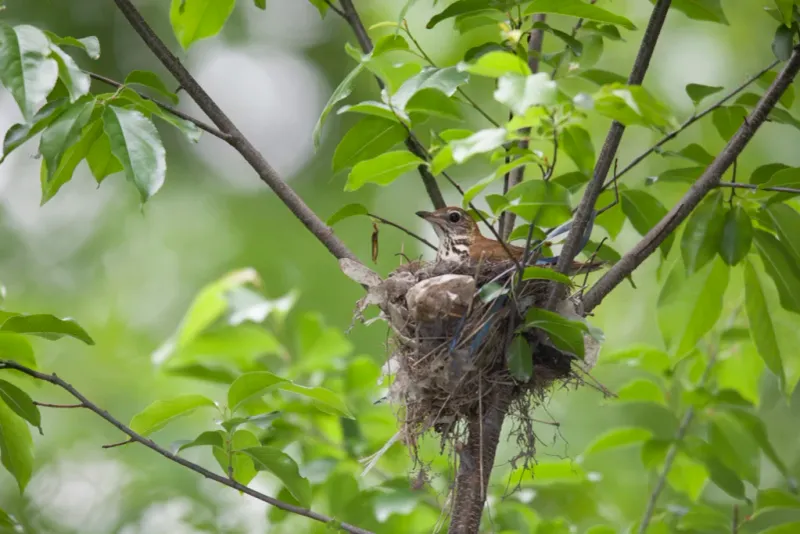
Most people do not realize that a federal law passed over a century ago still shapes what you can and cannot do with a bird nest in your backyard today. The Migratory Bird Treaty Act of 1918 is one of the oldest and most powerful wildlife protection laws in the United States.
Under this law, it is illegal to harm, harass, pursue, capture, possess, or destroy the nests of migratory birds without proper federal authorization.
The U.S. Fish and Wildlife Service enforces this law across the country, including right here in Florida.
The law covers the vast majority of native bird species found in the state, from common robins and mockingbirds to warblers and swallows. Even birds that seem ordinary and plentiful are protected under its broad reach.
Florida homeowners are often caught off guard by just how wide this protection extends. The law does not only apply to rare or endangered birds.
Removing an active nest containing eggs or chicks belonging to a protected migratory species without a permit is a federal violation. Before touching any nest in your tree, understanding this law is your first and most important step.
2. Never Remove A Nest With Eggs Or Chicks
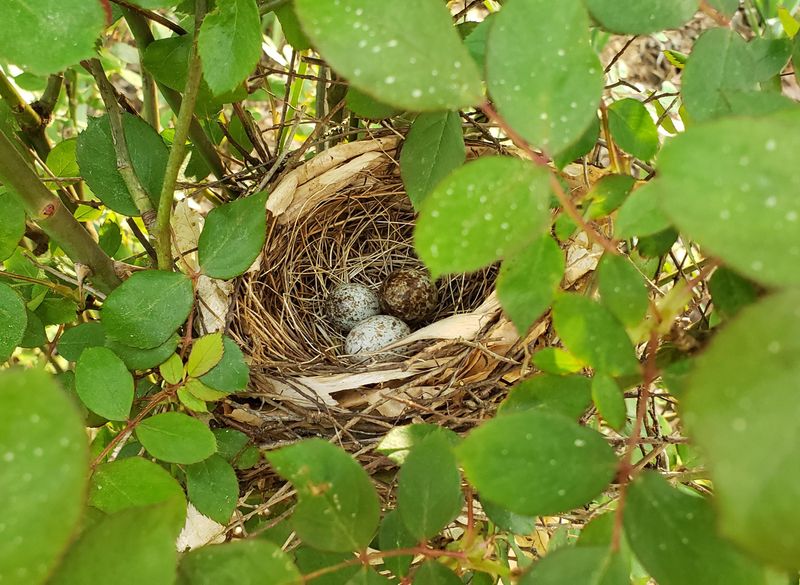
Spotting a nest full of eggs or tiny baby birds in your tree can feel both magical and inconvenient at the same time. Maybe the tree needs trimming, or the nest is too close to your porch.
Whatever the reason, federal wildlife law is clear on this point: disturbing an active nest that contains eggs or young birds is generally illegal.
Under the Migratory Bird Treaty Act, an active nest is one that currently holds eggs or chicks that are still dependent on the nest for survival. Removing or disturbing such a nest without authorization from the U.S.
Fish and Wildlife Service is a federal offense. Florida Fish and Wildlife Conservation Commission rules also prohibit activities that negatively affect protected wildlife, reinforcing these federal protections at the state level.
The good news is that most nesting periods are relatively short. Songbirds typically fledge within two to three weeks of hatching, meaning the nest will often become vacant on its own before long.
Patience is genuinely the best approach here. Waiting for the young birds to leave on their own keeps you on the right side of the law and supports healthy wildlife populations across Florida.
3. Empty Nests Are Sometimes Legal To Remove
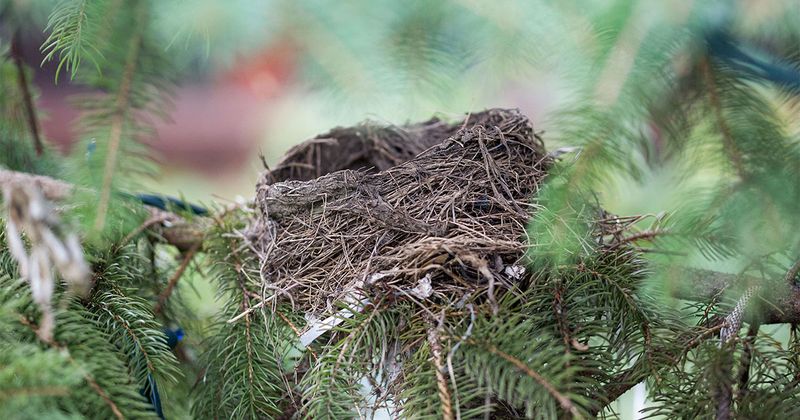
Once a nest has been completely abandoned and no longer contains eggs, chicks, or active breeding activity, the situation changes somewhat. According to the Florida Fish and Wildlife Conservation Commission, the removal of inactive nests for non-listed bird species does not require a permit.
An inactive nest is specifically defined as one that does not contain eggs or chicks and is no longer being used for breeding purposes.
So if a nest in your tree is clearly empty and the birds have long since moved on, you may be able to remove it without legal concern, depending on the species involved. If the nest belongs to a species listed as threatened or endangered, additional rules may still apply even after the nest is empty.
When in doubt, a quick call to the FWC can save you from accidental violations.
Keep in mind that even removing an empty nest may require a federal permit in certain situations, particularly if the species is protected under the Migratory Bird Treaty Act. Florida homeowners should always confirm the species involved before taking action.
What looks like an abandoned nest could still fall under protected status, so checking with wildlife authorities first is always a smart move.
4. Protected Species Have Extra Nesting Rules
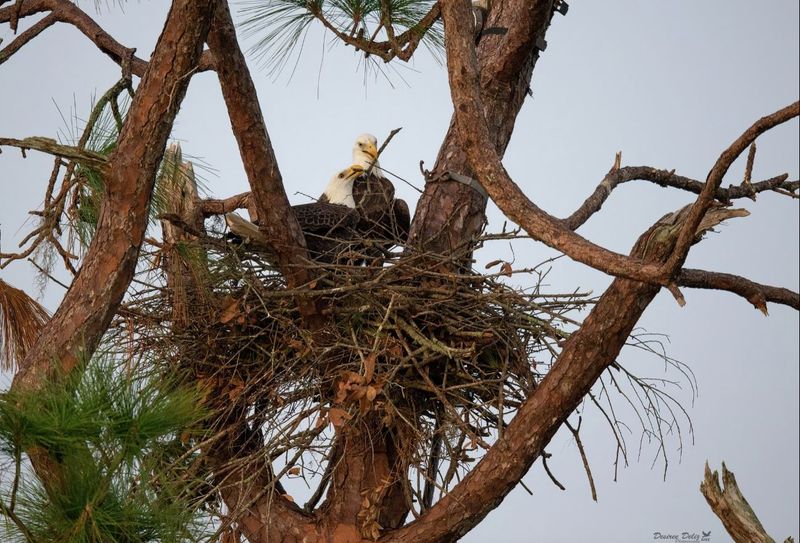
Certain birds in Florida carry additional layers of protection that go well beyond the standard rules of the Migratory Bird Treaty Act. Species such as the bald eagle, Florida scrub-jay, wood stork, and snowy plover are among the birds that receive heightened protection under state and federal law.
For these species, the rules around nesting are especially strict.
Bald eagles, for example, are protected under the Bald and Golden Eagle Protection Act, which prohibits not only disturbing the nest itself but also interfering with the surrounding area during the nesting season. The Florida Fish and Wildlife Conservation Commission has specific guidelines for bald eagle nests, including required buffer zones around active nest sites.
Violating these guidelines can result in serious federal consequences.
Florida scrub-jays, listed as threatened under the federal Endangered Species Act, also require careful consideration. Trimming or removing trees in scrub-jay habitat during nesting season can attract regulatory attention.
If you suspect that a protected species is nesting in your tree, the wisest course of action is to contact the FWC or the U.S. Fish and Wildlife Service before doing anything at all.
Protecting these birds is a shared responsibility that all Florida residents play a part in.
5. Tree Trimming During Nesting Season Requires Caution
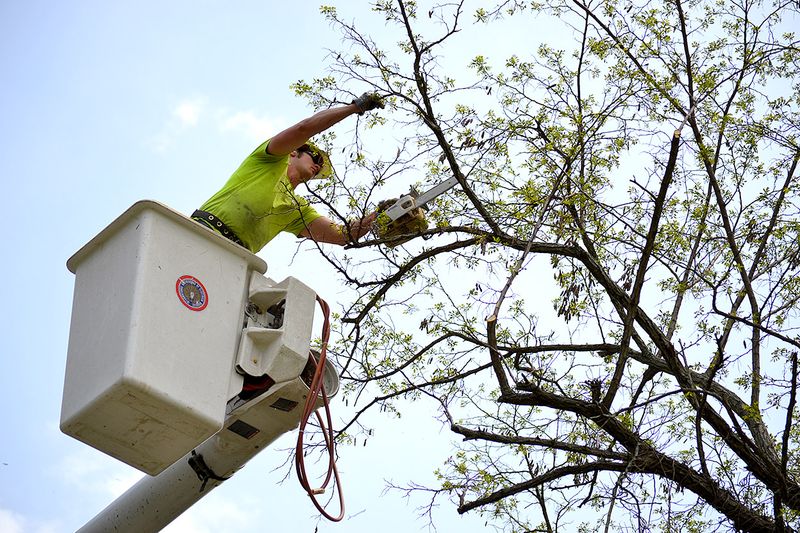
Spring and early summer bring nesting season to Florida, and that timing can create real conflicts for homeowners who need to maintain their trees. Many people schedule tree trimming in the warmer months, which unfortunately overlaps with the period when birds are most actively building nests and raising young.
Trimming a tree without checking it first could result in disturbing or destroying an active nest, which carries legal consequences.
Florida law, aligned with federal wildlife protections, does not make exceptions for accidental disturbances caused during routine yard maintenance. Even if you did not know a nest was there, removing it during active use can still be considered a violation.
Professional tree trimming companies in Florida are generally aware of these rules and will often inspect trees before beginning work.
The safest approach for homeowners is to schedule major tree trimming between late fall and early winter, when most bird species have finished nesting. If trimming cannot wait, a careful visual inspection of every branch before cutting is essential.
Look for nests tucked into forks of branches or hidden among dense foliage. Taking an extra few minutes to check your trees before trimming can protect both local wildlife and your own legal standing as a Florida homeowner.
6. Check Carefully Before Touching Any Nest
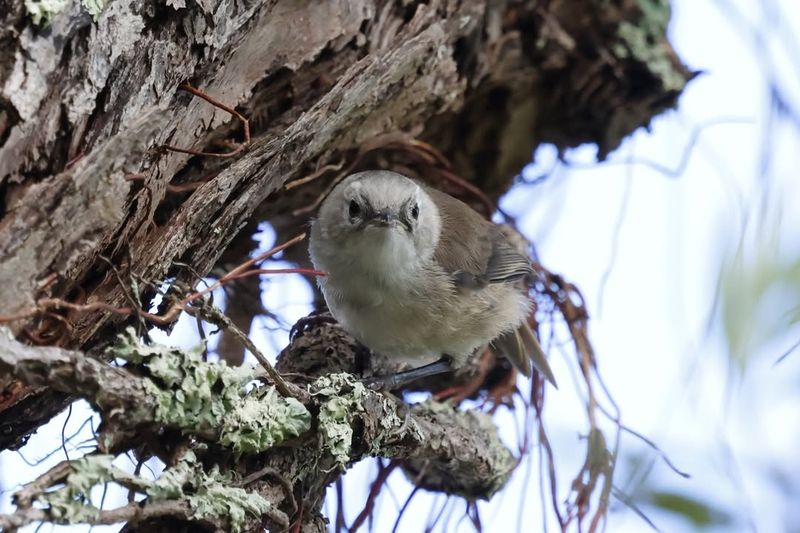
Before reaching for a ladder or calling a tree service, taking a close look at any nest in your tree is absolutely worth your time. Knowing whether a nest is active or inactive is the key factor that determines what you are legally allowed to do.
Fortunately, there are several practical ways to assess a nest without getting too close or causing unnecessary disturbance.
Start by observing the nest from a distance over the course of a day or two. Watch for adult birds flying to and from the nest, which is a strong sign of active use.
If you notice a parent bird sitting in the nest consistently, the nest almost certainly contains eggs or chicks. Binoculars can be a helpful tool for getting a clear view without approaching too closely.
A nest that has not shown any bird activity for several weeks, looks weathered or deteriorating, and has no visible eggs or chicks visible from a safe distance may be considered inactive. Even so, Florida homeowners should be cautious.
Some species return to the same nest across multiple seasons. If you are unsure after your own observation, reaching out to the Florida Fish and Wildlife Conservation Commission for guidance before taking any action is always the responsible choice.
7. Wildlife Officials Handle Protected Nest Situations
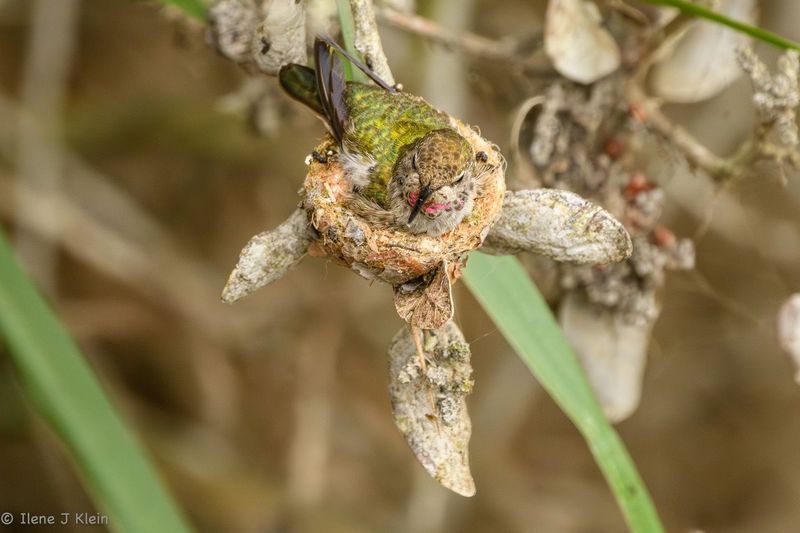
Sometimes a bird nest in your tree creates a genuine problem, whether it is blocking a gutter, posing a safety concern near electrical lines, or causing repeated property damage. When a situation like this arises, the right move is to contact wildlife officials rather than handle it on your own.
Taking matters into your own hands without proper authorization can put you in violation of both state and federal law.
The Florida Fish and Wildlife Conservation Commission is the primary state agency that handles wildlife-related issues for Florida residents. The FWC can provide guidance on whether a particular nest situation qualifies as nuisance wildlife, which is a specific designation under Florida law.
In cases where a nest is causing property damage or a genuine public safety hazard, a permit may be issued to allow for removal under controlled conditions.
The U.S. Fish and Wildlife Service can also be contacted when the species involved is protected under federal law.
Both agencies have staff who are experienced in helping homeowners navigate these situations responsibly and legally. Reaching out early, before any action is taken, is always the smartest approach.
Wildlife officials are generally helpful and can often provide solutions that protect both your property and the birds nesting in your Florida trees.
8. Prevent Nesting Problems With Early Tree Maintenance
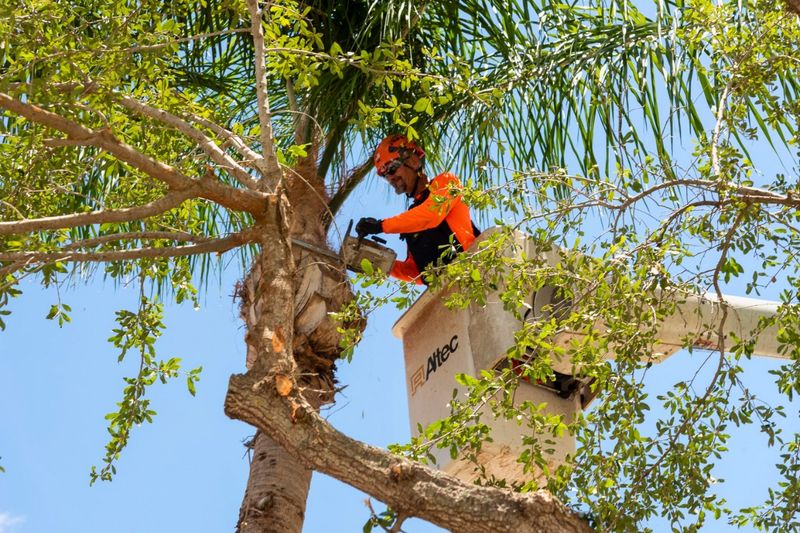
Planning ahead is genuinely the most effective strategy for avoiding bird nest conflicts on your Florida property. Rather than waiting until spring when birds are already building nests, scheduling tree maintenance during the late fall or winter months gives you a clean window to trim, prune, or reshape your trees without risking contact with active nests.
Most bird species in Florida complete their nesting activity by late summer, leaving a comfortable gap for maintenance work.
Trimming trees between November and January is widely recommended by wildlife experts as the safest period for homeowners. During these cooler months, the majority of resident bird species are not actively nesting, and migratory species that winter in Florida are typically not yet in breeding mode.
This timing reduces the chance of accidentally disturbing any protected wildlife.
Beyond scheduling, there are a few other practical steps Florida homeowners can take. Removing withered branches and dense brush piles during the off-season reduces the number of attractive nesting sites available come spring.
Keeping trees well-maintained year-round also makes them less appealing for birds looking for secluded spots to build. Working with a licensed arborist who understands local wildlife regulations adds another layer of protection.
A little planning goes a long way toward keeping your yard tidy and your trees safe for both you and Florida wildlife.