Arizona Homeowners Are Replacing Oleanders With This Native Shrub
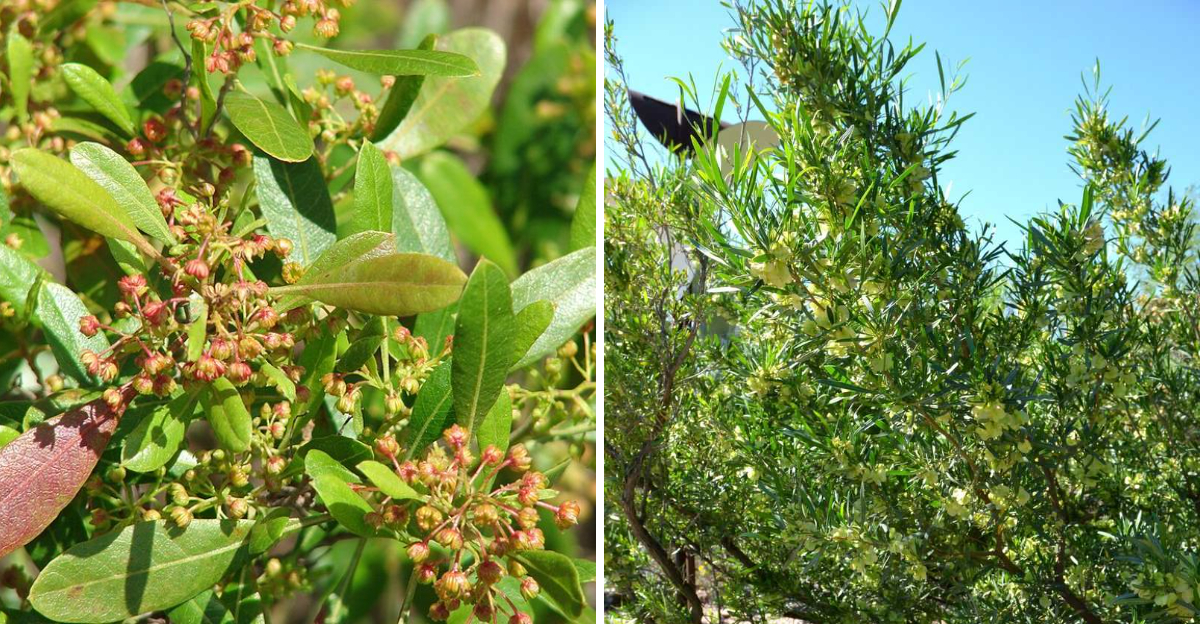
Oleanders are still common in many yards, but they are no longer the automatic choice they once were.
More homeowners are pulling them out and replacing them with a native shrub that is better suited to the desert climate.
The change is happening for several reasons. People want plants that use less water, support local wildlife, and stay attractive through long periods of extreme heat without demanding constant attention.
One native shrub has quietly become a favorite across Arizona because it checks every one of those boxes. It fits naturally into the landscape and performs well where many non-native shrubs struggle.
Once you see what makes it different from oleanders, the growing interest starts to make perfect sense.
1. Hopbush Creates A Dense Natural Privacy Screen
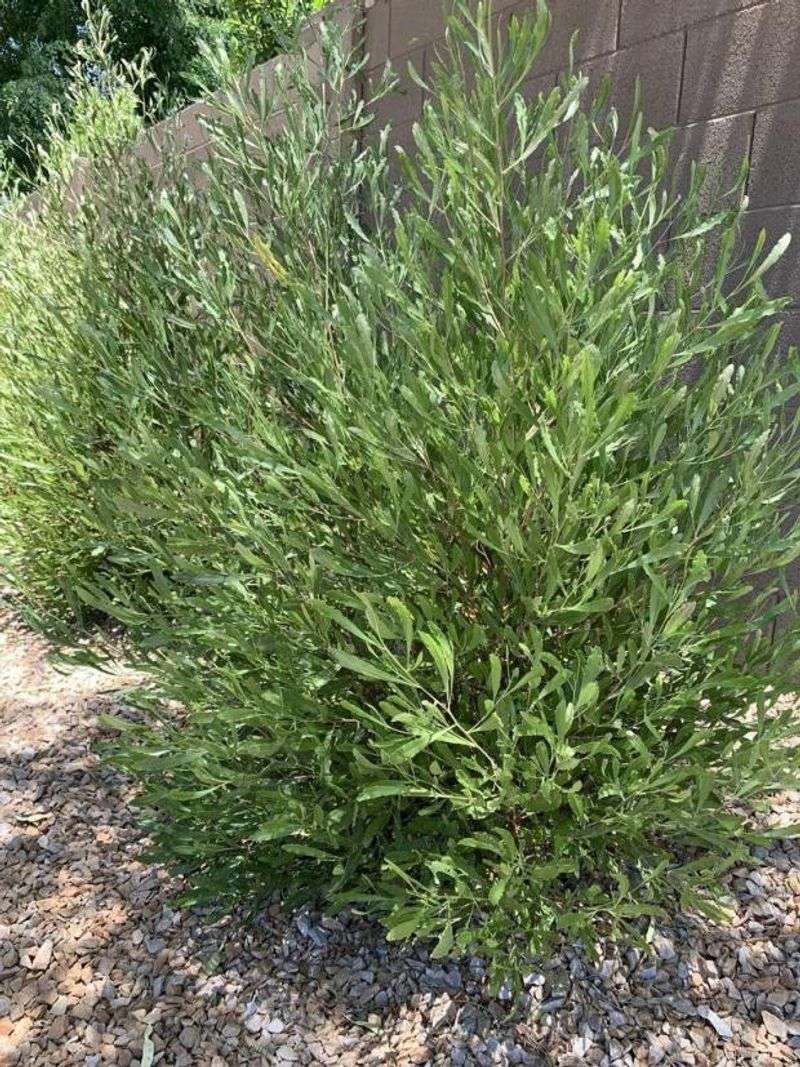
A solid wall of green sounds expensive, but hopbush can do it without a big budget. Planted in a row, hopbush fills in fast and creates a thick screen that blocks neighbors, wind, and street noise.
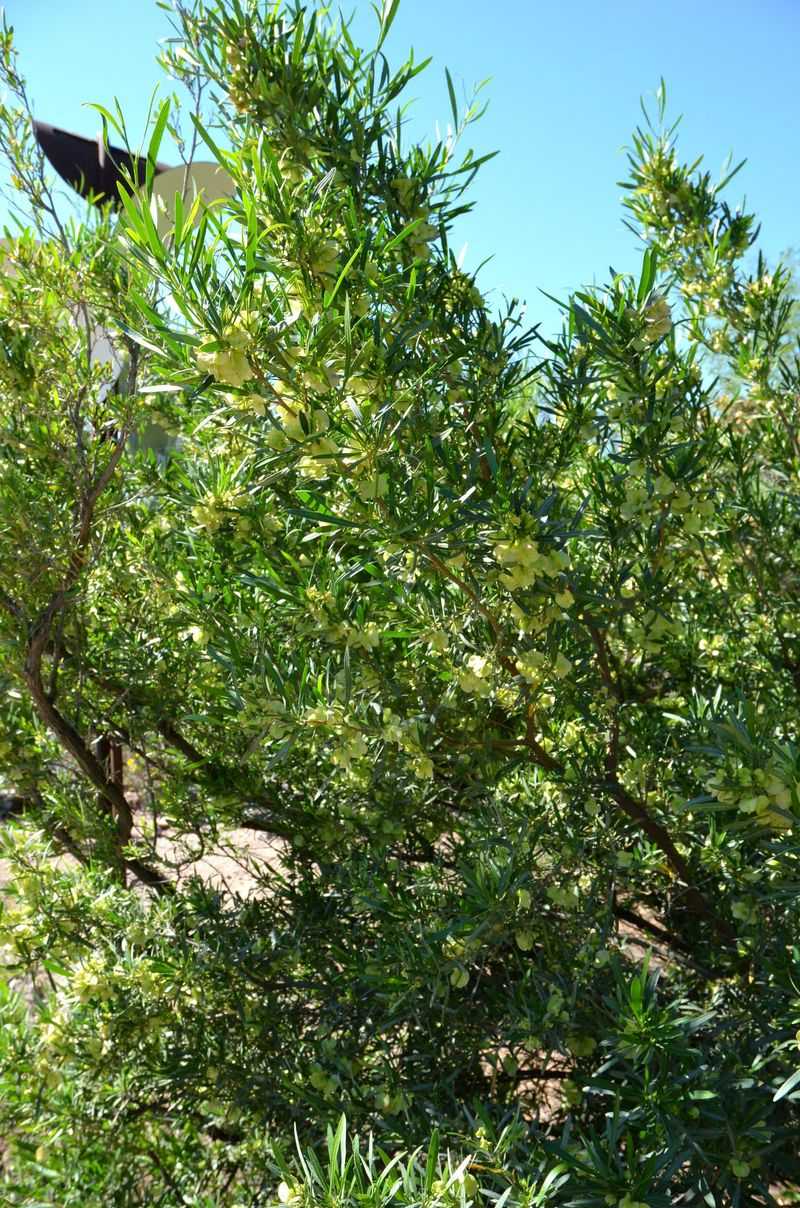
Hopbush, known scientifically as Dodonaea viscosa, grows upright and dense. It can reach six to fifteen feet tall depending on conditions and pruning.
That height range makes it flexible for both low hedges and taller screens.
Foliage stays on the plant year-round in most low-desert climates. You get consistent coverage without bare patches showing up in winter like you might see with other shrubs.
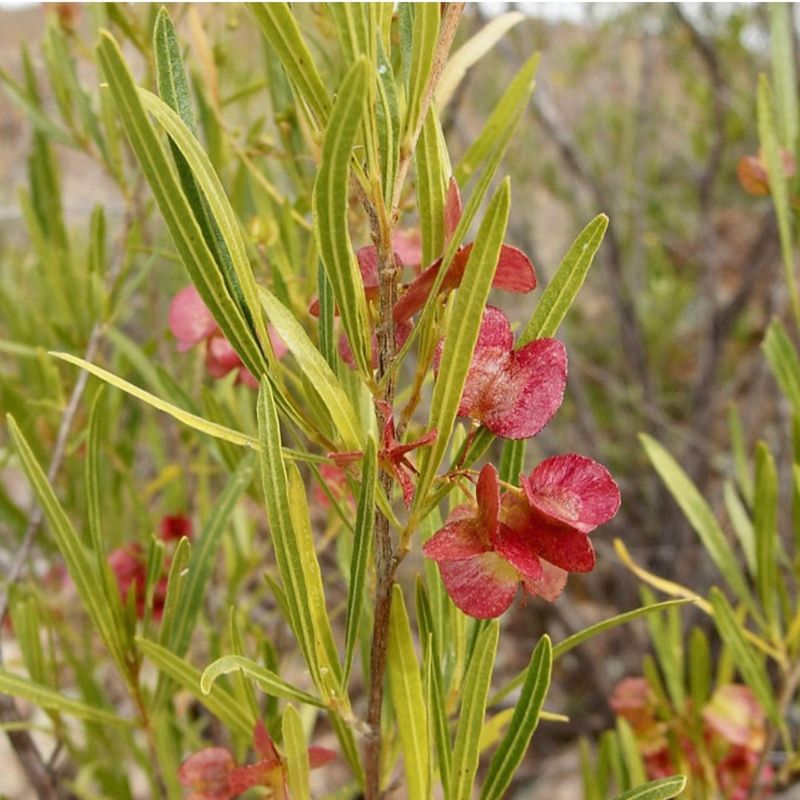
Leaf color shifts between green and bronze depending on sun exposure.
Plants in full sun tend to show richer, deeper tones that look sharp against adobe walls or gravel yards.
Spacing plants about four to six feet apart gives roots room to spread while still allowing canopies to overlap over time. A little patience pays off once the hedge fills in.
Hopbush does not require a perfectly manicured look to function well. Even when left to grow a bit wild, it holds a natural shape that blends nicely into desert-style landscaping without looking overgrown or neglected.
2. Native Branches Give Backyard Birds Safe Cover
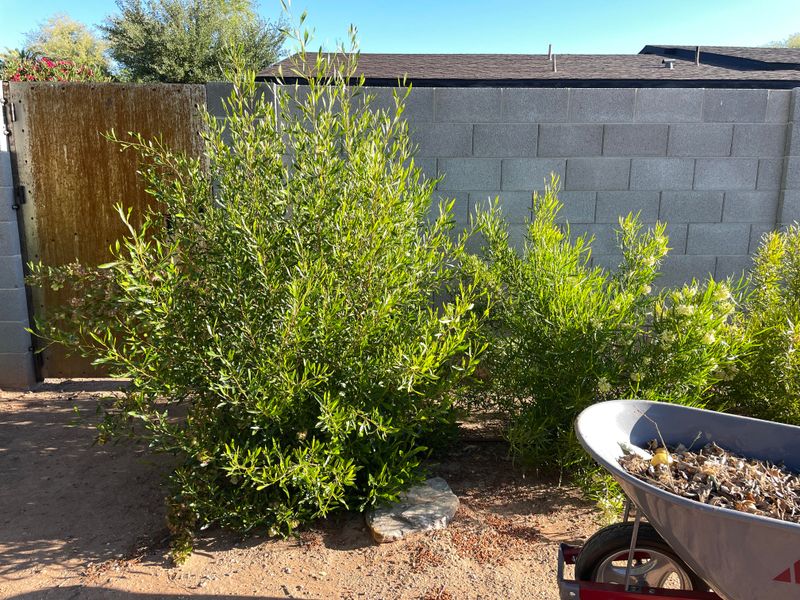
Walk past a mature hopbush on a quiet morning and you will likely hear rustling inside the branches. Birds use it constantly, and not just for a quick rest.
Native shrubs like hopbush offer structure that birds trust.
Branches grow in overlapping layers, making it easy for smaller birds to tuck in and stay out of reach from larger predators.
Curved-bill thrashers, verdins, and cactus wrens are regulars in desert gardens. Hopbush gives them spots to perch, forage, and occasionally nest without being disturbed by foot traffic or open sightlines.
Oleanders, by contrast, offer dense cover but carry toxins that can affect wildlife in certain situations. Hopbush skips that concern entirely since it has no known toxicity to birds or small mammals.
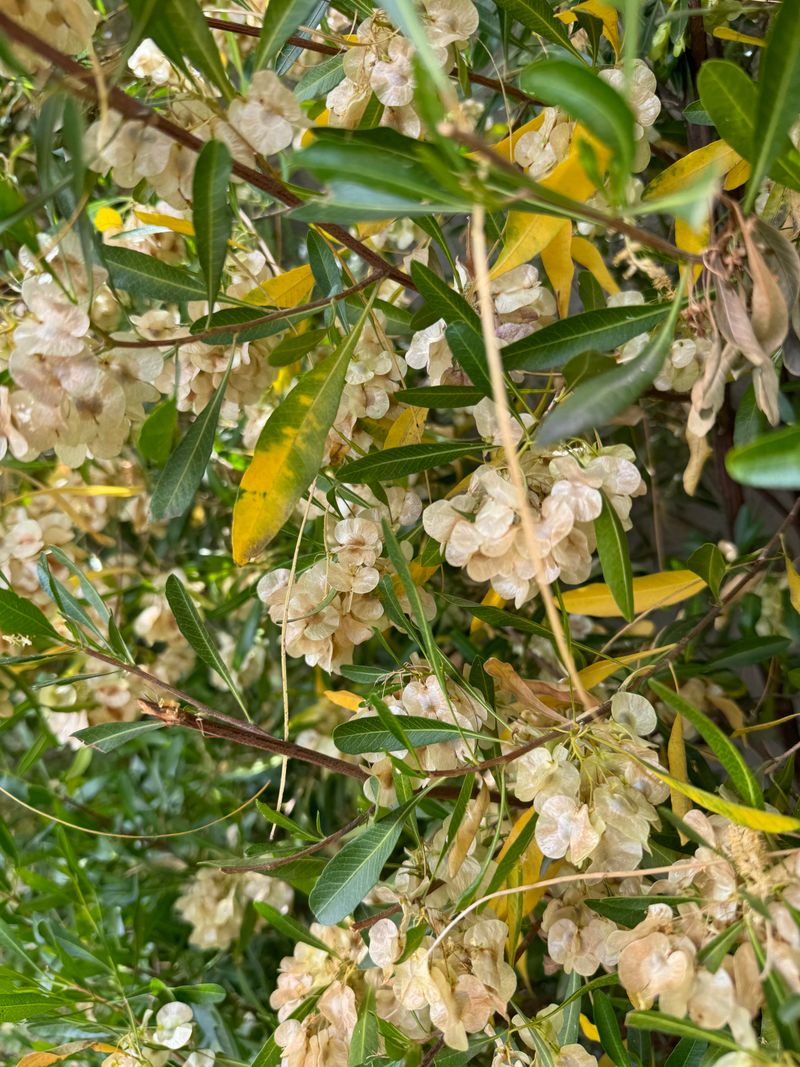
Seed pods appear after flowering and add another reason birds visit.
Winged seeds on hopbush attract seed-eating species looking for a reliable food source during warmer months.
Planting hopbush near a water feature or birdbath strengthens the appeal even more.
Birds want shelter close to water, and a well-placed hopbush hedge can turn a plain backyard into a genuinely active habitat without any extra effort on your part.
Your Arizona Garden Changes Every Week. Your Plan Should Too.
Gardening in Arizona changes quickly throughout the season. Every Friday you’ll receive a simple weekly plan showing exactly what to plant, prune, fertilize, harvest, and protect so you never miss the right timing.
3. Uses Less Water Once Established
Water bills in the desert are no joke, especially in summer. Hopbush earns its place partly because it stops needing regular irrigation once roots are settled in.
Getting established usually takes one to two growing seasons with consistent deep watering.
After that, most plants handle dry stretches on their own, though occasional supplemental water during extreme heat can help maintain appearance.
Oleanders are also drought-tolerant, but hopbush edges them out in native adaptability.
Since hopbush evolved in arid and semi-arid regions, its root system is built to find and store moisture efficiently without constant help.
Drip irrigation works well during the establishment phase. Slow, deep watering encourages roots to push downward rather than staying shallow, which builds stronger drought resistance over time.
Mulching around the base with gravel or decomposed granite helps hold soil moisture and keeps root zones cooler. Even a two-inch layer makes a noticeable difference in how quickly the plant adjusts to lower watering schedules.
Watering needs vary by soil type, sun exposure, and seasonal temperatures, so no single schedule fits every yard.
Checking soil moisture a few inches down before watering is a reliable habit that prevents both overwatering and unnecessary stress on the plant.
4. Full Sun Keeps Foliage Thick And Healthy
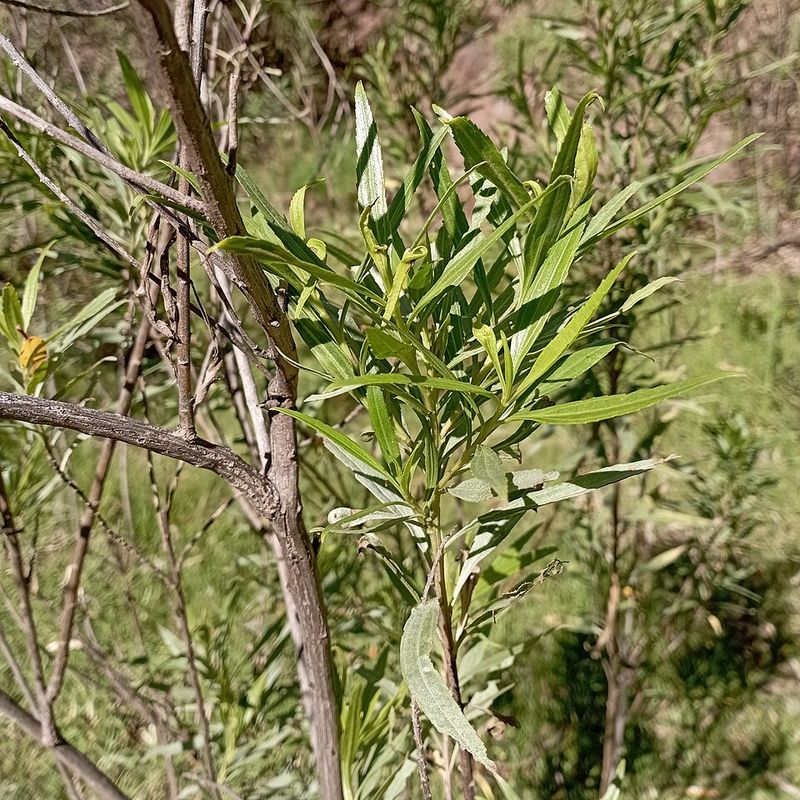
Shade lovers struggle in the desert, but hopbush was practically built for intense sun. It does not just tolerate full exposure, it actually performs better with more of it.
Plants grown in partial shade tend to stretch toward light and produce thinner, more open growth.
Full sun placement keeps the canopy compact, the foliage dense, and the overall shape more consistent with less pruning needed.
In Arizona, south and west-facing exposures can be brutal for many plants. Hopbush handles those angles without much complaint, making it a reliable choice for spots where other shrubs have repeatedly struggled.
Leaf color also responds to sun intensity.
Bronze and reddish-purple tones become more vivid in high-light conditions, while plants in shadier spots often stay greener and less visually striking throughout the year.
Reflected heat from walls, patios, and gravel surfaces adds extra intensity in many desert yards. Hopbush manages that reflected heat better than most non-native ornamentals, which often show scorching or leaf drop under those conditions.
Planting near a south-facing masonry wall is one of the most demanding spots in a desert yard.
Hopbush handles it well in many cases, though soil quality and drainage still play a role in how well any plant performs in high-heat microclimates.
5. Well-Drained Soil Prevents Root Problems
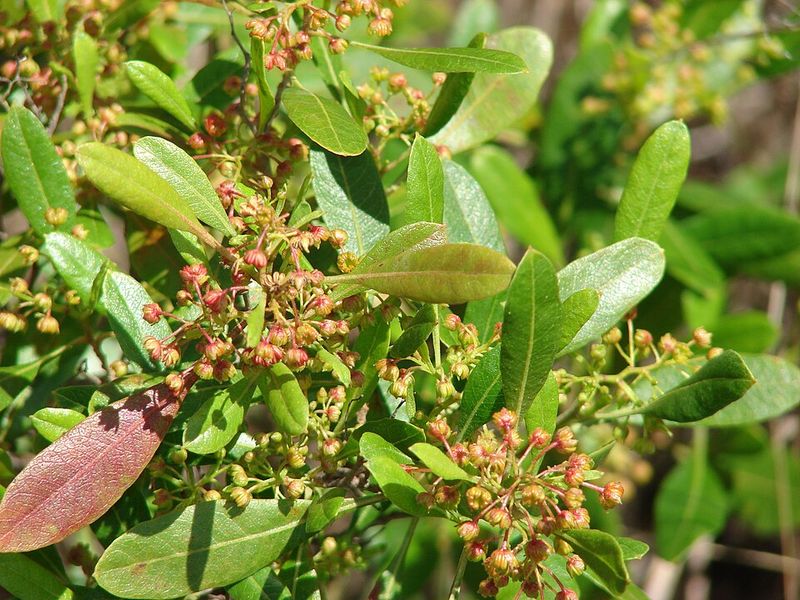
Soggy roots are where most desert shrubs run into trouble. Hopbush is no exception, and getting the soil right from the start saves a lot of frustration later on.
Native desert soils tend to drain quickly, which suits hopbush well. Problems usually show up in yards with heavy clay content or areas where water pools after rain.
Roots sitting in wet soil for extended periods can develop rot and weaken the plant significantly.
Raised planting beds or berms work well in low-lying areas where drainage is poor. Elevating the root zone just a few inches can make a real difference in how well the plant handles wet weather or overwatering.
Mixing native soil with coarse sand or decomposed granite improves drainage in denser soils. Avoid adding too much organic compost, as it retains moisture longer than hopbush roots typically prefer in desert conditions.
Checking the planting hole before installation is a simple habit worth keeping. Fill it with water and watch how quickly it drains.
If standing water remains after an hour, the drainage needs improvement before planting.
Root health directly affects how the plant handles drought, heat, and wind. A hopbush with a strong, healthy root system in well-drained soil will recover from stress much faster than one planted in compacted or waterlogged ground.
6. Light Pruning Maintains A Dense Shape
Heavy-handed trimming is one of the fastest ways to ruin a hopbush. Cutting too far back can thin out the canopy and leave gaps that take a long time to fill in again.
Light pruning, done a few times a year, keeps the shape tidy without stressing the plant. Removing long, wayward branches and lightly tipping back new growth encourages the shrub to stay full and bushy rather than getting leggy.
Timing matters more than most people realize. Late winter or early spring, just before new growth pushes out, is generally a good window for a light shaping session.
Avoid heavy cuts during extreme summer heat when the plant is already working hard.
Hand pruners work better than hedge trimmers for hopbush. Electric shears create flat, boxy cuts that look unnatural and can actually encourage weaker regrowth compared to selective hand-pruning that targets individual branches.
Leaving some seed pods on the plant adds visual interest and supports wildlife. Not every branch needs to be trimmed, and a slightly natural, informal shape often looks better in desert-style yards than a perfectly clipped hedge.
Hopbush recovers well from moderate pruning in most cases, but like any plant, its response depends on overall health, season, and growing conditions.
Consistent light maintenance tends to produce better long-term results than occasional heavy cuts.
7. Plant In Fall Or Early Spring
Timing a new planting in the desert can mean the difference between a shrub that takes off quickly and one that spends its first season just trying to survive the heat.
Fall is widely considered the best window for planting hopbush in low-desert areas. Cooling temperatures and occasional seasonal rain give roots a chance to spread before summer arrives.
Plants get months of mild weather to anchor in before facing any real heat stress.
Early spring works as a second option if fall planting is not possible. Soil is warming up, days are getting longer, and growth picks up naturally.
The risk is that summer heat arrives before roots have fully settled, so consistent watering during spring establishment becomes more important.
Avoid planting during peak summer months when temperatures regularly climb above 105 degrees.
Newly transplanted shrubs have limited root systems and can struggle to take up enough water to keep pace with heat and evaporation even with regular irrigation.
Container plants from local nurseries tend to establish faster than bare-root transplants. Look for compact, healthy specimens with no signs of root circling at the base of the pot.
Watering deeply right after planting helps settle soil around the roots and removes air pockets.