How To Prune Cucumbers The Right Way In Ohio
Step into any Ohio garden in early summer and you’ll see it happening fast. Cucumber vines start stretching, grabbing onto anything nearby, and before long they turn into a tangled mess that’s hard to manage.
One week everything looks neat, the next you’re digging through leaves trying to find fruit that should have been picked days ago. A lot of gardeners assume more growth means more cucumbers, but it doesn’t always play out that way.
Thick, crowded vines trap moisture, slow down airflow, and make plants more vulnerable right when Ohio heat and humidity start building. That’s when small issues quietly turn into bigger ones.
There’s a simple way to stay ahead of it, and it doesn’t involve cutting everything back or guessing your way through the process. A few well-timed moves can keep plants open, productive, and much easier to handle as the season picks up.
Get this part right, and the difference shows up quickly in how your plants grow, how easy they are to harvest, and how much cleaner everything feels in the garden.
Start Pruning Once Vines Begin Active Growth
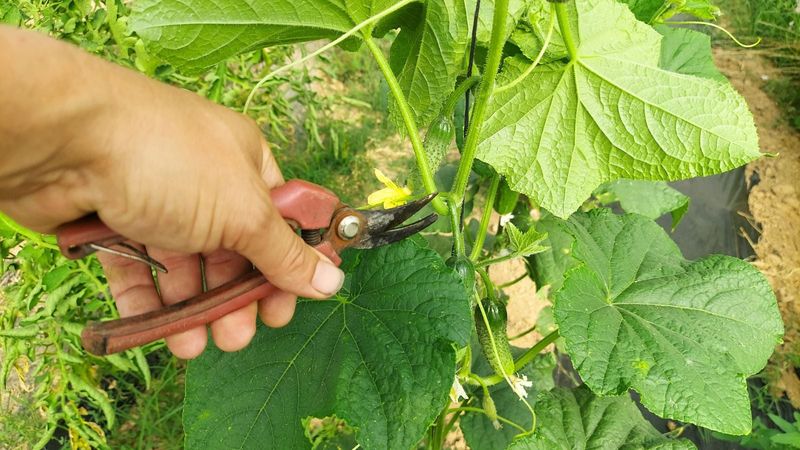
Timing is everything when it comes to pruning cucumbers in Ohio. Jump in too early and you risk stressing a plant that is still getting established.
Wait too long and you are wrestling with a tangle of vines that have already gone in every direction.
In Ohio, cucumber seeds are typically planted after the last frost, which usually falls between late April and mid-May depending on your region. Most gardeners transplant seedlings or direct-sow around Memorial Day weekend.
From there, plants need roughly three to five weeks to establish a strong root system and begin pushing out vigorous new growth.
Once your cucumber plant has developed at least five to seven leaves and the vines are clearly reaching outward, that is your signal to begin light pruning. You are not cutting back hard at this stage.
The goal is simply to remove any weak or crowded shoots and encourage the plant to put its energy into the main stem.
Pruning once a week works well for most Ohio gardeners during the active growing season. During stretches of warm, wet weather in July and August, you may want to check plants twice a week.
Catching overgrowth early keeps the task quick and manageable, and it helps the plant stay focused on producing fruit rather than spreading endlessly across the garden bed.
Focus On Removing Damaged And Yellowing Leaves First
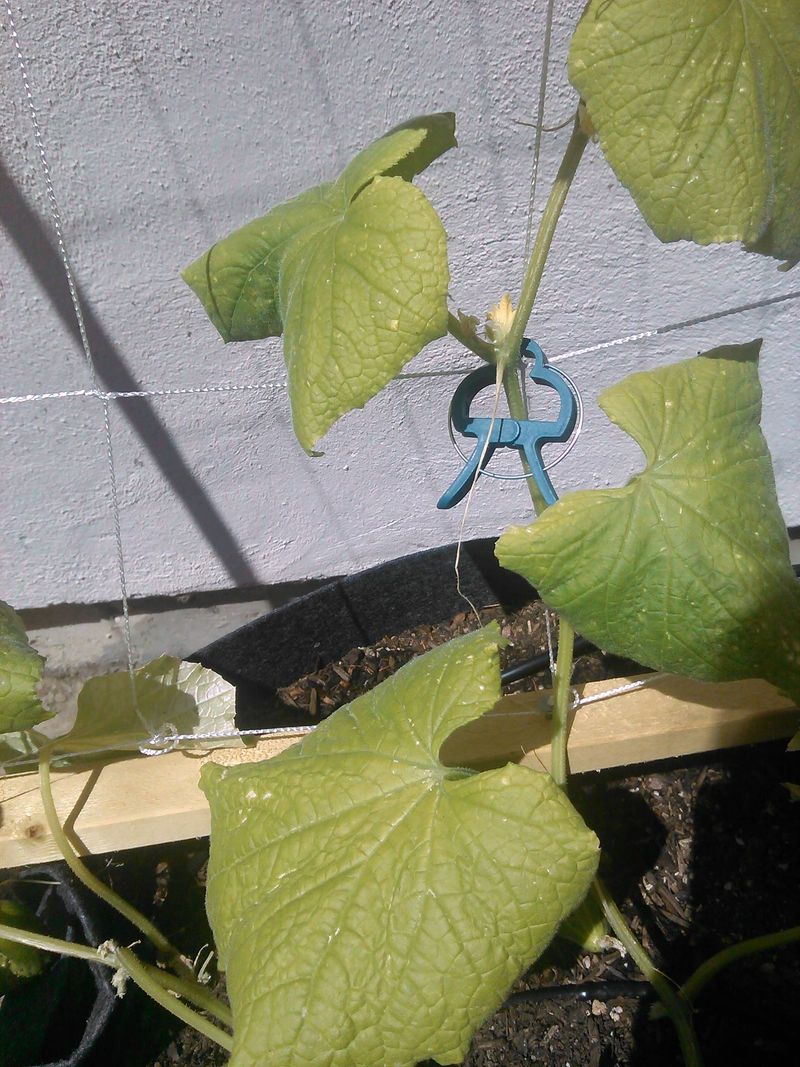
Every time you walk through your cucumber rows, your eyes should go straight to the leaves that look off. Yellow edges, brown spots, wilting tips, or leaves that feel papery and dry are all signs that something is wrong, and leaving those leaves on the plant only makes things worse.
Yellowing leaves are often the first visible sign of disease pressure, nutrient stress, or simple aging. In Ohio’s humid summers, cucumber plants are especially vulnerable to fungal issues like powdery mildew and downy mildew.
Your Ohio Garden Changes Every Week. Your Plan Should Too.
Gardening in Ohio changes quickly throughout the season. Every Friday you’ll receive a simple weekly plan showing exactly what to plant, prune, fertilize, harvest, and protect so you never miss the right timing.
Both of these spread quickly through plant material that is already weakened. Removing affected leaves as soon as you spot them slows that spread significantly.
Beyond disease prevention, pulling off weak or damaged growth actually helps the rest of the plant perform better. When a leaf is no longer doing its job efficiently, the plant still spends energy trying to maintain it.
Removing that leaf redirects resources to healthy foliage and developing fruit.
Always remove leaves cleanly at the base of the stem rather than tearing them off. A clean cut causes less damage to the main vine and heals faster.
After removing any visibly diseased material, place it in a trash bag rather than your compost pile. Diseased plant matter can survive in compost and reinfect your garden the following season, so disposal matters as much as removal.
Trim Lower Leaves To Improve Airflow Near The Soil

Ohio summers are notoriously humid, and that humidity sits heaviest right at ground level. When cucumber vines are dense near the soil, moisture gets trapped between the leaves and the ground, creating conditions where fungal spores thrive and spread rapidly.
Trimming the lower six to twelve inches of the plant is one of the most effective things you can do to reduce that risk. Removing leaves close to the soil opens up space for air to move freely around the base of the plant.
Better airflow means leaves dry out faster after rain or irrigation, which makes it much harder for fungal diseases like powdery mildew, angular leaf spot, and anthracnose to get a foothold.
Focus on leaves that are already touching or nearly touching the soil. These are most exposed to soil-borne pathogens that splash upward during heavy rain.
Even healthy-looking lower leaves can act as a bridge between contaminated soil and the rest of the plant.
Start this process once the main vine has grown at least twelve inches tall. You do not need to strip the plant bare near the base.
Removing three to five of the lowest leaves is usually enough to make a noticeable difference. Repeat this step every couple of weeks as the plant continues to grow taller and new lower growth appears.
Consistency here pays off with a healthier plant through the full Ohio growing season.
Pinch Side Shoots To Control Vine Spread
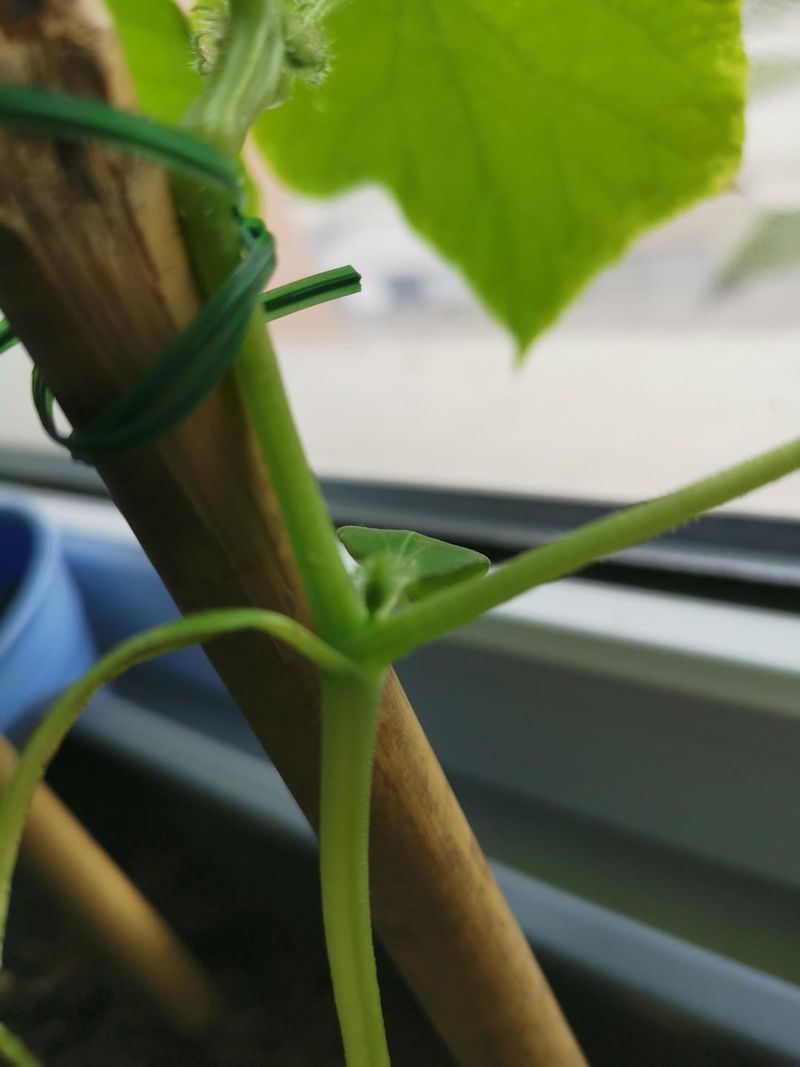
Cucumber plants are vigorous spreaders, and the side shoots that emerge from the joints between the main stem and the leaf stems are the biggest drivers of that spread. Left alone, these lateral shoots branch out repeatedly, turning one orderly vine into a sprawling web of growth that is hard to manage and harder to harvest from.
Pinching side shoots, sometimes called suckers, is a simple technique that keeps the plant focused. When a lateral shoot is young and tender, usually just an inch or two long, you can pinch it off cleanly between your thumb and forefinger.
At that size, no tools are needed and the wound heals quickly.
The question most Ohio gardeners ask is how much to remove. A good general rule is to pinch off lateral shoots from the bottom third of the plant entirely.
Above that zone, you can allow one or two side shoots to develop if you want the plant to fill out a trellis, but keep them trimmed to two or three leaves each so they do not take over.
Avoid removing too many side shoots at once. Stripping the plant aggressively in a single session causes unnecessary stress and can slow fruit production.
Spread the work across several visits, removing a few shoots at a time. Your plant will stay manageable without feeling the shock of sudden heavy pruning, and fruit set will continue without major interruption.
Train Main Vines Early For Better Structure
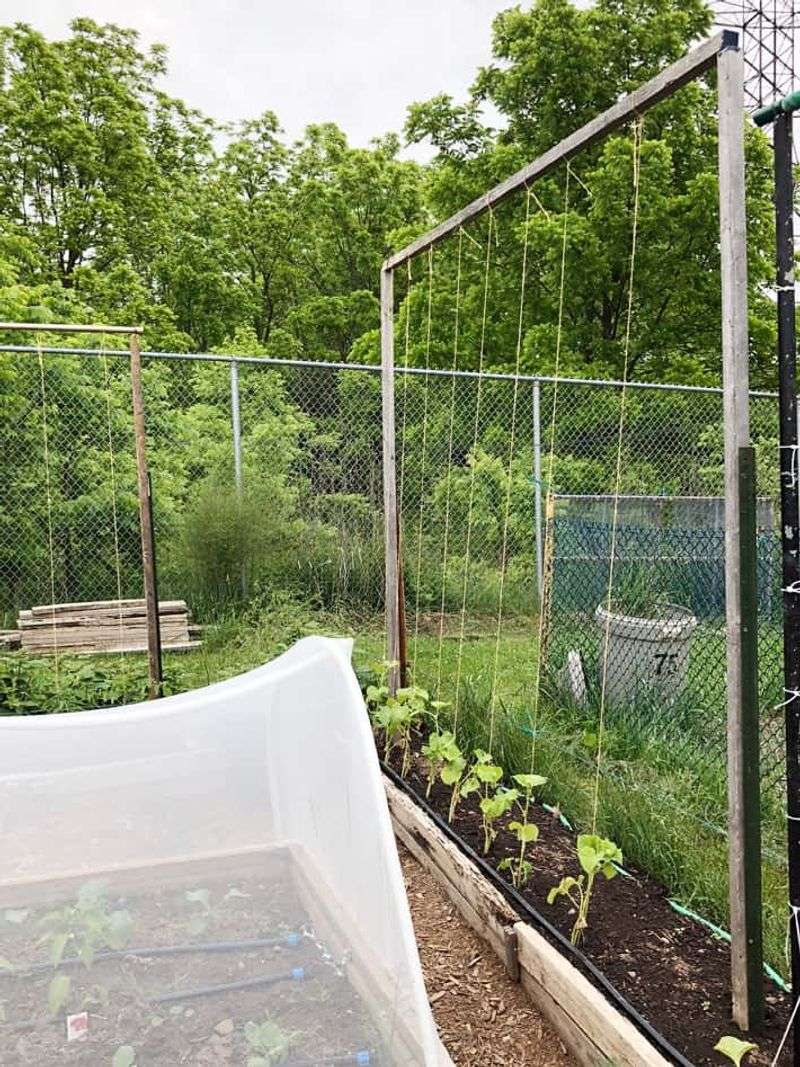
Getting your cucumber vines pointed in the right direction early in the season saves a tremendous amount of work later on. When vines are young and flexible, guiding them along a trellis or support structure takes just a few minutes.
Wait until they have grown long and stiff and you are dealing with a much harder task.
In Ohio, most experienced cucumber growers use vertical trellises made from wood, cattle panel, or wire fencing. Training the main vine upward along one of these supports encourages the plant to grow tall rather than wide.
That vertical habit improves sun exposure on all parts of the plant and keeps fruit off the soil, which reduces rot and pest pressure.
Begin training as soon as the main vine reaches the base of your trellis. Use soft garden twine, plant clips, or strips of old fabric to secure the vine loosely to the support.
Never tie vines tightly enough to restrict growth or cut into the stem. Check the ties every week and adjust as the vine grows longer.
Early training also reduces how much pruning you need to do later. A vine that is growing in a clear, upward direction is easier to inspect, easier to harvest from, and less likely to tangle with neighboring plants.
The time you invest in guiding the vine during its first few weeks of growth pays back in a cleaner, more productive garden through the rest of the Ohio season.
Avoid Over-Pruning During Flowering And Fruiting
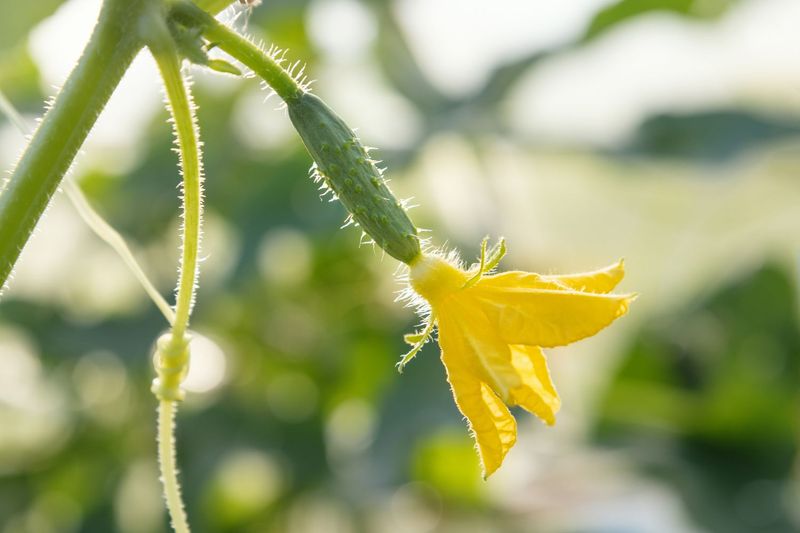
There is a point in the cucumber growing season when pruning enthusiasm can actually work against you. Once your plants begin flowering and setting fruit, the balance shifts.
The plant needs its leaves to power photosynthesis, and every leaf you remove takes away some of that energy-producing capacity.
Flowers appear on both the main vine and on lateral shoots. Removing too many shoots during this period can strip away potential fruiting sites before they ever have a chance to develop.
Ohio cucumber varieties, whether slicers, picklers, or burpless types, rely on consistent foliage coverage to keep fruit sizing up properly through the heat of July and August.
During flowering and fruiting, limit your pruning to the essentials. Remove clearly diseased or damaged leaves, trim any growth that is blocking sunlight from reaching developing fruit, and pinch back shoots that are visibly overcrowding the plant.
Beyond that, give the plant room to do its work.
A helpful mindset during this phase is to prune with purpose rather than habit. Ask yourself whether each cut is solving a specific problem before you make it.
Removing a yellowing leaf that is blocking airflow makes sense. Stripping off healthy green growth simply because the plant looks bushy does not.
Keeping that distinction clear will help you maintain a productive harvest without accidentally reducing your yield during the most important weeks of the Ohio growing season.
Use Clean Tools To Prevent Disease Spread
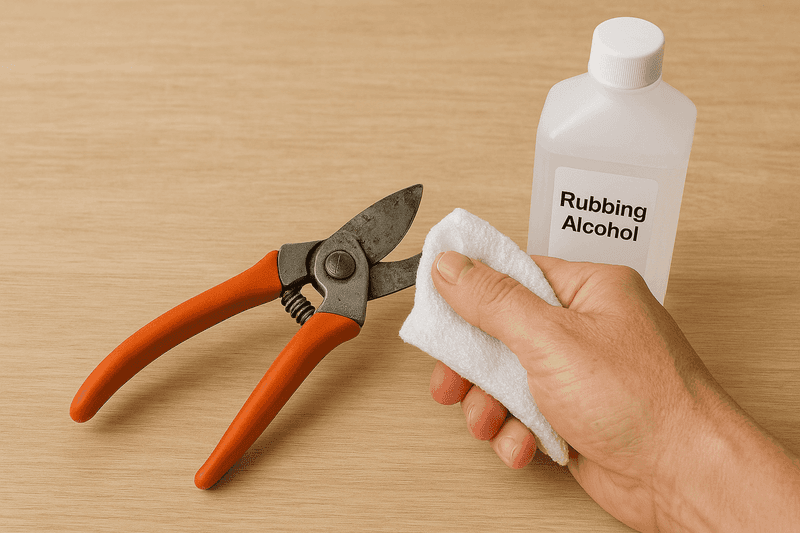
It might seem like a small detail, but the condition of your pruning tools matters more than most gardeners realize. Every cut you make on a plant is essentially a small wound, and if your blade is carrying residue from a diseased plant, you are delivering pathogens directly into healthy tissue with each snip.
Cucumber plants in Ohio are susceptible to bacterial wilt, angular leaf spot, and several fungal diseases that can travel from plant to plant on contaminated tool surfaces. Sanitizing your shears between plants is one of the simplest ways to interrupt that cycle before it starts.
The process does not need to be complicated. Keep a small spray bottle or cloth soaked in rubbing alcohol nearby while you work.
After pruning one plant, wipe down the blades before moving to the next. If you notice signs of disease on a particular plant, disinfect your tools immediately after working on it, not just at the end of your gardening session.
Sharp blades matter too. A dull blade crushes plant tissue rather than cutting cleanly, which creates larger wounds that take longer to heal and are more vulnerable to infection.
Sharpen your pruning shears at the start of the growing season and touch them up as needed throughout the summer. Pairing clean technique with sharp tools gives your cucumber plants the best possible chance of staying healthy from planting through the final harvest of the Ohio season.
Adjust Pruning Based On Trellised Or Ground-Grown Plants
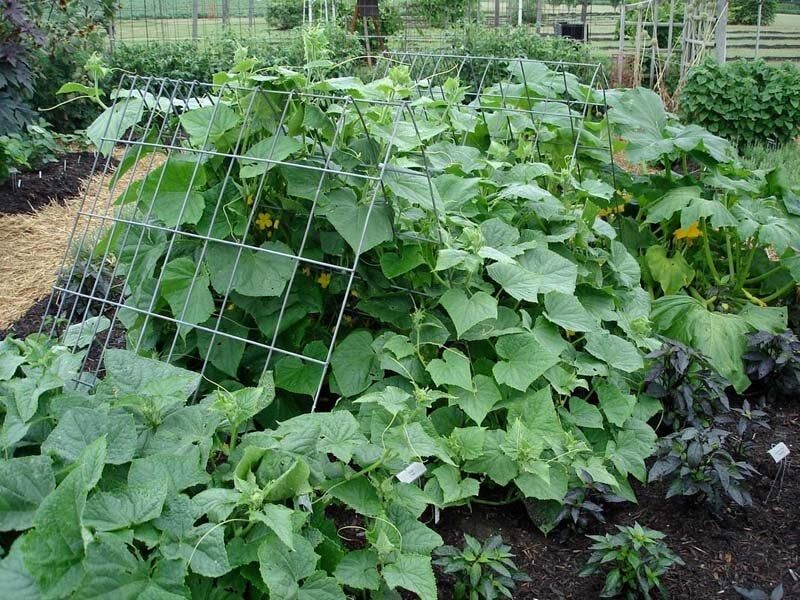
Not all cucumber setups are the same, and the way you approach pruning should reflect how your plants are actually growing. Trellised cucumbers and ground-grown cucumbers have very different structures, different airflow conditions, and different pruning needs throughout the Ohio season.
Trellised plants benefit the most from regular, consistent pruning. Growing vertically means the plant is more exposed and easier to inspect, but it also means any overcrowding or crossing vines become problems quickly.
For trellised cucumbers, focus on maintaining a clear main stem, removing lateral shoots from the lower third of the plant, and keeping the canopy open enough that light reaches all parts of the vine. Weekly pruning sessions work well for this setup.
Ground-grown cucumbers spread horizontally and create a denser mat of foliage. This growth habit provides some natural protection from soil moisture loss, but it also traps humidity and makes disease pressure harder to manage.
For these plants, take a lighter approach. Remove clearly damaged or diseased leaves, trim back shoots that are crossing over the main vine in confusing directions, and focus on improving airflow rather than shaping the plant aggressively.
Trying to prune ground-grown cucumbers as heavily as trellised ones often does more harm than good. The sprawling habit is natural for these varieties, and working with that tendency rather than against it keeps plants healthier and more productive through the full Ohio growing season.
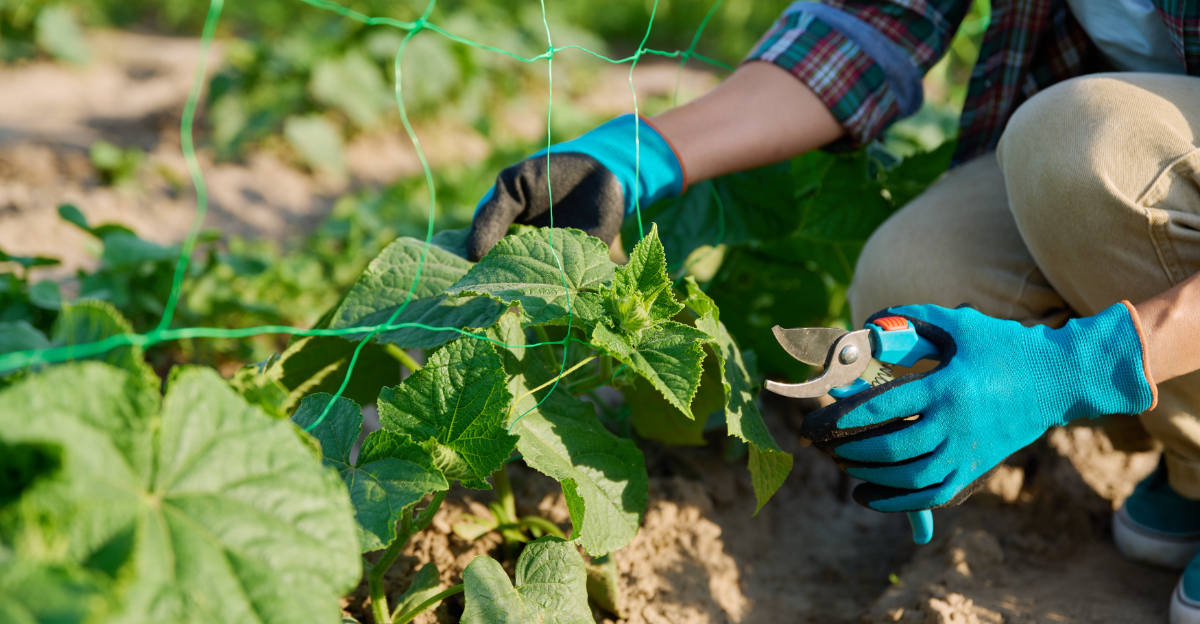
Correction (August 20, 2026): A previous version of this article included an incorrect image that showed a tomato vine shoot instead of a cucumber vine shoot. The image has been updated to accurately reflect the pruning technique and plant featured in this article. We regret the error.