How To Get More Blooms From Portulaca In Arizona Without Extra Effort
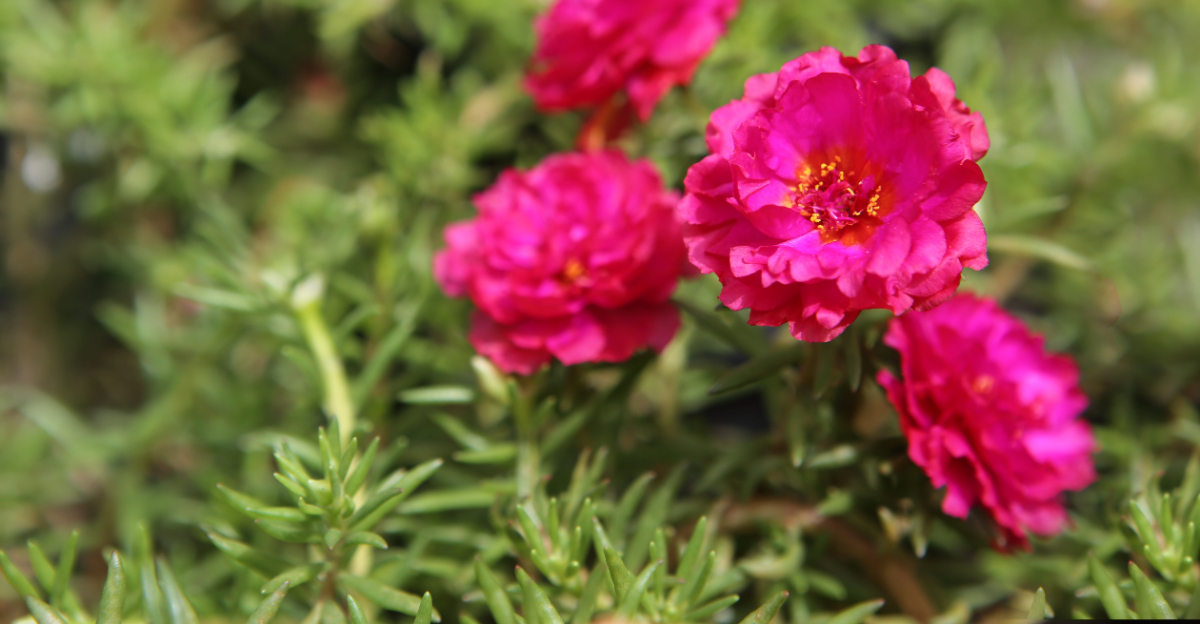
Portulaca already thrives in Arizona heat, yet many plants still hold back on blooms when something small is off. Growth looks fine at first, but color does not build the way it should once temperatures climb.
Small shifts in care often make a bigger difference than most expect, especially with a plant that responds quickly to its environment. Sun, soil, and timing all play a role, but not in the way most guides make it seem.
Too much attention can actually slow things down instead of helping, which is why a lighter approach often works better here.
Arizona gardeners are starting to notice that once a few key details fall into place, blooming becomes more consistent without extra work.
Getting that balance right changes how portulaca performs through the hottest stretch of the season.
1. Give Full Sun For Strong And Continuous Blooms
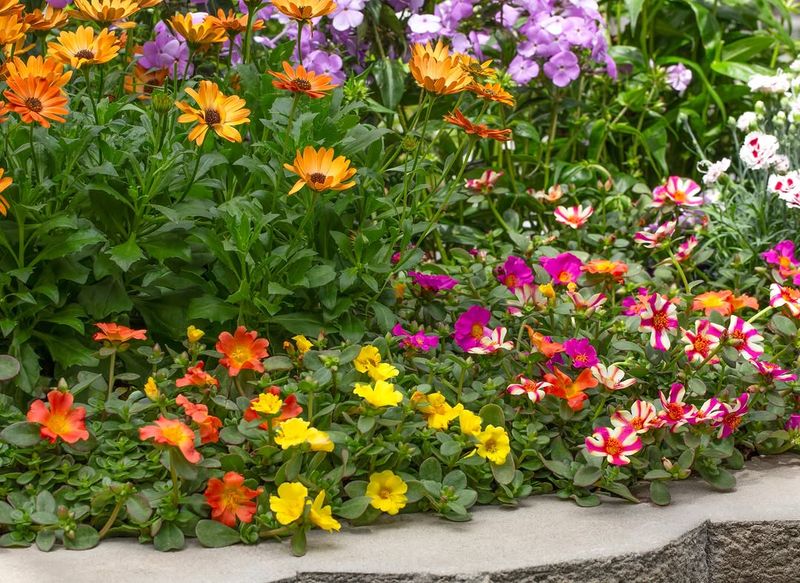
Portulaca is basically solar-powered. Without strong, direct sunlight, the flowers stay closed or barely open, and the plant just sits there looking dull.
In Arizona, that is rarely a problem since the sun is intense and consistent for most of the year.
Portulaca needs at least six to eight hours of direct sun daily to bloom at its best. Fewer hours than that and flower production drops noticeably.
Full sun encourages the plant to open its blossoms fully and keeps new buds forming on a steady cycle.
Shade from walls, fences, or nearby trees can quietly cut your bloom count without you realizing it. Pay attention to where shadows fall in your yard during the middle of the day.
Even partial shade for a couple of hours can make a real difference in how many flowers open at once.
Placing portulaca in the sunniest spot in your Arizona yard gives it exactly what it was built for. South-facing beds or containers near reflective walls tend to work especially well.
The extra warmth from reflected heat actually encourages more continuous blooming through the summer months.
2. Use Fast Draining Soil To Prevent Root Problems
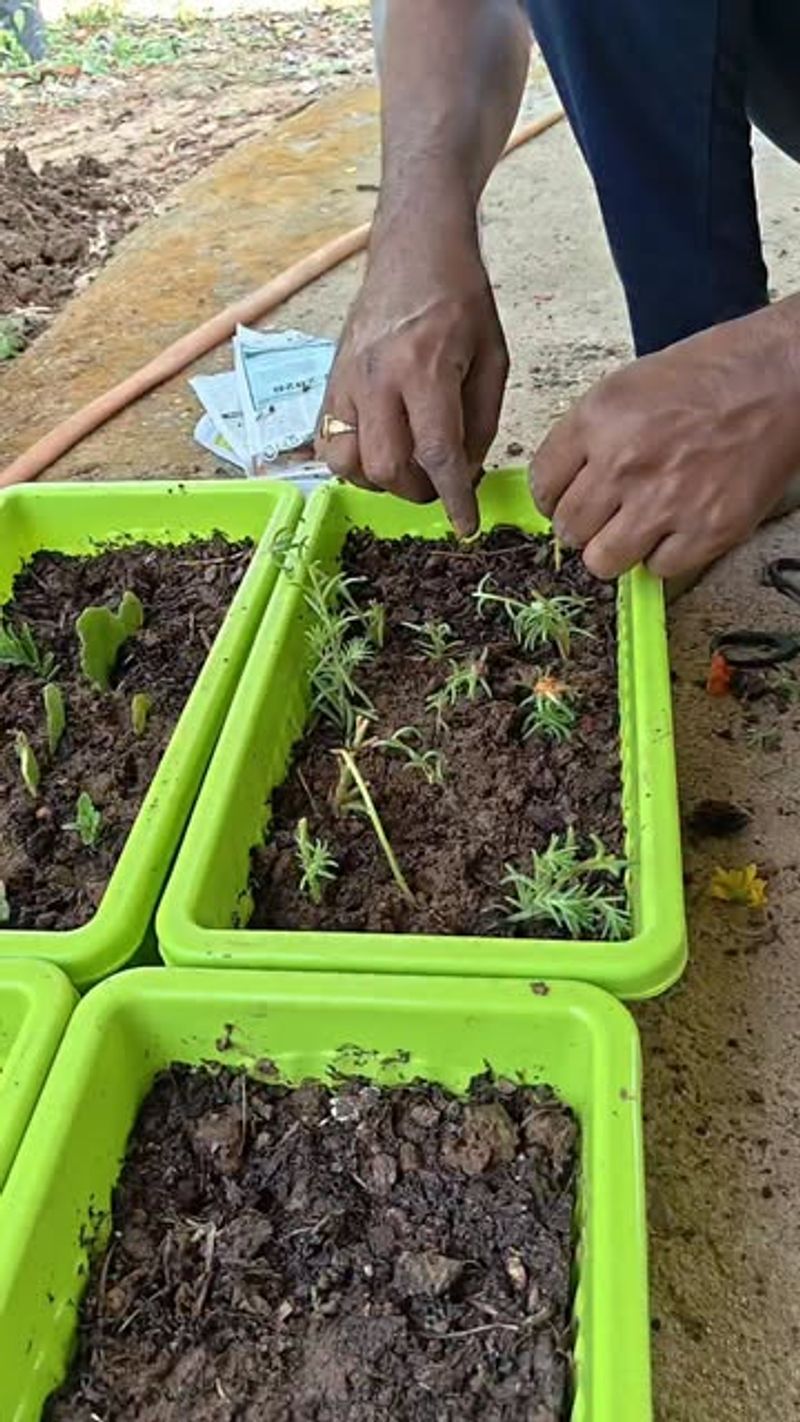
Soggy soil is the one thing portulaca genuinely cannot handle. Roots sitting in wet, compacted ground will struggle fast, and a struggling root system means far fewer flowers.
Luckily, Arizona’s natural soil conditions often work in your favor here.
Sandy or gravelly soil drains quickly, which is exactly what portulaca prefers. If your garden bed has heavier clay soil, mixing in coarse sand or perlite before planting makes a big difference.
A ratio of about one part perlite to three parts regular potting mix works well for containers.
Raised beds are another solid option for Arizona gardeners who deal with compacted or caliche-heavy soil layers. Filling a raised bed with a loose, fast-draining mix gives portulaca the root environment it thrives in.
Better roots directly support better blooming, so this step pays off visually.
When water drains away quickly, the soil warms up faster too. Portulaca loves warm root zones, and fast-draining soil in Arizona’s climate creates exactly that.
Cooler, waterlogged soil slows growth and reduces flower production even when the air temperature is hot.
Your Arizona Garden Changes Every Week. Your Plan Should Too.
Gardening in Arizona changes quickly throughout the season. Every Friday you’ll receive a simple weekly plan showing exactly what to plant, prune, fertilize, harvest, and protect so you never miss the right timing.
Avoid adding compost or rich organic material in large amounts.
3. Water Lightly And Let Soil Dry Between Watering
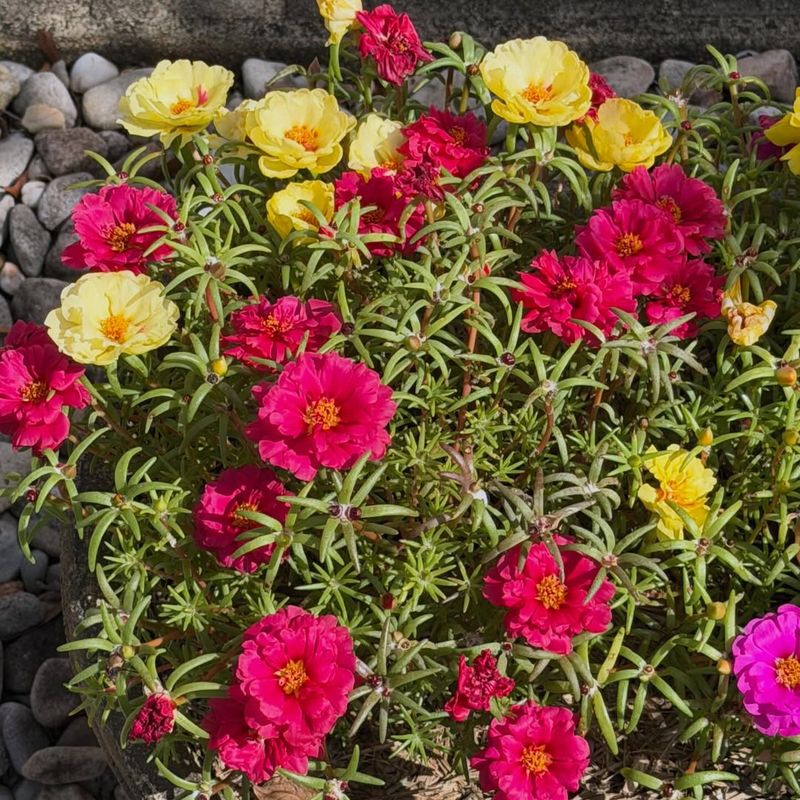
Overwatering portulaca is one of the most common mistakes Arizona gardeners make, especially those used to caring for thirstier plants. Portulaca stores water in its thick stems and leaves, which means it can go much longer between waterings than most flowers.
Letting the soil dry out completely between watering sessions actually signals the plant to push out more flowers. When portulaca senses mild drought stress, it shifts energy toward reproduction, which means more blooms for you.
Keeping the soil constantly moist sends the opposite signal and slows flowering down.
In the peak of Arizona summer, established portulaca in the ground may only need watering every five to seven days, depending on your specific location and soil type.
Container plants dry out faster and may need water every two to three days during extreme heat.
Always check the soil before watering rather than sticking to a fixed schedule.
A simple finger test works well here. Push your finger an inch into the soil, and if it still feels damp, wait another day or two.
Portulaca planted in Arizona’s hot, dry climate rarely suffers from too little water but frequently suffers from too much.
Watering in the morning is generally better than evening watering. Morning moisture gives roots what they need without leaving the soil wet overnight, which can encourage root issues in warm Arizona soil.
Light, infrequent watering keeps your portulaca lean, healthy, and blooming steadily all season long.
4. Avoid Overfeeding Since It Reduces Flowering
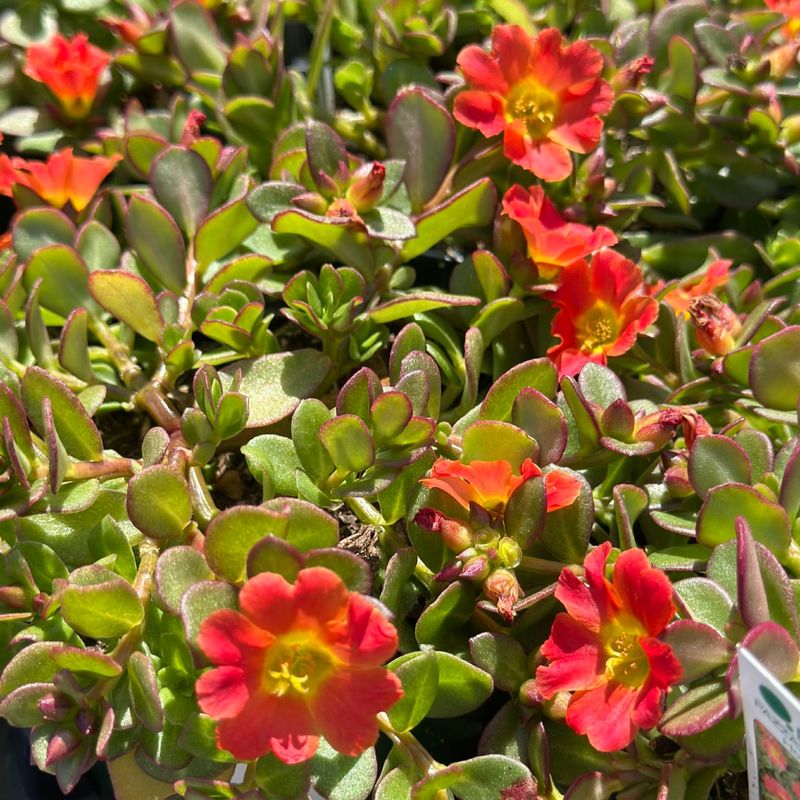
Feeding portulaca too much is a surprisingly easy way to end up with a plant full of lush green leaves and almost no flowers. Fertilizers high in nitrogen push plants to grow foliage fast, which sounds good but actually works against bloom production in portulaca.
Portulaca evolved in poor, nutrient-thin soils, so it does not need or expect a rich diet. Giving it a heavy feeding schedule tricks it into vegetative growth mode.
You get a bushy, full-looking plant that produces very few actual blooms, which defeats the whole point of growing it.
If you want to fertilize at all, use a low-nitrogen, high-phosphorus formula applied just once or twice during the growing season. Phosphorus supports root development and flower production, making it a better choice for bloom-focused plants.
A diluted bloom booster fertilizer applied lightly in early spring can give portulaca a helpful nudge without overdoing it.
Arizona’s native soil already tends to be low in organic matter, which actually suits portulaca well. Gardeners who amend heavily with compost or rich potting mixes sometimes accidentally create conditions that favor leaves over flowers.
Keeping things lean is genuinely the better strategy for this plant.
5. Trim Back Stems To Encourage New Buds
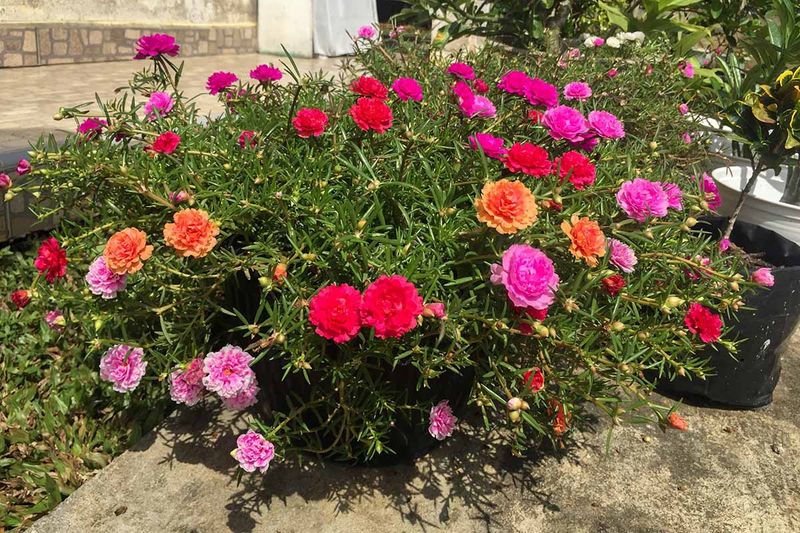
Portulaca can get leggy and stretched out as the season progresses, especially in Arizona’s long, hot summers. When stems grow long without branching, flower production tends to concentrate at the tips and slow down overall.
A light trim fixes that quickly.
Cutting stems back by about one-third encourages the plant to branch out and produce multiple new growing tips. Each new tip becomes a potential site for new buds, which multiplies your bloom count without any complicated techniques.
A simple pair of scissors or garden shears is all you need.
Timing matters a little here. Trimming during the cooler parts of the day, like early morning in Arizona, reduces stress on the plant.
Midday trimming during intense summer heat is harder on the plant and slows recovery slightly. Early morning cuts let the plant start recovering before the heat peaks.
You do not need to do a heavy cutback. A gentle shaping trim every few weeks keeps portulaca compact and actively blooming.
Overly aggressive pruning can set the plant back temporarily, so the goal is light and frequent rather than drastic and occasional.
Gardeners in Arizona who skip trimming often notice their portulaca looking tired and patchy by midsummer. A quick trim refreshes the plant and triggers a fresh wave of blooms within a week or two.
It takes less than five minutes per plant and consistently produces noticeable results in bloom density and overall plant shape throughout the growing season.
6. Plant In Containers Or Beds That Do Not Hold Water
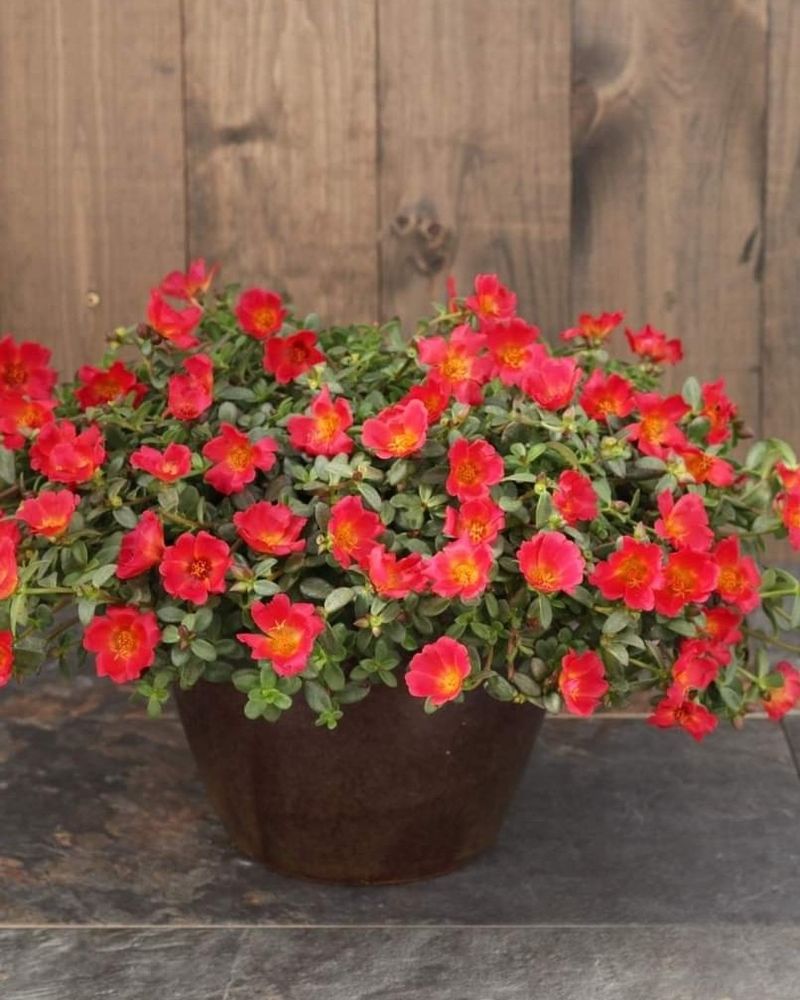
Where you plant portulaca matters almost as much as how you care for it. Containers and garden beds that trap moisture around the roots create conditions that slow blooming and stress the plant over time.
Choosing the right setup from the start saves a lot of trouble later.
Terracotta pots are a solid choice for Arizona gardeners growing portulaca in containers. Clay is naturally porous, which means moisture escapes through the walls as well as the drainage holes.
Plastic pots hold moisture longer and can lead to wetter soil conditions than portulaca prefers in Arizona’s already humid monsoon months.
Drainage holes are non-negotiable. A pot without drainage holes will collect water at the bottom no matter how carefully you water.
Even one or two holes make a significant difference in how quickly the soil dries between waterings. Check every container before planting and add holes if needed.
Raised garden beds built with gravel or coarse sand at the base work extremely well for in-ground portulaca in Arizona. Areas where water naturally pools after monsoon rains are poor choices.
Slightly elevated planting spots or slopes allow water to move away from the root zone quickly after heavy storms.
7. Remove Spent Blooms To Keep Flowers Coming
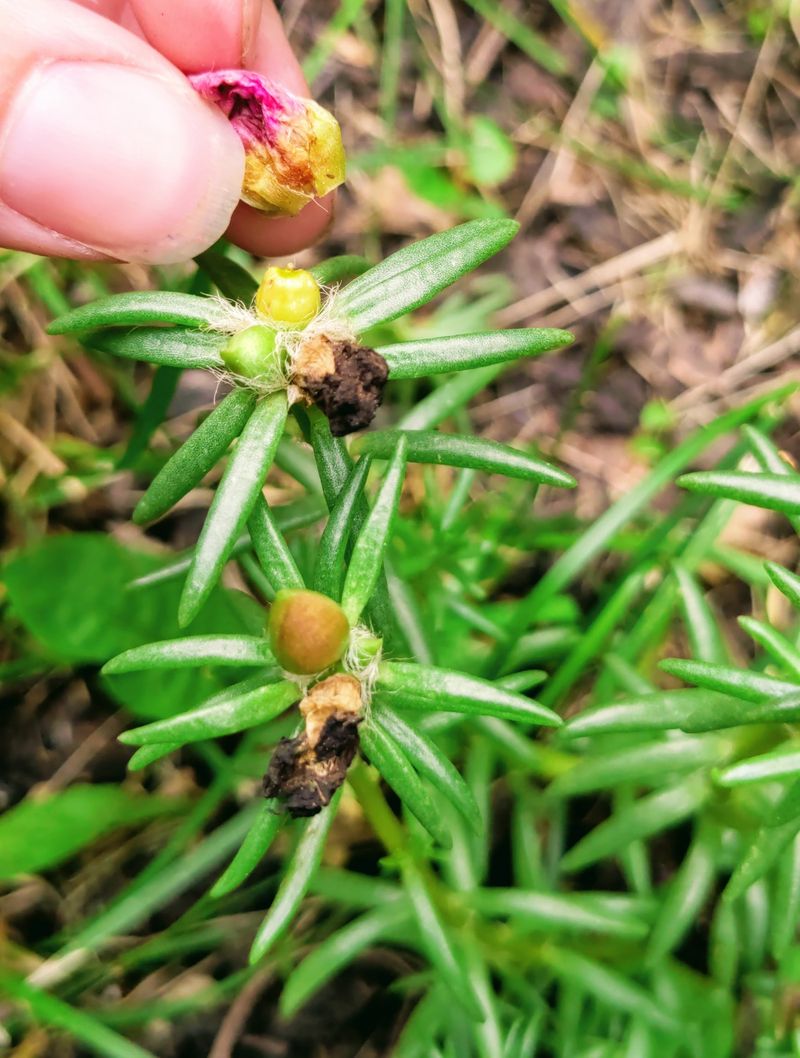
Spent blooms left on the plant send a clear message: the job is done, seeds are forming, slow down. Portulaca responds to that signal by reducing new flower production.
Removing those faded blossoms regularly keeps the plant focused on making new flowers instead of setting seed.
Deadheading portulaca does not need to be a precise or time-consuming task. Pinching off the small, papery spent blooms with your fingers takes only a few seconds per plant.
Running your hand lightly along the stems and pinching off anything that looks faded or dried out is genuinely all it takes.
In Arizona’s long growing season, portulaca can bloom from spring well into fall if conditions stay favorable. Regular deadheading extends that bloom window noticeably.
Plants that are deadheaded consistently tend to stay fuller and more colorful compared to those left untouched through the season.
Monsoon season in Arizona sometimes knocks blooms around and leaves more spent flowers than usual. A quick cleanup after a storm helps the plant bounce back faster and resume blooming without a long pause.
Wet conditions combined with old blooms can also invite fungal issues, so removing them promptly is a practical habit.