9 Backyard Secrets That Bring Migratory Birds Back Each Season In Texas
Migratory birds don’t return to Texas backyards by accident, even when the location looks perfect to human eyes.
Long flights, shifting weather patterns, and changing landscapes mean birds are selective about where they stop year after year.
Many homeowners put out feeders and hope for the best, only to notice fewer visits as seasons pass.
What brings birds back consistently is not one feature, but a combination of subtle conditions that signal safety, food, and reliability. These details often go unnoticed because they blend naturally into the yard.
Texas backyards that attract repeat visitors tend to work with local climate rhythms instead of fighting them.
Water placement, shelter, and planting choices quietly influence whether birds linger or move on.
Small changes can turn a yard into a dependable rest stop rather than a temporary pause.
When those elements line up, migratory birds begin to treat the space as part of their seasonal routine instead of just another stop along the way.
1. Keep A Consistent Water Source Available
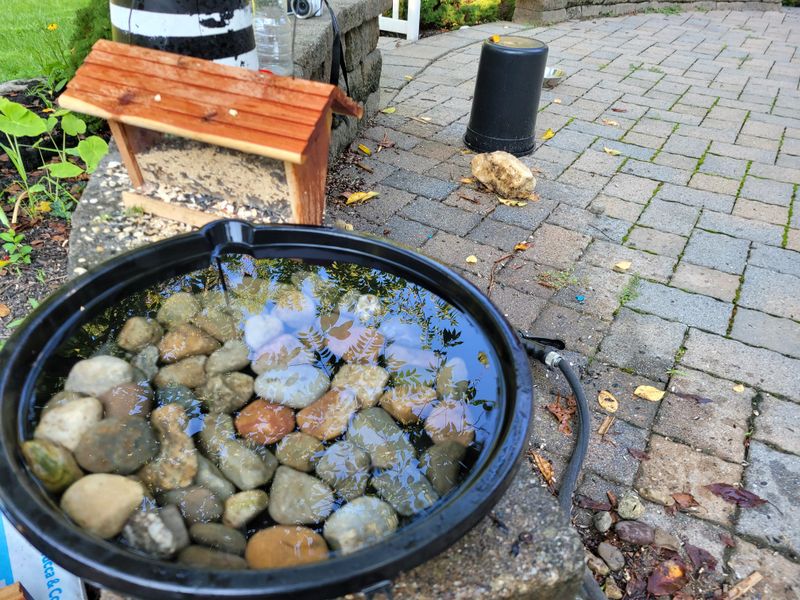
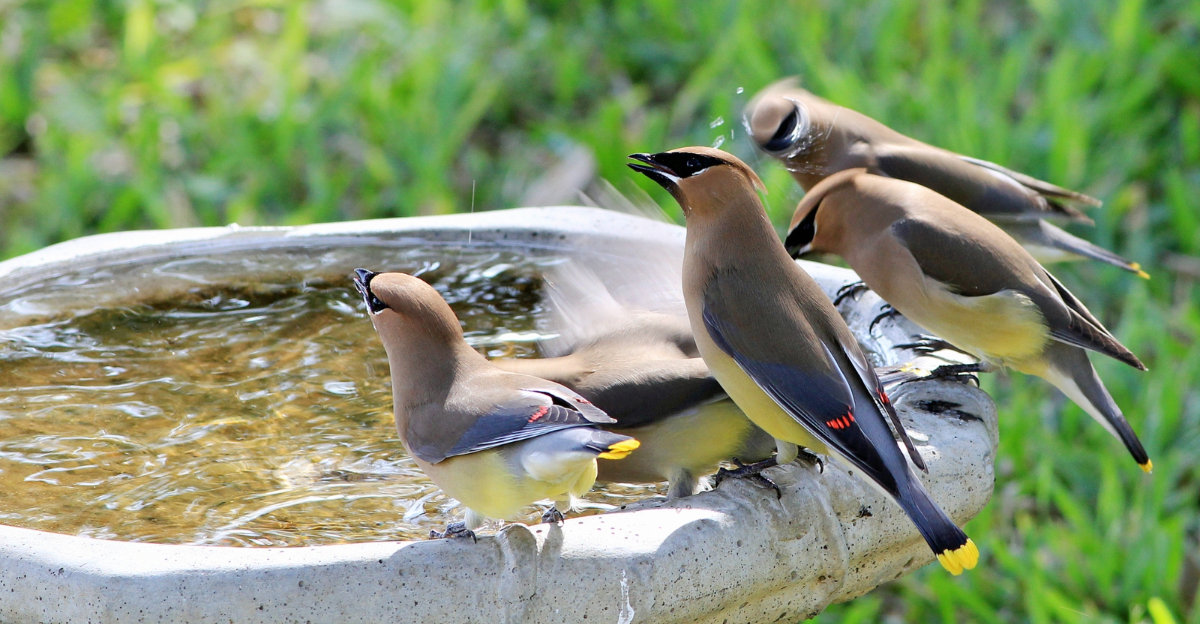
Birds need water even more urgently than food during migration, especially after crossing vast stretches of arid landscape. A reliable source becomes a beacon that tired travelers seek out instinctively.
Moving water catches their attention from surprising distances, making even a simple dripping faucet or bubbling fountain incredibly effective.
Shallow basins work best because most songbirds prefer bathing and drinking in just an inch or two of water. Deeper containers can be dangerous for smaller species that might struggle to escape if they lose their footing.
Adding a few flat stones creates safe perching spots and different depth zones.
Texas heat evaporates water quickly, so checking levels daily during peak migration ensures your source never runs dry. Birds often visit at dawn and dusk when temperatures cool slightly.
Refilling in early morning prepares your yard for the busiest drinking and bathing hours.
Placement matters almost as much as consistency, with open areas near protective cover offering the best balance. Birds feel vulnerable while wet, so nearby shrubs provide quick escape routes from predators.
Avoid placing water directly under dense tree canopies where leaves constantly foul the basin.
Winter migrants appreciate unfrozen water during occasional Texas cold snaps that ice over natural sources. A small heating element keeps water liquid without consuming much electricity.
This simple addition can make your yard the only reliable option for miles around during brief freezing periods.
2. Plant Native Trees And Shrubs Birds Recognize
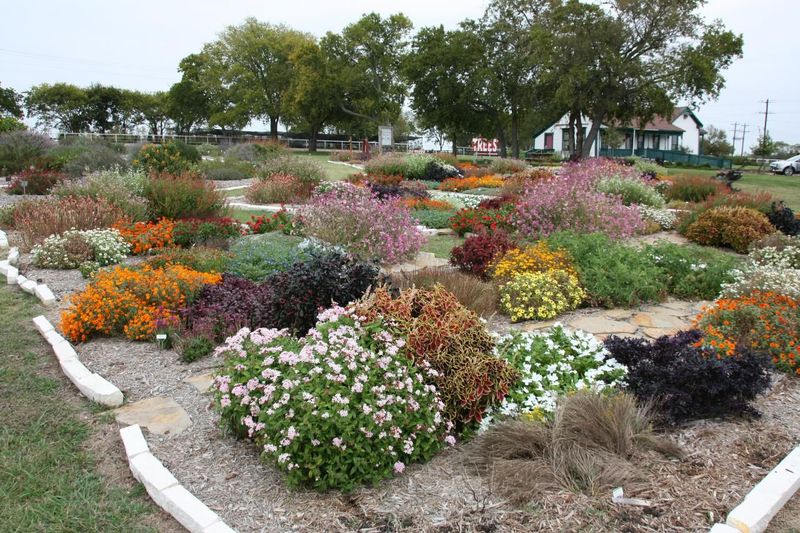
Migratory species evolved alongside specific plants over thousands of generations, creating deep associations between certain vegetation and safety. These connections run so deep that birds instinctively recognize the silhouettes and foliage patterns of native species even in unfamiliar territory.
Your backyard becomes instantly more appealing when it mirrors the natural landscapes birds expect to find.
Oak trees support hundreds of insect species that provide essential protein for traveling birds rebuilding energy reserves. A single mature oak can host enough caterpillars to feed dozens of warblers daily during peak migration.
Planting even young oaks starts building this food factory for future seasons.
Texas offers incredible plant diversity across different regions, from piney woods in the east to desert scrub in the west. Choosing species native to your specific area ensures plants thrive with minimal maintenance while providing maximum benefit.
Local nurseries specializing in native plants can recommend varieties perfectly suited to your soil and rainfall patterns.
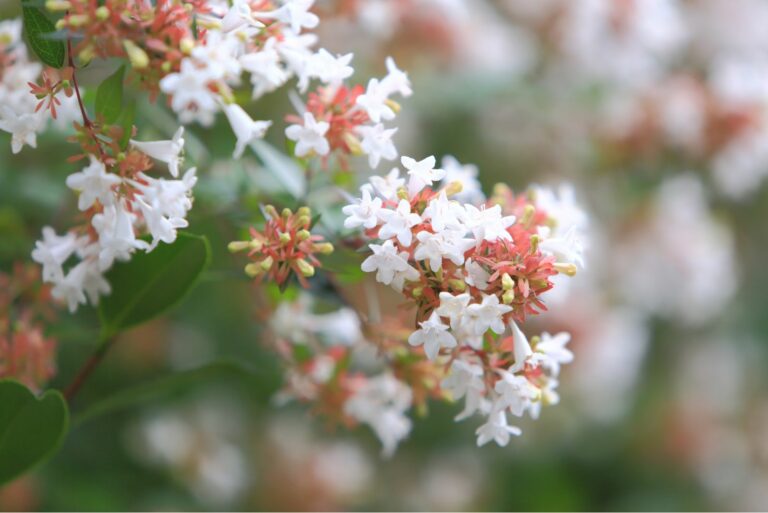
Fruiting shrubs like yaupon holly and possumhaw create natural bird magnets during fall migration when berries ripen. These energy-rich foods help birds fatten up before continuing their journeys southward.
Spring migrants benefit from early-blooming plants that attract the first insects of the season.
Layering vegetation at different heights mimics natural forest structure that different species prefer. Some birds forage in high canopies while others search low shrubs and ground cover.
3. Leave Seed Heads And Natural Food Sources Standing
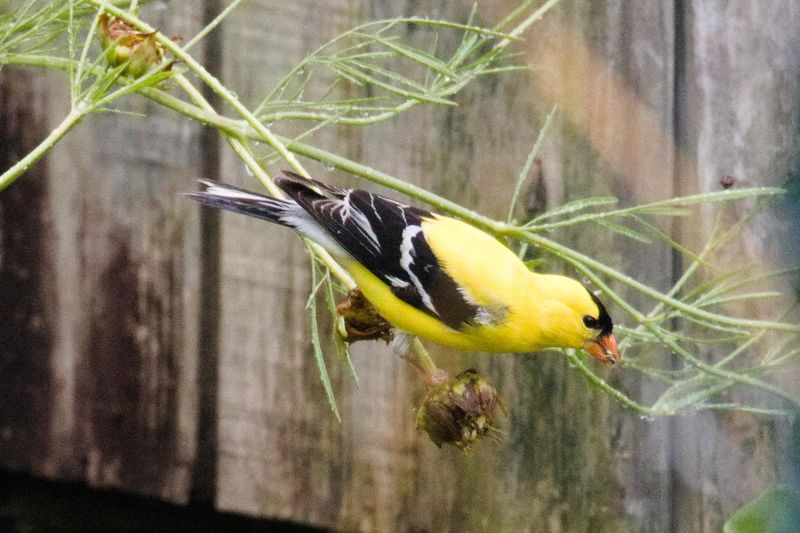
Fall cleanup removes exactly what hungry migrants need most after exhausting flights across the Gulf of Mexico. Dried flower heads and grass plumes contain thousands of tiny seeds that provide concentrated calories.
What looks messy to human eyes appears as a well-stocked pantry to sparrows, finches, and buntings.
Sunflowers left standing through autumn feed birds well into winter, with goldfinches particularly fond of clinging to drooping heads. Each large bloom can contain over a thousand seeds that birds extract with remarkable efficiency.
Native sunflower varieties adapted to Texas conditions produce especially robust seed heads.
Coneflowers and black-eyed Susans offer similar benefits while adding interesting winter texture to garden beds. Their sturdy stems withstand wind and weather, keeping seeds accessible even after storms.
Watching birds work these natural feeders provides entertainment value that compensates for any aesthetic concerns.
Grasses native to Texas prairies produce seed heads that small sparrows and juncos prefer over most commercial offerings. Little bluestem and Indiangrass create beautiful golden waves in fall while feeding ground-foraging species.
These grasses also provide nesting material that some birds collect and cache for spring use.
Delaying pruning until early spring protects overwintering insects that birds hunt during warmer winter days. Many beneficial insects pupate inside hollow plant stems, emerging when temperatures rise.
Birds know these stems harbor protein-rich snacks and investigate them thoroughly throughout the dormant season.
4. Offer Shelter From Wind And Summer Heat
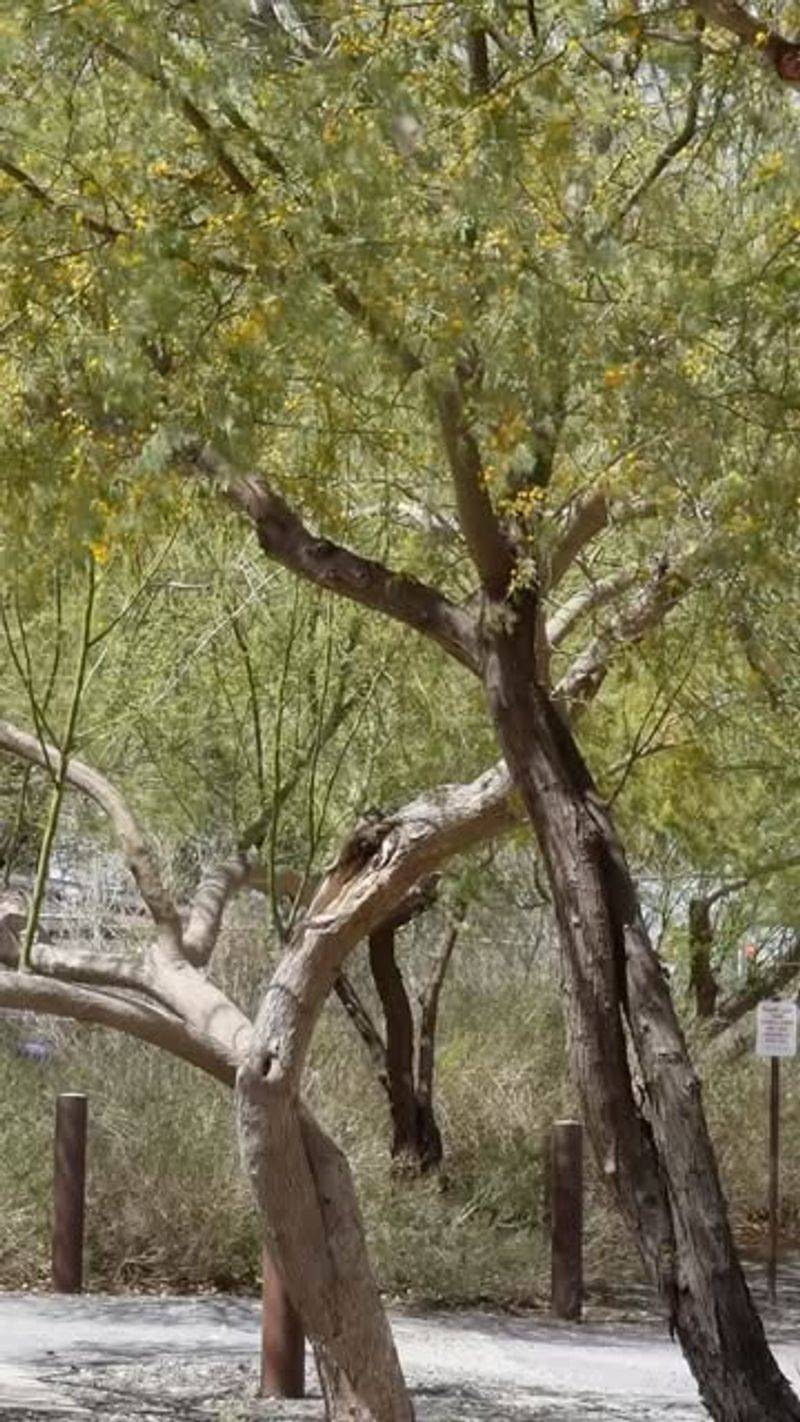
Migration timing forces birds through Texas during the most extreme weather conditions the state experiences. Spring migrants face blistering heat waves while fall travelers sometimes encounter early cold fronts with strong north winds.
Protected microclimates within your yard become critical refuges during these challenging periods.
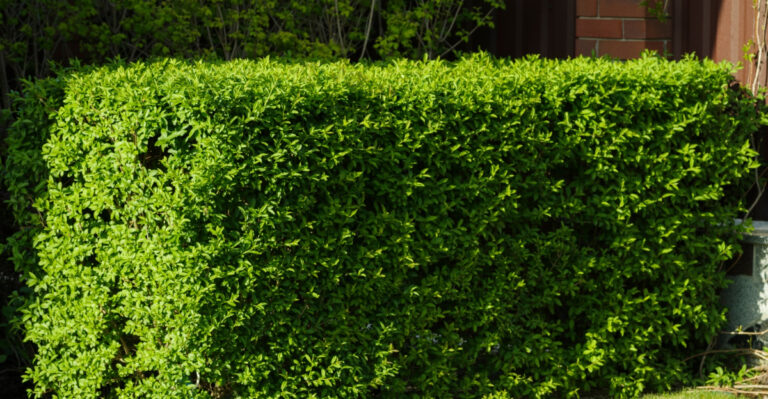
Dense evergreen shrubs create windbreaks that reduce energy expenditure by blocking chilling gusts. Birds huddle on the sheltered side, conserving precious calories they need for continued travel.
Even a small grouping of junipers or hollies makes a measurable difference during windy days.
Summer shade becomes essential for birds crossing Texas during late spring and early fall when temperatures soar. Mature trees with broad canopies provide cooling that can be twenty degrees lower than surrounding open areas.
This temperature difference can mean survival for exhausted migrants arriving during midday heat.
Layered plantings create multiple shelter zones at different heights and densities throughout your yard. Some species prefer tight cover deep within shrub thickets while others rest on shaded lower branches of trees.
Offering variety accommodates different comfort preferences and safety strategies.
Brush piles constructed from pruned branches provide quick shelter that birds appreciate immediately rather than waiting years for plants to mature. Stack larger branches on the bottom with smaller twigs on top, creating spaces throughout.
These piles also harbor insects and provide ground-dwelling birds with protective cover while foraging.
5. Reduce Night Lighting During Migration Periods
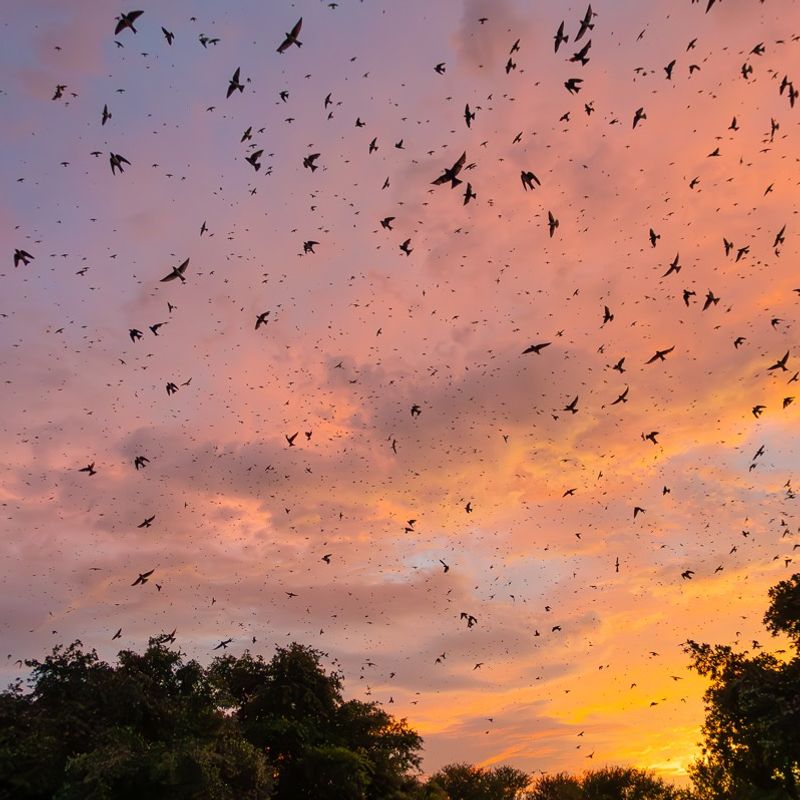
Artificial lights disorient nocturnal migrants who navigate using stars and celestial cues refined over millennia. Bright security lights, decorative landscape illumination, and even interior lights shining through large windows create confusion that can trap birds in circling patterns until they exhaust themselves.
This phenomenon affects millions of birds annually across developed areas.
Most songbirds migrate under cover of darkness to avoid predators and take advantage of cooler temperatures. They fly at altitudes where city glow creates a dome of light that disrupts their internal compasses.
Texas cities along major migration routes contribute significantly to this continental problem.
Simple solutions make dramatic differences without compromising home security or outdoor enjoyment. Motion-sensor lights activate only when needed rather than burning all night.
Timers can shut off decorative lighting after midnight when most people are asleep anyway.
Closing curtains and blinds on windows facing your yard prevents interior light from spilling outside. This small action, multiplied across neighborhoods, noticeably reduces the cumulative glow that affects migrating flocks.
Birds passing overhead encounter fewer confusing signals and maintain their intended flight paths.
Peak migration periods in Texas run from mid-March through May and again from September through early November. Concentrating light-reduction efforts during these windows provides maximum benefit.
Many communities now participate in organized “lights out” programs that coordinate efforts across entire cities during critical migration pulses.
6. Avoid Pesticides That Remove Insect Food
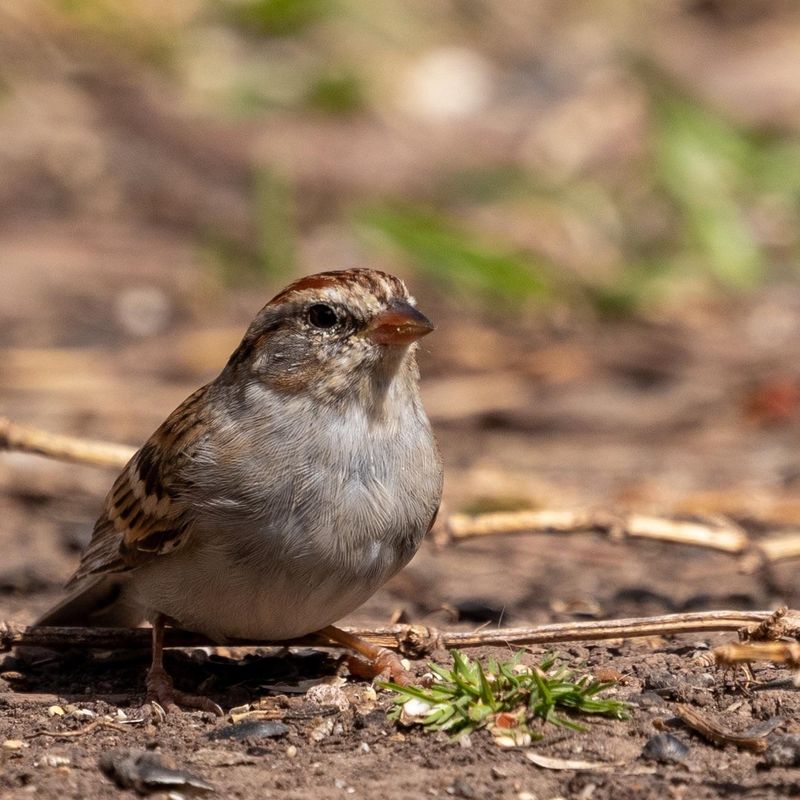
Chemical treatments targeting mosquitoes and lawn pests eliminate the very food sources that fuel long-distance bird migration. Insects provide concentrated protein and fats impossible to obtain from seeds or fruit alone.
A single warbler might consume several hundred caterpillars daily while rebuilding depleted reserves.
Broad-spectrum insecticides persist in the environment, affecting beneficial insects for weeks after application. Birds arriving days later find yards that appear perfect but lack the invisible food web necessary for their survival.
This creates ecological traps where habitat looks suitable but cannot actually support wildlife.
Texas yards treated with common lawn chemicals support dramatically fewer insects than untreated properties. Studies show bird abundance drops proportionally in areas with regular pesticide use.
The effects compound across neighborhoods, creating food deserts within otherwise promising migration corridors.
Tolerating minor cosmetic damage from insects represents an investment in ecosystem health that pays dividends in bird activity. A few chewed leaves indicate a thriving food web supporting numerous species.
Perfect, unblemished foliage often signals a sterile environment where birds will not linger.
Targeted treatments for specific problems cause less collateral damage than preventive blanket applications. Hand-picking problem insects or using focused organic controls preserves beneficial species.
Many perceived pest issues resolve naturally when birds and other predators maintain balance without chemical intervention.
7. Use Feeders Strategically, Not Year-Round
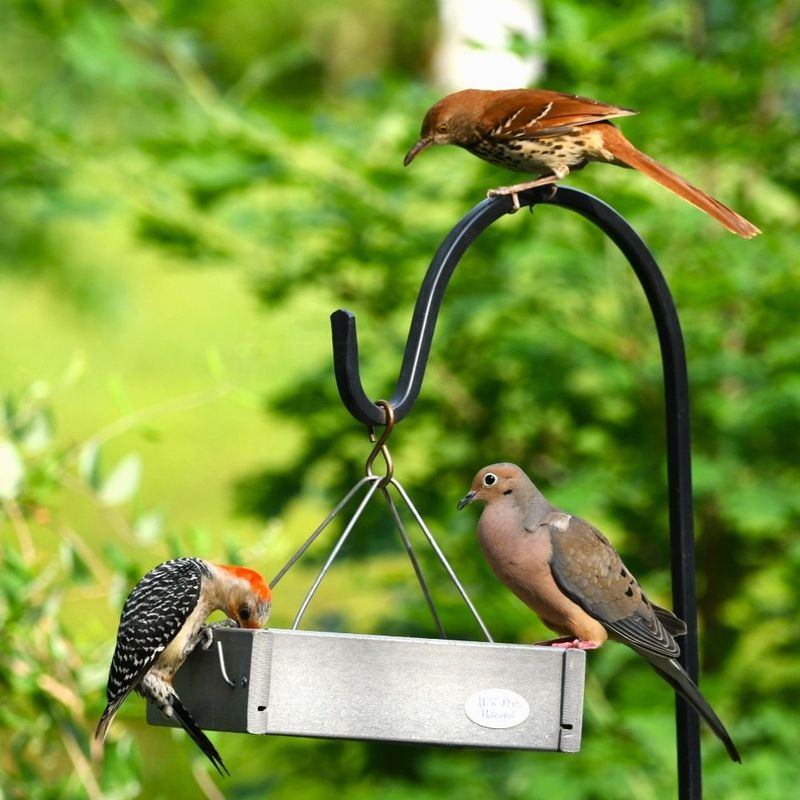
Timing feeder offerings to coincide with actual migration periods creates focused resources when birds need them most. Year-round feeding can alter natural behaviors and create dependency among resident species that should be foraging naturally.
Strategic supplementation supports travelers without disrupting local ecological patterns.
Spring migration through Texas peaks from late March through early May when millions of birds funnel northward. Offering high-energy foods like suet, sunflower seeds, and nyjer during these weeks provides critical refueling opportunities.
Birds remember these reliable resources and return to the same yards annually.
Fall migration unfolds more gradually from late August through October as birds trickle southward at different rates. Maintaining feeders throughout autumn captures both early and late migrants.
Species that nested far north often arrive later, still benefiting from supplemental food into November.
Removing feeders during summer months encourages birds to utilize natural food sources and prevents problems with spoilage in Texas heat. Seed molds quickly in high temperatures and humidity, potentially causing illness.
Insects and fruits provide complete nutrition during summer anyway, making feeders largely unnecessary.
Feeder placement near natural cover allows birds to quickly escape if predators approach. Open areas with nearby shrubs or trees offer the best balance between visibility and safety.
Spacing multiple feeders throughout your yard reduces competition and allows shy species to feed without harassment from more aggressive birds.
8. Maintain The Same Habitat Layout Each Year
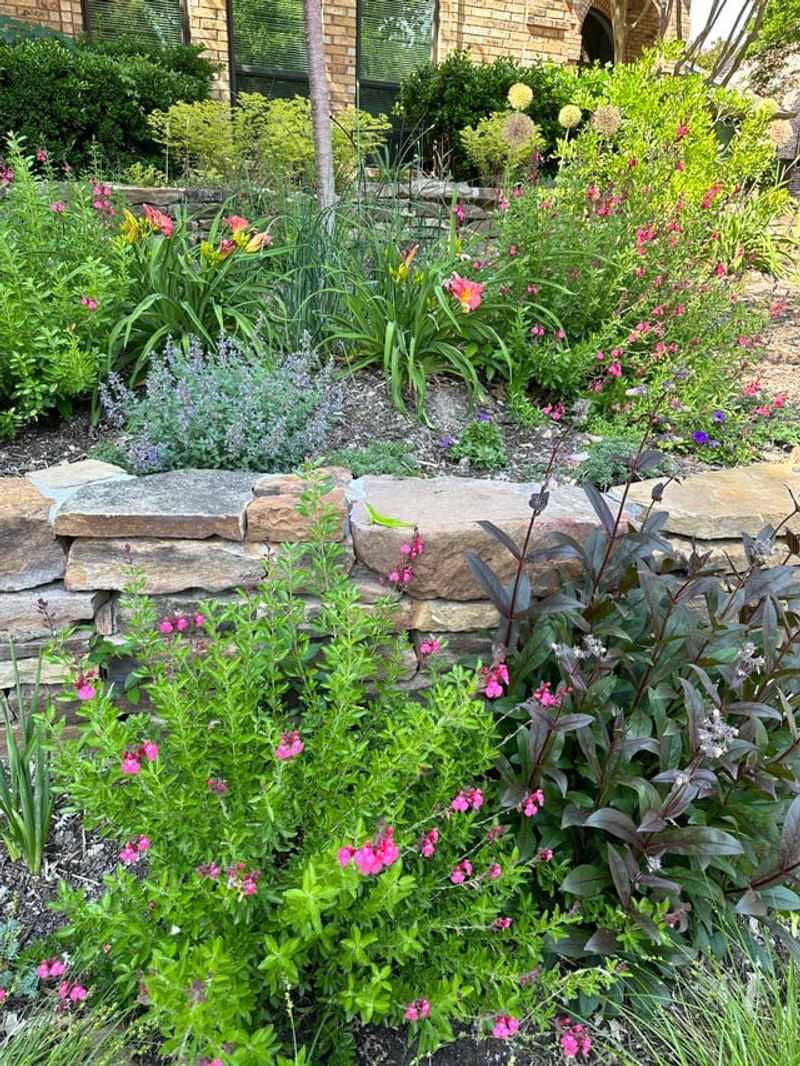
Birds possess remarkable spatial memory that guides them back to specific locations where they previously found food, water, and shelter. Constantly rearranging your yard’s features forces returning migrants to relearn the landscape each season.
Consistency builds recognition that strengthens with each successful visit.
Major landscape changes confuse birds who remember exactly where resources existed during previous migrations. Moving a water feature or removing a favorite shrub eliminates a mental landmark they counted on finding.
These disruptions can cause birds to bypass your property in search of more reliable stopover sites.
Texas properties that maintain stable habitat features for multiple years develop reputations within migrant populations. Young birds learn locations from adults, creating traditions passed between generations.
Your yard essentially becomes part of an inherited mental map guiding birds along their routes.
Gradual improvements and additions work better than dramatic redesigns that completely alter the space. Adding new plants while preserving existing features expands resources without destroying established patterns.
Birds adapt to incremental changes while still recognizing the core landscape.
Seasonal consistency matters as much as overall layout, with birds expecting certain resources at specific times. Water sources maintained in the same location year after year become trusted destinations.
Feeders placed identically each migration period meet birds exactly where they remember finding food previously, reducing the energy spent searching.
9. Provide Quiet Resting Areas Away From Activity
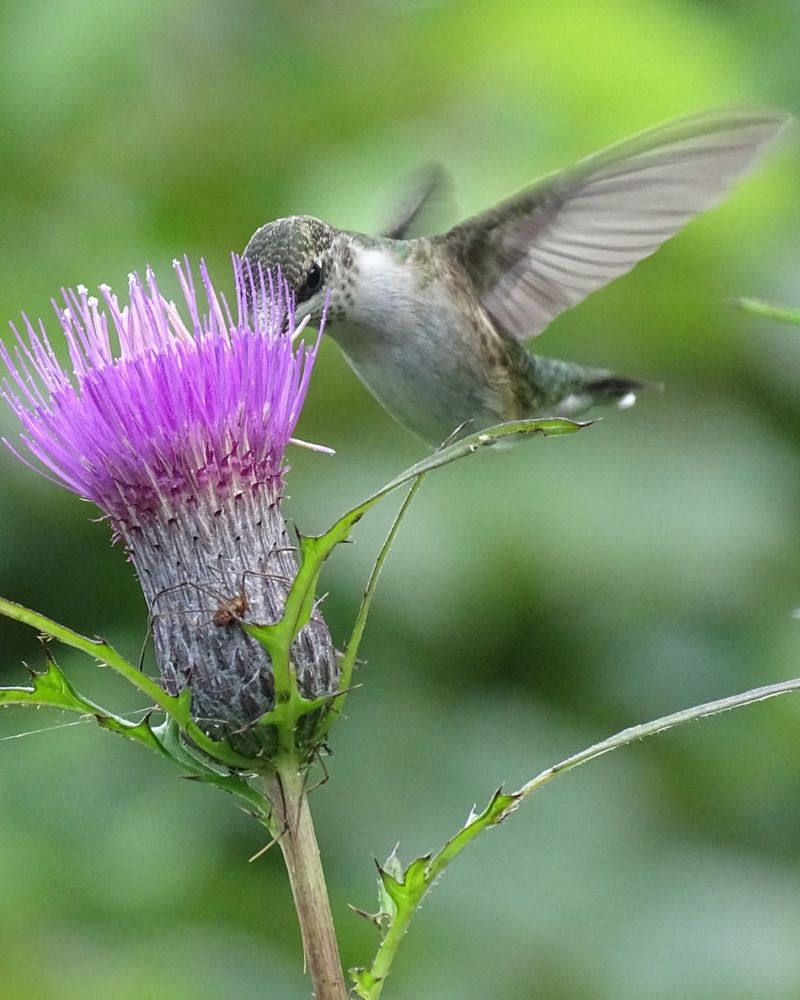
Migration demands extraordinary physical effort that leaves birds desperately needing undisturbed rest periods. Constant human activity, barking dogs, and loud noises prevent adequate recovery that determines whether birds successfully complete their journeys.
Designating low-traffic zones within your property creates sanctuaries where exhausted travelers can recuperate safely.
Corner areas farthest from patios, driveways, and play spaces naturally receive less disturbance. Enhancing these quiet zones with dense plantings and water sources concentrates bird activity away from busy sections.
This separation benefits both birds seeking peace and people enjoying active outdoor spaces.
Texas backyards often include areas rarely visited except for occasional maintenance. These neglected corners make perfect bird refuges with minimal adjustment.
Allowing vegetation to grow slightly wilder creates the secluded feeling that wary migrants prefer.
Timing yard work and activities around bird behavior patterns shows respect for their needs. Early morning and evening hours see peak feeding activity when birds need focus.
Scheduling loud projects for midday when birds typically rest in shade reduces stress and disturbance.
Visual barriers like fencing, trellises, or tall grasses screen quiet zones from activity areas. Birds feel more secure when they cannot see constant movement, even if actual danger does not exist.
These simple partitions dramatically increase the usability of small yards by creating perceived separation.