11 Backyard Upgrades That Make Florida Yards Look Expensive
Florida backyards have the potential to feel like personal retreats, yet many end up looking plain, unfinished, or underused. The difference rarely comes down to yard size or expensive renovations.
It usually comes from small design choices that shape how a space feels, flows, and functions. When the right details come together, an ordinary outdoor area can suddenly feel polished, comfortable, and thoughtfully designed.
In a state where warm evenings, backyard gatherings, and outdoor living are part of everyday life, creating a space that looks inviting matters more than ever.
Simple upgrades can add structure, texture, and visual balance while making patios and lawns more enjoyable to use.
With the right approach, Florida yards can shift from basic to beautiful without major construction projects or oversized budgets. The goal is not perfection, but creating a space that feels intentional, relaxing, and worth spending time in, day after day, season after season.
1. Defined Seating Areas
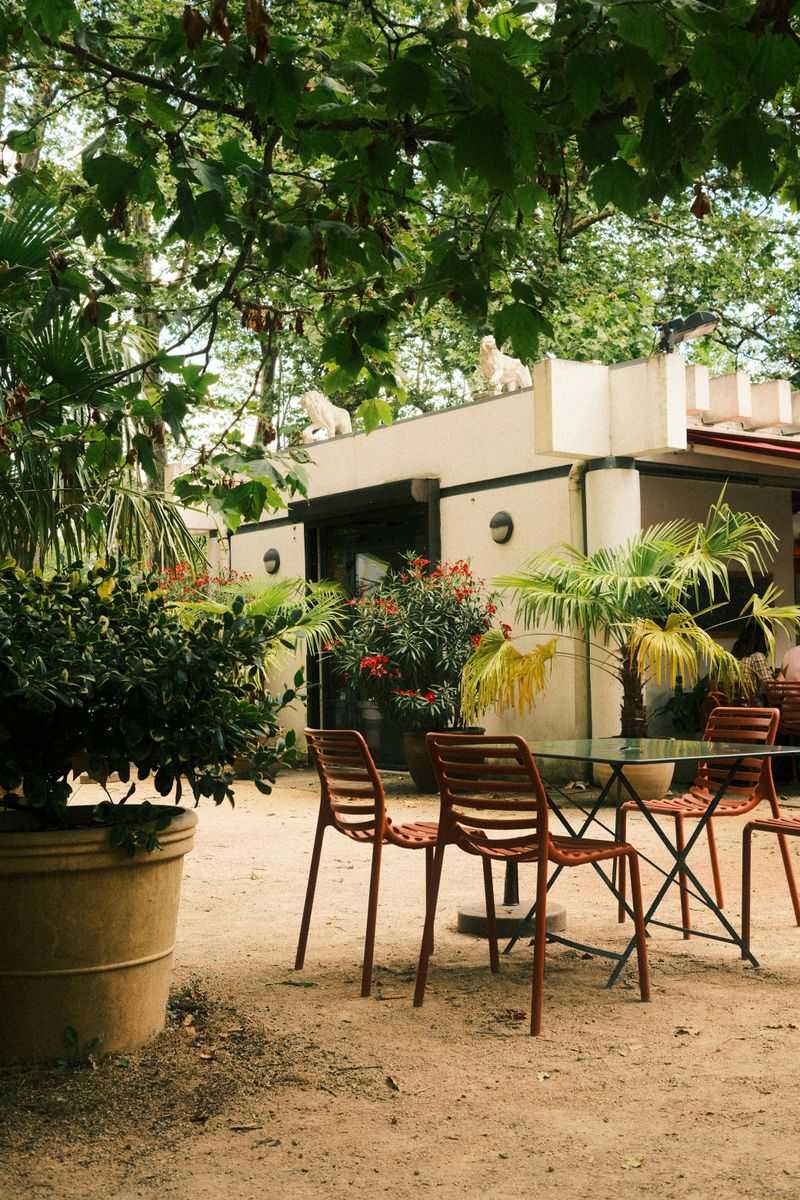
Walking into a Florida backyard with a clearly defined seating area instantly changes how the space feels. Instead of random chairs scattered across the patio, you notice furniture arranged with purpose, often anchored by an outdoor rug or framed by potted palms.
This intentional setup creates a room-like atmosphere that invites you to sit down and stay awhile.
In South Florida, homeowners often position seating under pergolas or near water features to take advantage of cooling breezes and shade. Central Florida backyards benefit from seating zones placed near screened lanais, blending indoor and outdoor living seamlessly.
North Florida residents tend to create cozy fire pit areas for cooler evenings, using seating that feels both functional and stylish.
Choosing weather-resistant furniture is essential in Florida’s humidity and afternoon storms. Teak, powder-coated aluminum, and all-weather wicker hold up well without constant maintenance.
Adding outdoor cushions in neutral tones or tropical patterns pulls the look together, making your backyard feel more like a curated outdoor living room than a basic patio setup.
2. Layered Lighting For Evening Atmosphere
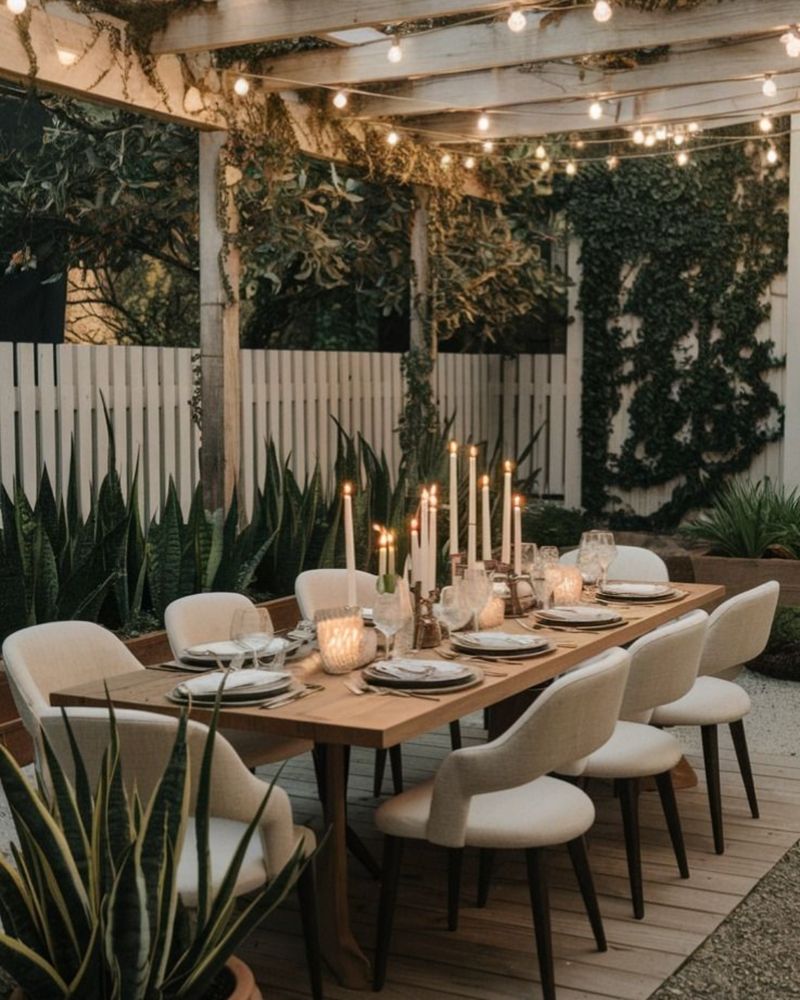
Once the sun sets, backyards without layered lighting feel flat and uninviting, but adding multiple light sources transforms your outdoor space into something magical. String lights draped across pergolas create a soft glow overhead, while path lights guide movement along walkways and uplights highlight architectural palms or tropical foliage.
The combination creates depth and makes your backyard usable long after dark.
Florida evenings are prime outdoor time, especially in Central and South Florida where year-round warm nights mean backyard gatherings happen constantly.
Layered lighting extends how long you can enjoy the space and adds a resort-style ambiance that feels upscale without being overly formal.
North Florida homeowners appreciate the cozy warmth lighting brings during cooler months when outdoor fires and ambient lighting make patios feel welcoming.
Solar-powered options work well in Florida’s sunny climate, reducing energy costs while still providing consistent illumination. LED fixtures withstand humidity better than traditional bulbs and last longer with less maintenance.
Dimmer switches or smart lighting systems let you adjust brightness based on the occasion, creating versatility that makes your backyard feel thoughtfully designed.
3. Natural Stone Or Paver Accents
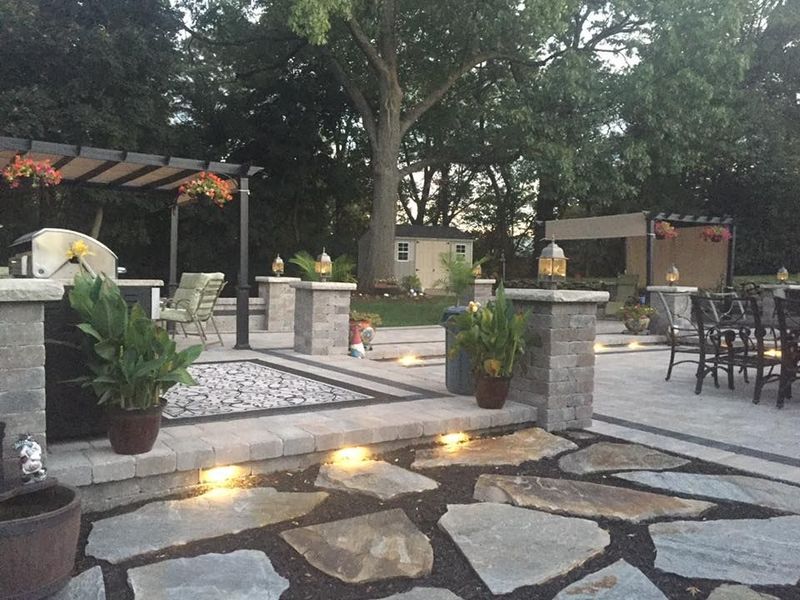
Concrete patios feel basic and unfinished, but adding natural stone or paver accents instantly elevates the look of your backyard. Travertine, flagstone, and tumbled pavers bring texture and color variation that feels high-end and intentional.
These materials also stay cooler underfoot compared to standard concrete, which is a major advantage in Florida’s intense summer heat.
Homeowners often use pavers to define pathways, border pool decks, or create distinct outdoor zones that guide movement through the yard. In South Florida, lighter-colored stone reflects heat and blends beautifully with tropical landscaping.
Central Florida backyards benefit from pavers that transition smoothly from lanais to pool areas, creating visual continuity. North Florida residents appreciate the versatility of pavers for fire pit surrounds and seating areas that feel polished yet relaxed.
Installing pavers over existing concrete or as stand-alone features is relatively straightforward when the surface is properly graded for drainage and prepared correctly, without requiring extensive demolition.
They handle Florida’s heavy rains and humidity without cracking or shifting when properly installed with a sand base.
Sealing pavers every few years helps maintain their appearance and prevents staining, keeping your backyard looking fresh and expensive with minimal upkeep.
4. Upgraded Mulch And Bed Edging
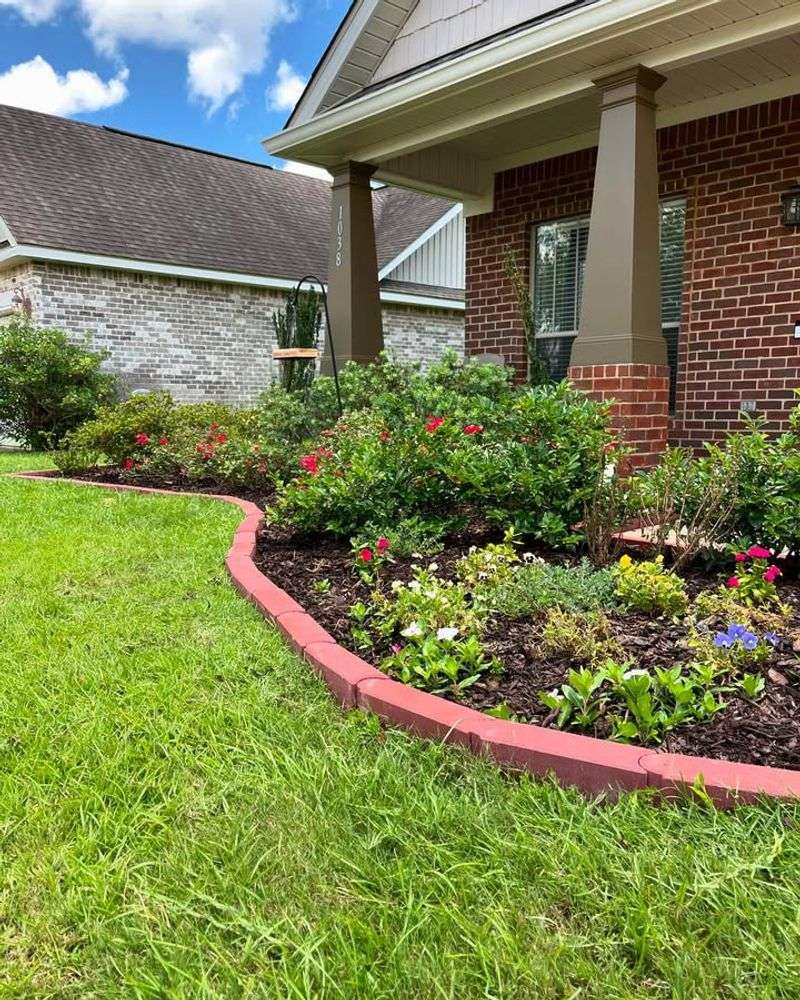
Fresh mulch and crisp bed edging might seem like small details, but they make an enormous difference in how polished your backyard looks. Instead of old, faded mulch blending into the grass, upgraded mulch in rich browns or blacks creates contrast and defines planting beds clearly.
Clean edging along beds and walkways gives your landscape sharp lines that feel professionally maintained.
Florida-friendly mulch options like pine bark, eucalyptus, or melaleuca break down slowly in the heat and humidity while still suppressing weeds and retaining soil moisture.
According to the University of Florida IFAS Extension, organic mulches improve soil quality as they decompose, benefiting your plants over time.
Metal or stone edging holds up better than plastic in Florida’s sun and provides a permanent solution that does not require constant replacement.
Applying a fresh layer of mulch twice a year keeps beds looking neat and prevents erosion during heavy summer rains. Edging installed just a few inches deep creates a visual barrier that stops grass from creeping into planting areas, reducing maintenance and keeping your yard looking intentional.
These simple upgrades create a finished look that makes your entire backyard feel more expensive and thoughtfully designed.
5. Tropical Accent Plants
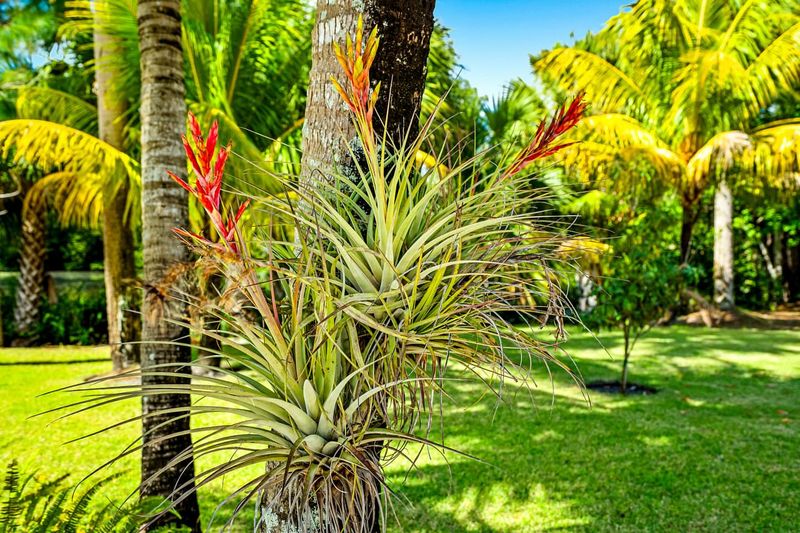
Adding tropical accent plants instantly gives your Florida backyard a lush, resort-style feel that looks expensive and carefully curated. Bird of paradise, crotons, bromeliads, and ornamental grasses bring bold colors and architectural shapes that stand out against standard green shrubs.
These plants thrive in Florida’s climate and many become more drought tolerant once established, depending on the species.
Placement matters when creating visual impact with tropical accents. Grouping plants in odd numbers near entryways, seating areas, or along pathways draws the eye and creates focal points that feel intentional.
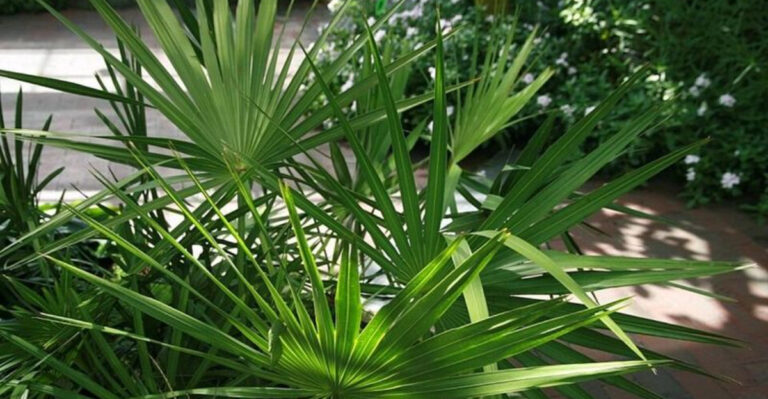
South Florida homeowners can grow a wider variety of tropicals year-round, while Central and North Florida residents should select cold-hardy options like coontie palms and muhly grass that handle occasional freezes without damage.
The University of Florida IFAS Extension recommends choosing plants suited to your specific hardiness zone to ensure long-term success and reduce maintenance.
Tropical accent plants grow quickly in Florida’s warm, humid conditions, filling in spaces and adding layers of texture within a single growing season.
Mixing different leaf shapes, heights, and colors creates depth and makes your backyard feel professionally landscaped without requiring extensive plant knowledge or ongoing care.
6. Privacy Screens With Plants
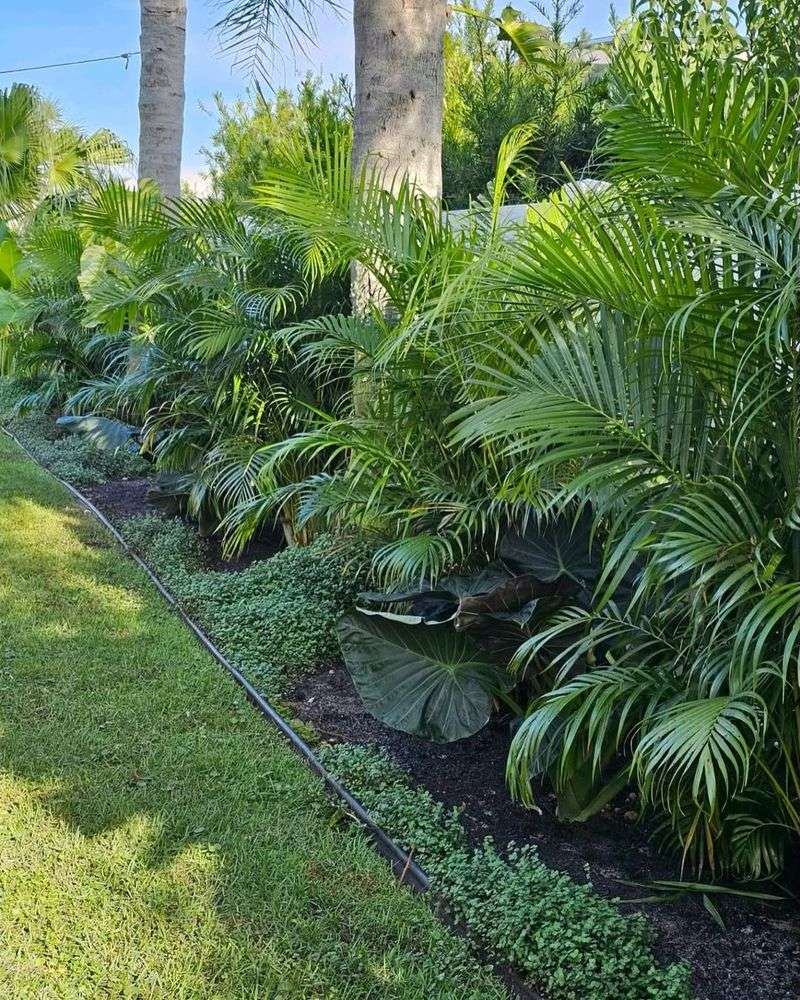
Creating privacy with living plant screens transforms your backyard into a secluded retreat that feels upscale and intentional. Instead of looking at chain-link fences or neighboring houses, you see layers of green foliage that block sightlines while adding texture and softness.
Clumping bamboo varieties such as Bambusa grow quickly in Florida and provide dense coverage without invasive spreading when properly maintained. Homeowners should avoid running bamboo species and choose heat-tolerant varieties suited to Florida’s climate.
Arborvitae and podocarpus work well for formal hedges that create structured privacy, especially in North and Central Florida where they tolerate cooler temperatures.
South Florida homeowners often use clusia or green island ficus for fast-growing screens that handle heat and humidity beautifully.
The Florida Friendly Landscaping Program recommends selecting native or adapted plants that require less water and maintenance once established, reducing long-term care while still providing privacy.
Planting screens along property lines or around seating areas creates intimate outdoor rooms that feel protected and peaceful. Mixing plant heights and textures adds visual interest while still achieving full coverage.
Evergreen options ensure year-round privacy, and many varieties thrive with minimal pruning. Living screens soften hard fences and add a layer of elegance that makes your backyard feel more expensive and thoughtfully designed than simple wooden or vinyl barriers.
7. Outdoor Shade Features
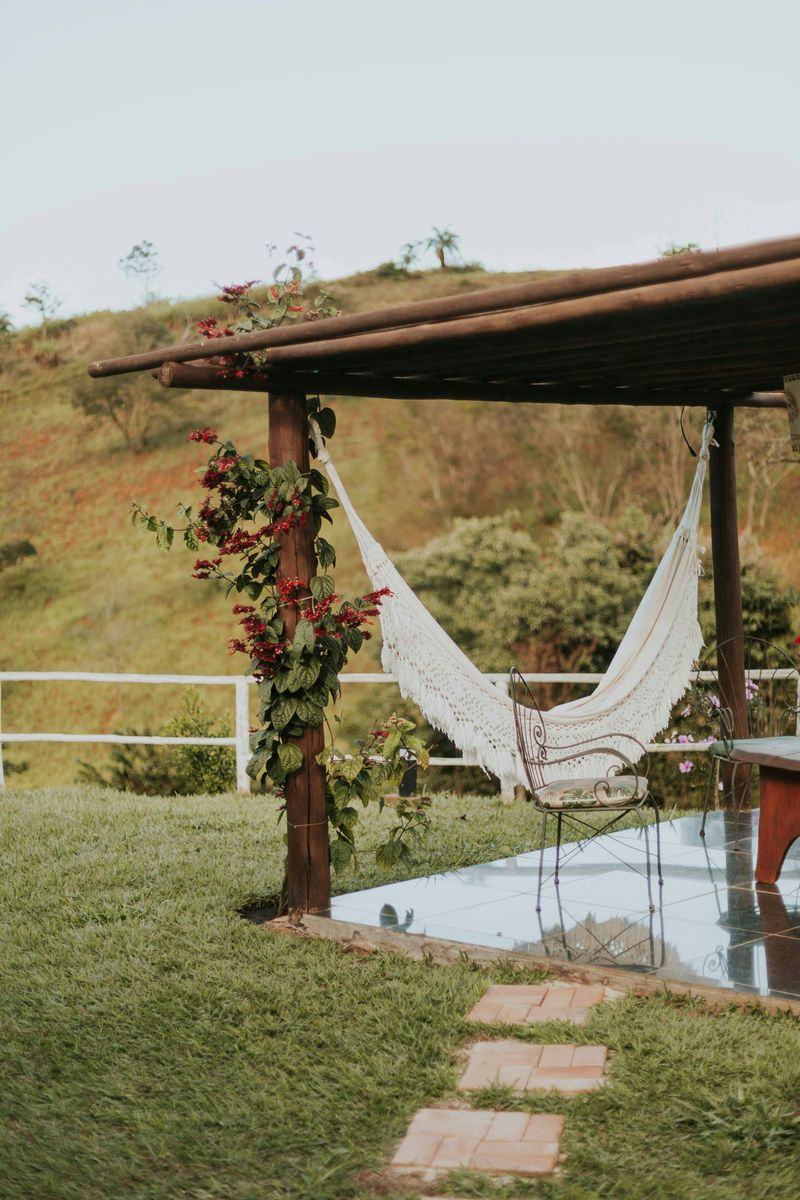
Shade is not just a comfort feature in Florida backyards, it is essential for making outdoor spaces usable during the hottest parts of the day. Pergolas, shade sails, and retractable awnings create defined areas where you can relax without feeling overwhelmed by the sun.
These structures add architectural interest and make your backyard feel more intentional and resort-like.
Pergolas work beautifully when paired with climbing vines like bougainvillea or jasmine, which provide additional shade while adding color and fragrance. Shade sails offer a modern, sculptural look and can be angled to block afternoon sun without feeling heavy or enclosed.
Retractable awnings give you flexibility, letting you adjust coverage based on weather and time of day, which is especially useful in Central Florida where afternoon storms roll in quickly.
Choosing materials that withstand Florida’s humidity and UV exposure is critical for longevity. Aluminum and powder-coated steel frames resist rust, while solution-dyed acrylic and outdoor-rated polyester fabrics hold up better than untreated canvas in Florida’s UV exposure and humidity.
Positioning shade structures near seating areas or over dining spaces makes your backyard more functional and comfortable year-round.
Adding shade transforms your yard from a space you avoid during peak heat into a place you enjoy throughout the day, increasing both usability and visual appeal.
8. Water Features For Visual Interest
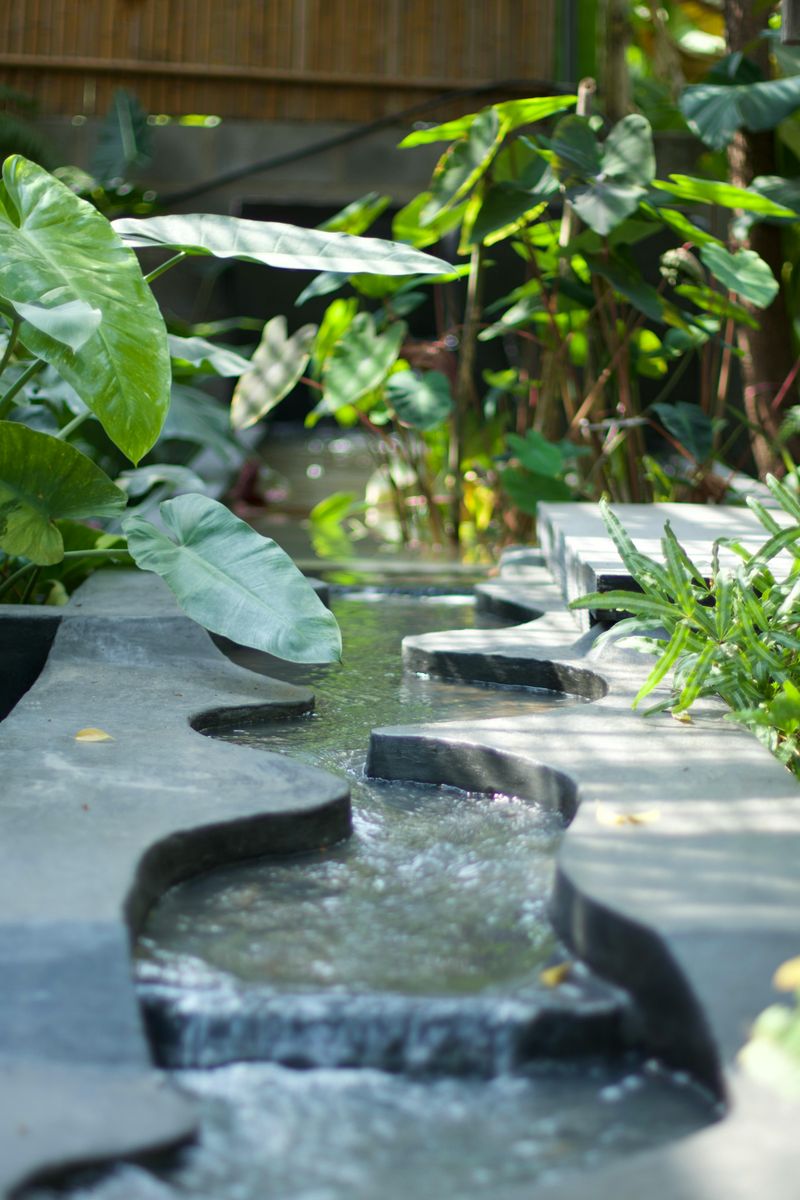
The sound of moving water instantly transforms a Florida backyard into a tranquil escape that feels upscale and serene. Small fountains, bubbling urns, or pond-free waterfalls add visual and auditory interest that draws attention and creates a focal point.
Water features also help mask neighborhood noise, making your outdoor space feel more private and peaceful.
In South Florida, water features blend naturally with tropical landscaping and provide humidity that benefits surrounding plants. Central Florida homeowners appreciate the refreshing atmosphere water features bring to patios and seating areas, especially during hot summer months.
North Florida residents often incorporate water features near fire pits or seating zones, creating a balanced sensory experience that works across seasons.
Maintenance is a consideration in Florida’s climate, where algae and debris can accumulate quickly. Choosing recirculating fountains with built-in filters reduces upkeep, and adding aquatic plants like water lilies or papyrus helps keep water clear naturally.
Solar-powered options work well in Florida’s sunny conditions, cutting energy costs while still providing consistent water movement.
Positioning water features near seating areas or along pathways maximizes their impact, making your backyard feel thoughtfully designed and more expensive without requiring extensive plumbing or construction.
9. Pathways That Guide Movement
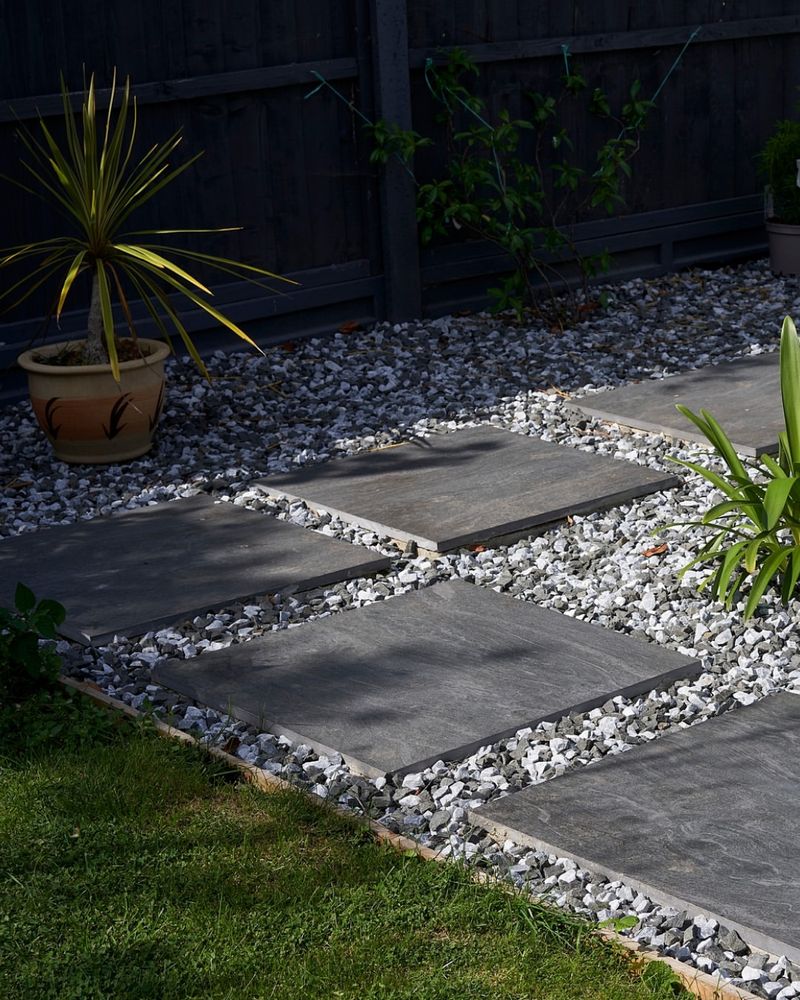
Defined pathways do more than connect different areas of your backyard, they create flow and intention that makes the space feel professionally designed.
Stepping stones, gravel paths, or paver walkways guide movement naturally and prevent trampled grass or muddy tracks during Florida’s frequent rainstorms.
Pathways also add visual structure, breaking up large open areas and making your yard feel more layered and interesting.
Curved pathways feel more organic and inviting compared to straight lines, leading the eye through your landscape and encouraging exploration. In South Florida, pathways often wind through tropical plantings, creating a jungle-like feel that enhances privacy and beauty.
Central Florida homeowners use pathways to connect pool areas, patios, and garden beds, creating seamless transitions between outdoor zones. North Florida residents often create pathways that lead to fire pits or seating areas for cooler evenings, following local fire safety guidelines.
Materials matter in Florida’s climate. Permeable pavers and gravel allow water to drain quickly, reducing puddling and erosion.
Flagstone and decomposed granite stay cooler underfoot than solid concrete, making pathways more comfortable to walk on during hot days.
Lighting pathways with low-voltage or solar fixtures adds safety and ambiance, extending usability into the evening and making your backyard feel polished and intentional.
10. Vertical Garden Features
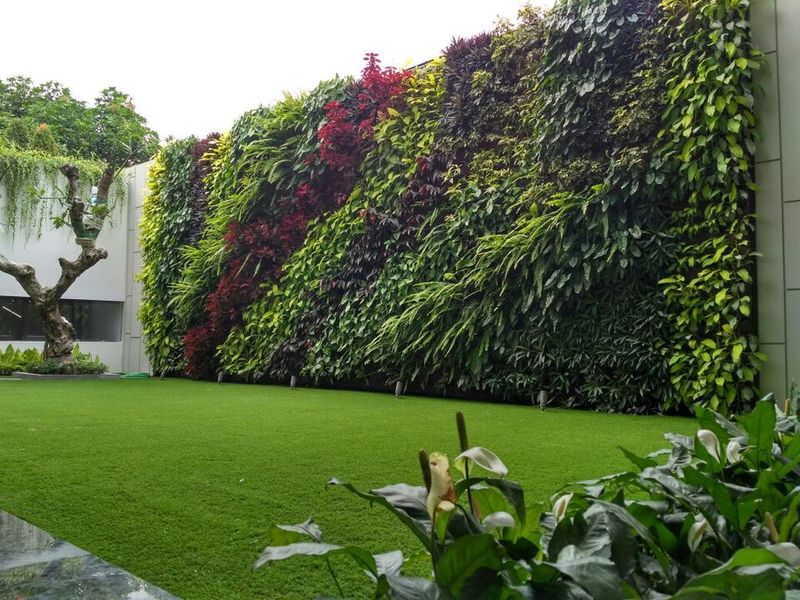
Vertical gardens bring greenery to eye level, transforming blank walls and fences into living focal points that feel modern and upscale. Trellises with climbing vines, wall-mounted planters, or vertical garden panels add layers of texture without taking up valuable ground space.
This approach works especially well in smaller Florida backyards where maximizing every square foot matters.
Climbing plants like passion vine, mandevilla, and coral honeysuckle thrive in Florida’s heat and humidity, quickly covering trellises and adding color throughout the year.
The University of Florida IFAS Extension recommends selecting plants suited to your light conditions, whether full sun or partial shade, to ensure healthy growth and minimal maintenance.
Vertical gardens also provide privacy when placed along fence lines or near seating areas, creating natural screens that feel softer and more intentional than traditional barriers.
Installing vertical features is straightforward and does not require major construction. Wall-mounted planters filled with ferns, succulents, or trailing herbs add greenery to patios and lanais without cluttering floor space.
Wooden or metal trellises can be attached to existing fences or used as stand-alone structures, giving you flexibility in placement.
Vertical gardens make your backyard feel more dynamic and layered, adding visual interest that draws the eye upward and makes the entire space feel larger and more thoughtfully designed.
11. Clean Lawn Borders
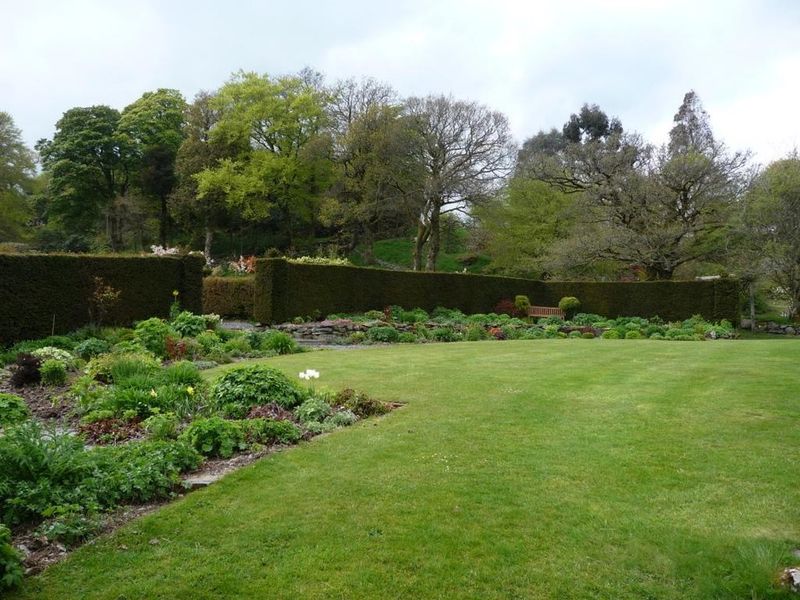
Sharp, well-maintained lawn borders create a finished look that instantly makes your Florida backyard feel more expensive and professionally landscaped. Instead of grass creeping into flower beds or along walkways, clean edges define where the lawn ends and other landscape features begin.
This simple detail adds structure and makes your entire yard look intentional and cared for.
Edging tools or string trimmers work well for maintaining borders, but installing permanent edging materials like metal, stone, or composite strips reduces ongoing maintenance and keeps lines crisp longer.
The Florida Friendly Landscaping Program emphasizes proper edging as a way to reduce water waste and prevent grass from invading mulched beds, improving both aesthetics and resource efficiency.
Borders also make mowing easier, creating a clear guide that speeds up lawn care and reduces time spent trimming.
In South Florida, where grass grows year-round, maintaining clean borders requires more frequent attention but delivers significant visual impact.
Central and North Florida homeowners notice cleaner lines during active growing seasons, with less maintenance needed during cooler months.
Refreshing borders every few weeks keeps your backyard looking polished and prevents overgrowth from blurring landscape zones. Clean lawn borders tie together all other upgrades, creating a cohesive, high-end look that makes your Florida backyard feel like a true outdoor retreat.