9 Beautiful Flowering Shrubs To Plant In Florida Instead Of Hydrangeas Right Now
Hydrangeas might get all the attention, but in Florida’s heat and humidity, they can be more trouble than they’re worth. If you want big color, lush blooms, and plants that actually thrive in your climate, it’s time to switch things up.
From fast-growing favorites to tough, sun-loving stunners, there are plenty of flowering shrubs that deliver nonstop beauty without constant babysitting. Imagine a yard packed with bold blooms, richer colors, and healthier plants that don’t wilt the second summer rolls in.
If your hydrangeas keep struggling or you’re ready for something fresh and easier to grow, these Florida-friendly shrubs are about to become your new go-to favorites.
1. Firebush Brings Nonstop Color And Wildlife Action
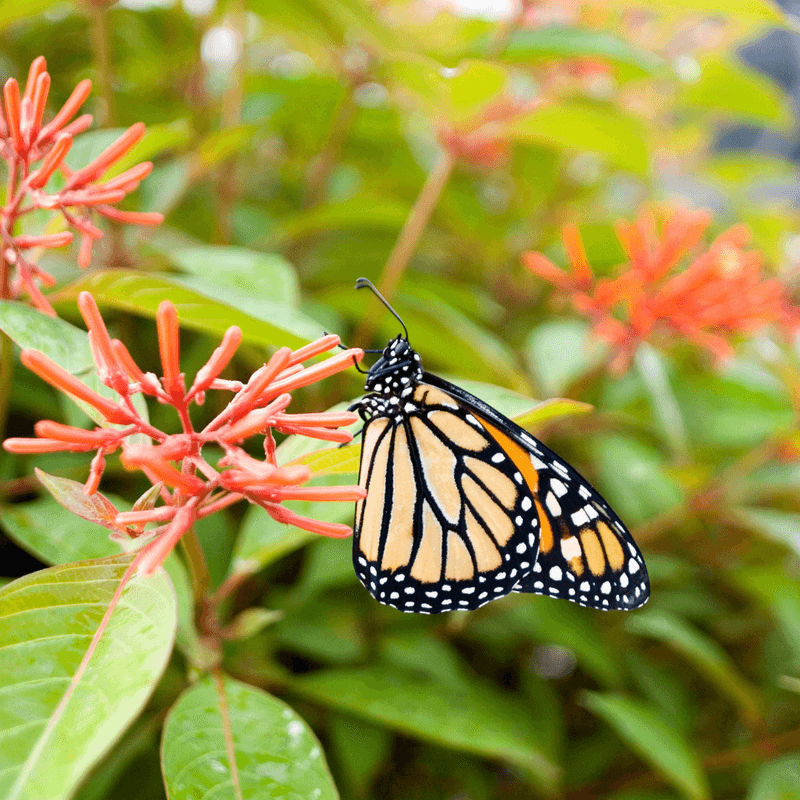
Firebush stands out as one of Florida’s most reliable native performers, producing tubular orange-red blooms from spring through fall without demanding constant attention. Unlike hydrangeas that sulk in our heat, this tough shrub thrives as temperatures climb, rewarding you with waves of butterflies and hummingbirds visiting those nectar-rich flowers.
Gardeners across all regions of Florida report excellent results, from the Panhandle down to the Keys.
The blooms appear in clusters at branch tips, creating brilliant focal points that catch your eye from across the yard. As temperatures cool slightly in fall, the foliage often takes on attractive reddish tones that add another layer of seasonal interest.
Birds love the small berries that follow the flowers, turning your landscape into a wildlife haven.
For maximum flowering, plant firebush in full sun to partial shade and water regularly during establishment. Once settled in, it becomes quite drought-tolerant while still blooming heavily.
Prune lightly after winter to shape and encourage bushier growth with even more flower clusters throughout the growing season.
2. Simpson’s Stopper Delivers Elegant Native Blooms
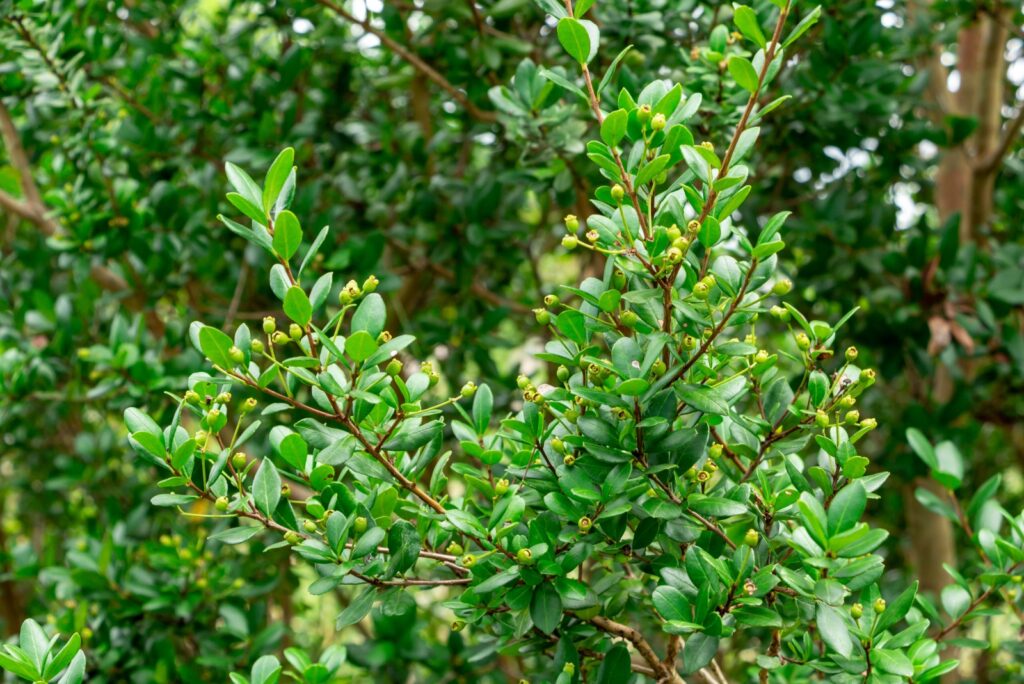
Delicate white flowers appear like tiny starbursts across this Florida native shrub, offering refined beauty that hydrangeas simply cannot match in our climate. Simpson’s stopper blooms primarily in spring and summer, with fragrant clusters that attract beneficial pollinators while adding sophisticated charm to your landscape design.
This versatile performer works beautifully throughout Central and South Florida and can succeed in frost-protected North Florida landscapes, tolerating coastal conditions that would stress out most ornamental shrubs.
The small white blooms contrast beautifully against glossy evergreen foliage, creating visual interest even when not in flower. After blooming, attractive berries develop that shift from red to black, providing food for songbirds and adding another dimension of color.
The overall effect feels more elegant and understated than the bold hydrangea look.
Plant Simpson’s stopper in full sun to partial shade for best flowering results, though it adapts well to various light conditions. Regular watering during the first growing season helps establish strong roots, but mature plants handle dry spells remarkably well.
Light pruning maintains shape and encourages fresh growth that produces the most abundant flower clusters each season.
3. Dwarf Ixora Creates Tropical Color Bursts
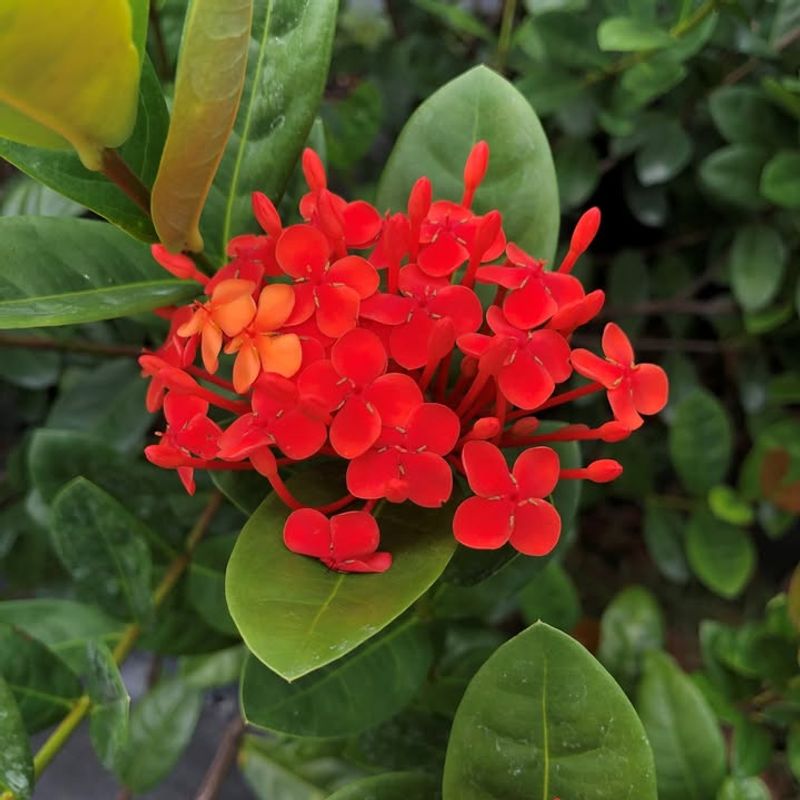
Compact clusters of vibrant blooms pack serious visual punch on this tropical favorite that laughs at Florida’s summer heat while hydrangeas wilt in distress. Dwarf ixora varieties produce rounded flower heads in red, orange, pink, or yellow shades nearly year-round, with peak performance during our warmest months when you need color most.
South and Central Florida gardeners achieve spectacular results, while North Florida residents should provide some cold protection during occasional freezes.
Each bloom cluster contains dozens of tiny tubular flowers that butterflies find irresistible, creating constant movement and life around your plantings. The dense, glossy foliage stays attractive between bloom cycles, maintaining structure in your landscape design.
Dwarf varieties typically reach three to four feet tall, making them perfect for foundation plantings or mixed borders.
Choose a location with full sun to light shade and ensure good drainage, as ixora dislikes wet feet despite loving Florida’s humidity. It also prefers acidic soil and may struggle in naturally alkaline areas unless the soil is amended.
Feed regularly with a fertilizer formulated for acid-loving plants to prevent yellowing leaves and promote heavy flowering. Prune lightly after major bloom cycles to maintain compact shape and encourage fresh growth that produces even more colorful clusters.
4. Buttonbush Produces Unique Pollinator Blooms
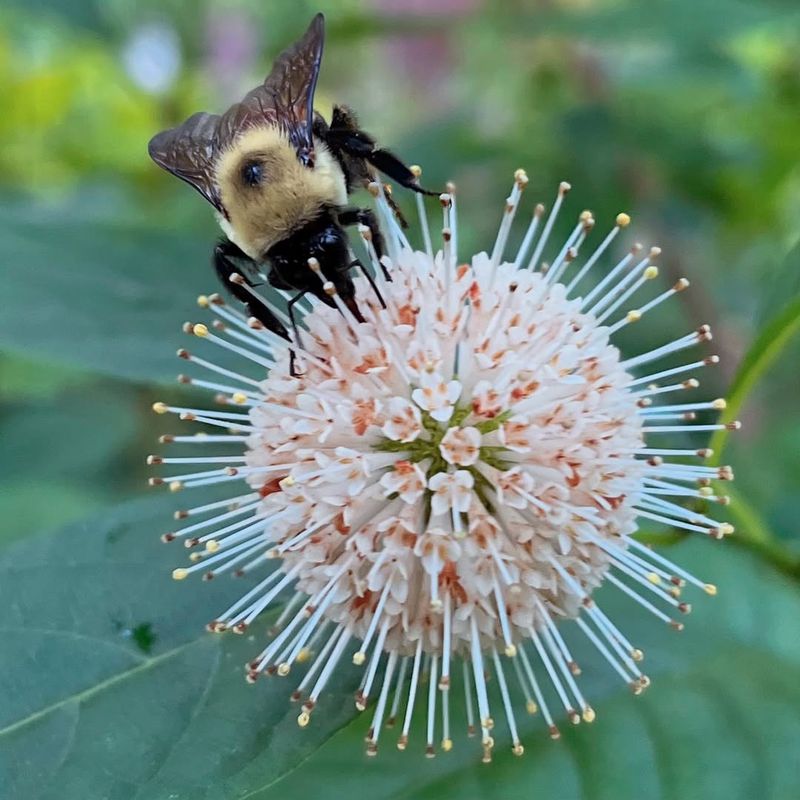
Spherical white flowers that look like whimsical pincushions emerge on this native shrub, offering a completely different aesthetic than the mophead hydrangeas that struggle in Florida’s wet-dry cycles.
Buttonbush blooms throughout summer, producing fragrant globe-shaped flowers that attract an incredible diversity of butterflies, bees, and other beneficial insects to your landscape.
This adaptable native thrives throughout all regions of Florida, from wetland edges to average garden conditions.
The unique flower structure creates instant conversation among garden visitors, as each sphere contains dozens of tiny tubular blooms radiating outward in all directions. After flowering, interesting seed balls develop that provide winter food for waterfowl and other wildlife.
The overall plant maintains an attractive rounded shape with glossy leaves that stay fresh-looking throughout the growing season.
Buttonbush performs best in full sun but tolerates partial shade, and it actually appreciates consistent moisture unlike drought-demanding alternatives. This makes it perfect for those lower areas of your yard where water tends to collect after summer storms.
Prune in late winter before new growth emerges to control size and shape while encouraging vigorous spring growth that supports abundant summer flowering.
5. Thryallis Blooms Bright Yellow Almost Year-Round
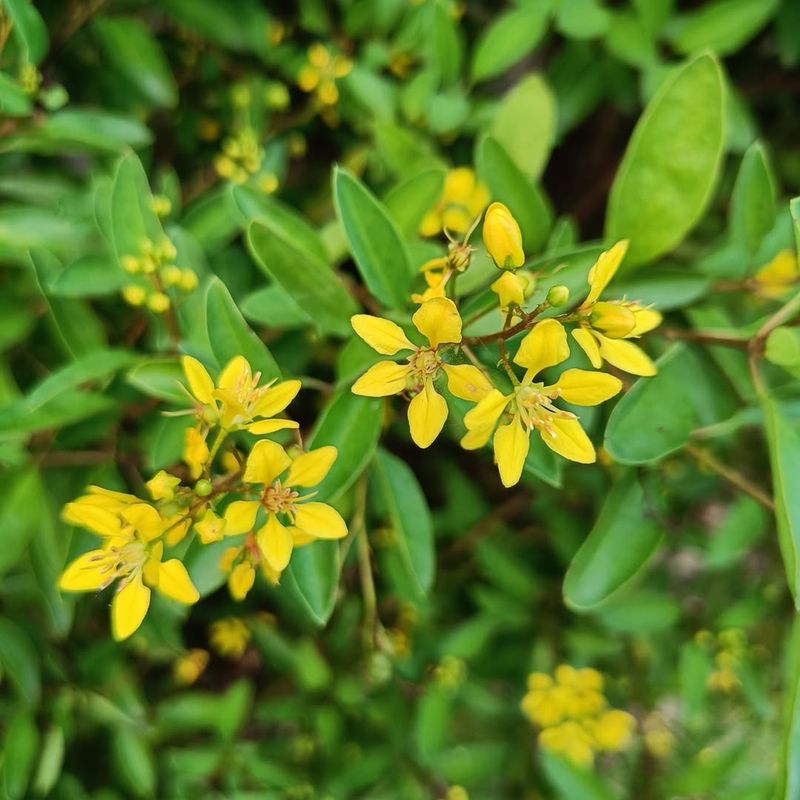
Cheerful yellow flowers appear in abundance on this tropical shrub that keeps blooming through conditions that would leave hydrangeas looking miserable and stressed. Thryallis produces clusters of golden blooms nearly continuously in South Florida and from spring through fall in Central Florida regions where it thrives as a landscape workhorse.
North Florida gardeners can grow it as a warm-season annual or protect it during cold snaps.
The bright yellow blooms create sunny focal points that lift spirits and brighten shady corners where other flowering shrubs refuse to perform. Each flower cluster contains multiple small blooms that open in succession, extending the display over several weeks.
The fine-textured foliage provides an attractive backdrop that makes those golden flowers really pop against the greenery.
Plant thryallis in full sun to partial shade, though you’ll get the most prolific blooming with at least six hours of direct sunlight daily. Regular watering and monthly feeding during the growing season keep flowers coming in steady waves.
Prune as needed throughout the year to maintain desired size and shape, knowing that new growth produces fresh flower clusters within just a few weeks of cutting back branches.
6. Hibiscus Delivers Big Tropical Flowers Fast
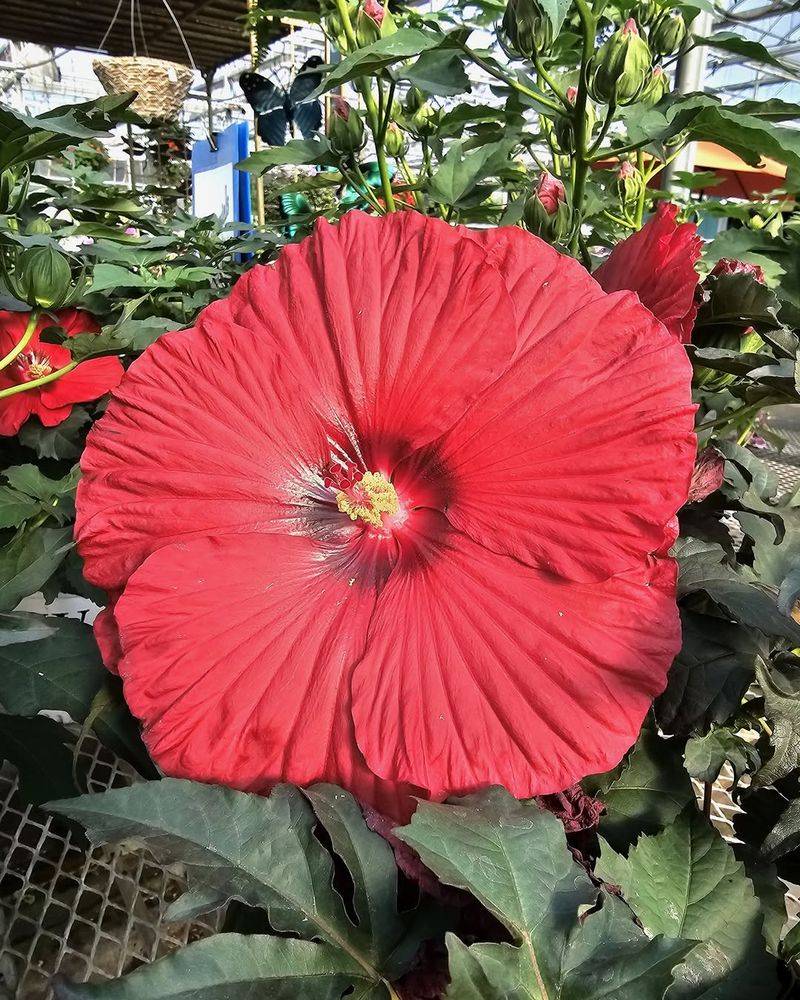
Dinner-plate sized blooms in spectacular colors make hibiscus the showoff of Florida gardens, offering drama that hydrangeas simply cannot deliver in our climate. These tropical beauties produce flowers continuously from spring through fall, with each massive bloom lasting just a day but replaced immediately by fresh buds opening in succession.
Both tropical and native hibiscus varieties perform well in Florida, with tropical types needing freeze protection and native hibiscus offering cold-hardy options statewide.
The enormous flowers come in virtually every color except true blue, from soft pastels to vibrant reds, oranges, and multi-colored combinations that stop traffic. Hummingbirds and butterflies visit constantly, creating a living garden show that entertains from dawn to dusk.
The lush foliage stays attractive even between the most spectacular bloom cycles.
Choose a sunny location with good drainage and rich organic soil for best results, though hibiscus adapts to various conditions across Florida. Regular feeding with balanced fertilizer keeps flowers coming in abundance, while consistent watering prevents bud drop during dry spells.
Prune tropical varieties in early spring before new growth starts, and trim native hibiscus lightly as needed to maintain shape while preserving flower production throughout the growing season.
7. Plumbago Creates Cascades Of Blue Blooms
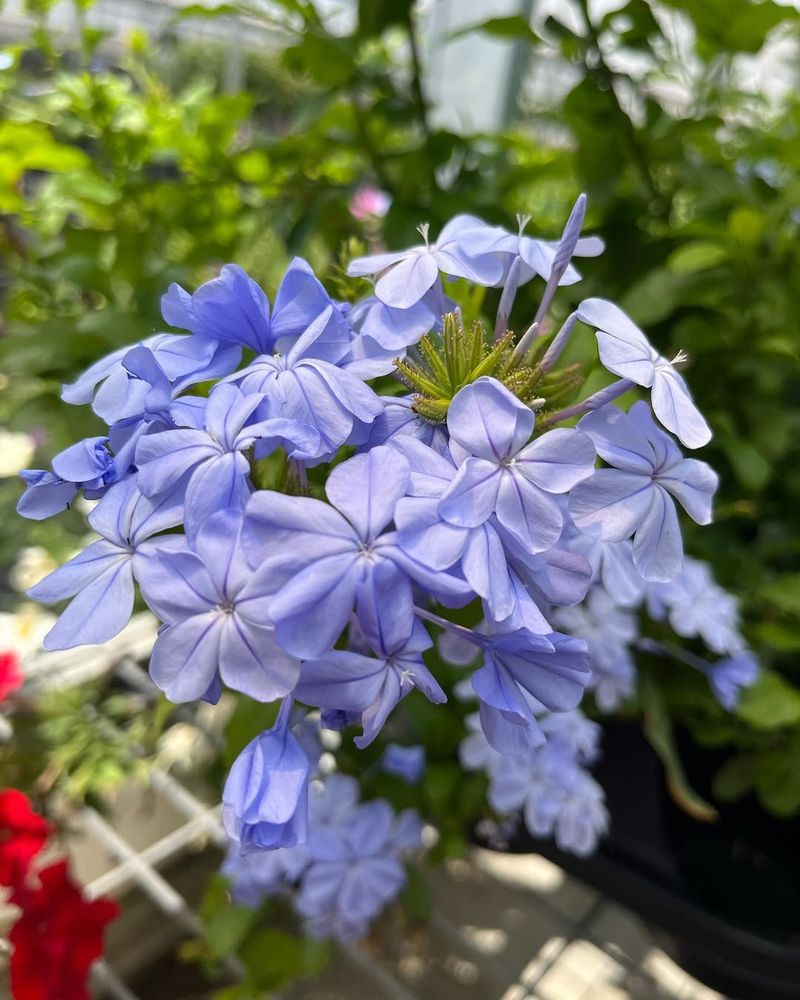
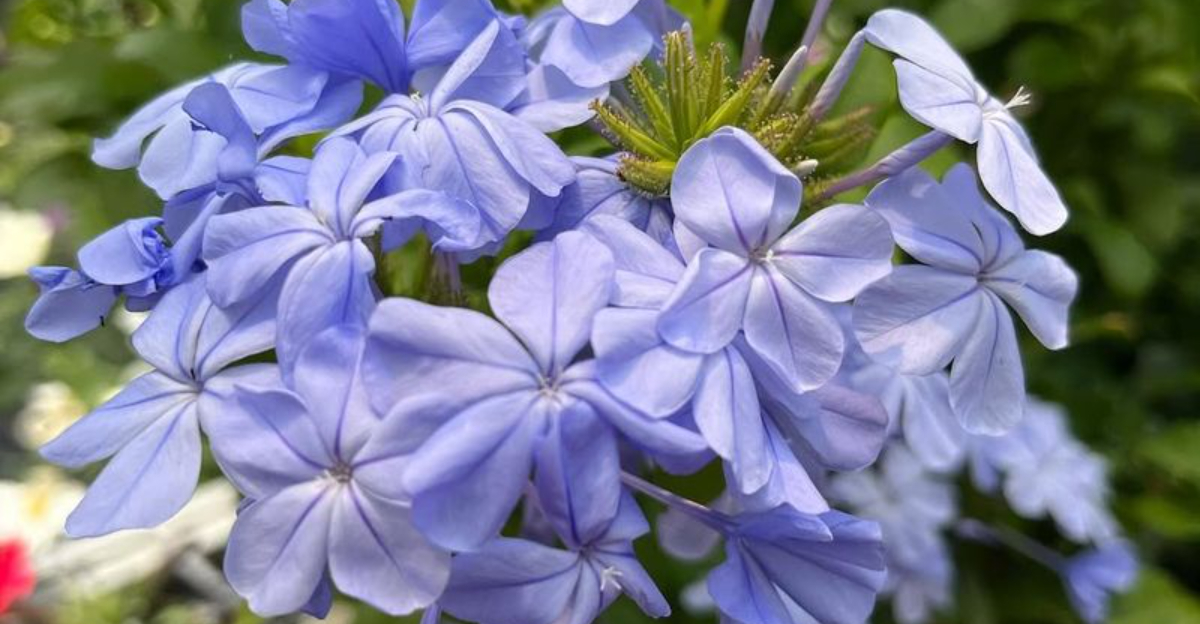
Soft sky-blue flowers appear in clusters on arching branches, creating a cooling effect in the landscape that feels refreshing during Florida’s intense summer heat. Plumbago blooms heavily from spring through fall, with some flowering even during mild winter months in South Florida where this reliable performer has earned its reputation as a landscape staple.
Central and North Florida gardeners enjoy vigorous growth and abundant blooms during warm months, with plants returning from roots after light freezes.
The pale blue color stands out as relatively rare in flowering shrubs, offering a soothing alternative to the hot pinks and reds that dominate tropical landscapes. Each flower cluster contains multiple tubular blooms that butterflies adore, creating constant activity around your plantings.
The sprawling growth habit works beautifully as a groundcover, cascading over walls, or trained as an informal hedge.
Plant plumbago in full sun to light shade, knowing that more sunlight produces heavier flowering but plants tolerate various exposures. Regular watering during establishment helps build strong roots, though mature plants handle dry periods surprisingly well while continuing to bloom.
Prune hard in late winter to control size and encourage bushy new growth, or trim lightly throughout the season to shape and remove spent flower clusters.
8. Wild Coffee Thrives In Florida Shade Gardens
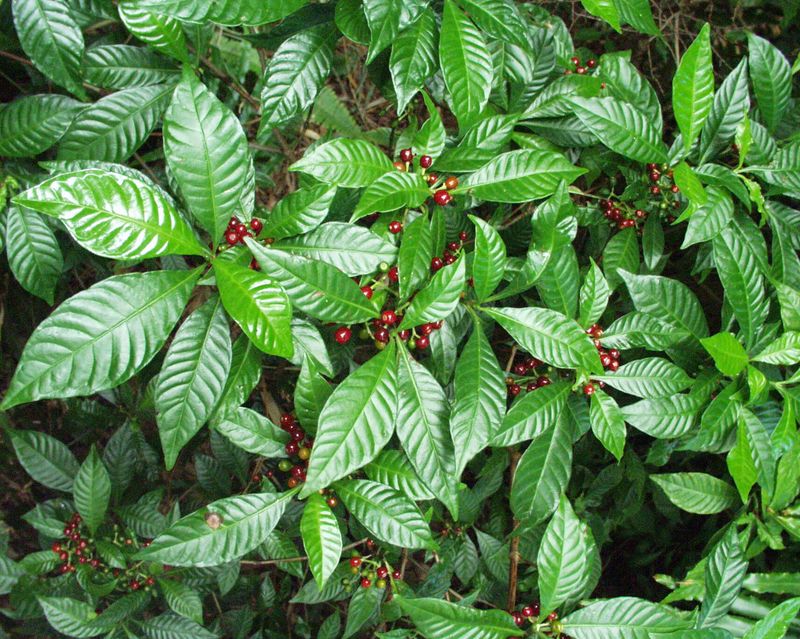
Small white fragrant flowers emerge on this tough Florida native that solves the challenge of finding attractive bloomers for shady areas where hydrangeas would languish. Wild coffee produces clusters of sweetly scented blooms primarily in spring and summer, followed by bright red berries that birds find irresistible and that add lasting color to your shade garden.
This versatile native performs throughout Florida, from coastal gardens to inland landscapes, tolerating a wide range of soil and moisture conditions.
The compact white flowers may be modest in size, but their pleasant fragrance and abundance create significant impact in shaded areas that desperately need seasonal interest. The glossy evergreen foliage provides year-round structure and backdrop for the blooms and berries.
Despite its common name, wild coffee produces no caffeine, so those berries are for the birds only.
Choose a location with partial to full shade, as this shrub actually prefers protection from intense afternoon sun that other flowering plants demand. Regular watering during establishment helps build the strong root system that later tolerates dry spells and brief flooding while preferring moist, well-drained soil.
Prune lightly after flowering to maintain shape and size, knowing that wild coffee naturally grows into an attractive rounded form that needs minimal intervention to look great in your landscape.
9. Bahama Cassia Lights Up Landscapes With Gold Flowers
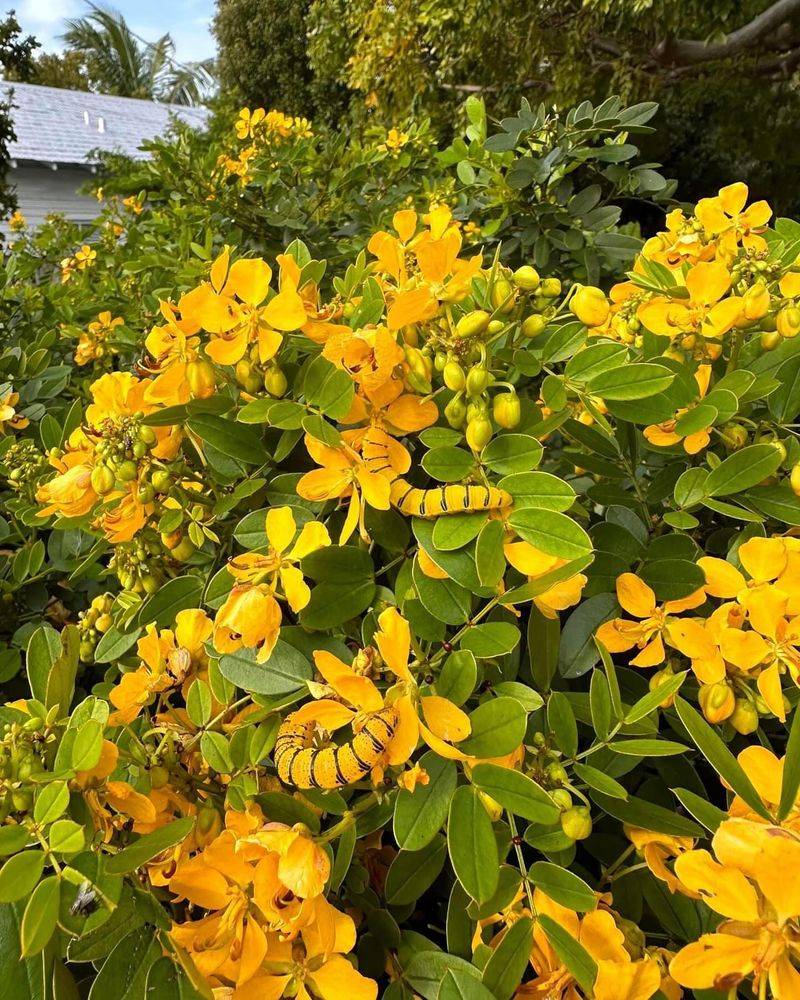
Brilliant golden-yellow blooms appear in large clusters that practically glow in the landscape, providing cheerful color during fall and winter when many other shrubs take a break.
Bahama cassia blooms most heavily during cooler months, offering spectacular displays from October through March primarily in South Florida and frost-protected Central Florida landscapes where this tropical beauty has become a landscape favorite.
The timing fills a crucial gap when gardeners need color most, making it far more valuable than hydrangeas that offer nothing during Florida’s mild winters.
Each flower cluster contains dozens of bright yellow blooms with prominent stamens that create a fluffy, full appearance. The blue-green compound foliage provides attractive texture and color contrast even when not in flower.
The overall effect brings sunshine and warmth to the landscape during months when many gardens look tired.
Plant Bahama cassia in full sun for maximum flowering, though it tolerates light shade with slightly reduced bloom production. Well-drained soil is essential, as this shrub adapted to dry tropical conditions dislikes wet feet despite loving humidity.
Prune after the main flowering period ends in spring to shape and control size, knowing that flower buds form on new growth that develops during summer and fall months before blooming begins again.