Beautiful Native Oregon Vines Most Gardeners Do Not Know About
Most people think first about shrubs, trees, or perennials when they want to add more beauty to an Oregon garden. Vines usually come later, and that is exactly why some of the best native ones get overlooked.
Tucked into fences, trained over arbors, or left to wander naturally, they can bring movement, texture, and seasonal color in a way that feels effortless and a little unexpected.
The fun part is that native vines do more than fill space. They help a garden feel more connected to the landscape around it, and many of them support local wildlife at the same time.
That gives them a kind of quiet charm that flashy imports often miss. Some Oregon gardeners have never heard of these plants, while others have seen them in the wild without realizing how lovely they can look at home.
Once you get familiar with them, it becomes much easier to imagine new layers, softer edges, and a garden that feels beautifully rooted in place.
1. Orange Honeysuckle
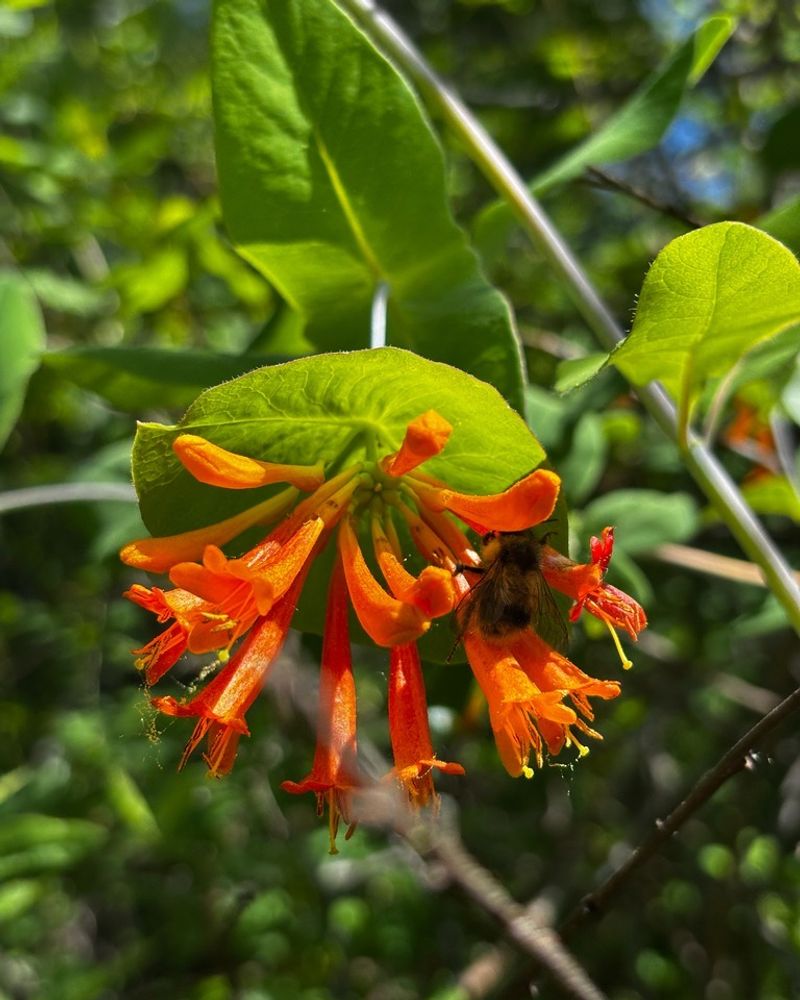
Hummingbirds absolutely love this vine, and once you plant it, you will understand why. Orange Honeysuckle, known scientifically as Lonicera ciliosa, produces bold, trumpet-shaped blooms in a rich orange color that practically glow in the sunlight.
It is native to the Pacific Northwest, including Oregon, and has been drawing in pollinators for centuries.
Growing this vine is surprisingly easy. It climbs trellises, fences, and even shrubs with little help from you.
It prefers partial to full sun and does well in a range of soil types you would typically find across Oregon landscapes.
Beyond its looks, Orange Honeysuckle also serves as a host plant for butterfly caterpillars. That means planting it does double duty, adding color while supporting the local food web.
It can reach up to 20 feet when given the right support structure.
Watering needs are moderate, and once established, this vine handles dry Oregon summers fairly well. Prune lightly after blooming to keep it tidy.
If you want a showstopper vine that also helps native wildlife in Oregon, this one belongs at the top of your list.
2. Pink Honeysuckle
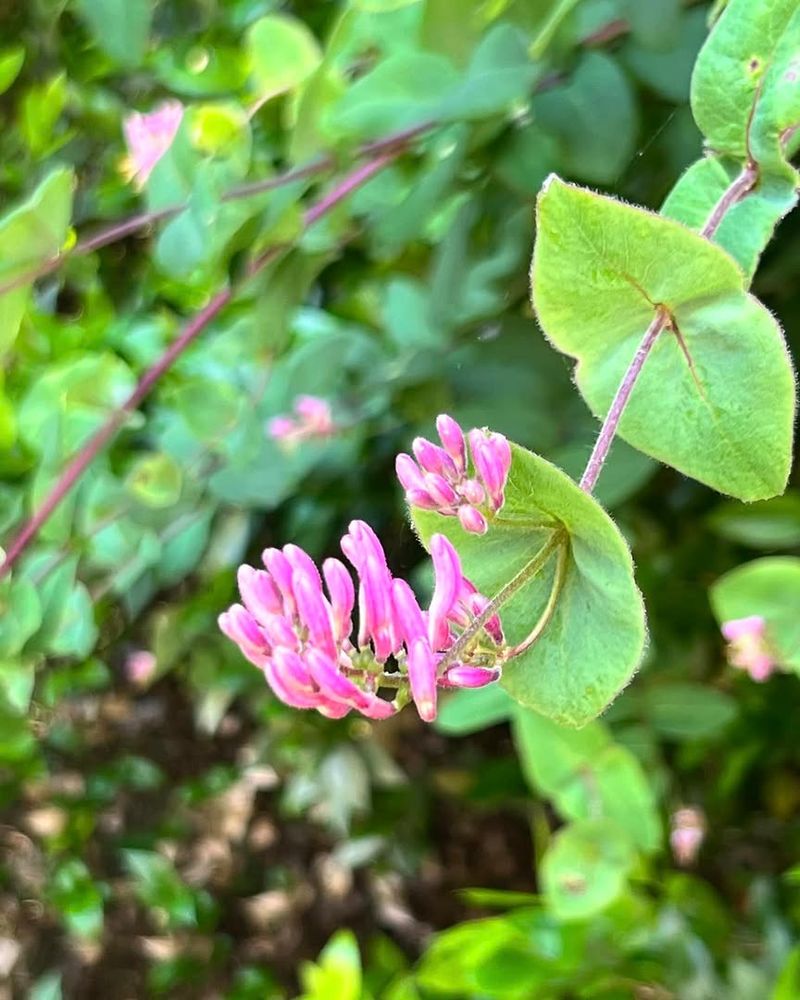
Soft, rosy blooms and a love for shaded spots make Pink Honeysuckle one of the most charming vines you can grow in Oregon. Officially called Lonicera hispidula, or Hairy Pink Honeysuckle, this native plant thrives in moist, wooded areas where many other flowering vines would struggle to survive.
The tubular pink flowers are a favorite of hummingbirds and butterflies, making your garden feel like a miniature wildlife sanctuary. Blooms typically appear in late spring through early summer, giving your Oregon garden a burst of soft color right when you need it most.
One thing that makes this vine stand out is its adaptability. It grows well under tree canopies where sunlight is limited, making it a smart choice for shady corners of your yard.
It can climb or sprawl depending on what you need from it.
Pink Honeysuckle also produces small red berries after flowering, which birds enjoy throughout the season. The plant stays relatively compact compared to other honeysuckle species, so it will not overwhelm smaller spaces.
Your Oregon Garden Changes Every Week. Your Plan Should Too.
Gardening in Oregon changes quickly throughout the season. Every Friday you’ll receive a simple weekly plan showing exactly what to plant, prune, fertilize, harvest, and protect so you never miss the right timing.
For Oregon gardeners looking to add wildlife-friendly color to a shaded garden bed, this vine is a hidden treasure worth exploring.
3. Western Clematis
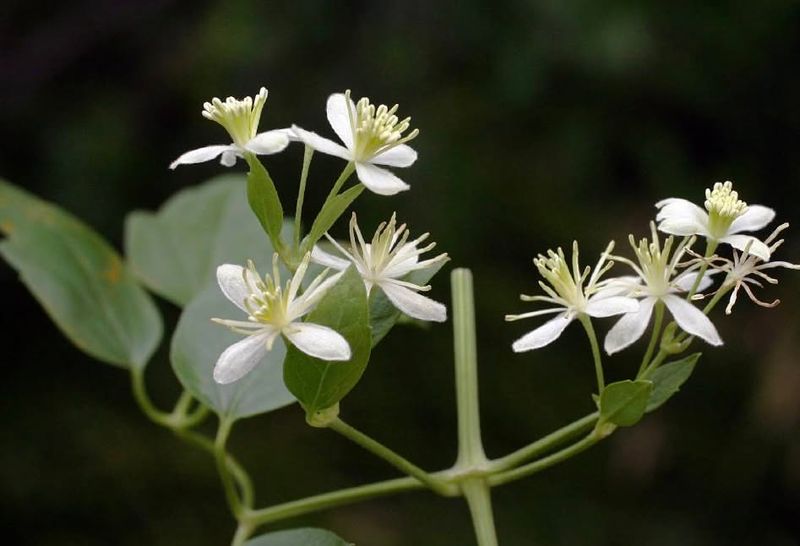
Few native vines can match the dramatic, cloud-like appearance of Western Clematis in full bloom. Clematis ligusticifolia bursts into clusters of tiny white flowers in late summer, creating a soft, feathery effect that covers fences and trellises like a living curtain.
It is one of Oregon’s most visually impressive native climbers.
After the flowers fade, the real magic begins. Fluffy, silvery seed heads take over, catching the light and adding texture to the garden well into fall.
Many Oregon gardeners grow this vine specifically for those stunning seed heads, which look beautiful in dried floral arrangements too.
Western Clematis grows vigorously and can reach impressive lengths, sometimes stretching 20 feet or more. It does best in full sun to partial shade and prefers well-drained soil.
Once established in Oregon’s climate, it needs very little extra watering.
This vine is also a valuable pollinator plant, attracting bees and butterflies during its long bloom period. Pruning in late winter or early spring keeps growth manageable and encourages strong flowering the following season.
If you have an unsightly fence or bare structure in your Oregon yard, Western Clematis will transform it beautifully.
4. Rock Clematis
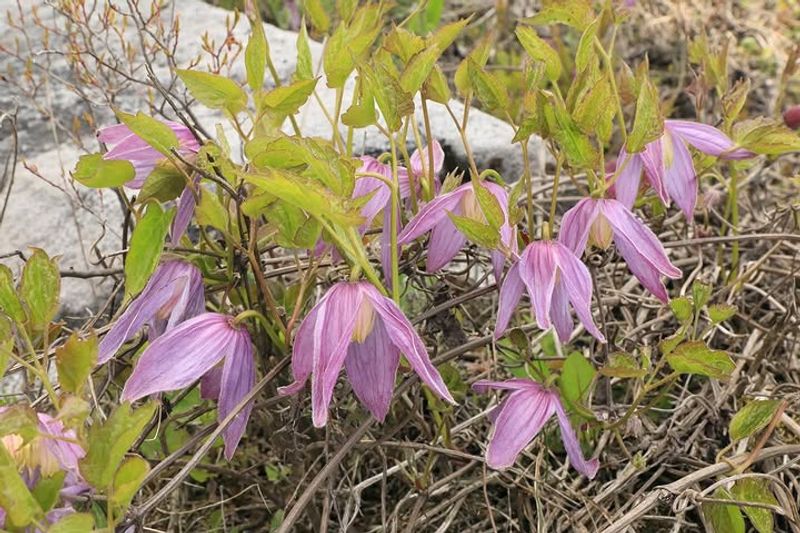
Growing wild over rocky slopes and forest edges across Oregon, Rock Clematis is a native vine that most gardeners have never even heard of. Clematis columbiana produces delicate, nodding purple to lavender bell-shaped flowers that look almost too pretty to be growing in the wild.
Spotting one in nature feels like finding a secret.
Unlike its larger cousins, Rock Clematis stays relatively small and manageable, making it perfect for compact Oregon garden spaces. It typically reaches about 6 to 10 feet in length, which means it works beautifully on a small trellis, a garden arch, or scrambling over a low stone wall.
This vine loves cool, partially shaded spots, especially in areas that mimic its natural mountain habitat. Well-drained, rocky, or gravelly soil suits it perfectly.
If your Oregon garden has a slope or a rocky area, Rock Clematis will feel right at home there.
Blooming in spring, it offers one of the earliest shows of color among native Oregon vines. Pollinators, including native bees, visit the flowers regularly.
The feathery seed heads that follow are a nice bonus. For a low-maintenance, genuinely unique native vine, Rock Clematis deserves far more attention from Oregon gardeners.
5. Thimbleberry
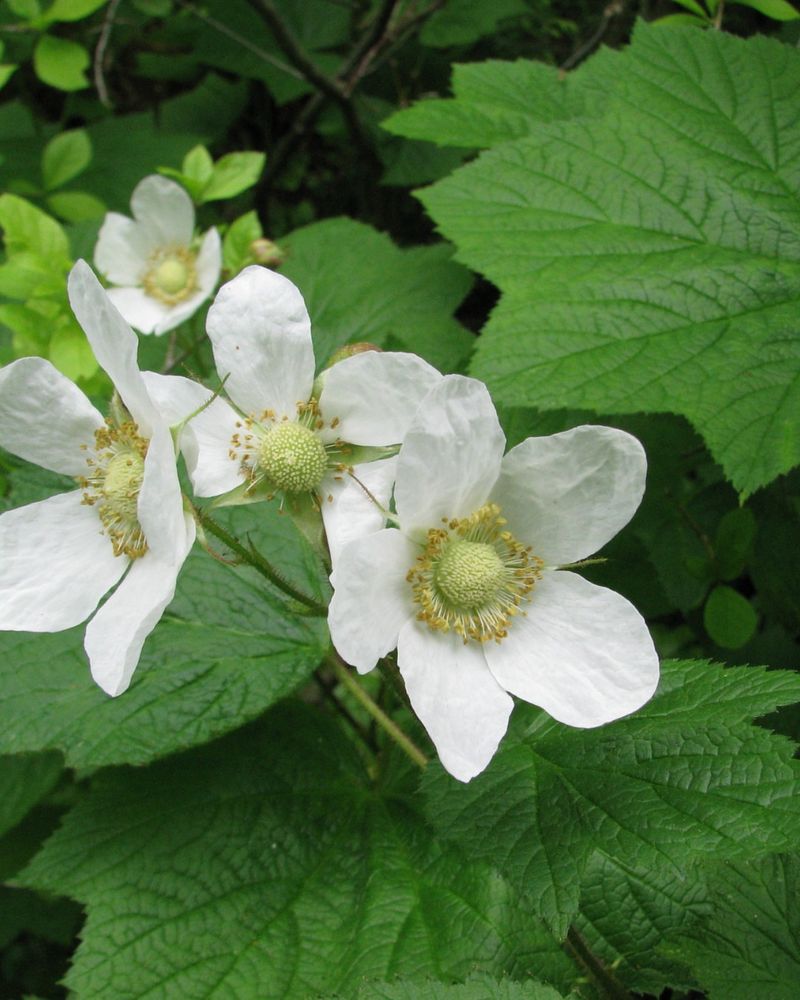
Walk through almost any Oregon forest and you will likely brush past Thimbleberry without realizing what it is. Rubus parviflorus is a sprawling native vine with enormous, soft, maple-shaped leaves and large white flowers that look surprisingly elegant for a wild plant.
It brings a lush, tropical feel to shaded garden spots.
The flowers give way to soft red berries that resemble raspberries but are much more fragile and intensely flavored. Wildlife in Oregon absolutely flock to these berries, including birds, bears, and deer.
For gardeners who want to attract more wildlife, Thimbleberry is a top-tier choice.
Growing Thimbleberry is straightforward. It thrives in partial shade and moist soil, conditions that are easy to find across much of western Oregon.
It spreads by underground runners, so giving it some room to move is a good idea if you want a natural, carefree look.
The large leaves also make it a great privacy screen during the growing season. Because it loses its leaves in winter, it lets more light through during colder months, which is actually helpful for other plants nearby.
Thimbleberry is one of those native Oregon plants that rewards you in more ways than you expect.
6. California Wild Grape
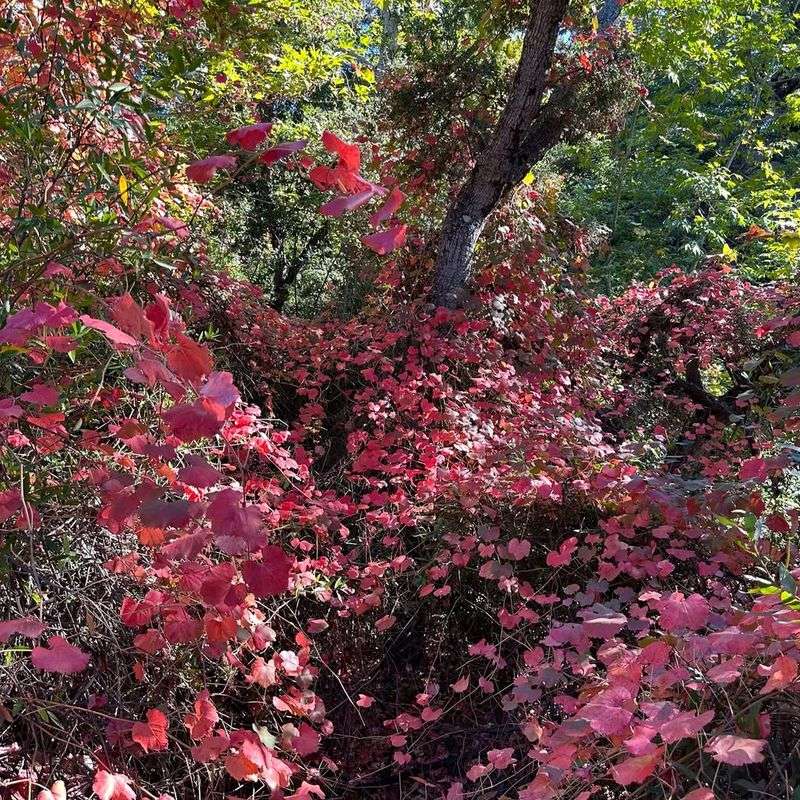
There is something deeply satisfying about watching a wild grape vine take over a fence or an old tree stump. California Wild Grape, or Vitis californica, is a vigorous native vine found in parts of Oregon, particularly in warmer, sunnier areas near the California border.
Its bold, lobed leaves turn brilliant shades of red and orange in fall, making it a standout in any garden.
Small clusters of dark purple grapes ripen in late summer and are eagerly eaten by birds, foxes, and other Oregon wildlife. While the grapes are edible for humans too, they tend to be tart and seedy.
Most gardeners grow this vine for its wildlife value and stunning fall color rather than for the fruit itself.
California Wild Grape climbs using tendrils that wrap around almost anything, including fences, arbors, and tree branches. It grows quickly and can cover large structures in just a few seasons.
Full sun encourages the best fruit production and the richest fall color.
Pruning in late winter keeps the vine from getting unruly. This native vine is also drought-tolerant once established, which is a real bonus during Oregon’s dry summer months.
For a fast-growing, wildlife-friendly vine with incredible seasonal color, California Wild Grape is hard to beat.
7. Western Trumpet Honeysuckle
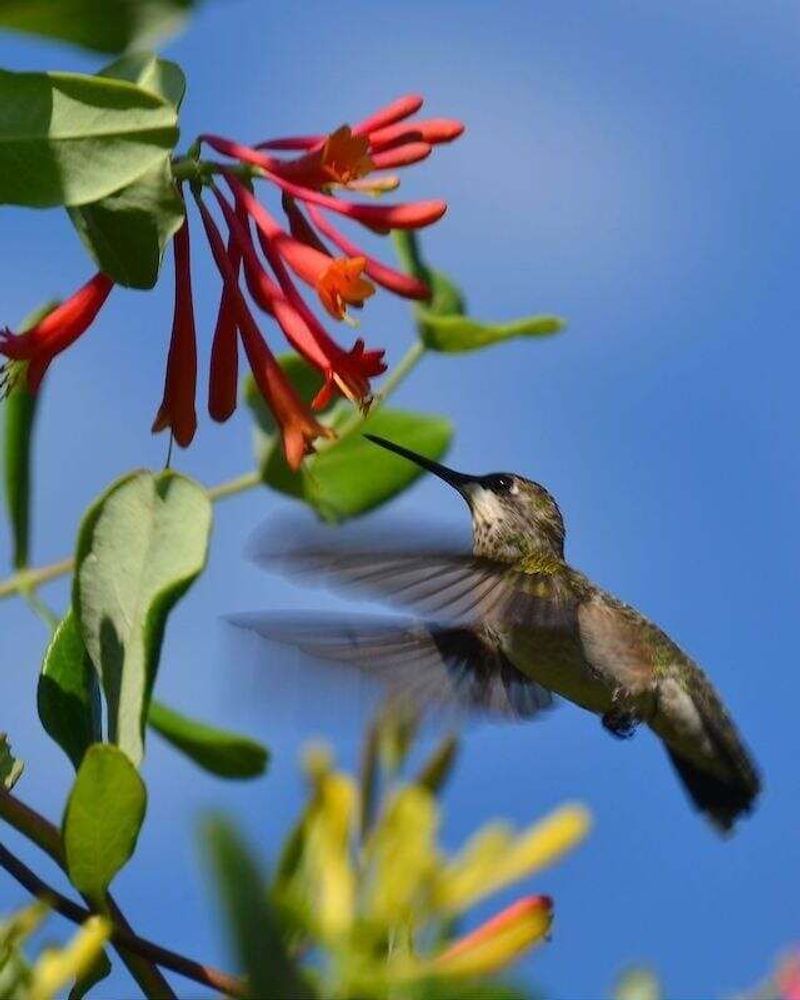
Bright red and yellow tubular flowers practically shout for attention on this spectacular native vine. Western Trumpet Honeysuckle, or Lonicera sempervirens, is one of the most hummingbird-friendly plants you can grow in an Oregon garden.
The long, narrow blooms are perfectly shaped for hummingbird beaks, and these tiny birds will visit again and again throughout the season.
Unlike some aggressive honeysuckle species, Western Trumpet Honeysuckle behaves well in a garden setting. It climbs steadily without becoming invasive, making it a trustworthy choice for trellises, pergolas, and arbors across Oregon.
It can reach 10 to 20 feet with proper support.
Blooming from late spring through summer, and sometimes into early fall, this vine offers one of the longest flowering seasons of any native Oregon climber. The red berries that follow the flowers also attract songbirds, extending the wildlife benefits well beyond the blooming period.
Full sun brings out the most flowers, though it tolerates partial shade reasonably well. Soil does not need to be particularly rich, and established plants handle dry Oregon summers with minimal supplemental watering.
If attracting hummingbirds to your Oregon garden is a goal, Western Trumpet Honeysuckle is one of the most reliable and rewarding native vines you can plant.