Beautiful Native Pennsylvania Vines To Grow On Fences Instead Of English Ivy
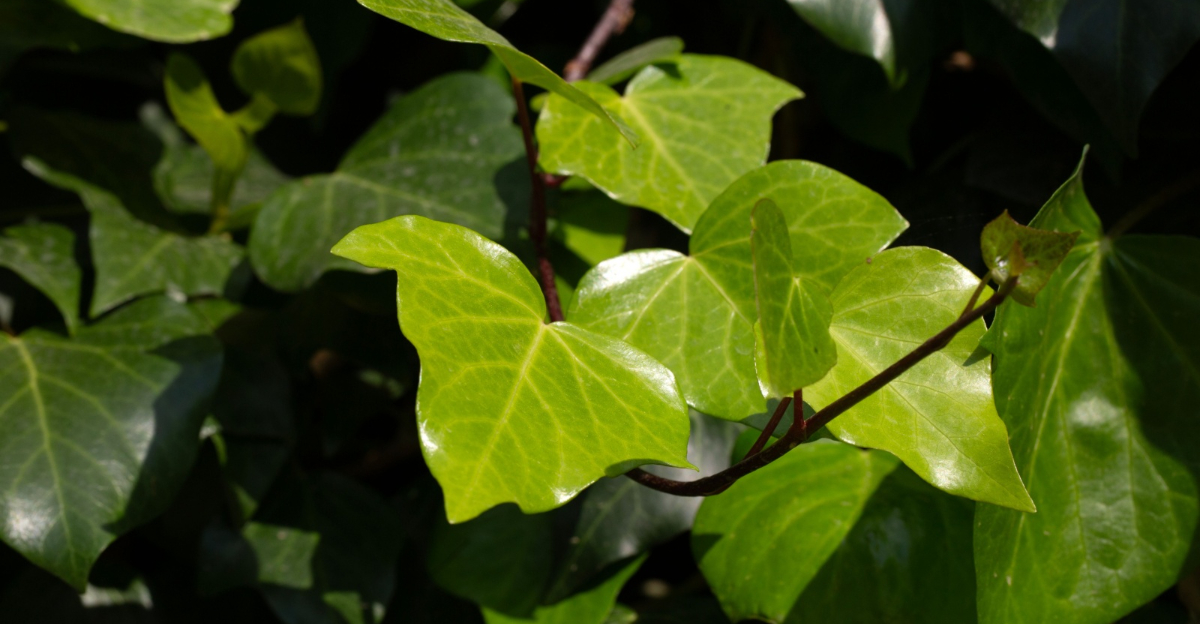
It starts as a “classic” look on a fence, but Pennsylvania gardeners know the truth: English ivy is a nightmare in disguise.
This aggressive, non-native vine doesn’t just sit pretty; it chokes out local plants, invades tree canopies, and creates a “green desert” where native wildlife can’t survive.
Once it takes over, your weekend becomes a never-ending battle to keep it in check. The good news?
You can get that lush, leafy look without the headache. Pennsylvania is home to stunning native vines that offer better coverage, feed our local birds and pollinators, and actually play nice with the ecosystem.
Here’s how to ditch the invasive ivy for beautiful, native alternatives.
1. Virginia Creeper Covers Fences With Bold Color
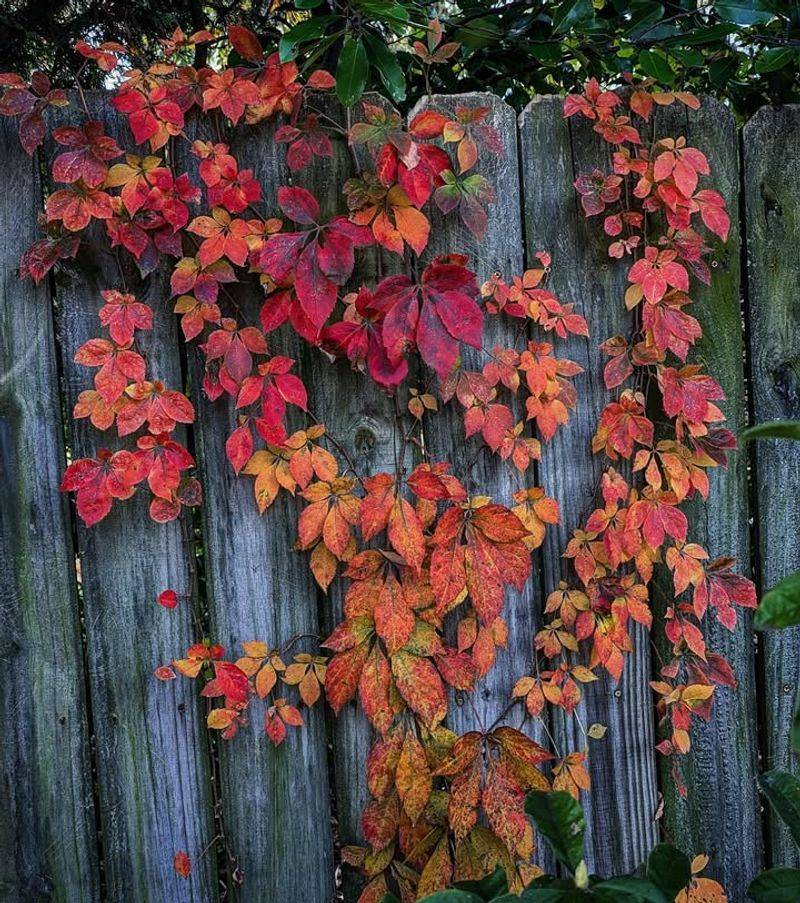
Few vines put on a fall show quite like this one. Virginia Creeper transforms a plain fence into a wall of fiery red and orange each autumn, making it one of the most visually rewarding native vines you can grow in Pennsylvania.
The seasonal color shift alone is enough to turn heads in any neighborhood.
Growing vigorously in both sun and partial shade, Virginia Creeper attaches itself to fences using small adhesive discs at the tips of its tendrils. It does not need wire support or tying, which makes installation straightforward.
The vine can reach 30 to 50 feet over time, so it works well on longer fence runs where coverage is the goal.
Beyond looks, the dark berries it produces in late summer feed dozens of bird species through fall and winter. Pollinators visit the small flowers, and the dense foliage provides nesting cover.
Pennsylvania gardeners dealing with sunny or lightly shaded fence lines will find this vine reliable, low-maintenance, and ecologically generous. Trim it back in late winter if it starts reaching beyond your intended area.
2. Coral Honeysuckle Adds Color And Wildlife Value
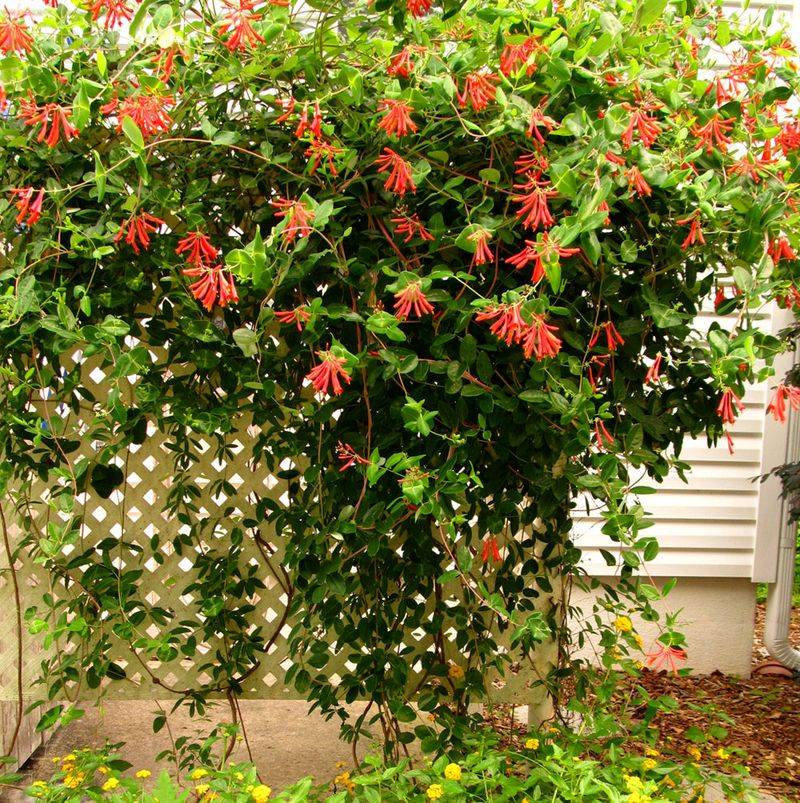
Hummingbirds have a way of finding coral honeysuckle before most gardeners even realize it has started blooming.
The tubular red and orange flowers are practically designed for hummingbird beaks, and once the blooms open in late spring, the activity around a fence covered in this vine becomes genuinely exciting to watch.
Unlike the invasive Japanese honeysuckle that has spread across much of Pennsylvania, this native species stays manageable and does not escape into surrounding woodland.
It climbs by twining, so a simple fence with horizontal rails or wire gives it plenty to work with.
In Pennsylvania, it performs well in full sun to partial shade and blooms most heavily when it receives at least six hours of light daily.
The vine is semi-evergreen in milder parts of Pennsylvania and may hold some leaves through winter in sheltered spots. Growth is moderate rather than explosive, which means less pruning and more enjoyment.
After the hummingbirds finish with the flowers, small red berries appear that songbirds find attractive.
For a fence planting that delivers both seasonal color and reliable wildlife activity, coral honeysuckle earns its place in any Pennsylvania garden.
3. American Wisteria Brings Classic Blooms Without Spreading
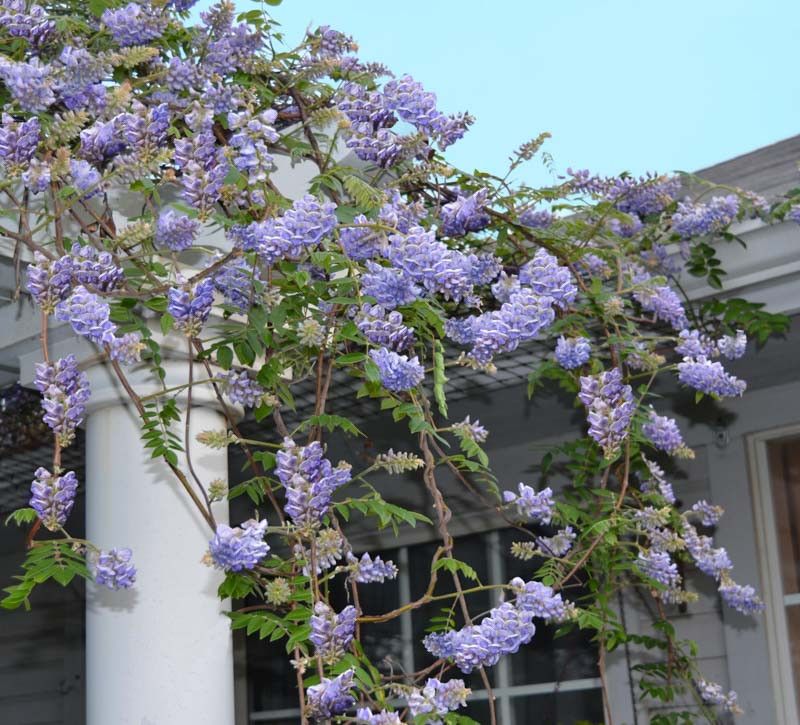
Anyone who has ever tried to remove Asian wisteria from a fence understands why the native version is such a welcome alternative.
Your Pennsylvania Garden Changes Every Week. Your Plan Should Too.
Gardening in Pennsylvania changes quickly throughout the season. Every Friday you’ll receive a simple weekly plan showing exactly what to plant, prune, fertilize, harvest, and protect so you never miss the right timing.
American Wisteria produces the same romantic, cascading lavender flower clusters, but it behaves far more reasonably in a Pennsylvania garden setting without the aggressive suckering and uncontrollable spread.
Blooming in late spring to early summer, the fragrant flowers attract bumblebees and other native pollinators in impressive numbers. The vine climbs by twining and needs a sturdy fence or trellis since mature plants can become heavy over time.
A wood or metal fence with good structural support handles it well. In Pennsylvania, full sun encourages the best flowering, though partial shade still yields decent results.
After the blooms fade, attractive seed pods develop and add textural interest through summer and into fall. Pruning twice a year, once after flowering and again in late summer, keeps the plant tidy and encourages more blooms the following season.
American Wisteria may take two to three years to establish before flowering heavily, so patience pays off.
Once it settles in, it becomes one of the most visually striking native vines a Pennsylvania fence can support.
4. Trumpet Vine Makes A Bold Statement On Fences
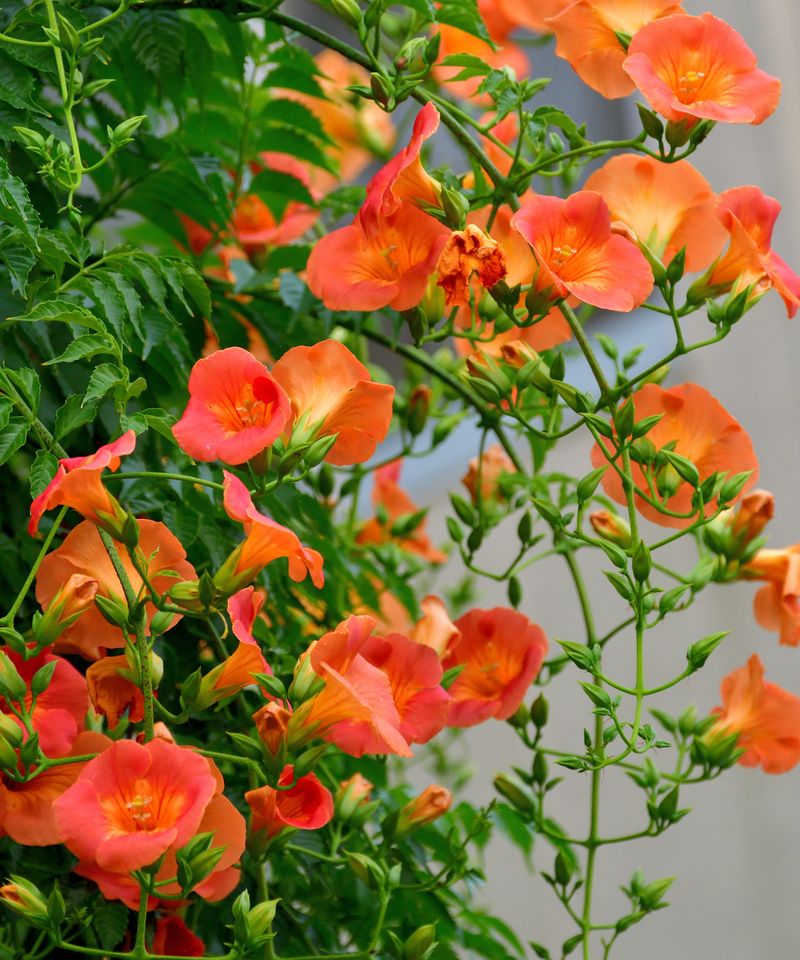
Bold, fast, and undeniably eye-catching, trumpet vine is the vine that makes neighbors stop and ask questions.
The large orange-red flowers that open in mid to late summer are some of the showiest blooms produced by any native plant in Pennsylvania, and hummingbirds begin visiting almost immediately after the first clusters appear.
This vine grows quickly and can reach 30 to 40 feet, making it a strong choice for covering long fence sections or filling in areas where other plants struggle. It attaches using aerial rootlets that grip wood, metal, and masonry surfaces well.
In Pennsylvania, it thrives in full sun and tolerates dry, poor soils that would challenge many other plants.
One thing worth knowing upfront: trumpet vine spreads by underground runners and can send up new shoots several feet from the original plant.
Mowing around the base regularly and removing suckers as they appear keeps it from moving beyond the fence line.
Some gardeners plant it in an area with mowed lawn on both sides to naturally limit spread.
With a bit of management, the payoff in late summer color and hummingbird activity makes trumpet vine one of the most rewarding native vines available to Pennsylvania gardeners.
5. Passionflower Adds Unique Blooms To Sunny Spaces
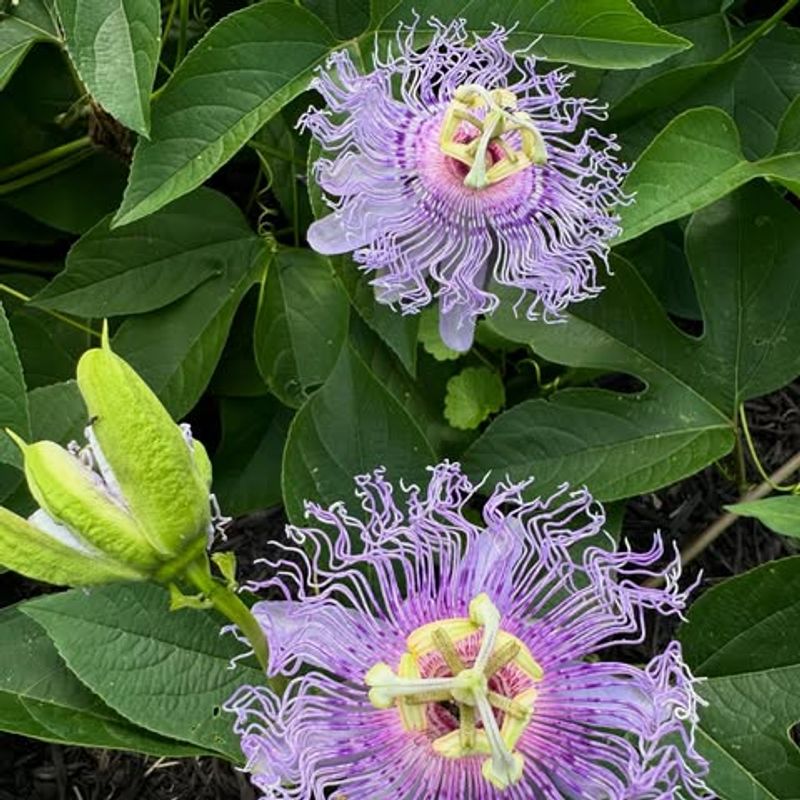
Nothing quite prepares a first-time grower for the moment passionflower blooms open.
The flowers look almost tropical, with layered purple and white petals surrounding a striking central structure that seems too exotic to belong in a Pennsylvania backyard.
Yet this plant is fully native and surprisingly tough once established.
Passionflower grows well in sunny spots with well-drained soil and spreads through a combination of vine growth and underground runners. On a fence, it climbs using curling tendrils that grip wire and wooden rails effectively.
It tends to grow most vigorously after the first year, once the root system has had time to develop. Expect moderate coverage in year one and much more substantial growth from year two onward.
The vine serves as the host plant for the zebra longwing and gulf fritillary butterflies, which makes it especially valuable in Pennsylvania gardens focused on supporting pollinators.
After the flowers fade, oval yellow-green fruits develop that are edible and attract wildlife.
The plant may appear to go dormant in spring later than expected, but it typically resurfaces reliably. Placing it along a south-facing fence in full sun gives it the warmth and light it needs to perform at its best.
6. Dutchman’s Pipe Creates Dense Shade And Coverage
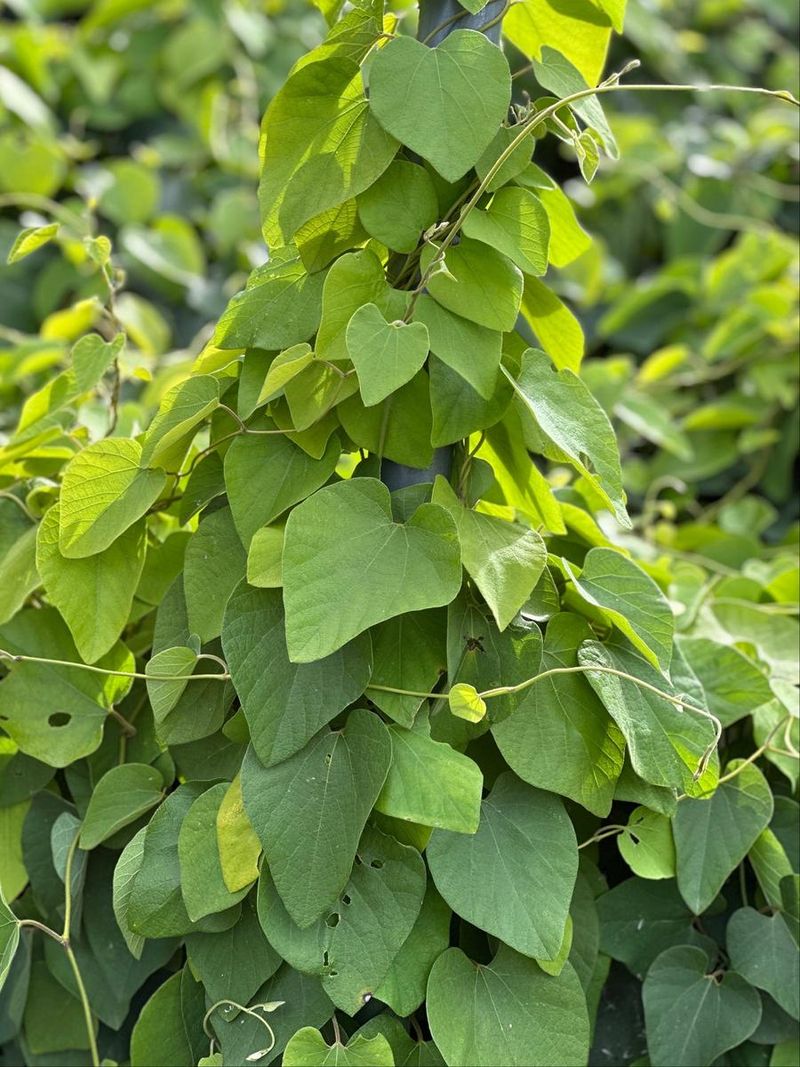
When the goal is maximum coverage and lush green shade along a fence, Dutchman’s Pipe delivers in a way few other native vines can match.
The leaves are enormous, sometimes reaching 10 to 12 inches across, and they overlap so densely that a mature vine can block wind and create a true privacy screen along a fence line.
In Pennsylvania, this vine grows enthusiastically in both full sun and partial shade, though it tends to produce its best leaf coverage in spots with morning sun and some afternoon shade.
It climbs by twining and moves quickly once established, easily covering 20 to 30 feet of fence over several growing seasons.
The unusual pipe-shaped flowers that appear in late spring are hidden beneath the foliage, adding a quiet surprise for curious observers.
Dutchman’s Pipe is the primary host plant for the pipevine swallowtail butterfly, a striking blue-black butterfly that depends on this plant to complete its life cycle.
Planting it along a fence is one of the most direct ways Pennsylvania gardeners can support this butterfly population.
The vine does best with some initial guidance toward the fence structure, but once it finds its footing, it takes care of the rest with minimal intervention needed.
7. Climbing Hydrangea Works Well In Shade
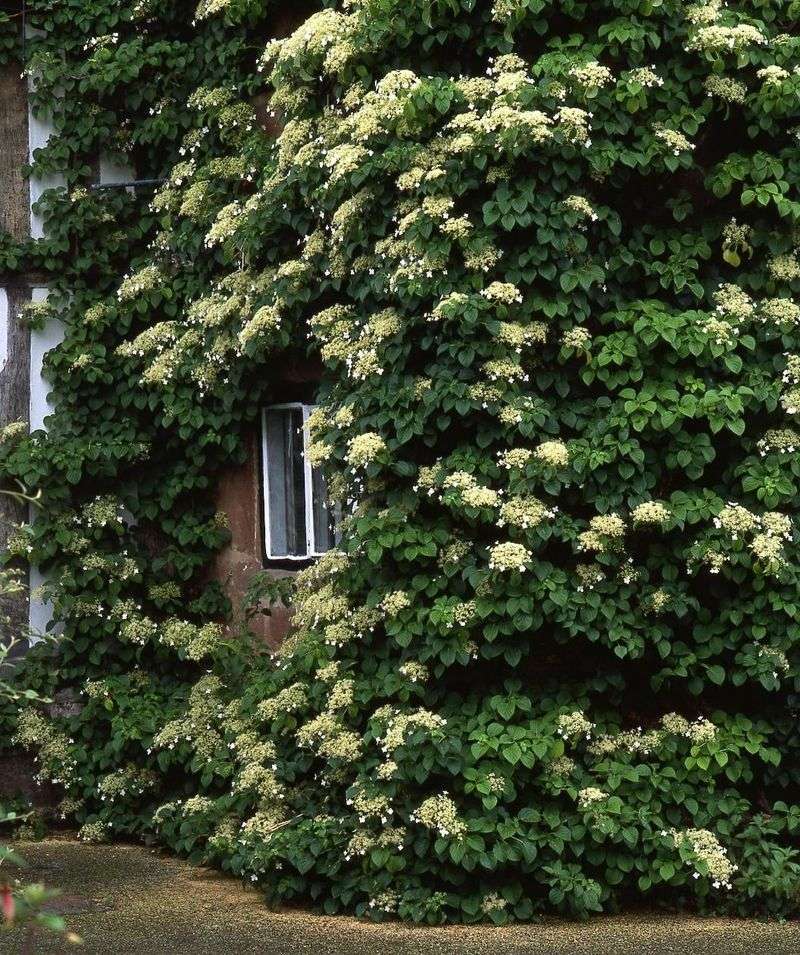
Shaded fence lines present a real challenge in Pennsylvania gardens, and most vines simply do not perform well without adequate sunlight.
Climbing Hydrangea is one of the few native options that genuinely thrives in shade, making it a practical solution for fence sections under tree canopy or along north-facing walls where other plants fade out.
The flat-topped white flower clusters, which resemble lacecap hydrangea blooms, open in early summer and last for several weeks.
Even without flowers, the vine earns its place through attractive exfoliating bark and rich green foliage that holds well through the growing season.
It attaches to surfaces using small aerial rootlets, which means it can grip wooden fences without additional hardware.
Growth in the first few years is noticeably slow as the plant focuses energy underground before pushing significant top growth.
Pennsylvania gardeners who have planted climbing hydrangea often report feeling uncertain about the plant early on, only to be rewarded with rapid expansion once the root system matures.
Planting in amended soil with good moisture retention helps speed establishment.
This vine suits cottage gardens, woodland edges, and any Pennsylvania property where a shaded fence line needs a native, low-maintenance solution with genuine seasonal interest.
8. Crossvine Brings Early Color In Mild Areas
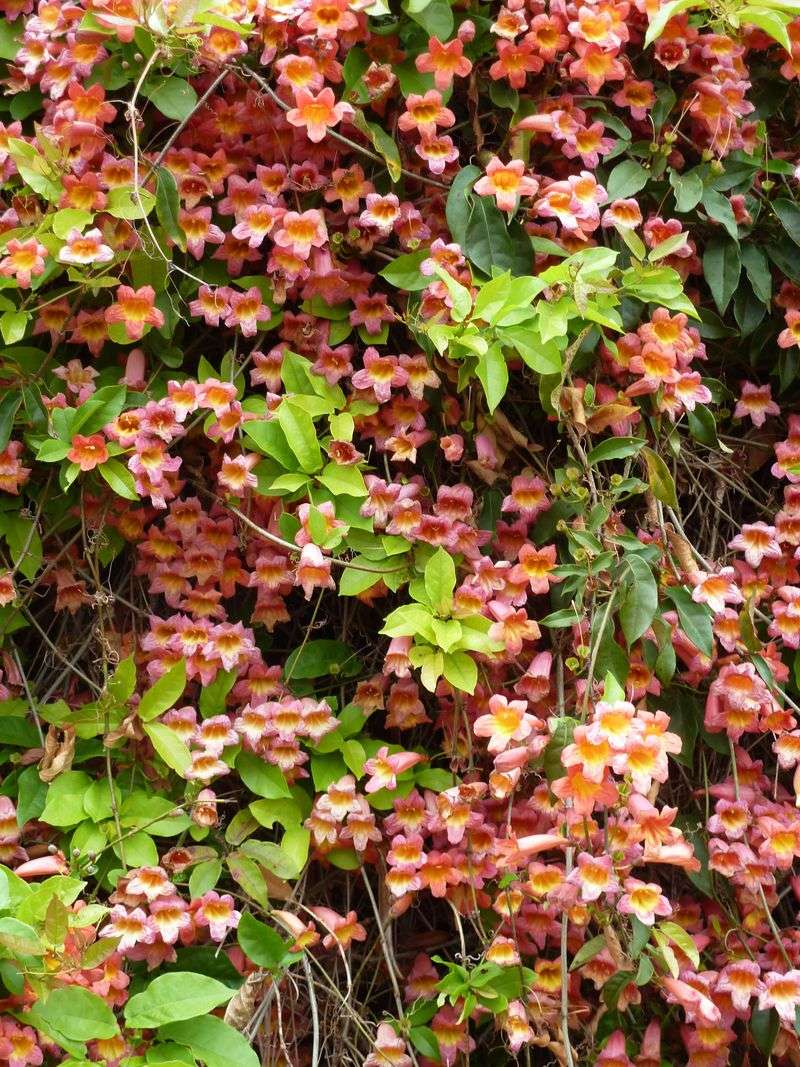
Spring arrives slowly in many parts of Pennsylvania, which makes early-blooming plants feel especially welcome.
Crossvine opens its orange and yellow trumpet-shaped flowers in April and May, often before most other vines have leafed out, giving fences a burst of color at a time when the garden can really use it.
The vine is semi-evergreen and may hold its glossy dark green leaves through mild Pennsylvania winters, particularly in the southern and central parts of the state.
It climbs using tendrils tipped with adhesive discs, similar to Virginia Creeper, and grips fences, walls, and trellises without needing wire or ties.
Given the right conditions, it can climb 30 to 50 feet, though most fence applications keep it more compact through regular trimming.
Hummingbirds returning to Pennsylvania in spring find crossvine in bloom and visit it repeatedly during migration. The vine performs best in full sun to partial shade and handles the heat of Pennsylvania summers without much stress.
In northern Pennsylvania, it may behave more deciduously and require a sheltered spot to overwinter reliably.
For gardeners in the southern half of the state, crossvine offers a dependable, early-season option that brings color and wildlife value right when the growing season begins.
9. Wild Yam Fits Natural Garden Spaces
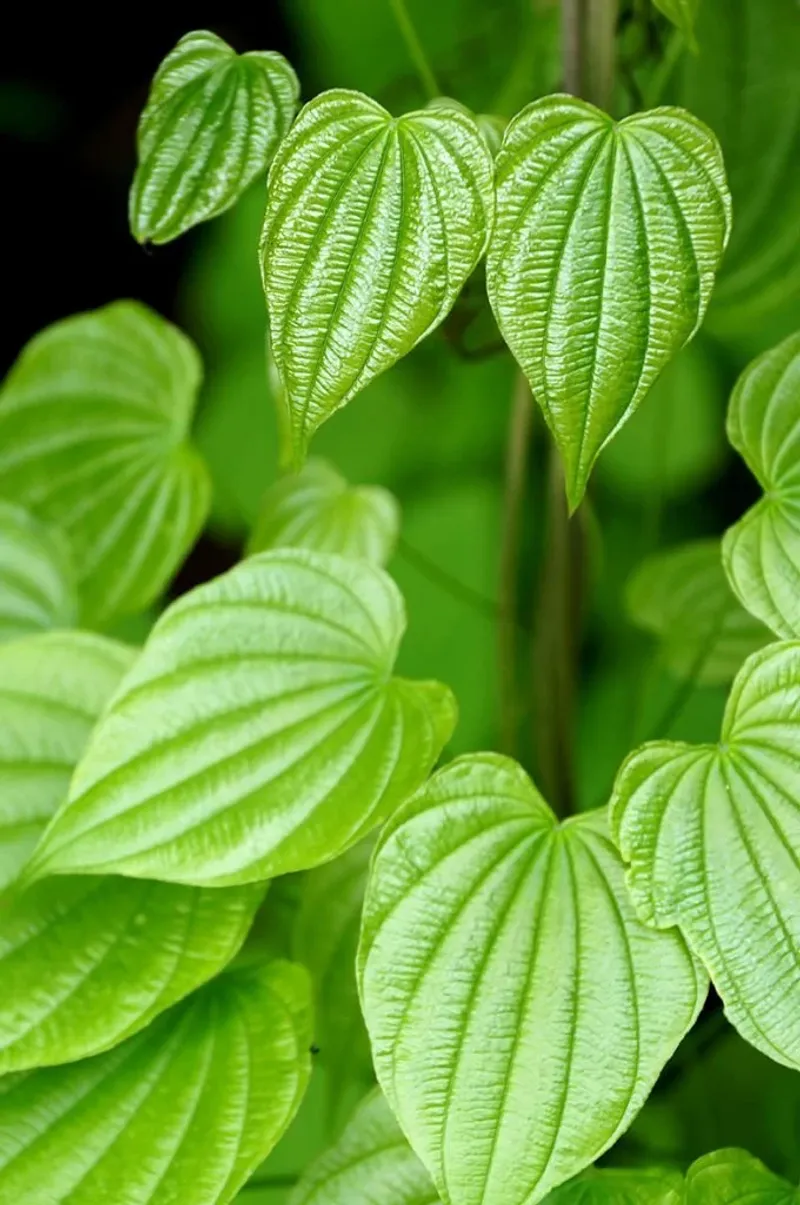
Not every fence in Pennsylvania sits in a formal garden setting. Many border woodland edges, meadow margins, or naturalized areas where a softer, more understated vine fits the space better than something bold and showy.
Wild Yam is exactly that kind of plant, blending seamlessly into natural landscapes while still providing genuine ecological value.
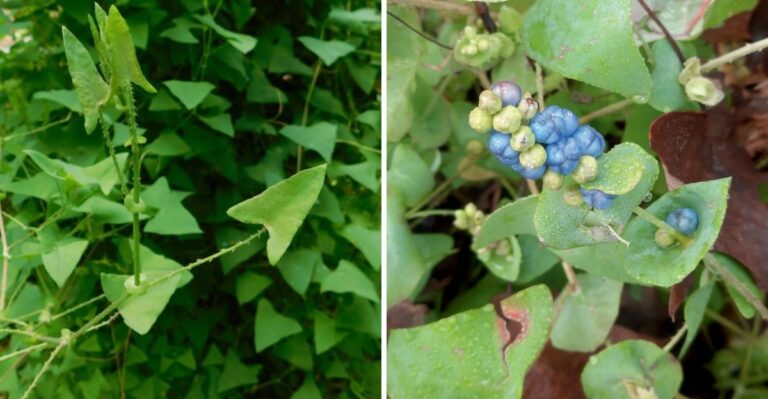
The heart-shaped leaves are attractive in a quiet way, and the small clusters of greenish-white flowers that appear in summer are subtle but do attract small native bees and other beneficial insects.
In fall, the three-winged seed capsules dangle from the vine in decorative clusters that catch light and move gently in the breeze, adding a delicate seasonal texture to fence lines.
Wild Yam climbs by twining and grows at a moderate pace, making it easier to manage than some of the more vigorous native vines on this list. It tolerates partial shade well and suits fence lines along tree lines or wooded property edges in Pennsylvania.
The plant is dioecious, meaning male and female flowers grow on separate plants, so having more than one plant nearby increases the chances of seeing the ornamental seed clusters develop.
For naturalistic Pennsylvania gardens, Wild Yam is a genuinely underused and underappreciated native vine worth exploring.