7 Beautiful Ornamental Grass Varieties To Grow In Georgia Containers
Containers in Georgia can lose their appeal faster than expected once heat and humidity settle in, especially when plants start to flop, thin out, or struggle to hold their shape.
What looks full and balanced at first can turn uneven within weeks, leaving pots that feel harder to maintain than planned.
Ornamental grasses bring a different kind of structure that holds up far better in those conditions. Height stays defined, movement adds interest, and the overall look remains steady without constant trimming or replacement.
Not every variety performs the same in containers, though. Some keep their form and stay manageable, while others outgrow the space or lose that clean shape.
Choosing the right ones makes a visible difference, especially as the season moves forward and conditions become more demanding.
1. Dwarf Fountain Grass Stays Compact And Works Well In Pots
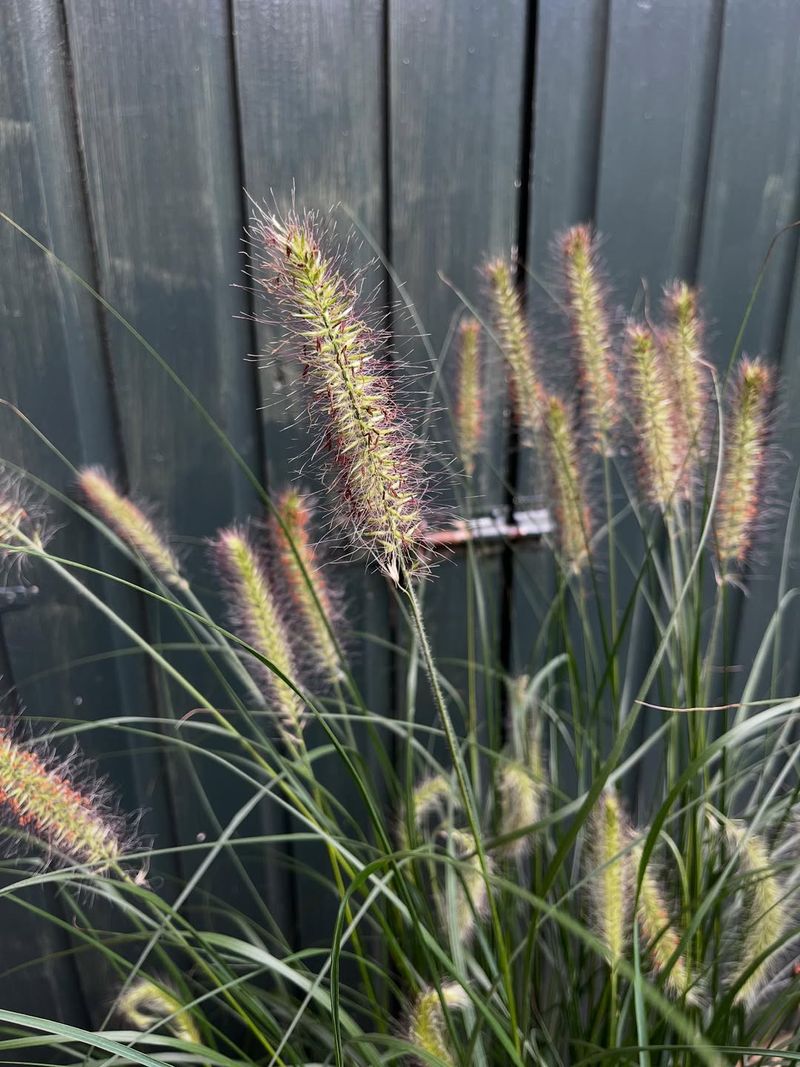
Compact grasses rarely get the credit they deserve, but Dwarf Fountain Grass earns its spot in Georgia containers without much fuss. The variety most people reach for is Hameln, which stays around two feet tall and wide.
That size fits a standard 14-inch pot without looking crammed or awkward.
Summers in Georgia get brutal, and this grass handles the heat better than most container plants. It prefers full sun, so a south-facing patio or deck is a solid spot.
Water it when the top inch of soil feels dry, and use a well-draining potting mix so the roots never sit in soggy conditions.
Bottlebrush-shaped seed heads appear in late summer and hold their shape well into fall. Those fluffy plumes catch light in a way that makes the whole pot look more interesting, especially in the afternoon.
Pairing it with a dark-colored container makes the green and tan tones pop even more.
One thing to watch in Georgia is the humidity. Good airflow around the pot helps prevent any fungal issues at the base of the plant.
Avoid overcrowding it with other plants in the same container since it needs room to spread naturally.
Cut it back to about four inches in late winter before new growth pushes through. Repot every two to three years when the roots start crowding the container.
With reasonable care, this grass stays full and attractive through most of the Georgia growing season.
It rarely suffers from serious pest problems, which makes it a reliable choice for containers through the growing season.
2. Japanese Forest Grass Adds Soft Texture In Shaded Containers
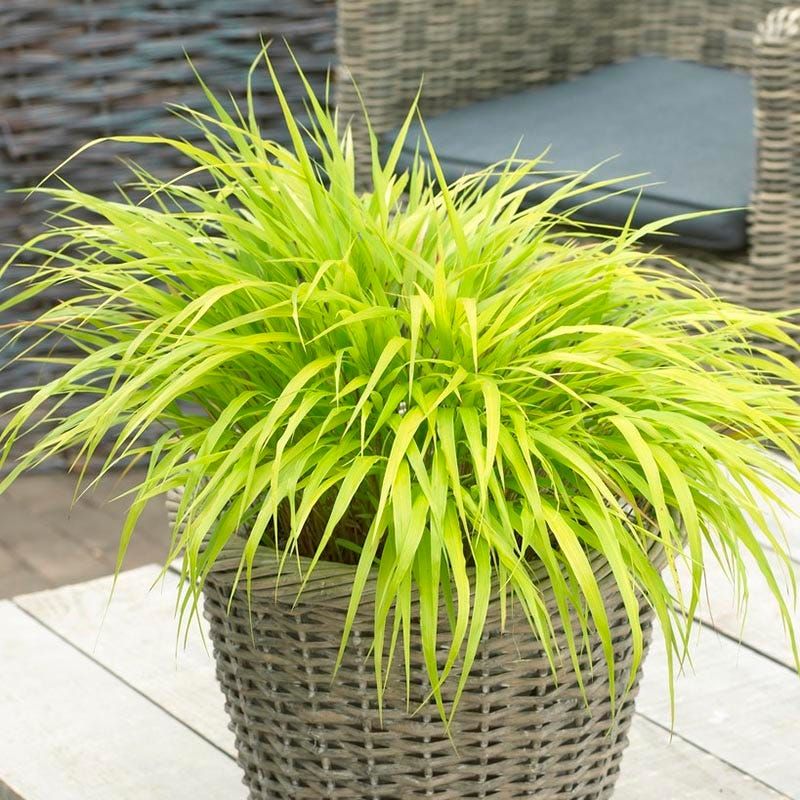
Shade containers in Georgia are notoriously hard to fill with anything that looks interesting. Japanese Forest Grass, or Hakonechloa macra, solves that problem in a way few other plants can match.
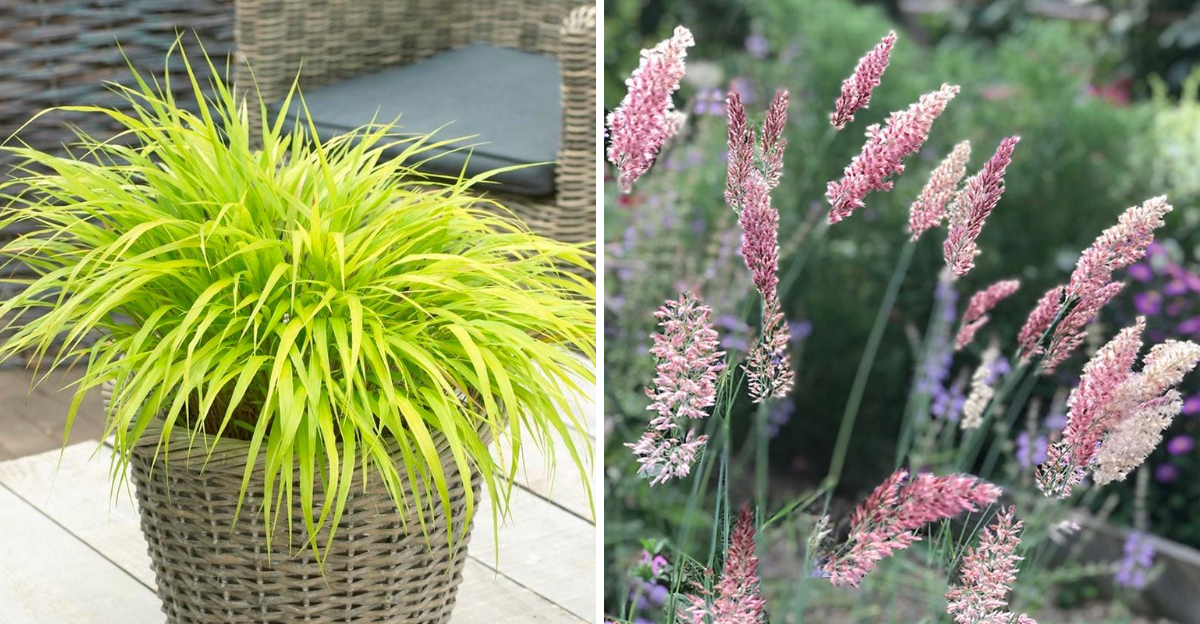
Its arching, ribbon-like blades cascade over the edge of a pot like a slow waterfall.
The All Gold variety brings a warm yellow-green color that actually brightens up dim spots under trees or covered porches. Aureola has a striped look with green and gold, which adds a bit more visual complexity.
Both stay in the 12 to 18-inch range, making them practical for medium-sized containers.
Partial shade is the sweet spot for this grass in Georgia. Too much direct afternoon sun will scorch the tips, especially during July and August when temperatures regularly push past 90 degrees.
Morning light with afternoon shade tends to keep the foliage looking its best through the hottest months.
Moisture matters more for this one than for most ornamental grasses. Keep the soil consistently moist but never waterlogged.
A container with drainage holes and a quality potting mix helps strike that balance without much guesswork.
Come fall, the foliage shifts toward warm orange and reddish tones before fading in winter. That seasonal change adds real value for a container that sits in a visible spot.
Trim it back in late winter and expect fresh growth to return by mid-spring in most parts of Georgia.
Another advantage is its tidy growth habit, which keeps the plant looking neat without frequent trimming.
3. Little Bluestem Stays Upright And Fits Well In Medium Pots
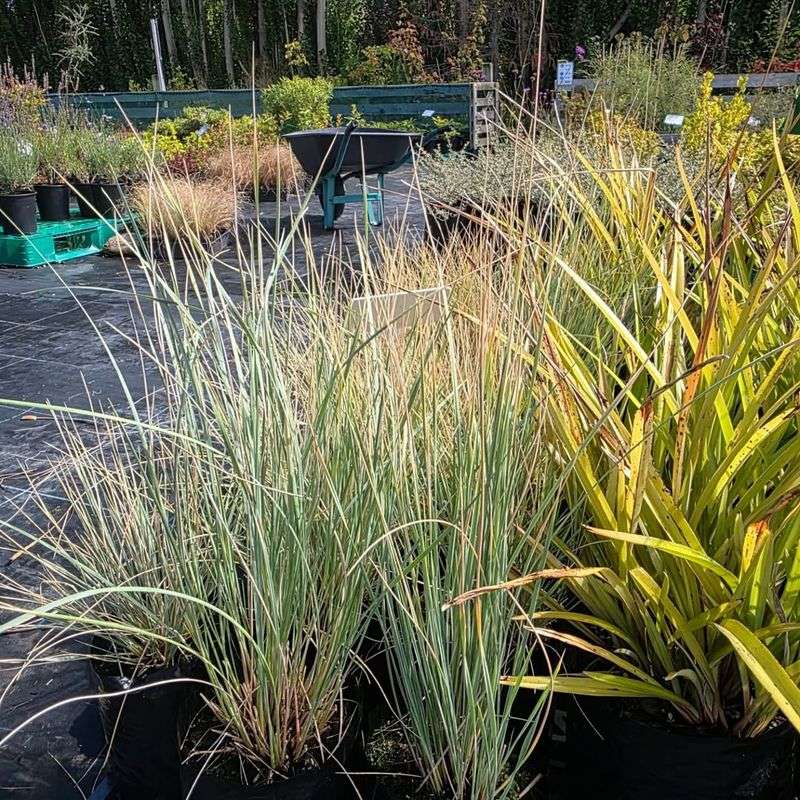
Few grasses offer the kind of seasonal color change that Little Bluestem pulls off in a container. Blue-green stems in summer shift to a deep reddish-bronze by fall, and that transformation looks genuinely striking on a porch or patio in Georgia.
It grows upright rather than arching, which gives it a clean, structured silhouette.
Height tops out around three to four feet, so a medium to large pot with some weight to it keeps things stable on windy days. Root depth matters with this one, so aim for a container at least 12 inches deep.
Shallow pots can limit growth and make the plant more vulnerable during dry stretches.
Full sun is non-negotiable. Little Bluestem performs poorly in shaded spots and tends to flop over without adequate light.
Georgia summers provide plenty of sun, and this grass uses it well. It also handles dry spells better than many container plants, though consistent watering during establishment helps it settle in properly.
Soil drainage is critical. Sandy or loamy potting mixes work better than dense, moisture-retaining blends.
Avoid fertilizing heavily since too much nitrogen pushes soft, floppy growth rather than the sturdy upright stems this grass is known for.
Fluffy seed heads develop in late summer and stick around through fall, adding another layer of texture. Birds sometimes pick at those seeds, which makes it a lively addition to any Georgia container garden.
Trim it back hard in late February for a fresh start each spring.
Its strong, upright stems usually stay standing even after heavy rain, which helps the container keep a clean, structured look.
4. Pink Muhly Grass Works In Containers With A Larger Pot
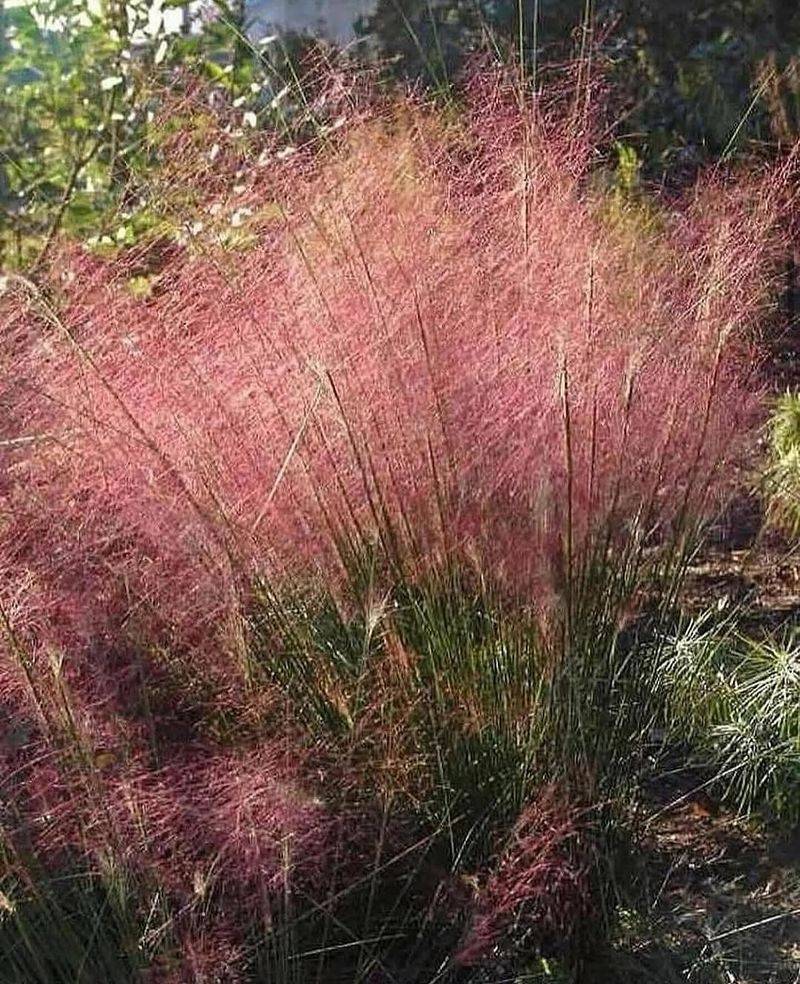
Nothing in the container world looks quite like Pink Muhly Grass when it blooms in fall. A cloud of pink-magenta plumes rises above fine green blades, and the effect is genuinely hard to ignore.
In Georgia, those plumes typically appear from late September through November, which is exactly when most other container plants start looking tired.
Size is something to plan around. Pink Muhly reaches two to three feet tall and can spread just as wide, so a pot with at least a 16-inch diameter gives it enough room to develop properly.
Smaller containers can restrict root growth and reduce the number of plumes produced each season.
Full sun is where this grass performs best. A spot that gets six or more hours of direct light daily is ideal, especially in the Atlanta suburbs or the coastal areas of Georgia where heat builds quickly in summer.
Reflected heat from concrete patios does not seem to bother it much.
Water needs are moderate. Let the soil dry out slightly between waterings rather than keeping it consistently moist.
Overwatering is one of the more common mistakes people make with this grass in containers, and it can lead to root problems over time.
Minimal pruning is needed through the growing season. Cut it back to a few inches above the soil line in late winter.
Repotting every two to three years keeps it from getting rootbound and maintains healthy plume production. It is genuinely one of the more rewarding grasses to grow in a Georgia container.
Wind does not usually damage the plumes, so they stay intact and eye-catching even during breezy fall days.
5. Northern Sea Oats Grow Well In Containers With Light Shade
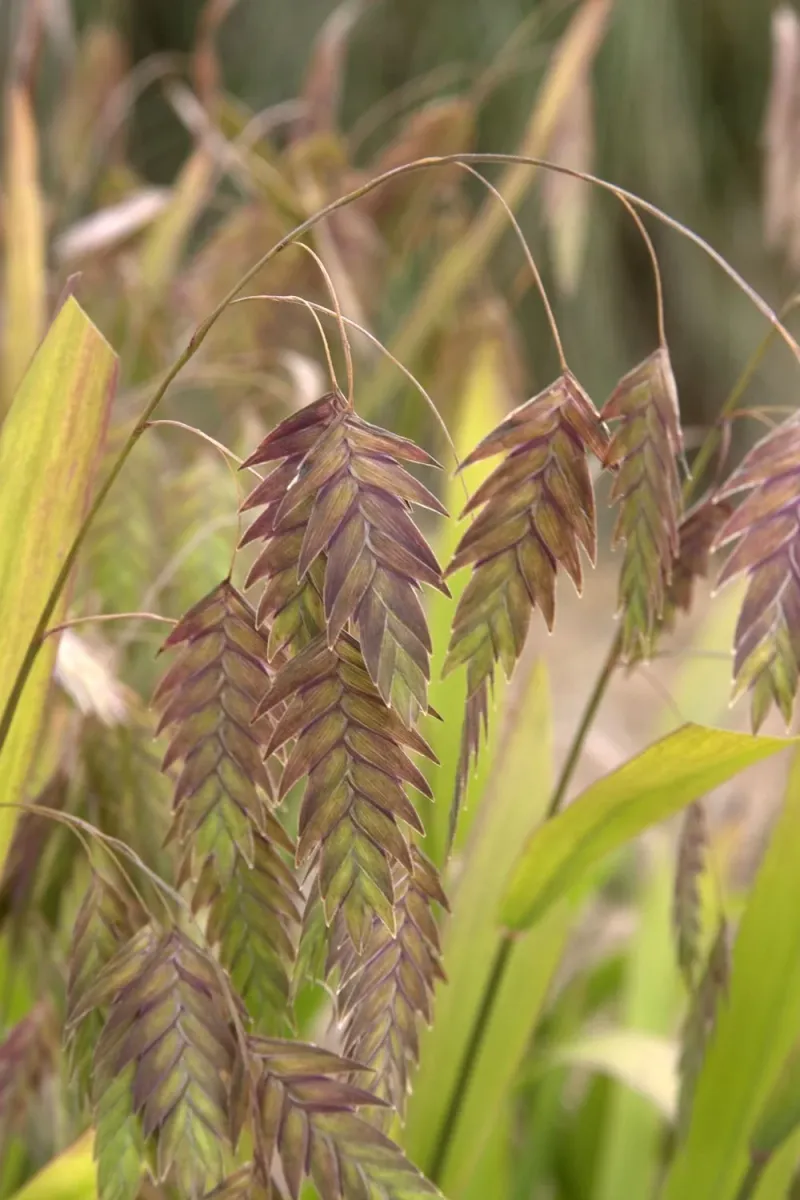
Northern Sea Oats brings something genuinely different to a container garden: flat, dangling seed heads that sway at the slightest breeze and catch light in an almost metallic way.
Chasmanthium latifolium is the botanical name, and it is one of the few ornamental grasses that actually prefers a bit of shade.
That makes it useful in Georgia spots where most sun-loving grasses would struggle.
Partial shade to light shade is the target. Under a large tree canopy or on a covered porch with morning light works well across most of Georgia.
Too much deep shade slows growth and reduces seed head production, so some filtered light is better than full darkness throughout the day.
Container size matters here. A pot in the 12 to 14-inch range works for a single plant.
It grows about two to three feet tall, and the arching stems give it a slightly relaxed, natural look that pairs well with woodland-style container arrangements. Mixing it with ferns or hostas in nearby pots creates a cohesive shaded display.
Keep soil moisture more consistent than you would for sun-loving grasses. It tolerates short dry spells but does better with regular watering, especially during Georgia’s hot summer months.
A well-draining mix prevents standing water while still holding enough moisture between waterings.
Seed heads turn copper-bronze in fall and hold on through winter. That extended interest is one of its strongest qualities for container gardeners in Georgia who want something that looks good beyond the typical growing season.
Cut it back in late winter before new growth begins.
6. Ruby Grass Stays Small And Adds Soft Color In Pots
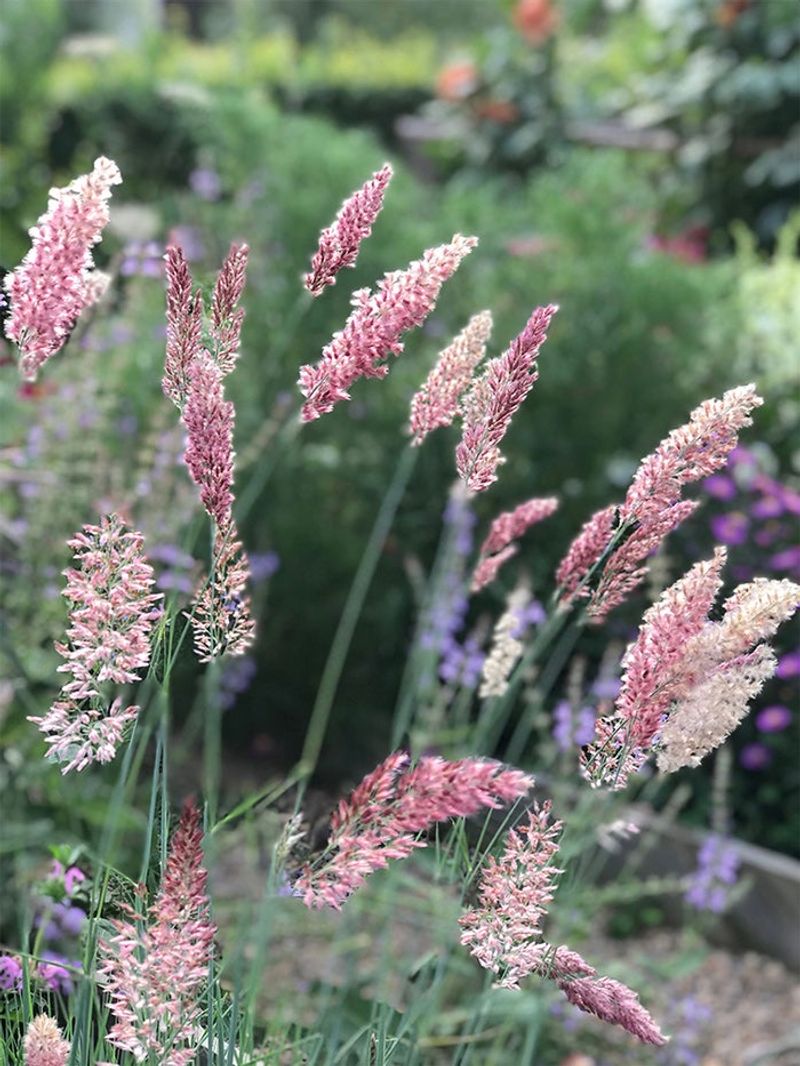
Ruby Grass is one of those plants that stops people mid-step when they see it for the first time. Melinis nerviglumis produces rosy-pink plumes above burgundy-tinged foliage, and the combination is striking in a way that most container grasses are not.
It stays compact, usually under two feet, which makes it practical for smaller pots and tighter outdoor spaces.
Heat is not a problem for this grass. Georgia summers are some of the most demanding in the Southeast, and Ruby Grass handles that intensity without much complaint.
Full sun brings out the richest color in both the foliage and the plumes, so avoid tucking it into a partially shaded corner if you want the full visual effect.
Drainage is essential. Ruby Grass does not tolerate wet feet, and a poorly draining container can cause problems quickly during Georgia’s rainy spring season.
A gritty or sandy potting mix combined with a container that has adequate drainage holes gives it the best shot at staying healthy.
Watering frequency depends on the season. During peak summer heat, pots can dry out faster than expected, so check soil moisture every couple of days.
In cooler months, pull back significantly since the grass slows down and needs far less water than it does in July or August.
In Georgia, Ruby Grass is typically grown as an annual since it is not reliably cold-hardy through the state’s colder inland winters. Enjoy it from spring through fall and replace it the following season.
The visual payoff through those months is well worth the replanting.
7. Blue Grama Stays Compact And Handles Heat Easily
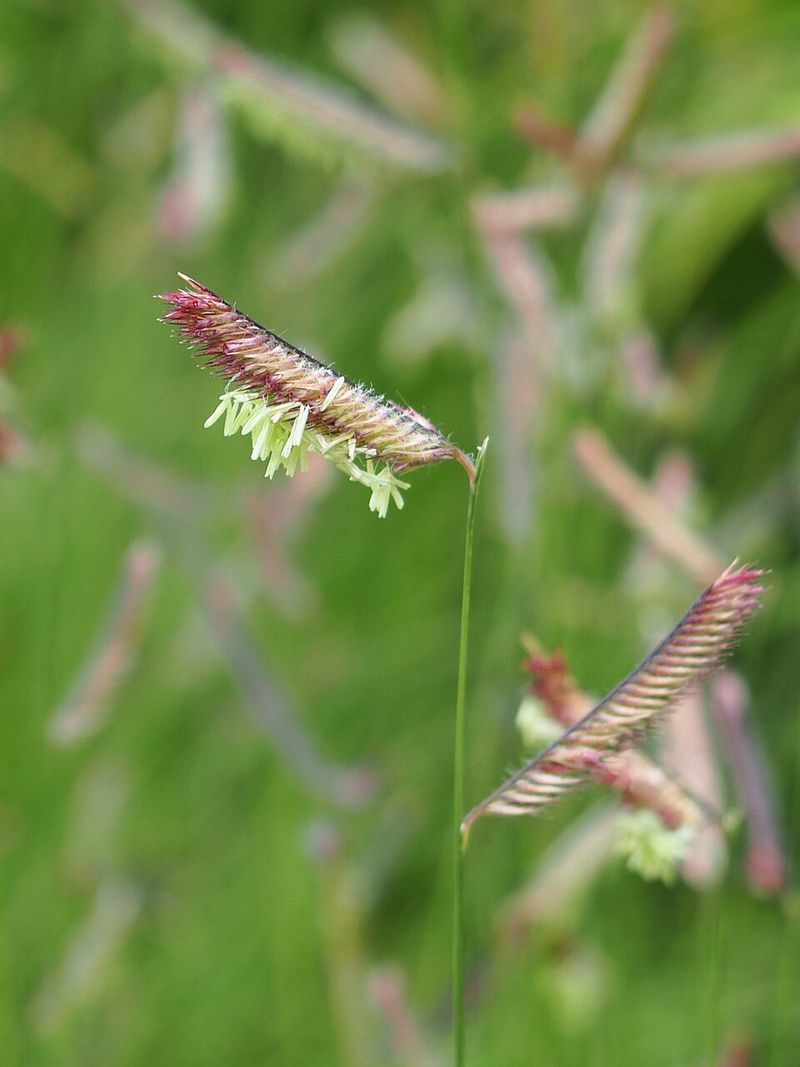
Blue Grama grass might be the most underrated container grass on this list. Bouteloua gracilis is a short, fine-textured grass with seed heads that look like tiny horizontal combs or eyelashes held sideways on the stem.
That unusual shape makes it genuinely interesting up close, and it works well in smaller pots where you want something with character rather than just bulk.
Height stays modest, usually between 12 and 18 inches, which suits container gardening well. It does not overwhelm a pot or crowd out companion plants nearby.
A 10 to 12-inch container gives the roots enough room without the pot looking disproportionately large for the plant above it.
Heat tolerance is one of its strongest qualities. Georgia summers test most container plants, but Blue Grama was built for warm, dry conditions.
Full sun is preferred, and the grass stays upright and attractive even during stretches of high heat that would stress more delicate options.
Water sparingly. Overwatering is a far more common problem with this grass than underwatering.
Let the soil dry out between waterings, and use a fast-draining potting mix that does not hold moisture for too long. In Georgia’s humid climate, that drainage becomes especially important during the wetter parts of spring.
Seed heads appear in summer and hold their shape for weeks, giving the container a sculptural quality that changes as light shifts throughout the day.
Cut the grass back lightly in late winter and expect fresh growth to push through by early spring across most of Georgia.