9 Bee-Friendly Flowers To Plant In Georgia Gardens
Warm weather changes the sound of a Georgia garden fast. Flower beds that seemed quiet earlier in spring suddenly fill with buzzing once bees begin moving from bloom to bloom all day long.
Some plants attract nonstop activity within hours of opening, while nearby flowers barely get noticed at all.
Bees search for easy food sources that provide plenty of nectar and pollen during the hottest months of the year. Gardens packed with the right flowers often stay busy from morning until sunset, especially once summer temperatures settle in.
Native blooms tend to attract the most attention, but several longtime garden favorites can help support pollinators too.
Color alone is not what draws bees into a yard. Bloom shape, timing, and even how flowers are grouped together can influence how often pollinators return.
Small planting choices can quickly turn an ordinary flower bed into one of the busiest spots in the yard.
After these flowers begin blooming together, gardens usually feel far more active and alive across the entire season.
1. Purple Coneflower Fills Gardens With Pollinator Movement
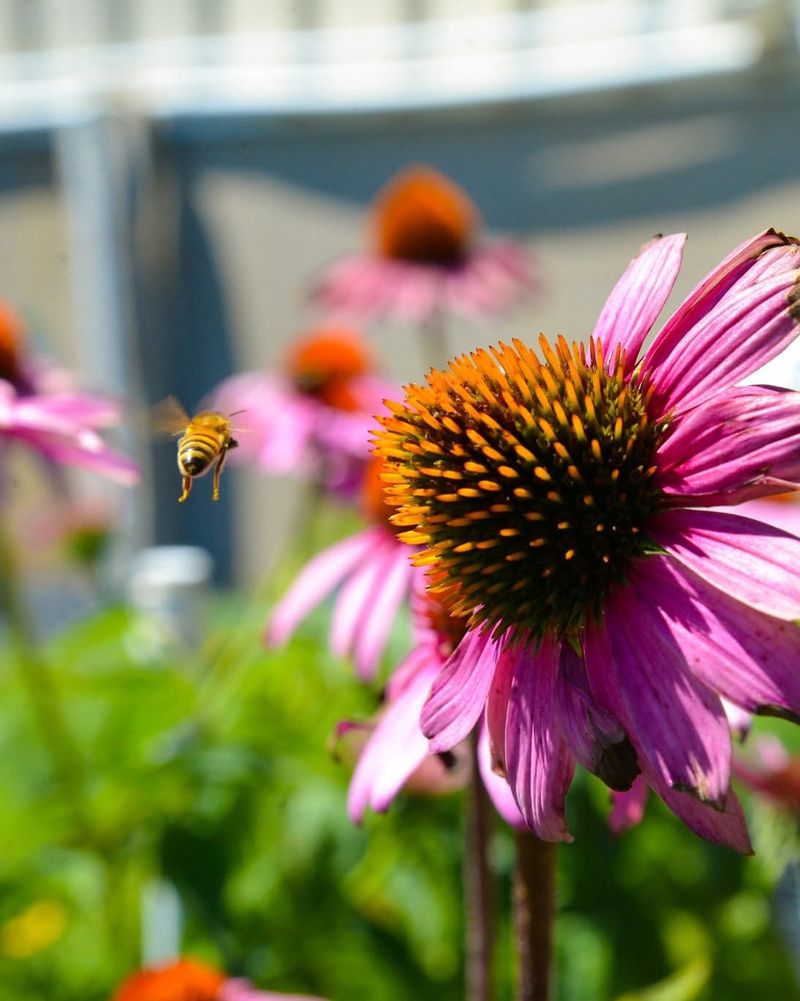
Walk past a patch of purple coneflowers on a warm afternoon and you will almost always spot bees working the blooms.
Echinacea purpurea is a native perennial that thrives across much of the Southeast, making it a natural fit for gardeners who want low maintenance color with real pollinator value.
Purple coneflowers bloom from early summer into fall, giving bees a steady nectar and pollen source during some of the hottest months. Once established, these plants handle summer heat surprisingly well.
They prefer full sun and well drained soil, but they are forgiving if conditions are not perfect.
Deadheading spent blooms encourages more flowers, though leaving some seed heads standing late in the season benefits birds as well.
Space plants about 18 inches apart to allow good airflow, which reduces the chance of mildew in humid summers.
Coneflowers spread gradually over time, so a small planting today can become a full, buzzing patch within a few seasons.
Mature clumps often bloom more heavily each year as the root system expands and settles into the soil. Butterflies frequently visit coneflowers too, especially during the hottest part of summer when many other blooms begin slowing down.
Adding a light layer of mulch around the base helps roots stay cooler and reduces moisture loss during dry stretches.
2. Black Eyed Susan Handles Hot Sunny Conditions Easily
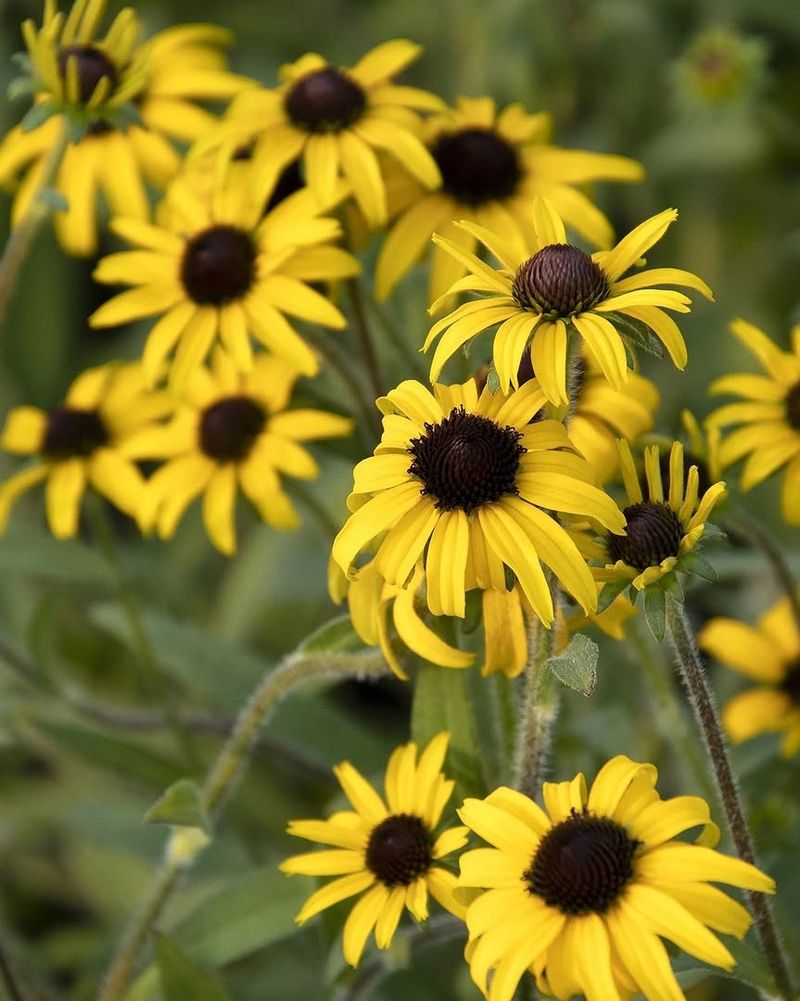
Black-eyed Susans have a no-nonsense attitude that gardeners genuinely appreciate. Rudbeckia hirta shrugs off heat, tolerates drought once established, and keeps producing golden blooms even when summer feels relentless.
That kind of reliability is rare, and bees seem to notice it too.
Bees visit black-eyed Susans consistently for both nectar and pollen throughout the summer months. The flat, open flower heads make landing and feeding easy, which is part of why so many different bee species are drawn to them.
You will spot everything from small sweat bees to larger bumblebees working these flowers on a sunny afternoon.
Plant black-eyed Susans in full sun with well-drained soil and they will reward you with minimal effort. Sandy or clay-heavy soils may need a bit of organic matter mixed in to help moisture retention without waterlogging roots.
Your Georgia Garden Changes Every Week. Your Plan Should Too.
Gardening in Georgia changes quickly throughout the season. Every Friday you’ll receive a simple weekly plan showing exactly what to plant, prune, fertilize, harvest, and protect so you never miss the right timing.
Plants can be grown from seed or transplants, and they often self sow in favorable spots. Rudbeckia works well along fences, in meadow style plantings, or mixed into traditional garden beds where its warm yellow color brightens everything around it.
Leaving some faded flower heads standing into fall also gives birds an extra food source once blooming slows down. Established plants usually return reliably each year in warm climates with very little maintenance.
Mixing black eyed Susans with purple flowering plants creates especially strong visual contrast that stands out across the garden.
3. Lavender Adds Fragrance And Steady Garden Buzz
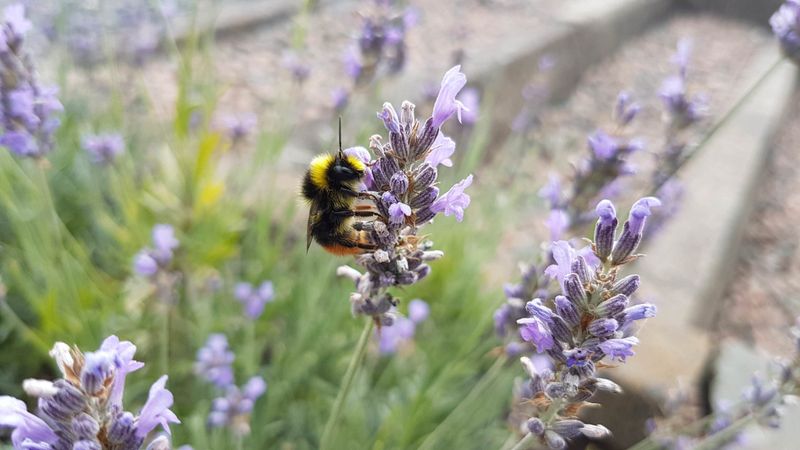
Lavender and bees have one of the most well-known partnerships in the gardening world, and gardens can absolutely get in on that action. The key is choosing the right variety.
Spanish lavender (Lavandula stoechas) and ‘Phenomenal’ lavender handle humidity and heat better than English lavender, which can struggle in sticky summer conditions.
Bees are drawn to lavender’s high nectar content and its distinctive fragrance, which humans find calming but pollinators find irresistible.
Planting lavender near vegetable beds or fruit trees can increase pollination activity in those areas too, which is a practical bonus beyond just looking and smelling wonderful.
Lavender demands excellent drainage above almost everything else. Raised beds or slopes work well where heavy clay soils can hold too much moisture after rain.
Full sun is non negotiable, and plants should be spaced generously to encourage airflow. Pruning lightly after the first flush of blooms often triggers a second round of flowering.
Once established, lavender is surprisingly drought tolerant, making it a smart choice for gardeners who want beauty without constant irrigation.
Avoid heavy mulching directly against the base because trapped moisture can lead to rot in humid conditions. Gravel or small stones around the plant often work better than thick organic mulch for keeping the crown dry.
Mature lavender plants also attract butterflies regularly once blooming peaks in summer.
4. Salvia Produces Colorful Spikes Bees Notice Quickly
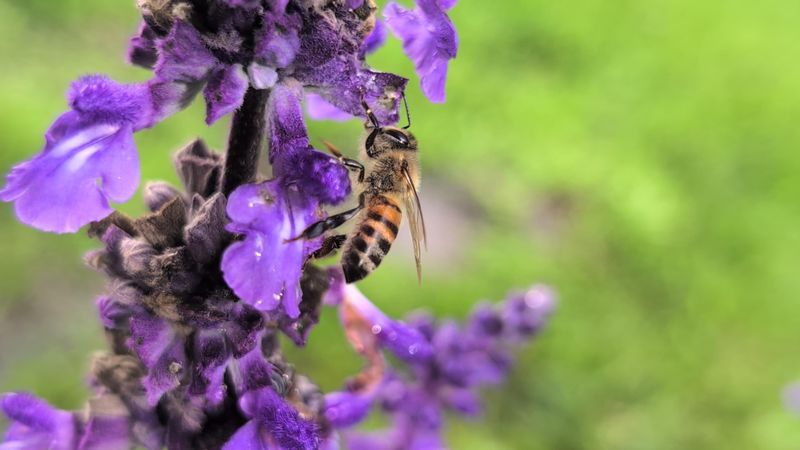
Salvia is one of those plants that earns its place in a garden fast. The upright flower spikes in shades of blue, purple, and red start attracting bees almost immediately after blooming begins, and the activity does not slow down until frost.
Both annual and perennial salvias perform well depending on the variety selected.
Salvia guaranitica, commonly called anise scented sage, is a standout perennial. Its deep blue flowers are especially attractive to bumblebees.
Annual salvias like Salvia coccinea, also known as tropical sage, naturalize readily and reseed themselves generously, meaning you may not need to replant every year.
Full sun brings out the best bloom production, though some salvia varieties handle afternoon shade reasonably well in intense summer heat.
Well drained soil is important, and consistent moisture during the establishment period helps plants root in strongly.
Deadheading or cutting back mid season encourages fresh growth and continued flowering.
Salvia pairs beautifully with coneflowers and black eyed Susans in mixed pollinator beds, creating a layered, visually interesting planting that keeps bees engaged from early summer through fall.
5. Coreopsis Brightens Beds With Long Lasting Flowers
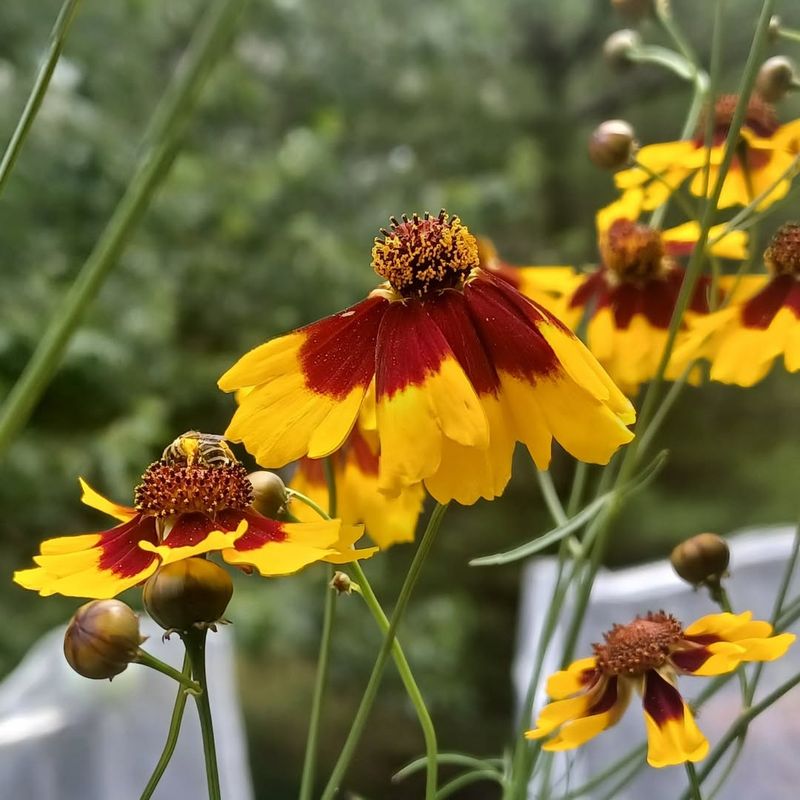
Coreopsis is Georgia’s own kind of sunshine. Several species are native to the Southeast, and they bloom with an enthusiasm that makes them one of the easiest and most rewarding flowers to grow in the region.
Golden yellow blooms appear in late spring and, with some deadheading, keep going well into fall.
Bees find coreopsis highly attractive because of its open, accessible flower structure. Smaller native bees, sweat bees, and bumblebees all visit regularly.
Coreopsis lanceolata and Coreopsis tinctoria are two species that perform particularly well across varied soil types, from sandy coastal soils to heavier clay in the Piedmont region.
Full sun and lean to average soil actually suit coreopsis better than rich, heavily amended beds, which can produce more foliage than flowers. Overwatering is a more common mistake than underwatering once plants are established.
In Georgia’s summer heat, established coreopsis is impressively drought tolerant.
Mixing coreopsis with salvias and black eyed Susans creates a long blooming pollinator patch that requires very little maintenance.
Dividing clumps every two to three years keeps plants productive and gives you free starts to spread around the garden.
6. Sunflowers Create A More Active Summer Garden
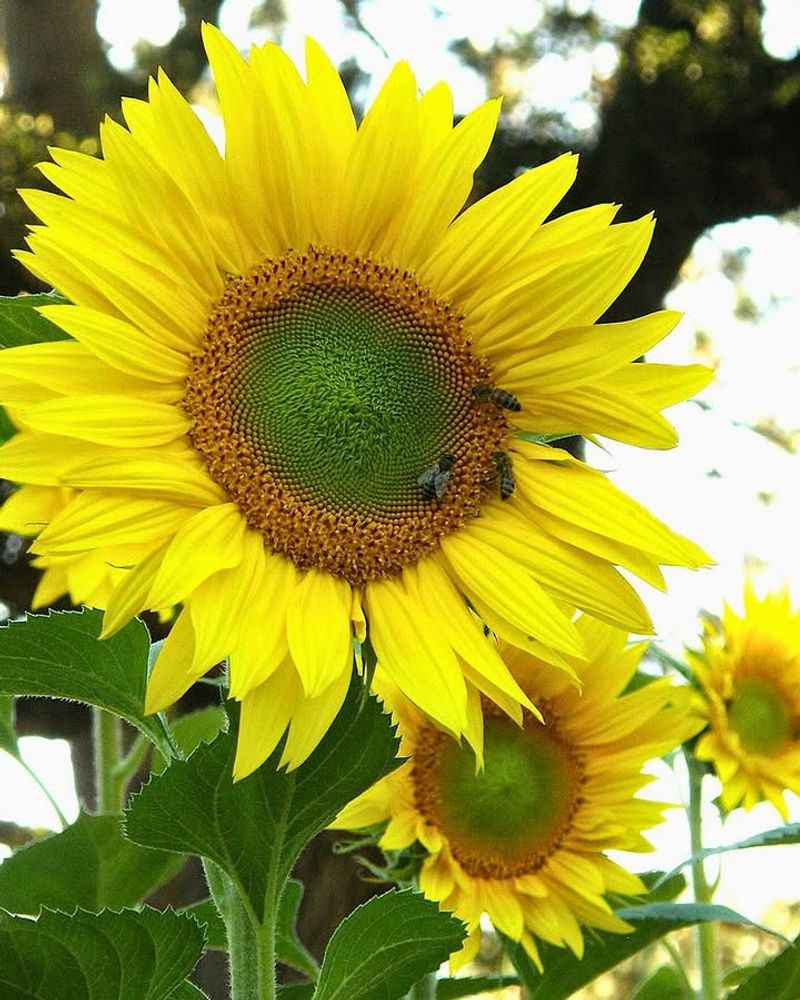
A sunflower patch in summer is basically a bee buffet.
The large, pollen rich centers attract an impressive variety of pollinators, from tiny sweat bees barely visible against the yellow petals to large bumblebees that look almost too heavy for the flower head.
Sunflowers are one of the most productive plants you can grow for bee support.
Helianthus annuus grows quickly in warm climates and does not ask for much beyond full sun and decent drainage. Direct seeding after the last frost date gets plants going fast.
Succession planting every two to three weeks extends the bloom season considerably.
Branching varieties like ‘Lemon Queen’ or ‘Autumn Beauty’ produce more flowers per plant than single stem types, which means more food for pollinators over a longer period.
Avoid pollen free varieties bred for cut flower markets since they offer bees very little nutritional value.
Sunflowers also work well as a backdrop for shorter pollinator plants, creating a layered garden structure. Letting seed heads stand after flowering supports birds through late summer and into fall.
7. Zinnias Keep Producing Bright Blooms Until Frost
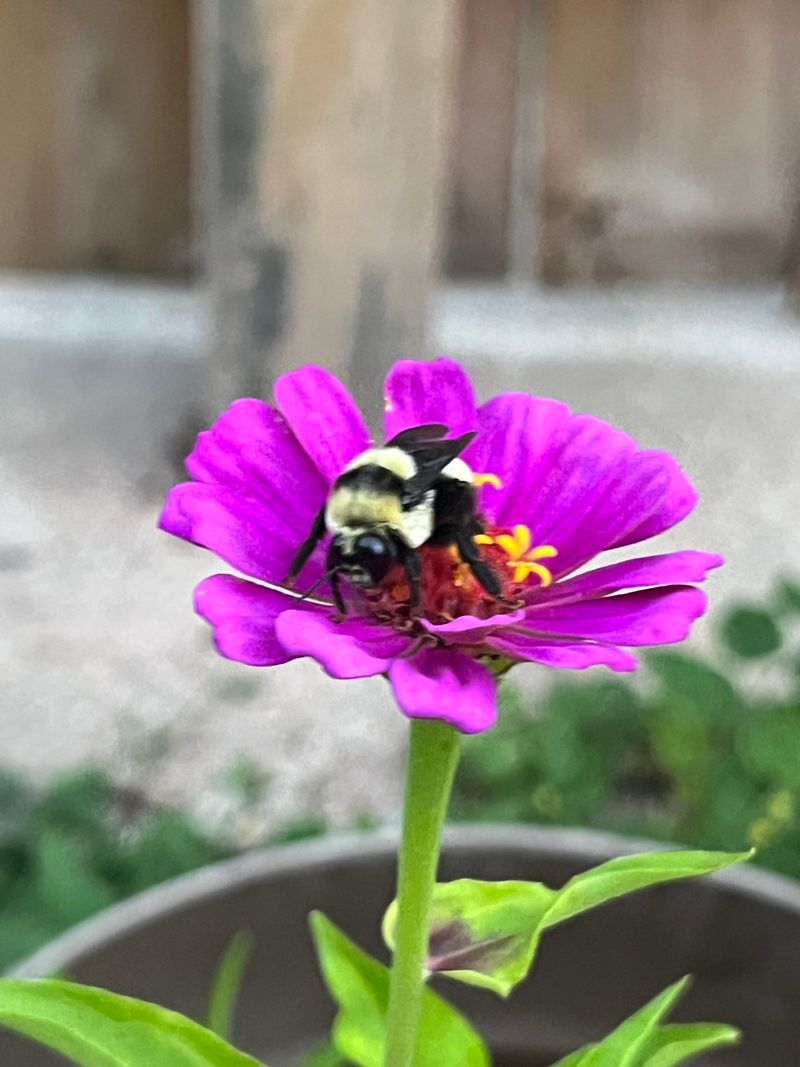
Zinnias might be the most cheerful hard workers in any Georgia garden. Plant them once in late spring, give them some sun and occasional water, and they will produce blooms continuously from early summer until the first frost arrives in fall.
Very few annuals can match that kind of staying power in a long growing season.
Single flowered zinnia varieties are significantly more bee friendly than fully double types. Bees need to reach the pollen and nectar at the flower’s center, and densely packed petals on doubles can block that access.
Varieties like ‘Benary’s Giant’ in single or semi double forms, or the narrower petaled ‘Profusion’ series, are solid choices for supporting pollinators.
Zinnias prefer full sun and warm soil, both of which southern climates provide in abundance. They are not fans of cold or wet feet, so waiting until soil temperatures are reliably warm before planting avoids sluggish starts.
Deadheading spent flowers keeps new blooms coming, though leaving a few to go to seed at season’s end gives you free seeds for next year.
Zinnias also do well in containers, making them versatile for patios and small urban gardens.
8. Asters Help Extend Late Season Garden Color
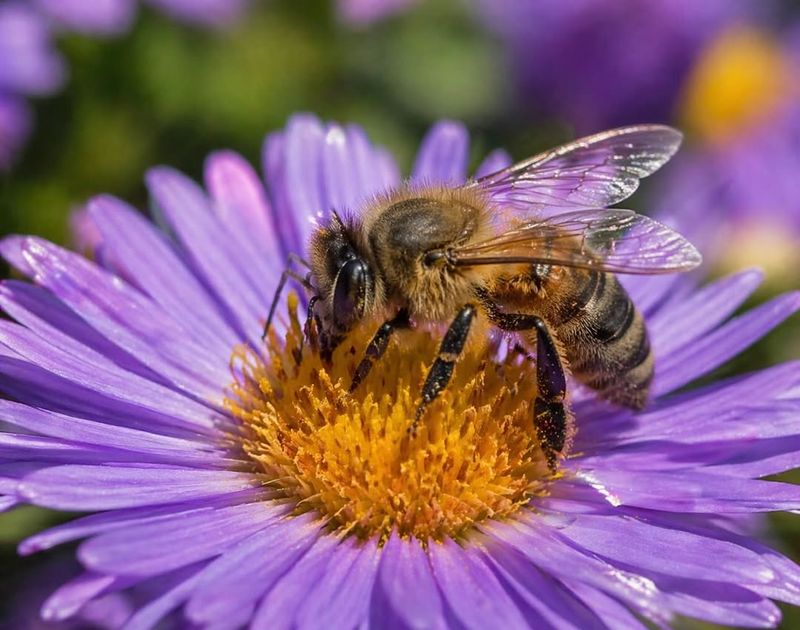
When most summer flowers start fading in September and October, asters step in and keep gardens buzzing.
Bees need late season nectar sources to build up energy before winter, and asters are one of the most reliable options available to gardeners.
Native aster species like Symphyotrichum oblongifolium and Symphyotrichum laeve are particularly well suited to the region.
Asters bloom in shades of purple, blue, pink, and white, typically peaking in September through October.
Bumblebees are especially active on asters during this period, often working the flowers on cooler fall mornings when other pollinators have slowed down.
Planting asters near other late season bloomers like goldenrod creates an even more valuable late season pollinator corridor.
Full sun to partial shade suits most aster varieties, and they adapt to a range of soil types. Pinching plants back in early summer to about half their height produces bushier plants with more flowers come fall.
Asters can spread aggressively in ideal conditions, so dividing clumps every two to three years keeps them manageable.
Starting with native species rather than imported cultivars gives you plants already adapted to local climate and soil conditions.
9. Bee Balm Keeps Blooming Through Summer Heat
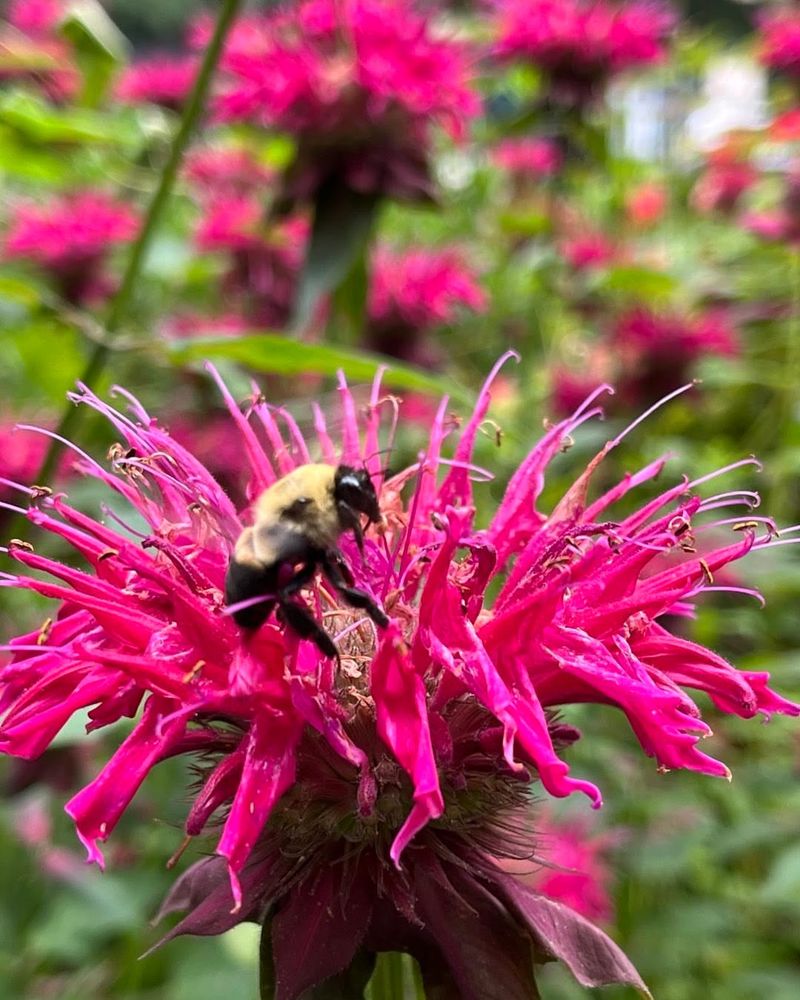
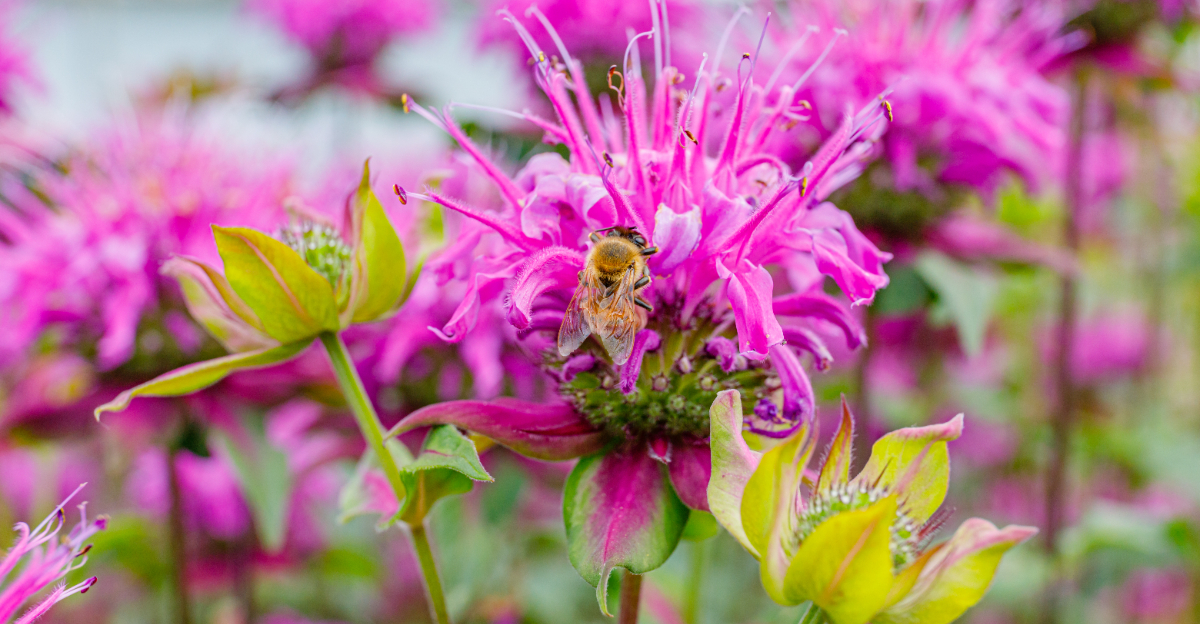
Few plants earn their name as honestly as bee balm. Bumblebees, honeybees, and even hummingbirds show up the moment these shaggy, vivid blooms open in summer.
Monarda is a native genus to North America, and several species grow beautifully without much fuss once they settle in.
Bee balm does best in full sun to partial shade and prefers moist, well drained soil. In humid climates, powdery mildew can be a challenge, so choosing mildew resistant varieties like ‘Jacob Cline’ or ‘Raspberry Wine’ is a smart move.
Good air circulation between plants also helps keep foliage healthier through the season.
Plants typically bloom from June through August, which lines up well with peak pollinator activity. Clumps spread moderately over time and can be divided every few years to keep them vigorous.
The aromatic leaves have a pleasant, minty scent that adds an extra sensory layer to any garden.
Starting with transplants rather than seed gets you to blooming faster, especially in shorter planting windows before intense summer heat arrives.
Bee balm also responds well to regular watering during long dry stretches, especially while plants are actively blooming. Cutting back faded flower heads can encourage another lighter round of blooms later in the season.
Established clumps often attract far more pollinator activity by the second year once the plants fully fill out.