8 Drought-Tolerant Native Plants For Eastern Oregon Gardens
Eastern Oregon doesn’t ease you in slowly. The heat hits hard and sticks around for a long time. The wind finds every open spot in a garden and puts it to the test.
Rain becomes a far-off memory around June and doesn’t show up again until the season has already made its point. Most plants brought in from wetter areas last just one summer, maybe two, before they completely give up.
But here’s what many gardeners in the area are starting to realize: the issue was never the climate.
Eastern Oregon has its own native plants, species that didn’t come from a greenhouse in a wetter region and are expected to adapt. These plants thrived here.
They developed their root systems in rocky, alkaline soil. They endured the same harsh July stretches that your garden faces every year. They nourish the birds and pollinators that are native to the area.
Each of these plants deserves its place for a unique reason, and all of them are perfectly suited for the conditions you are already dealing with.
1. Pick Ponderosa Pine For Rugged Structure
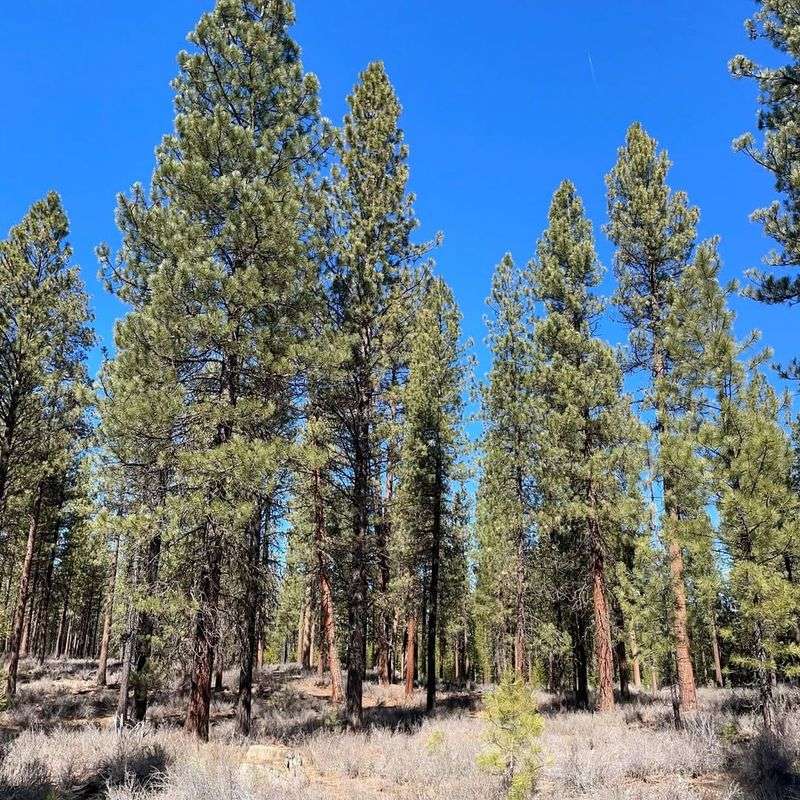
Every garden requires a strong foundation. In Eastern Oregon, the Ponderosa Pine perfectly fulfills that role.
If you stand beside an old Ponderosa on a hot day, you’ll quickly grasp why this tree has been a cornerstone of the landscape for centuries.
It grows tall and with intention. It provides shade, acts as a windbreak, and creates a vertical line that anchors a large property.
Achieving that kind of structure with smaller plants is challenging, no matter how many you try to add.
Wildlife also quickly takes notice. Woodpeckers and nuthatches peck at the bark for insects, while squirrels scavenge the cones.
Over time, a mature Ponderosa develops into its own little ecosystem.
Choosing the right site is where many people either succeed or end up regretting their decision later. Look for well-drained sandy or loamy soil, full sunlight, and ample space to grow.
Avoid low areas where water gathers, as well as spots near buildings, power lines, or paved surfaces.
This tree isn’t suitable for a small yard. However, on a larger lot or rural property, it’s simply unmatched.
Water young trees consistently for the first few seasons. After that, step back and allow the tree to thrive.
Oregon State University Extension suggests using locally sourced seedlings for the best adaptation to the area, and that advice is definitely worth heeding.
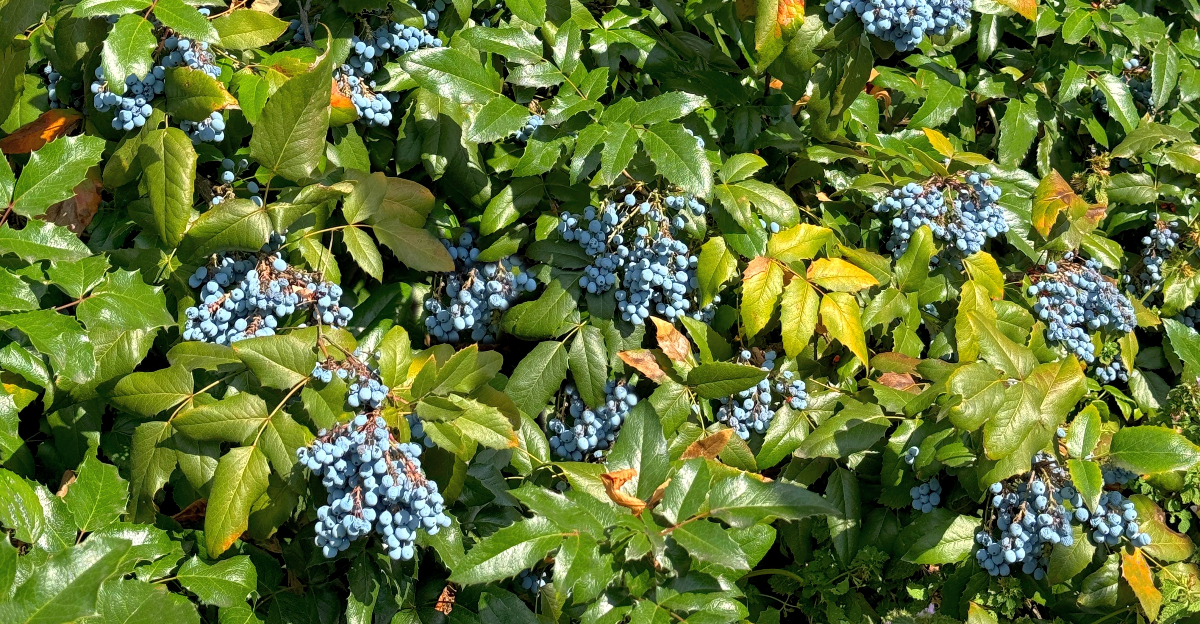
2. Add Oregon Grape For Year-Round Texture
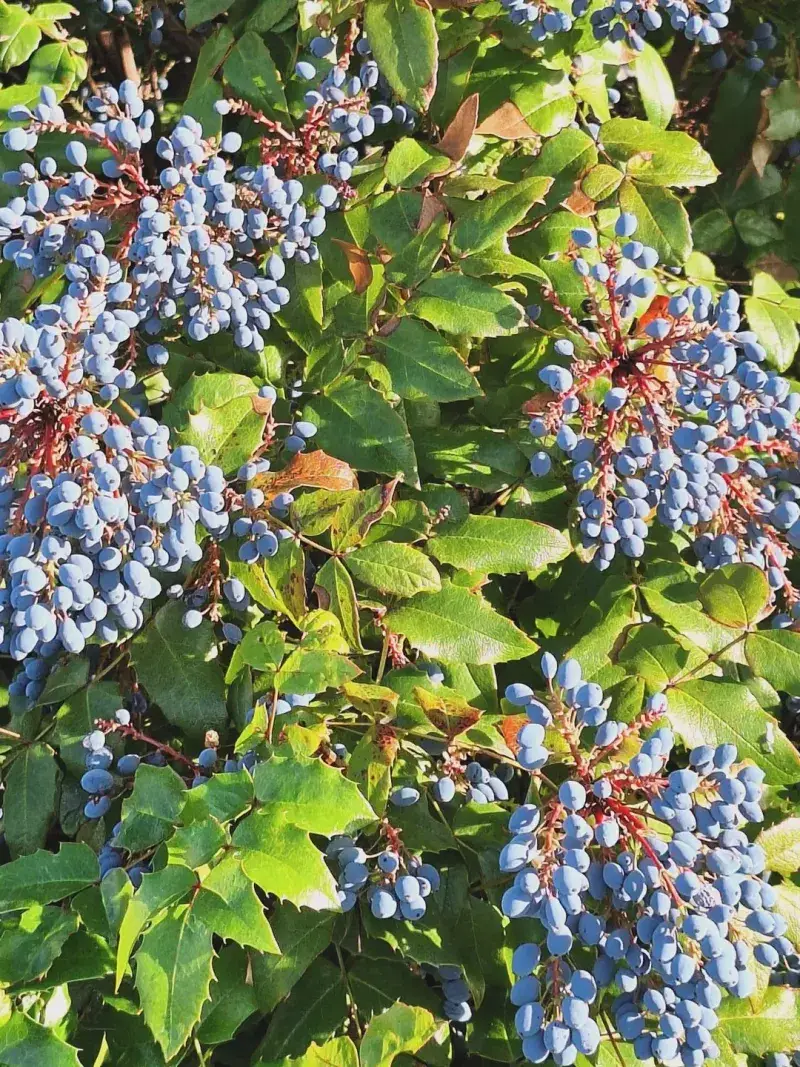
Most plants have a season. Oregon grape has four.
The leaves stay green straight through August heat and cold February mornings without skipping a beat. This evergreen consistency is worth more than most gardeners give it credit for.
Spring brings clusters of small bright yellow flowers that native bees find immediately. It is one of the earliest nectar sources available in the high desert. Then the berries arrive.
Deep blue-purple clusters ripen by late summer and birds descend on them fast. Black-headed grosbeaks are regulars, and a long list of other native species follows.
Your Oregon Garden Changes Every Week. Your Plan Should Too.
Gardening in Oregon changes quickly throughout the season. Every Friday you’ll receive a simple weekly plan showing exactly what to plant, prune, fertilize, harvest, and protect so you never miss the right timing.
The berries are also edible for people and carry a long history of use by Indigenous communities throughout the Pacific Northwest. A plant with that kind of track record has clearly been earning its keep for a long time.
Cold weather adds one final touch. The leaves shift to reddish-bronze in winter, giving the garden structure right when most everything else has gone quiet.
Tall Oregon grape reaches five or six feet and works well as a border or understory plant. Low Oregon grape stays compact and handles rocky slopes beautifully as a ground cover.
Both appreciate afternoon shade in the hottest parts of Eastern Oregon. Plant it in well-drained soil, water it through the first season, and let it take over from there. Oregon grape rarely needs a second invitation.
3. Bring In Rabbitbrush For Golden Fall Color
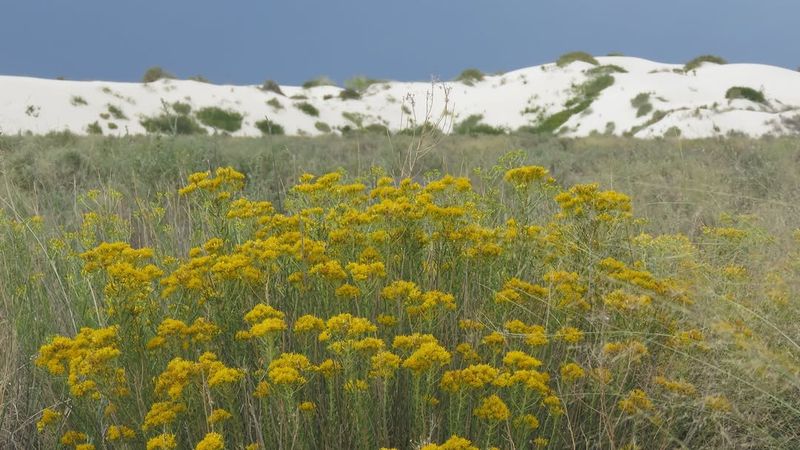
By late August, most of the garden has pretty much given up. But rabbitbrush is just starting to shine.
This native shrub holds onto its golden moment until all the others have exited the scene. It blooms from late August all the way through October.
In a dry, low-water landscape that craves late-season color, that timing is not just helpful. It’s everything.
For the rest of the year, it quietly earns its spot. Its silvery-green leaves have a soft, airy feel that contrasts beautifully with the darker plants around it.
With rocky soil and intense heat, rabbitbrush handles it all without any complaints. Then fall comes, and the whole shrub lights up.
Pollinators notice right away. Native bees and other helpful insects flock to the flowers in numbers that will truly surprise you.
At a time when most nectar sources have dried up, rabbitbrush becomes one of the most ecologically significant plants in the entire garden.
That kind of purpose goes far beyond just looking nice.
Where you place it decides if it looks planned or random. Plant it in groups along a fence or at the edge of a driveway. Single plants can look like weeds, but a well-placed group looks like a design.
It needs full sun, fast-draining soil, and a light trim in early spring. That’s all the maintenance required for a shrub that finishes the season better than anything else in the high desert.
4. Plant Penstemon For Bright Pollinator Appeal
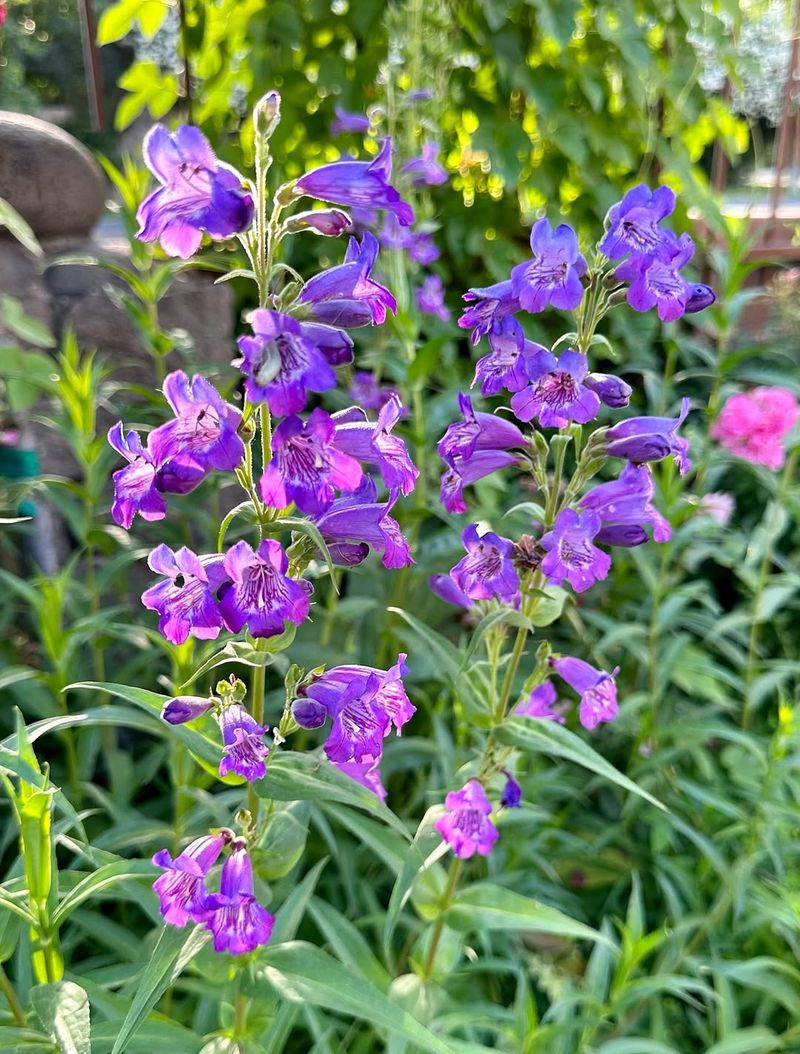
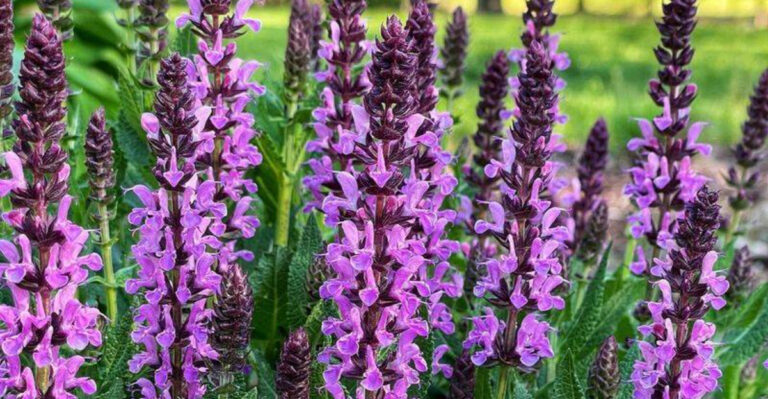
Stand beside a penstemon patch on a warm June morning and just wait. In just a few minutes, you’ll see hummingbirds hovering around the tubular flowers while native bees busily visit every bloom.
The variety of colors is wider than most people think. You can find deep violet, cherry red, soft lavender, and bright white.
Eastern Oregon alone hosts several native species, such as showy penstemon and hot-rock penstemon. There’s a type of this plant suitable for nearly every area in a high-desert garden.
However, getting the drainage right is crucial. Soggy soil is the one condition that penstemon can’t tolerate. It thrives in sandy or gravelly soil, on slopes, in raised beds, or in rock gardens.
To sum up: pretty much anywhere that water drains quickly after it rains. If you nail that part, the rest will mostly take care of itself.
Leave the seed heads after they bloom. Goldfinches and other small birds will enjoy them throughout the fall.
Once established, these plants require very little water during the summer. A light trim after the main bloom helps tidy things up and can sometimes encourage a second round of flowers.
At last, avoid using fertilizer altogether. Rich soil can shorten the plant’s lifespan and lead to floppy growth that isn’t beneficial for anyone.
5. Use Sagebrush For High Desert Style
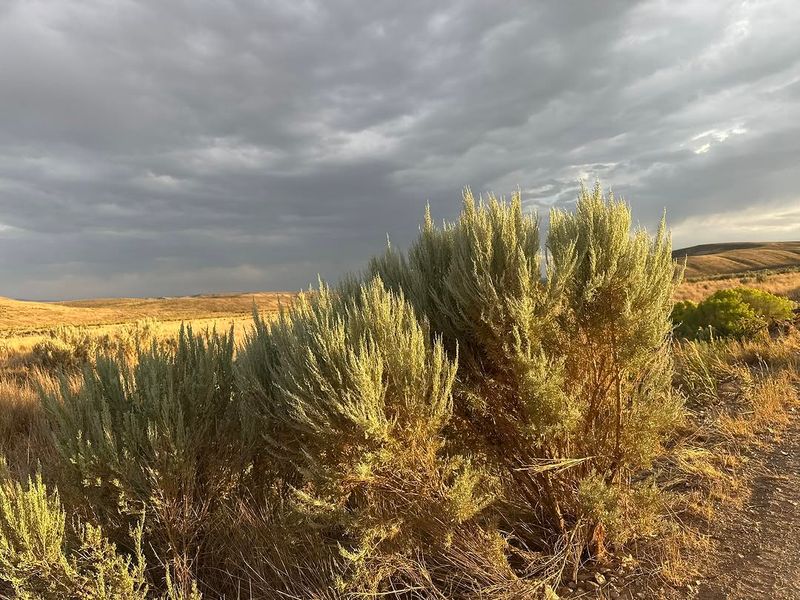
After summer rain in Eastern Oregon, there’s a moment when the air feels completely different.
That sharp, fresh, and unmistakable scent that rises from the land? It’s sagebrush. And nothing else on the planet smells like it.
Artemisia tridentata is the main native shrub found throughout much of Eastern Oregon, and there’s a good reason for that. Its silvery-gray leaves have a soft, dusty appearance that looks stunning in photos.
It thrives in open, sunny areas with dry, well-drained, often alkaline soils. It’s perfect for a south-facing slope, a dry berm, a gravel garden, or a wide sunny spot.
If you give it space to grow three to six feet tall and wide, it will fill that area with a quiet strength.
The ecological benefits are also significant and worth noting. Sage grouse rely on it heavily for food and shelter.
Various insects, birds, and small mammals use sagebrush areas for protection and nesting all year round. By planting it, you help support the larger high-desert ecosystem without needing to do much extra.
However, pairing plants is more important than many people think. Sagebrush looks best when planted alongside rabbitbrush, native bunchgrasses, and penstemon.
Avoid placing it near plants that require regular watering, as extra moisture around the roots can lead to issues over time.
Once it’s established, it doesn’t need anything from you. Just give it space, sunlight, and the freedom to grow at its own speed.
6. Try Yarrow For Tough Low-Water Blooms
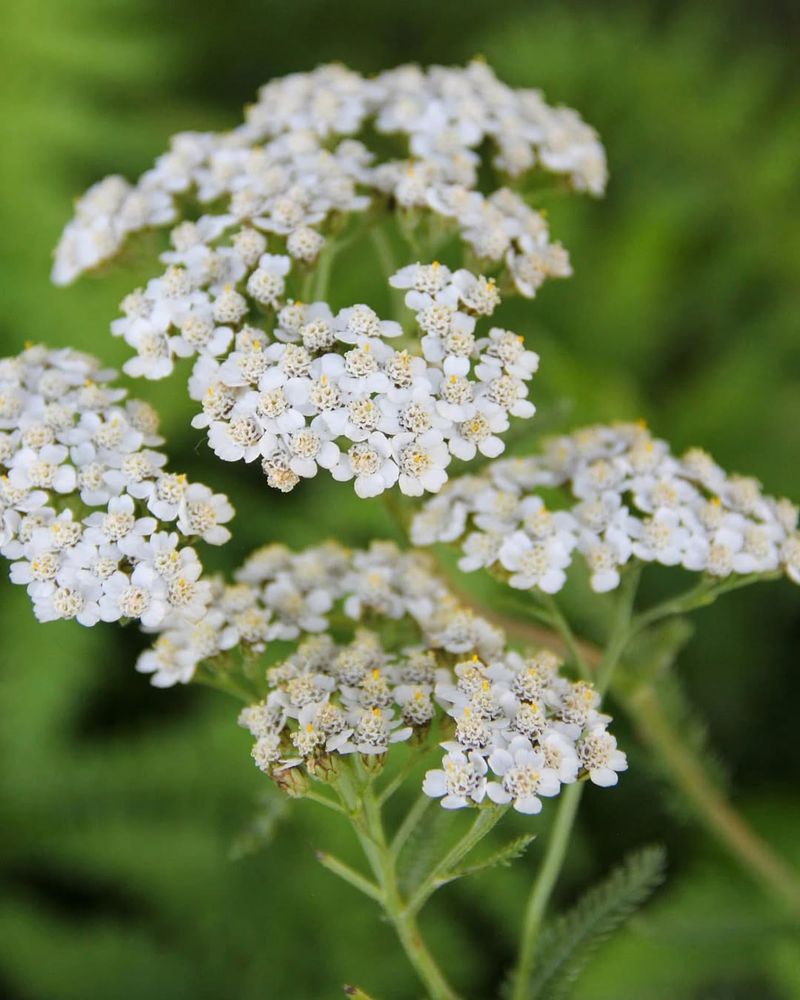
That sunny spot in your garden? It isn’t an issue. It’s just a chance for yarrow to shine.
This resilient perennial spreads out and transforms bare ground into something truly lovely without asking for much. First, the feathery, fragrant leaves fill in the spaces.
Then, the flat flower clusters bloom in white, yellow, and soft pink. The soil needs are almost the opposite of what most gardeners think. Yarrow thrives in rocky, poor, lean, and well-draining soil.
If the ground is rich or damp, it tends to become floppy and weedy. This plant actually does better when you give it less care. Isn’t that amazing?
Once it’s settled in after the first year, extra summer watering is nearly optional.
The flat flower heads act like a landing pad for pollinators. Native bees, butterflies, and helpful wasps visit them constantly during the blooming season.
If you leave the dried flower heads through the fall, birds will forage for seeds well into the colder months.
Yarrow quietly sustains an entire food web without needing you to do anything extra. That’s a truly rare trait in a garden plant. It naturally pairs with penstemon, native grasses, and rabbitbrush in casual borders.
After the main bloom, cut the stems back, and sometimes a second wave of flowers will appear. With yarrow, a little care at the right time can make a big difference.
7. Add Serviceberry For Flowers Fruit And Wildlife
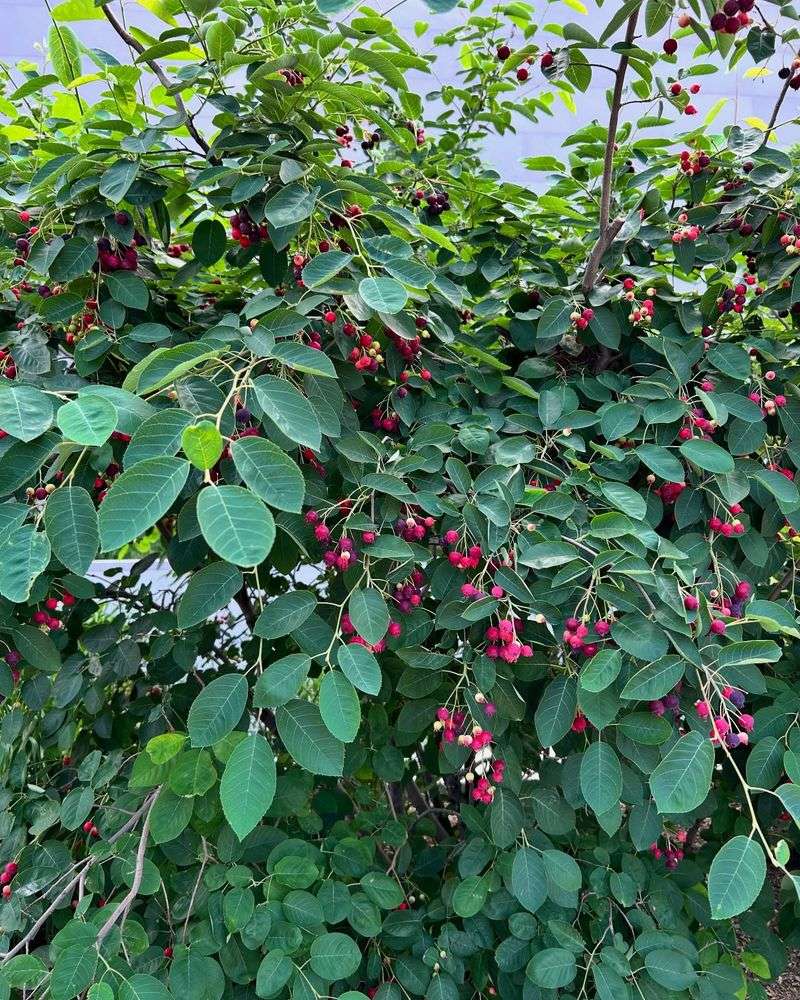
Serviceberry doesn’t just start the season. It takes charge of it. While the rest of the garden is still figuring out if winter has truly ended, serviceberry bursts forth. This early bloom isn’t just pretty.
It’s one of the first sources of nectar for pollinators emerging from winter in the high desert. Then come the berries.
These small, round fruits change from red to a rich purple-blue by midsummer and are sweet enough for making jams and pies.
Birds notice them right away. Robins and cedar waxwings treat a fully loaded serviceberry like their own personal buffet.
As fall arrives, there’s one last show before the plant settles down. The leaves turn into beautiful shades of orange and red that last well into the season.
Western serviceberry is the native species found in Eastern Oregon and is the one to look for at native plant nurseries.
It can grow naturally as a multi-stemmed shrub or can be shaped into a small tree. It serves as a focal point, a wildlife haven, or a soft screen along a property line.
However, make sure to water young plants regularly during their first two seasons while their roots are getting established. After that, serviceberry can handle dry summers quite well.
Give it space. It can spread naturally from six to fifteen feet, depending on the conditions. The only thing you should really avoid is heavy clay soil. That’s all it takes.
8. Lean On Native Grasses For Movement
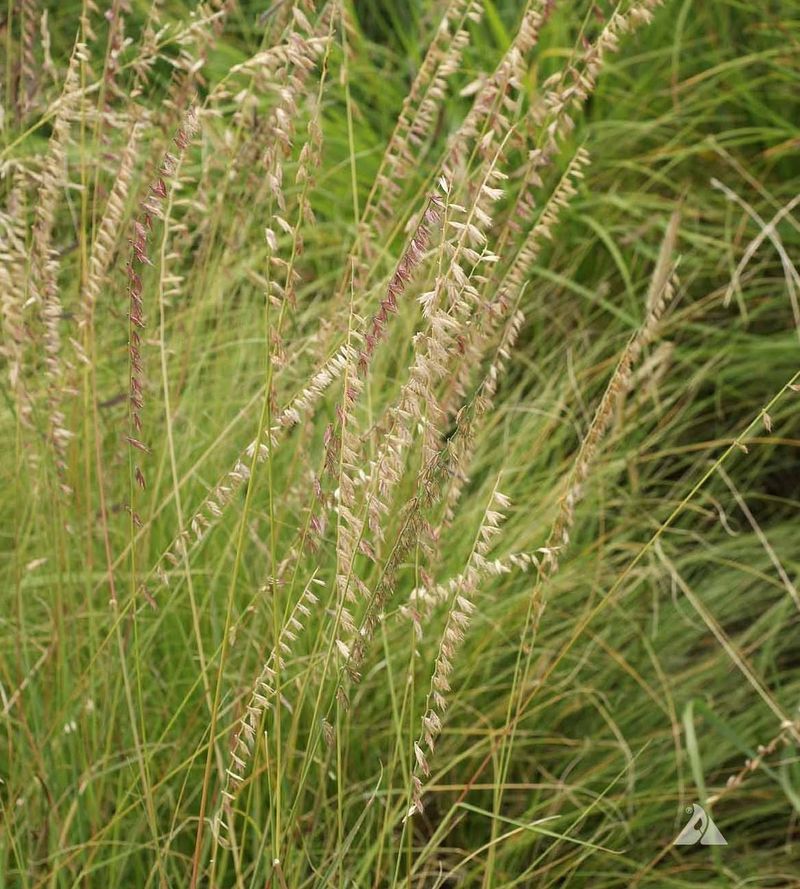
Eastern Oregon wind isn’t just a light breeze. It hits hard and challenges everything in the garden.
However, native grasses don’t resist it. They flow with it, and that movement is what makes them essential in a high-desert environment.
That quality can’t be imitated with other plants. It must be cultivated. Idaho fescue is the fine-textured choice that thrives on dry slopes without any issues.
Bluebunch wheatgrass offers a more upright shape and outstanding drought resistance once it’s established.
The role these grasses play underground is just as important as what occurs above it. Their deep root systems stabilize soil on slopes and help prevent erosion during the sudden heavy rains.
Thick clumps offer shelter and nesting materials for ground-nesting birds and small insects. Seed heads provide food for sparrows and juncos throughout fall and winter.
Plant them in informal clusters instead of as single plants. A cluster appears intentional, while a solitary clump seems neglected.
Use them to soften the edges of shrubs, fill dry slopes, or connect a well-kept garden to the more natural landscape beyond the fence.
Trim clumps back in late winter before new growth starts and the entire planting refreshes for another season. Easy as pie.