Bees Notice More Than Color And These Hidden Reasons Explain Why They Skip Your Flower Beds
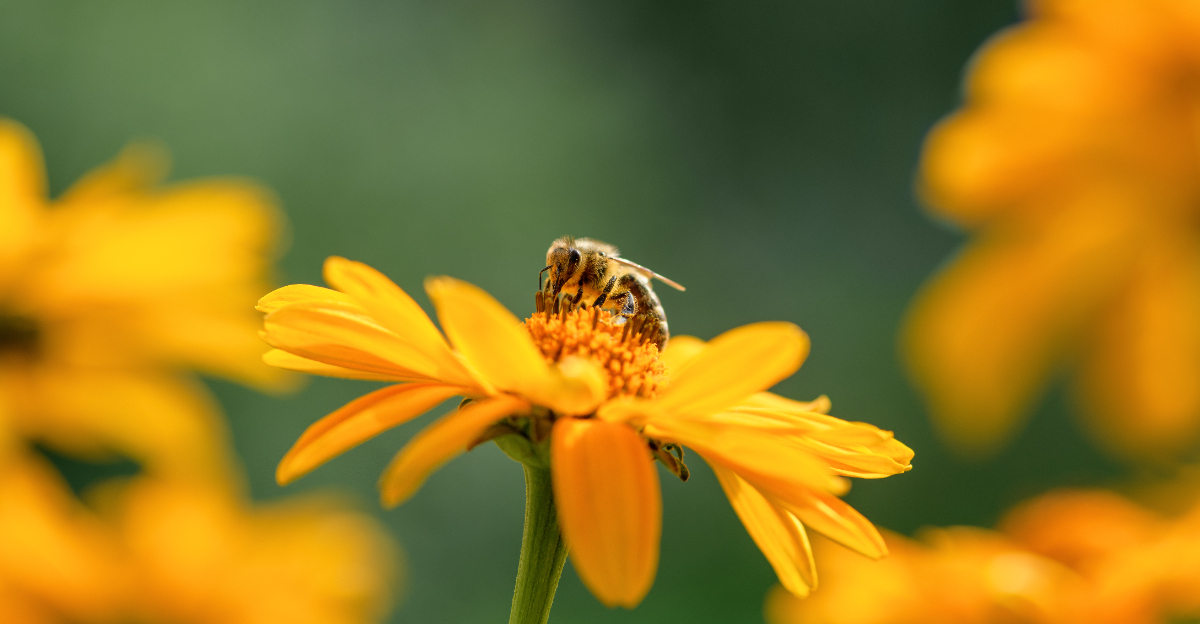
Your garden looks like something out of a magazine, yet the neighbor’s overgrown patch hums with life while yours sits quiet. That’s not bad luck talking.
Pollinators aren’t reading your garden the way you are. Color grabs their attention for half a second, then something invisible decides whether they stay or move on.
Scent chemistry, bloom timing, the shape of a petal’s landing pad, all of it speaks a language you were never taught to notice. Miss that language, and your garden becomes scenery instead of a destination.
Learn what’s actually steering that flight path, and the fix turns out simpler than you’d guess.
1. Flower Scent Matters More Than Petal Shade
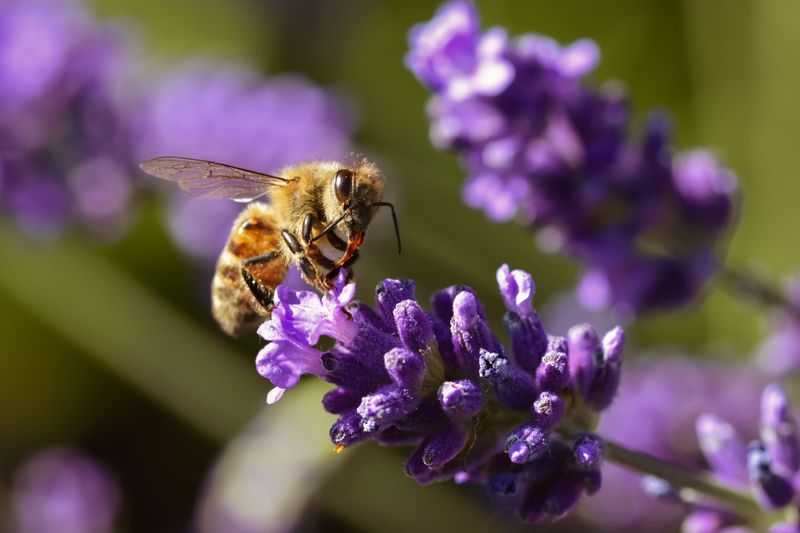
Forget everything you thought you knew about attracting bees with bold colors. Scent is the bee’s first invitation, and it travels much farther than any visual cue ever could.
Bees can detect floral fragrance from a surprising distance, long before they ever spot a bloom. Scent often reaches a bee well before sight does, shaping its decision before it ever gets close.
Plants like lavender, borage, and lemon balm produce strong aromatic compounds that bees recognize instantly. Heavily hybridized flowers, bred for looks, often lose those natural scent signals during development.
If your garden is full of showy but odorless blooms, bees may simply pass them over. A gorgeous rose with no fragrance is essentially invisible to a foraging bee’s most powerful sense.
Planting fragrant herbs alongside ornamental flowers can dramatically shift bee traffic in your yard. Basil, thyme, and mint act like neon signs for pollinators looking for a reliable food stop.
Scent also communicates nectar availability. Some flowers release stronger fragrance when their nectar is freshly produced, signaling bees to arrive at exactly the right moment.
Try crushing a leaf from your garden plants and smelling it yourself. If you can barely detect an aroma, a bee probably cannot find it worthwhile either.
Choosing plants with authentic, natural fragrance is one of the smartest moves any gardener can make. Your nose and the bees will both thank you for it.
2. Pesticide Residue Sends Bees Elsewhere
Even one application of a common pesticide can quietly wreck your garden’s reputation among local bee populations. Bees are extraordinarily sensitive to chemical residues that linger long after spraying.
Neonicotinoids are among the most widely used garden pesticides in America. They can remain active in plant tissue for months, making flowers toxic even when they look perfectly healthy.
Bees that encounter treated flowers may experience disorientation and memory loss. Some of those bees struggle to find their way back to the hive, and the location loses its appeal for future visits.
Even organic gardens can have issues if neighboring yards spray regularly. Wind carries residue across property lines, contaminating flowers that were never intentionally treated at all.
Systemic pesticides are especially sneaky because they travel through the plant’s entire system. That means pollen and nectar can carry harmful compounds even when the spray happened weeks earlier.
Switching to integrated pest management reduces chemical exposure significantly. Companion planting and physical barriers handle many pests without putting pollinators at risk.
Check plant labels at nurseries before purchasing. Many pre-treated plants sold at big box stores contain systemic pesticides that persist through an entire growing season.
Your flower bed might look thriving and lush on the surface. But if bees are skipping it entirely, chemical residue could be the invisible culprit pushing them away for good.
3. Ultraviolet Patterns Guide Their Landing Choices
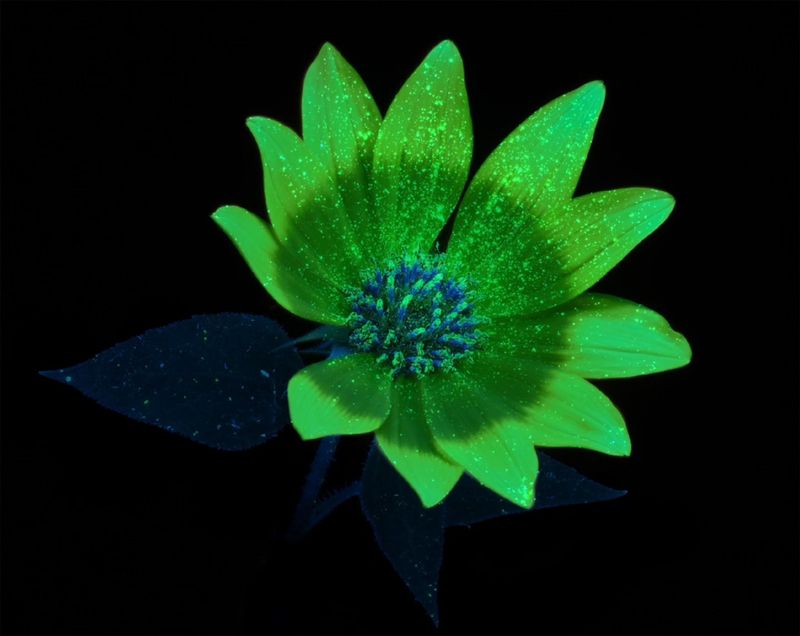
Bees live in a completely different visual world than humans do. They see ultraviolet light, and flowers have evolved stunning hidden patterns specifically designed to communicate with them.
These UV patterns are called nectar guides, and they function like runway lights at an airport. They direct bees straight toward the pollen and nectar at the center of each bloom.
Many modern hybrid flowers have lost these UV patterns through selective breeding. Growers focused on color and size often unintentionally eliminated the very signals bees rely on most.
A flower that looks vivid and beautiful to human eyes may appear completely blank to a foraging bee. Without those UV landing guides, bees have no reason to choose that bloom over others.
Native wildflowers almost always retain strong ultraviolet patterns. That is a big reason why naturalized meadows attract far more pollinators than manicured hybrid gardens typically do.
You cannot see UV patterns without special photography equipment, but you can make educated choices. Opting for heirloom and native plant varieties dramatically increases the chance of strong bee-visible markings.
Studies on bee vision confirm that flowers with clear UV contrast at their centers are located and landed on far more quickly than plain ones.
Choosing plants with a proven pollinator history is the practical takeaway here. Bees are not being picky for no reason, they are following ancient visual instructions you simply cannot see.
4. Nectar Quality Outweighs Visual Appeal
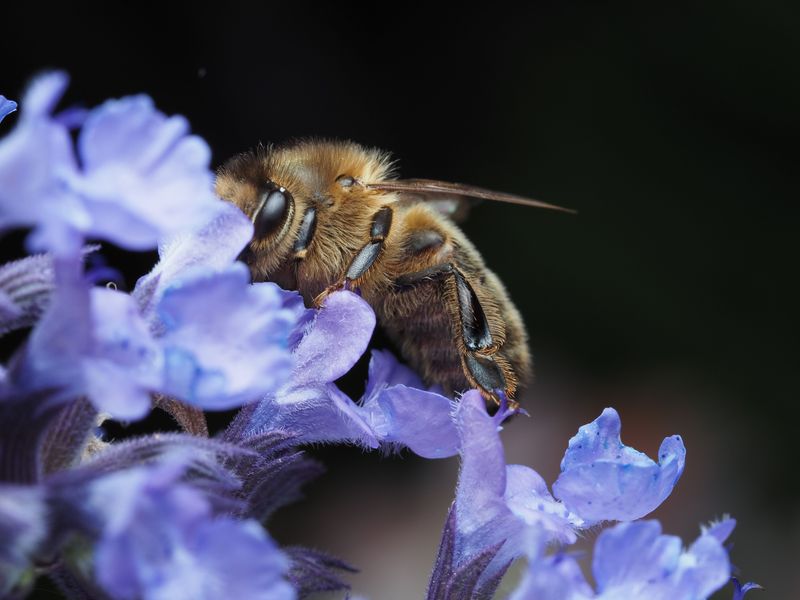
A bee is essentially a very efficient forager running on a tight energy budget. It will usually choose the flower that offers the best caloric return, no matter how stunning that flower looks.
Nectar sugar concentration is the key metric bees evaluate on nearly every visit. Flowers with diluted or low-sugar nectar simply do not justify the energy spent flying to them.
Soil quality directly affects nectar richness in your plants. Flowers grown in depleted or over-fertilized soil often produce watery nectar that bees find nutritionally underwhelming.
High-nitrogen fertilizers push leafy green growth but can actually reduce nectar sugar content. A lush, leafy flower bed might be producing blooms that offer bees very little reward.
Native plants adapted to local soils tend to produce richer, more consistent nectar. They have co-evolved with regional bee species over thousands of years, creating a reliable food relationship.
Watering habits also matter more than most gardeners realize. Overwatered plants dilute their own nectar, making each flower a less attractive stop on a bee’s foraging route.
Amending soil with compost and reducing synthetic fertilizer use can meaningfully boost nectar quality. Healthy soil microbiomes support the plant chemistry that produces rich, sugar-dense nectar bees prioritize.
Visual appeal is just the opening act in a bee’s decision-making process. The real audition happens when a bee takes its first sip, and low-quality nectar ends the relationship fast.
5. Dense Mulch Blocks Ground-Nesting Access
Most people picture bees living in hives hanging from trees, but roughly 70 percent of native bee species actually nest in the ground. That fact changes everything about how you should think about your garden’s design.
Ground-nesting bees need access to bare, undisturbed soil to create their tunnels and lay eggs. A thick layer of mulch seals off that access point, making your garden a no-go zone.
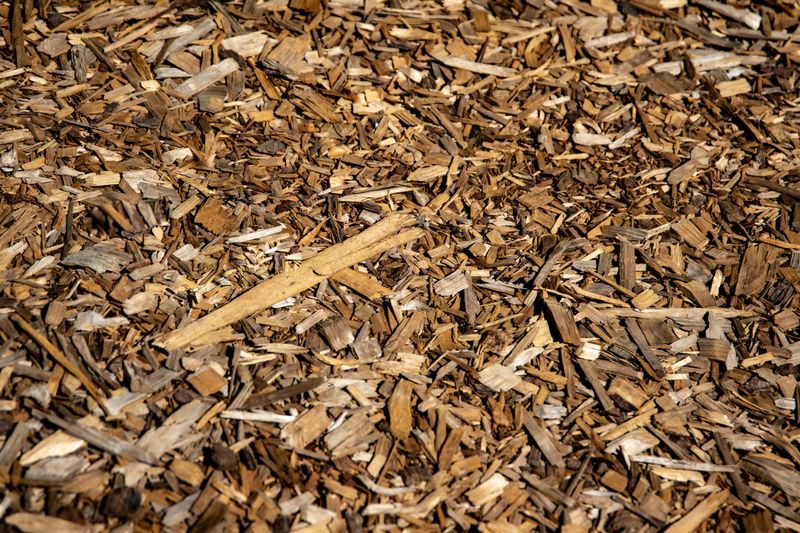
Wood chip mulch is especially problematic because it stays dense and compacted for months. Bees like mining bees and sweat bees cannot burrow through it, so they move on to find a better spot.
Leaving small patches of bare soil in sunny areas of your yard creates an instant invitation. South-facing slopes with loose, sandy soil are particularly attractive to ground-nesting species.
Thin layers of mulch, under two inches, still allow some soil access while suppressing weeds. Finding that balance keeps your garden tidy without accidentally shutting out a huge portion of your local bee population.
Bees also prefer nesting near their food sources. If your flower bed is heavily mulched, nearby bees may nest elsewhere and simply never establish a foraging habit close to your blooms.
Stone pathways and exposed garden edges can serve as excellent nesting zones too. A little strategic wildness in your yard goes a long way toward welcoming more bees to your flower beds.
Rethinking mulch depth could be the single easiest fix hiding in your garden. Less ground cover often means far more buzz overhead.
6. Wind Exposure Changes Foraging Patterns
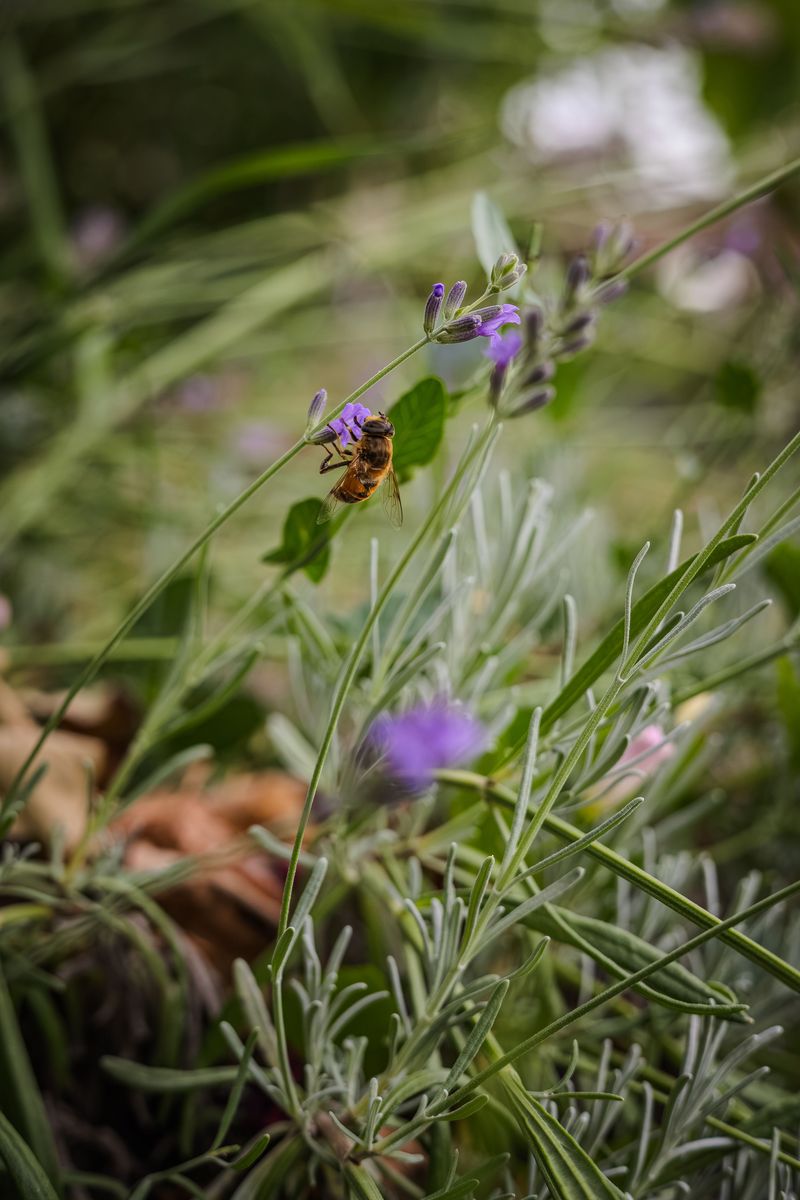
Bees are small, lightweight insects navigating a physical world that can work against them. Strong or consistent wind makes foraging genuinely difficult and even dangerous for many species.
When flowers sway unpredictably in the wind, bees cannot hover and land with precision. That instability burns extra energy and increases the risk of missing the flower entirely.
Open, exposed garden beds in gusty areas see significantly less bee traffic than sheltered spots. Bees are practical creatures, and they will consistently choose calmer foraging environments when given a choice.
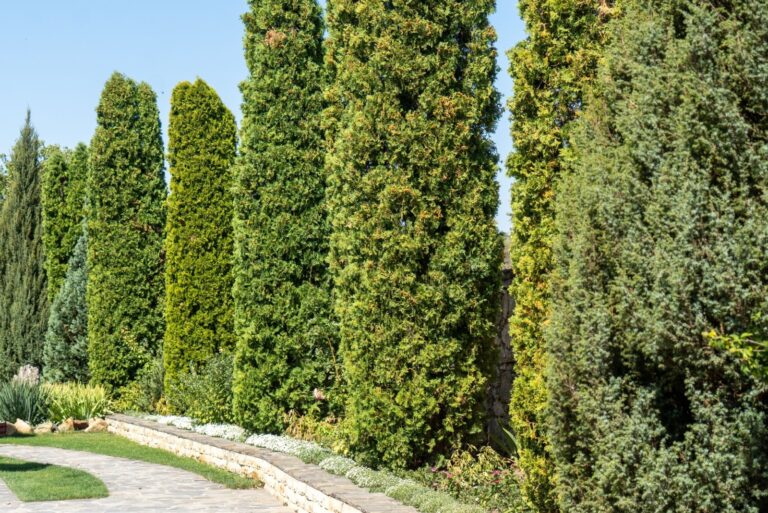
Fences, hedgerows, and dense shrubs create natural windbreaks that make your garden far more inviting. Even a single row of tall ornamental grasses can reduce wind speed enough to matter.
Bees also use landmarks to navigate their foraging routes. Wind-battered gardens with constantly moving plants make it harder for bees to memorize reliable paths back to food sources.
Positioning your flower beds on the leeward side of structures or natural barriers helps enormously. A garden tucked against a fence or wall will attract more consistent pollinator visits throughout the season.
Certain bee species, like bumblebees, handle wind better than smaller native bees. But even bumblebees cut back on foraging once sustained winds pick up enough to make flight unstable.
Shelter is not just comfort for bees, it is a survival calculation. Creating a calm garden microclimate might be the upgrade your flower bed has needed all along.
7. Bloom Timing Affects Bee Traffic
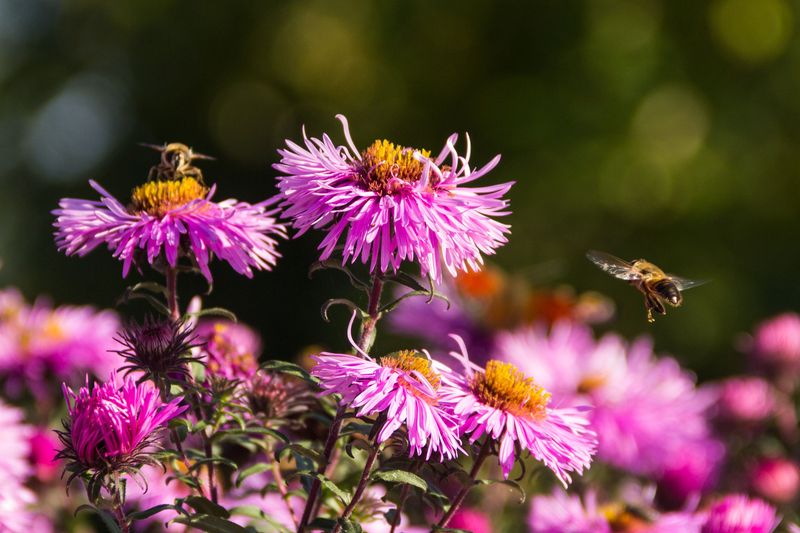
Planting a garden that blooms all at once sounds impressive, but bees experience it very differently. A short burst of flowers followed by bare stems leaves pollinators with no reason to return.
Bees establish foraging routes based on reliable, consistent food availability. If your garden only peaks for two weeks in June, bees will find more dependable sources and stop visiting yours.
Staggering bloom times across spring, summer, and fall keeps bees engaged with your yard all season. Early bloomers like crocuses and hellebores serve bees that emerge on warm late-winter days.
Midsummer gaps are one of the most common and overlooked problems in home gardens. Many gardeners plant spring and fall flowers but forget that July and August need representation too.
Coneflowers, black-eyed Susans, and anise hyssop bridge that midsummer gap beautifully. They bloom reliably during the hottest months when many other garden plants have already finished their cycle.
Late-season bloomers like asters and goldenrod are critically important for bees preparing for winter. These plants provide the last major nectar and pollen sources before cold weather arrives.
Planning a four-season bloom calendar does not require a massive garden redesign. Strategic additions of just a few well-chosen plants can fill the gaps and transform your yard’s pollinator appeal.
Bees notice more than color, and consistent bloom timing is one of the biggest signals they track. Get the timing right, and your garden becomes a year-round destination rather than a seasonal stop.
8. Water Sources Nearby Increase Visits
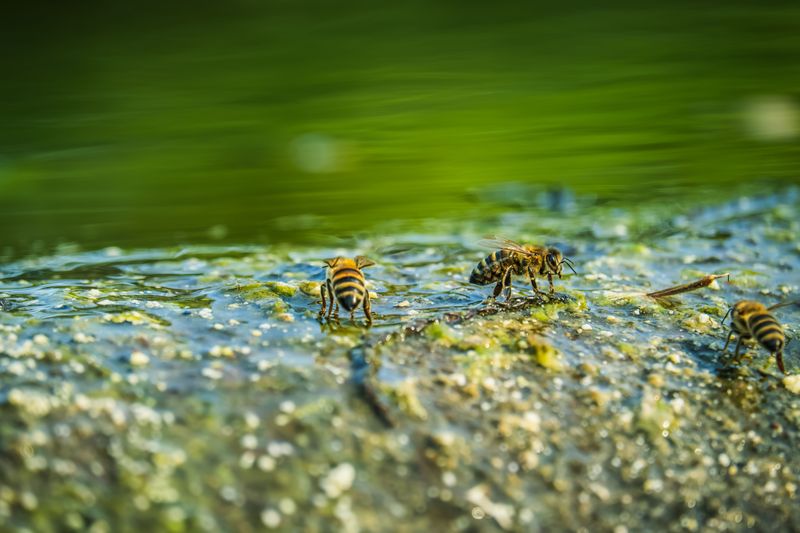
Bees get thirsty too, and access to clean, fresh water is a surprisingly powerful draw for pollinators. Gardens near a reliable water source consistently attract more bee activity than dry gardens do.
Bees use water to regulate hive temperature during hot weather. Worker bees collect water and spread it inside the hive, then fan it to create an evaporative cooling effect.
A simple shallow dish with pebbles and fresh water can make your yard significantly more attractive. The pebbles give bees a safe landing spot so they can drink without the risk of drowning.
Birdbaths are often too deep and too slippery for small bees to use safely. A dedicated bee waterer placed near your flower bed is a low-cost addition with a high pollinator payoff.
Bees also detect minerals dissolved in water and often prefer slightly muddy or mineral-rich sources. That is why you sometimes see bees gathered near puddles rather than pristine birdbaths in the yard.
Placing your water source close to your flower bed creates a convenient one-stop foraging experience. Bees that drink nearby are far more likely to also forage nearby on a regular basis.
Changing the water every two days prevents mosquito breeding and keeps the source fresh. Stagnant water loses its appeal quickly, and bees are surprisingly good at detecting water quality.
Adding a water feature is one of the simplest ways to boost your garden’s bee traffic. Bees notice more than color, and sometimes all they need is a good drink to stay loyal to your blooms.