What It Means If Fireflies Are Disappearing From Your Minnesota Yard
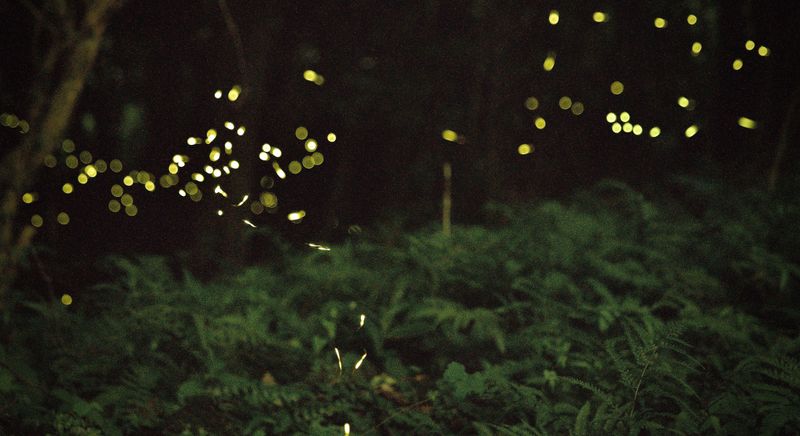
Darkness has settled into places that once flickered with life. Minnesota summers used to glow with tiny pulses of light. Now you stand outside and see nothing but stillness.
Backyards across Minnesota feel emptier, quieter, and oddly calm. Scientists call this a warning sign, not a coincidence. Chemicals settle into soil where fireflies once thrived.
Artificial light floods yards, masking the signals they rely on. Development reshapes fields, wetlands, and wild edges they need. Weather swings confuse breeding cycles that took generations to perfect.
You might blame bad luck, but patterns rarely lie. This quiet shift stretches far beyond any single yard. Neighboring states report similar losses, similar quiet, similar concern.
Answers exist, though, hidden beneath assumptions you probably never questioned. Curiosity alone won’t fix what habits changed over years.
Every evening lost deserves an honest explanation. Understanding what changed is the only way you’ll ever get the glow back.
Why Firefly Populations Are Declining Across Minnesota
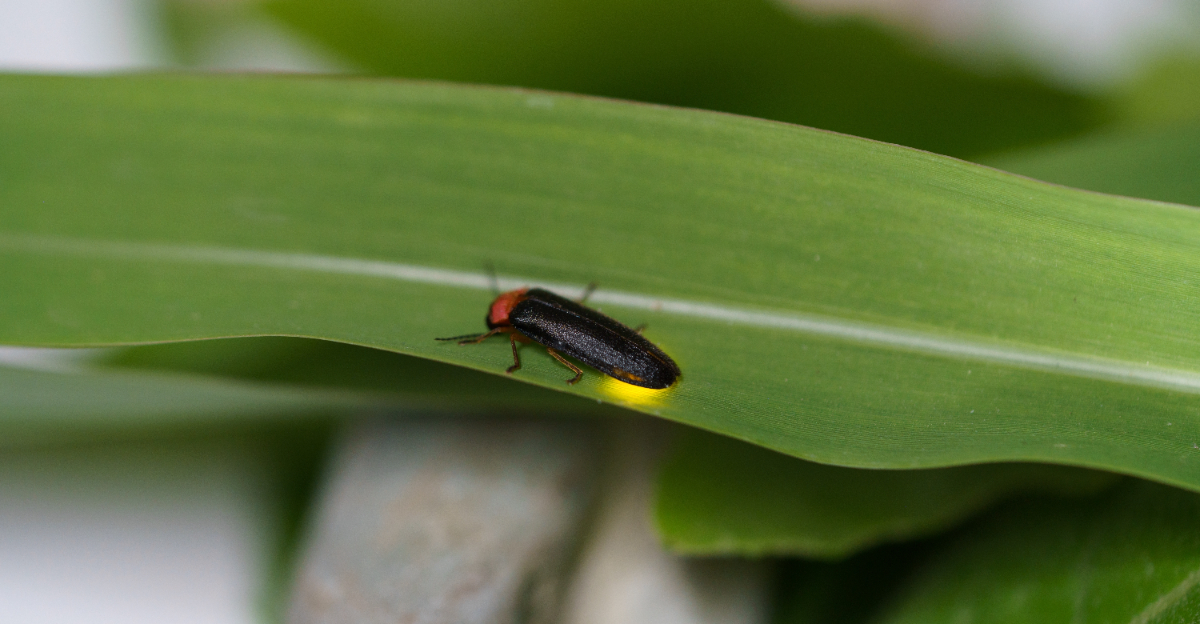
The yard feels quieter than it used to. Fireflies are disappearing from Minnesota backyards at a rate that researchers are actively studying.
These small beetles belong to the family Lampyridae, and North America hosts approximately 170 known species, according to entomological estimates. Many of those species rely on very specific conditions to survive and reproduce.
Firefly populations have been quietly declining for decades across the upper Midwest. A combination of pressures, not just one single cause, is responsible for the shrinking numbers people notice each summer.
Scientists track firefly sightings through citizen science programs, and regional observations from the Great Lakes area suggest firefly activity in suburban and rural Minnesota may have declined in recent decades.
What makes this especially tricky is that fireflies spend most of their lives underground as larvae. They live beneath leaf litter and moist soil for one to two years before ever flashing a single light.
That long underground phase makes them incredibly sensitive to soil disruption, chemical exposure, and moisture changes. Any shift in those underground conditions can significantly reduce survival for that generation before it ever gets to glow.
Fireflies also have a very short adult lifespan, sometimes just a few weeks. That tight window means even small environmental setbacks can have outsized effects on local populations.
Understanding the full picture of why fireflies are disappearing starts with looking at the pressures they face at every stage of life. Your yard is part of that picture, and that is actually good news.
Light Pollution’s Hidden Impact On Firefly Mating
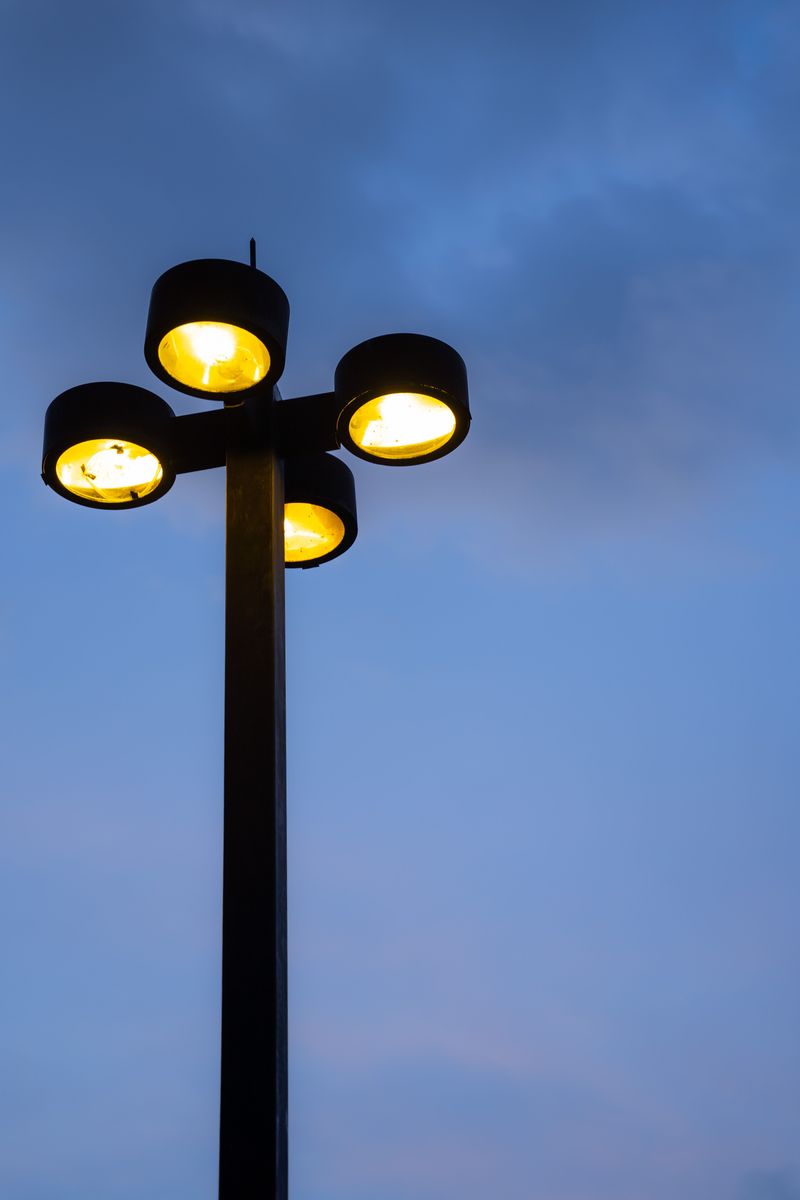
Fireflies talk with light. Their flashes are not random; they are precise mating signals that each species sends and receives in a specific pattern.
Males fly and flash while females wait in the grass below, responding with their own timed blinks. This back-and-forth is how fireflies find each other and reproduce.
Artificial light disrupts that signaling process. Bright outdoor lighting makes it nearly impossible for fireflies to see each other’s signals against the glowing background noise of modern neighborhoods.
Your Minnesota Garden Changes Every Week. Your Plan Should Too.
Gardening in Minnesota changes quickly throughout the season. Every Friday you’ll receive a simple weekly plan showing exactly what to plant, prune, fertilize, harvest, and protect so you never miss the right timing.
A study from Tufts University found that firefly flash rates and mating success drop significantly in areas with high artificial light levels. Fireflies essentially stop trying to communicate when the ambient glow overpowers their signals.
Like much of the country, Minnesota has likely seen an increase in outdoor lighting over recent decades. Suburban sprawl, security lights, decorative string lights, and bright LED streetlamps have all added to the problem.
Even a single bright porch light can disrupt firefly activity in your immediate yard. Fireflies tend to avoid lit areas entirely, retreating to darker corners or abandoning a yard altogether.
The fix is simpler than most people expect. Switching to motion-activated lights, turning off unnecessary outdoor fixtures after 9 p.m., and using amber or red bulbs instead of white LEDs can make a real difference.
Darkness is a resource that fireflies genuinely need to survive. Protecting it in your own yard is one of the most powerful steps you can take tonight.
How Lawn Chemicals Affect Fireflies
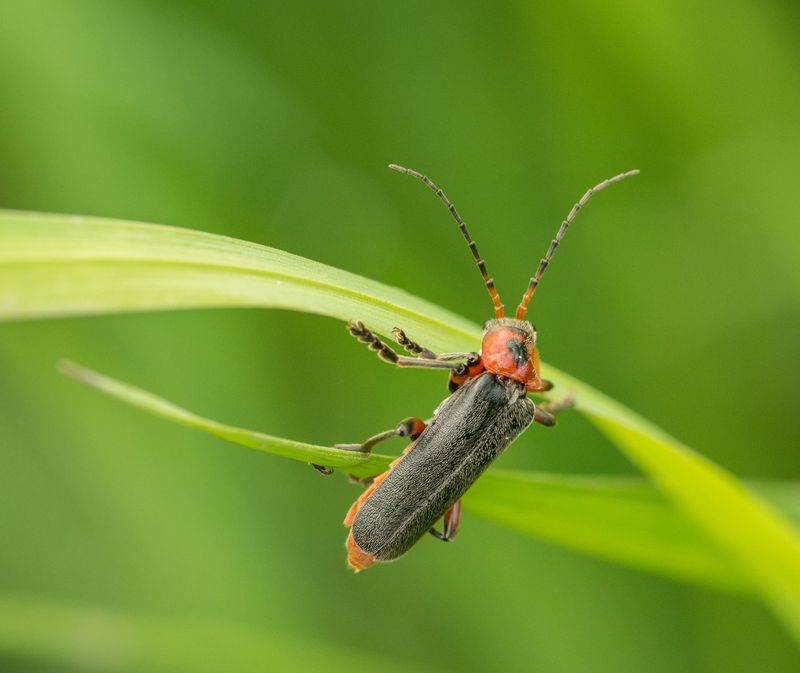
Picture a perfect green lawn, no weeds, no bugs, no mess. That kind of lawn is often an unfavorable environment for fireflies.
Firefly larvae live in the soil and leaf litter for up to two years before becoming adults. During that time, they are directly exposed to anything applied to the ground above them.
Pesticides are the biggest culprit. Products designed to control grubs, mosquitoes, and other insects do not discriminate; they affect firefly larvae just as easily as the pests they target.
Broad-spectrum insecticides like pyrethroids and organophosphates are especially harmful to firefly populations. These chemicals linger in the soil for weeks, continuing to affect larvae long after the initial application dries up.
Herbicides also play a role that many homeowners overlook. Firefly larvae feed on small invertebrates like snails and slugs, and herbicides reduce the plant cover that those prey animals need to survive.
Synthetic fertilizers change soil chemistry in ways that can harm the microorganisms firefly larvae depend on for food. A chemically altered soil is a less hospitable home for the next generation of fireflies.
Switching to organic lawn care practices, skipping unnecessary pesticide treatments, and leaving a section of your yard unmowed can create a safer underground environment. Firefly larvae need that protection to make it to adulthood.
Your lawn does not have to look wild to support fireflies. Small chemical-free zones make a measurable difference in whether those summer lights return.
The Role Of Habitat Loss In Your Own Backyard
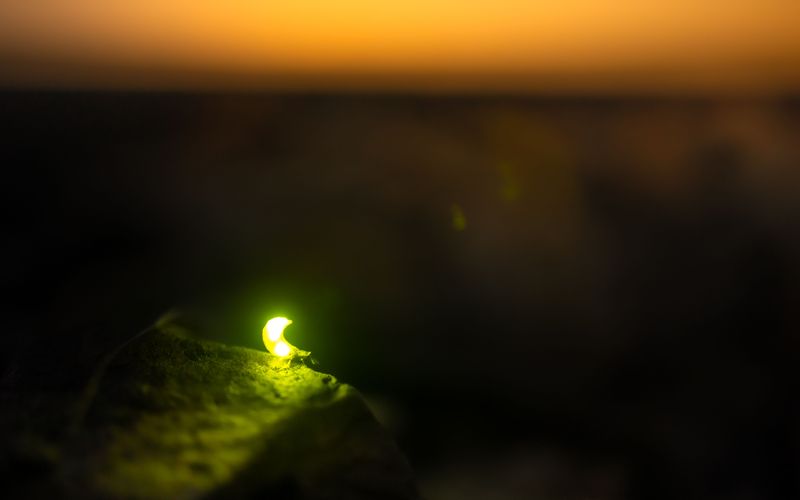
Fireflies do not just need open space; they need the right kind of space. A perfectly trimmed, uniform lawn offers almost nothing a firefly needs to thrive.
Adult fireflies prefer areas with tall grasses, native wildflowers, trees, and shrubs where they can rest during the day. Without that structure, they simply move on or fail to establish at all.
Larvae need moist soil, decaying logs, and deep leaf litter to hunt, hide, and overwinter safely. When yards are raked clean and sealed with mulch mats, that critical underground habitat disappears entirely.
Across Minnesota, neighborhoods have replaced native plant communities with monoculture lawns and ornamental landscaping. That shift has quietly erased the habitat patches fireflies depend on across entire suburban areas.
Water is another key element. Fireflies are strongly associated with ponds, streams, wetlands, and even low-lying areas that stay damp through the summer months.
If your yard has been graded, drained, or filled to remove wet spots, you may have accidentally removed one of the main draws for local firefly populations. Moisture is not a nuisance; it is an invitation.
Adding a small water feature, planting native grasses along a fence line, or leaving one corner of the yard unmowed can restore meaningful habitat fast. Even a modest brush pile near the back fence gives larvae a place to shelter through winter.
Fireflies are not asking for a wilderness. They just need a yard with a little more wildness in it.
Climate And Weather Patterns Affecting Firefly Numbers
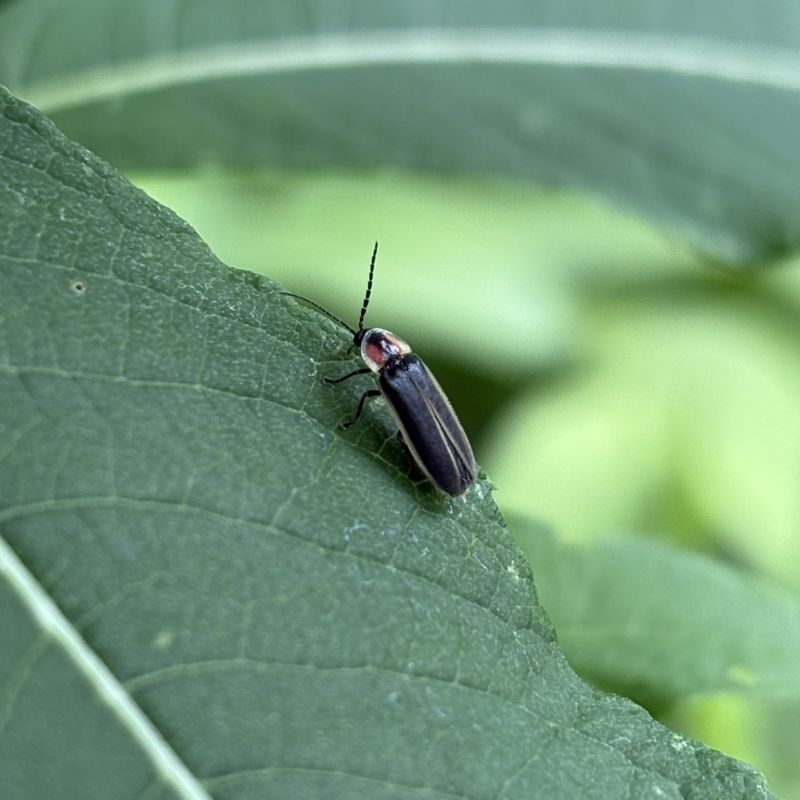
Fireflies are deeply tied to moisture, and Minnesota’s weather has been getting less predictable with each passing decade. Drought years hit firefly populations especially hard.
Firefly larvae need consistently moist soil to survive underground. When dry spells stretch through spring and early summer, larvae struggle to move, hunt, and complete their development on schedule.
Warmer winters have also disrupted the firefly life cycle in subtle but serious ways. Fireflies rely on specific temperature cues to time their emergence, and mild winters throw that internal calendar off.
Early warm spells in April or May can trigger premature adult emergence before the conditions for mating are actually right. That mistiming reduces breeding success even in years when firefly numbers look promising at first glance.
On the flip side, late-season cold snaps can significantly reduce the number of newly emerged adults before they have a chance to reproduce. The window for successful mating is already short, and unpredictable weather makes it shorter.
Heavy rainfall events, which are becoming more common across the upper Midwest, can also flood soil-level habitats and drown larvae. Too much water at the wrong time is just as harmful as too little.
Gardeners can help buffer against these extremes by creating moisture-retaining habitats with native plantings and mulched garden beds. Those features act as sponges during wet periods and reservoirs during dry ones.
You cannot control the weather, but you can build a yard that gives fireflies a fighting chance against it.
Simple Ways To Bring Fireflies Back To Your Yard
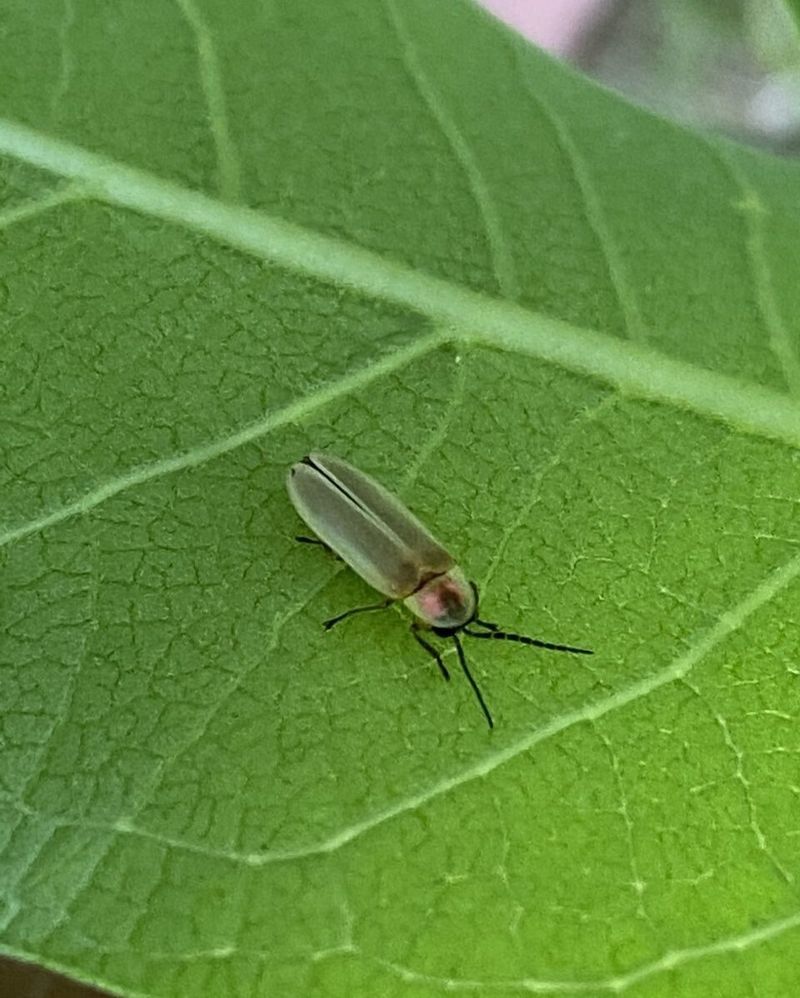
Here is the part where things get hopeful. Fireflies are not gone forever, and your yard can genuinely become a refuge for them again.
Start with darkness. Turn off or redirect outdoor lights after 9 p.m. during firefly season, which generally runs from late June through July in Minnesota, depending on the species and year.
Next, stop treating your lawn with broad-spectrum pesticides. Even skipping one or two seasonal applications gives firefly larvae a better shot at surviving underground through their long development cycle.
Plant native species like wild bergamot, black-eyed Susan, and native grasses along your yard’s edges. These plants attract the small invertebrates that firefly larvae feed on and provide shelter for adults during the day.
Leave leaf litter in garden beds through the winter months. That layer of decomposing leaves is prime real estate for overwintering firefly larvae, and removing it can significantly reduce that generation’s survival.
Add a water element if you can. Even a small container pond or a consistently damp garden corner signals to fireflies that your yard has what they need.
Let a section of grass grow taller than usual, several inches higher than a typical mow. Adult fireflies rest in tall vegetation and use it as a launch pad for their nightly light shows.
Fireflies are disappearing from Minnesota yards for reasons largely tied to human activity, which means we have the power to help reverse the trend. Small changes in your outdoor routine can light up your summer nights again.