Before Removing an Ohio Rat Snake From the Garden, Consider What Brought It There
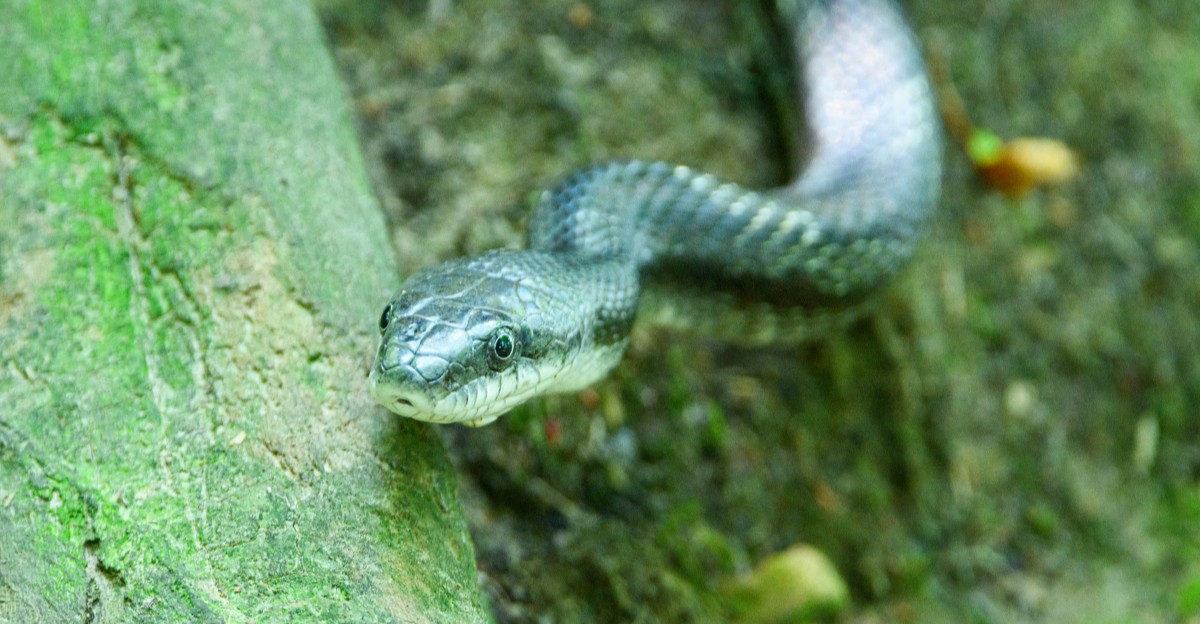
A shiny black snake several feet long can climb straight up a tree trunk without a single branch to grab. I still remember the first one I saw stretched across my raised bed, glossy as patent leather and calm as a cat.
That moment made my heart skip, but it also taught me something. This visitor carries no venom, and it eats the very critters that nibble my tomatoes and tunnel under my hostas.
Here in Ohio, these reptiles show up in yards, barns, and woodpiles more often than most folks realize. They rarely wander in by accident, either.
I believe every unexpected guest in the garden is a clue about what’s going on behind the scenes. So what is your yard quietly offering that a long, hungry climber finds so hard to resist?
That Big Black Snake in Your Flower Bed Followed a Trail
Snakes don’t pick gardens at random. A rat snake in your flower bed is usually tracking a scent trail left by something it wants to eat.
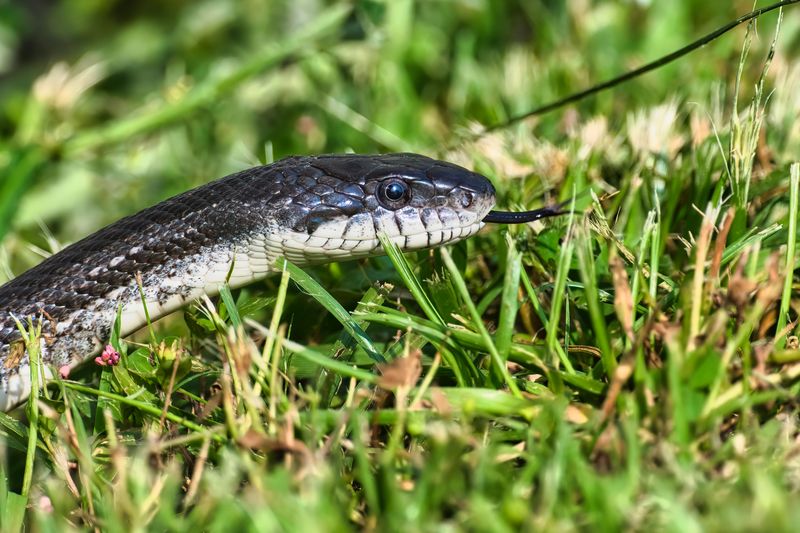
Biologists call the Ohio species the eastern ratsnake, though most people still say black rat snake. Adults are shiny black on top with a white or cream chin and throat. Young ones look different, with gray and brown blotches that fade as they grow.
The Ohio Department of Natural Resources lists this snake as the largest in the state. Many adults reach four to six feet, and a few big ones stretch even longer. That size sounds scary, but it simply means the snake needs plenty of food.
So when one shows up, ask yourself a simple question. What small animals have been visiting lately? Chewed bulbs, holes along your foundation, or seed scattered under the bird feeder are all strong hints.
I like to treat the snake like a detective’s tip. It points straight at a rodent problem I may have missed. Once you see it that way, the visit starts to feel less like an invasion and more like a free inspection from a very quiet expert.
Mice and Voles Near the Compost Are the Real Dinner Bell
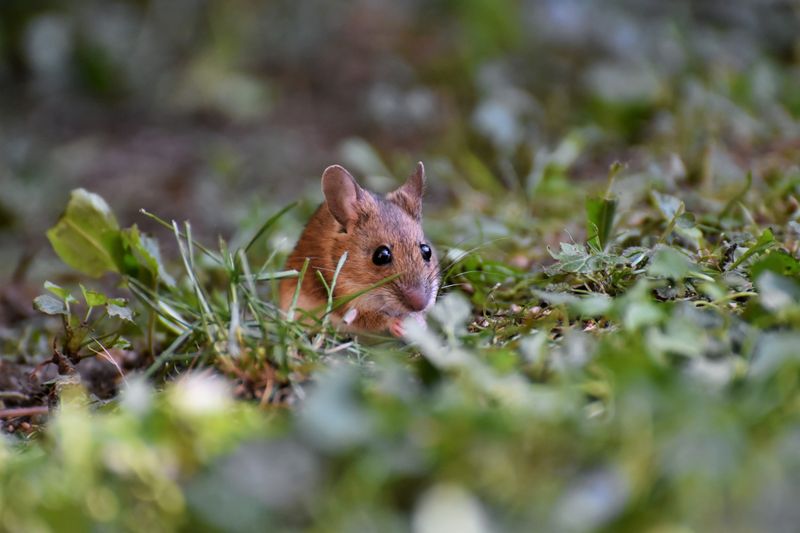
Rodents are the number one reason a rat snake moves in. Mice, rats, voles, and young chipmunks make up a big part of its menu.
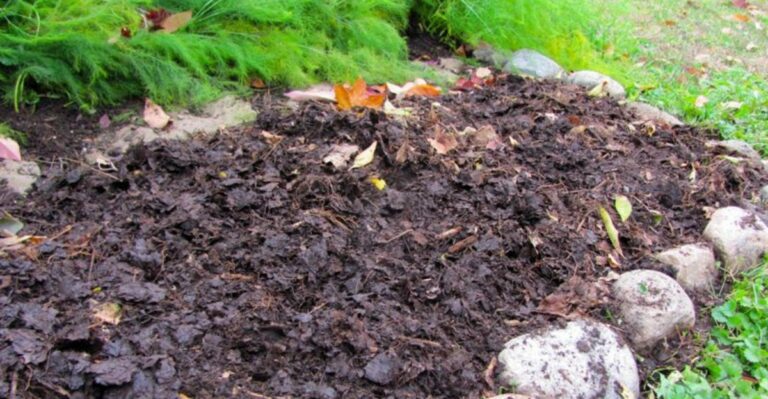
Gardens are rodent paradise. Compost piles stay warm, bird feeders drop seeds, and thick mulch hides tunnels. Voles chew roots and bark, while mice nest in sheds and nibble stored seed packets.
Rat snakes are constrictors. They grab prey with their mouths, wrap their bodies around it, and squeeze until it stops moving. Then they swallow it whole, which means one good meal can keep a snake satisfied for days.
Here’s a practical step you can take today. Walk around your yard and look for spilled birdseed, open trash cans, pet food left outside, and uncovered compost with food scraps. Clean those up, and you cut back the buffet.
Fewer rodents usually means fewer snakes over time. The snake isn’t the problem you need to fix. It’s a sign of an easy food supply, and handling that supply is the smartest long-term move for any gardener who wants a calmer yard.
Leaving the Rat Snake Alone Is Usually Your Best Move
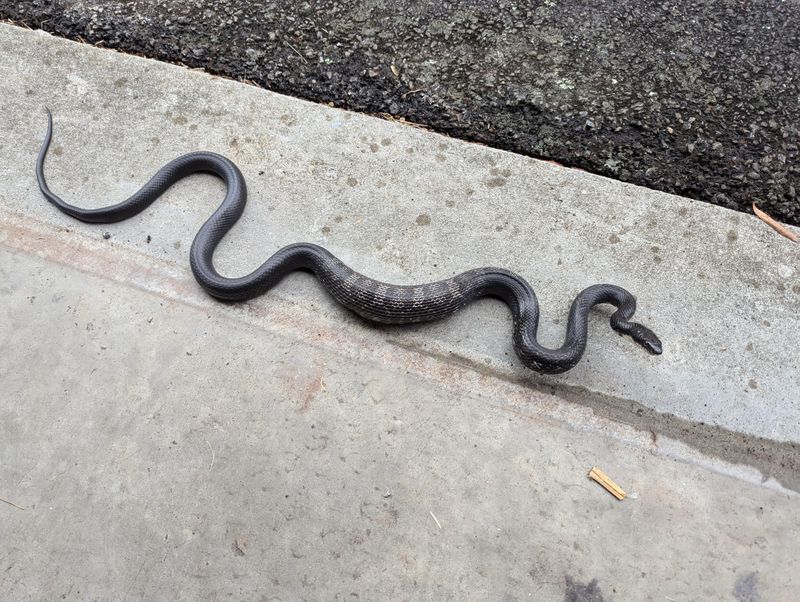
Honestly, the easiest solution is often to step back and let it go. Rat snakes are not venomous, and they would much rather hide than face you.
A snake in the open is usually passing through or soaking up sun. Give it a few feet of space and it will often slide away within minutes. Spraying it gently with a garden hose can encourage it to move along if it’s in a busy spot.
Please skip the shovel. Snakes that feel trapped defend themselves, and most bites happen when people try to grab or harm them. Ohio law also protects native wildlife, and some snake species in the state are listed as endangered, so a mistaken identity could cause real trouble.
Moving a snake far away rarely helps either. Research on relocated snakes shows many struggle in unfamiliar places, and another snake may simply take its spot if food remains.
If one ends up inside your garage or home, call a licensed wildlife control operator. ODNR keeps a list of permitted professionals. For a snake in the garden, though, patience works wonders and costs nothing.
Woodpiles, Rock Walls, and Tall Grass Make Perfect Hideouts
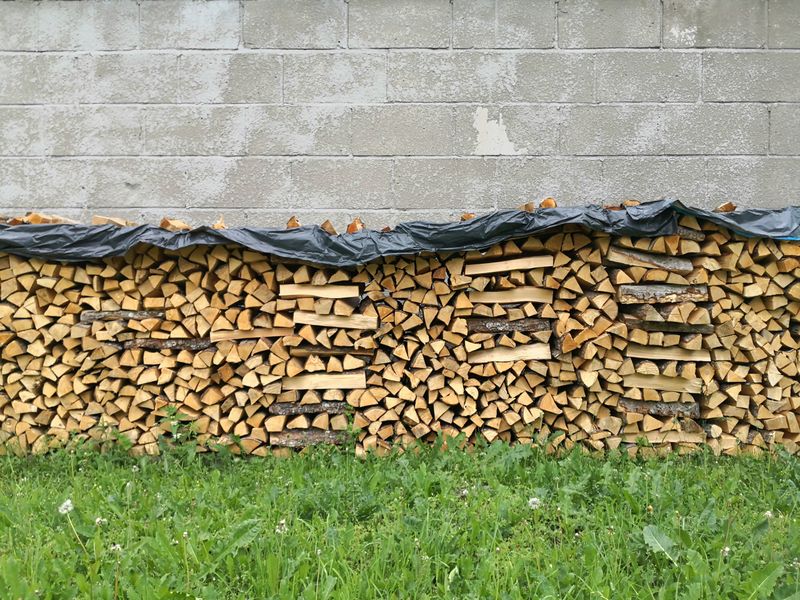
Shelter matters almost as much as food. A snake needs safe places to rest, digest, and hide from hawks and foxes.
Firewood stacks, loose rock walls, brush piles, old boards, and tall unmowed grass all feel like cozy hotel rooms to a rat snake. Sheds with gaps underneath and cluttered corners full of pots and tarps work too.
Those same spots attract mice, which is a double bonus for the snake. Food and cover in one place? That’s an easy choice for any hungry reptile.
Rock walls and woodpiles also hold the day’s warmth, which is why rat snakes often sun themselves along their edges in cooler weather. Moving firewood and loose stone a few feet away from the house keeps that cozy spot from becoming a doorstep.
Want fewer surprise encounters? Try these simple changes.
Stack firewood on a raised rack away from the house. Keep grass trimmed near patios and doorways. Pick up unused boards and clear brush piles you don’t need for wildlife.
I left a messy stack of old fence boards behind my shed for one summer, and guess who moved in? Once I cleared it, the snake found somewhere else to nap. You don’t have to strip your yard bare, just decide where you’re happy to share space.
These Snakes Climb Trees, Fences, and Even Birdhouses
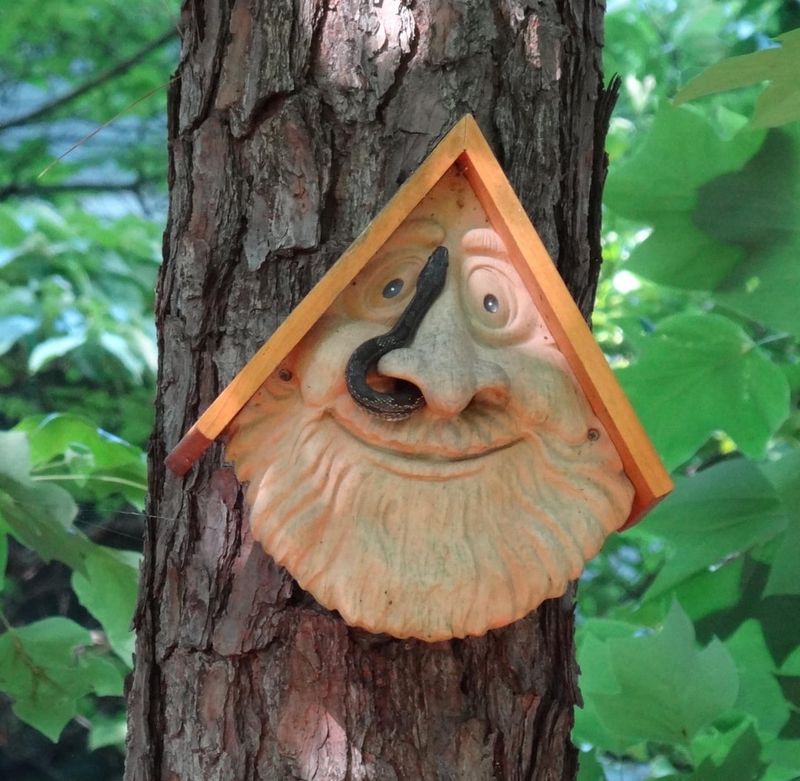
Few backyard sights surprise people more than a snake halfway up an oak tree. Rat snakes are amazing climbers, and that skill explains a lot of their behavior.
Their belly scales have edges that catch on rough bark, brick, and wooden siding. They press their bodies into a kinked shape and inch upward with impressive grip. Some even end up in attics or barn rafters chasing mice.
Climbing also leads them to bird nests. Eggs and baby birds are part of their natural diet, which can upset people who love their bluebird boxes.
A few fixes help protect nesting birds. Mount birdhouses on smooth metal poles instead of trees or fences. Add a cone-shaped or tube-style baffle below the box. Keep branches trimmed so they don’t touch the house.
Trellises, climbing roses, and thick vines give a rat snake the same grip as rough bark. Thinning dense growth near the house and keeping vines off the siding makes it harder for one to reach the roofline.
Did you know? Young rat snakes sometimes spend winter in shared dens with other snake species, and adults may return to the same den for years. A big climber in your tree today might have a long history in your neighborhood.
A Rattling Tail and Stinky Musk Are Mostly Bluff
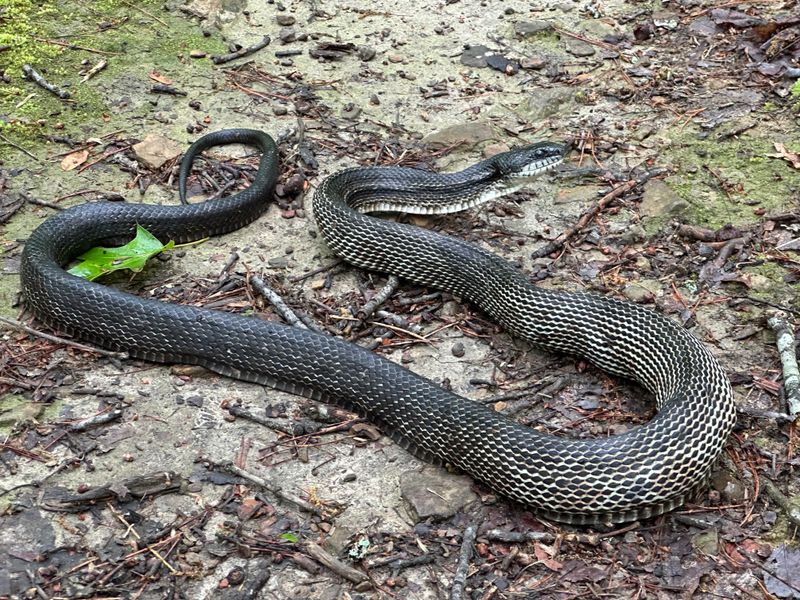
Get too close, and a rat snake may put on quite a show. It might freeze in a kinked pose, shake its tail in dry leaves, or release a strong, unpleasant musk.
That buzzing tail can sound a lot like a rattlesnake, but it’s just leaves vibrating. Rat snakes have no rattle at all. The musk smells awful and lingers on your hands, which is exactly the point.
A bite is possible if you grab one. It may sting and bleed a little, like a bramble scratch, but there’s no venom. Washing the spot with soap and water is usually enough, though check with a doctor if it looks infected.
Telling them apart from venomous snakes matters. Ohio has only three venomous species, the northern copperhead, timber rattlesnake, and eastern massasauga, and all three are uncommon in most backyards. A solid glossy black snake with a pale chin is almost certainly a rat snake.
Teach kids to look and not touch. Keep dogs leashed if a snake is nearby. A little calm goes a long way here.
A Few Garden Tweaks Help You Share Space With Rat Snakes
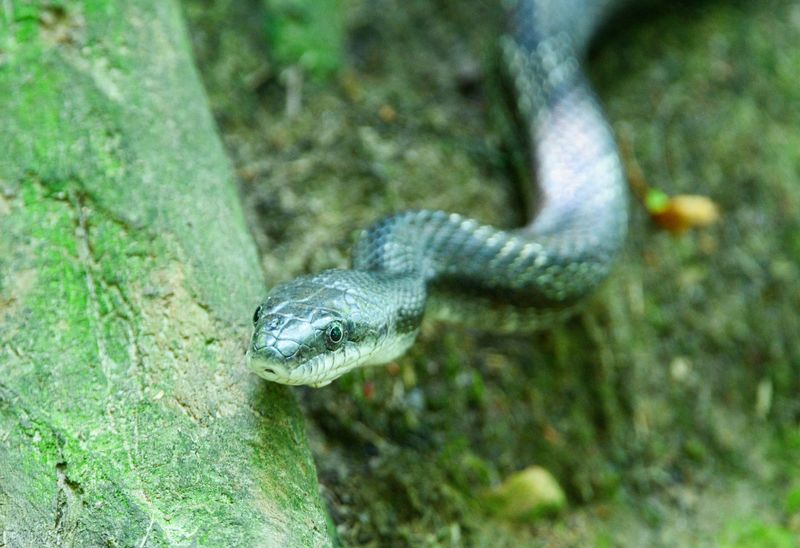
Living alongside a rat snake is easier than most people expect. A few small habits can keep them in the garden edges and out of your daily path.
Start with the house. Seal gaps around foundations, vents, dryer exhausts, and garage doors using hardware cloth or caulk. If mice can’t get in, snakes have less reason to follow.
Next, manage food sources. Store seed and pet food in sealed metal bins and clean under feeders often. Skip heavy rodent poisons, since they can harm owls, hawks, pets, and the snakes doing the same job for free.
Be careful with garden netting too. Loose bird netting tangles snakes easily, so use rigid mesh or keep netting pulled tight.
Snake repellents sold in stores have little scientific support, according to many university extension experts. Your money works better on sealing and cleanup.
Personally, I’ve come to enjoy spotting my resident climber sunning near the rhubarb in late spring. Fewer mice, fewer chewed roots, and one great story for visitors. Next time you meet one, pause, look around, and let it show you what your garden needs.