Before You Bag Those Leaves, Read This About Composting In Alabama
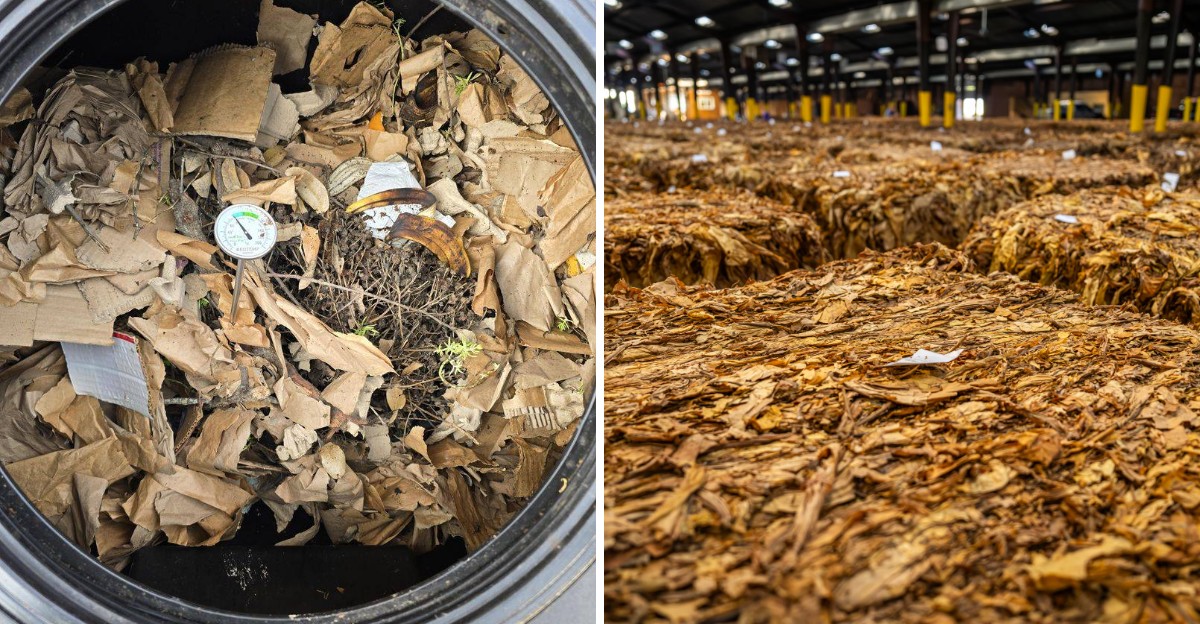
You are handing free nutrients to the curb. Those fallen oak and maple leaves hold minerals that roots pull from deep soil.
Bagging sends those nutrients away where they feed no plants. Shred them with a mower, and you get crumbly mulch in minutes.
Dampen them as you stack. Pile it onto Alabama red clay, and packed ground starts loosening.
Earthworms arrive uninvited and start tunneling through that heavy clay. Microbes heat your pile until steam curls off the top.
Gardeners across Alabama call the finished result black gold. Composting hires a microbe workforce that works for free.
Finished leaf compost holds water through long August dry spells. Roots reach deeper, stems thicken, and healthy plants often set more fruit.
Neighbors will notice your lumpy heap. Discover the simple layering ratio that turns that heap into planting soil by spring.
1. Treat Fallen Leaves As Free Garden Gold
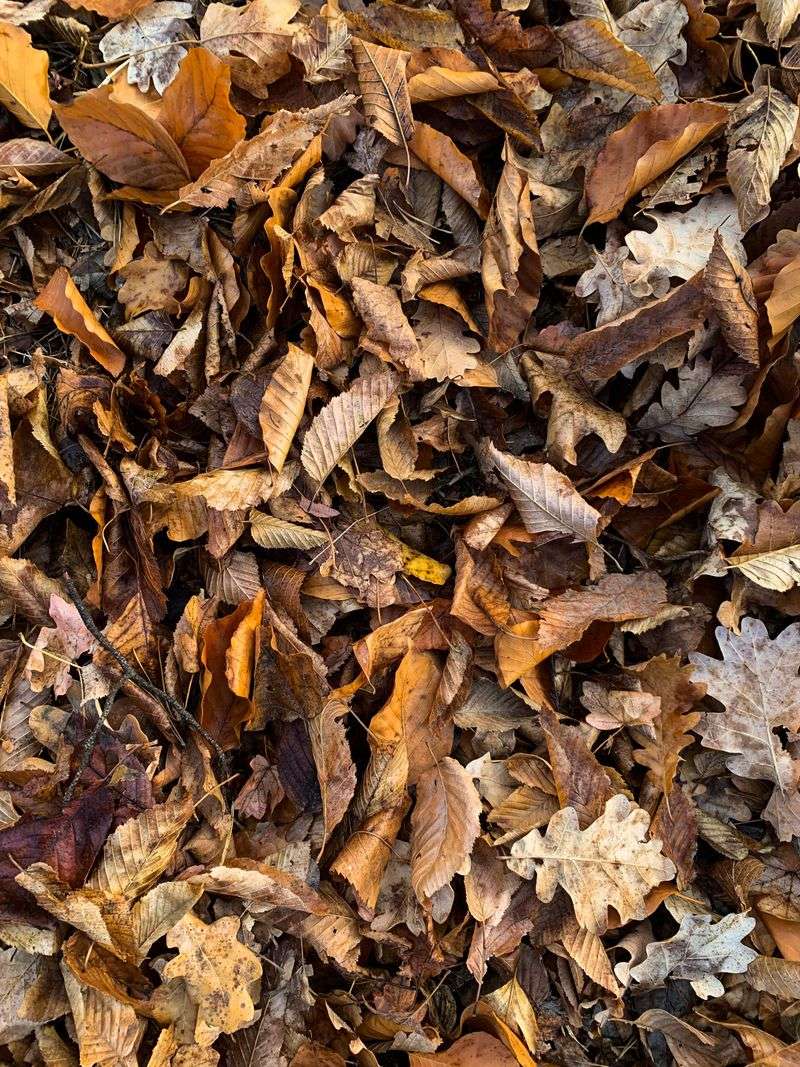
Picture a store selling bags of rich soil booster for ten dollars each. Your trees just dropped dozens of those bags across your lawn, and nobody sent you a bill.
Fallen leaves are packed with minerals that tree roots pulled from deep underground all summer. When leaves break down, those minerals return to the soil where your plants can use them again.
Alabama trees like oaks, maples, sweetgums, and hickories drop huge amounts of leaves each fall. A single large oak can shed hundreds of pounds, which is a lot of free plant food.
Sending that pile away loses many of those nutrients. Yard waste also takes up space in landfills, where it breaks down slowly without enough air.
Some Alabama cities collect leaves, but fees, bag limits, and pickup rules vary quite a bit by city. Keeping leaves at home can save money and a few trips to the curb.
Finished leaf compost makes soil darker, softer, and better at holding water. Plants grown in that kind of soil tend to have stronger roots and handle summer heat better.
Gardeners sometimes call leaf compost black gold because it looks and feels like treasure. Once you see what it does for flower beds, you may start eyeing your neighbors’ leaf bags too.
So before you reach for plastic bags this month, pause and look at that pile differently. It could be a valuable resource sitting right in your yard this fall.
2. Shred The Leaves Before Piling Them Up
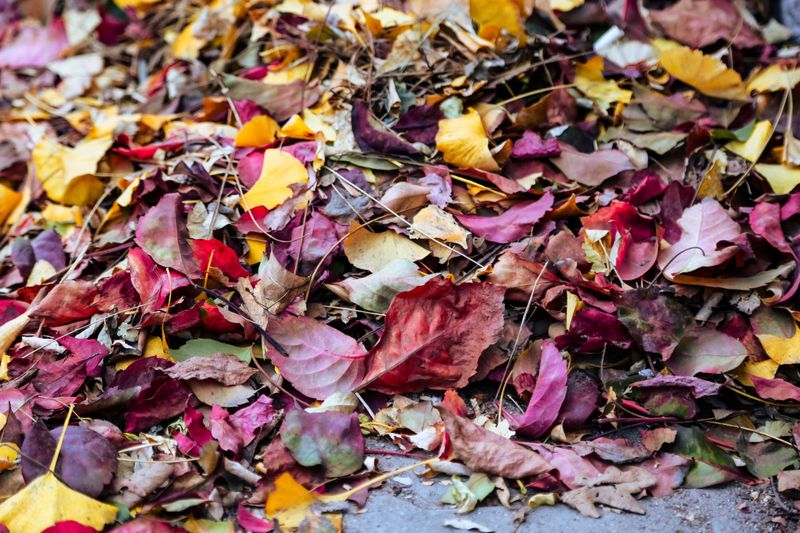
Whole leaves break down slowly. Toss a pile of them in a corner, and they can sit there matted together for over a year.
Shredding fixes that problem fast. Smaller pieces give tiny soil creatures more edges to munch on, so the pile breaks down much quicker.
You do not need fancy gear to get started. A regular lawn mower with a bagging attachment chops and collects leaves in one easy pass.
No bagger on your mower? Simply mow over the leaves a few times, then rake up the confetti-sized bits afterward.
Electric leaf mulchers are another handy choice for bigger yards. Some leaf blowers even have a vacuum setting that sucks up leaves and shreds them inside a bag.
Your Alabama Garden Changes Every Week. Your Plan Should Too.
Gardening in Alabama changes quickly throughout the season. Every Friday you’ll receive a simple weekly plan showing exactly what to plant, prune, fertilize, harvest, and protect so you never miss the right timing.
Southern magnolia and live oak leaves are thick and waxy, so they need extra chopping. Softer leaves like maple and sweetgum break apart easily and rot faster on their own.
Shredded leaves also take up far less room than whole ones. Roughly ten bags of whole leaves can shrink down to about one bag after a good chop.
Try to shred leaves when they are dry for the cleanest cut. Wet leaves clump, clog mower decks, and make the whole job messier than it needs to be.
A few extra minutes with the mower now can save you months of waiting. Your future garden beds will be glad you took the shortcut.
3. Balance Brown Leaves With Green Scraps
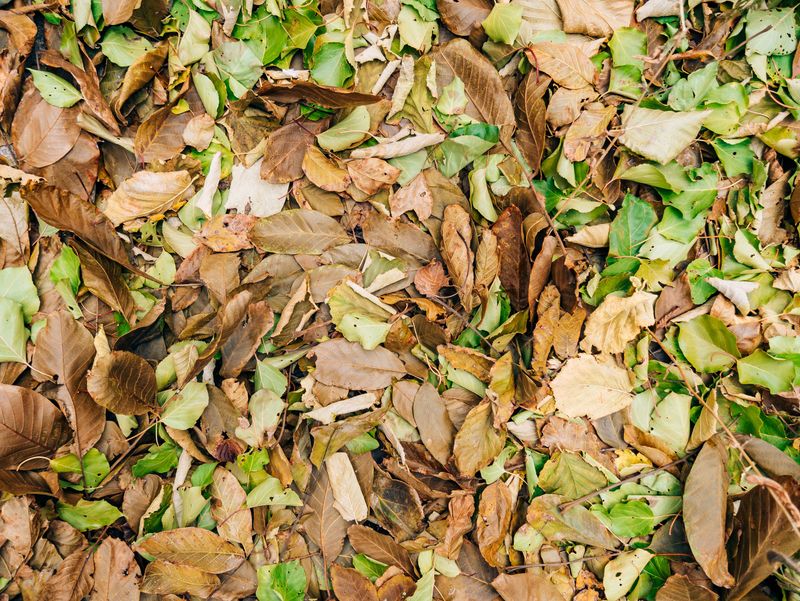
Think of a compost pile like a sandwich that needs both bread and filling. Dry leaves are the bread, and fresh green stuff is the tasty middle.
Brown materials like leaves are rich in carbon, which gives microbes energy. Green materials like grass clippings and veggie peels hold nitrogen, which helps those microbes grow and multiply.
A good rule is about three parts brown to one part green. You do not need a measuring cup, so just eyeball it and adjust as you go.
Too many leaves and nothing much happens for months. Too many greens and the pile turns slimy and starts to smell quite sour.
Kitchen scraps make great green additions in any Alabama home. Banana peels, apple cores, coffee grounds, paper tea bags, and carrot tops all work nicely.
Fresh grass clippings from an untreated lawn also count as greens. Mix them in thin layers so they do not clump into a soggy mat.
Some folks save their leaves in bags behind the shed for later. That way, they have browns ready to mix with summer grass clippings and garden trimmings next year.
Layering helps you keep track of the balance without much thinking. Add a thick layer of leaves, then a thinner layer of greens, and repeat.
Getting this mix right takes a little practice and patience. Once you find it, your pile will warm up and start working efficiently on its own.
4. Keep The Pile Damp Like A Wrung Sponge
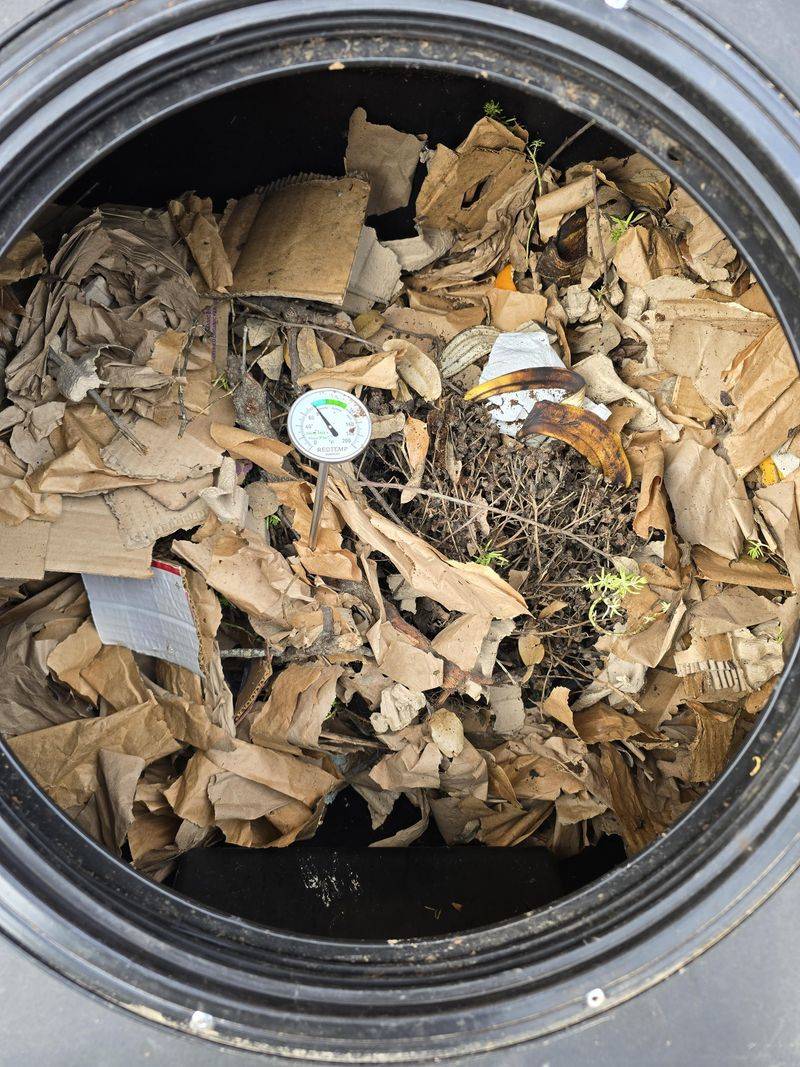
Here is a simple test any gardener can do. Grab a handful from the middle of your pile and give it a squeeze.
If a drop or two of water comes out, you are in great shape. That feeling of a wrung-out kitchen sponge is exactly what tiny decomposers love.
Bone-dry leaves just sit there doing nothing for months. The microbes that break things down need water to move around, eat, and stay active.
Alabama weather can vary greatly during fall. A dry October might need a quick spray from the hose, while a rainy week could leave everything soaked.
Soggy piles cause their own problems. Too much water pushes out air, and the pile may soon develop a sour, unpleasant odor.
When things get too wet, mix in more dry leaves to soak up extra moisture. You can also cover the pile with a tarp during long stretches of heavy rain.
Spray water as you build each new layer instead of dumping it all on top. That way, moisture spreads evenly instead of running off the sides.
Many gardeners check moisture whenever they add kitchen scraps. It only takes a few seconds and keeps small problems from turning into big ones.
Getting the moisture right might feel fussy at first. After a few weeks, you will be able to judge it with a quick glance and a squeeze.
5. Turn The Pile To Keep Air Flowing
Alabama is famous for sticky, muggy air that clings to you like plastic wrap. Your leaf pile feels that heavy air too, and it needs a little help breathing.
Microbes doing the hard work need oxygen to stay busy. Without fresh air, the center of the pile can turn soggy, smelly, and slow.
Turning fixes that by fluffing everything up. Grab a pitchfork or garden fork and flip the outside edges into the warm middle.
Aim to turn your pile every one to two weeks. You might notice steam rising on cool October mornings, which means things are cooking nicely inside.
A well-balanced, well-turned pile can heat up to around 130 to 150 degrees Fahrenheit. That heat speeds up breakdown and can help reduce weed seeds later.
Compost tumblers make turning easier for folks with sore backs. You simply spin the barrel a few times, and the job is done.
Some gardeners use two bins side by side for easy flipping. They fork everything from one bin into the other, which mixes it thoroughly.
Skipping turns will not harm the pile, but it slows the process down noticeably. An unturned leaf pile might take a full year, while a turned one can finish in a few months.
Think of turning as a quick workout with a reward. Ten minutes of flipping now means rich soil for spring planting.
6. Skip The Scraps That Draw Unwanted Guests
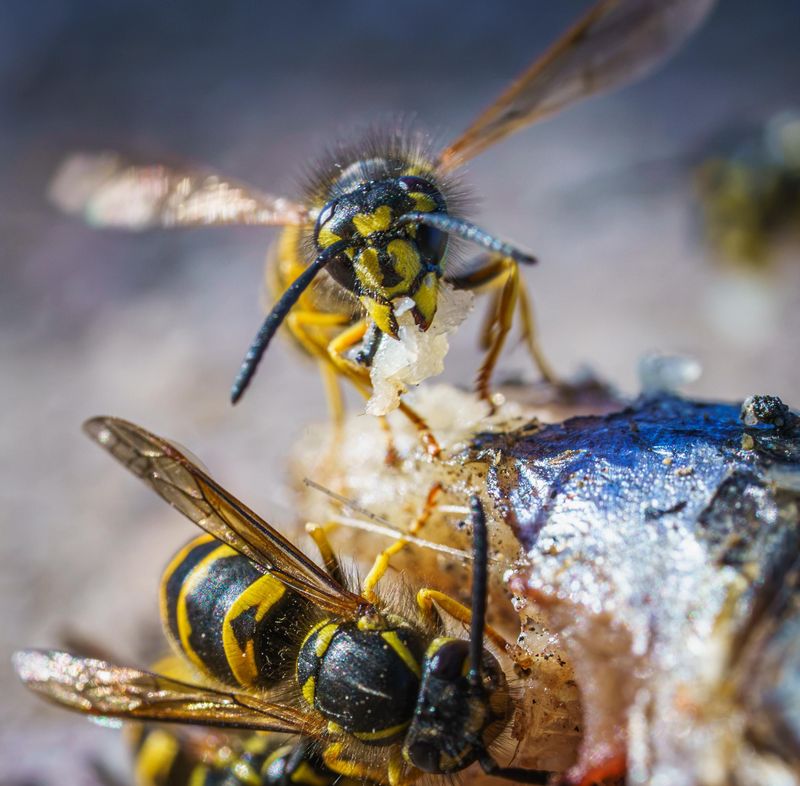
Raccoons in Alabama are persistent foragers with clever, nimble hands and big appetites. Leave the wrong snack in your pile, and they will visit you at night.
Meat, fish, and bones attract the most unwanted pests. They smell strong as they rot and can attract raccoons, opossums, stray dogs, and even rats.
Dairy foods like cheese, milk, and butter cause similar issues. Oily leftovers and cooking oils also belong in the trash instead of your leaf pile.
Pet waste from dogs and cats should stay out too. It can carry germs that may not break down safely in a backyard setup.
Diseased plants are another item to skip. Tomato plants with blight or leaves covered in fungus can spread problems back into your garden later.
Weeds that already went to seed can sneak back as well. Unless your pile gets very hot, those seeds may sprout wherever you spread the finished compost.
Black walnut leaves are a tricky one for Southern gardeners. They contain a natural chemical that can harm tomatoes and some other plants, so use them carefully.
Bury fresh kitchen scraps under a layer of leaves to hide smells. A bin with a sturdy lid also helps keep curious critters out.
Following these simple rules keeps your pile clean and neighbor-friendly. Few people want frequent raccoon visits in their own backyard.
7. Choose A Shady, Well-Drained Pile Spot
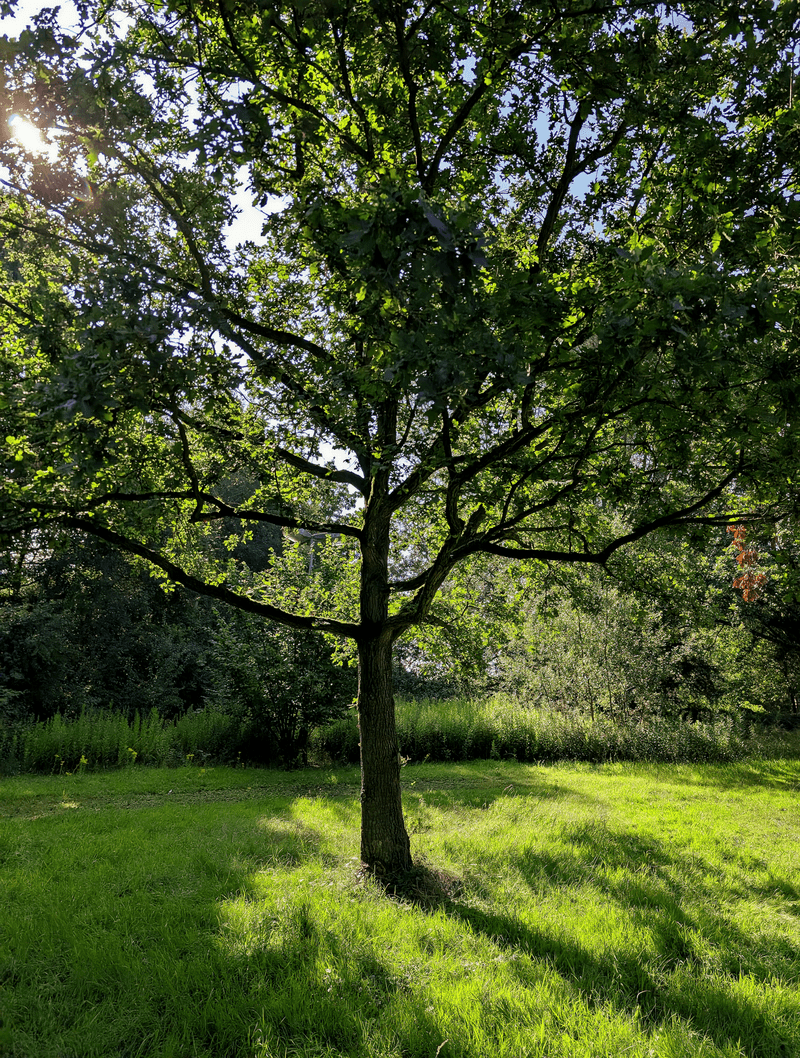
Location matters for compost almost as much as it does for a new house. Pick the wrong spot, and you will fight problems all year long.
Partial shade works best in Alabama’s warm climate. Full afternoon sun can dry the pile out quickly, especially during hot spells that linger into fall.
Drainage is just as important as shade. Avoid low spots where rainwater pools, because a flooded pile turns soggy and sour.
Level ground with bare soil underneath is ideal. Worms and helpful bugs can crawl up from the dirt and join the cleanup crew.
Keep the pile close enough to reach easily. If it sits at the far back corner, you may skip trips when carrying kitchen scraps in the rain.
Give your neighbors some courtesy, too. Placing the pile away from property lines and windows keeps everyone happy and avoids awkward chats.
Check with your city or homeowners association before building. Some Alabama neighborhoods have rules about bin types, sizes, or how far they sit from fences.
A simple pile works fine, but bins keep things neat. Wire mesh circles, wooden pallet boxes, and plastic bins all hold leaves nicely.
A good size is about three feet tall, wide, and deep. That gives the pile enough mass to heat up while staying easy to manage.
8. Spread Finished Compost On Red Clay Soil
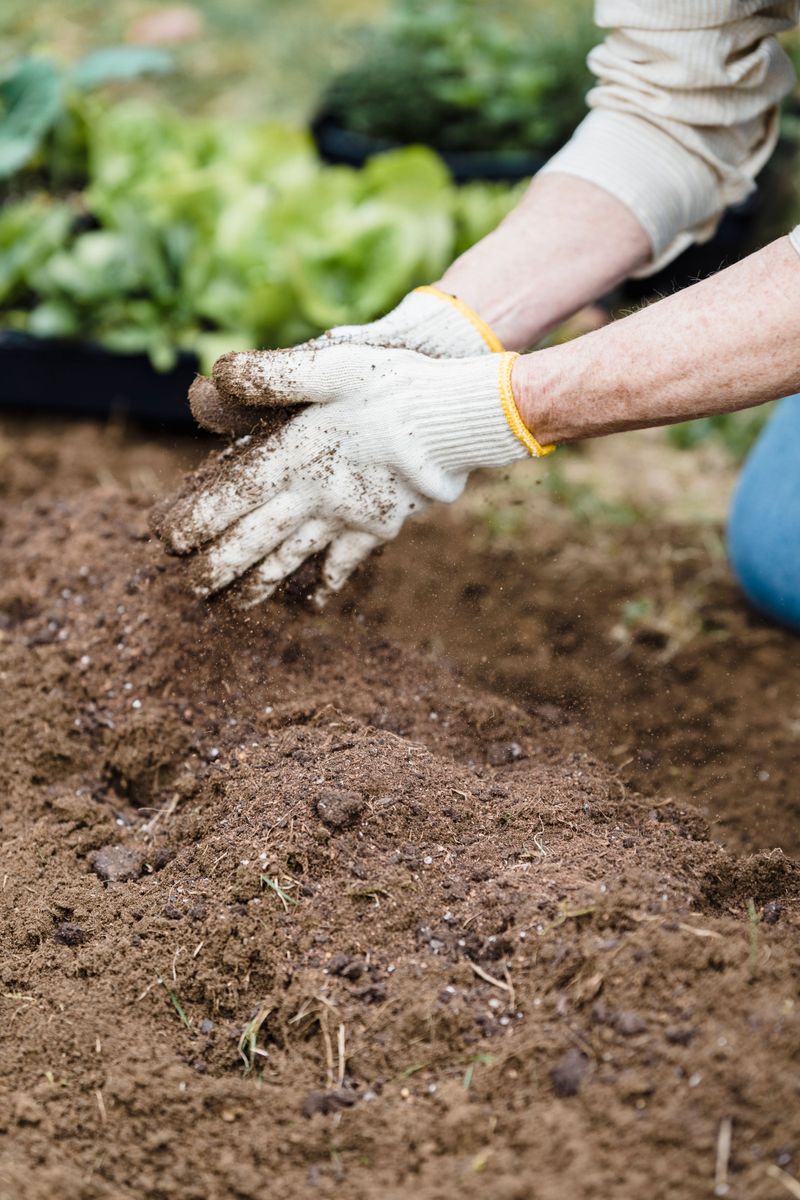
Digging a hole in Alabama’s red clay can be quite difficult. It often sticks to shovels, cracks in summer, and becomes very sticky after heavy rain.
Leaf compost is one of the best fixes for that heavy soil. It loosens tight clay so roots can spread and water can soak in properly.
Finished compost looks dark brown and crumbly, like chocolate cake. It smells earthy, similar to a forest floor after a gentle rain.
Spread about two to three inches over garden beds in early spring. Mix it into the top several inches of soil with a shovel or garden fork.
Sandy soils near the Gulf Coast benefit too. Compost helps sandy ground hold water longer, so plants do not dry out as fast.
You can also place compost under bark mulch around shrubs and trees. That layer keeps roots cooler during hot Alabama summers.
Vegetable gardens love a fresh dose before planting tomatoes, peppers, okra, and squash. Some gardeners report bigger harvests after just a season or two.
Lawns can get a boost as well. Rake a thin layer across thin patches of grass to help them fill in.
Over a few years, repeated use makes heavy clay easier to work. All it took was skipping those plastic bags one crisp October afternoon.