Before You Choose Rock Or Mulch For Your Florida Yard, Read This
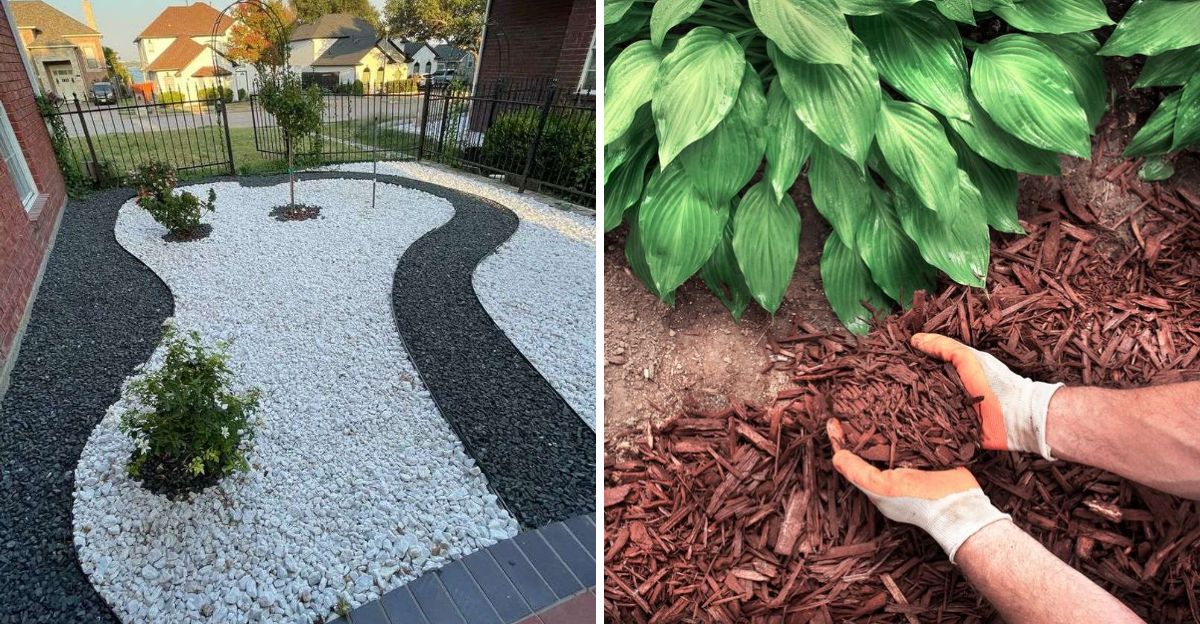
Your yard might look fine now, but the choice between rock and mulch can make a bigger difference than you think. One keeps your garden looking crisp and polished, the other helps plants thrive.
Pick the wrong one and you could be setting yourself up for more work, higher costs, or stressed-out plants. Florida heat, rain, and humidity create unique challenges.
Rocks can trap heat and dry out roots, while mulch can break down too fast or attract pests if not managed correctly. What looks simple at first glance can impact your soil, plants, and even your water bill.
Knowing the pros and cons before you commit saves time, money, and headaches. Make the right choice for your yard now, and your plants, your schedule, and your peace of mind will thank you all season long.
1. Florida Heat Changes Everything About This Choice
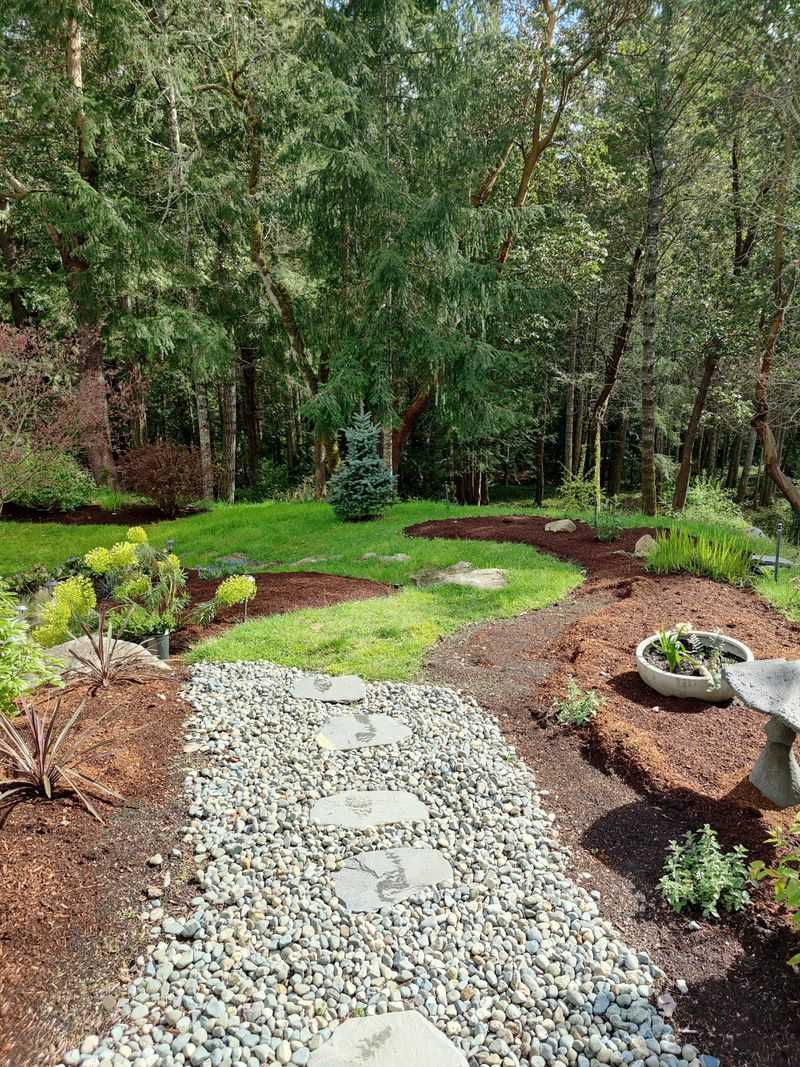
Stand barefoot on a mulched bed at noon in August, then try the same thing on river rock. You will feel the difference instantly.
Rock absorbs solar energy all morning and releases it slowly through the afternoon and evening, turning your yard into a radiating oven that stresses plants and makes outdoor time uncomfortable. Mulch, on the other hand, reflects some sunlight and insulates the soil below, keeping root zones several degrees cooler even during peak heat.
Florida is not like northern climates where rock provides gentle warmth. Here, temperatures regularly climb into the low nineties with humidity near saturation, and rock amplifies that heat instead of moderating it.
University of Florida IFAS Extension research shows that rock surfaces can become significantly hotter than mulched areas during summer afternoons. That extra heat radiates back onto foliage, stresses shallow roots, and increases water evaporation from soil.
Homeowners often choose rock because it looks permanent and modern. But in Florida, that permanence comes with a hidden cost.
Rock beds near walls can increase heat around your home, your irrigation needs often increase, and heat-sensitive plants struggle even with regular watering. Mulch breaks down over time, which sounds like a drawback until you realize that decomposition feeds soil, moderates temperature swings, and supports the biological activity that keeps Florida landscapes healthy through intense seasonal changes.
2. Why Rock Turns Yards Into Heat Traps
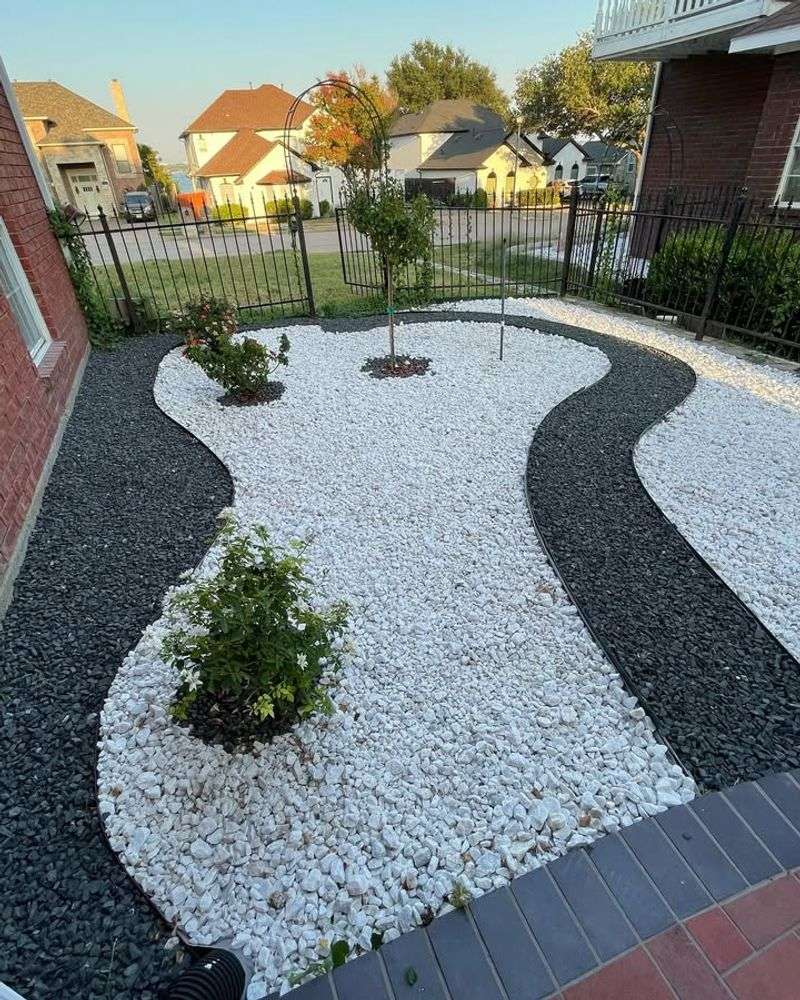
Picture a south-facing bed filled with white decorative rock next to your foundation. By two in the afternoon, that rock is so hot you cannot touch it, and the heat radiates against your exterior wall for hours after sunset.
This is not just uncomfortable for you. It stresses shrubs, adds heat around the home, and creates a microclimate that feels noticeably hotter than the surrounding air.
Rock does not insulate soil the way organic materials do. Instead, it conducts and stores heat, turning planting beds into thermal batteries that release warmth long into the evening.
Central Florida homeowners often notice that rock beds stay uncomfortably hot well past dinnertime, making patios and walkways less usable. South Florida sees even more extreme effects, where dark lava rock or river stone can become hot enough to burn bare skin during peak summer months.
University of Florida research confirms that rock mulch significantly raises soil temperatures compared to organic alternatives. Plants growing in rock beds often show signs of heat stress such as wilting, leaf scorch, and slower growth, even when irrigation is consistent.
The heat also accelerates moisture loss from soil, forcing roots to work harder and requiring more frequent watering. Homeowners assume rock saves labor, but the reality is that rock increases both irrigation demand and plant replacement costs over time in Florida conditions.
3. Mulch Gives Plants The Advantage
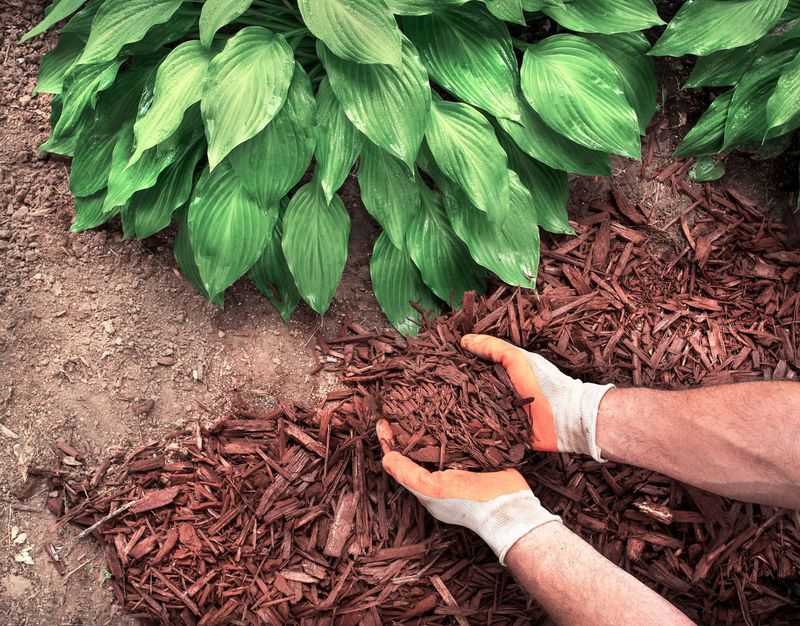
Walk through a Florida garden center in May and you will see healthy, vibrant plants growing in beds covered with pine bark or hardwood mulch. Those plants are not just lucky.
Mulch creates conditions that support root health, moderate soil temperature, and maintain the moisture levels that Florida plants need to survive intense heat and sudden downpours.
Organic mulch breaks down gradually, adding nutrients and organic matter to Florida’s naturally sandy soils. This decomposition process improves soil structure, increases water retention, and supports beneficial microbes and earthworms that help roots absorb nutrients.
University of Florida IFAS Extension recommends organic mulch specifically for Florida landscapes because it mimics the natural forest floor conditions that many native and adapted plants prefer. Mulch also suppresses weed growth by blocking sunlight, reducing the need for herbicides and hand weeding.
The cooling effect of mulch is especially important during Florida summers. A three-inch layer of pine bark or eucalyptus mulch helps keep soil temperatures cooler than bare or rock-covered soil, protecting shallow roots from heat damage.
Cooler soil means less water evaporation, healthier root growth, and better plant performance during dry spells. North Florida homeowners notice that mulched beds recover faster after cold snaps because the insulation effect works both ways, buffering temperature extremes in both directions throughout the year.
4. The Few Spots Where Rock Actually Shines
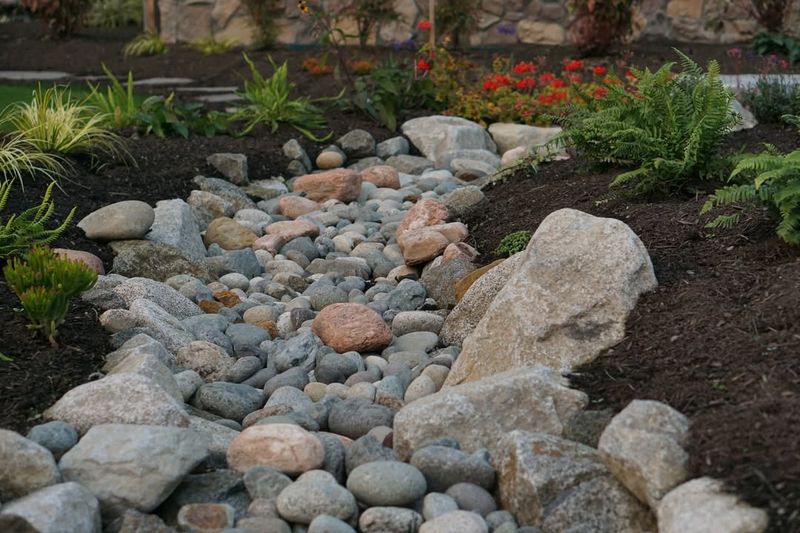
Not every part of your Florida yard needs organic mulch. Some areas benefit from rock because drainage, durability, or design priorities outweigh the heat and soil concerns.
Dry creek beds, drainage swales, and areas around downspouts work well with river rock because these spots handle heavy water flow and need materials that will not wash away during summer thunderstorms.
Rock also makes sense in high-traffic utility areas where you need a stable surface. Pathways around air conditioning units, gate access points, and side yards that see frequent foot traffic stay cleaner and more functional with gravel or small stone.
These areas typically do not support plant growth anyway, so the heat buildup and lack of soil enrichment do not create the same problems they would in planting beds.
Some Florida homeowners use rock effectively in decorative accents, such as small borders around mailbox plantings or as a contrast element in succulent gardens. When rock is limited to small, well-defined spaces away from heat-sensitive plants and building foundations, the aesthetic benefits can outweigh the downsides.
Florida-Friendly Landscaping principles support strategic rock use in functional or accent zones, but recommend keeping the majority of planted areas mulched with organic material. The key is recognizing that rock is a hardscape material, not a planting bed solution, and using it accordingly in your overall landscape design.
5. Moisture Control Makes Or Breaks Your Landscape
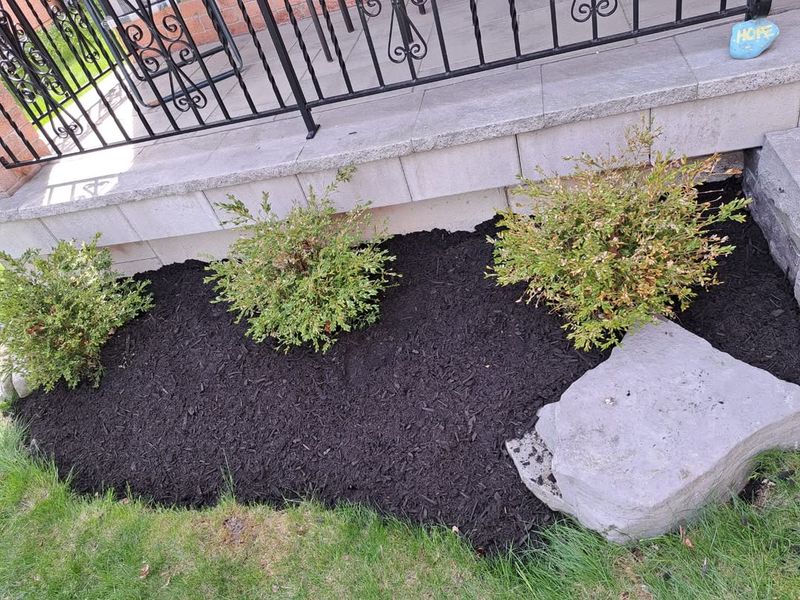
You water your Florida garden in the morning, and by late afternoon the soil under rock feels dry and dusty. Meanwhile, the mulched bed next door still feels damp and cool when you push your finger into the soil.
This difference is not about how much you watered. It is about how each material manages moisture in Florida’s intense heat and sandy soils.
Rock allows water to drain quickly and does nothing to slow evaporation. Florida’s sandy soils already struggle to hold moisture, and rock makes that problem worse by exposing soil to direct heat and airflow.
University of Florida research shows that organic mulch helps soil retain moisture far better than rock-covered beds, while rock-covered areas often force homeowners to irrigate more frequently and use more water overall. That extra irrigation is not just inconvenient.
It increases water bills, stresses plants with inconsistent moisture levels, and contradicts water conservation goals promoted by Florida Water Management Districts.
Organic mulch acts like a sponge and a blanket at the same time. It absorbs rainfall and irrigation water, then releases it slowly into the soil while shading the surface and reducing evaporation.
This creates a more stable moisture environment that supports steady root growth and reduces plant stress during dry periods. Central Florida homeowners notice that mulched beds need watering less often, even during April and May dry spells, because the mulch layer holds onto moisture and moderates soil conditions naturally.
6. The Maintenance Reality Nobody Talks About
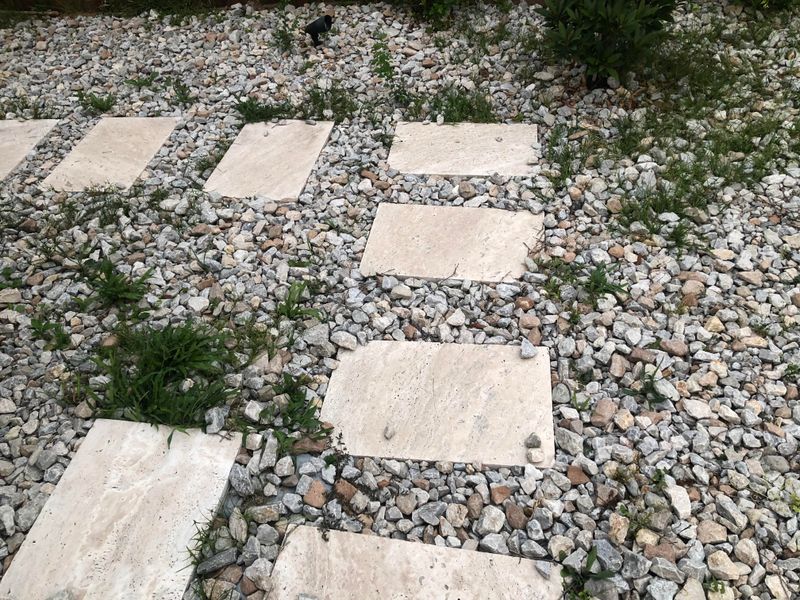
Homeowners choose rock expecting low maintenance, but within a year they notice leaves trapped between stones, weeds sprouting through fabric, and a grimy film coating the rock surface. Cleaning rock beds is tedious and time-consuming, requiring raking, blowing, or even power washing to restore the original appearance.
Organic debris does not just blow away from rock. It settles into crevices, decomposes slowly, and creates a layer of soil where weed seeds germinate happily.
Mulch requires regular replenishment, usually once or twice a year in Florida depending on material type and weather exposure. Pine bark and hardwood mulch break down faster in South Florida’s heat and humidity than in northern regions, so budgeting for annual top-dressing is realistic.
However, adding fresh mulch is straightforward and improves soil health as the old material decomposes underneath. Many homeowners find that spreading mulch twice a year is faster and less frustrating than constantly removing debris and pulling weeds from rock beds.
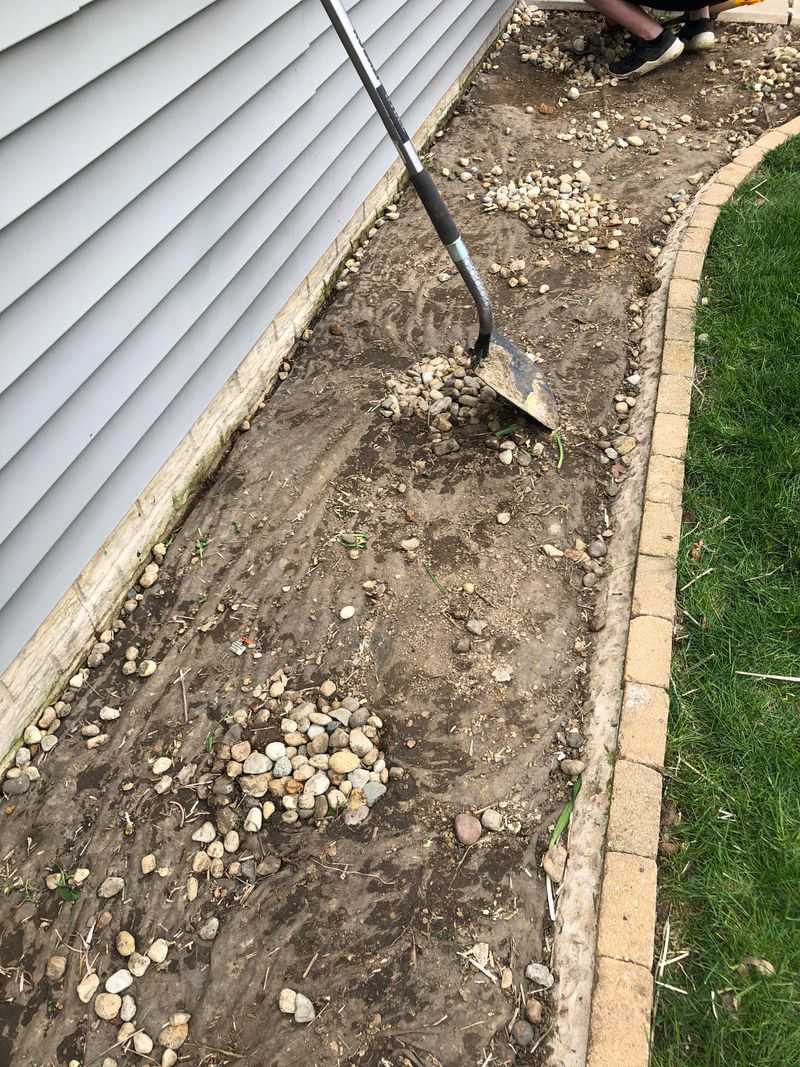
Rock also becomes a long-term commitment that is difficult to reverse. Removing rock and landscape fabric to switch back to mulch or prepare beds for new plantings is labor-intensive and expensive.
Mulch, by contrast, integrates into the soil naturally over time, so changing your landscape design or refreshing planting beds does not require hauling away tons of material. Florida-Friendly Landscaping guidance emphasizes flexibility and soil health, both of which favor organic mulch over permanent rock installations in most residential settings.
7. Long-Term Costs That Surprise Homeowners
Rock looks like a one-time investment, and the initial cost per square foot is often comparable to or slightly higher than quality mulch. But the real expense shows up over the next five to ten years.
Increased irrigation costs, added heat around the home, and the need to replace stressed or damaged plants add up quickly in Florida conditions.
University of Florida IFAS Extension data shows that landscapes using organic mulch generally require less irrigation water than rock-mulched areas, translating to real savings on water bills over time. In South Florida, where water rates are higher and conservation incentives matter, that difference is significant.
Organic mulch also reduces the need for soil amendments and fertilizers because decomposition naturally enriches the soil, lowering annual landscape maintenance costs.
Plant replacement costs are another hidden expense. Heat-stressed plants in rock beds are more susceptible to pests, diseases, and storm damage, requiring more frequent replacement than plants growing in cooler, more stable mulched environments.
Homeowners who switch from rock to mulch often report noticeable improvements in plant health and reduced need for supplemental watering within a single growing season.
When you factor in labor, water, and plant costs over a decade, organic mulch usually proves more economical and better aligned with Florida-Friendly Landscaping principles that prioritize resource efficiency and environmental responsibility.
8. Making The Smart Choice For Your Yard
You stand in your front yard on a Saturday morning, planning your next landscape project. The choice between rock and mulch is not about trends or what looks modern.
It is about understanding how Florida heat, rainfall, and sandy soils interact with the materials you put on the ground, and choosing what supports plant health, comfort, and long-term value.
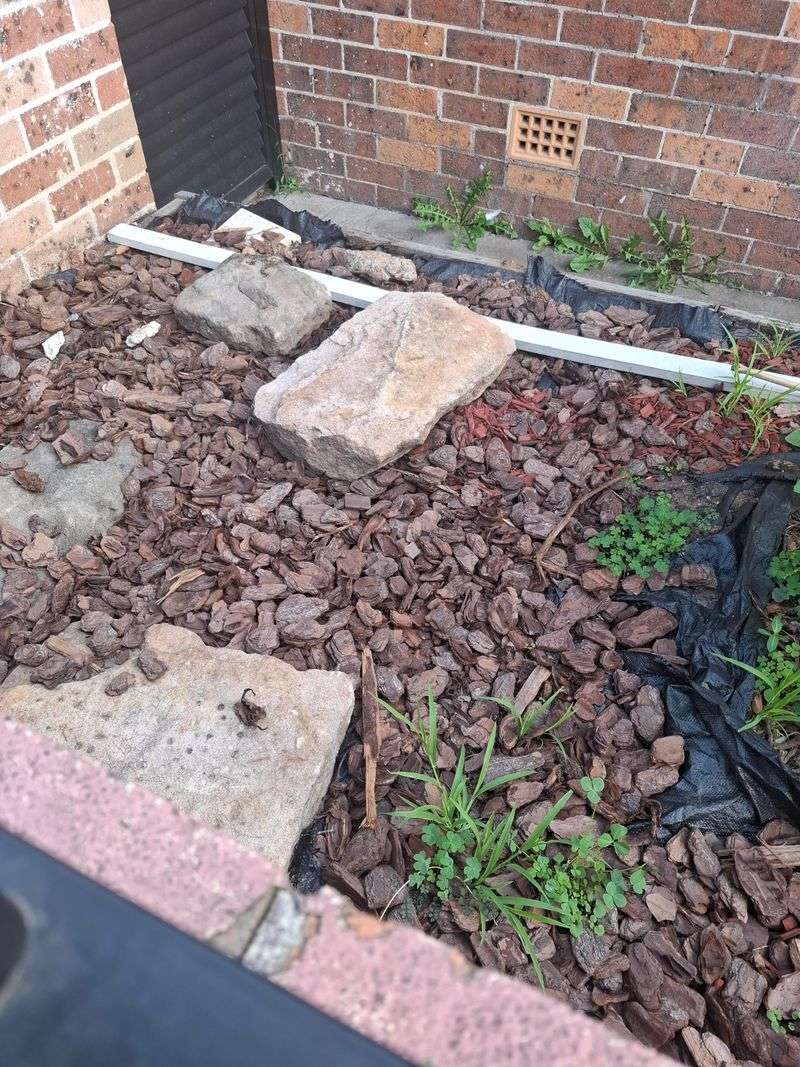
For most Florida planting beds, organic mulch is the better choice. Pine bark, eucalyptus mulch, and melaleuca mulch all perform well in Florida conditions, helping moderate soil temperature, retain moisture, and enrich soil in ways rock cannot provide.
University of Florida IFAS Extension and the Florida-Friendly Landscaping Program both recommend organic mulch as the best choice for residential landscapes because it supports healthy soil biology, reduces water use, and minimizes heat island effects that make outdoor spaces uncomfortable.
Use rock strategically in functional areas such as drainage paths, utility zones, and decorative accents where plants are not the priority. Keep rock away from building foundations where heat buildup increases temperatures around the home, and avoid using it in beds with heat-sensitive plants or shallow-rooted species.
Apply mulch at a depth of two to three inches, keeping it a few inches away from plant stems and tree trunks to prevent moisture buildup and rot. Refresh mulch layers annually or as needed to maintain coverage and continue feeding your soil.
Your Florida yard will reward smart material choices with healthier plants, lower water bills, and outdoor spaces that stay cooler and more enjoyable year-round.