Before You Plant Lantana In Florida, Know Which Kind You’re Buying
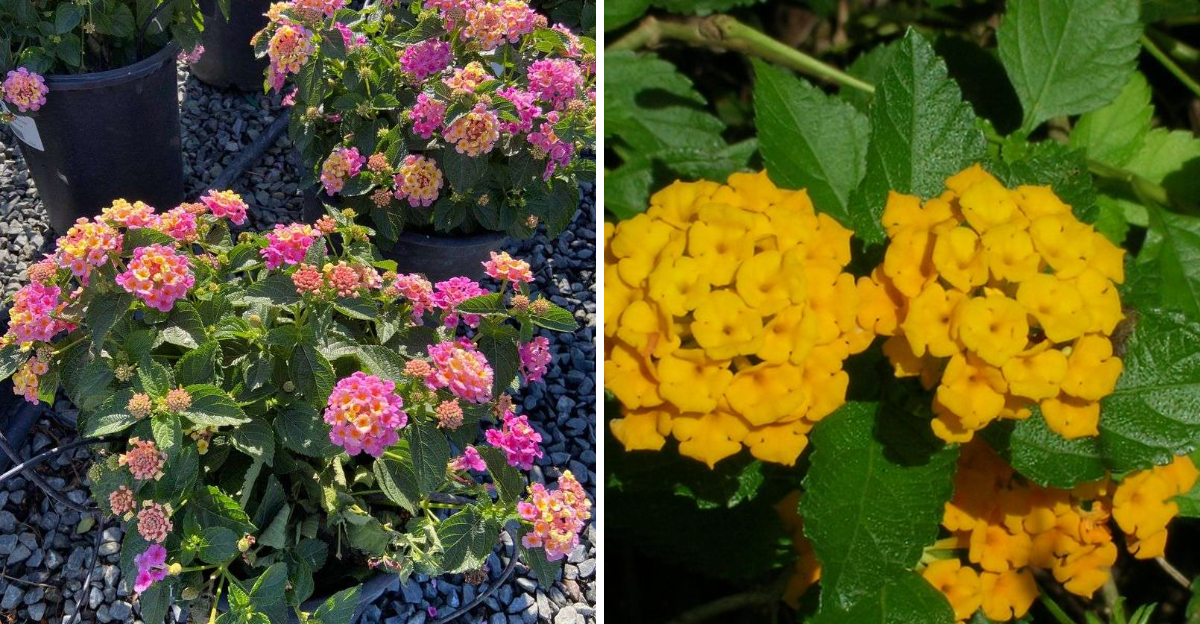
Lantana earns attention fast in Florida. It brings bold color, tough performance, and the kind of long bloom season that makes it an easy favorite at the garden center.
That popularity can create a problem. Many buyers see the name, like the look, and take one home without realizing that not every lantana belongs in the same category.
A plant sold under one familiar label can come with very different growth habits, landscape behavior, and long-term consequences depending on the type. That is where costly mistakes begin.
A choice that looks perfect in a pot at the nursery can become a frustration later once it settles into the yard. For Florida gardeners, the difference between lantana varieties matters far more than most people expect.
Before you plant it for color, pollinators, or easy curb appeal, it helps to know exactly what you are buying. One quick check now can save you from planting the wrong kind in the wrong place.
1. Not Every Lantana Sold In Florida Plays The Same Role
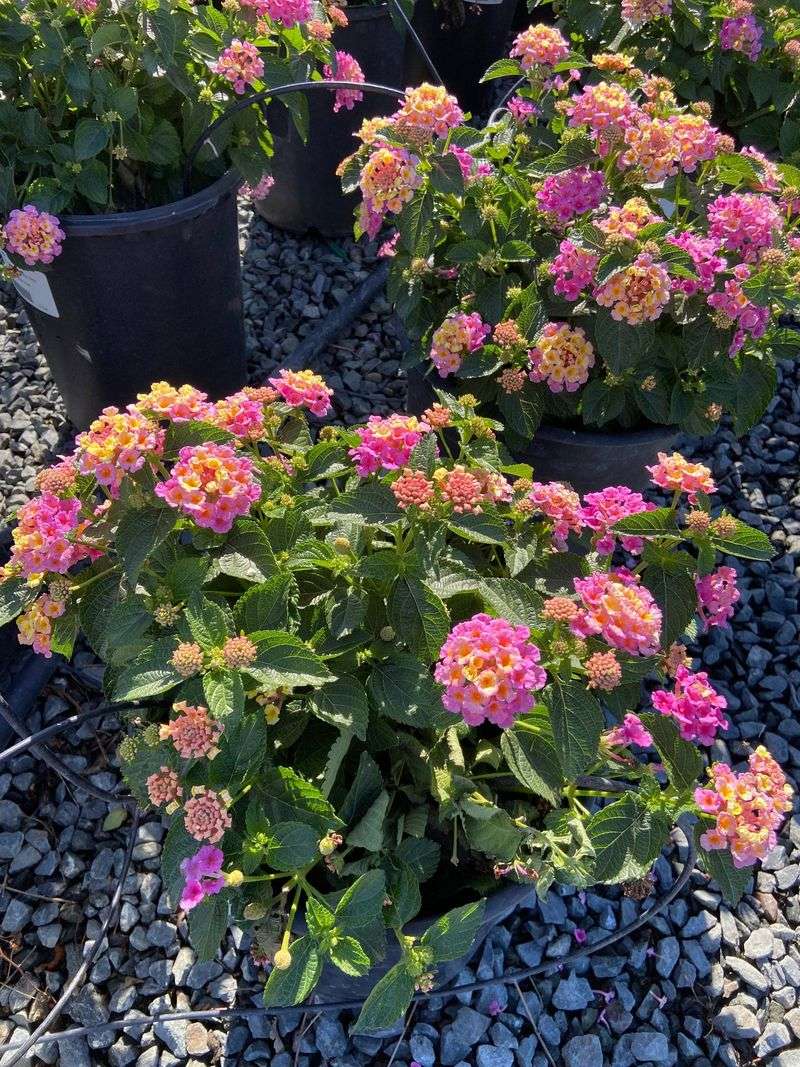
Grab a lantana off a Florida nursery shelf and the tag might just say “lantana” with a color note and a price. That is often where the helpful information stops.
What the label skips is the fact that lantana sold in Florida can behave in dramatically different ways depending on the specific type or cultivar you are buying.
Some lantana grows as an upright, shrubby plant that can reach several feet tall and wide, making it better suited for the back of a mixed bed or a large open space. Others are low, trailing types bred specifically as groundcovers, spreading outward rather than upward.
Still others are compact mounding forms that work well in containers or along the front edge of a border.
The problem is that a bag of bright blooms in a four-inch pot looks pretty much the same regardless of which growth form is inside. Florida shoppers who skip the fine print often end up with a plant that outgrows its space or fails to fill a gap the way they hoped.
Asking nursery staff for the cultivar name, not just the color, is a smart first step before anything goes into your cart.
2. Some Varieties Stay Tidy While Others Spread Aggressively
A plant that looks like a polite little mound in a four-inch nursery pot can turn into something completely different once it settles into a warm Florida landscape. Growth habits vary widely across lantana cultivars, and the difference between a tidy compact type and a vigorous spreader is not always obvious at the point of sale.
Compact, mound-forming lantana cultivars tend to stay relatively controlled, reaching modest heights and widths without constant reshaping. These are often the better pick for smaller beds, container plantings, or spots near walkways where you need predictable, manageable growth.
Trailing and sprawling types, by contrast, are bred to cover ground quickly, which is useful in the right situation but problematic in a tight space.
Florida’s warm climate and long growing season mean lantana rarely slows down the way it might in cooler states. A spreading cultivar that looks reasonable in spring can be tumbling over neighboring plants and edging into your lawn by midsummer.
UF/IFAS extension resources recommend checking mature spread, not just current pot size, before deciding where a lantana fits in your yard. A little research up front prevents a lot of pruning later.
3. Bloom Color Is Not The Best Way To Identify Lantana
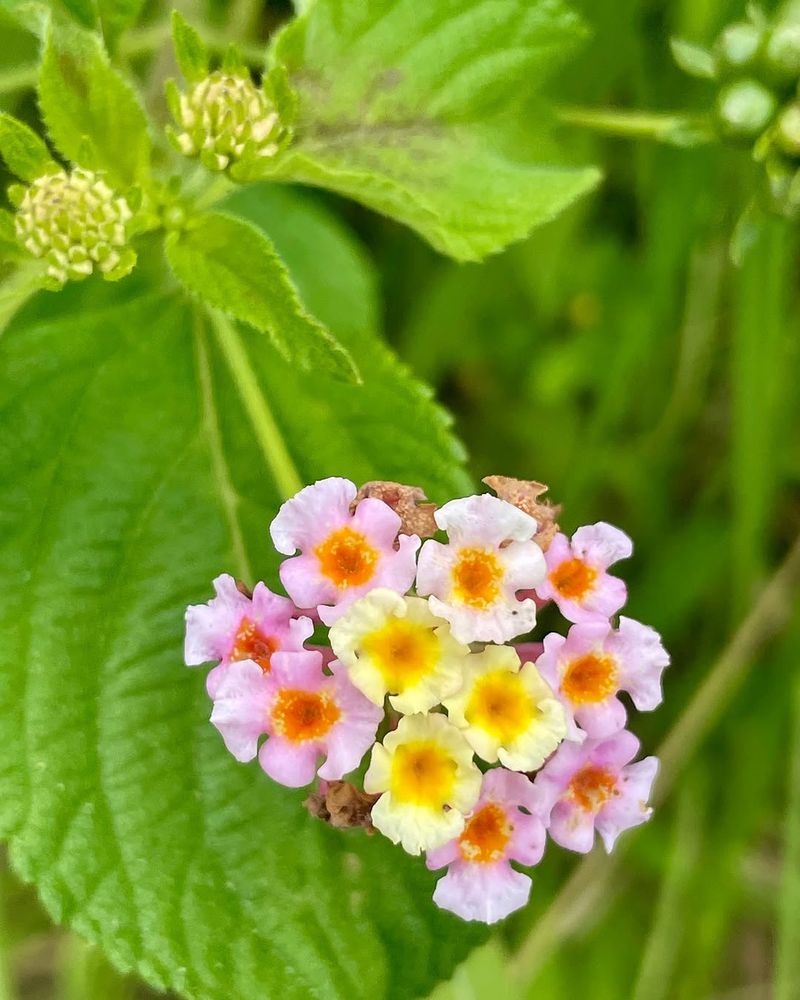
Bright blooms are the first thing most shoppers notice, and lantana delivers on that front with yellow, orange, red, pink, white, and multicolor flower clusters that stand out at the garden center.
But bloom color is not the most reliable way to figure out what kind of lantana you are buying.
Different cultivars can overlap in color, and color alone does not tell you whether a plant is sterile, native, compact, trailing, or likely to spread aggressively in a Florida landscape. That is why the cultivar or species name matters much more than the flower color on display.
A multicolored bloom may be eye-catching, and a white or yellow form may look distinctive, but those visual cues are not enough to identify the plant with confidence. Shoppers who want the right lantana for the right place should treat bloom color as a design choice, not as proof of plant identity.
The most useful step is to read the tag for the cultivar or species name and ask the nursery if the plant is an infertile cultivar, a native species, or a standard invasive lantana type sold under a generic label.
4. Growth Habit Matters More Than Most Gardeners Expect
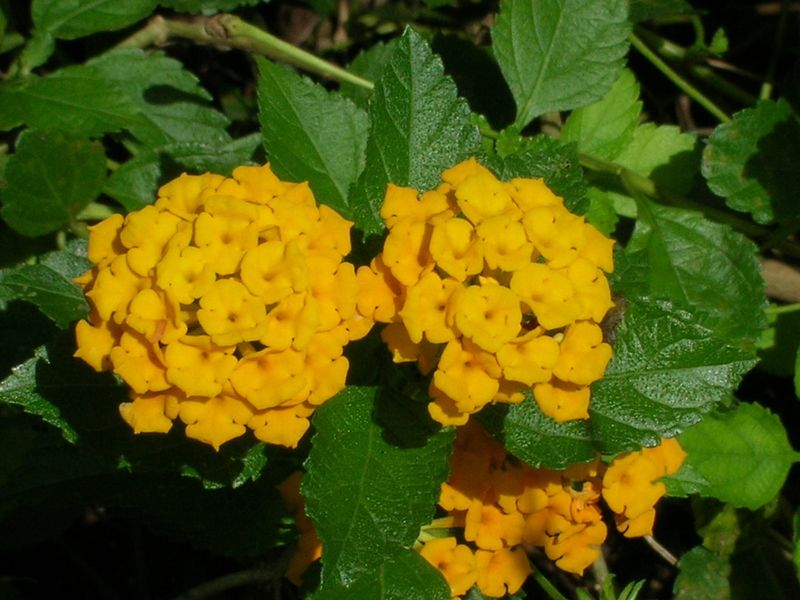
Most gardeners pick plants based on flowers first and figure out placement second. With lantana in Florida, flipping that order can make a real difference in long-term satisfaction.
The height, width, branching style, and overall shape of a lantana plant affect where it fits, how it looks over time, and how much maintenance it demands.
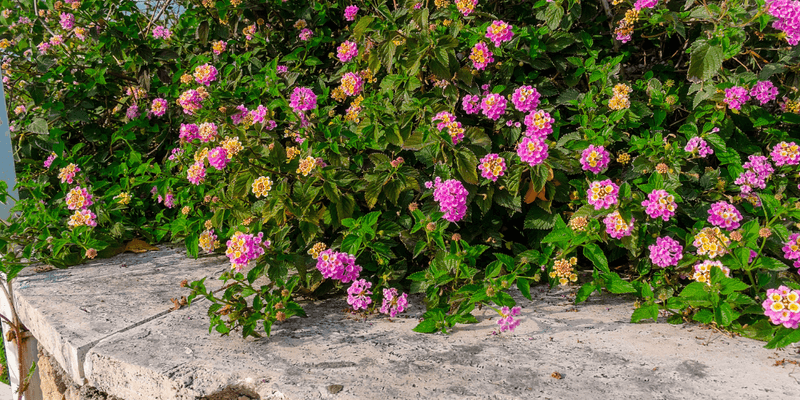
Upright lantana forms work well in the middle or back of a mixed planting bed, adding height and volume alongside other flowering shrubs or perennials. Low trailing types are a natural fit along retaining walls, the edges of raised beds, or slopes where spreading coverage is actually welcome.
Fuller, mounding forms often work as foundation plantings or anchor points in larger landscape beds.
Planting a vigorous spreading lantana in a narrow formal space is one of the more common landscaping regrets in Florida yards. The plant will not stay where you put it, and reshaping it repeatedly becomes a chore rather than a pleasure.
UF/IFAS gardening guidance consistently emphasizes matching plant form to the intended space, not just choosing based on bloom appeal. A quick check of the expected mature height and spread on the plant tag takes about thirty seconds and can spare you months of frustration.
5. Sterile Types Can Be A Smarter Pick For Florida Yards
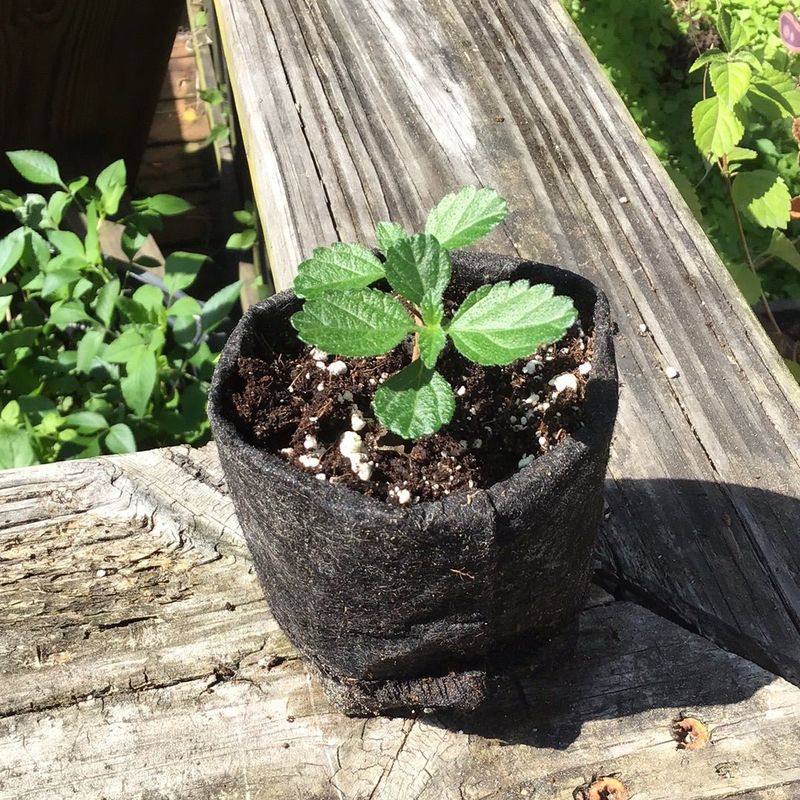
Sterile lantana cultivars were developed specifically to address concerns about seeding and spread, and for many Florida homeowners they represent the most practical choice available. These plants produce little to no viable seed, which means fewer volunteer seedlings popping up in unexpected spots and less chance of the plant spreading beyond your intended planting area.
UF/IFAS has evaluated several infertile lantana cultivars through its Infraspecific Taxon Protocol as lower-risk alternatives to invasive lantana. Examples include Bloomify Red and Bloomify Rose, which offer strong color and landscape performance without the seed production associated with many standard Lantana camara selections.
For gardeners who want continuous blooms without extra cleanup, these cultivars are worth seeking out by name.
Sterile does not mean problem-free in every situation. These plants can still spread by vegetative growth and may still need periodic shaping in Florida’s long growing season.
But the reduction in reseeding is a meaningful advantage, especially in yards near natural areas or conservation land where seed spread could have broader ecological consequences. Asking your nursery specifically whether a cultivar is sterile, rather than assuming all labeled lantana is the same, is one of the most useful questions you can bring to the plant shopping trip.
6. Native And Non-Native Lantana Are Not The Same Story
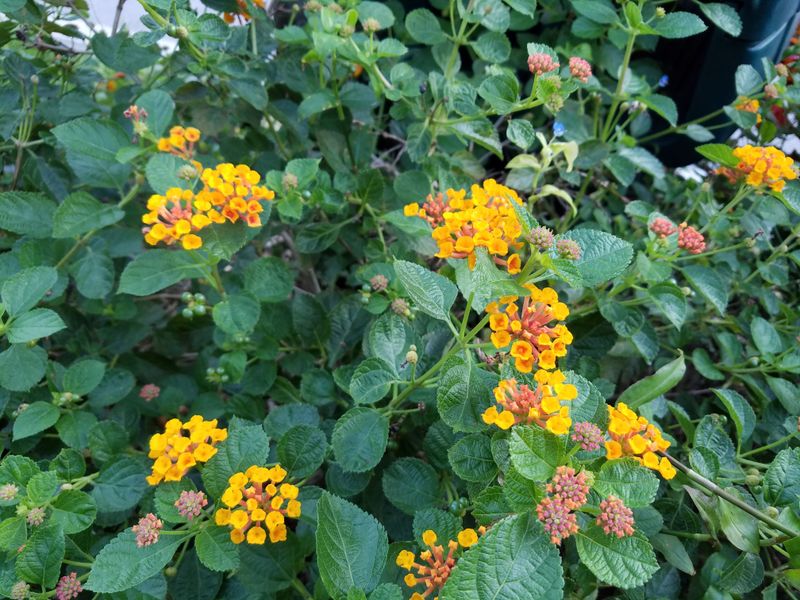
Not everything called lantana at a Florida nursery belongs to the same ecological story. Florida has native lantanas, including Lantana involucrata (buttonsage) and Lantana depressa.
UF/IFAS notes that both are native, but also notes that they are rare even within their native South Florida range, so they are best sourced from a reputable native nursery. These natives behave very differently from the non-native invasive lantana commonly sold in the trade, often labeled Lantana camara but treated by UF/IFAS as Lantana strigocamara.
In Florida, this invasive lantana is listed by UF/IFAS as invasive and not recommended, and Florida invasive-plant sources also treat it as a Category I invasive. It can form dense thickets that crowd out native vegetation, and Florida sources also warn that invasive lantana can hybridize with native lantana, complicating conservation of native populations.
Native lantana species, by contrast, support local pollinators and ecosystems without the same aggressive spread. For gardeners focused on ecological responsibility, the distinction matters enormously.
The challenge is that native lantana can be genuinely hard to find. Reputable native plant nurseries in Florida are the most reliable source, but even then, hybridization between native and non-native types can muddy the picture.
Florida Wildflower Foundation resources note that Lantana depressa in particular is rare and habitat-specific, so buying from a trusted native nursery and asking pointed questions about plant origin is essential. If a nursery cannot confirm the species, that is useful information in itself.
7. The Wrong Choice Can Create More Work Than Color
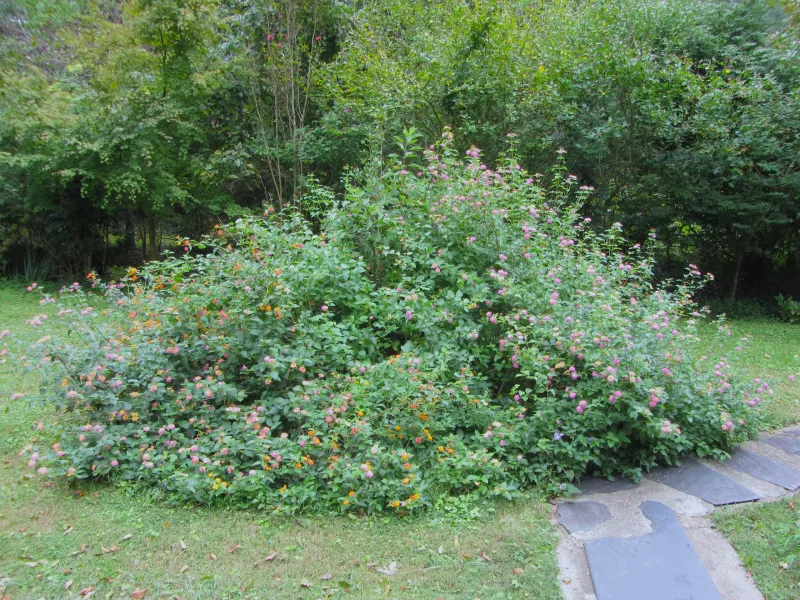
Picking the wrong lantana for a space does not just mean a plant that looks a little off. In Florida’s growing conditions, a poor match between plant type and planting location can create a genuine maintenance burden that follows you through every season.
Vigorous spreading types placed in tight beds have a way of making their presence very loudly known.
A spreading lantana planted near a walkway will eventually flow over the edge, requiring repeated trimming to keep the path clear. One placed too close to smaller perennials or groundcovers can swallow those neighbors entirely, leaving you with a monoculture of lantana where you planned a mixed planting.
In formal or manicured landscapes, this kind of unchecked spread looks untidy fast.
Homeowners who expected a compact flowering accent and ended up with something that needs reshaping every few weeks often describe the experience as disappointing at best. The plant is not doing anything wrong, it is simply doing what it was bred to do.
The mismatch was in the buying decision. Checking mature spread on the plant tag, researching the cultivar name before purchase, and choosing a growth form that actually suits the space prevents this entirely predictable outcome from happening in the first place.
8. A Better Florida Planting Starts With Reading The Label Closely
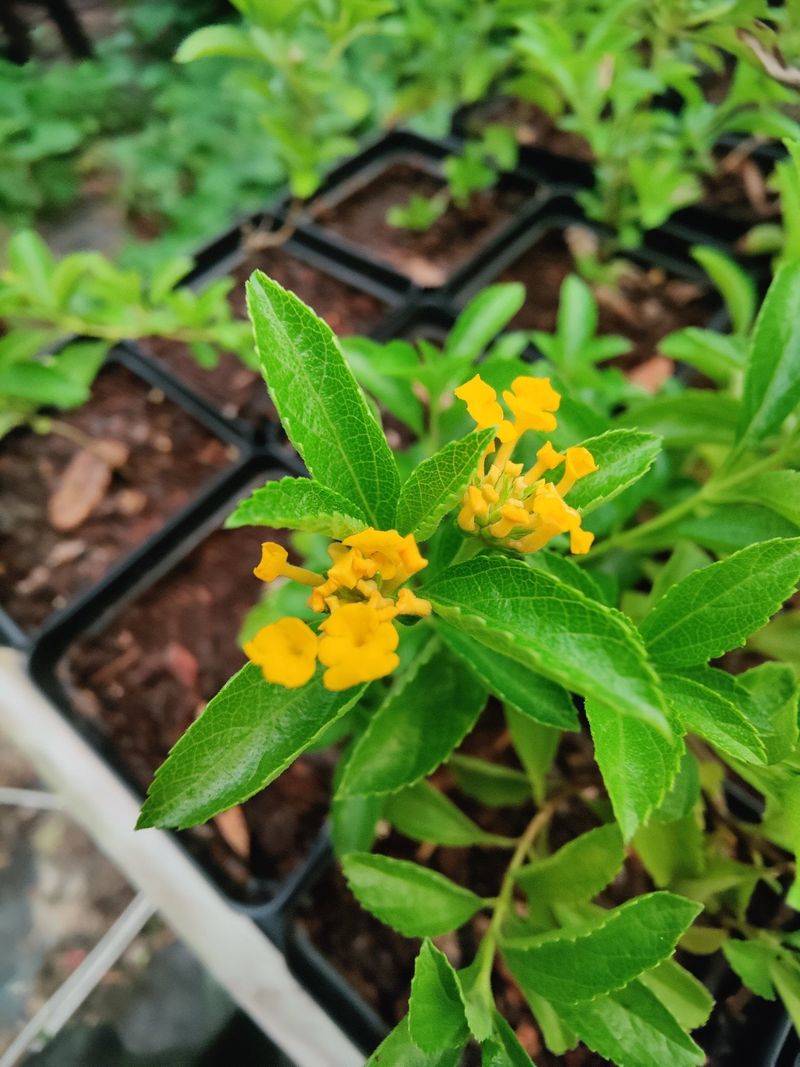
Smart lantana shopping in Florida really does start with the plant tag. Most gardeners glance at the bloom color, check the price, and move on.
But the label on a well-sourced nursery plant carries a lot of useful information, and taking thirty extra seconds to read it can change the outcome of your entire planting decision.
Look for the cultivar name, not just the common name. A tag that says only “lantana” or “yellow lantana” tells you almost nothing about mature size, growth habit, or seed production.
A tag that includes a cultivar name like Bloomify or Landmark gives you something to look up. Check the listed mature height and spread rather than judging by the current pot size, since Florida’s climate will push most lantana well beyond its nursery appearance within a single growing season.
Ask nursery staff whether a variety is sterile, whether it is a native species, and whether they can confirm the growth habit for the space you have in mind. Knowledgeable Florida nurseries, especially those with a native or eco-conscious focus, are often the best source for honest answers.
Buying an unlabeled or vaguely labeled plant is essentially a gamble. With lantana in Florida, a little label literacy goes a long way toward a yard you will actually enjoy tending.
9. Lantana Toxicity Is Worth Knowing Before You Plant
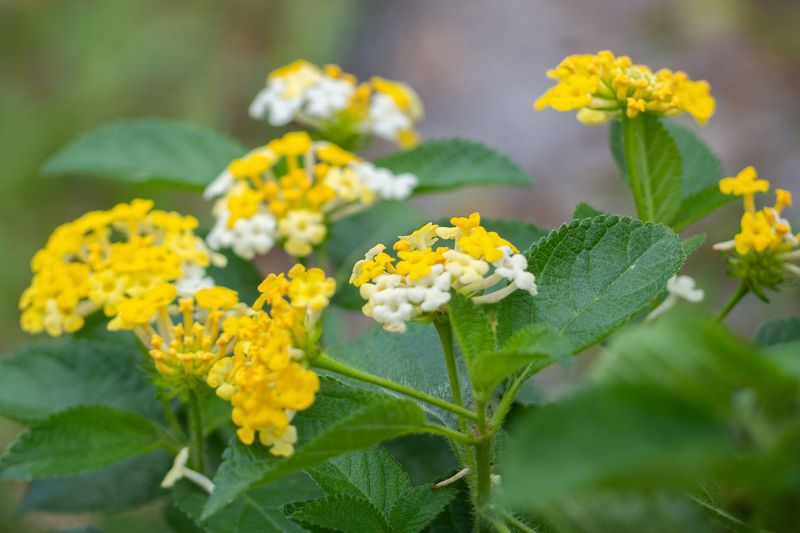
Lantana’s cheerful flowers and tough resilience make it easy to overlook one practical detail that every Florida household should know before planting: all parts of the lantana plant contain toxic compounds. The leaves, stems, and especially the berries carry substances that can cause serious health problems in humans and animals if ingested.
The berries are the biggest concern because they can look appealing, especially to young children and curious pets. Unripe green berries are considered more toxic than ripe ones, but neither is safe to eat.
Livestock are particularly vulnerable, which matters for Florida homeowners with goats, horses, or other grazing animals near the garden. UF/IFAS extension publications on Lantana camara specifically flag toxicity as a key safety consideration for Florida landscapes.
Handling lantana can also cause mild skin irritation in some people, so wearing gloves during pruning is a reasonable precaution. None of this means lantana is too dangerous to grow, but it does mean you should plant it thoughtfully.
Keep it away from areas where young children play unsupervised, and place it out of reach of pets that browse garden plants. Knowing the risk ahead of time lets you enjoy the plant’s genuine strengths while managing the one area where it genuinely requires a careful hand.