5 Best Cold-Tolerant Palms For Privacy Screens In Florida
Think palms cannot handle a cold snap and still give you real privacy? That idea has been around for years, and it has held a lot of Florida yards back.
The truth looks a little different. Across the state, gardeners are starting to lean on a select group of palms that stay lush, hold their shape, and bounce back after cooler nights.
Not flimsy, not sparse, and not just for tropical looks. These palms can actually create dense, living screens that feel intentional and reliable.
That matters more than ever in Florida, where open views between homes are common and fast-growing privacy solutions are in high demand. Pick the right palm, and you get more than a backdrop.
You get structure, coverage, and a landscape that holds up even when temperatures dip more than expected.
1. Needle Palm Forms Dense Clumps And Handles Serious Cold
Few palms earn bragging rights the way the Needle Palm does when it comes to surviving brutal cold. Botanically known as Rhapidophyllum hystrix, this remarkable plant is widely recognized as one of the most cold-hardy palms in the world, capable of tolerating temperatures well below freezing, sometimes as low as 5 degrees Fahrenheit.
That level of toughness is almost unheard of in the palm family, and it makes this species a standout option for North and Central Florida homeowners who want reliable greenery through winter.
The Needle Palm grows in a dense, clumping habit, pushing out multiple stems from the base and filling in thickly over time. Mature plants typically reach around 6 to 10 feet tall and just as wide, forming a solid, impenetrable-looking mass of dark green, fan-shaped leaves.
The base of the plant is loaded with long, sharp needle-like spines, which actually adds a bonus layer of security to any privacy border. Nobody is pushing through a mature Needle Palm hedge uninvited.
Growth is slow, so patience is part of the deal with this palm. Plan for several years before it reaches full screening size, but the payoff is a nearly maintenance-free, freeze-resistant barrier.
For best screening results, space plants about 5 to 6 feet apart to allow clumps to eventually merge into a continuous green wall.
Partial shade is handled well by this species, making it a flexible choice for spots that do not get full sun all day. It adapts to a range of soil types common in Florida, including sandy and moist soils.
Watering needs are modest once the plant is established, and it generally does not require heavy fertilization to stay healthy and full. North and Central Florida gardeners who have struggled with frost-sensitive palms often discover that the Needle Palm is the low-maintenance solution they have been searching for all along.
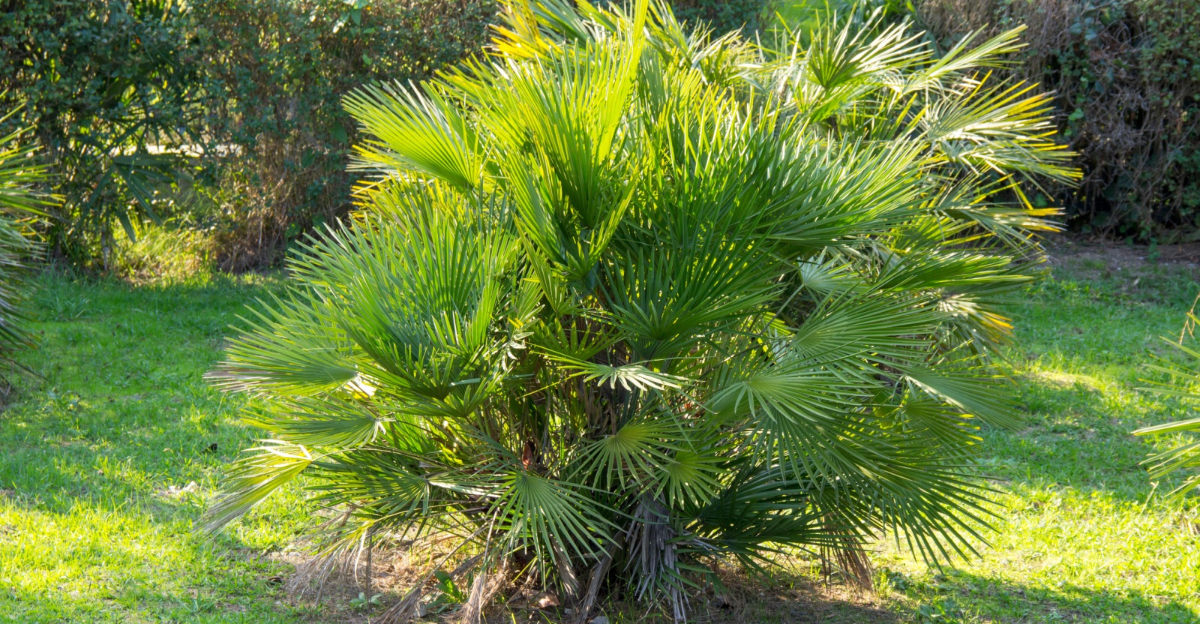
2. European Fan Palm Creates Thick Privacy With Strong Cold Tolerance
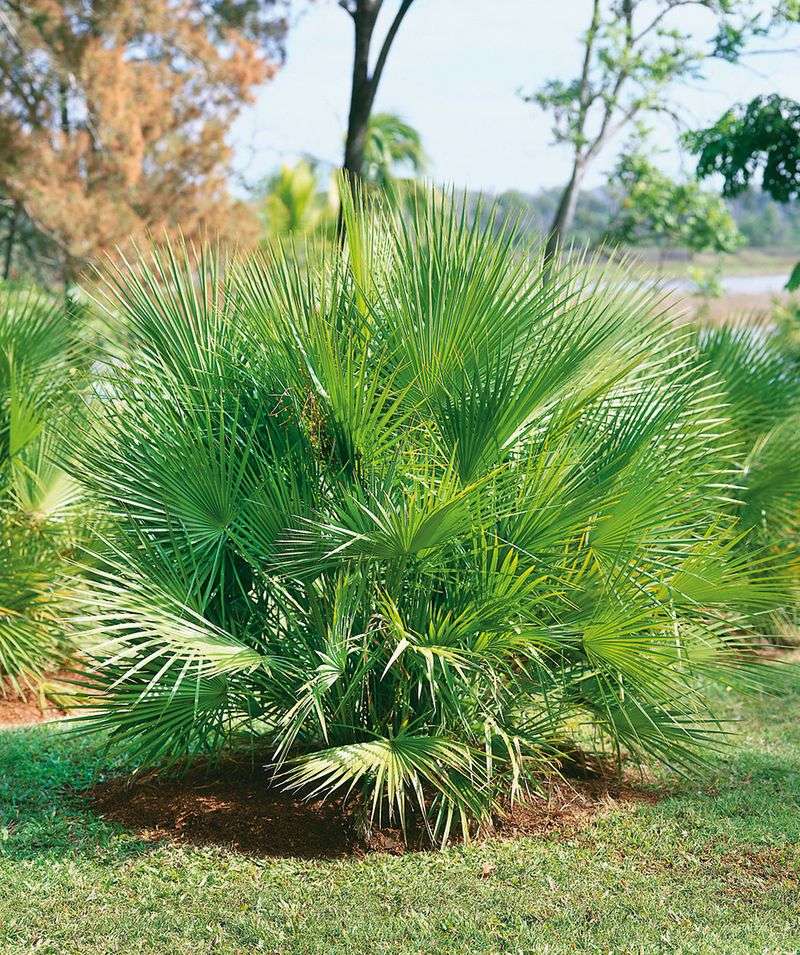
Walk past a mature cluster of European Fan Palms and you immediately understand why landscapers reach for this species when privacy is the goal. Known botanically as Chamaerops humilis, the European Fan Palm is the only palm species native to continental Europe, and its ability to handle cold weather reflects its Mediterranean roots.
Once established, it can tolerate temperatures down into the upper teens Fahrenheit, which puts it comfortably in the range for North, Central, and parts of South Florida landscapes.
What really sets this palm apart for screening purposes is its clustering growth habit. Rather than producing a single trunk, it pushes out multiple stems from the base, creating a wide, bushy mass of blue-green to gray-green fan-shaped fronds.
Mature clusters typically reach 10 to 15 feet tall with a spread that can match or exceed the height. That combination of multi-trunk density and consistent foliage makes it one of the more effective natural screens available to Florida gardeners.
Full sun is where this palm performs best, and it becomes impressively drought-tolerant once its root system is well established. Sandy soils, which dominate much of Florida, are no problem at all for this species.
It is also tolerant of coastal conditions, making it a strong candidate for yards exposed to salt air and wind.
For pruning, removing the lower fronds periodically encourages the plant to push more growth upward and outward, helping to maintain a fuller, denser appearance at screening height. Avoid over-pruning, though, since removing too many fronds at once can stress the plant and slow its development.
Space plants about 6 to 8 feet apart when installing a privacy row, which allows each cluster room to expand while still creating a connected screen over time. Fertilize lightly two to three times per year with a palm-specific fertilizer to keep the foliage looking vibrant and healthy throughout the seasons.
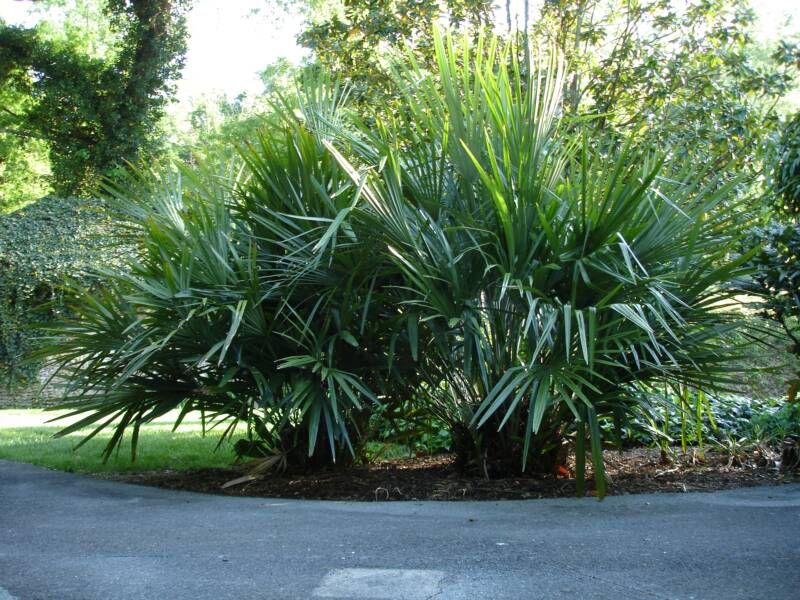
3. Saw Palmetto Builds Tough Natural Screens In Harsh Conditions
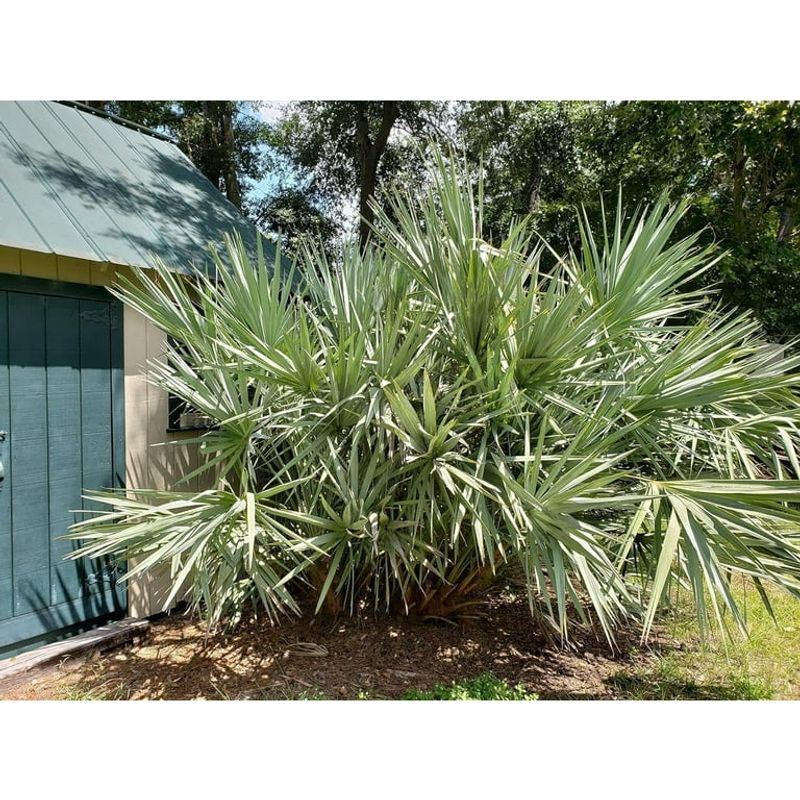
There is something deeply satisfying about using a plant that already belongs to the land, and the Saw Palmetto is about as Florida as it gets. Scientifically named Serenoa repens, this native palm has been thriving across the Florida peninsula for thousands of years, long before anyone thought about landscaping.
Its natural toughness against drought, heat, poor sandy soils, and cold weather makes it a near-indestructible choice for creating dense, ground-level privacy screens in almost any part of the state.
The growth habit of Saw Palmetto is low and spreading rather than tall and upright. Plants typically reach 3 to 7 feet in height but can spread considerably wider, sometimes stretching 10 feet or more across as the stems creep along the ground and branch outward.
That sprawling, clumping behavior is exactly what makes it so effective as a wide privacy border. Planted in a row, a group of mature Saw Palmettos creates a thick, almost jungle-like barrier that blocks sightlines from ground level up.
Two color forms are commonly available in Florida nurseries. The green form has the classic medium-green fan-shaped fronds, while the silver form displays striking bluish-silver foliage that adds a unique visual texture to the landscape.
Both perform equally well in terms of cold hardiness and toughness, so the choice between them is purely a matter of personal preference and design style.
For low, wide privacy borders along property lines, fence bases, or road edges, Saw Palmetto is hard to beat. Space plants about 4 to 6 feet apart when planting for screening, since the natural spread will eventually fill the gaps.
Watering during the first growing season helps with establishment, but after that, this palm rarely needs supplemental irrigation in most Florida conditions. It thrives in full sun but handles partial shade without complaint, and it rarely requires fertilization to stay looking full and healthy year after year.
4. Dwarf Palmetto Stays Compact While Handling Cooler Temperatures
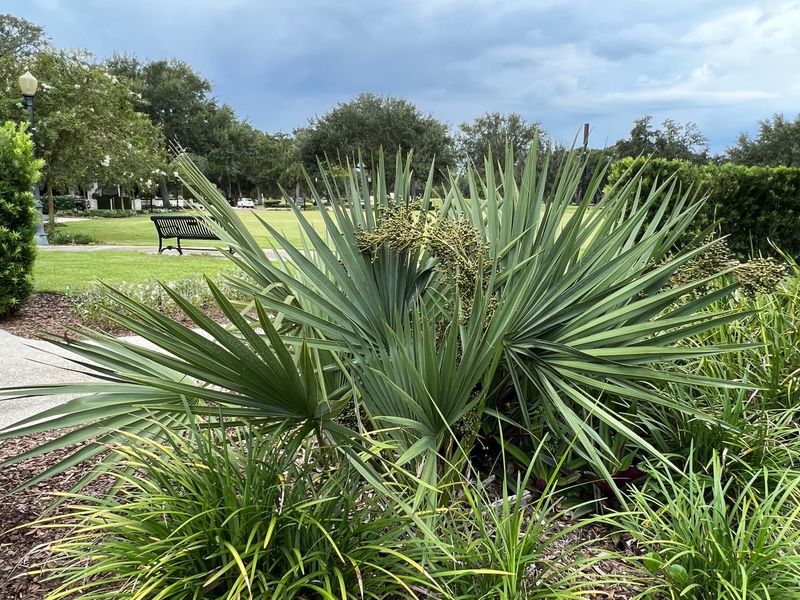
Compact, cold-tough, and surprisingly underused, the Dwarf Palmetto quietly outperforms many flashier palms when conditions get difficult. Its botanical name is Sabal minor, and it is native to the southeastern United States, with a natural range that stretches from North Carolina down through Florida and west into Texas.
That wide native range tells you a lot about its adaptability, and Florida gardeners in the northern and central regions of the state have a particularly good friend in this understated little palm.
Cold tolerance is genuinely impressive for this species. Established plants can handle temperatures well below freezing, with some sources noting survival at temperatures approaching 0 degrees Fahrenheit in certain conditions.
For North Florida landscapes where surprise freezes are a seasonal reality, that kind of resilience means you are not replanting every few years after a hard winter. The foliage stays intact and recovers reliably even after significant cold exposure.
Height typically ranges from 3 to 6 feet, and the plant grows without a visible above-ground trunk, producing its large fan-shaped fronds directly from a subterranean stem. The fronds are broad, blue-green, and arrange themselves in a way that creates a full, leafy mound at ground level.
For mass planting along borders, fence lines, or beneath taller trees, grouping several Dwarf Palmettos together produces a dense, layered screening effect that works especially well in naturalistic or woodland-style landscapes.
Shade tolerance is one of the standout practical features of this palm. While it can handle full sun, it actually performs beautifully in partial to full shade, which opens up planting possibilities in spots where other screening plants would struggle.
Soil adaptability is equally impressive, as it grows in both moist, low-lying areas and drier, sandy upland soils. Plant them about 4 to 5 feet apart in a massed grouping for the best privacy coverage.
Minimal fertilization and occasional cleanup of old fronds is about all the maintenance this reliable native requires.
5. Sabal Palm Provides Tall Privacy When Planted In Groups
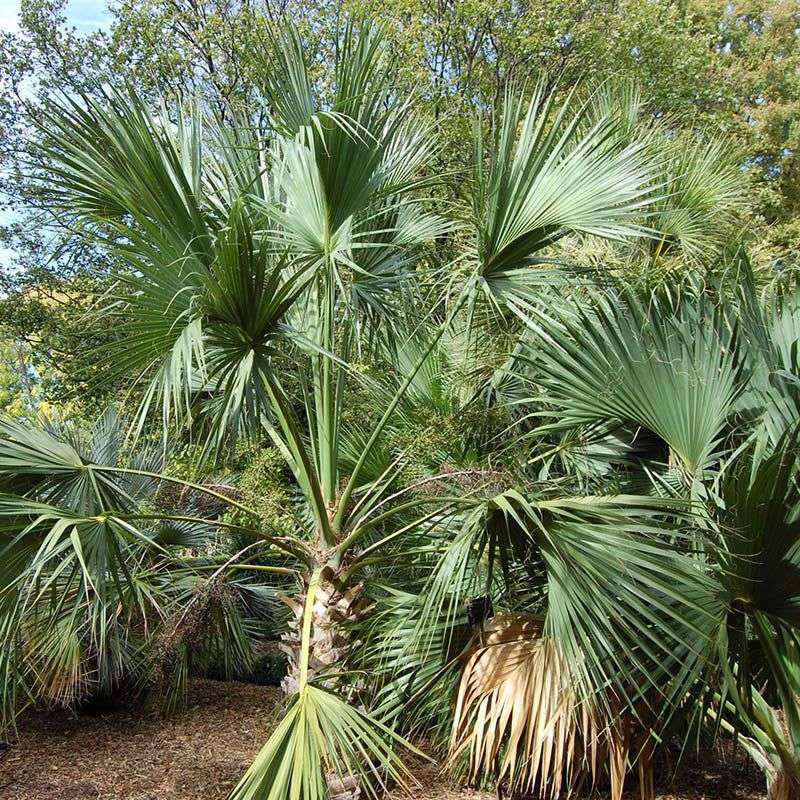
Standing tall along Florida roadsides, in parks, and in front yards across the state, the Sabal Palm is arguably the most recognized tree in Florida. Officially designated as the Florida state tree, Sabal palmetto carries a well-earned reputation for toughness, storm resistance, and adaptability to nearly every corner of the state.
Cold tolerance is solid across all Florida regions, and established trees handle freezes that would seriously damage less hardy palms without much trouble at all.
Height is where this palm truly distinguishes itself. Mature Sabal Palms commonly reach 40 to 60 feet tall or more, with a canopy of large, arching, blue-green fronds that can spread 10 to 15 feet across.
A single tree is not going to give you a privacy screen on its own, since the trunk is bare for most of its height and the canopy sits high above eye level. The strategy here is grouping, and when several Sabal Palms are planted together in a row or cluster, their overlapping canopies create an impressive elevated screen that blocks views from neighboring properties, upper floors, and elevated roadways.
For practical screening at ground level, pairing Sabal Palms with lower-growing shrubs or the other palms on this list creates a layered effect that covers multiple height zones simultaneously. Spacing trees about 8 to 10 feet apart in a row allows canopies to grow together over time while still giving each tree enough room to develop properly.
Root systems are fibrous and non-invasive, which is a real plus near driveways, sidewalks, and structures.
Drought tolerance once established is excellent, and Sabal Palms are famously resistant to hurricane-force winds, making them a smart long-term investment in Florida landscapes. Sandy soils, salt air, and full sun are all handled without complaint.
Fertilize young trees regularly to support healthy establishment, then reduce applications as the tree matures and anchors itself into the landscape for decades to come.