10 Best Ground Covers For Florida That Don’t Need Much Water
Florida homeowners are tired of watering lawns that still turn brown. High heat, sandy soil, and rising water bills make traditional grass harder to justify every year.
The good news is that Florida has powerful ground cover plants that stay green, bloom beautifully, and thrive with far less water. These plants spread naturally to cover bare spots, suppress weeds, and transform dry yards into colorful landscapes that actually work with Florida’s climate instead of fighting it.
Many are native, pollinator-friendly, and tough enough to handle intense sun, humidity, and drought conditions. From flowering lawn replacements to shade-loving carpet plants, this list highlights the best low-water ground covers that perform across North, Central, and South Florida.
If you want a yard that looks great without constant irrigation, mowing, and frustration, this is a must-read.
1. Sunshine Mimosa (Mimosa strigillosa)
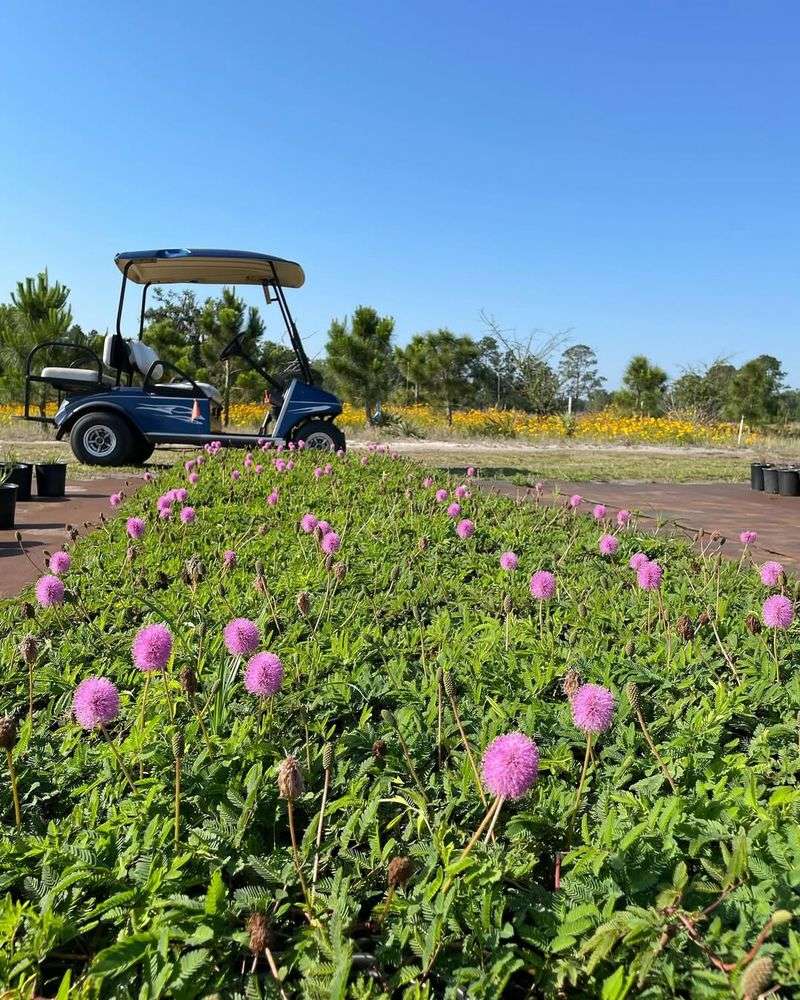
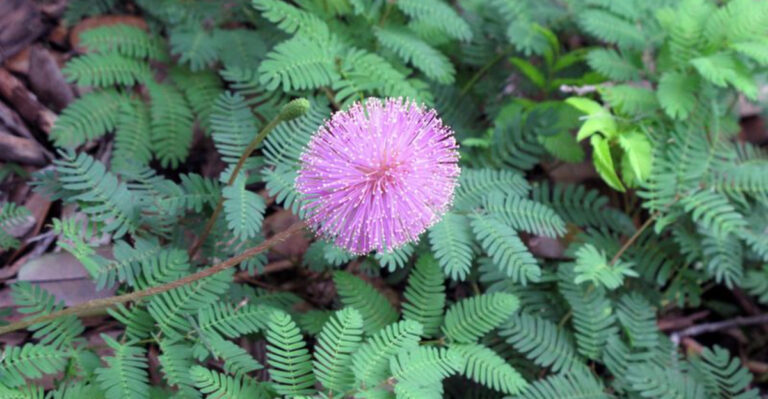
Sunshine Mimosa brings a soft, feathery texture to your Florida garden that feels like nature’s own carpet underfoot. This native ground cover spreads with gentle runners that root as they grow, creating a dense mat that chokes out weeds naturally.
Your lawn will thank you for the break from constant mowing because Sunshine Mimosa stays low, rarely reaching more than six inches tall even when it blooms.
The plant produces adorable pink puffball flowers throughout warm months that attract butterflies and bees to your yard. You’ll find it tolerates both full sun and partial shade, though it blooms most enthusiastically when it gets at least six hours of direct sunlight daily.
Once established, it handles drought like a champion, requiring water only during extended dry periods.
Plant plugs about twelve inches apart in spring or early summer when soil temperatures warm up nicely. Your Sunshine Mimosa will spread to fill gaps within one growing season if you give it decent soil and occasional irrigation during establishment.
After that first year, you can practically forget about it except to admire those cheerful pink blooms. It tolerates occasional light foot traffic, but it is best used in low-traffic areas such as ornamental lawns or naturalized spaces rather than main walkways or play zones.
2. Frogfruit (Phyla nodiflora)
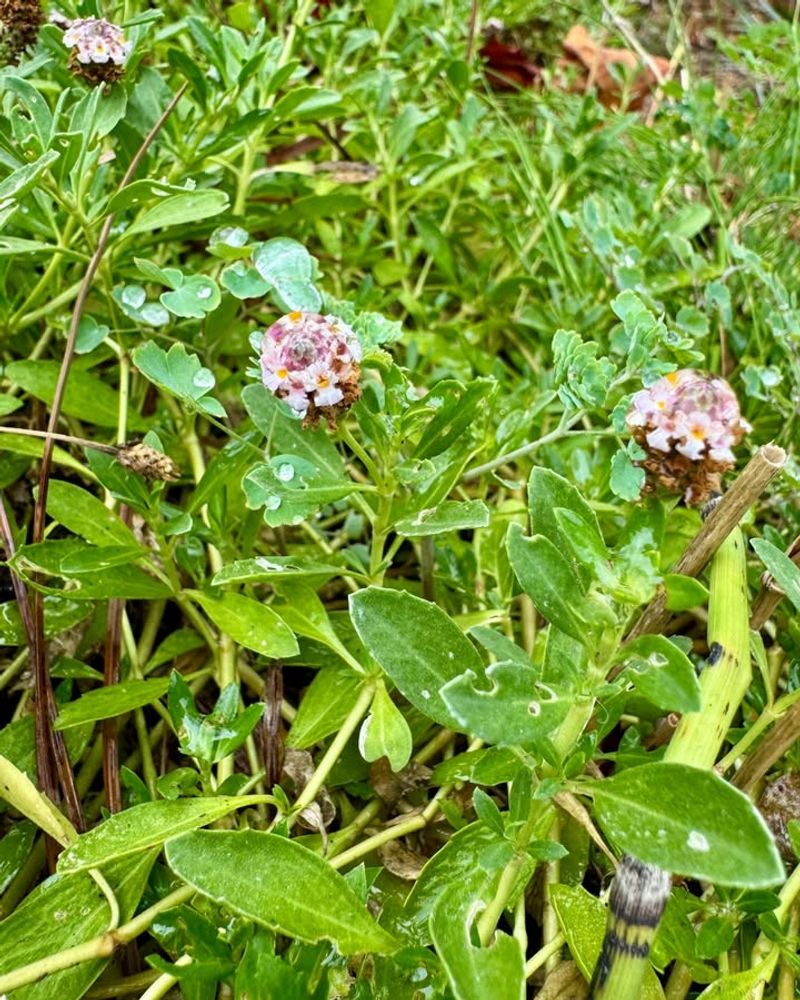
Frogfruit earned its quirky name from the tiny white and purple flower clusters that frogs apparently find irresistible as perching spots. This Florida native spreads vigorously through stolons that root at every node, creating a thick mat that stands up remarkably well to foot traffic.
It tolerates moderate foot traffic better than many ground covers, though heavy daily use can cause thinning.
Pollinators absolutely adore this plant, with butterflies and native bees visiting the small flowers constantly from spring through fall. You’ll notice it grows in full sun or partial shade, adapting to whatever conditions your yard provides.
The plant stays under four inches tall naturally, so you’ll never need to mow it unless you want an even tighter appearance.
Establish Frogfruit by planting small plugs or divisions about six to twelve inches apart during the warm season. Water regularly for the first month until you see new growth spreading outward, then gradually reduce irrigation as roots establish.
Within six months, your Frogfruit will have filled in completely, creating a living carpet that needs virtually no water except during severe drought. It tolerates light salt spray, making it suitable for coastal gardens set back from direct beachfront exposure.
3. Beach Sunflower (Helianthus debilis)
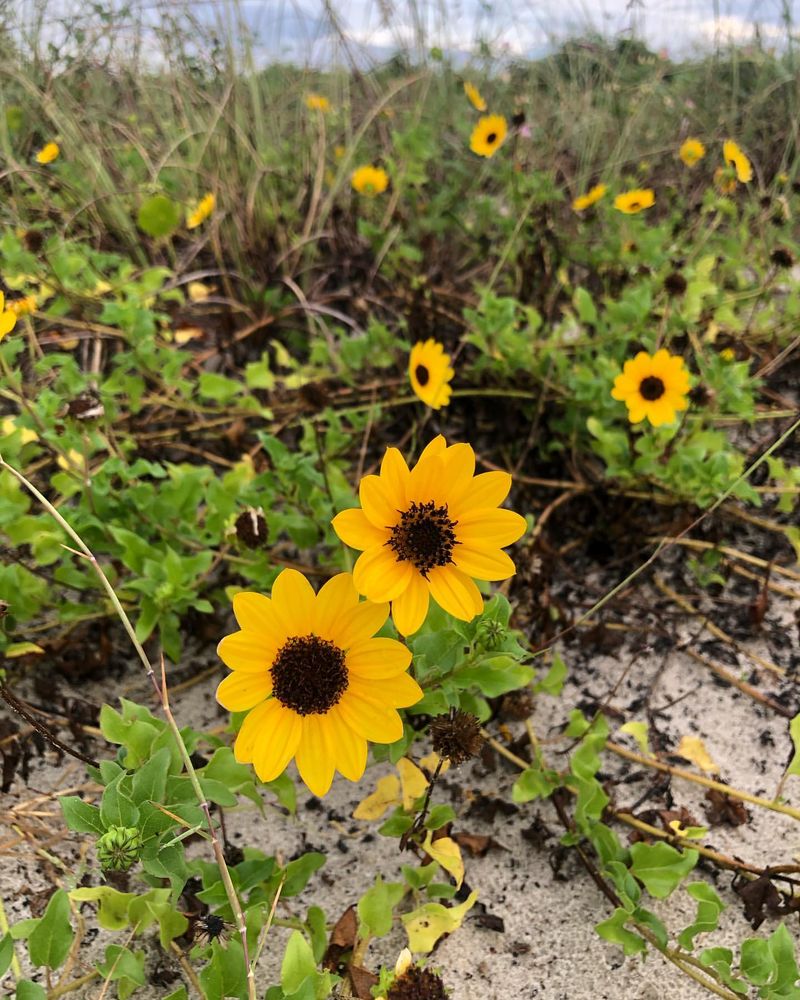
Beach Sunflower brings cheerful yellow blooms to your landscape nearly year-round in South Florida, with slightly shorter bloom periods as you move northward. This sprawling native plant creates a loose, informal ground cover that works beautifully in coastal areas where salt tolerance matters.
Your garden will look like a sunny meadow when these bright flowers open each morning to greet the day.
The plant spreads through trailing stems that can reach several feet in length, weaving through other plants or cascading over walls and slopes. You’ll appreciate how it stabilizes sandy soil with its root system, preventing erosion while adding color to areas where grass simply won’t grow.
Beach Sunflower thrives in full sun and actually prefers the poor, sandy soil that frustrates so many other landscape plants.
Start with container plants spaced about two to three feet apart, as this ground cover spreads quickly once established. Water every few days for the first two weeks, then switch to weekly watering for another month before letting nature take over.
After establishment, your Beach Sunflower will survive on rainfall alone except during prolonged droughts. Trim back stems occasionally if they wander too far from their designated area, and remove spent flowers if you want to encourage even more blooms throughout the growing season.
4. Twinflower (Dyschoriste humistrata)
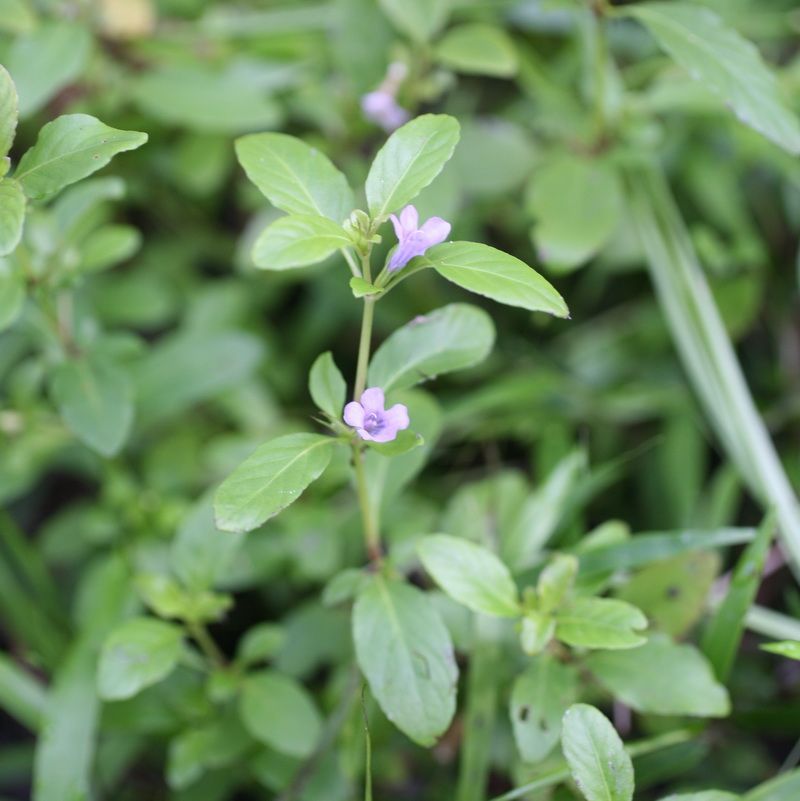
Twinflower quietly carpets shady areas under trees where most ground covers give up and refuse to grow. This Florida native produces delicate lavender-blue flowers that appear in pairs, hence the charming common name that gardeners love.
Your shaded garden spots will finally have a low-maintenance option that needs less watering once established, though occasional irrigation during extended dry periods helps maintain best appearance.
The plant forms a dense mat of small green leaves that stays under six inches tall, creating a tidy appearance without any mowing required. You’ll find it spreads steadily but not aggressively, filling in bare spots under oaks and palms where grass refuses to thrive.
Twinflower tolerates both full shade and partial sun, though it blooms most prolifically when it receives dappled morning light.
Plant divisions or small pots about eight to twelve inches apart in spring when soil temperatures rise above sixty degrees consistently. Keep the soil evenly moist for the first month while roots establish, then gradually reduce watering frequency as you see new growth emerging.
Once your Twinflower settles in, it needs water only during extended dry spells or when leaves start to look slightly wilted. The plant tolerates our occasional cold snaps in North Florida, browning slightly but bouncing back quickly when temperatures warm up again in spring.
5. Railroad Vine (Ipomoea pes-caprae)
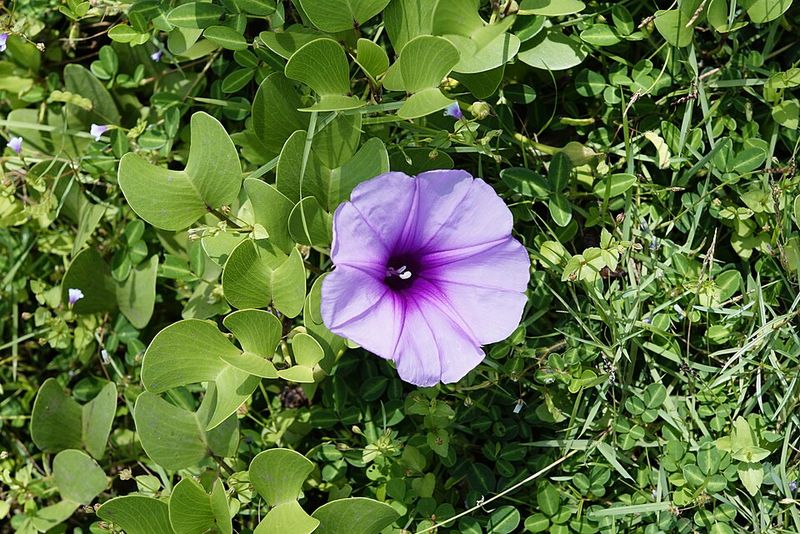
Railroad Vine races across coastal dunes and sandy yards with the determination of a cross-country runner training for a marathon. This salt-tolerant native produces stunning purple morning glory flowers that open at dawn and close by afternoon, giving you a daily show throughout warm months.
Your beachfront property will stay protected from erosion while looking absolutely gorgeous when those flowers bloom against the green foliage.
The thick, succulent leaves store water efficiently, allowing this plant to survive in the harshest beach conditions where other ground covers would wither within days. You’ll notice the vines can spread ten feet or more in a single growing season, making Railroad Vine perfect for covering large bare areas quickly.
It grows best in full sun and actually prefers the nutrient-poor sand that most plants find inhospitable.
Establish Railroad Vine by planting rooted cuttings or container plants about three to four feet apart during late spring or summer. Water twice weekly for the first month, then reduce to weekly watering for another few weeks until you see vigorous vine growth.
After that initial establishment period, your Railroad Vine will need little to no supplemental irrigation, surviving entirely on rainfall and morning dew. Let it roam freely across dunes or contain it with edging if you need to keep it within specific boundaries in your landscape design.
6. Silver Ponyfoot (Dichondra carolinensis)
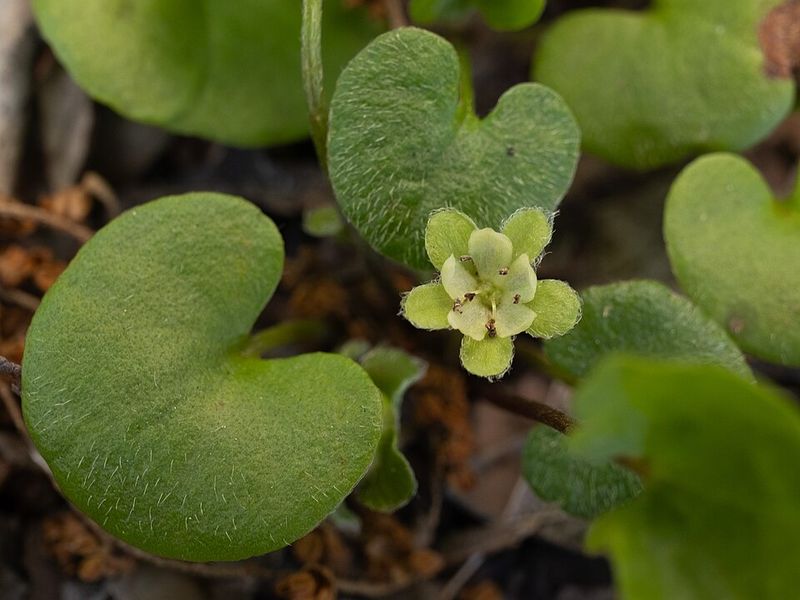
Silver Ponyfoot creates a fine-textured carpet that looks almost like a living tapestry when sunlight catches the tiny round leaves. This Florida native spreads through delicate stems that root at nodes, forming a dense mat that stays under two inches tall naturally.
Your barefoot walks across this ground cover will feel soft and cool even on warm days, making it a favorite for areas around pools or patios.
The plant tolerates a wide range of light conditions from full sun to moderate shade, adapting its growth habit to whatever your landscape provides. You’ll appreciate how it tolerates occasional foot traffic better than many low-growing ground covers, though it performs best in low-traffic areas.
Silver Ponyfoot grows best in moist to moderately dry soil and can handle short dry periods once established, though occasional supplemental watering improves appearance and coverage.
Start with plugs or flats planted about six inches apart during spring or early summer when growth is most vigorous. Water regularly for the first three to four weeks until you see the plants spreading and connecting with neighboring plugs.
Gradually reduce irrigation over the next month, training roots to search deeper for moisture. Your established Silver Ponyfoot will need supplemental water only during extended dry periods when leaves start to look slightly wilted or dull.
It occasionally produces tiny white flowers, though most gardeners grow it primarily for the attractive foliage that stays green year-round in most of Florida.
7. Green-and-Gold (Chrysogonum virginianum)
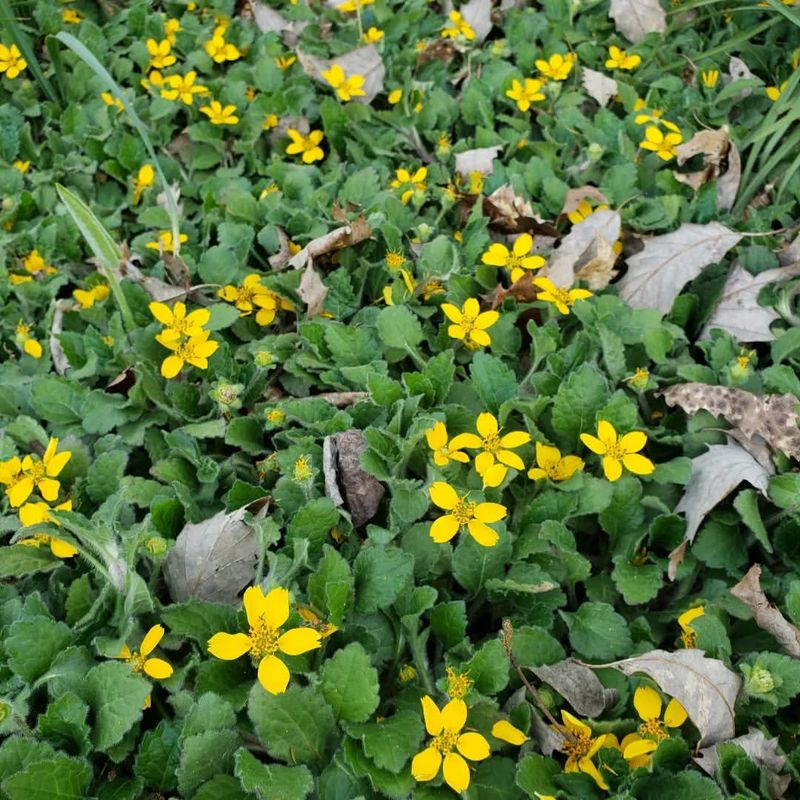
Green-and-Gold brightens shady spots with cheerful yellow star-shaped flowers that bloom for months when conditions suit this adaptable ground cover. Native to the southeastern United States including North Florida, this plant forms neat clumps that spread gradually to create an informal carpet under trees.
Your woodland garden will finally have the pop of color it needs with relatively low maintenance, though consistent moisture improves flowering and overall plant health.
The dark green foliage stays attractive even when flowers take a break during the hottest summer months. You’ll find this ground cover prefers partial to full shade, though it tolerates morning sun if afternoon shade provides relief from our intense Florida heat.
Green-and-Gold grows about six to eight inches tall, creating a textured appearance that adds visual interest to flat garden beds.
Plant container-grown specimens about twelve to fifteen inches apart in fall or early spring when temperatures stay moderate. Water every few days for the first two weeks, then transition to weekly watering for the next month as roots establish.
Once settled, your Green-and-Gold needs supplemental water only during prolonged dry spells or when you notice leaves starting to droop slightly. Divide clumps every few years if you want to spread this plant to other shaded areas of your landscape or share divisions with gardening friends who admire those bright yellow blooms.
8. Blue-Eyed Grass (Sisyrinchium angustifolium)
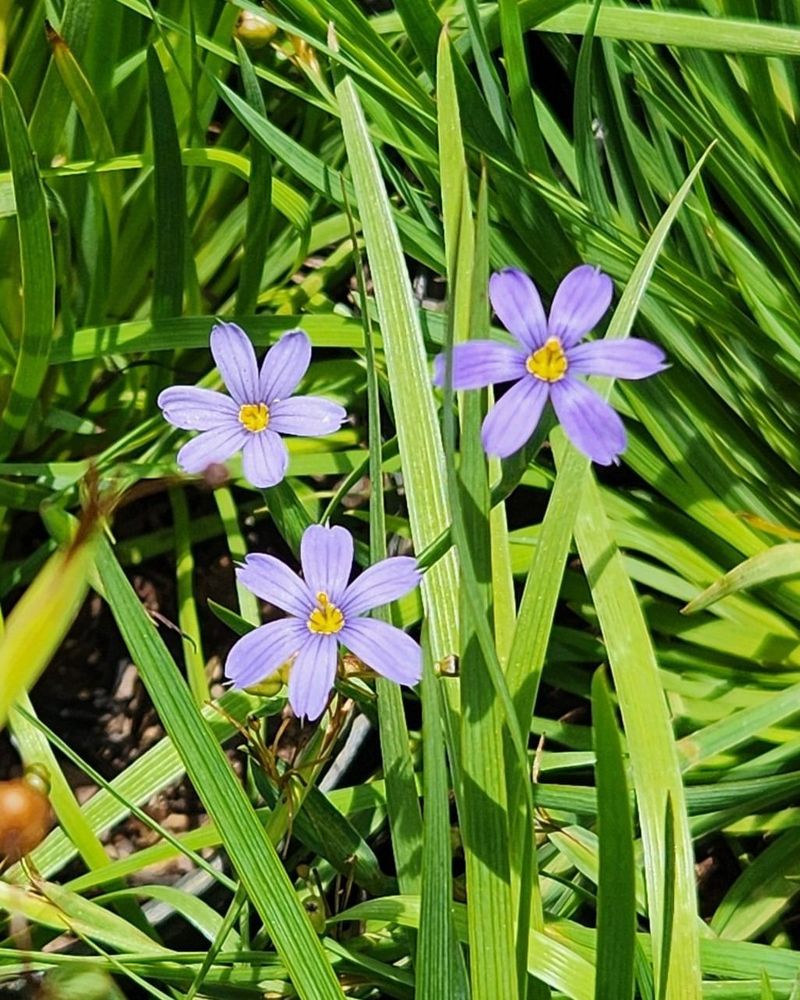
Blue-Eyed Grass surprises visitors who expect actual grass but discover delicate blue flowers with yellow centers instead. This Florida native forms clumps of grass-like foliage that stay under twelve inches tall, creating a meadow effect in sunny areas.
Your garden will attract small butterflies and native bees when those charming star-shaped blooms open on sunny mornings throughout spring and early summer.
The plant grows from small rhizomes that gradually spread to form larger colonies, though it never becomes aggressive or invasive in your landscape. You’ll appreciate how it tolerates a range of soil conditions from moist to moderately dry, adapting to whatever your yard provides.
Blue-Eyed Grass thrives in full sun to partial shade, blooming most abundantly when it receives at least six hours of direct sunlight daily.
Establish Blue-Eyed Grass by planting small divisions or container plants about eight to ten inches apart during fall or spring. Keep soil consistently moist for the first month while roots establish, then gradually reduce watering frequency as plants show signs of active growth.
After establishment, your Blue-Eyed Grass handles average rainfall well, though occasional deep watering during dry periods improves growth and flowering. A deep watering every two weeks during drought helps keep foliage looking fresh.
The plant may go dormant during the hottest part of summer in South Florida, returning to active growth when temperatures moderate in fall.
9. Creeping Sage (Salvia misella)
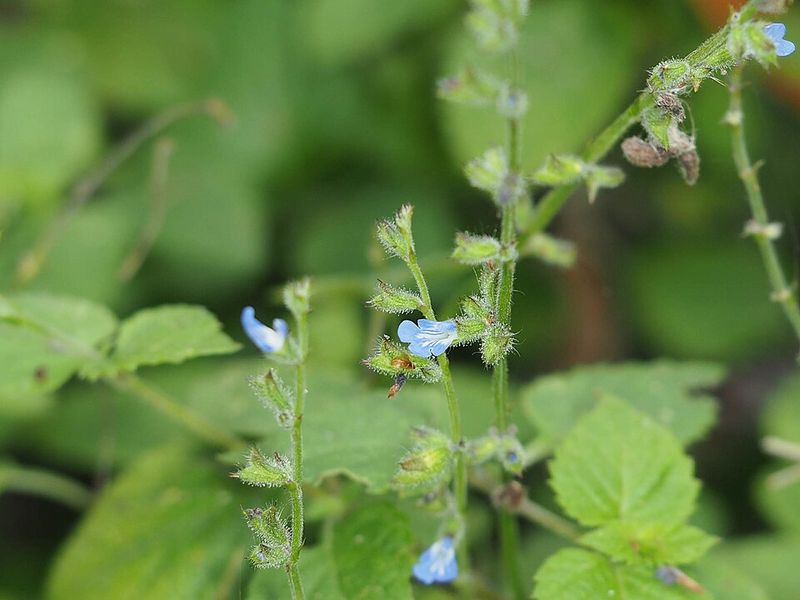
Creeping Sage hugs the ground with tiny aromatic leaves that release a pleasant herbal scent when you brush against them. This Florida native spreads through delicate stems that root as they grow, creating a fine-textured mat that stays under three inches tall naturally.
Your garden will hum with pollinator activity when the small blue flowers appear throughout warm months, attracting tiny native bees and butterflies.
The plant tolerates full sun to partial shade, adapting its growth rate to available light conditions. You’ll find it grows most vigorously in areas with morning sun and afternoon shade, though it survives in full sun if soil retains some moisture.
Creeping Sage works beautifully between stepping stones or as a lawn alternative in low-traffic areas where you want something more interesting than plain grass.
Plant small plugs or divisions about six to eight inches apart during late spring when soil temperatures warm consistently. Water every other day for the first two weeks, then transition to twice-weekly watering for another month while roots establish.
Once your Creeping Sage fills in completely, it needs water only during extended dry periods when leaves start to look slightly stressed or dull. Trim back any stems that wander beyond their intended area, and enjoy the subtle fragrance this charming ground cover adds to your outdoor living spaces throughout the year.
10. And Now… The Best Plant of Them All: Perennial Peanut (Arachis glabrata)
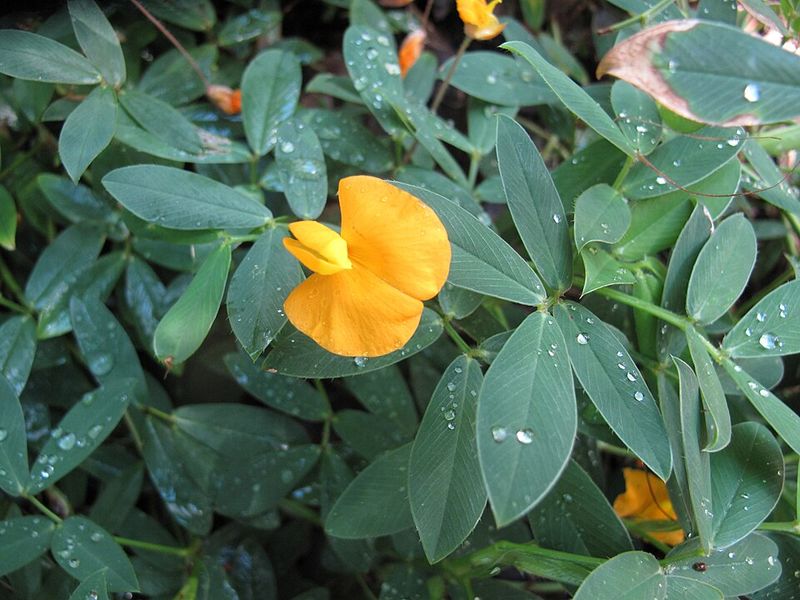
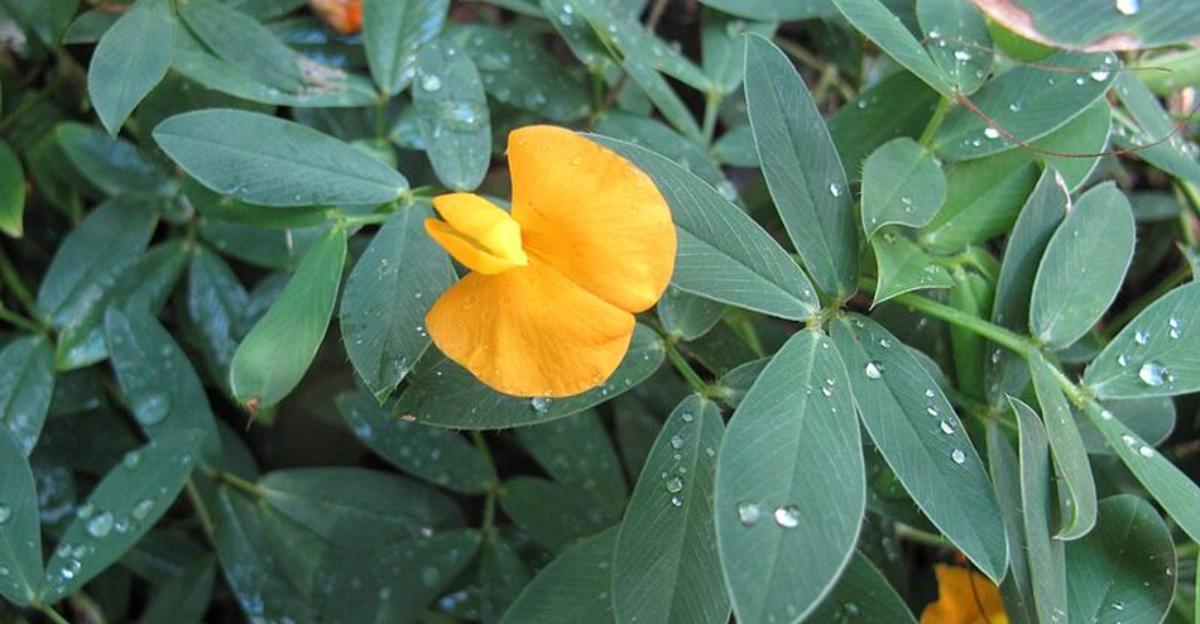
If Florida had a “hall of fame” for low-water ground covers, Perennial Peanut would be front and center. This legendary turf alternative delivers lush green coverage, bright yellow flowers, and unmatched drought tolerance — all while requiring far less maintenance than traditional grass.
Once established, Perennial Peanut survives almost entirely on rainfall, even in Florida’s sandy, fast-draining soils. Your landscape will stay vibrant through hot summers while your irrigation system gets a well-deserved break.
This plant also naturally fixes nitrogen in the soil, meaning it feeds itself and neighboring plants without the need for heavy fertilizing.
Perennial Peanut spreads through underground rhizomes that knit together into a thick, weed-suppressing carpet that typically stays six to eight inches tall. It tolerates light to moderate foot traffic, making it suitable for casual walking areas, though it performs best outside of heavy-use play zones.
You’ll love the steady stream of cheerful yellow flowers that bloom from spring through fall, attracting bees and butterflies while brightening your yard.
Plant rhizomes or container-grown plants about twelve to eighteen inches apart in late spring or early summer when soil temperatures are warm. Water two to three times per week for the first month to encourage root establishment, then gradually reduce irrigation as growth becomes vigorous.
After the first growing season, your Perennial Peanut will require little to no supplemental watering except during extreme drought. It handles heat, sun, and sandy soil better than most ground covers on the market, making it the gold standard for Florida-friendly, low-water landscapes.