7 Best Hedges For Privacy In Texas Gardens
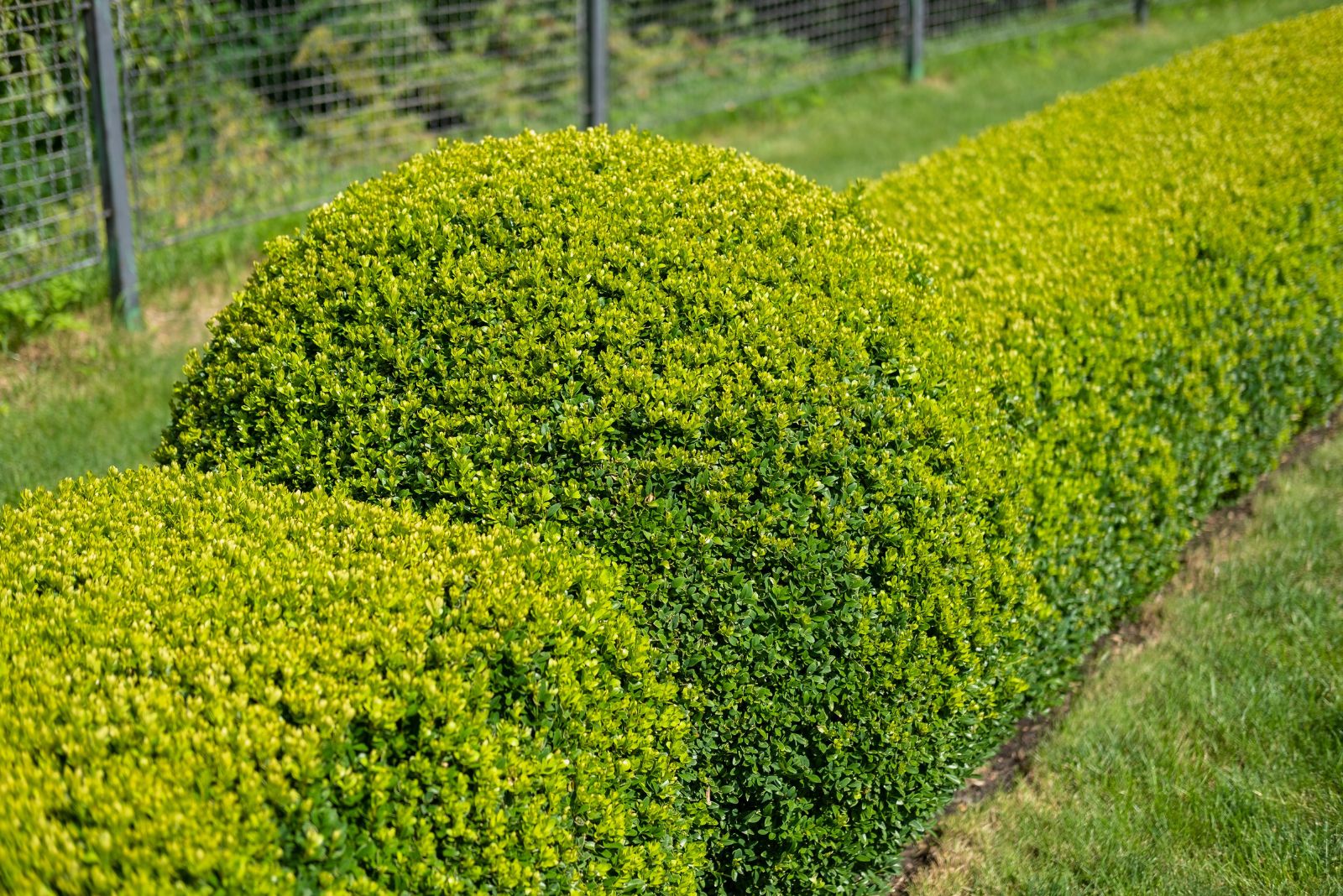
Privacy is something every Texas gardener can appreciate, especially when it feels like the sun is always shining, and everyone’s peeking over the fence.
Whether you’re looking to create a peaceful outdoor retreat or just need a bit more seclusion in your backyard, the right hedge can do wonders.
Not only do they provide much-needed privacy, but they also add structure and greenery to your garden.
In Texas, where the weather can be harsh, you need hardy, low-maintenance plants that can stand up to the heat and drought. Luckily, there are several great hedge options that thrive in the Lone Star State, offering both privacy and beauty.
From dense evergreens to flowering varieties, these hedges can grow tall and thick, blocking out unwanted views while enhancing the overall look of your landscape. With the right choices, you can transform your Texas garden into a private oasis with minimal effort.
1. American Boxwood (Buxus Sempervirens)
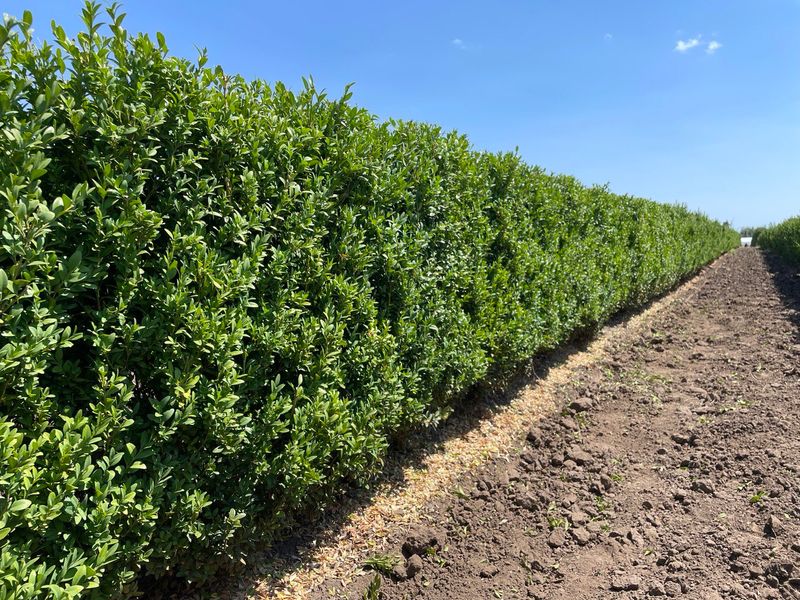
Few hedges carry the timeless charm of American Boxwood. Gardeners across Texas have trusted this classic shrub for generations, and it is easy to see why.
With its thick, dense, evergreen leaves, it creates a solid wall of green that stays beautiful all year long.
American Boxwood grows slowly but steadily, reaching anywhere from three to eight feet tall depending on how you manage it.
Because it responds so well to pruning, you can shape it into a perfectly straight formal hedge or let it grow a bit more naturally. Either way, it gives you reliable, year-round privacy without a lot of fuss.
In Texas, boxwoods do best in spots with morning sun and afternoon shade. The brutal afternoon heat in cities like San Antonio or Austin can scorch the leaves if the plant gets too much direct sun.
Planting it in a location with some protection keeps the foliage looking lush and green.
Well-draining soil is important for this shrub. Boxwoods do not like to sit in soggy ground, so if your Texas garden has heavy clay soil, mixing in some compost before planting will make a big difference.
Water young plants regularly until they settle in, then ease back on watering as the roots establish.
One fun fact: Boxwoods have been used in formal European gardens for over 2,000 years. Bringing that same classic elegance to your Texas garden is a choice you will never regret.
2. Privet (Ligustrum Spp.)
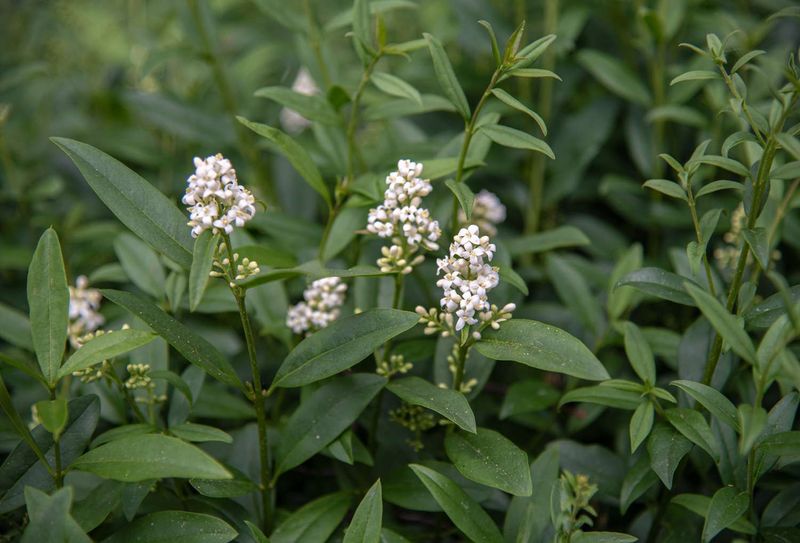
Want a hedge that grows fast and fills in quickly? Privet might be exactly what your Texas garden needs.
This tough, adaptable shrub is known for its rapid growth rate, often putting on several feet of new growth each year when conditions are right.
Privet is especially popular across central and eastern Texas, where the climate suits it well. It handles heat, humidity, and a range of soil types without much complaint.
Whether your yard has sandy soil near the coast or heavier clay soil further inland, Privet tends to adapt and thrive.
The glossy, dark green leaves create a thick, lush wall that blocks views effectively. During late spring and early summer, Privet produces clusters of small white flowers with a sweet fragrance that many people enjoy.
After flowering, small dark berries appear, which birds absolutely love. One thing to keep in mind with Privet is pruning. Because it grows so vigorously, it needs regular trimming to stay neat and maintain the shape you want.
Without regular attention, it can become unruly fairly quickly. Trimming two or three times a year keeps it looking sharp and well-managed.
Waxleaf Privet, also known as Ligustrum japonicum Texanum, is a popular variety specifically in Texas gardens. It features extra-glossy leaves and handles drought conditions once established.
If you want a dense, fast-growing privacy hedge that delivers results quickly, Privet is hard to beat anywhere in the Lone Star State.
3. Japanese Holly (Ilex Crenata)
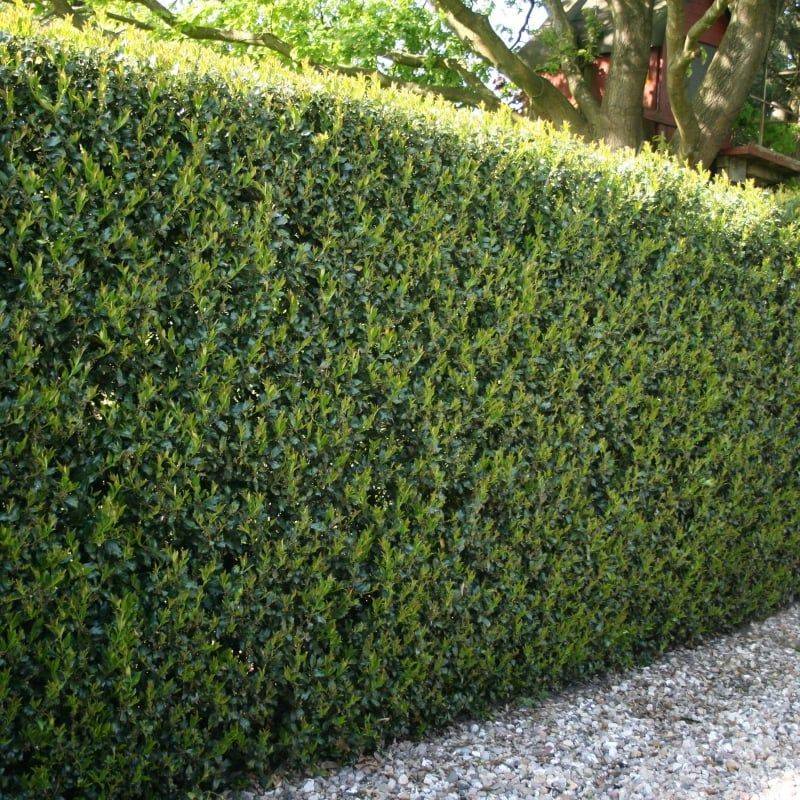
Not every great hedge needs to shout for attention. Japanese Holly is the quiet overachiever of the shrub world, delivering dense, reliable coverage without the drama.
Its small, glossy, dark green leaves pack together tightly, creating a thick and polished-looking hedge that works beautifully in Texas landscapes.
One of the biggest advantages of Japanese Holly is its flexibility. It handles both full sun and partial shade, which makes it useful in a wide variety of garden spots.
Many Texas homes have shaded corners or areas under large trees where other hedges struggle. Japanese Holly steps in and fills those spaces with confidence.
This shrub stays compact and tidy without aggressive pruning, which is a huge bonus for busy homeowners. It naturally grows in a rounded, dense form that looks neat even without constant shaping.
A light trim once or twice a year is usually all it needs to stay looking its best. Japanese Holly is also quite tolerant of urban conditions, including air pollution and compacted soils, which is great news for gardeners in Texas cities like Fort Worth or Houston.
It does prefer well-drained, slightly acidic soil, so adding some peat moss or compost at planting time helps it get off to a strong start.
Water needs are moderate. Once established, Japanese Holly is fairly drought-tolerant, though a deep watering during the hottest Texas summer months will keep it looking lush and healthy throughout the season.
4. Red-Tipped Photinia (Photinia x Fraseri)
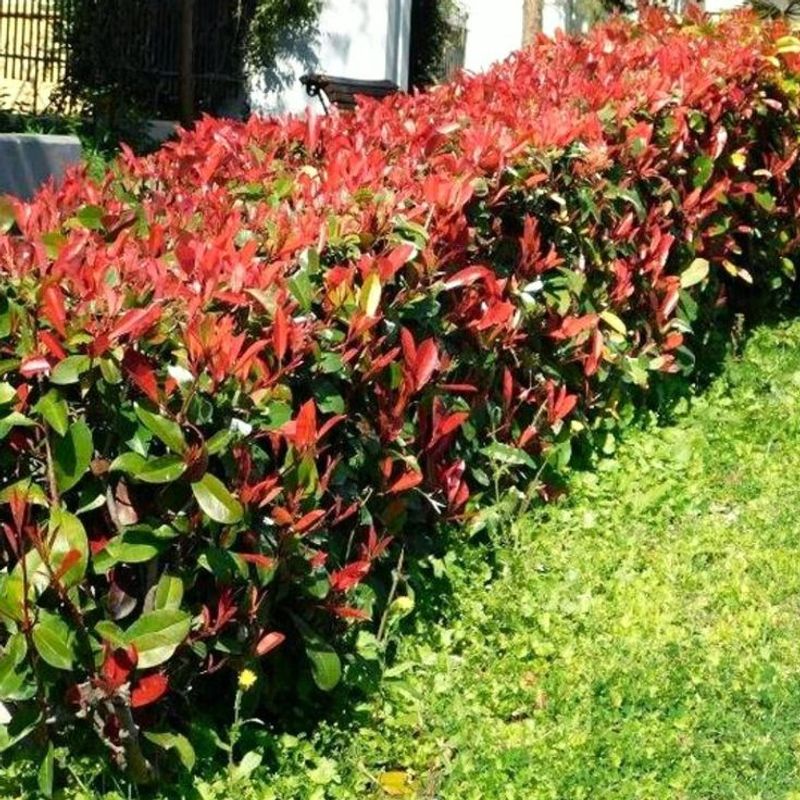
Imagine a hedge that puts on a dazzling color show every single time it grows new leaves. That is exactly what Red-Tipped Photinia does.
The fresh new growth bursts out in a brilliant, fiery red before slowly maturing to a deep, glossy green. It is one of the most visually striking hedges you can plant anywhere in Texas.
Red-Tipped Photinia grows quickly, often reaching ten to fifteen feet tall when left unpruned. For privacy purposes, this fast growth is a huge advantage.
Within just a few seasons, you can have a tall, solid green wall separating your yard from the street or neighboring properties.
Across Texas, this shrub is a popular choice for good reason. It handles the heat well, tolerates a range of soil conditions, and thrives in full sun.
The more sunlight it gets, the more vivid and intense that signature red new growth becomes. Planting it along a sunny fence line gives you the best color display possible.
Pruning encourages fresh flushes of that red growth, so trimming your hedge two or three times a year keeps it looking vibrant and full. It is a good idea to avoid excessive pruning during extremely hot stretches, as this can stress the plant.
One thing to watch is fungal leaf spot, which can affect Photinia in humid conditions. Spacing plants properly to allow good airflow reduces this risk significantly.
With a little attention, Red-Tipped Photinia rewards Texas gardeners with stunning beauty and solid privacy year-round.
5. Yew (Taxus Spp.)
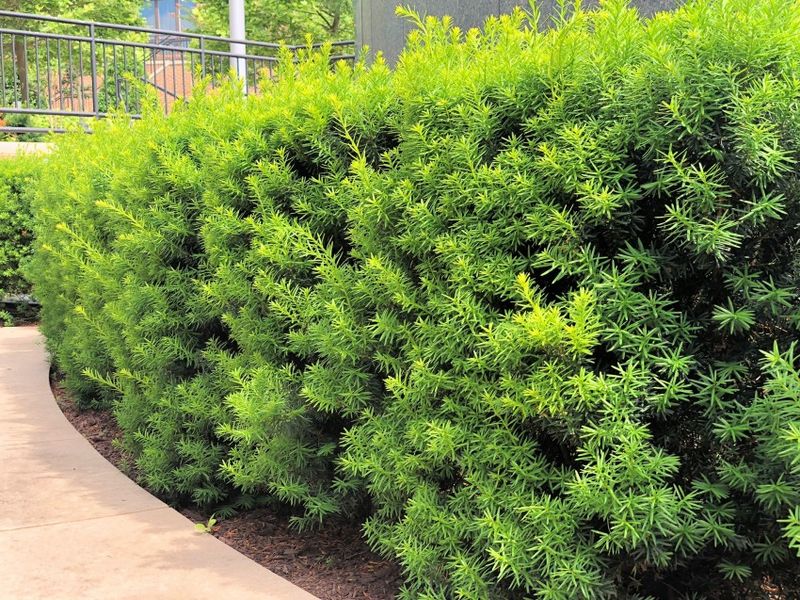
Shady gardens in Texas do not have to struggle with finding the right privacy hedge. Yew is a slow-growing evergreen that absolutely thrives in lower-light conditions, making it one of the best options for those tricky shaded spots in your yard where most other shrubs simply refuse to cooperate.
Yew produces dense, dark green, needle-like foliage that stays attractive all year long. Because it is evergreen, your privacy screen never takes a season off.
Whether it is the middle of summer or a cool Texas winter, the hedge stays full and green without any gaps.
One of the standout qualities of Yew is how beautifully it responds to pruning. Gardeners can shape it into clean, formal hedges with crisp edges, or allow it to grow in a more relaxed, natural form.
Either approach works well, and the shrub maintains its density regardless of the style you choose.
Yew prefers well-drained soil and does not do well in waterlogged conditions. In parts of Texas with heavy clay soils, raised planting beds or soil amendment with compost can make a meaningful difference in how well the plant performs.
It also prefers slightly acidic to neutral soil pH. Growth is slow compared to some other hedging options, so patience is required. However, the payoff is a long-lived, incredibly dense hedge that can last for decades.
In the right Texas garden setting, particularly in shaded North Texas landscapes, Yew is a dependable and elegant choice that delivers lasting privacy.
6. Carissa Holly (Ilex cornuta ‘Carissa’)
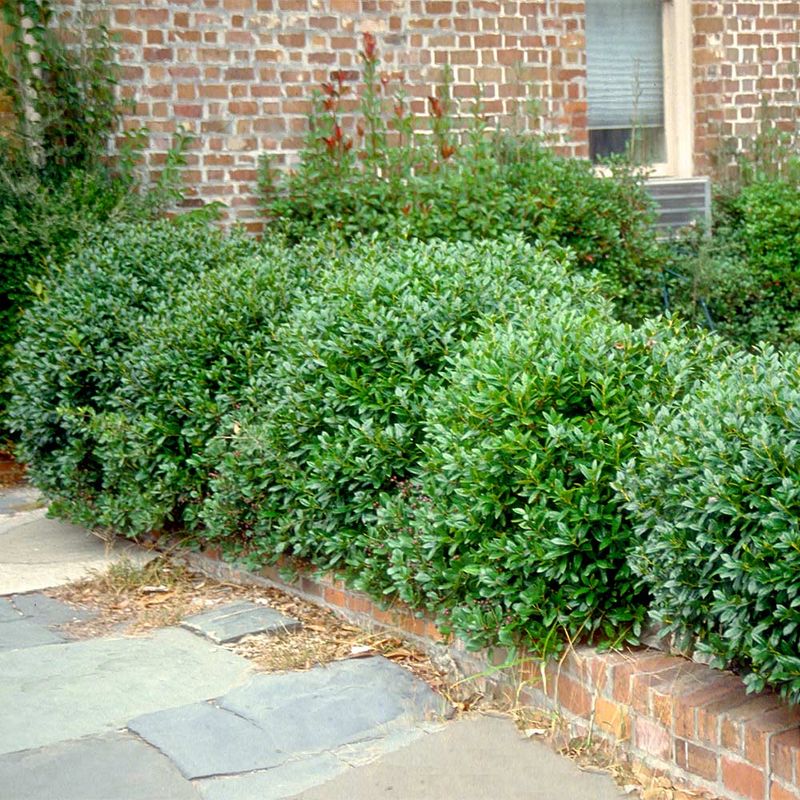
Sometimes the best hedge is not the tallest one. Carissa Holly proves that a compact, low-growing shrub can still deliver excellent privacy, especially along borders, walkways, and fence lines.
This tough little evergreen punches well above its weight in terms of coverage and curb appeal.
Carissa Holly typically grows two to four feet tall and spreads three to four feet wide. While it may not tower over your yard, its incredibly dense growth and deep green, glossy leaves create a solid visual barrier that is hard to see through.
The leaves also have a single spine at the tip, which adds a natural security element to the hedge.
Drought tolerance is one of this shrub’s biggest selling points for Texas gardeners. Once established, Carissa Holly handles dry spells remarkably well, which is a huge advantage during those long, hot Texas summers when watering restrictions can kick in.
It thrives in both full sun and partial shade, giving you flexibility in placement. Maintenance is refreshingly simple. Carissa Holly requires very little pruning to maintain its natural, rounded shape.
An occasional trim to keep it tidy is usually all that is needed. This low-maintenance quality makes it a favorite among homeowners across Texas who want great results without spending every weekend in the garden.
Rich, dark berries appear in fall and winter, adding extra seasonal interest. Birds enjoy them, bringing pleasant wildlife activity to your yard.
For a reliable, no-fuss privacy hedge in a Texas garden, Carissa Holly is a standout performer worth every bit of consideration.
7. Laurel Cherry (Prunus Laurocerasus)
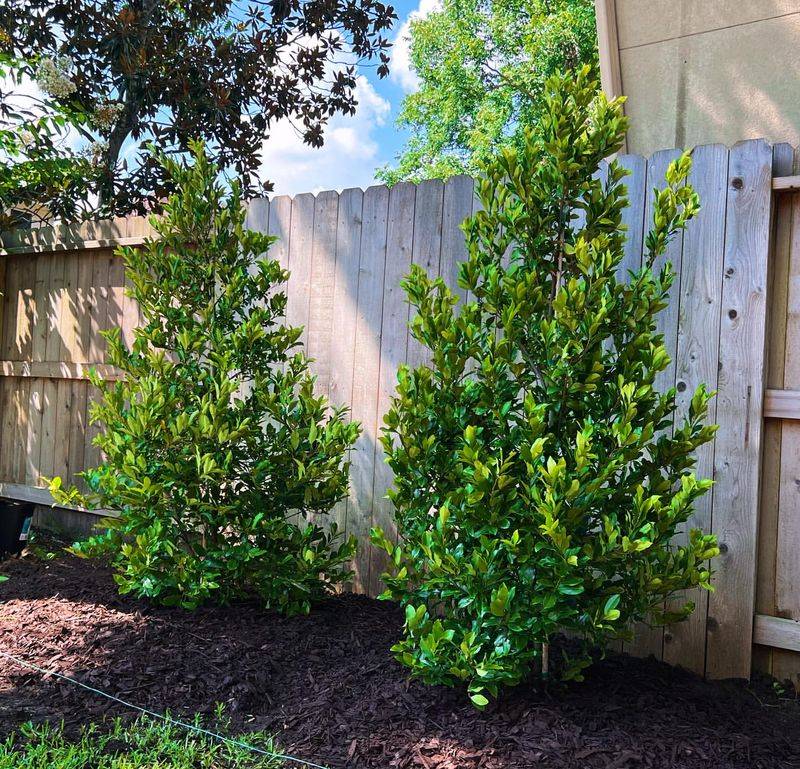
Bold, fast, and full of energy, Laurel Cherry is the kind of hedge that makes a statement. Its large, glossy, dark green leaves give it a lush, tropical look that stands out beautifully in Texas gardens.
If you need serious privacy coverage in a relatively short amount of time, this shrub delivers in a big way.
Laurel Cherry grows quickly, often reaching six to ten feet tall within just a few years of planting. That rapid growth rate makes it especially appealing for homeowners who want to establish a privacy screen without waiting forever.
Once it fills in, the coverage it provides is impressively dense and reliable.
Heat tolerance is a key reason this shrub works so well across Texas. From the humid gardens of Houston to the sun-baked yards of West Texas, Laurel Cherry holds its own in tough conditions.
It does best with regular watering during its first year, but once the roots are established, it becomes quite resilient.
Trimming is necessary to keep Laurel Cherry looking its best. Without occasional shaping, it can grow a bit wild and lose the neat, structured appearance most homeowners prefer.
Pruning two to three times a year keeps it full, tidy, and manageable. Using sharp, clean tools during pruning prevents any unnecessary stress on the plant.
Small white flower clusters appear in spring, adding a delicate and pleasant fragrance to your garden. After blooming, small dark fruits follow, which attract songbirds and other wildlife.
For a fast-growing, heat-tolerant privacy hedge in Texas, Laurel Cherry earns its spot on this list without question.